You’re probably looking into Chinese traditional lanterns because you want to get the story behind them—their cultural meaning, different kinds, how they’re used, and what sets them apart from modern stuff.
A Chinese traditional lantern is basically a light source that’s both pretty and practical.It’s made of things like paper, silk, and bamboo, and it can mean everything from good luck to guiding spirits.
You’ll see these lanterns a lot at big festivals like the Lantern Festival and Chinese New Year.But they’re also used in daily life, just to set a mood or for some rituals.This article spills everything you need to know—from the backstory and different styles to picking one out, using it, and keeping it in good shape.
We’ll also clear up some common myths, talk about risks, and look at modern versions.Whether you’re putting together a festival, really into culture, or just starting to get curious, this is for you.You’ll find real-world tips and solid, fact-based advice.
Table of Content
What Exactly Is a Chinese Traditional Lantern?
Definition and Core Components
A Chinese traditional lantern is a portable light source consisting of a frame—often bamboo or metal—covered with thin, translucent material like rice paper or silk, and illuminated by a candle or electric bulb.
The classic round red lantern, or “hong deng,” symbolizes happiness and reunion.Users often search: “What are traditional Chinese lanterns made of?” or “Why are Chinese lanterns red?” The making involves handcrafting the frame, gluing the cover, and adding calligraphy or paintings.
These items are not just decor; they carry cultural weight that artificial imitations lack.Understanding these components helps appreciate their value beyond aesthetics.
Historical Evolution and Cultural Roles
Chinese lanterns go back more than 2,000 years, all the way to the Eastern Han Dynasty.Back then, they were just for light, but later on, they became part of festivals.Over time, they turned into symbols for worship, parties, and coming together.
At the Lantern Festival, people release millions of lanterns to guide spirits and ask for good luck.People ask: “How did Chinese lanterns start?” and “What do lanterns do for Chinese New Year?” Over hundreds of years, different styles popped up in different places.
Up north, you see round ones; down south, they make these detailed shadow lanterns.That’s why traditional skill is so valued, and why modern knock-offs usually miss the symbolic meaning.
Which Type of Chinese Traditional Lantern Fits What You Need?
Comparison of Common Types: Hanging vs. Floating vs. Handheld
Choosing the right lantern depends on your event, safety needs, and cultural context.Hanging lanterns (mostly red and round) are ideal for decorating doorways or halls during Chinese New Year.Floating lanterns, often made of oiled paper, are released onto water for festivals like the Festival of Lights.
Handheld lanterns, like the “kongming lantern,” are flown into the sky but now face fire bans in many regions.Users search: “Are floating lanterns safe for lakes?” or “Which lantern type is best for outdoor parties?
” Below is a comparison table to help decide.
| Type | Material | Best Use Case | Safety Risk Level |
|---|---|---|---|
| Hanging (Red) | Silk/cotton over bamboo | Indoor/outdoor decoration | Low (if LED lit) |
| Floating | Oil paper, bamboo frame | Water festivals (e.g., Loy Krathong) | Medium (fire hazard on water) |
| Handheld (Sky) | Rice paper, wire | Sky lantern events (banned in many places) | High (wildfire risk) |
The table shows that for family gatherings, hanging lanterns with LED lights are safest.For cultural events, floating lanterns can be used with caution—ensure local regulations allow water release.Many users ask: “What’s the difference between a Chinese and Japanese lantern?
” A Chinese lantern typically has a round shape and is made from paper or silk, whereas Japanese lanterns (cho-chin) are often oval and use washi paper.Knowing these distinctions prevents buying the wrong item for a traditional ceremony.
Electric vs. Candle: Which Is More Authentic?
Some tradition purists say candle-lit Chinese traditional lanterns give you that real glow and ritual feel, but LED ones are safer and last longer.For instance, a candle inside a paper Chinese traditional lantern can start a fire if it tips over, so LED versions are way better for kids parties or indoors.
People ask, Can you put real candles in a paper Chinese traditional lantern?or Do electric ones look fake?Modern LED Chinese traditional lanterns mimic candle flicker and give off a warm glow, around 2700 to 3000 Kelvin, so they look a lot like real flames.
For home displays, an LED Chinese traditional lantern makes more sense, but for temple ceremonies, tradition often says you’ve gotta use a candle.So your pick really comes down to where you’re using it and how much risk you’re okay with.
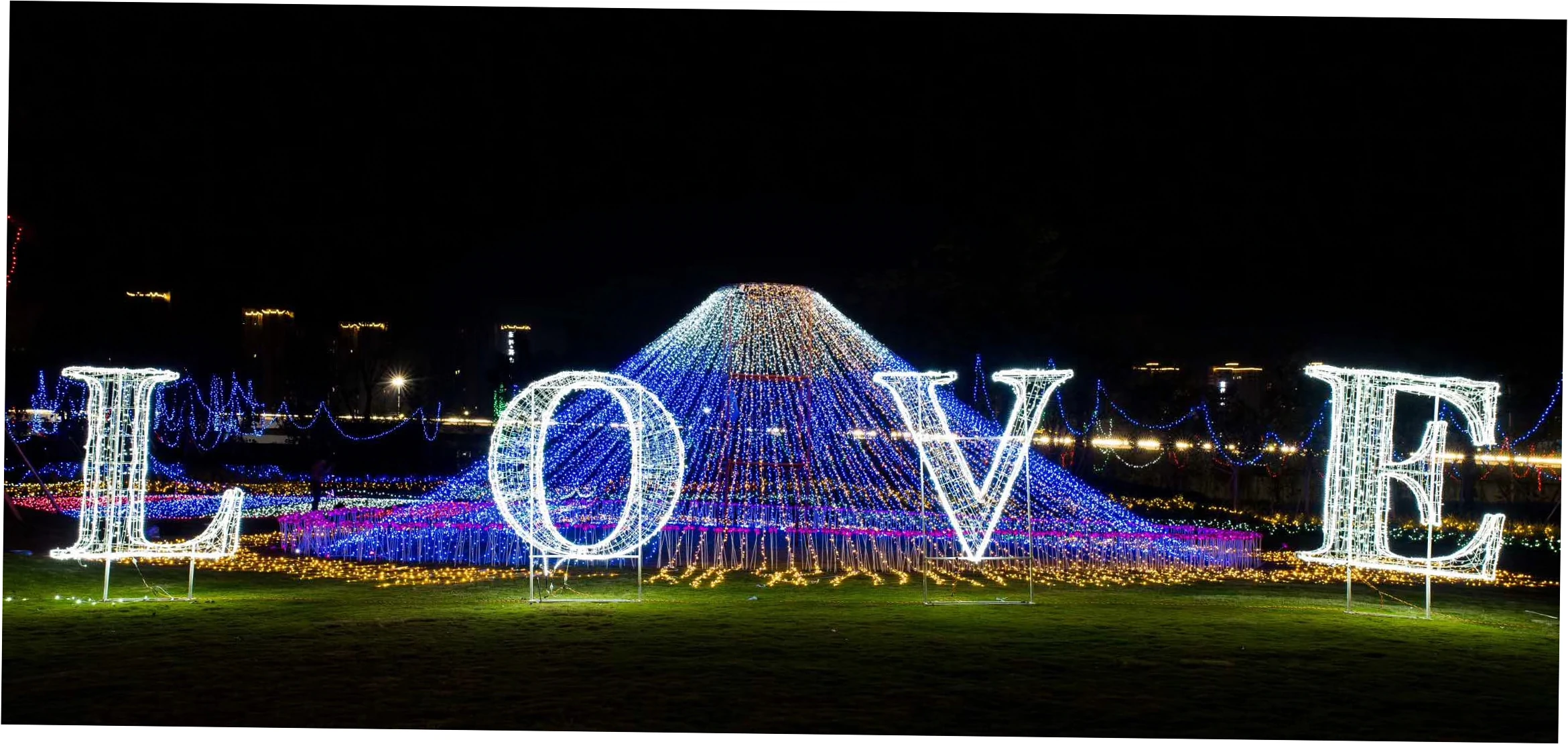
How to Choose a Chinese Traditional Lantern for Your Event
Step-by-Step Selection Guide
First, define the occasion: For a wedding, choose red pairs for luck; for a birthday, perhaps pink or gold with zodiac designs.Second, check material durability: Silk is more durable than paper but pricier.
Third, consider size: A 12-inch diameter works for table decor, while 24-inch suits door framing.Fourth, decide on light source: LED if indoors with kids, candle if you want tradition and have fire safety measures.
Users often search: “What size Chinese lantern for a 10-foot ceiling?” or “How to pick lanterns for a themed party?” Finally, budget: handmade silk lanterns cost $30-$100, while paper ones are $5-$20.This process ensures you get a lantern that fits both function and aesthetics.
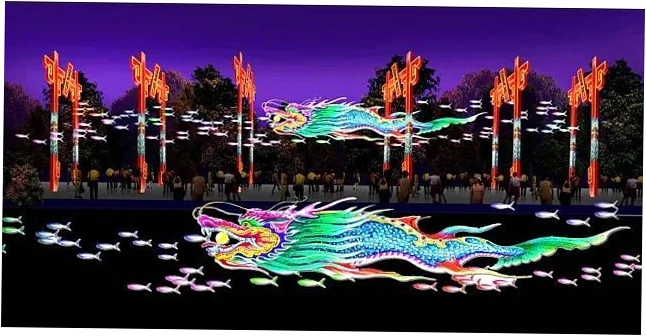
Common Mistakes When Buying Traditional Lanterns
A frequent error is ignoring fire safety rules—buying paper lanterns for outdoor windy areas can lead to accidents.Another mistake is selecting color incorrectly: white lanterns are used for funerals, not celebrations; red and gold are for joy.
People ask: “Is it okay to use black lanterns for a festival?” The answer is no—black is associated with mourning.many buyers focus only on appearance and neglect construction quality, leading to torn covers or broken frames.
To avoid these pitfalls, always check product reviews, ask about materials, and confirm the lantern’s intended use (e.g., indoor vs. outdoor rated).Investing in a quality lantern saves money and disaster in the long run.
How to Properly Use and Maintain Chinese Traditional Lanterns
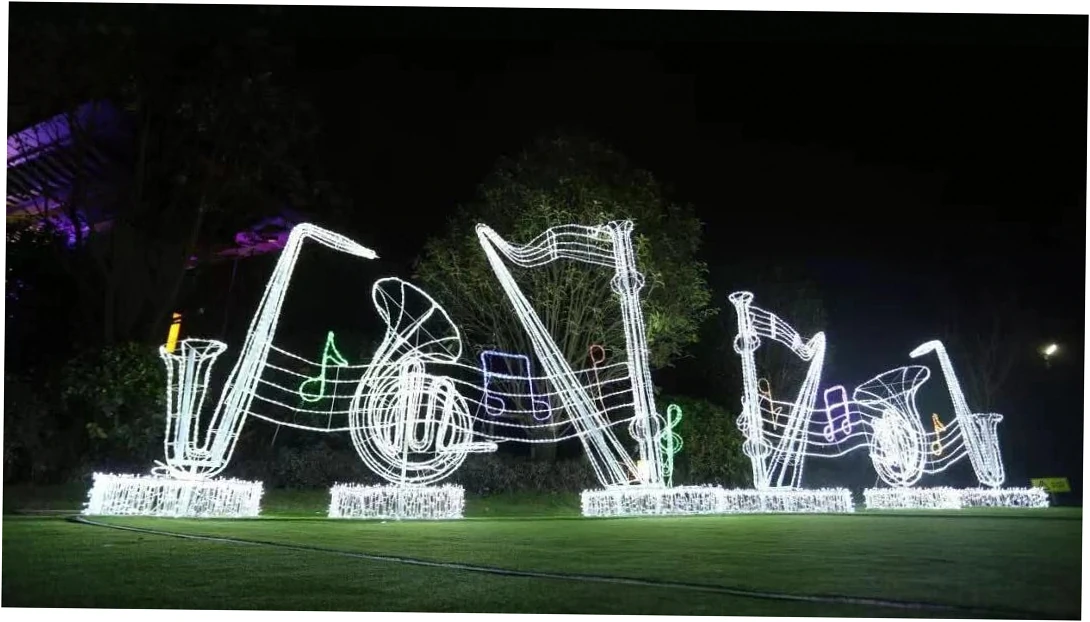
Setting Up Lanterns for Festivals
For outdoor hanging, use weatherproof cords and hooks that can support weight (e.g., a 12-inch paper lantern weighs about 0.5 lbs).Position away from flammable objects like curtains or dry leaves.If using candles, place a fire-resistant base (e.
G., ceramic plate) beneath.For floating lanterns, ensure the water body is calm and free of debris, and never release in wind.Users search: “How to make a floating Chinese lantern last longer on water?
” Or “What not to do with paper lanterns outside?” One tip: to prevent tearing, handle paper lanterns with dry hands and avoid prolonged sun exposure.After use, deflate and store flat in a dry place—this extends lifespan for multiple events.
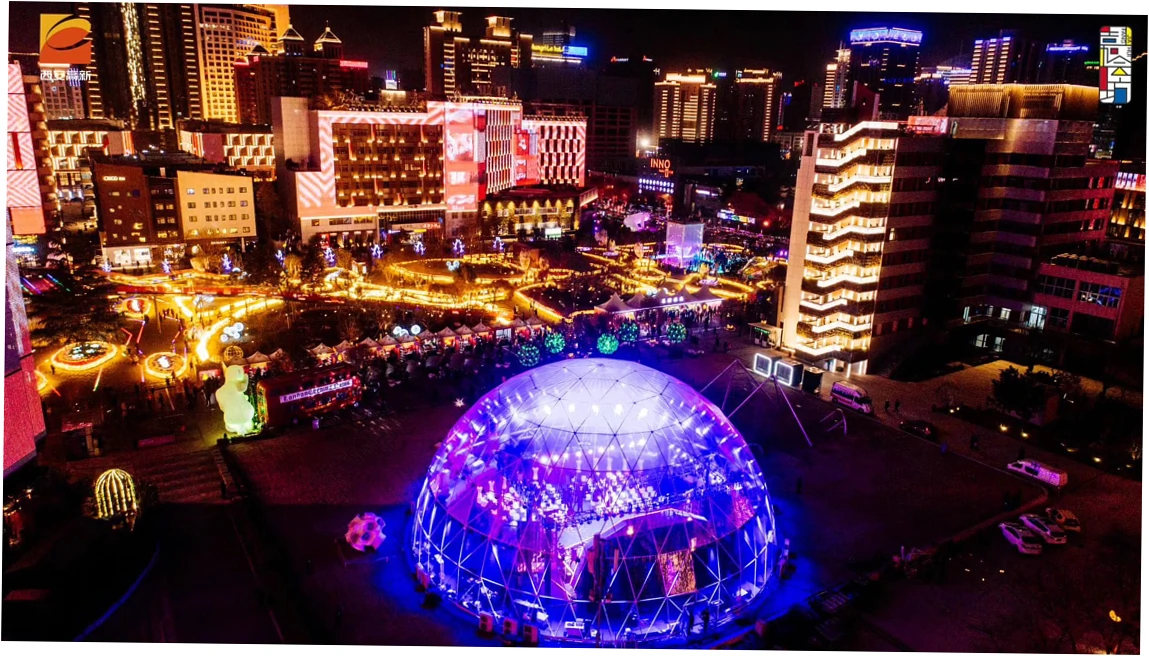
Safety Risks and Fire Prevention
Paper and silk catch fire easily.If the candle flame is too high, it can light up the cover.Research from the National Fire Protection Association says sky lanterns start over 200 wildfires worldwide every year.
Never set sky lanterns loose near forests or dry grass.Even inside, a candle can tip over.Always put lanterns on a steady surface, away from drafts.People often ask, “Are Chinese paper lanterns fireproof?
” Nope—unless they’ve been sprayed with flame retardant, which you can find at craft stores.Keep a fire extinguisher or a bucket of water close by when you’re using lanterns with candles.If it’s a kids’ event, stick with LED lanterns to cut out the risk entirely.
| Lantern Type | Fire Risk | Best Practice |
|---|---|---|
| Paper hanging (candle) | High | Use a metal candle holder, keep away from curtains |
| Silk hanging (LED) | Low | Check battery case for corrosion before use |
| Floating (candle) | Medium | Test buoyancy, never release in windy conditions |
Stick to these tips, and you’ll cut down on accidents while keeping up the tradition. Lots of folks say that after just one mishap, like a scorched tablecloth, they moved to LED for any indoor gathering. Pass along stories like that to remind everyone to make safer picks.
Got any modern alternatives to classic Chinese lanterns?

Comparing Traditional vs. Modern Synthetic Lanterns
Modern alternatives include plastic blow-mold lanterns, battery-operated faux silk lanterns, and projection mapping projections.While cheaper (e.g., $10 for a large plastic lantern), these lack the tactile quality and cultural authenticity of handmade ones.
Traditional lanterns are biodegradable, but synthetic ones contribute to plastic waste.Users search: “Are fake Chinese lanterns as good as real ones?” or “Which is more eco-friendly, paper or plastic?” As per a 2023 sustainability study, paper lanterns decompose in 2-4 weeks, while plastic lasts centuries.
For environmentally conscious buyers, traditional paper is better, but for repeated use, silk with LED is more durable.The table below compares key factors.
| Feature | Traditional (paper/silk) | Modern (plastic/LED) |
|---|---|---|
| Cost (average) | $15 – $50 | $8 – $30 |
| Lifespan | 1-5 uses (if careful) | 10 uses (durable) |
| Eco-friendliness | Biodegradable | Non-biodegradable |
| Cultural authenticity | High | Low |
This comparison helps users decide: For a one-time wedding, traditional adds charm; for a recurring annual event, invest in good-quality silk with LED.
When Traditional Is Not Suitable (Risks and Limitations)
In windy spots, paper lanterns rip apart pretty fast.When it rains, paper gets all soggy and heavy.Better to grab waterproof silk instead.in regions with strict fire codes (e.g., many US states ban sky lanterns), traditional candle-lit versions are illegal.
People wonder: Can I take a paper lantern outside in winter?Sure, but only if it’s protected from snow and strong gusts.One more downside: handmade lanterns usually aren’t weatherproof.UV rays can fade their colors in no time.
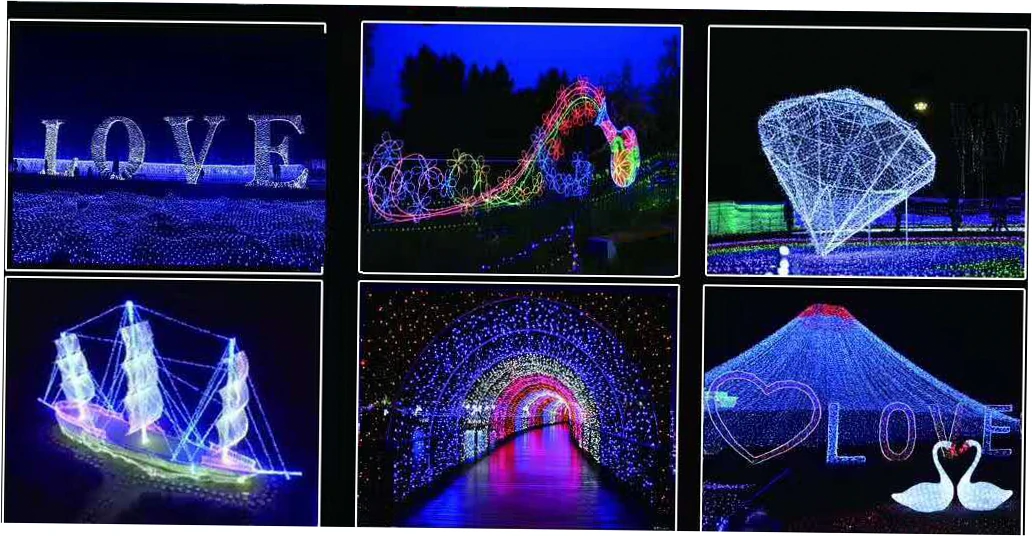
If you’re setting them up outside for weeks, you really need modern UV-proof materials.Always check the label.Indoor use only shows up all the time.Not sure what to get?Pick a hybrid—traditional-style silk with LED lights and a water-resistant finish.
Common Myths and Misconceptions about Chinese Lanterns
Myth 1: All Chinese Lanterns Are Red and Round
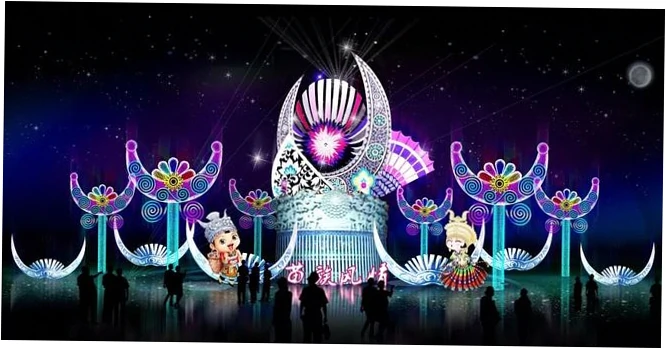
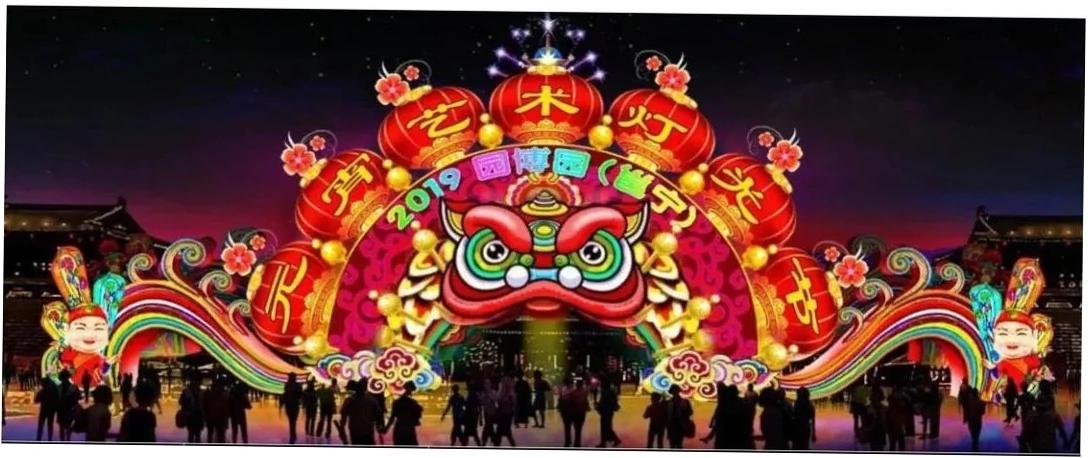
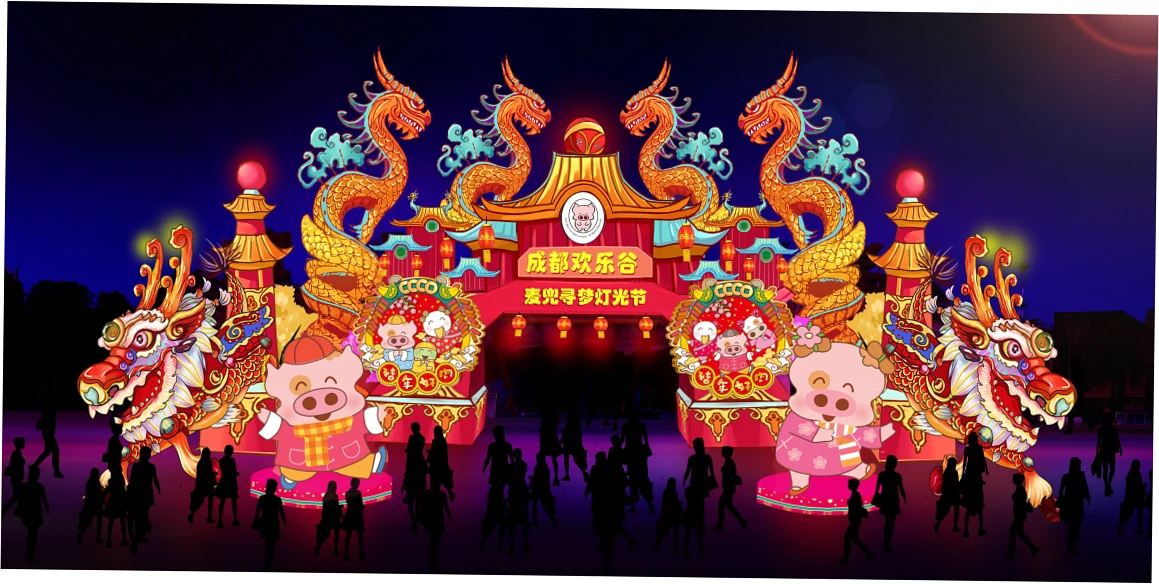
Although red round lanterns (hong deng) are iconic, Chinese lantern culture includes many shapes: cylinder, oval, palace-style with tassels, and even animal shapes like fish or dragons for specific festivals.
Users search: “Are there other colors of Chinese lanterns besides red?” Yes—yellow is used for imperial themes, white for mourning, and multi-colored for children’s events.Size also varies from palm-sized to 10-foot giants.
Believing only red round exist limits appreciation of this art form.In fact, many temples display blue or green lanterns during Qingming Festival.Always explore regional traditions.
Myth 2: Sky Lanterns Are Completely Safe
Popular on social media, sky lanterns are often portrayed as romantic and harmless.Reality: they cause fires, endanger wildlife, and litter landscapes.A 2022 report by the UK Fire Service attributed 15% of festival-related fires to sky lanterns.
People ask: “Are sky lanterns banned in the US?” Yes, in 29 states as of 2024.Alternatives include wish lanterns with tethered balloons or LED versions that don’t fly.If you want a wish-making ritual, use water-release floating lanterns instead—they are safer and still symbolic.
Debunking this myth protects communities and natural resources.
FAQ: Your Top Questions about Chinese Traditional Lanterns Answered
Are Chinese paper lanterns safe to use indoors?
Only if you use LED lights instead of real candles. Paper is highly flammable, and even a small flame can ignite it. Always place them away from curtains and heaters. Many incidents occur because people let candles burn unattended. For indoor use, buy lanterns specifically sold as “LED compatible” and use a battery-operated flame effect for realism.
What’s the difference between a Chinese lantern and a Japanese lantern?
Chinese lanterns are typically round or oval with a bamboo frame and silk or paper cover, often decorated with calligraphy or paintings.Japanese lanterns (like cho-chin) are usually oval or cylindrical, made of washi paper, and often have a rigid ring at the top and bottom.
Chinese lanterns are more red, whereas Japanese ones come in neutral tones.Cultural significance also varies: Chinese use for celebrations, Japanese also in tea ceremonies.
Can I reuse a Chinese paper lantern after it’s been folded?
Yes, but carefully. Paper retains creases—if you unfold it gently and store flat, you can reuse it 2-3 times. For long-term reuse, buy silk lanterns that are more durable. Another tip: after use, clean dust with a soft brush, and avoid moisture. If the paper tears, you can patch it with rice glue (available online).
Do Chinese lanterns attract insects?
Real candles give off heat and light that bring moths and flies, but LED ones don’t pull in as many. If you use candles outside, think about citronella ones to keep bugs away. The lanterns themselves don’t attract bugs—it’s the warmth that does. For garden parties, LEDs are a better bet to avoid the hassle.
How much do authentic Chinese handmade lanterns cost?
Prices vary: A small (8-inch) paper lantern costs $10-$20 from local shops, while an intricate silk palace lantern can cost $50-$150. For highly decorative pieces with hand-painted artwork, expect $200 . Online marketplaces like Etsy or specialized cultural stores offer reasonable options. To verify authenticity, ask about materials and craftsmanship techniques.
What are the best occasions to use Chinese lanterns?
They’re great for Chinese New Year, the Mid-Autumn Festival, weddings, and birthday parties.Plus, they set a nice mood for cultural events, restaurant decorations, or even a meditation room.Just skip white or black lanterns for cheerful occasions.
If you’re using them outside, go for weatherproof ones.Lots of families use small LED lanterns as nightlights for kids, kind of a fun way to share the culture.
Alright, now you’ve got a good handle on it. Want to take it further? Check out our step-by-step guide on making your own paper lantern at home, or shop around and compare prices from trusted sellers.

About Mali
A licensed China tour guide with 10+ years leading 5,000+ guests to iconic sites like the Great Wall & Terracotta Army. Expert in seamless tours, cultural insights, and VIP access!