Planning your Hangzhou trip takes some strategy. This city mixes UNESCO World Heritage spots with cool modern culture. Sure, West Lake’s pretty views are in all the guides. But smart travelers know there’s way more to see than just the postcard spots. I’ve been exploring Hangzhou since 2018. So I made this insider guide to help you find both famous spots and hidden gems. You’ll get to see what really makes Hangzhou special. We’ll cover it all – from old tea fields to cool new museums. Everything you need to plan your perfect trip.
Here’s what we’ll cover:
Hangzhou’s West Lake is super iconic.
Here’s what you gotta see at West Lake.
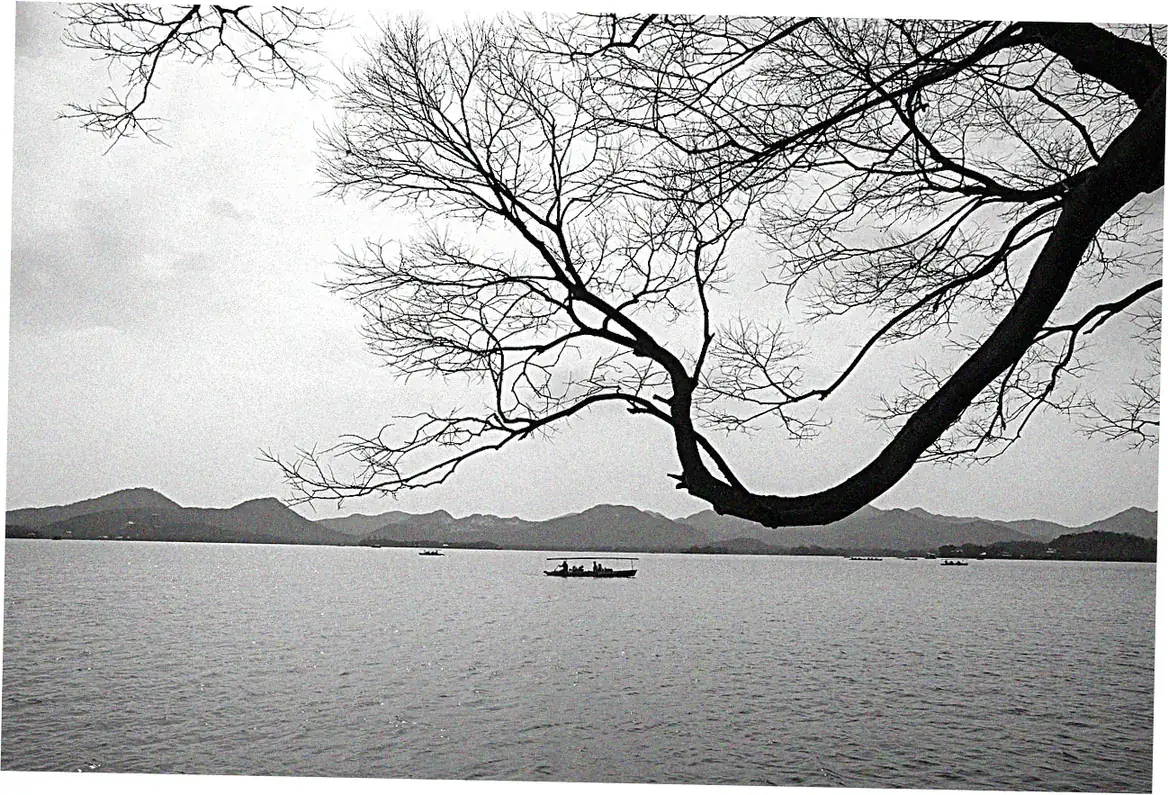
West Lake is the heart of Hangzhou’s charm. It’s a UNESCO World Heritage site that’s inspired people for ages. Start at Broken Bridge, or Duanqiao. It’s famous from the Legend of the White Snake tale. It looks magical with a light dusting of snow.
Take a sunrise stroll on Su Causeway for amazing photos. After that, hop on a boat to Three Pools Mirroring the Moon. That’s the spot you see on the 1 RMB bill! This is the classic Hangzhou experience everyone pictures.
For a deeper cultural vibe, try to catch the West Lake Fireworks Festival in autumn. Or, join the locals for some morning tai chi by the lake. The lake’s design uses a borrowed scenery technique.
It blends distant pagodas and hills into the view, which is classic Chinese aesthetics. It’s not like the dramatic mountains elsewhere. West Lake is more about subtle beauty. You should take your time to explore, not just rush through a checklist.
Now, let’s check out some lesser-known spots around West Lake.
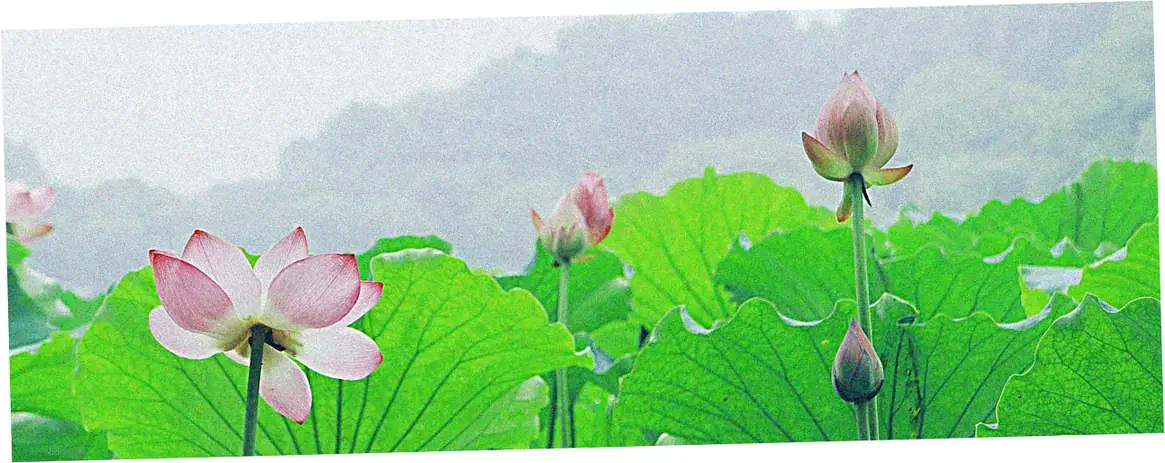
If you go beyond the main tourist paths, you’ll find some hidden gems. Yanggongdi Causeway has quiet paths with fewer people. It’s a great place to see lotus flowers in the summer. For awesome views, hike up Baoshi Mountain behind the lake.
The panorama is especially stunning at sunset. Tea lovers, you can’t miss the China Tea Museum in the nearby hills. It tells you all about Dragon Well tea, Hangzhou’s famous export.
When I went last spring, I found out many boat tours go further out to Maojiabu Village. It’s a water village where people keep up traditional ways. It’s a huge contrast to the city and shows you a different side of the region.
These off-the-beaten-path spots are the real hidden gems and unique things to do in Hangzhou that people search for. They give you a much deeper experience than the usual tourist tips.
Hangzhou’s Cultural Heritage Sites
Ancient Temples and Pagodas
Lingyin Temple, also called Temple of the Soul’s Retreat, is one of China’s top Buddhist spots. It was built way back in 328 AD. Over at Feilai Peak, you’ll find more than 470 stone carvings from the 10th to 14th centuries.
The craftsmanship is seriously impressive. Grab your tickets online before you go to skip the long lines. Hiring a guide is a good idea too—they really help you get the history. The whole temple area shows off how Hangzhou’s cultural sites blend natural beauty with spiritual design.
Then there’s Six Harmonies Pagoda, or Liuhe Ta. It gives you a whole different view—both literally and figuratively. Built during the Song Dynasty, it helped calm the Qiantang River’s tidal waves and worked as a guide for boats.
Climb all seven floors inside for amazing river views. Don’t miss the Pagoda Museum next door to learn why the architecture matters. These spots pop up a lot when you search for Hangzhou historical sites and cultural attractions. They’re perfect if you want more than just a quick look.

Museums and Cultural Institutions
Over by West Lake, the Zhejiang Provincial Museum is great for understanding the area’s history—from ancient times all the way to now. Their ceramics collection is a highlight, with pieces from famous kilns right here in the province.
Meanwhile, the Hangzhou Museum near Wushan Square zeroes in on the city’s growth. The interactive displays make history feel real. Both museums are free to enter, but you might need a ticket for special exhibits.
If you’re into contemporary culture, check out the China Academy of Art’s museum. Designed by Álvaro Siza, it’s an architectural gem full of modern Chinese art.
This place really shows how Hangzhou’s culture is changing, mixing old traditions with new ideas. These tips cover what people often search for, like “Hangzhou museums worth visiting” and “cultural experiences Hangzhou.” There’s something for everyone, no matter what you’re into.
Hangzhou’s Natural Attractions and Parks
Famous Natural Landscapes
Besides West Lake, Hangzhou has some amazing natural spots you shouldn’t miss. Check out Xixi National Wetland Park – it’s China’s first national wetland park. You’ll find a totally different ecosystem there with waterways, ponds, and reed beds.
Hop on an electric boat and cruise through the maze-like waterways. Keep an eye out for migratory birds and traditional fishing methods. The park does great conservation work, making it both beautiful
and important for nature. That’s why people search for Hangzhou natural attractions and ecotourism in Hangzhou.
Up in the hills around Hangzhou, the Longjing Tea Plantations offer gorgeous views and a real cultural experience. Come during spring harvest season, from late March to early April, to see tea picking and processing.
Then you can taste fresh Dragon Well tea right at local farms. The terraced fields make beautiful patterns on the hillsides. Plus, you get to really experience Hangzhou’s farming traditions through the tea culture.
This is perfect for travelers looking for authentic experiences when they’re figuring out what to see in Hangzhou.
Gardens and Urban Green Spaces
Hangzhou’s gardens show off some really sophisticated Chinese landscape design. At Guo’s Garden by West Lake, you’ll see classic garden architecture – think moon gates, rock formations, and perfectly framed views.
Then there’s Prince Bay Park, which features modern landscaping with huge flower displays that change with the seasons. It’s especially awesome during spring tulip season.
If you want some city greenery, hike up Wushan Hill to escape the hustle. You can also check out historical spots like the East Yue Temple. The hill has shady paths and great lookout spots with awesome city views.
You’ll also find cool rock carvings and small temples to explore. These green spaces are just what people look for when they search peaceful places in Hangzhou or Hangzhou gardens. They’re perfect if you need a break from the city crowds.
Hangzhou’s Traditional Streets and Architecture
Historic Streets and Alleys
Hangzhou’s ancient streets are great for seeing old architecture, plus you get to enjoy fun shopping and tasty food. Hefang Street is the top spot – it’s been rebuilt to look just like it did in the Song
Dynasty, with shops selling silk, cool souvenirs, and local snacks. It can get crowded with tourists, but you’ll find awesome cultural stuff there like traditional medicine shops, tea houses, and
people showing off crafts. Try going early in the morning or on a weekday evening to skip the big crowds.
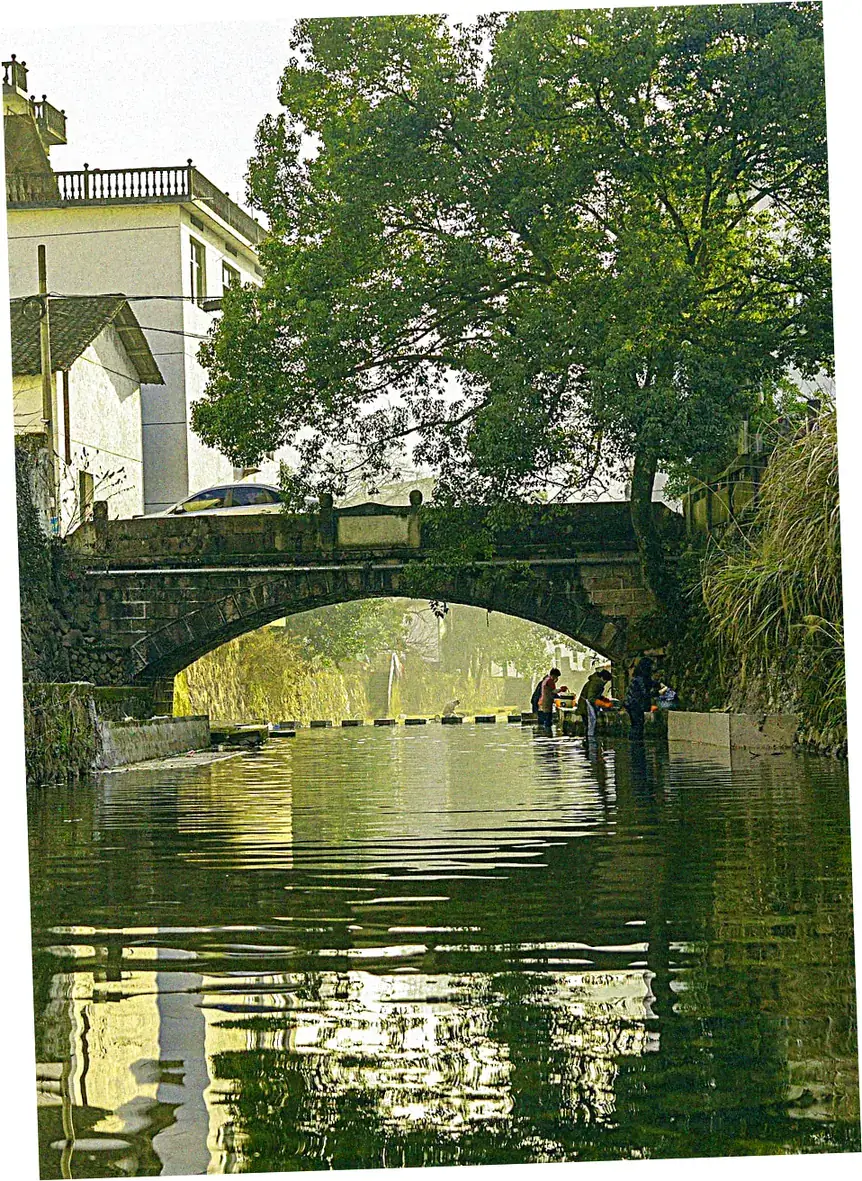
If you want something more real, check out Dousheng Road by the Grand Canal. You’ll see older homes and local markets where everyday life happens. Don’t miss the narrow hutongs around Wushan Hill either.
You might stumble upon cool temples, traditional houses, and small restaurants that locals actually go to. These spots are perfect if you’re searching for Hangzhou’s old streets or traditional areas, especially if you love architecture and authentic experiences.
Architectural Highlights
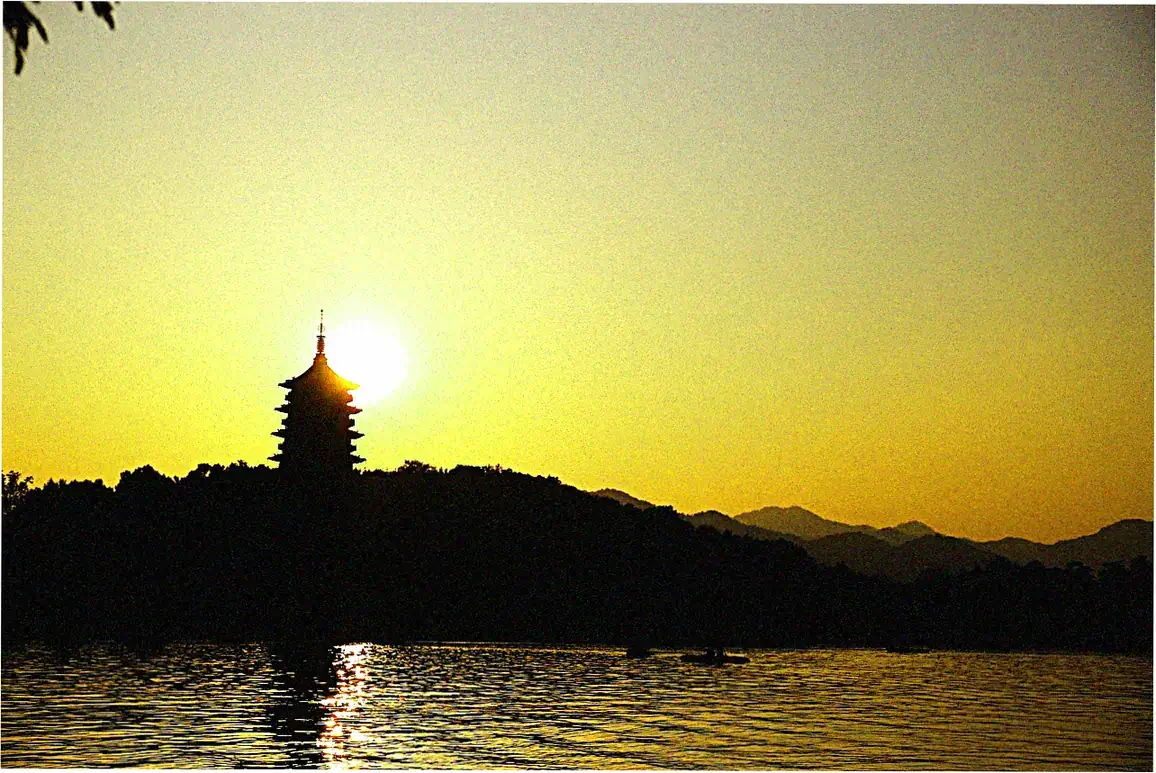
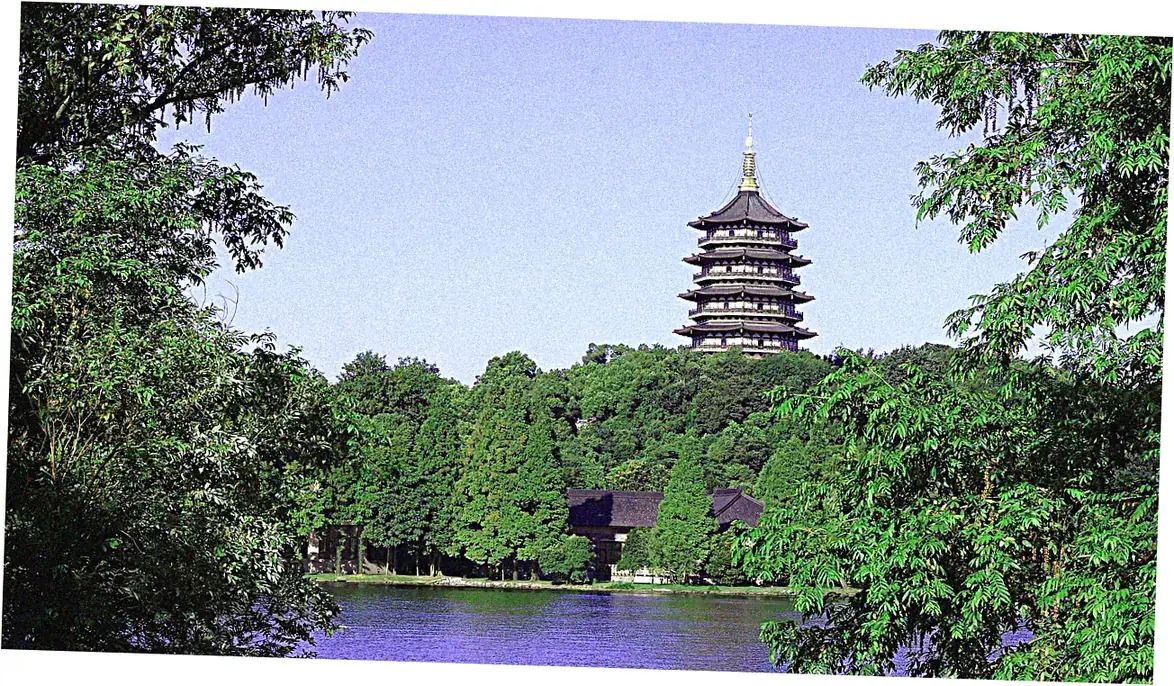
Hangzhou’s architecture covers hundreds of years, from really old pagodas to modern masterpieces. The rebuilt Leifeng Pagoda looks traditional outside but has modern stuff inside like elevators and great viewing platforms.
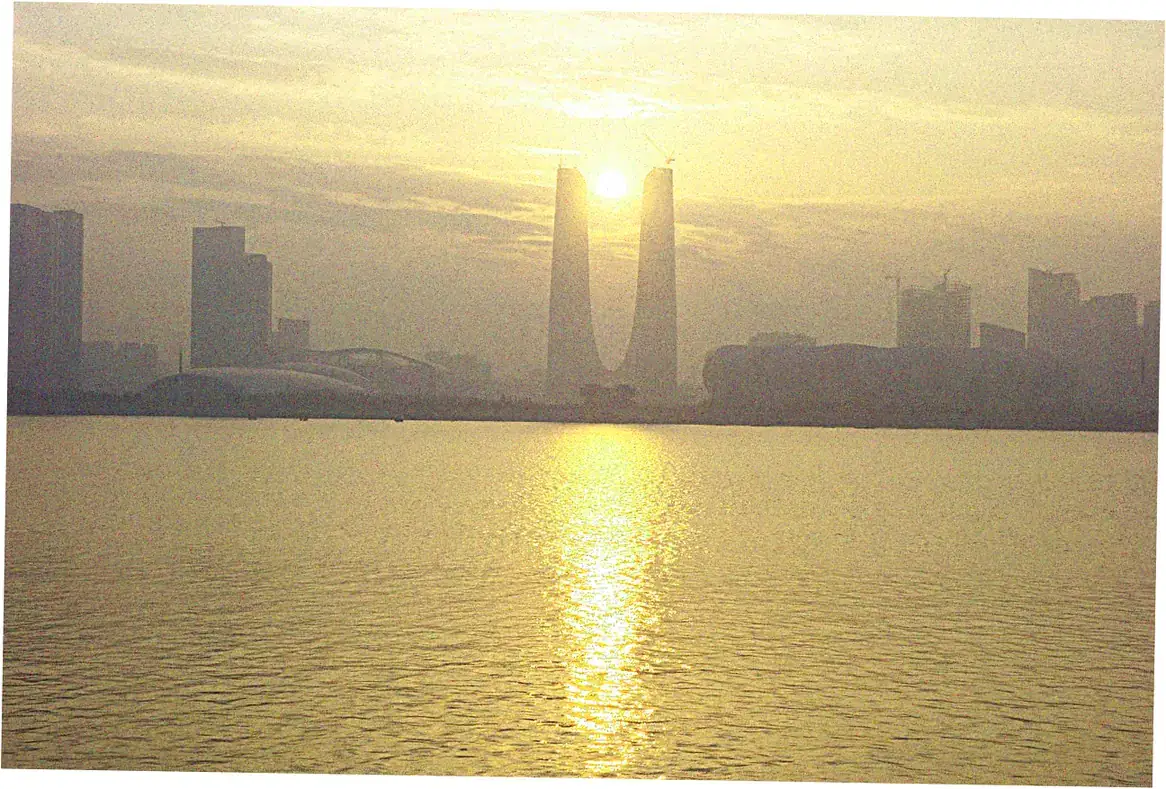
The city also has awesome modern buildings, like the Olympic Sports Center by NBBJ and the cool upside-down looking Hangzhou International Conference Center.
But the biggest deal might be the China Academy of Art’s Xiangshan Campus. Designed by famous architect Wang Shu, it mixes old building methods with modern style.
These architectural spots are exactly what people look for when they search about Hangzhou’s architecture and modern landmarks. They’re great for travelers into design, city development, and history all at once.
Hangzhou’s Food and Tea Culture
Famous Hangzhou Cuisine
Hangzhou’s food is one of China’s eight great cuisines. It’s known for light flavors, fresh ingredients, and careful cooking. You’ve gotta try West Lake vinegar fish – it’s sweet and sour carp.
Then there’s Dongpo pork, a braised belly dish named after poet Su Dongpo. And don’t miss Longjing shrimp, cooked with local tea. For real local food, hit up Louwailou – it has great West Lake views. If you want cheaper options, Zhiweiguan serves up local favorites.
Food tours are getting really popular in Hangzhou. They’ll take you through cool areas like Hefang Street and Southern Song Imperial Street. These tours answer what people search for – like Hangzhou famous food or best restaurants.
They give practical eating tips travelers want. Unlike Chengdu’s spicy food, Hangzhou’s cuisine is more about subtle, natural tastes. It shows the area’s refined culture.
Tea Culture Experiences
Hangzhou is home to Dragon Well tea, so you get amazing tea culture experiences here. Check out the National Tea Museum first to learn about tea history. Then head to the tea plantations in the nearby hills.
Lots of tea farms welcome visitors for tastings and learning. Meijiawu and Longjing villages are particularly good for this. Spring harvest (late March to April) is the most lively time. But the plantations look beautiful any time of year.
Around West Lake, traditional tea houses let you try different teas while enjoying peaceful lake views. The Mid-Lake Pavilion teahouse is especially memorable – you need to take a boat to get there.
These tea activities match what people search for, like Hangzhou tea plantation visit or Dragon Well tea tasting. They’re perfect for tea lovers visiting the area.
Seasonal Considerations and Practical Tips
Best Times to Visit Hangzhou
Hangzhou’s weather is great in different seasons, each with its own perks. In spring, from March to May, it’s super comfortable outside. You’ll see amazing blooms, especially peach blossoms near West Lake, and you can even check out tea harvesting.
Come autumn, between September and November, the skies are clear and temps are perfect for walking. The whole city smells like osmanthus flowers too! Summers get pretty hot and sticky, but the lotus
flowers on the lake look gorgeous. Winters sometimes get a light snow, making everything look magical.
There are cool events all year round—like the West Lake fireworks in October, tea festivals in spring, and awesome decorations for Chinese New Year. So if you’re searching for the best time to visit Hangzhou or what seasonal attractions to see, this helps you plan a trip you’ll really enjoy.
Practical Visiting Information
Getting around Hangzhou is easier now thanks to the expanded metro. Just grab a transport card at any metro stop—it works on both buses and subways. Lots of spots need you to book online ahead of time, especially on holidays.
Use WeChat or their official sites to snag your tickets. If you’re hitting up West Lake sights, combo tickets can save you money if you plan to see a few.
Comfy shoes are a must—there’s a lot of walking around the lake. Outside tourist zones, a translation app can help. Also, bring some cash—some smaller places don’t take phone payments. These tips solve common travel problems and give you real advice to make your Hangzhou trip smooth and fun.
If you’re wondering what to see beyond Hangzhou, there are some great nearby attractions.
Here are some popular day trip destinations you might want to check out.
If you’ve got extra time, several awesome spots are just a short trip from Hangzhou. You can visit watertowns like Wuzhen and Xitang – they’ve got classic canals and ancient buildings. You can get there by tour bus or public transport.
Anji’s bamboo forests are really beautiful, and you can learn all about bamboo culture there. Don’t miss the China Bamboo Museum!
For spiritual experiences, head to Mount Putuo – it’s an island with Buddhist sites. Or check out Shaoxing, which has great historical charm and preserved traditional architecture.
These day trips answer what people search for – like trips from Hangzhou and surrounding attractions. They’re perfect if you’ve got more time to explore.
Now let’s compare these regional destinations.
Knowing how Hangzhou stacks up against other places helps you plan your trip better. Unlike Sanqing Mountain’s dramatic scenery, Hangzhou shows how people and nature have worked together for centuries – it’s more cultivated.
Chengdu’s famous for awesome street food, but Hangzhou’s food scene is more refined – think nice restaurants and tea culture.
The watertowns near Hangzhou feel different – they’ve kept their ancient canals and traditional buildings, all on a smaller scale. These comparisons help you see where Hangzhou fits in your China travel plans, which is something many travelers look into.
Hangzhou has something for everyone – from UNESCO World Heritage sites to cool modern culture. Mix famous spots like West Lake with hidden gems, and you’ll get a great itinerary that really shows you what Hangzhou is about.
Remember – Hangzhou is best enjoyed slowly. Don’t rush! Take time to sip tea by the lake, wander through old streets, and enjoy the beautiful views that have inspired artists for ages.
FAQ
What are the must-see attractions in Hangzhou for first-time visitors?
If it’s your first time in Hangzhou, don’t miss the West Lake’s highlights. You gotta see Su Causeway, Three Pools Mirroring the Moon island, and Leifeng Pagoda.
Then, head to Lingyin Temple for some culture, and check out a Dragon Well tea plantation for a real local vibe. These spots give you a perfect taste of Hangzhou’s gorgeous nature and rich history.
How many days should I spend in Hangzhou to see the main attractions?
Most folks find that spending 3 to 4 days in Hangzhou is just right to see the main stuff without hurrying. You can spend two days around West Lake, one day hitting up temples and museums, and if you have
extra time, pop over to a tea plantation or take a day trip. If you’re short on time, you can squeeze the must-sees into two packed days.
What is the best time of year to visit Hangzhou for optimal weather and scenery?
The best times to visit are spring, from April to May, and autumn, from September to October. You’ll get great weather and awesome views. In spring, flowers are everywhere and you can see the tea harvest.
Autumn brings clear skies and perfect temps for wandering around. Every season has its perks, but spring and fall are usually your best bet for a great trip.
Are there any special festivals or events in Hangzhou that I should plan my visit around?
Look out for cool events like the West Lake International Fireworks Festival in October. There are also tea culture festivals during the spring harvest around March or April, and the Osmanthus Festival in fall when the city’s trees burst into bloom.
During big holidays like Chinese New Year and Mid-Autumn Festival, the city decks itself out with special decorations and has fun activities going on.

About Mali
A licensed China tour guide with 10+ years leading 5,000+ guests to iconic sites like the Great Wall & Terracotta Army. Expert in seamless tours, cultural insights, and VIP access!