For food lovers in Beijing, finding a great meal is about way more than just eating. It’s a whole experience that mixes art, history, and a sense of something special. Looking for a top-notch meal in Beijing takes you on a real adventure. You might try a feast fit for an emperor, get creative dishes from a Michelin-starred kitchen, or sit right at the chef’s counter where they’ve thought of everything. It’s not just the food that matters. It’s about diving into an experience for all your senses. You could be in an old courtyard or up in a skyscraper with an amazing view of the city. Like the famous food writer Fuchsia Dunlop said, Beijing’s high-end dining scene is where old traditions and new, daring ideas come together. So, let’s break down what makes a luxury meal in Beijing so memorable.
Table of Content
The Pillars of Beijing’s Luxury Dining Scene
Michelin Stars and Culinary Awards
Core Benchmark: So, the Michelin Guide finally came to Beijing, and it’s been a big deal for spotting the best restaurants, even though people don’t always agree with its picks.
Places like King’s Joy, a three-star spot famous for its all-veg menu, and Xin Rong Ji, a two-star restaurant doing Zhejiang food, have really made a name for themselves worldwide thanks to Michelin.
But if you ask the real foodies in Beijing, they’ll tell you to check other lists too, like the Black Pearl Guide or Asia’s 50 Best Restaurants. These awards don’t just look at how good the food is.
they also care about whether the place is always great, the service is top-notch, and the vibe is right. So, they’re a pretty safe bet if you’re after an amazing meal.
Defining Excellence: But you know, real luxury dining in Beijing is about more than just stars. It’s the whole package: finding super rare stuff like Yunnan matsutake mushrooms or eco-friendly abalone.
using old-school slow-cooking methods in special clay pots, and having service that knows what you want before you even ask. Eating at one of Beijing’s top restaurants is like watching a show with several acts.
It can go on for hours, with each dish telling part of a story, maybe about the Silk Road or an ancient Chinese dynasty.
Signature Dining Formats: Tasting Menus and Chef’s Counters
Curated Journeys: In Beijing’s high-end dining scene, the most popular way to eat is with a tasting menu, where the chef decides what you get. These set menus can have anywhere from 8 to 20 courses.
They let chefs really show off their skills and what’s fresh that season. Take TRB Hutong, for example. Their tasting menu could give you a new twist on Peking duck using French cooking tricks, all served up in a cool, old temple they fixed up.
The best part? You don’t have to choose a thing. It takes the stress out of ordering and makes sure the whole meal flows together like a good story.
Interactive Experience: If you want the most hands-on luxury experience, you gotta sit at the chef’s counter or a kitchen table. There aren’t many seats, so you get to chat directly with the chefs and their team.
Chef DaDong, who’s a big name in modern Chinese food, puts it well. He says that getting up close like this turns dinner into a conversation. You’re not just being served; you’re talking about taste and how things are made.
You get to watch them plate everything perfectly, ask where the ingredients came from, and learn what inspired the chef. It makes the meal something you’ll really remember and you might even learn a thing or two.
Cuisine Types and Thematic Ambiance
Modern Interpretations of Chinese Cuisine
One big trend right now is innovation on tradition. You’ll find more and more restaurants popping up that take classic Chinese dishes, deconstruct them, and give them a fresh twist using global cooking techniques.
Take Jing Yaa Tang at The Opposite House, for example. Their Peking duck is famous for its lighter, extra-crispy skin, and they serve it with a bunch of unique, unconventional condiments. Over at Cai Yi Xuan in the Four Seasons, it’s a similar story.
They specialize in high-end Cantonese and Huaiyang dishes, but they plate everything up in a really artistic, minimalist way. This whole approach keeps the soul of the original cuisine alive.
At the same time, it really hits the spot for modern diners, especially international visitors, who want something new but still based on familiar flavors.
Regional Specialization: Another way luxury shows up is through hyper-specialization. A lot of Beijing’s best restaurants focus on just one regional Chinese cuisine, and they execute it at a level that’s hard to beat.
So, a fancy Shandong spot will be all about super-clear broths and perfectly cooked seafood. Meanwhile, a top Sichuan place digs deep into the complex layers of that mala flavor—it’s not just about being spicy.
but about the numbing tingle and depth you get from using the best Sichuan peppercorns and chili oils.
Atmosphere and Storytelling
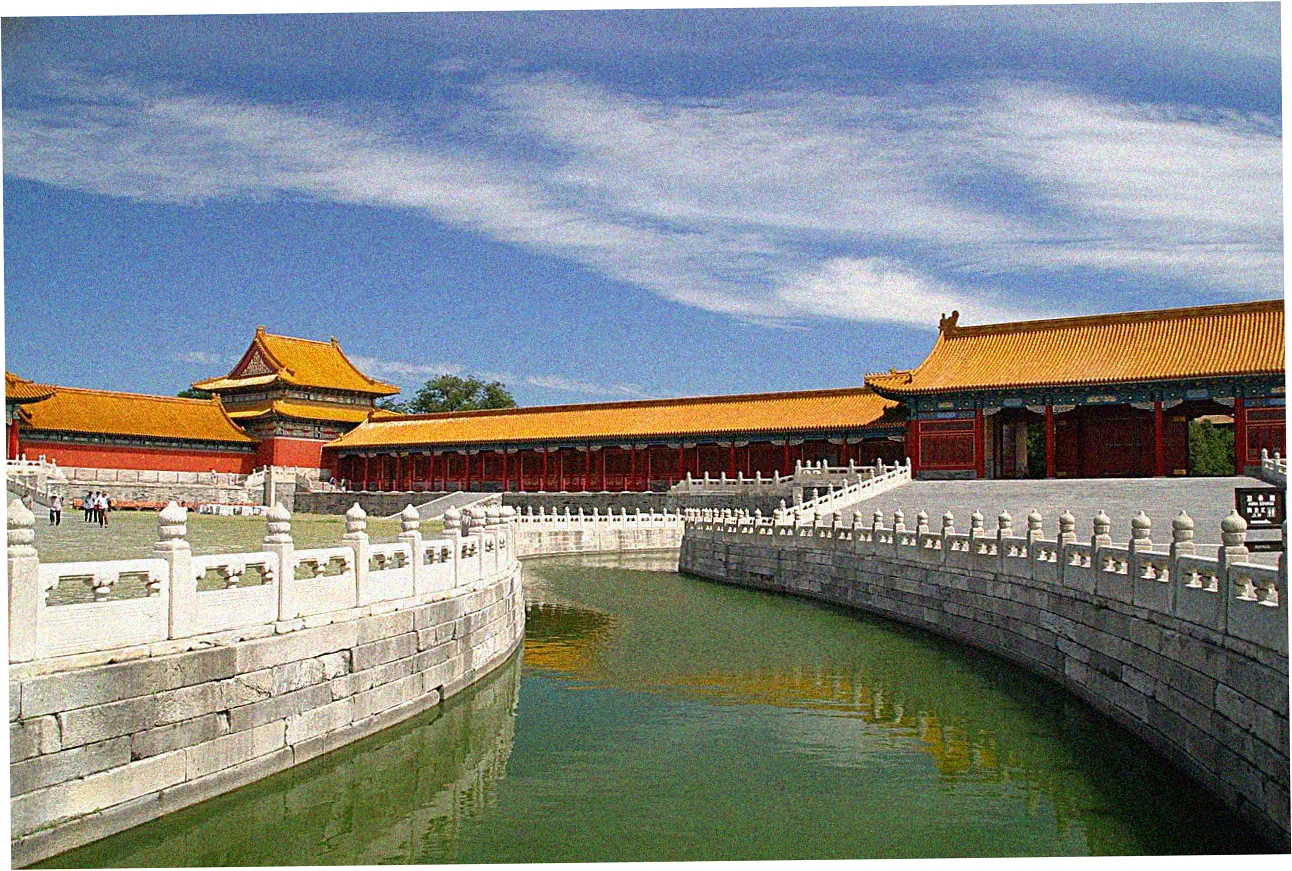
Architectural Narrative: The restaurant’s setting is a huge part of the experience. Plenty of these high-end spots are set up in beautifully restored siheyuan, those traditional courtyard houses you find in Beijing’s hutongs.
They mix old-world history with sleek, modern design. Other restaurants go for penthouse suites with amazing panoramic views of the whole city. Everything is carefully put together to match the food theme—the design.
the lighting, even the tableware, which is often custom-made porcelain or lacquerware. They even think about the music playing in the background. Eating at a place like The Georg.
which is inside a renovated old silver vault, feels like taking a trip through the different layers of Beijing’s history.
Table 1: Ambiance Themes in Beijing’s Fine Dining.
| Ambiance Theme | Example Restaurant | Key Characteristics | Cuisine Focus |
|---|---|---|---|
| Historic Courtyard Vibe | TRB Hutong | You get restored temple beams, peaceful courtyards, and soft, gentle lighting. | The food is modern French or European. |
| Modern Sky-High Vibe | China Grill at the Park Hyatt | Think floor-to-ceiling windows with killer views of the CBD skyline, plus really sleek, modern decor. | They serve international grill cuisine. |
| Imperial Opulence Vibe | Family Li Imperial Cuisine | The decor replicates the Qing dynasty, with antique furnishings everywhere, and the service is very formal. | The food is traditional Imperial Banquet Cuisine. |
| Industrial Chic Vibe | Jing-A Brewery Taproom (the upscale one) | It’s got that exposed brick and steel beam look, with vibrant art on the walls. The feel is relaxed but still premium. | You go for craft beer and gourmet pub food. |

The Logistics of a Luxury Experience
Reservation Strategies and Lead Times
Planning ahead is key if you want a table at Beijing’s hottest high-end dining spots. At famous places like the top Da Dong Roast Duck outlets or new Michelin-starred restaurants, you’ll usually need to book 2 to 4 weeks ahead.
This is especially true for weekend dinners or seats at the chef’s counter. A great trick is to use your luxury hotel’s concierge. They often have good connections and can snag tables that are hard to get.
You can book through apps like Chope or DiningCity for some places. Others might need a direct phone call or booking on their WeChat mini-program.
Understanding the System: Always double-check the booking rules. Some spots, especially for big tasting menus, might ask for payment upfront or a credit card to hold your spot.
And watch out, their cancellation policies can be pretty strict, sometimes just 24 to 48 hours. If you’re trying to book last-minute, you’ll have better luck with lunch or a dinner on a weekday.
Getting to know the manager or maître d can really pay off too. It might help you get a better table next time or even a last-minute seat.
Decoding Dress Codes and Etiquette
Unspoken Rules: You don’t usually need a jacket and tie at Beijing’s luxury restaurants, but they do expect you to dress smart-casual. So, leave the shorts, flip-flops, and super casual sportswear at the hotel.
There’s also some dining etiquette to follow. Use the serving spoons for shared dishes, keep your voice down, and go with the flow of the service. At places that serve imperial or very formal cuisine.
there might be special rules for how tea is poured or dishes are presented. Don’t worry, the staff will kindly show you what to do.
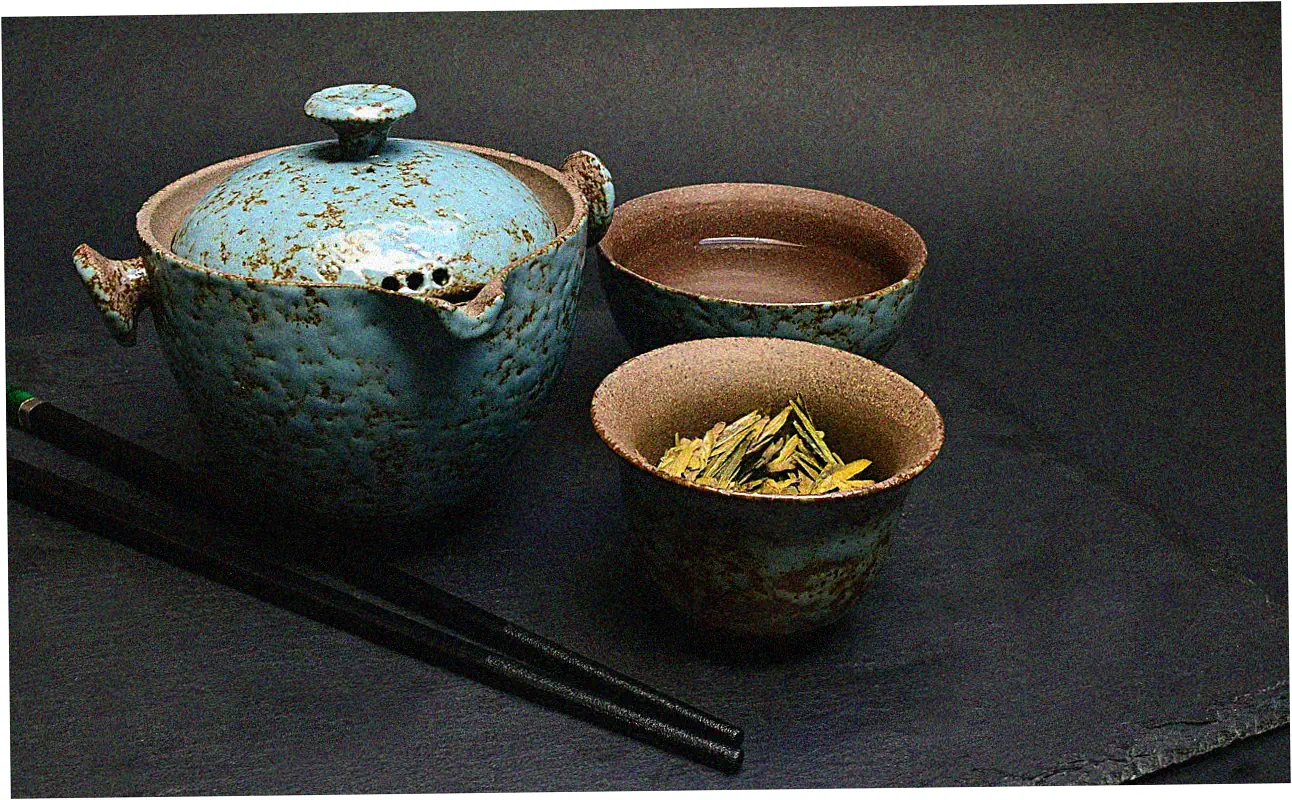
Cultural Nuance: A big part of the fun is chatting with the sommelier or tea master. Top Chinese restaurants often have amazing tea pairings. Sometimes they’re put together as carefully as a fancy wine list.
They love it when you show interest and ask good questions about it. You don’t need to tip in China. But if the service was really special, a sincere thank you to the manager goes a long way.

Cost Structure and Value Perception
Breaking Down the Price Tag
Let’s talk about the cost first. Going for a high-end meal in Beijing is a pretty big spend. Just for the tasting menu, without drinks, you’re looking at anywhere from 800 RMB to well over 3,000 RMB per person.
That price tag comes from a few things. You’ve got the cost of ingredients, some of which are rare imports. Then there’s the labor for all that intricate prep work. Rent in hot spots like Sanlitun or Guomao isn’t cheap either.
And of course, you’re paying for the chefs serious skills. It’s different from a casual meal. A big part of what you pay for is time. Think about all the time spent finding the best ingredients, prepping them carefully, and plating everything perfectly.
Table 2: Sample Cost Breakdown for a High-End Tasting Menu.
| Cost Component | Approximate Percentage | What It Covers |
|---|---|---|
| Ingredients Sourcing | 35-40% | Premium seasonal produce, seafood, meats, rare specialties |
| Labor Culinary Expertise | 30-35% | Chefs, sous chefs, specialized cooks, R D |
| Service Ambiance | 20-25% | Front-of-house staff, sommeliers, rent, interior upkeep, utilities |
| Profit Margin | 5-10% | Business sustainability and reinvestment |
Evaluating Value Beyond the Plate
So, how do you measure if it’s worth it? Well, value here is really personal. It’s about more than just feeling full. Ask yourself a few questions. Was the experience one-of-a-kind, or could you get it somewhere else?
Did you learn something new, like about a special ingredient or a cooking trick? How did the place make you feel—was the atmosphere something you’ll remember? And was the service on point, helpful but not in your face?
A 2000 RMB meal that gives you a memory for life—like a private dinner in some historic spot—might feel way more valuable than a pricier meal that just feels cold and impersonal.
Now, about drink pairings. Adding a wine, cocktail, or tea pairing can bump your bill up by 50% to even double the menu price. Sure, a good pairing can totally lift the whole meal to another level. But it’s definitely a luxury add-on, not a must.
It’s perfectly fine to just order one bottle of wine for the table, or go for non-alcoholic options instead. Lots of places offer a shorter pairing, maybe just 4 or 5 drinks instead of a full 8 to 10. It’s a cheaper way to get a feel for what the pairing is all about.
Navigating Challenges and Maximizing Enjoyment
Addressing Dietary Restrictions
Here’s a tip: Beijing’s best chefs are usually happy to handle dietary needs, but you’ve got to tell them ahead of time. It’s super important. When you book your table.
make sure you spell out any allergies—like to shellfish or nuts—or if you can’t have gluten or dairy. Also, tell them if you’re vegetarian or vegan. If you’re going for a fancy tasting menu, giving the chef a few days heads-up is a good move.
That way, they can get creative and redesign dishes, not just leave stuff out. Don’t just say The good news is, most high-end spots in Beijing have staff who speak English and can handle these requests just fine.
Just keep in mind, ideas like strict If you have celiac disease, watch out for cross-contamination. Lots of kitchens use soy sauce, and that’s got wheat in it.
To play it safe, get your hotel concierge or a friend who speaks Chinese to explain your needs clearly to the restaurant manager before you go.
Seasonality and Timing Your Visit
Timing is everything for a great high-end meal in Beijing. What’s on your plate really depends on the season. Fall is probably the best time. You’ll find loads of fresh crabs, mushrooms, and root veggies then.
In winter, menus are all about warming braised dishes and hot pots made with top-notch ingredients. Spring brings tender greens and bamboo shoots. Summer shifts to lighter, more refreshing options.
Plan your food adventures around these seasons, and you’ll get to taste everything when it’s at its peak. Also, be careful about big Chinese holidays like Spring Festival or National Day. Places might be closed, or they might only offer pricier set menus.
For the best experience with a tasting menu, block out a good chunk of time—think two and a half to three and a half hours. That way you can really enjoy the food and service.
Don’t schedule a late flight or anything too tiring right after your meal. If you’ve got a big dinner planned, keep lunch light. And check how far the restaurant is from where you’re staying. Beijing traffic is no joke. Showing up stressed out can really ruin the vibe.
Conclusion and Call to Action
Heading out to explore Beijing’s luxury dining scene? You’re really investing in a cultural and sensory adventure.
It’s a whole world where age-old food traditions get a modern twist. And you’ll find these dishes served in spots that perfectly capture Beijing’s vibe—super ancient yet totally cutting-edge.
The whole experience is about the journey, not just the food on your plate. That means scoring that hard-to-get table and then slowly enjoying every carefully made dish. Sure, it costs a pretty penny.
But what you’re really paying for are the amazing memories, the cool stories you’ll tell, and getting a real insider’s look at top-tier Chinese cuisine.
Ever had a seriously memorable high-end meal in Beijing? Drop your favorite spot or your most surprising foodie moment in the comments! Want to dig deeper into specific food styles or see a handpicked list of the newest Michelin-starred places? Check out our full guide to Beijing’s ever-changing gourmet scene.
FAQ: Beijing Luxury Dining
So, how much does a fancy tasting menu in Beijing usually cost per person?
For a top-notch, multi-course tasting menu at a Michelin-starred or highly-rated spot, you’re looking at roughly 1,000 to 2,500 RMB per person. That’s before drinks.
If you go for a premium wine or tea pairing, that can add another 500 to 1,500 RMB on top. There are also more accessible fine-dining places with shorter menus, where prices can start from about 600 to 800 RMB.
How early should I book a table at a luxury restaurant in Beijing?
For the hottest, most famous spots, try to book 2 to 4 weeks in advance. This is especially true for Friday or Saturday dinners, or on special holidays. It’s a great idea to use a luxury hotel’s concierge service.
They often have connections to get you a reserved table or can snag you a last-minute cancellation.
Do high-end restaurants in Beijing have a strict dress code?
You won’t often find a super formal dress code, but they do expect you to dress smart casual. So, skip the sportswear, shorts, and flip-flops. Guys, a collared shirt with trousers is a safe bet.
For the ladies, a dress, skirt, or some nice separates will work perfectly. The main thing is to look put-together and show respect for the place.
Can they handle dietary needs, like gluten-free or vegan?
Yes, most high-end places can take care of that. But you’ve got to tell them clearly and ahead of time—ideally when you make the booking. Be specific about your needs.
like whether it’s a celiac disease or just a preference. This gives the kitchen enough time to get creative and whip up something special for you.

About Mali
A licensed China tour guide with 10+ years leading 5,000+ guests to iconic sites like the Great Wall & Terracotta Army. Expert in seamless tours, cultural insights, and VIP access!