I just got back from my fifth trip to Hong Kong. It’s amazing how this city always changes but still keeps its unique culture. On my first visit, I stuck to the main tourist spots. Now I know the real magic is mixing famous sights with local secrets. Check out the skyline from Victoria Peak. Hunt for deals at Temple Street Night Market. Find peace in a hidden temple. This guide gives you insider tips to handle Hong Kong like a pro. I’ll share practical advice too. Like using an Octopus card and skipping tourist traps. This way your trip feels real and you’ll never forget it.(Photo gallery of Temple Street.)
Here’s what’s inside:
Pre-Trip Planning and Essential Preparations
Documents and Visa Requirements
For entry, most folks don’t need a visa to get into Hong Kong. You can stay from 7 to 180 days, it really depends on your passport. But make sure your passport is good for at least a month after you plan to leave.
Rules change all the time, so I always check the Immigration Department’s site about three months before my trip. Last time I was there, I saw a few people get turned away because they had old info – you really don’t want that to happen to you!
Oh, and don’t forget – Mainland China needs its own visa, even if you’re just popping over to Shenzhen for the day.
For health and safety, Hong Kong’s standards are top-notch. But still, it’s smart to look up any vaccination rules about six weeks before you go. Most travelers don’t need any required shots, but the CDC does recommend your routine vaccines.
plus Hep A and B. When I visited in 2023, I was really impressed with how they handle emergencies – though I sure hope you never have to find out! Getting travel insurance with medical cover is a must. Mine totally saved me – it covered a $2000 dental bill from an unexpected problem last year.
Best Time to Visit and Weather Considerations
The best time to go weather-wise is from October to December. It’s really nice out then – comfortable temps, not too humid, just perfect for hiking and being outdoors.
I’m a huge fan of November myself, that’s when they throw the awesome Wine Dine Festival. Try to avoid late spring and summer, unless you love getting caught in tropical rain. When I went in August, it rained pretty much 80% of the days!
Typhoon season is from May through November, and September is usually the riskiest. If a Typhoon warning comes up, most places shut down and public transport stops. So, it’s a good idea to keep your plans flexible.
You can also plan your trip around the big festivals for some really amazing experiences. Chinese New Year, in January or February, has amazing parades. But just a heads-up – it gets super crowded and prices go up.
The Mid-Autumn Festival in September is gorgeous – the whole city is lit up with beautiful lanterns. One time I accidentally booked my trip for the Rugby Sevens weekend. Big mistake – my hotel cost three times the usual rate!
So yeah, definitely check the events calendar before you book anything. For the best mix of good weather and decent prices, try the shoulder seasons – that’s March to April and September to October.
Here’s how to manage your budget and save money in Hong Kong.
Let’s break down your daily spending.
If you’re on a budget, you can get by on $50-70 a day. Stay in hostels, eat at local cha chaan tengs, and use public transport. For a mid-range trip, plan for $100-150 daily.
That covers comfy hotels, eating out at different places, and taking taxis sometimes. On my last trip, I tracked all my expenses. I found out I spent 40% of my budget on food – Hong Kong’s food is just too good to resist! Based on my experience, here’s what a typical day might cost:
| Category | Budget Traveler | Mid-Range Traveler |
|---|---|---|
| Accommodation | $25-35 | $70-100 |
| Food | $15-20 | $30-50 |
| Transport | $5-7 | $10-15 |
| Attractions | $5-10 | $15-25 |
Here’s a money-saving tip: get an Octopus card as soon as you arrive. You get discounts on public transport and can use it at convenience stores and fast-food spots. I usually put $50 on mine to start and then add more when I need to. For sightseeing, the Museum Pass is great value. It’s $30 for a whole week at multiple museums. Eat where the locals do. Skip the fancy Central restaurants and head to neighborhoods like Sham Shui Po. I had amazing wonton noodles there for less than $4.
Finding affordable places to stay
Book your stay at least three months ahead for the best deals, especially in peak season. I think hotels in Kowloon often give you better value than Hong Kong Island. Plus, you get amazing harbor views.
Areas like Tsim Sha Tsui, Mong Kok, and Causeway Bay are super easy to get around from, thanks to public transport. I always try to stay near MTR stations. Saving time and hassle on transport is worth paying a bit more.
For longer trips, check out serviced apartments. I rented a small but handy place in Sheung Wan for $900 a month – that’s half the price of nearby hotels. Good hostel chains like Yesinn and Check Inn have dorm beds from $25 a night.
Their facilities are surprisingly nice. For a unique experience, I loved staying at a Buddhist monastery through Po Lin Monastery’s guest program. Just remember to book way ahead and be respectful of their customs.
Transportation Navigation and Getting Around
Public Transport System Mastery
The MTR is Hong Kong’s subway system, and it’s probably the best in the world – super clean, efficient, and goes everywhere. When I’m there, I use it for like 80% of my getting around.
The airport express gets you from the airport to Central in just 24 minutes. But if I’m not in a rush, I’ll take the bus instead – it’s cheaper. Grab an Octopus card at any station.
You put down a $50 HKD deposit, but you get it back plus whatever’s left on the card when you leave. What’s great is that one card works on trains, buses, ferries, and even at convenience stores.
The buses and trams are great too. Double-deckers go where the MTR doesn’t, and the old trams – we call them ding-dings – are the cheapest sightseeing tour at just $2.60 a ride. I love taking the Star Ferry between Central and Tsim Sha Tsui.
It’s under $3 and honestly the best harbor cruise you’ll get for the money. Heading to Lantau Island? Take the Ngong Ping 360 cable car – the views are amazing. Just book online to skip the lines. In rush hour, buses can actually be faster than taxis when traffic’s bad.
Walking and Alternative Transport Options
Hong Kong is actually pretty walkable. You just need to use those elevated walkways and underground passages. The Central-Mid-Levels escalator is the world’s longest outdoor covered escalator.
It takes you through cool neighborhoods and saves your energy for exploring. I often walk from Sheung Wan to Admiralty and always find hidden cafes and shops along the route. Wear comfy shoes – I learned that lesson the hard way when I got blisters on my second day and could barely walk.
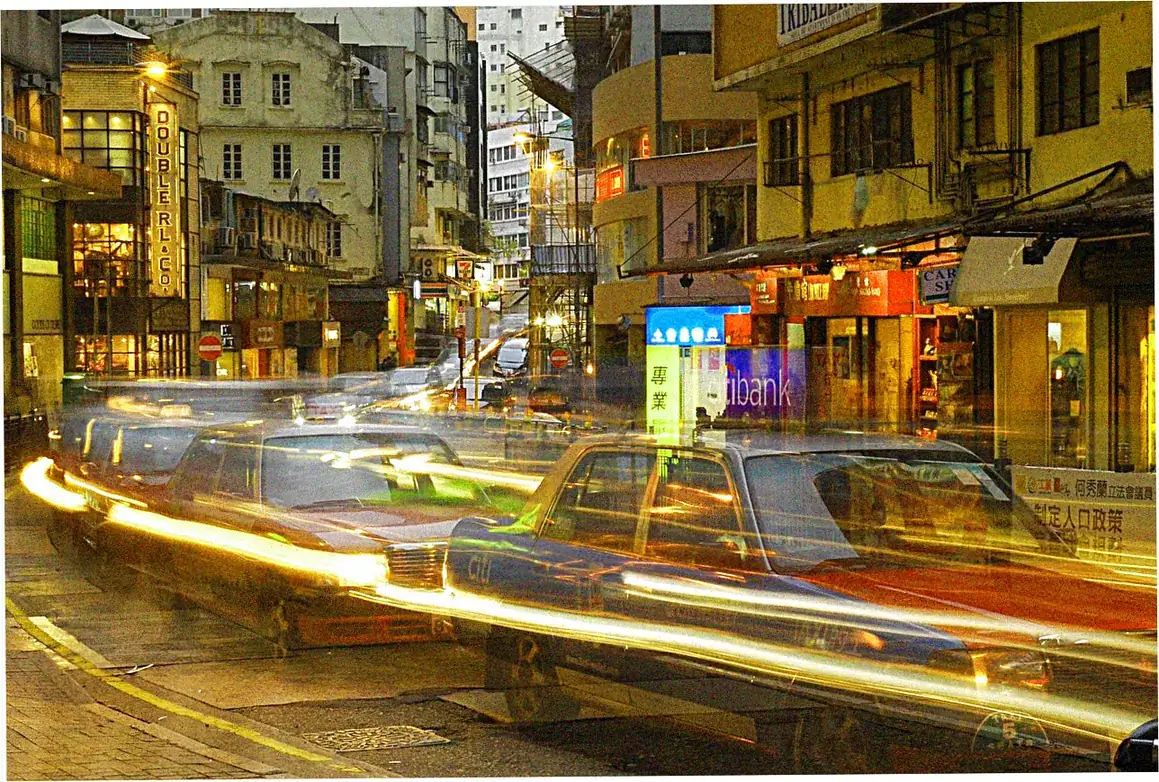
Taxis are pretty affordable too. Just make sure they use the meter. Red taxis go everywhere, while green ones stick to the New Territories. For a real local experience, try the minibuses.
They have fixed routes but no fixed stops – just shout mm goi, lat bin (that means excuse me, next stop) when you want to get off. Cycling isn’t great in the city, but it’s perfect for exploring the New Territories. I’ve had some beautiful bike rides through villages near the Mainland China border.
Must-Visit Attractions and Hidden Gems
Iconic Landmarks and Viewpoints
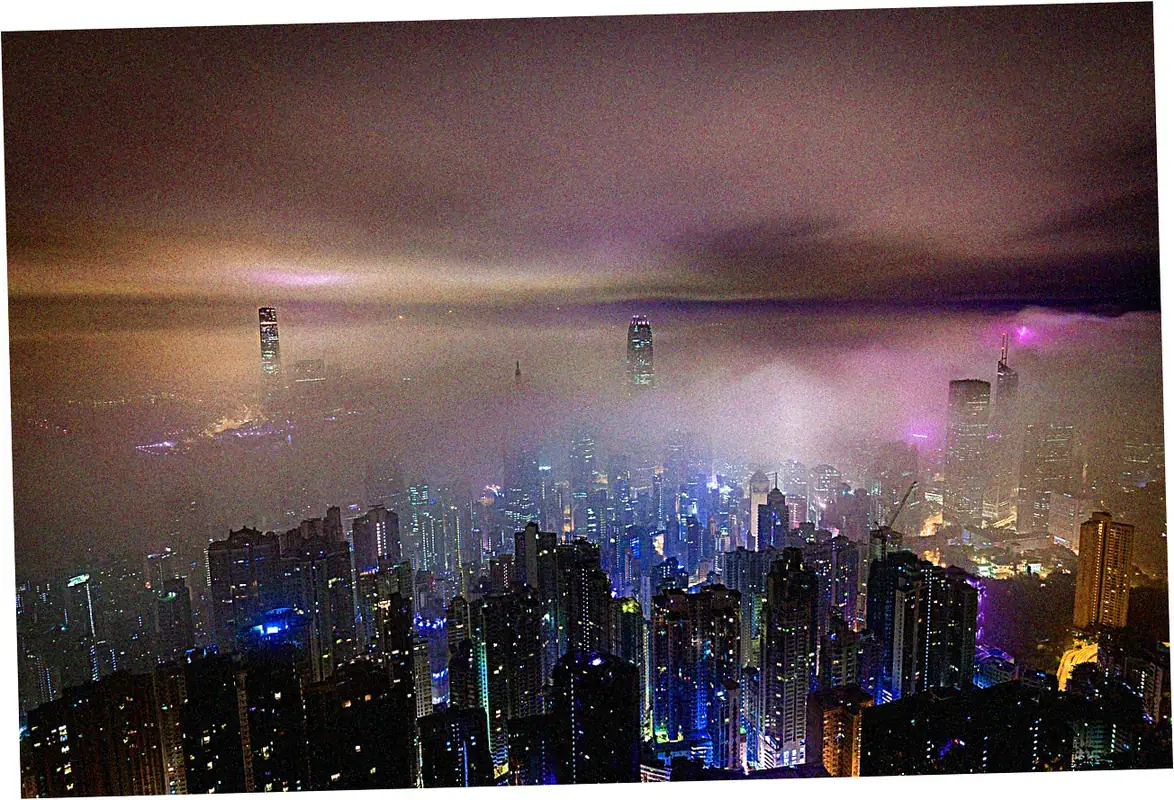
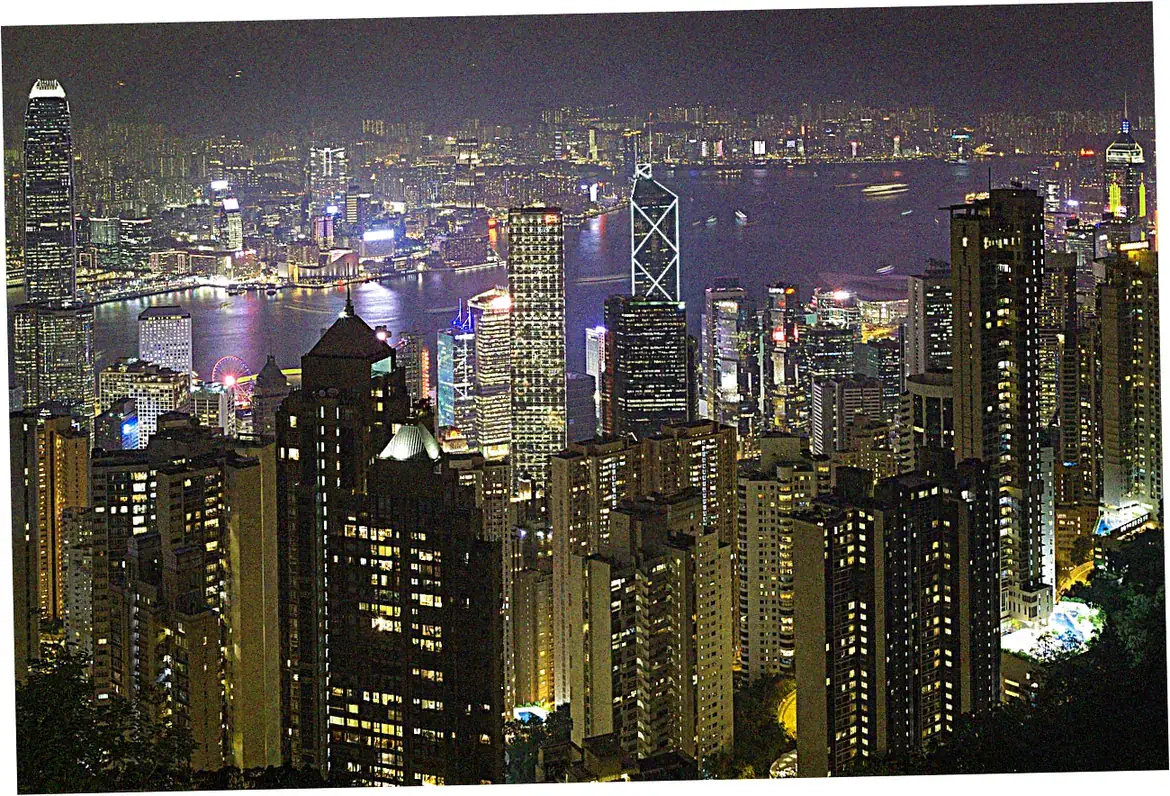
For essential Hong Kong experiences, Victoria Peak gives you that classic skyline view. But I’d say go early morning or late afternoon to skip the crowds. The Peak Tram got some upgrades lately, but it still keeps its old-school charm.(Hong Kong: 10 Things to Do – 1. Victoria Peak – TIME.)
Don’t bother with pricey Madam Tussauds – just walk downhill to the free viewing platform instead. Honestly, Lion’s Rock at golden hour beats any paid observation deck in my book.
For awesome waterfront views, hit up the Avenue of Stars in Tsim Sha Tsui. The skyline looks incredible during the Symphony of Lights show every night at 8.
For cultural spots, Man Mo Temple in Sheung Wan is super atmospheric. You’ll see these amazing incense coils hanging from the ceiling that just pull you into traditional Chinese spirituality.
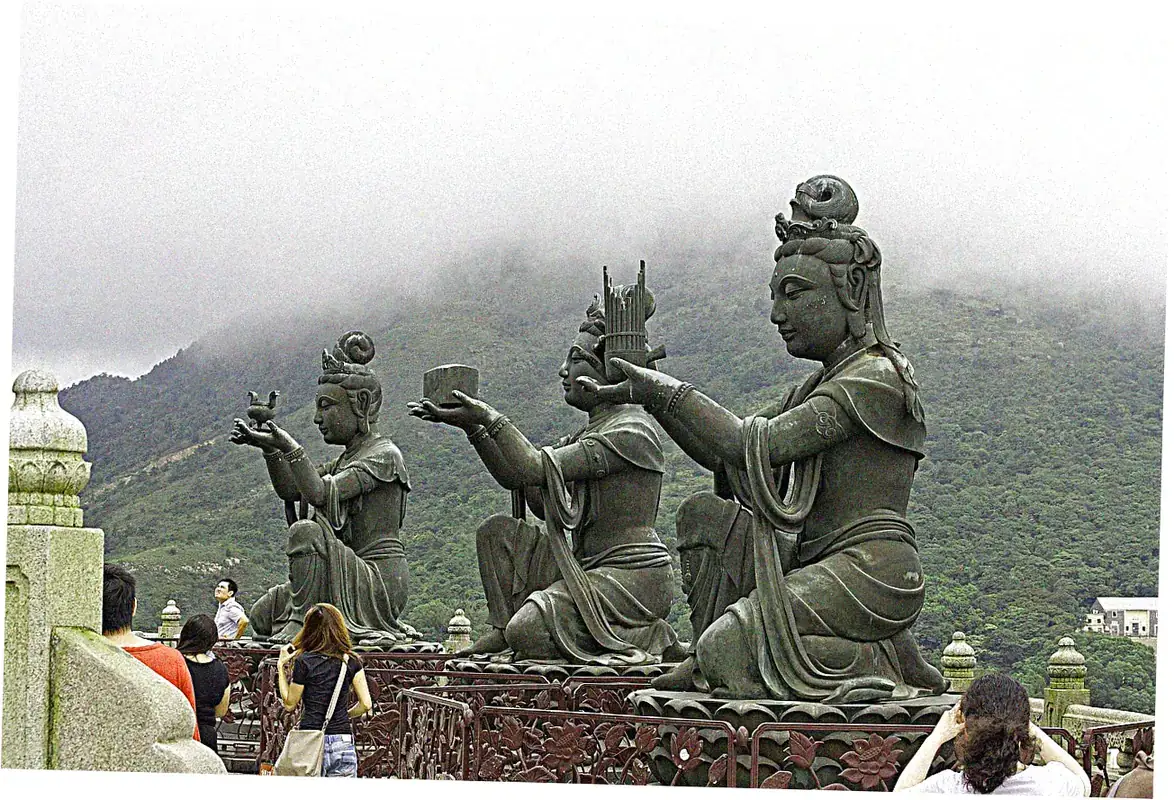
I always make time to light some incense sticks there respectfully. The Big Buddha on Lantau Island takes some planning to visit, but it’s worth it for the spiritual vibe and awesome views.
If you want something totally different, check out Yick Fat Building in Quarry Bay. This huge apartment complex was in the Transformers movies and gives you amazing photos of Hong Kong’s packed city life.
Local Neighborhoods and Lesser-Known Spots
For neighborhood exploring, Hong Kong’s real character comes out in its unique districts beyond the main tourist spots. Sheung Wan and Sai Ying Pun mix old-school Chinese medicine shops with cool art galleries and trendy cafes.
I can spend hours wandering these streets, finding hidden temples and creative restaurants. To see Hong Kong’s fishing village history, head to Tai O stilt village on Lantau Island.
People still live in houses built over the water there. The seafood here’s way fresher and cheaper than in the city too.
For nature escapes, don’t let the skyscrapers fool you – 70% of Hong Kong is actually countryside with great hiking trails. The Dragon’s Back hike has coastal views that CNN called one of Asia’s best urban hikes.(Dragon’s Back Race – Preparations Web site with images.)
Personally, I like the MacLehose Trail in the New Territories better because the landscapes are more varied. If you want beach time, try Repulse Bay or Shek O instead of packed Stanley.
Last time I visited, I found this abandoned village called Yim Tin Tsai near Sai Kung. It’s this spooky-beautiful ghost town with a restored chapel that shows you Hong Kong’s Hakka cultural history in a really cool way.
Culinary Journey and Dining Experiences
Local Specialties and Food Culture
You’ve got to try Hong Kong’s food scene. It’s this awesome mix of traditional Cantonese and creative international dishes. Start with dim sum at famous spots like Lin Heung Tea House.
I figured out how to handle their chaotic but fun pushcart service. Don’t miss the roast goose at Yung Kee, wonton noodles at Mak’s Noodle, and egg tarts at Tai Cheong Bakery. These are must-try treats.
Unlike Chongqing’s spicy mala flavors, Cantonese food focuses more on fresh ingredients and subtle tastes. I try to sample one new street food each day. Stinky tofu tests your courage, but egg waffles please everyone.
Here’s the dining etiquette: meals usually mean shared dishes on round tables with lazy Susans. Use the serving utensils they provide, not your own chopsticks. Tap your fingers to thank someone for pouring tea.
A local friend told me why they do this, and I loved the custom. Service is super efficient here. Restaurants focus on quick turnover, especially at lunch. For real authenticity, I look for spots with Chinese-only menus and plastic chairs. They usually have the best food.
Food Markets and Cooking Experiences
Check out wet markets like Graham Street Market. You’ll get this cool cultural experience – snap photos of colorful produce and try local foods. I love starting my day here with fresh soy milk and youtiao from street vendors.
Head to Des Voeux Road West in Sheung Wan for dried seafood and traditional ingredients. Shops sell everything from shark fin to bird’s nest. I don’t buy these controversial items, but knowing their cultural meaning helps me appreciate the food scene more.
For hands-on fun, several places offer cooking classes on Cantonese classics. I did a half-day workshop at the Hong Kong Culinary Academy and learned to make perfect char siu.
For something different, try a soy sauce factory tour in the New Territories or a tea session at LockCha Tea House. These experiences really helped me understand Hong Kong’s food culture beyond just eating out. Now I make my favorite dishes at home and relive those tasty travel memories.
Cultural Etiquette and Practical Considerations
Social Customs and Communication Tips
Getting around Hong Kong’s culture is interesting. It mixes Chinese traditions, British colonial stuff, and modern international vibes. People are pretty forgiving if tourists mess up, but knowing some basic manners really helps you connect better.
When you swap business cards, use both hands. It’s a sign of respect. At meals, don’t stick your chopsticks straight up in your rice. It looks like a funeral ritual. On my first trip, I did this by mistake.
A waiter kindly pointed it out to me. Most Hong Kongers understand English in tourist areas, but learning basic Cantonese phrases like (mm goi – thank you/excuse me) earns appreciation.
Here’s a communication tip: Even though Hong Kong is international, don’t assume everyone’s fluent in English. Just speak slowly and clearly. Mobile data is cheap and easy to get. I always grab a local SIM at the airport.
It makes using maps and translation apps a breeze. You might have heard about protests in Hong Kong, but for most people living there and visitors, daily life goes on as usual.
I just check local news apps to stay updated and steer clear of any planned protests. I’ve never felt unsafe on any of my trips.
Shopping and Sustainability Practices
Shopping responsibly in Hong Kong is great. There are tons of options, but I try to buy stuff that’s ethical and sustainable. Skip the chain stores for impulse buys. Look for places like Made in Hong Kong stores instead.
They help local artisans. With electronics, always check the warranty. And avoid deals that seem too good to be true in shady shops. The Hong Kong Tourism Board has a Quality Tourism Services scheme. It helps you find shops you can trust.
I’ve moved on from buying cheap souvenirs. Now I prefer investing in quality items that support traditional crafts.
Thinking about the environment? Even though Hong Kong is a dense city, it’s made big steps in sustainability. I join in by recycling. Just use those common three-colored bins you see everywhere. Lots of hotels let you skip daily linen changes.
I always opt out to save water. When I’m out in nature, I follow leave-no-trace rules. It helps protect Hong Kong’s gorgeous country parks. Bringing a reusable water bottle and shopping bag saves me money and cuts down on plastic waste.
Hong Kong is great for travelers who dig deeper. Look past the shiny surface to find real experiences, from huge skyscrapers to peaceful temples. Mix it up! See the famous sights but also explore neighborhoods.
Treat yourself to luxury sometimes, but also enjoy street food. Enjoy the city buzz but also escape to nature. That’s how you get the real spirit of Hong Kong. The best moments in Hong Kong are often unplanned.
Maybe you’ll stumble on a cool festival or bond with locals over Dim sum. So now you know these tips, go plan your trip! But stay open to those spontaneous moments that make travel so magical.
FAQ About hong kong travel tips
What’s the best way to get from Hong Kong Airport into the city?
The Airport Express train is super fast. It gets you to Central in just 24 minutes, and trains come every 10 minutes. But if you want to save money, airport buses are cheaper. They go to all the major hotels and districts.
Taxis are the most convenient, door-to-door option. Just be ready to pay a lot more, especially when it’s rush hour.
How many days do you need for your first trip to Hong Kong?
I’d say four to five days is perfect. That gives you enough time to see the main sights and explore different neighborhoods. Spend two days on Hong Kong Island, one day in Kowloon.
and another day checking out Lantau Island or the New Territories. Tack on a few extra days if you plan on doing day trips to Macau or Shenzhen.
Is Hong Kong a good place for vegetarians?
Yes, definitely! But just a heads-up, traditional Cantonese food uses a lot of meat and seafood. You’ll find amazing vegetarian dishes at Buddhist restaurants.
Tsim Sha Tsui also has great Indian restaurants with plenty of choices. It helps to learn how to say ngo – it means I eat vegetarian and makes ordering much easier.
What should you pack for a trip to Hong Kong?
Pack light clothes for the humid weather, comfy shoes for walking, and a light jacket for super cold air-conditioned places. Don’t forget a universal power adapter, an umbrella for those surprise rain showers.
and copies of your important docs. You probably won’t need formal clothes unless you’re going for a business dinner.

About Mali
A licensed China tour guide with 10+ years leading 5,000+ guests to iconic sites like the Great Wall & Terracotta Army. Expert in seamless tours, cultural insights, and VIP access!