Macau sits on China’s southern coast. It’s a cool mix of Portuguese and Chinese culture. This blend creates a unique vibe that pulls in millions of visitors every year. People call Macau the Las Vegas of Asia, but there’s way more than casinos. It’s like a living museum where East and West traditions blend smoothly together. You’ve got historic spots like St. Paul’s ruins and modern ones like the Macau Tower. It shows how Macau keeps its culture even with all the new development. This year’s Moon Festival will highlight that cultural mix. There’ll be traditional lantern displays and Portuguese-style parties. Autumn’s a great time to see Macau’s two-sided character.
Here’s what we’ll cover:
- Macau SAR’s history and how it’s governed
- Where Macau is and who lives there
- How Macau’s economy works and its main industries
- Macau’s cultural roots and traditions
- Cool places to visit and things to do in Macau
- Handy travel tips for Macau
- What’s next for Macau’s development
- Common questions people have about Macau
Let’s talk about Macau SAR’s history and how it’s governed.
It went from being a Portuguese colony to what we now call a Special Administrative Region.
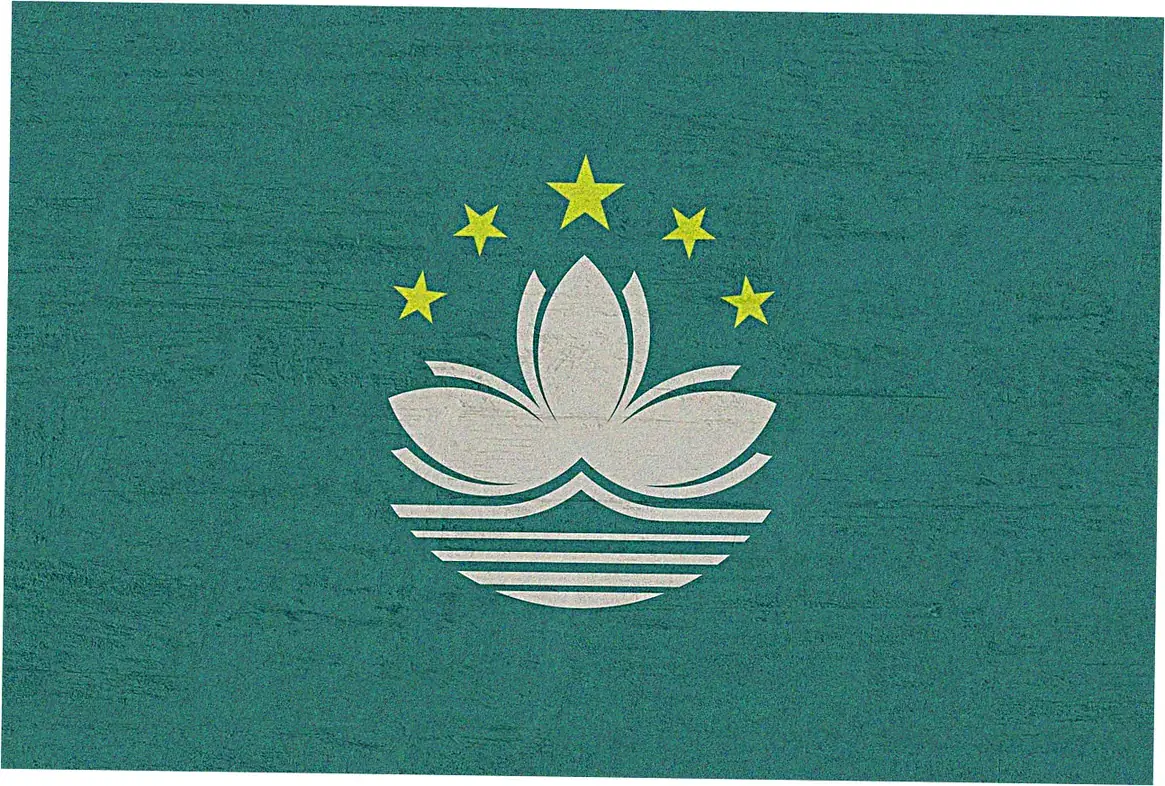
Macau’s story is pretty fascinating. Back in 1999, China took over sovereignty. This happened under the one country, two systems idea, which was a big deal.
This setup means Macau SAR keeps its own laws, money, and border checks, all while still being part of China. Unlike cities on the mainland, Macau holds onto its unique vibe.
It has special privileges to keep its Western ways and Chinese traditions going. The handover deal specifically protects Macau’s culture for 50 years. So its special status is locked in until at least 2049.
Now, about its constitutional setup and the Basic Law.
Macau’s whole system is based on the Basic Law. Think of it like a mini-constitution for the SAR. This document carefully spells out how things work between Beijing and Macau’s local government. It defines who handles what and what they share.
The legal setup lets Macau keep its own courts. Its Court of Final Appeal has the last word, which is a rare thing for a Chinese region. This has allowed Macau to blend Portuguese civil law with its own rules. It creates a unique legal mix that also fits with China’s security needs.
Let’s talk about Macau SAR’s geography and people.
First up, its strategic spot and how the city’s grown.
Macau SAR sits on the west side of the Pearl River Delta. This great location made it a key trading port for hundreds of years. It’s made up of the Macau Peninsula, plus Taipa and Coloane islands. They’ve used land reclamation to connect them all.
Since 1912, they’ve actually made the land area almost three times bigger! Macau is a super interesting example of high-density living. It’s actually the most densely populated place on Earth, packing in about 21,000 people per square kilometer.
Even though space is tight, they’ve built some amazing infrastructure. That includes the Hong Kong-Zhuhai-Macau Bridge, which is the world’s longest bridge over sea.
Now, about the people and culture.
Around 680,000 people live in Macau. It’s a real mix of cultures. About 88% are ethnic Chinese, and the rest are Portuguese and other groups. This mix makes Macau a multilingual place.
Most people speak Cantonese, but Portuguese and Mandarin are also official languages. You really see this cultural blend during festivals. Take the Dumpling Festival: the dragon boats have Portuguese-inspired
designs, and the zongzi (those sticky rice dumplings) mix ingredients from both Chinese and Portuguese cooking. This fusion is part of everyday life too. It’s totally normal to see a Catholic church right next to a Taoist temple.
Macau SAR Economic Structure and Industries
Gaming Tourism and Entertainment Dominance
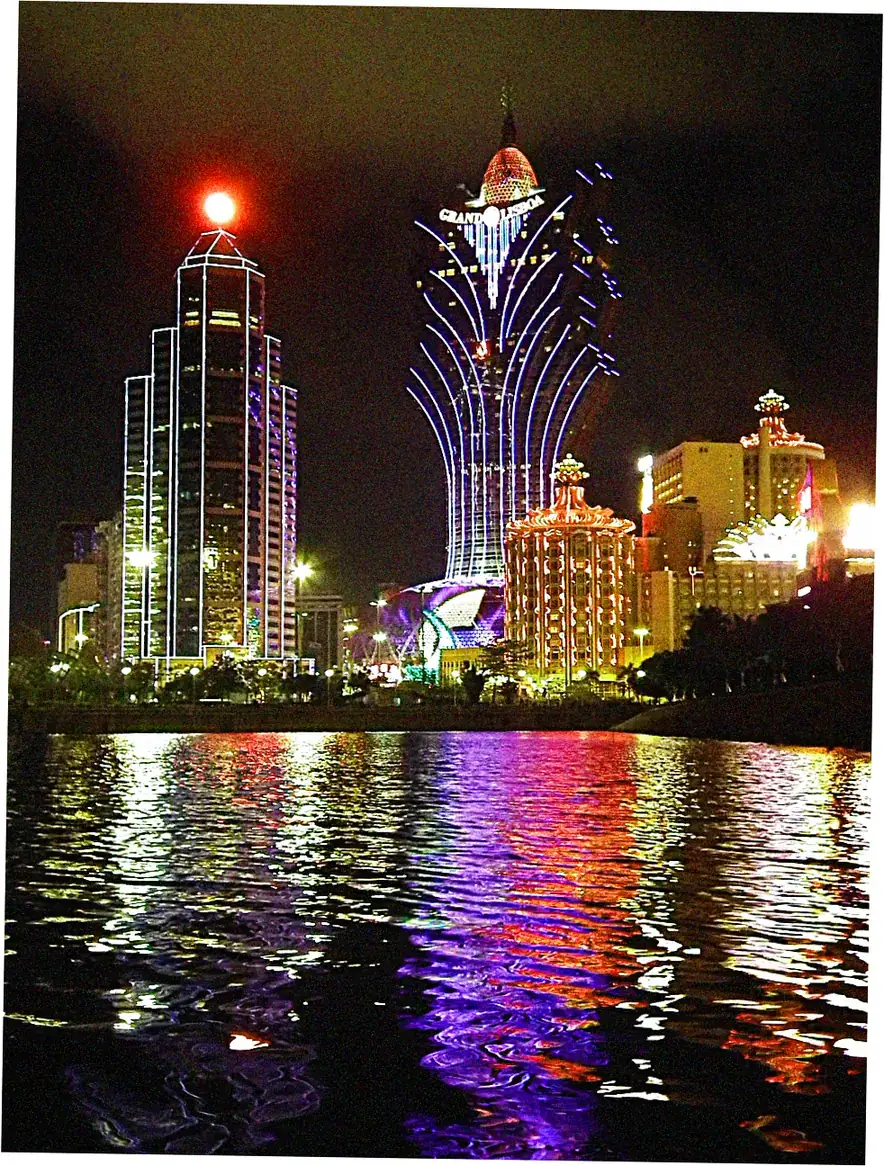
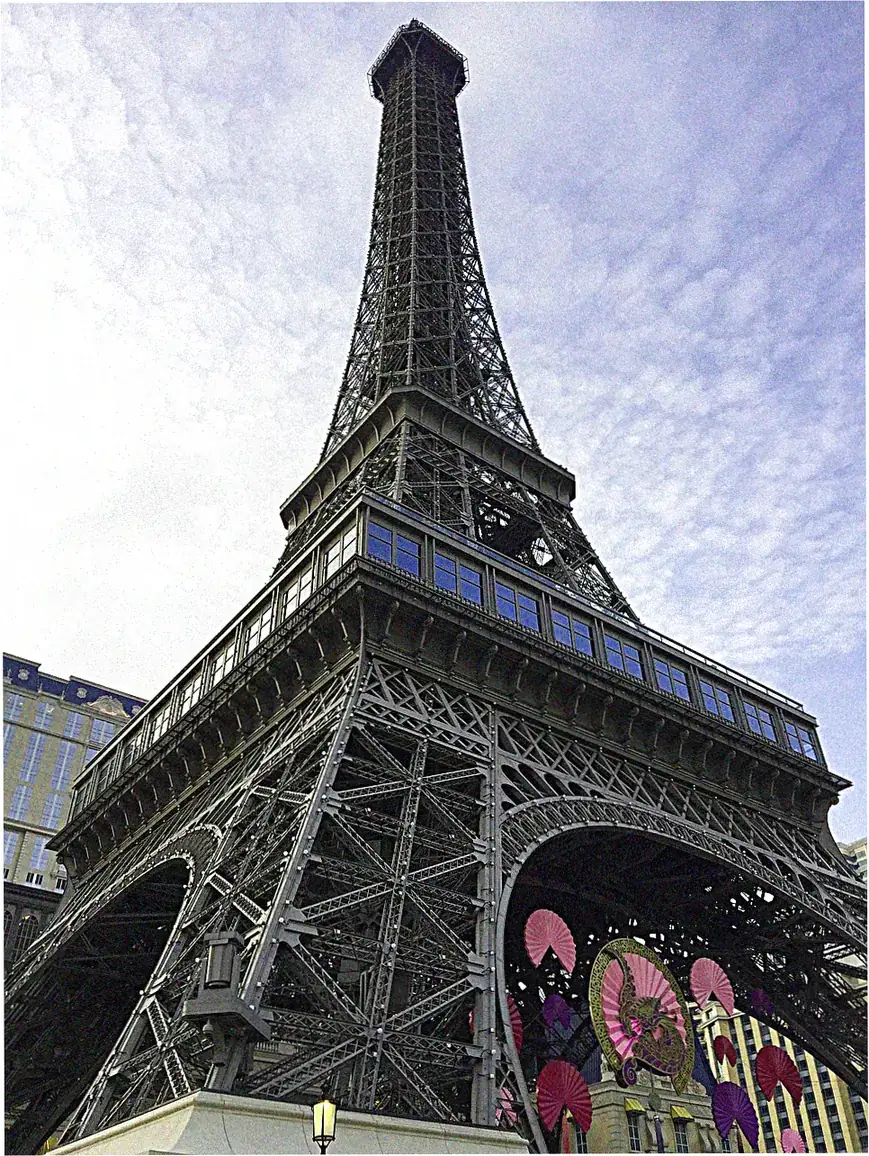
Macau’s economy really centers on its gaming industry. It brings in more than half of the SAR’s GDP and pulls in big spenders from all over Asia. Macau’s six casino operators have built these huge resorts.
They mix gambling with top-notch shows, fancy shopping, and even Michelin-starred restaurants. But there’s more than just gaming tables. Macau also has great MICE facilities for meetings and big conferences.
These host international events all year round. The entertainment scene got a big boost too. The government started adding more family-friendly spots. This was partly because China’s anti-corruption push had hit VIP gambling profits.
Emerging Sectors and Economic Diversification
Seeing they relied too much on gaming, Macau’s authorities are now pushing to diversify the economy. They’ve started several smart initiatives to make that happen. For example, there’s the Traditional Chinese Medicine Industrial Park.
It speeds up R D for healthcare products. Then there’s the Hengqin cooperation zone, which helps with cross-border innovation projects. Financial services are another area that’s growing.
Macau is becoming a hub for business between China and Portuguese-speaking countries. The government also backs the cultural and creative industries a lot. This is especially true for film and design. They’re using Macau’s cool East-meets-West vibe to attract projects from around the world.
Macau SAR Cultural Heritage and Traditions
UNESCO Sites and Architectural Marvels
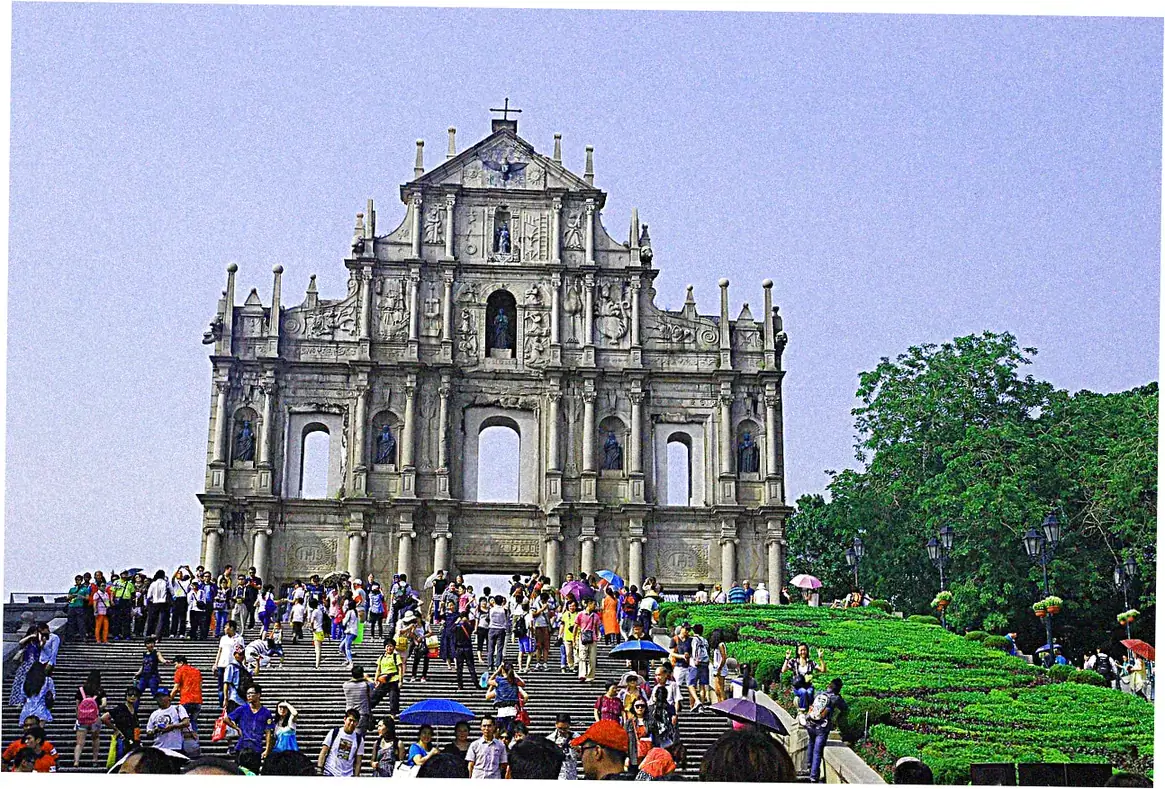
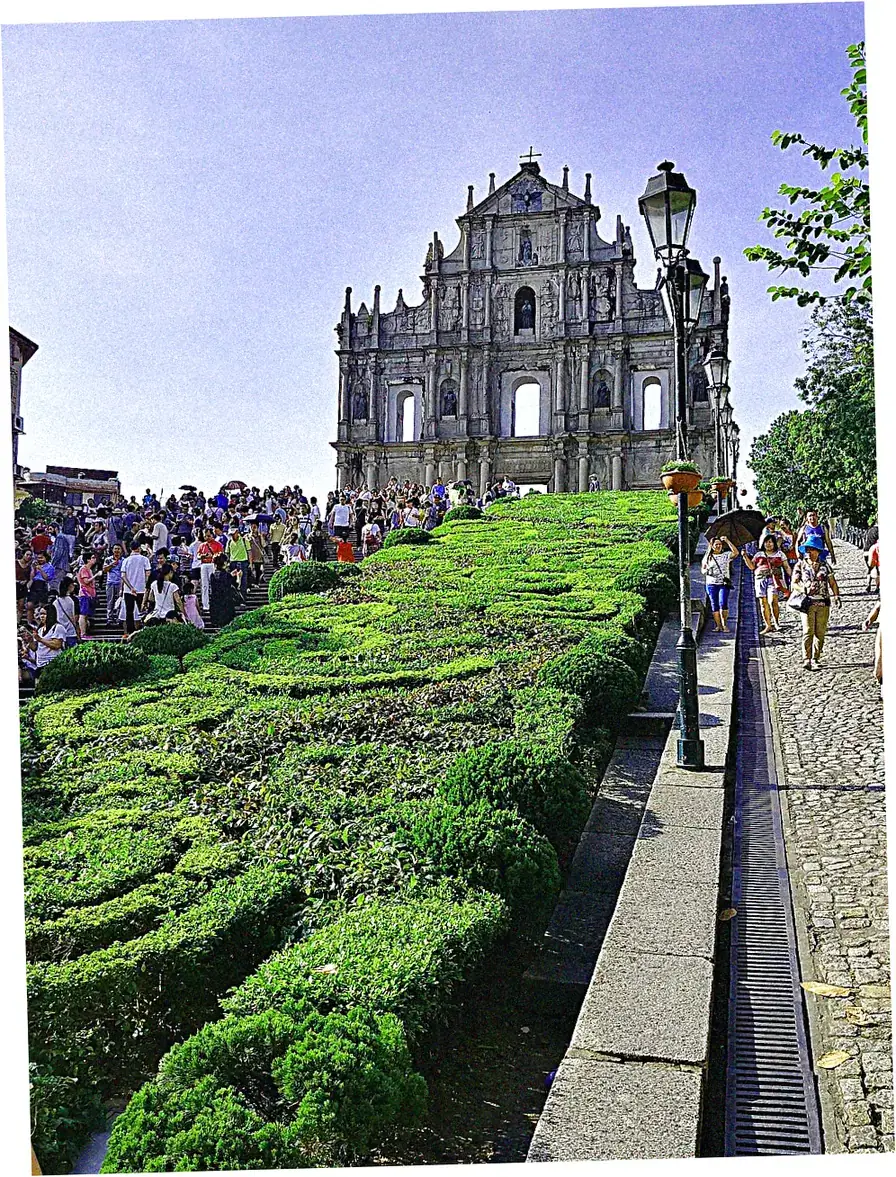
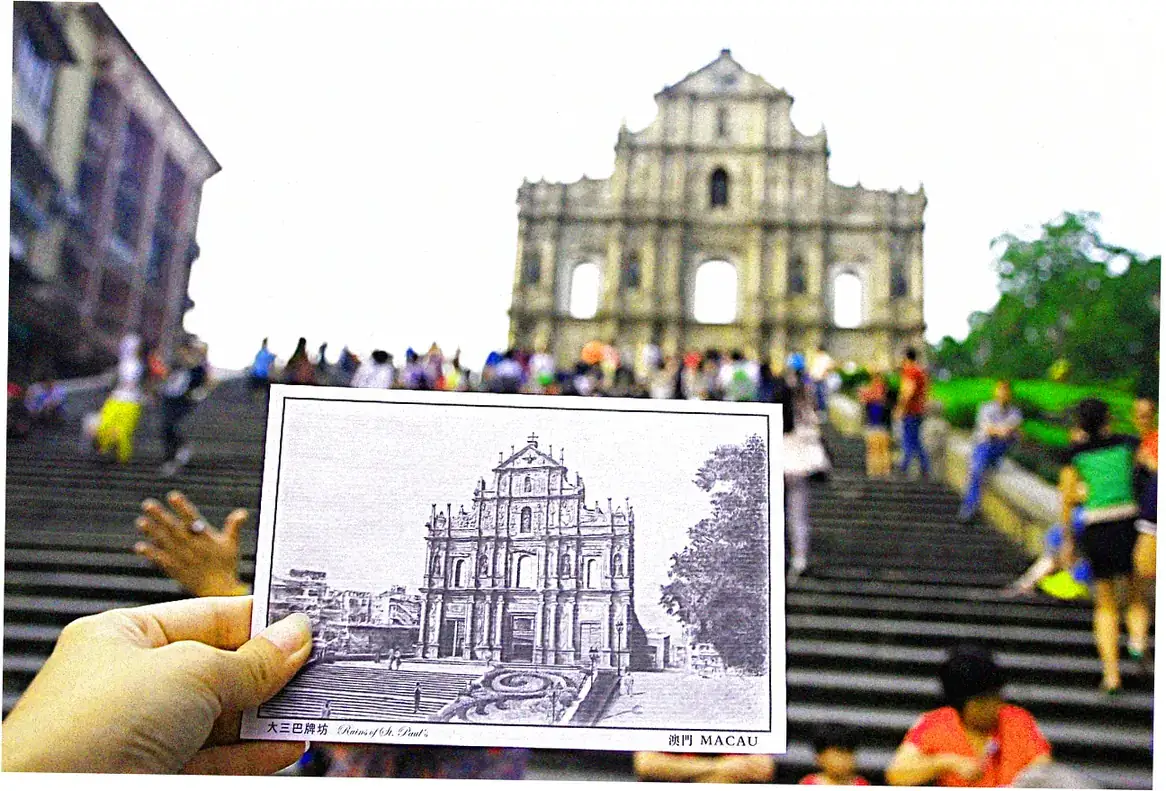
Macau’s Historic Centre got UNESCO World Heritage status back in 2005. It’s packed with over twenty monuments and public squares that really show off how well East and West cultures blended together. The ruins of St.
Paul’s Cathedral are the most famous spot there. What’s left of its facade mixes Catholic designs with Asian art styles. But there’s more than just the famous ruins. Macau also keeps up some amazing Sino-Portuguese buildings.
You’ve got the Dom Pedro V Theatre and the Sir Robert Ho Tung Library, which takes inspiration from Moorish-barque designs. They even preserve whole neighborhoods. You’ll see pastel-colored buildings with pretty wrought-iron balconies.
These places now host cool art galleries and classic pastry shops that sell those famous egg tarts.
Festivals and Cultural Events Calendar
Macau’s yearly calendar is full of events that show off its mixed roots. The celebrations are lively and mix Chinese and Portuguese traditions perfectly. During Lunar New Year, you get awesome flower markets and dragon dances.
Then at Easter, Catholic processions pop up, showing how religiously diverse the place is. Come September, the Macau International Fireworks Display Contest lights up the sky. It happens around the same time as the Mid-Autumn Festival.
Then the city gets decked out with lanterns and everyone’s sharing mooncakes. There are also food festivals that celebrate Macanese cuisine. It’s this unique mix that dishes up things like African chicken and minchi right next to classic Chinese food.
The local cultural department really backs these events that highlight Macau’s heritage. They make sure old-school crafts, think porcelain painting and bamboo scaffolding, keep going strong.
Macau SAR Tourism Attractions and Experiences
Iconic Landmarks and Must-See Destinations
Besides the flashy casinos, Macau has lots to see. Start with the Macau Tower – you get amazing 360-degree views up there. They also offer cool adventures like skywalking and bungee jumping. Senado Square is like the city’s heart.
It’s surrounded by pretty pastel-colored buildings that lead you right to the ruins of St. Paul’s. Check out Monte Forte for some history. They’ve got old cannons and a museum that tells you all about Macau’s colonial days.
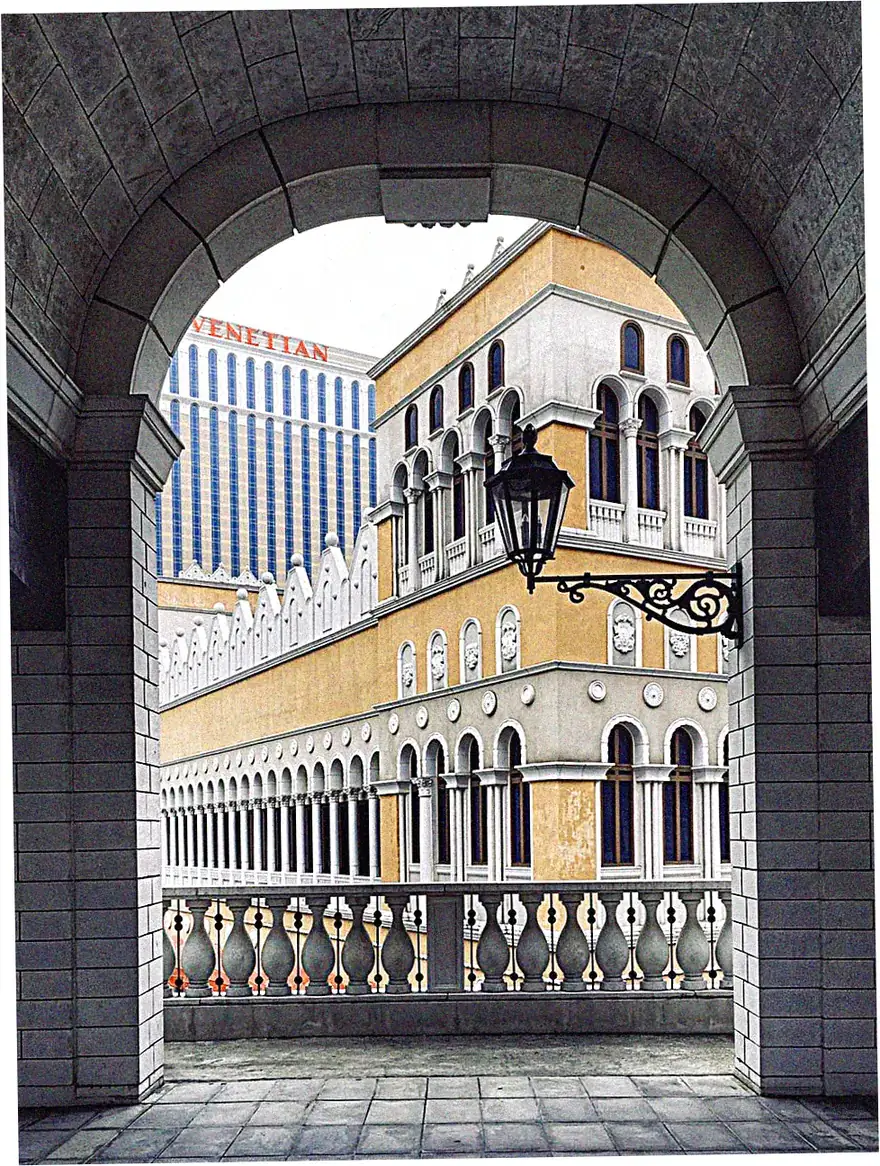
Families will love the Giant Panda Pavilion with those cute pandas. The Macau Science Center is great too – it’s got fun interactive exhibits designed by I.M. Pei. Over on the Cotai Strip, things keep growing. New resorts pop up with copies of European landmarks and fancy shopping streets.
Unique Experiences and Hidden Gems
Experienced travelers find Macau’s hidden gems in those narrow alleys and little villages that still have that old-world feel. Coloane village feels totally different from the casino glitz.
It’s got a lovely waterfront with family restaurants serving fresh seafood and those famous Lord Stow’s egg tarts. At the Taipa Houses-Museum, you can see how people lived in early 1900s Macau. They’ve beautifully restored these colonial homes.
If you’re into adventure, hike the Coloane Trail to the A-Ma Cultural Village. You’ll see structures that look like the Great Wall but with southern Chinese style.
For something really special, the Macau SAR Government puts on yearly events like the International Parade. It turns the streets into moving cultural shows.
Macau SAR Practical Travel Information
Visa Requirements and Entry Procedures
Most folks visiting Macau can get in without a visa for 30 to 90 days, depending on where you’re from. But do check the latest rules since they change a lot.
If you’re from the US, Canada, or most European countries—over 70 in total—you can stay visa-free for up to 90 days. Mainland Chinese visitors need to get a permit from the public security bureau, but
Hong Kong residents can just use their ID cards to enter Macau. Crossing the border is pretty smooth. You’ll find automated gates at the ferry terminal and the airport if you’re eligible.
During busy times like the Chinese Dumpling Festival, lines can get long. Try using the newer Hengqin port—it’s usually faster.
Transportation and Getting Around
Macau is pretty small, so getting around is easy. The buses go everywhere you’d want to see, and each ride only costs MOP$6. The light rail started running in 2019.
It links Taipa’s waterfront to the border gates, and there are plans to expand to the peninsula soon. Taxis are still cheap, but sometimes drivers don’t speak English. It helps a lot if you have your destination written in Chinese.
For a real Macau vibe, hop on a pedal rickshaw near the ferry terminal. They’re great for short, scenic trips. Bridges connect the islands quickly. Or, if you’re feeling fancy, you can take a helicopter to Hong Kong for an awesome view.
Macau SAR Future Development Prospects
Government Initiatives and Strategic Planning
Macau SAR’s got this Five-Year Development Plan. It’s pretty ambitious. They want to turn the place into a top spot for world tourism and fun. Plus, they’re aiming to boost its role as a key service platform
for business between China and Portuguese-speaking countries. A big part of the plan is the Guangdong-Macau In-Depth Cooperation Zone over in Hengqin. This is huge because it’ll give Macau more room to diversify its economy and build more homes.
They’re also putting in smart city tech to manage things better. They’re really focusing on flood prevention systems to deal with those tough typhoon seasons. The government keeps putting money into healthcare and schools to make life better.
They know that developing people’s skills is key for long-term success, not just relying on casinos.
Challenges and Opportunities Ahead
But Macau’s got some big challenges too. It relies way too much on gambling, there’s not much land, and lots of folks are getting older. On the bright side, these problems also spark new ideas.
Think building upwards and creating services for older residents. Joining up with the Greater Bay Area is a game-changer. It opens up tons of chances for working across borders, especially in finance, Chinese medicine, and tech.
Going green is both tough and a great opportunity. That new waste-to-energy plant, for example, could make Macau a leader in looking after the environment in the region. Macau’s best asset is still its unique culture.
By protecting it and finding cool new ways to share it, they can build a more sustainable kind of tourism.
Macau SAR is a real example of mixing cultures and adapting well. It shows how you can keep your identity while still moving forward. This lively region is changing.
It’s known for casinos, but it’s building a more varied economy that’s all about its special history. Whether you wanna catch the Moon Festival or check out historical spots that remind you of southern
styles like the Great Wall, Macau guarantees an amazing time. You should start planning a trip to see for yourself why this SAR is one of Asia’s most fascinating places. Seriously, every corner has a story about East meeting West.
Here are some common questions people ask about Macau SAR
So what does SAR actually mean in Macau SAR?
SAR means Special Administrative Region. It’s talking about Macau’s special status in China. Basically, Macau keeps its own legal and money systems, different from mainland China.
This is because of the one country, two systems deal set up when Portugal handed it back in 1999. This setup lets Macau run itself completely, except for dealing with other countries and military stuff. And this will last until 2049 at least.
Wondering if you need a visa for Macau?
Well, it really depends on where you’re from. If you’re from the US, Canada, Australia, or most European countries, you can usually visit without a visa for 30 to 90 days.
But if you’re from mainland China, you’ll need to get a permit first before you go. Just make sure to check with the Chinese embassy near you before your trip, since rules can change anytime.
When’s the best time to visit Macau?
Fall is perfect – from October to December. The weather’s nice and not too humid. Plus, you get to see cool events like the big fireworks competition and the Mid-Autumn Festival. Spring is pretty good too, but it does rain more then.
Summer gets really hot and sticky, and there might be typhoons. Winter has fewer people around, but it does get chilly.
What makes Macau SAR different from Hong Kong SAR?
They’re both SARs of China, but Macau and Hong Kong have different histories, economies, and cultures. Macau was run by Portugal before, so it has more Portuguese influence. Hong Kong was British, so it’s different.
Money-wise, Macau is all about casino tourism, while Hong Kong is more of a global money hub. Both places keep their own laws and money, separate from mainland China.

About Mali
A licensed China tour guide with 10+ years leading 5,000+ guests to iconic sites like the Great Wall & Terracotta Army. Expert in seamless tours, cultural insights, and VIP access!