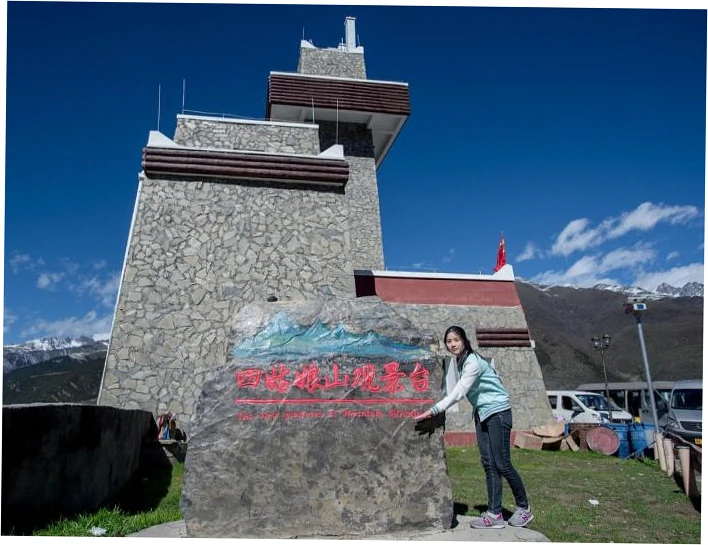
Whenever I plan a trip, I make sure it’s both safe and exciting. I looked through travel warnings and crime stats and found something cool: the safest places to visit usually have a few things in common. They’re politically stable, have low crime, and great healthcare. The 2023 Global Peace Index says Iceland, New Zealand, and Japan are always top for safety. But there are also some hidden gems that are super safe too! I learned from my own trip to Shanghai that even huge cities can feel really secure if you take the right precautions.
Table of Content
Defining Safety in Travel Destinations
What Makes a Place Truly Safe
When I check how safe a place is, I don’t just trust tourist brochures—I go for hard data. There’s this thing called The Economist’s Safe Cities Index—it looks at digital safety, health, infrastructure,
and personal security in cities all over the world. Tokyo, Singapore, and Osaka always come out on top because they’ve got great police, super clean streets, and really good emergency services.
From what I’ve seen, the safest places to travel usually have honest governments, stable economies, and people who respect tourists. When I went to Switzerland, I really felt that—you can wander around anytime and still feel totally safe.
Staying safe while traveling isn’t only about crime—it’s also about health, how safe the transport is, and if the place is ready for disasters. I got stuck in a small earthquake in Japan once, and wow—their
warning systems and how organized everyone was during evacuation really impressed me. I also check the WHO’s data on road accidents—it helps me pick places with strong traffic rules and good roads. Thinking like this has kept me out of trouble more than a few times.
Misconceptions About Travel Safety
A lot of people think familiar places are always safe, but I’ve found that’s not really the case. From my trips, I realized that what people say about safety isn’t always right.
Some spots that people call dangerous actually have super safe tourist areas, and some popular vacation places can be pretty risky. The U.S. State Department’s travel tips showed me that safety can really differ inside a country—some parts are totally fine, while others you gotta be careful in.
The media can really mess up how we see safety. I’ve been to places that got bad news coverage, but they were actually super welcoming. Now I always check a bunch of sources before I go—like local tourism
sites, reviews from other travelers, and government advice. That’s how I ended up having an amazing time in Jordan, even though my friends were worried just from what they saw on the news.
Top Safest Countries for Travelers
Scandinavian Security Excellence
I traveled through Scandinavia and found out why Denmark, Norway, and Finland top the safety charts. These places have really low crime and great social welfare, so travelers hardly ever feel unsafe.
In Copenhagen, I saw locals leaving babies asleep in strollers outside cafes—that tells you how safe society is there. The Nordic countries also have super clean environments and top-notch healthcare, which is great for travelers worried about health issues.
What really stood out to me was how much Scandinavians value equality and looking out for each other. That means tourists aren’t seen as targets—they’re treated like welcome guests.
Plus, the public transport is efficient, streets are well-lit, and locals speak English, all making international visitors feel even more secure. I never felt uneasy walking around Helsinki alone at night, which isn’t something I can say for lots of other European capitals.

Asian Safety Standouts
Singapore is the gold standard for urban safety in Asia, thanks to strict laws that keep everything super orderly. When I visited, I was blown away by the clean streets, efficient transport, and visible security—I felt totally safe any time of day.
Japan has a different but just as amazing safety culture—lost wallets often get returned with everything still inside. Thanks to omotenashi—that’s wholehearted hospitality—visitors are genuinely looked after by locals.
South Korea and Taiwan also deserve a shout-out for being super safe destinations in Asia. Seoul has high-tech infrastructure with lots of CCTV and efficient emergency services. Taiwan has low crime and great healthcare, perfect for anxious travelers.
When I was in Taipei, I often saw schoolkids taking public transport alone—that really shows how safe the society is and it impressed me a lot.
Safest Cities for Tourist Exploration
European Urban Havens
Zurich is always up there as one of the safest cities in the world. It’s got super low crime and really safe infrastructure. When I visited Switzerland, I loved how the public transport was always on time and reliable.
It meant I never had to take risky taxis late at night. You find clean drinking fountains all over the city and the walking paths are really well kept. It shows how good design makes visitors feel safe.
Luxembourg City feels just as secure. It’s compact and easy to get around, which is perfect if you’re new to traveling in Europe.
Lisbon really surprised me with how safe it is. Even though it’s one of Europe’s cheaper capitals, crime against tourists is pretty low. The locals are super friendly and the tourist spots have good security.
That made wandering around the hilly city both fun and safe. I found out that smaller cities in Europe, like Ljubljana and Bern, are often safer than the big ones. You still get an amazing cultural experience, which is great if safety is your top priority.
Asian Metropolitan Safety
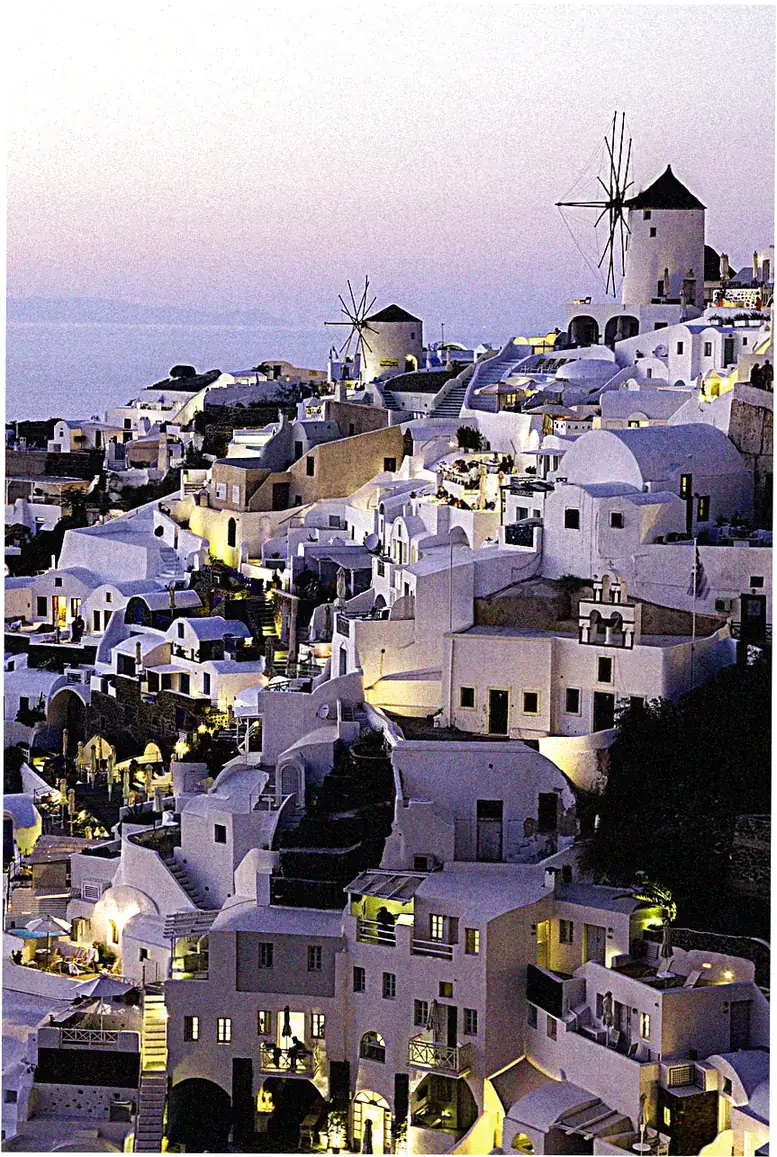
When I went to Shanghai, I saw how a huge megacity of 24 million people can still be incredibly safe. There are police everywhere, tons of cameras, and a real community feel. It made me comfortable exploring on my own, even after dark.
I really like Shanghai’s approach to safety. The security is visible but not in your face, so you feel protected without it feeling like a police state. The public transport system is excellent too. It means you don’t have to rely on less regulated options, which makes things even safer.
Dubai has poured a lot of money into keeping tourists safe. They’ve created these luxurious, secure spots that really appeal to cautious travelers. Some might find the strict laws and all the cameras a
bit much, but I liked how it kept crime really low when I was there. Seoul’s digital setup is worth a special shout-out. There’s free WiFi everywhere, real-time transport apps, and emergency alerts. These tech safety nets make getting around this huge city way less stressful than you’d think.
Family-Friendly Safe Vacation Spots
Destinations for Traveling with Children
Singapore is my top pick for safe family vacations. It’s super clean, has safe food and water, and tons of kid-friendly spots. When we visited, we loved how stroller-friendly everything was.
There are parks and playgrounds everywhere, and we felt relaxed knowing their healthcare system is excellent. We spent days at the Singapore Zoo and Gardens by the Bay – both are perfectly safe. Getting around was a breeze too, thanks to the efficient MRT system.
Finland might surprise you as a family destination, but it’s incredibly safe and offers unique experiences for kids. Helsinki’s design district has awesome interactive museums for kids.
Plus, there are countless lakes and forests that are great for safe nature exploration. What really impressed me was how child-friendly Finland is. Restaurants always have high chairs and changing tables, and public spaces are designed for kids. This makes traveling so much easier for parents.
All-Inclusive Resort Safety
If you want a contained environment, all-inclusive resorts in safe areas are perfect for families. At Nine Horses Mountain Resort in Guilin, we felt really safe.
The premises are secure, they have medical facilities on-site, and all their excursions are carefully checked out. All staff had thorough background checks, and they explained all the safety rules when we arrived.
These details really matter when you’re traveling with kids. The resort is surrounded by beautiful karst landscapes – amazing views but still completely secure.
Caribbean resorts in places like Aruba and the Cayman Islands give you that tropical vacation vibe but with great safety records. These islands have lower crime than their neighbors and really well-developed tourist facilities.
In Aruba, we loved having familiar chain restaurants alongside local food – perfect for picky young eaters. The beaches were always clean and had lifeguards watching over them. The constant trade winds also mean fewer bugs, which cuts down on health worries.
Adventure Travel with Safety Assurance
Safe Thrills: Balancing Adventure and Security
You don’t have to give up safety for adventure travel. I found that out in New Zealand. It’s the adventure capital of the world but also has top-notch safety credentials. The country has strict rules for adventure companies.
Whether it’s bungee jumping, whitewater rafting, or glacier hiking, they all keep to the highest safety standards. When I toured the South Island, I loved how thorough the safety briefings were.
The gear was great and the guides were real pros. Even adrenaline-pumping activities felt safe, not reckless.
Costa Rica is another great spot for adventure travel where they take safety seriously. Their ecotourism industry is well-developed and gets that safety actually makes the experience better.
When I went zip-lining in the rainforest, they had backup safety systems, pro guides, and solid emergency plans. I could really enjoy myself without worrying. Plus, the country is politically stable and has good tourist infrastructure. That makes adventure travel there even safer overall.
Preparation for Adventure Safety
From all my adventure travels, I’ve figured out that preparation is everything for staying safe while having fun. Now I always check that the operators have the right certifications, good insurance, and solid emergency plans.
I also look at recent reviews to see what people say about their equipment and guides. Those details really matter if something goes wrong. That bit of homework saved me from a risky canyoning trip in Bulgaria. Recent reviews showed their safety standards had slipped.
Getting physically ready is just as key for safety. I learned that the hard way on a tough hike in Patagonia. Now I’m honest about my fitness versus what the activity needs. I don’t let my pride get in the way of safety.
Learning basic first aid and bringing the right safety gear has helped me so many times. From fixing small cuts to having supplies when the weather turned bad. These prep steps don’t ruin the adventure. They just make sure I’m around to adventure another day.
Cultural Events and Seasonal Safety Considerations
Navigating Festival Crowds Safely
I learned about safety at big cultural events during Shanghai’s Spring Festival, which follows the lunar calendar. With huge crowds at temple fairs, you gotta plan ahead—find emergency exits, pick meeting spots, and keep your stuff safe.
Even with so many people, everything was super orderly thanks to visible security and good crowd control. That experience showed me that even the world’s biggest gatherings can be safe if you prepare properly.
Germany’s Christmas markets are another great example of getting safety right during festivals. At Nuremberg’s famous market, I loved how they had clear emergency stations, limited alcohol service, and
crowd barriers that kept things festive but secure. The wide aisles stopped dangerous crowding, and the friendly security made everyone feel safe without killing the festive vibe. Thanks to these measures, I could really enjoy the glühwein and gingerbread without worries.
Seasonal Weather Safety Planning
I found out travel safety changes with the seasons when unexpected snow messed up my hiking trip in Austria. Now I always check seasonal weather and natural risks before I go anywhere.
Caribbean hurricanes, Southeast Asian monsoons, and desert heat all need special prep that really affects your safety. When I visited Dubai in summer, I learned to always stay hydrated and spot heat exhaustion signs—that knowledge stopped me from getting really sick.
Shoulder seasons often give you the best mix of good weather and lower risks, like when I visited Japan in autumn. Typhoon season was over, summer crowds were gone, and winter cold hadn’t come yet, making it perfect for safe exploring.
I now check not just climate charts but also local tourism boards for seasonal safety tips—they have the latest info on trail conditions, transport, and health stuff like pollen or bugs.
Travel Safety Technology and Resources
Digital Tools for Enhanced Security
Tech totally changed travel safety. Now apps give you real-time security info you couldn’t get before. On my trips, I use security apps that warn me about nearby issues, translation apps for emergency chats, and map apps that show safe routes.
The International SOS app is super helpful. It gives country-specific tips and coordinates emergency help, which makes me feel better about visiting unfamiliar places.
Communication tech makes travel much safer. I learned this when my SIM card died in rural Argentina and I had no service. Now I always bring backups like a portable WiFi and know how to call emergency services without a local SIM.
My phone’s emergency features add extra security—things like medical ID, emergency contacts, and satellite messaging. These digital steps add to traditional safety habits, like carrying paper copies of important docs, instead of replacing them.
Official Resources and Travel Insurance
I start with government travel advisories for safety planning, but I don’t just take them as is—I read them smartly. The U.S. State Department’s rankings showed me that Level 2 spots often give great value
with okay risks, and even some Level 1 places have areas to be careful in. I check advisories from the UK, Canada, and Australia too, to get a balanced view—not just one source that might be too cautious or political.
Good travel insurance is my top safety buy. I found out in Switzerland when emergency dental work would’ve cost thousands without it. Now I always check policies for coverage limits, emergency evacuation, and if adventure activities are included.
Knowing how to claim beforehand really helps when you need care overseas. This safety net lets me enjoy places, knowing medical and security help is just a call away, no matter where I am.
From my travels, I’ve learned safety isn’t skipping adventure—it’s making smart choices for better experiences. The safest places to travel give you not only security but more fun too, thanks to their
orderly setups, reliable infrastructure, and friendly welcomes. When we put safety first in travel plans, we can connect more deeply and immerse ourselves in other cultures. I hope you use these tips and resources to plan your own safe trips—the world is waiting, and it’s safer than you’d guess.
FAQ
What makes a country considered safe for travelers?
A country becomes safe for travelers when it has low crime rates, especially towards tourists, plus political stability, good healthcare, and safe infrastructure.
Groups like the Global Peace Index and Economist Intelligence Unit check these things every year—they look at terrorism risks, road safety, and more. From my travels, I’ve learned that the safest places also welcome visitors warmly and have police that treat tourists fairly.
Are there any safe travel destinations that are also budget-friendly?
Definitely! Portugal, Slovenia, and Malaysia are super safe and still easy on the wallet. When I visited, I noticed they offer great deals on places to stay, cheap and safe transit, and meals that won’t break the bank—all while keeping you secure.
Eastern European spots like Poland and the Czech Republic mix old-world charm with modern safety, and they’re way cheaper than Western Europe.
How does travel insurance contribute to safety?
Travel insurance is like a money safety net—it covers medical emergencies, evacuations, and trip problems that could put you at risk. Once in Switzerland, I needed emergency dental work—my insurance paid
for the pricey fix and even found me an English-speaking dentist fast. Good policies also give you 24/7 hotlines for help with lost passports, emergency rides during disasters, or other crises.
What are the safest precautions for solo female travelers?
From my solo trips, I’d say pick places with 24-hour front desks and solid reviews from women, skip lonely spots at night, and dress to fit local customs. I always share my travel plans with someone at home and check in often.
In my experience, Japan, Iceland, and Ireland are especially safe and welcoming for solo women—they’ve got respectful cultures and little harassment.

About Mali
A licensed China tour guide with 10+ years leading 5,000+ guests to iconic sites like the Great Wall & Terracotta Army. Expert in seamless tours, cultural insights, and VIP access!