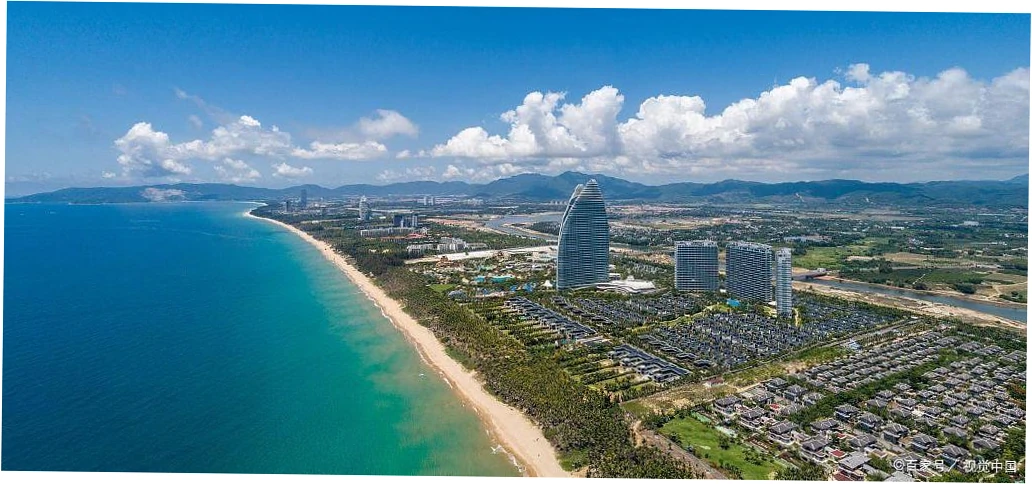
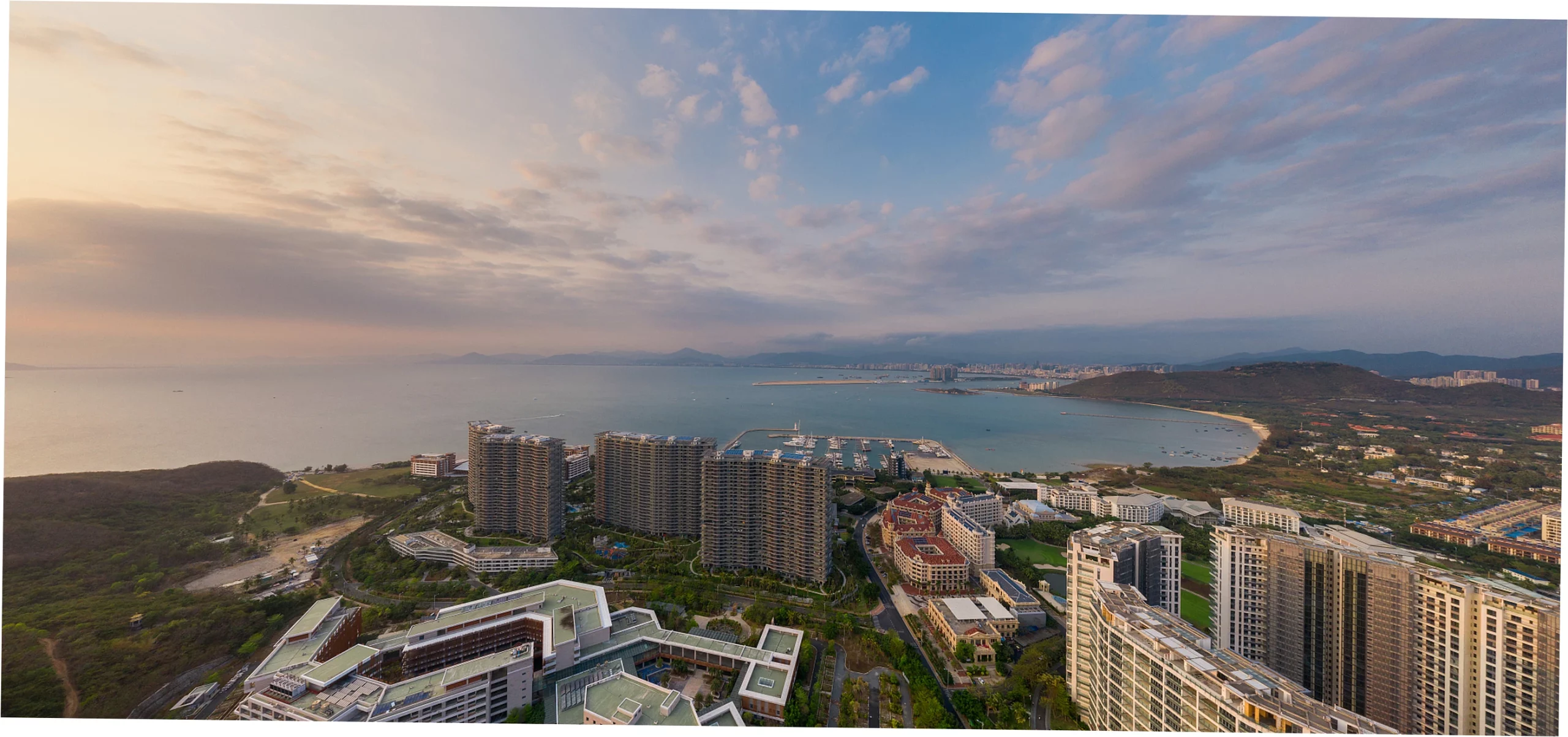
Looking up Sanya Bay weather? You’re probably planning a trip. You want to know what the weather’s really like so you can pack right and figure out what to do. I’ve been there a lot. Let me tell you, the climate is mostly tropical. It’s warm all year, but there’s a clear rainy season and a dry season. Typhoons can happen sometimes too. Picking the right time to go is key for a great trip.
Table of Content
- What exactly defines Sanya Bay’s climate?
- How does Sanya Bay compare to other tropical destinations?
- When is the best time to visit Sanya Bay for my trip?
- What are the real risks and common mistakes to avoid?
- How can I get accurate forecasts and plan day-to-day?
- What should different types of travelers know?
- Frequently Asked Questions About Sanya Bay Weather
What exactly defines Sanya Bay’s climate?
The Tropical Monsoon Framework
The main thing driving Sanya Bay weather is the tropical monsoon climate.That means it’s consistently warm, averaging about 25°C (77°F) yearly.The big changes aren’t in temperature, but in rain and wind patterns between seasons.
From November to April, the northeast monsoon brings drier, sunnier winter weather.Then from May to October, the southwest monsoon takes over, bringing hot, humid, and rainy summer conditions.
What should you really keep an eye on? Smart travelers look at more than just sunny or rainy. In summer, humidity often goes above 80%. It can feel pretty heavy. The sea temperature is great. It hardly ever falls below 22°C (72°F), even in winter. Perfect for a swim. The UV index is always high. Sun protection isn’t optional, you need it every single day.
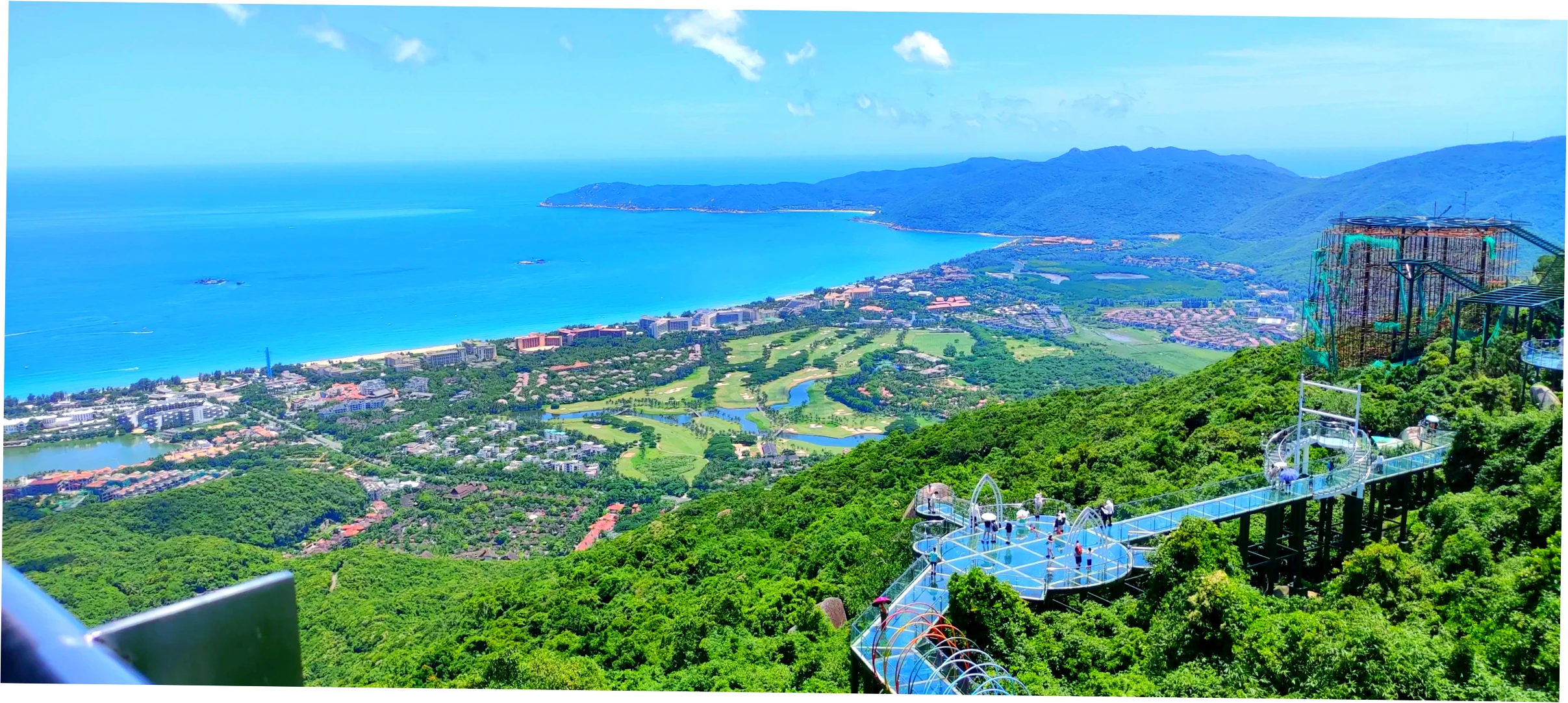
How does Sanya Bay compare to other tropical destinations?
Vs. Southeast Asia The Caribbean
Seasonal alignment vs. constant heat: A key difference for Western travelers is seasonality.Unlike parts of Thailand or the Caribbean which may have less pronounced wet seasons, Sanya’s summer rains are more predictable and intense.
You might search Sanya Bay rainy season vs Phuket rainy season to decide.The winter dry season is comparably sunny and dry to many global hotspots, but often slightly cooler than equatorial zones.
Typhoon risk profile: This is a major comparative factor.The South China Sea, where Sanya Bay is located, is an active basin for tropical cyclones (typhoons).The risk period is primarily from July to October.
This contrasts with destinations like the Maldives, which have lower cyclone frequency.Questions like How often do typhoons hit Sanya Bay?or sanya bay typhoon season safety are common and important for risk assessment.
| Destination | Dry Season Months | Avg. Winter Temp | Avg. Summer Temp | Primary Weather Risk |
|---|---|---|---|---|
| Sanya Bay, China | Nov – Apr | 21-26°C (70-79°F) | 26-32°C (79-90°F) | Typhoons (Jul-Oct) |
| Phuket, Thailand | Nov – Apr | 24-32°C (75-90°F) | 28-35°C (82-95°F) | Monsoon Rains (May-Oct) |
| Bali, Indonesia | Apr – Sep | 27-31°C (81-88°F) | 27-31°C (81-88°F) | Volcanic Ash / Humidity |
| Maui, Hawaii, USA | Apr – Oct | 22-27°C (72-81°F) | 24-29°C (75-84°F) | Hurricanes (Jun-Nov) |
Microclimates Within the Bay Area
East vs. West coast nuances: Sanya Bay itself faces south, but the broader Sanya area has variations. The eastern shores, like Yalong Bay, can be slightly windier. The rainforest areas inland, such as Yanoda, are noticeably cooler and wetter. If you’re hiking, you might search weather difference between Sanya Bay and Yanoda rainforest.
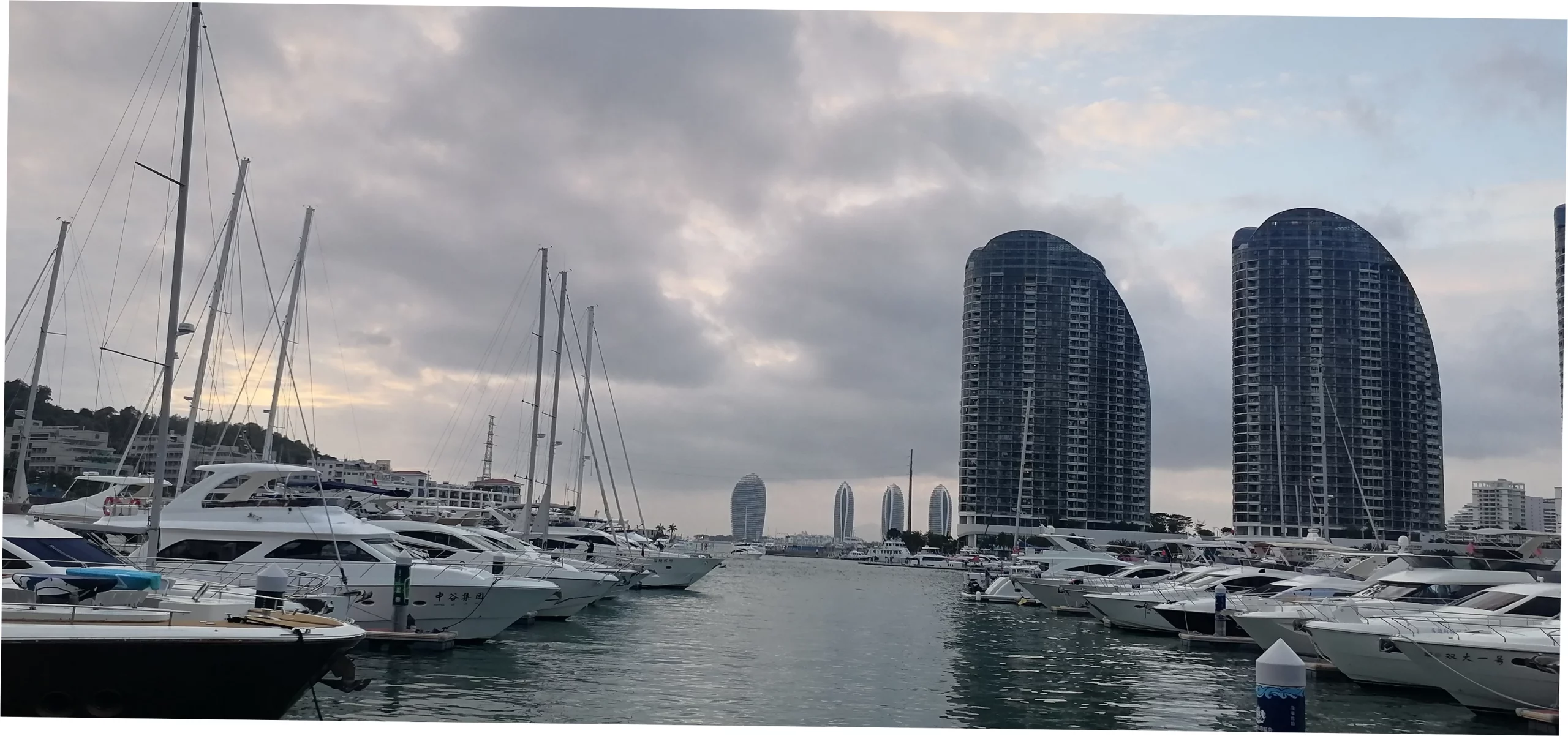
When is the best time to visit Sanya Bay for my trip?
Matching Weather to Your Activity Goals
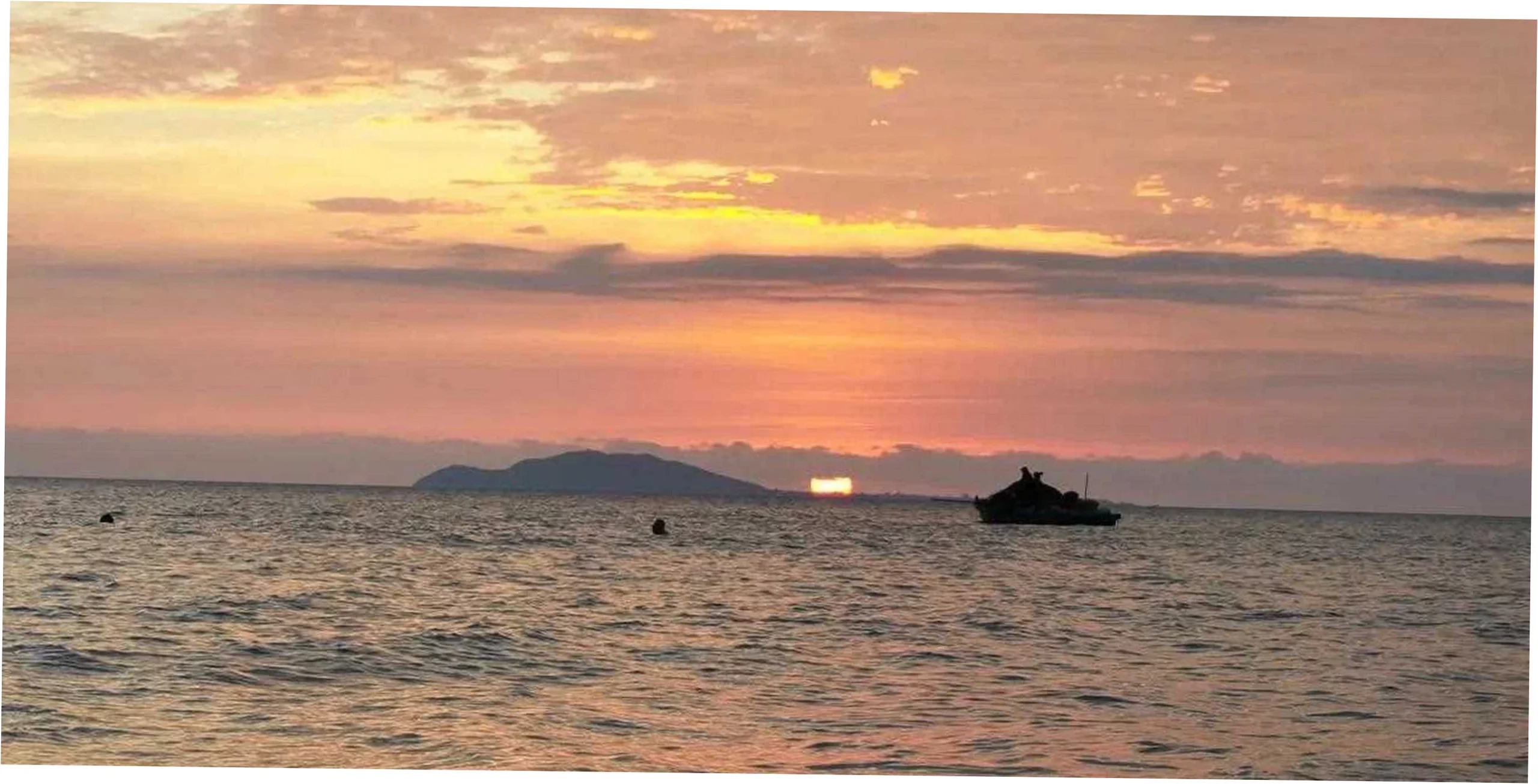
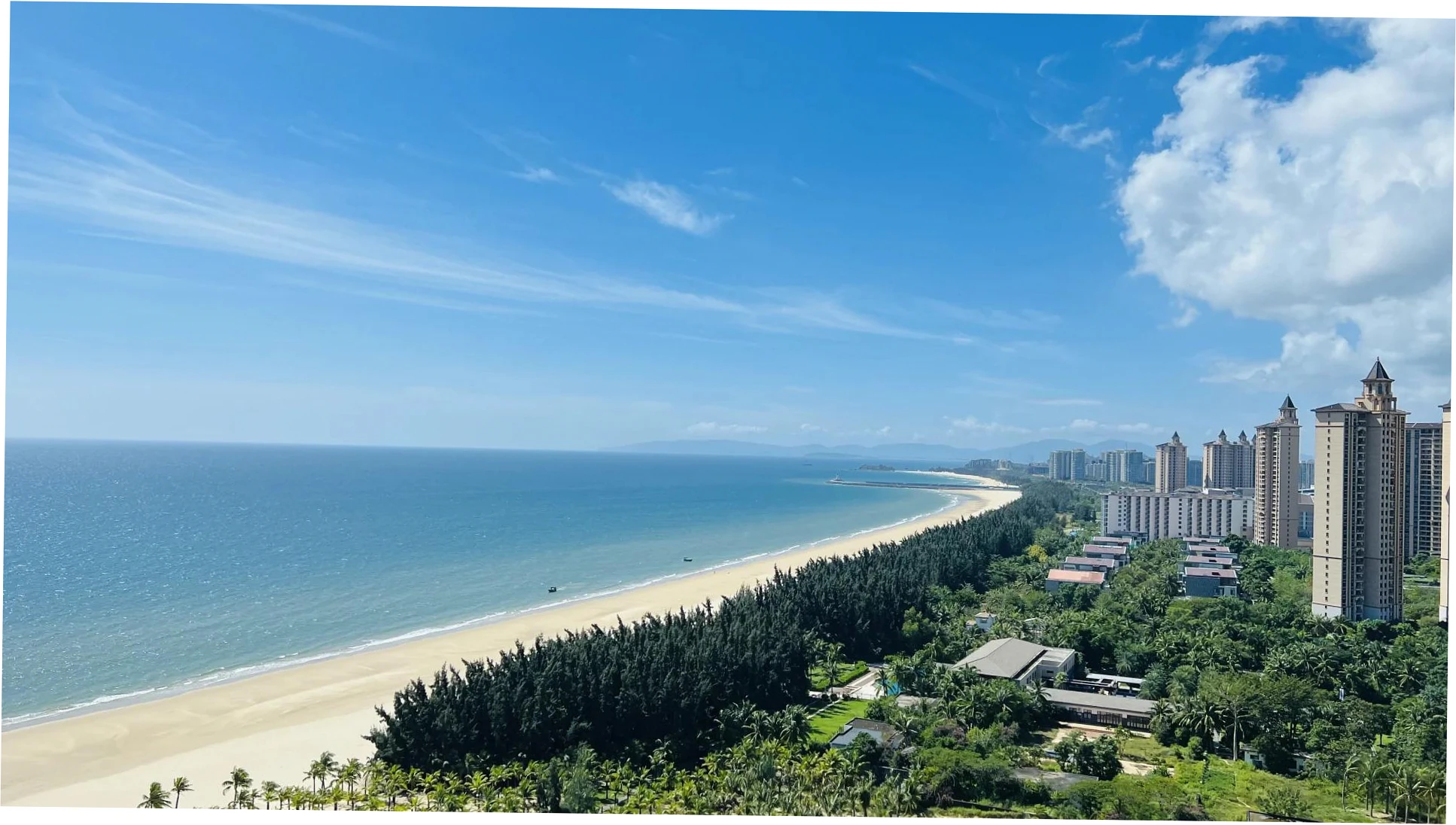
For beach time and water sports, the perfect time is December through March. I’ve been then – the skies are clear, it’s not too sticky, and the water’s great for snorkeling or just relaxing. That’s when you snap those perfect blue-sky beach pictures. But heads up, it’s peak season. So prices are up and it’s more crowded.
Want to save money and skip the crowds? Try the shoulder months: April, May, October, and early November. They’re a good balance. You might get a short afternoon shower, but mornings are usually sunny. I’ve had awesome trips then by just doing my outdoor stuff in the morning. It’s common to search things like Is early May a good time for Sanya Bay beach? when you’re planning.
What are the real risks and common mistakes to avoid?
Underestimating Sun and Sea Conditions
The deceptive sunshine: The most frequent mistake I see is visitors getting severe sunburn on their first day. The UV index is extreme year-round, even on cloudy days. Applying high-SPF sunscreen multiple times daily is non-negotiable. Real user concerns often sound like: Got badly sunburned in Sanya Bay, what to do? or Best sunscreen for Sanya Bay high UV.
Rip currents and swimming safety: While the bay is generally calm, especially in winter, conditions can change. Not all beaches have lifeguards. It’s vital to heed warning flags. I always check local reports for jellyfish blooms or strong currents. Questions such as Are there dangerous currents in Sanya Bay? or Sanya Bay swimming safety with kids are crucial for family planners.
| Month | Avg. Temp (°C) | Avg. Rainfall (mm) | Sunshine (Hours) | Recommended For | What to Pack/Prepare |
|---|---|---|---|---|---|
| Jan – Feb | 21-24 | 20-30 | 6-7 | Beach relaxation, diving, golf | Light layers for evenings, strong sunscreen, swimwear |
| Mar – Apr | 24-28 | 40-60 | 6-7 | Hiking, sightseeing, festivals | Sun hat, rain jacket just in case, comfortable shoes |
| May – Jun | 27-30 | 150-200 | 5-6 | Indoor attractions, spa visits, budget travel | Umbrella, quick-dry clothing, insect repellent |
| Jul – Sep | 28-32 | 200-300 | 5-6 | Surfing (when safe), cultural tours | Waterproof gear, typhoon tracking app, flexible plans |
| Oct – Dec | 25-28 | 80-120 | 6-7 | Weddings, photography, water sports | Mix of summer light fall wear, camera gear |
Navigating the Typhoon Season
Understanding the threat: Typhoons are the most significant weather disruption.The core season is July to October, with peak likelihood in August and September.A direct hit can mean flight cancellations, resort closures, and days spent indoors.
It’s not just heavy rain; it’s powerful winds and storm surges.Travelers rightly ask: What happens if a typhoon hits during my Sanya Bay vacation?or Typhoon insurance for Sanya trip worth it?.
Mitigation and contingency planning: First, check your travel insurance covers trip interruption due to weather. Second, use reliable sources like the China Meteorological Administration or Windy.com to monitor forecasts if traveling in-season. Third, have a flexible itinerary. I once had a typhoon skirt the coast; we simply moved our beach day to a museum day and lost no vacation value.
How can I get accurate forecasts and plan day-to-day?
Trusted Tools and Data Sources
Don’t just rely on basic weather apps.The big global ones give you a rough picture, but for accuracy, I go straight to local sources.The Sanya Meteorological Bureau website is great for detailed forecasts and marine warnings.
It’s in Chinese, so you’ll need your browser to translate it.Want to see real-time conditions?Check out live webcams from hotels like the Atlantis Sanya for a peek at the bay.
Here’s how to read the Sanya Bay weather forecast right.When it says a 60% chance of rain, that usually points to a quick but heavy thunderstorm in the afternoon.It’s not going to be a light drizzle all day.
If you’ve got big outdoor plans, it’s best to schedule them for the morning.keep in mind the summer humidity in Sanya.It makes the feels like temperature way hotter, sometimes 5 to 10 degrees above what the thermometer shows.
That’s the real answer to why Sanya Bay feels so much hotter than the actual reading.
What should different types of travelers know?
Advice for Families, Couples, and Solo Adventurers
If you’re traveling with little kids, the dry season from November to April is hands down your best bet.The Sanya Bay weather is really steady then, so your plans are less likely to get messed up, and it’s not as brutally hot.
Look for beaches that have a gentle slope into the water and plenty of facilities.You’ll often see parents looking up stuff like Sanya Bay weather in December for toddlers or kid-friendly Sanya beaches with calm water.
Now, for the adventurers and photographers out there, you might actually like the shoulder seasons better.The rainforest looks its greenest and most lush right after the summer rains.Just be ready for the weather to change on you, so pack accordingly.
They might ask things like, When’s the best time for landscape photos in Sanya Bay, weather-wise?or How to prepare for Sanya rainforest hiking weather?.
| What to Watch For | When It Happens | What Could Happen | What to Do Before You Go | What to Do While You’re There |
|---|---|---|---|---|
| Typhoons or Big Storms | July to October, worst around August and September. | Flights and resorts might shut down, and it can get dangerous. | Get good travel insurance and book stuff you can change easily. | Keep an eye on the local weather warnings and listen to what your hotel says. |
| Really Strong Sun / Sunburn | All year long | You can get sunburned, heatstroke, or even long-term skin damage. | Pack high-SPF (50 ) broad-spectrum sunscreen, hats, UV-blocking clothing. | Put on more sunscreen every couple of hours, and try to stay in the shade between 10 am and 4 pm when the sun is strongest. |
| Super Hot and Humid Days | From May through October | You could get dehydrated, overheated, or just feel really uncomfortable. | Pack things like electrolyte drinks and light, breathable clothes like linen or cotton. | Drink water all the time, and plan to take breaks somewhere with air conditioning. |
| Surprise Downpours | From May through October (esp. Aug-Sep) | Your outdoor plans might get ruined, and some low areas could flood. | Toss a small umbrella or poncho in your bag, and use waterproof cases for your phone and camera. | Have a backup plan for indoor activities, like hitting a museum, spa, or mall. |
Want to really plan your perfect trip to Sanya Bay? You can check out monthly Sanya Bay weather charts, see live beach cams, and use a trip planner. Just tell it what you like to do and how you feel about different weather, and it’ll suggest the best dates for you to go.
Frequently Asked Questions About Sanya Bay Weather
Is it true that Sanya Bay has summer all year round?
In terms of warmth, yes, it’s always summer-like compared to temperate climates. You won’t need a winter coat. However, there’s a big difference between the hot, humid, and rainy real summer (May-Oct) and the warm, dry, and sunny winter (Nov-Apr). The latter feels more like a perfect Mediterranean summer to most visitors.
What’s the worst month to visit Sanya Bay for weather?
August is typically the most challenging. It combines the peak of the hot, humid season with the highest probability of typhoons and the heaviest rainfall. If your primary goal is guaranteed beach time and sunshine, August carries the highest risk of disruption. September is very similar.
Can you swim in Sanya Bay in January? Isn’t it too cold?
Absolutely you can swim! The sea temperature in January averages a pleasant 23-24°C (73-75°F). While the air might be a bit cooler in the evening, the midday sun warms it up nicely. The water feels refreshing, not cold. In fact, winter is a popular time for swimming and water sports because the sea is calm and clear.
How reliable are long-term forecasts for Sanya Bay?
Beyond 7-10 days, reliability drops significantly, especially during the volatile typhoon season. A 15-day forecast might show rain icons, but these often change. Use long-range forecasts to understand seasonal trends (e.g., late October is transitionary), but for detailed daily planning, trust the 3-5 day forecast from the Sanya Meteorological Bureau as your trip approaches.
We’re planning a wedding in Sanya Bay. Which month has the lowest chance of rain?
For the absolute lowest rainfall and highest chance of a perfectly sunny day, target February or March. December and January are also excellent. These months in the dry season have statistically the least precipitation and the most stable atmospheric conditions, minimizing weather-related stress on your big day.
Is the wet season a complete washout for a vacation?
Not at all, but it requires a different mindset. Rain usually comes in intense, short bursts in the afternoon or evening, leaving mornings often sunny and clear. You can have a great trip by planning beach time for mornings and having indoor/rain-friendly backup plans. It’s also much less crowded and more affordable.
Are there any health concerns related to the weather, like mosquitoes?
Yeah, the warm, sticky weather, especially after it rains, is perfect for mosquitoes. You’ll find more of them in the wet season from May to October, and in the greener spots away from the coast. It’s a good idea to use bug spray, especially when it gets dark. The chance of getting sick from them is low, but stopping the bites is the main thing for staying comfortable.

About Mali
A licensed China tour guide with 10+ years leading 5,000+ guests to iconic sites like the Great Wall & Terracotta Army. Expert in seamless tours, cultural insights, and VIP access!