Picture yourself at Guilin Airport during the busiest travel time. You see excited people everywhere, all rushing home for the biggest family get-together of the year. China’s Spring Festival gets a lot of worldwide buzz, but Lunar New Year is actually celebrated across many continents, and each place has its own cool twist. Take Vietnam’s Tết or Korea’s Seollal—they’re all part of this ancient festival. It keeps its heart all about new beginnings and family love, but blends right into local cultures. Our team did some cross-cultural research and found something neat: communities abroad have reshaped these traditions. They’ve come up with hybrid celebrations that respect their roots but also fit into their new homes. No matter the local style, these global celebrations all share common themes: hope, prosperity, and starting fresh.
Table of Content
- Asian Lunar New Year Traditions and Customs
- Southeast Asian Lunar Celebrations
- Western Adoptions and Adaptations
- Unique Regional Variations and Hybrid Traditions
- Food Traditions Across Cultures
- Modern Commercialization and Global Influence
- Cultural Preservation and Future Evolution
- Frequently Asked Questions
Asian Lunar New Year Traditions and Customs
Chinese Spring Festival Practices
In China, folks start getting ready for the Spring Festival weeks ahead. They do a deep clean of their homes, which means they’re sweeping away bad luck. On New Year’s Eve, the big family dinner has special foods.
They eat fish for plenty and dumplings that look like old money, for riches. They also swap red envelopes called hóngbāo with cash inside. It’s a way to pass good luck from the older folks to the younger ones.
When I was in Beijing, I saw how city families mix things up. They use digital red packets now but still keep the tradition’s heart, making new social habits.
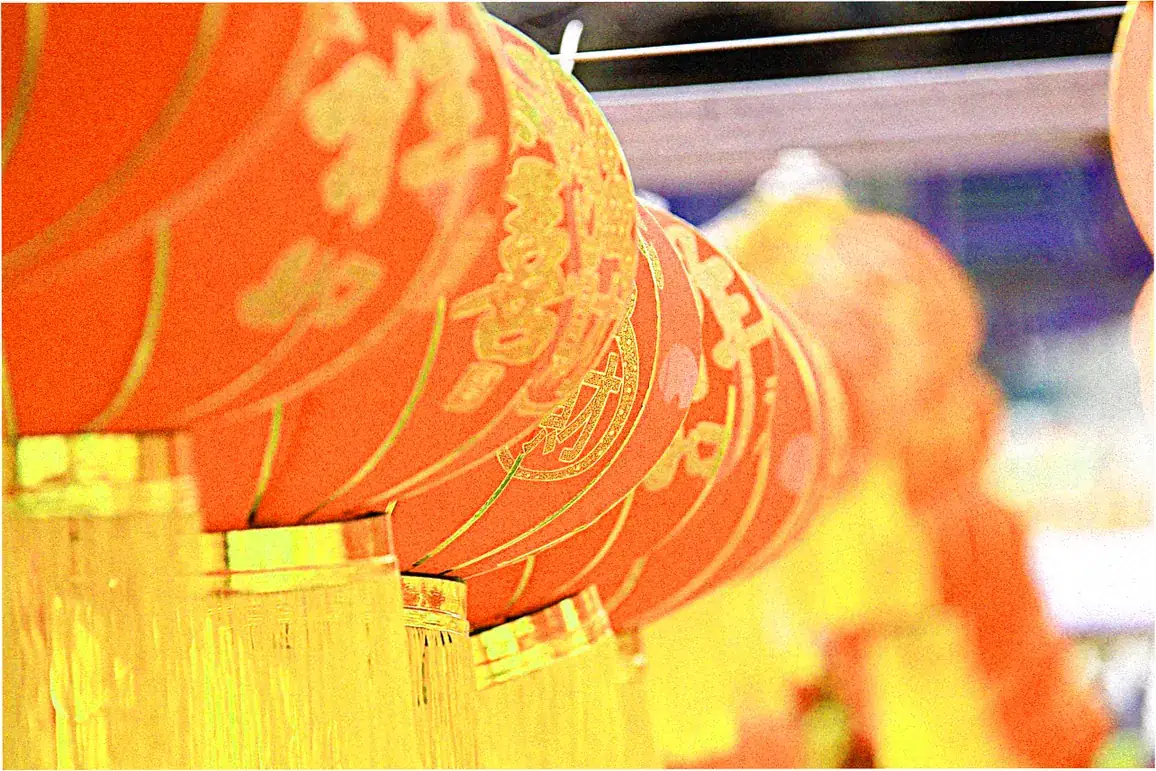
The whole celebration lasts fifteen days and ends with the Lantern Festival. Places like near the Great Wall’s end at Jiayuguan get packed with shiny lanterns, lighting up the streets.
At temple fairs, you can catch cool shows like dragon dances and acrobatics. These keep old art forms alive. Lots of families hit the temples to ask for good luck, especially if their kids are facing big exams.
Feeling the pressure to do well then showed me how tradition and today’s hopes mix in a tricky way in China now.
Korean Seollal and Vietnamese Tết
In Korea, Seollal is big on honoring ancestors. Families have charye ceremonies, giving food to those who came before. They play old-school games like yutnori, where you toss sticks, and neolttwigi, which is seesaw jumping.
It’s a great way for different ages to connect. Everyone has to do the sebae bow to older relatives to show respect. In return, they get blessings and some cash.
Joining in Seoul, I saw how carefully they set the ancestor tables. That precision shows Confucian values—keeping peace through respectful rituals.
In Vietnam, Tết has unique customs. They put up a tall bamboo pole called cay neu to scare off evil spirits. Houses show off hoa đào, peach blossoms, and mai flowers for prosperity.
They also have square cakes called bánh chưng that stand for the Earth. The first guest, called xông đất, sets the family’s luck for the whole year. So they pick someone they think will bring good vibes.
All this shows farming symbols are still a big part of today’s parties. My team saw this while checking out three provinces in Vietnam.
Southeast Asian Lunar Celebrations
Singapore and Malaysia’s Multicultural Adaptations
At Singapore’s River Hongbao festival, Marina Bay turns into this huge cultural party. You’ll see massive lantern displays and cool nightly shows. The Chingay Parade mixes it up with Malay, Indian, and Western stuff alongside classic Chinese floats.
It really shows off Singapore’s multicultural vibe. Over at Chinatown’s Smith Street, food stalls serve up fusion treats like satay with nian gao. These flavors are totally unique to Singapore – I’ve loved checking them out as a food researcher.
In Malaysia, the celebrations really spotlight Baba Nyonya culture. You’ll see vibrant kebaya outfits and amazing beaded shoes. They have this open-house tradition where everyone’s welcome to share festive foods.
It really brings the community closer together. Down in Penang’s heritage areas, ancient traditions keep going strong. They even added modern twists like digital lion dances during the pandemic.
It shows how traditions can change but still keep their meaning. Our research team noticed this pattern all across Southeast Asia.
Indonesian and Philippine Observations
Indonesia’s Imlek celebration finally got official recognition back in 2002 after being restricted for ages. Now you see these vibrant celebrations everywhere, especially in Java and Sumatra. The lion dance performances often use local gamelan music.
Over at temples like Jakarta’s Jin De Yuan, ceremonies mix Buddhist, Taoist, and Confucian elements. When I visited, they had this thrift campaign going on. It showed how money matters affect today’s celebrations, but the spiritual side still stays strong.
Over in the Philippines, mostly Catholic folks get into Chinese New Year too. They follow business traditions and get church blessings. Binondo, which is actually the world’s oldest Chinatown, throws amazing street parties.
They’ve got dragon dances and fireworks going on. Filipino-Chinese families mix things up – they combine media noche feasts with tikoy cake offerings. It creates these unique hybrid traditions.
They really focus on prosperity rituals, which makes sense given their merchant background. I found this super interesting while studying how money moves affect cultural preservation.
Western Adoptions and Adaptations
North American Chinatown Celebrations
San Francisco’s Spring Festival parade started way back in the 1860s. You’ll see amazing floats and a huge 100-foot golden dragon that needs 100 people to carry it!
Over half a million people visit New York’s Chinatown for their Spring Festival celebrations. They’ve got firecracker ceremonies and cool cultural performances. These public celebrations really helped bring Asian culture into the American mainstream.
Now lots of schools include Lunar New Year in their multicultural lessons. We found that third-gen immigrants are rediscovering their traditions at these big public events, even if they don’t practice much at home.
Up in Canada, Vancouver and Toronto have Spring Festival celebrations too. They include events sponsored by the government and educational programs. There’s a trend toward multicultural events instead of just Chinese ones.
This shows how demographics are changing and policies are more inclusive now. University student groups put on cultural shows that explain the symbolism to all kinds of people. This adds new layers of interpretation to the traditions.
This educational approach helps with generational knowledge loss and builds cross-cultural understanding. Our foundation has supported this strategy through grant programs.

European and Australian Observations
London’s Trafalgar Square celebration attracts over300,000 participants with cultural stalls and performance stages. In Paris, the 13th arrondissement parade has French-born participants reconnecting with their heritage through community groups.
These events do two things: they help preserve cultural identity while teaching wider society about Asian traditions. Many European celebrations are run by volunteers, showing how cultural preservation becomes a community responsibility overseas.
Down in Australia, Sydney’s Spring Festival has harbor fireworks, dragon boat races, and traditional markets too. Melbourne’s celebration lasts three whole weeks! They have art exhibitions and food events for both Asian communities and curious locals.
Since it’s summer there, they have unique outdoor celebrations that are different from the winter ones in the Northern Hemisphere. This climate adaptation shows how environment shapes cultural expressions. Our anthropology team actually studied this across Southern Hemisphere communities.
Unique Regional Variations and Hybrid Traditions
Mauritius and Caribbean Celebrations
Mauritius has a 3% Chinese population, and they’ve made Lunar New Year a public holiday, which really shows their respect for different cultures. In Port Louis’s Chinatown, you can catch Cantonese opera
shows and calligraphy demos that keep southern Chinese traditions alive. The festival foods mix Creole, French, and Chinese flavors, creating these amazing cultural mashups. During my research, I tried bouillon won ton that’s spiced up with local ingredients—it’s totally unique.
In Cuba and Jamaica, the Lunar New Year celebrations started with descendants of 19th-century indentured laborers. Even though the population’s shrunk, Havana’s Barrio Chino still keeps traditions going thanks to a determined community.
They use tropical flowers instead of traditional ones, which shows how resourcefully they’ve adapted. These small but tough communities prove cultural traditions can beat the odds. That’s inspired our foundation to work on saving endangered diaspora customs.
Middle Eastern and African Observations
Dubai’s malls now put on bigger and fancier Lunar New Year celebrations for Asian expats and locals who are curious. The gold souk sells special zodiac jewelry, and hotels whip up festive menus that mix Arabic and Chinese food traditions.
This commercial vibe makes the traditions easy to join in, even where there’s no history of Chinese community. But some folks worry it might turn the culture into just a product.
In Johannesburg, South Africa, the party happens in Cyrildene’s Chinatown, with street fairs and cultural performances. Since apartheid ended, recognizing Lunar New Year shows the country is really embracing multiculturalism.
In Lagos, Nigeria, the celebrations are mostly for business folks connecting with Chinese partners. It’s a cool example of how economic ties can spark cultural exchange. These new traditions show how globalization helps spread cultural practices, even beyond old diaspora patterns.
Food Traditions Across Cultures
Symbolic Dishes and Their Meanings
Chinese nian gao, or year cake, means you’ll move up in life each year. Meanwhile, Vietnamese bánh chưng is square, standing for the Earth. Korean tteokguk is a rice cake soup that brings good luck for another year.
The white rice cakes are a sign of purity. In Malaysia, people toss yee sang salad together for prosperity. It’s a fun tradition that gets everyone laughing and interacting.
At Shuzhuang Garden’s food festival, we saw how these dishes are more than just food. They use taste and smell to share cultural values.
Overseas, American-Chinese restaurants often have special menus. They explain the meaning behind symbolic dishes to customers who aren’t Asian. In Peru, chifa restaurants mix Chinese and local flavors.
Dishes like kam lu wantán combine sweet-and-sour sauce with Peruvian ingredients. These new dishes show how food traditions change but keep their meaning, even in different cultures.
We found these traditional foods are often healthy. Both ancient medicine and modern science agree on the benefits of their ingredients.
Contemporary Dietary Adaptations
Nowadays, people make healthier versions. They bake spring rolls instead of frying them, and use less sugar in sweets. Vegetarian swaps use mushrooms instead of meat. They keep the same texture and umami taste.
For allergies, some make nut-free cookies but still keep the traditional shapes and colors. These changes help keep traditions alive, even as diets and health awareness change.
You can now find mass-produced versions of these foods. But small makers who focus on authenticity are becoming more popular. Online tutorials help people abroad make traditional dishes using ingredients they can find locally.
Our foundation holds cooking workshops. They help second-gen immigrants learn about their heritage through cooking, especially if they’re far from their ancestral homes.
Modern Commercialization and Global Influence
Retail and Marketing Adaptations
Big global brands put out zodiac-themed stuff, like fancy handbags and even fast-food meals. But sometimes, people worry this is cultural appropriation. All over the world, Asian supermarkets see a big jump in sales for traditional ingredients.
Plus, subscription boxes send these cultural experiences right to curious folks. The economic boost isn’t just for Asian communities. You’ll even see florists selling peach blossoms and banks handing out special red envelopes.
Critics argue about this: does all this commercial stuff water down the culture, or does it actually help more people learn about it? Our research found that when brands are thoughtful about it, these products can introduce traditions to new people.
And those people often want to learn more. The key is to respect the culture, not just use it for marketing. That’s the advice our consultancy gives to brands for the Lunar New Year.
Tourism and Cultural Experiences
There are special travel packages for deep experiences. You can visit temples in Beijing or take cooking classes in Vietnam. Cities compete to throw the best celebrations to attract visitors from abroad.
Though recently, with the pandemic, some of these events had to go online. Now, with virtual reality, people everywhere can join in traditions like lantern festivals. It makes things more accessible, but it also makes us wonder about how authentic it is.
Places like museums hold educational programs to teach people about the symbols and history. We worked with the Asian Art Museum to create interactive exhibits. They reach over 50,000 visitors every year.
The tricky part is showing these traditions as living things that are still evolving, not just old history. We need to respect how communities keep them alive, not freeze them in time for outsiders to look at.
Cultural Preservation and Future Evolution
Diaspora Identity and Intergenerational Transmission
Kids born to immigrant families often mix old traditions with local customs. They end up creating their own unique way to celebrate the Spring Festival around the world. Local community groups are super important.
They teach languages and customs in schools and cultural programs. Thanks to the internet, people can now join homeland celebrations live through streaming. It helps everyone stay connected, no matter how far apart they are.
Our youth programs get young folks interested by giving traditions a modern twist—think zodiac-themed art contests.
Losing the language makes it hard to grasp deep cultural ideas. That’s why translated guides and bilingual resources are a big help. Mixed-race families often blend cultures and come up with brand-new traditions for the Spring Festival.
What really matters is the meaning, not doing everything perfectly. It’s about getting the spirit of the tradition, not just following rules. This flexible way keeps traditions meaningful. They don’t turn into empty rituals you do just because you have to.
Globalization and Cross-Cultural Exchange
More people worldwide are noticing the Spring Festival. UNESCO even listed cool stuff like Korean nongak music and Vietnam’s giong festival. These days, lots of calendars mark the Lunar New Year right next to regular holidays.
Many companies now include Lunar New Year as an optional day off. It’s part of their diversity and inclusion efforts. All this shows we’re more aware of different cultures. But it also makes us think—who owns these traditions, and how should others join in?
Looking ahead, traditions will keep mixing with local cultures all over the world. Climate change might mess with traditional seasonal signs. We might have to adapt how we celebrate. People are using digital tools to save fading customs.
It also lets them get creative with new expressions. Our foundation’s archive project records regional styles before they vanish. It makes sure future generations see the full, rich variety of global Lunar New Year celebrations—not just the commercial stuff.
From ancient rituals to modern twists, Lunar New Year celebrations show how cultures stay strong and creative all over the world. Whether you’re seeing Vietnam’s Tết prep or San Francisco’s parade, these
traditions keep changing but still hold onto core values—family, hope, and starting fresh. We hope you check out local celebrations with respect and curiosity. Support groups that keep these traditions alive.
Maybe even bring some meaningful parts into your own life. Share your favorite Lunar New Year memory using #GlobalLunarTraditions. Join the chat about these amazing customs celebrated worldwide!
Here are some common questions people ask
So how do Spring Festival celebrations vary in different Asian countries?
Even though they share the same roots, celebrations can be pretty different. In China, it’s all about family get-togethers and red envelopes. Over in Korea, they focus more on honoring ancestors and playing traditional games.
Vietnam has its own special foods like bánh chưng and customs like xông đất, which means first footing. And Singapore mixes in elements from various cultures.
These differences come from each country’s unique history and local culture. But they all keep the main spirit of the festival – renewal and showing respect to family.
What about the special foods and what they mean?
Fish means abundance, dumplings look like old money so they bring wealth, long noodles mean a long life if you don’t cut them, oranges and tangerines bring good luck, and sticky rice cakes show things getting better step by step.
These food metaphors share cultural values through taste and experience. Different places have their own versions – Korean tteokguk soup means you’re getting a year older, and Vietnamese bánh chưng’s square shape stands for the Earth.
How do Western countries celebrate the Spring Festival?
In the West, celebrations usually focus more on big public events like parades and shows, not so much on family traditions at home. Big Chinatowns throw large events that draw all kinds of people, and schools and museums add educational stuff too.
You’ll see zodiac-themed products and special menus in stores, but sometimes people worry about cultural appropriation if there’s no real understanding or community input.
How’s the Spring Festival changing in today’s global world?
Thanks to digital tech, people living abroad can join homeland traditions through live streams and online reunions. Commercialization spreads traditions to more people, but sometimes it oversimplifies what they really mean.
People are also making changes for health and environment reasons, like vegetarian options and fewer fireworks. Even with all these changes, the main ideas of family, new beginnings, and hope still matter to people everywhere, across all cultures and ages.

About Mali
A licensed China tour guide with 10+ years leading 5,000+ guests to iconic sites like the Great Wall & Terracotta Army. Expert in seamless tours, cultural insights, and VIP access!