Guilin sits in southern China’s Guangxi area, and it’s got this amazing landscape that’s inspired poets and artists for hundreds of years. When I first saw those karst limestone peaks coming up from the misty plains, it was like walking right into a classic Chinese painting. It’s one of China’s top tourist spots, but Guilin gives you way more than pretty views. You get deep cultural experiences, fun outdoor adventures, and amazing meetings with local ethnic groups. No matter if you’re visiting for a short trip or longer stay, knowing all the different things to do in Guilin helps you plan a trip that really shows what makes this place special – where nature and culture blend together perfectly.
Table of Content
- Essential Guilin City Experiences and Urban Attractions
- Li River Cruises and Karst Landscape Exploration
- Yangshuo Countryside Adventures and Outdoor Activities
- Cultural Encounters and Minority Ethnic Experiences
- Practical Travel Planning and Seasonal Considerations
- Culinary Journey Through Guilin’s Local Cuisine
- FAQ About things to do in guilin
Essential Guilin City Experiences and Urban Attractions
Exploring Guilin’s Iconic City Landmarks
City center discovery: Start your Guilin trip at Elephant Trunk Hill – it’s the city’s most famous natural spot. The hill looks just like an elephant drinking from the Li River, and you can get great photos from all around.
For the best views, head to the opposite riverbank early in the morning – the light makes amazing shadows on the limestone. Nearby you’ll find the Sun and Moon Pagodas, beautiful examples of Chinese architecture.
You can walk between them through an underwater tunnel and learn how they were rebuilt in 2001. Make sure to visit Fubo Hill too – you get awesome city views and can see over 200 Buddhist statues and carvings from the Tang Dynasty.
Cultural immersion: If you want real local experiences, check out Zhengyang Pedestrian Street in the evening when it gets really lively. I tried Guilin’s famous rice noodles at a family stall that’s been running for three generations – their special fermented broth is the secret. Nearby food markets have exotic fruits like dragon fruit and mangosteens, plus local favorites like beer fish and snail noodles. As Professor Li Wen says, Guilin’s city culture mixes Han Chinese traditions with Zhuang ethnic influences. This creates a special food and art scene that you can experience yourself in the old town areas.
Evening Entertainment and Night Views
Nighttime activities: Guilin looks completely different at night – all the lit-up landmarks make magical reflections on the water. You should definitely take the Li River night cruise.
Colored lights show mythical stories on the karst rocks while traditional music plays quietly. Or try the Two Rivers and Four Lakes cruise – it shows off beautifully lit bridges and pagodas, each bridge having different Chinese dynasty styles.
If you prefer land shows, the Impression Sanjie Liu light show by Zhang Yimou uses the river itself as a stage with hundreds of local performers.
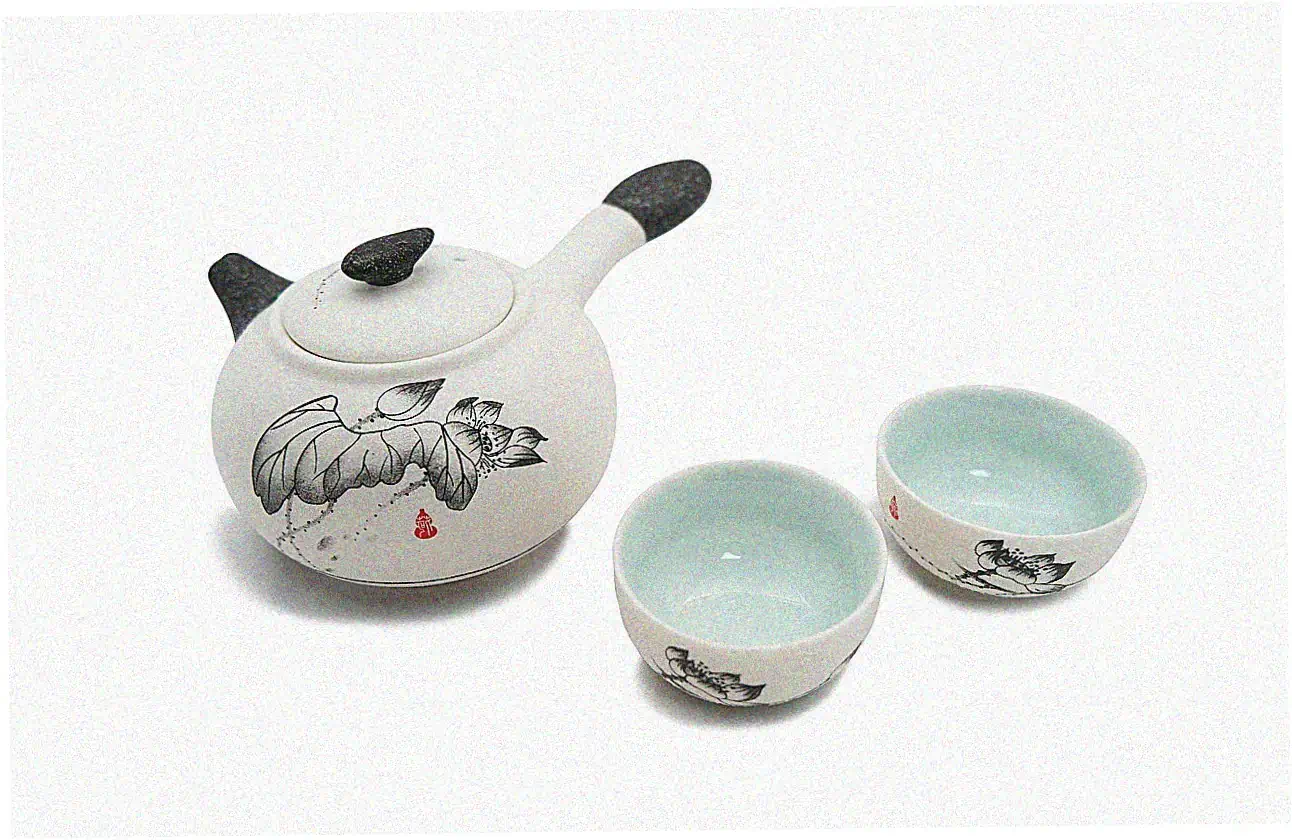
Cultural performances: Besides the big light show, Guilin has cozy cultural experiences in tea houses where you can watch local opera and try different Chinese teas.
I really liked the Guqin performances at Seven Star Park tea house – the sad-sounding music went perfectly with the peaceful setting. For something more modern, the night markets are full of energy late into the night.
You can find handmade souvenirs and foot massages – perfect for relaxing after sightseeing all day.
You’ve got to check out the Li River cruises and explore those amazing karst landscapes.
The classic Li River boat trips are a must-do.
When planning your river cruise, know that the classic Guilin experience is cruising the Li River from Guilin to Yangshuo. On my 4-hour trip, I saw exactly why this scenery made it onto the 20 RMB note and inspired so many poems. Here are the best cruise choices you can pick from:
| Cruise Type | Duration | Highlights | Best Season |
|---|---|---|---|
| If you want luxury, go for the VIP cruise | It takes about 4 to 5 hours | You get upper deck access, a fancy lunch, and a guide explaining everything | September through November is the perfect time |
| The standard tourist boat is another option | This one takes around 4 hours | You’ll get basic amenities, recorded commentary, and it’s pretty affordable | April to October works well for this |
| For something more authentic, try the bamboo raft | It lasts 2-3 hours | You get really close to the water, can stop for photos, and the route is flexible | March through December is good for rafting |
For great photos, head between Muyan Old Town and Xingping – those jagged peaks make for stunning shots. Early in the morning, you’ll see local fishermen with cormorant birds who’ll pose for photos – bring some small bills for tips. During golden hour, the light turns magical and those limestone formations seem to glow from inside.
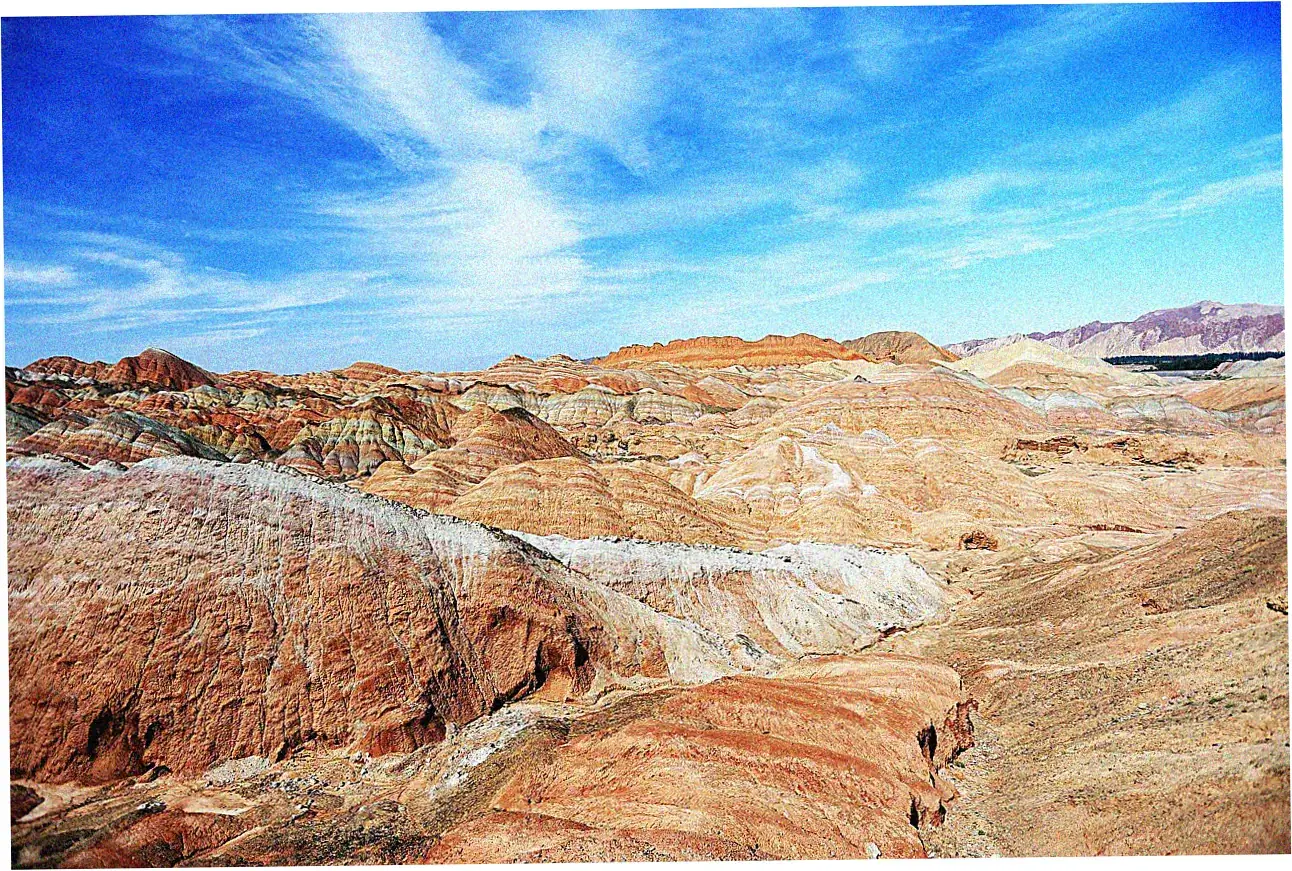
Now let’s talk about the karst formations and geological wonders
Geologically speaking, Guilin’s incredible landscape took 300 million years to form through karst processes. At Reed Flute Cave, you’ll see amazing stalactites and stalagmites lit up with colorful lights.
plus inscriptions from way back in 792 AD during the Tang Dynasty. What really blew me away was the crystal palace formation that stretches almost 240 meters long.
If you’re active, Yangshuo’s peak cluster has tons of hiking trails through incredible rock formations – hike up Moon Hill and you’ll get a natural arch and amazing countryside views.
Scientifically, this place is super important – researchers at Guilin University say it has the world’s most extensive and diverse karst formations. Dr. Chen Liming, who leads the geology research.
explains that Guilin’s karst is like a textbook example of fengcong and fenglin landscapes shaped by tropical monsoons. These rock formations give us key clues about climate changes over thousands of years and work like natural labs for studying how carbonate rocks dissolve.
Yangshuo Countryside Adventures and Outdoor Activities
Cycling and Rural Exploration
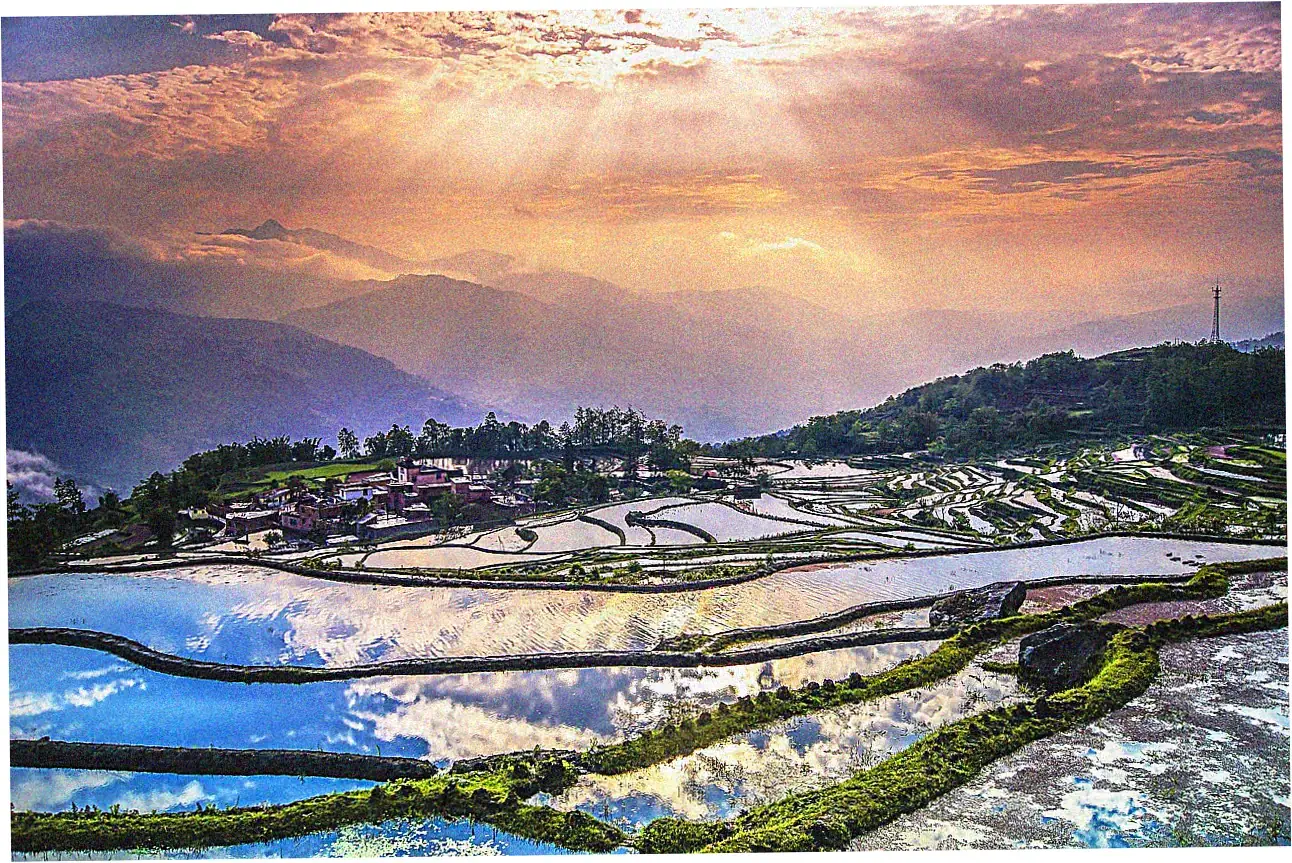
Countryside cycling: If you rent a bike in Yangshuo, you can explore places that bigger vehicles just can’t reach. My go-to route goes along the Yulong River, passing through old villages and rice fields.
and you’ll cross several historic stone bridges. The terrain is pretty flat, so it works for most fitness levels, plus there are plenty of cafes and scenic spots to stop at.
If you’re up for more adventure, try the trail to Dragon Bridge – it’s got some tough parts but you’ll be rewarded with great views of the 400-year-old bridge, and you can even take a swim in the river when it’s warm.
Cultural encounters: Besides the beautiful views, biking through Yangshuo’s countryside lets you really connect with local farming communities. I once had lunch with a family near Jiuxian County.
where I learned to make stuffed bitter melon and heard all about their rural life. During planting or harvest time, you can watch or even join in traditional farming methods that haven’t changed much for centuries. These personal experiences often end up being what you remember most about your Guilin trip.

Rock Climbing and Adventure Sports
Climbing experiences: Yangshuo is now Asia’s top spot for rock climbing, with more than 400 bolted routes for all skill levels. When I was starting out, I tried Swiss Cheese Rock first – it’s got several moderate routes with really secure anchors.
The karst limestone gives you great grip and all kinds of climbing challenges, from overhangs to tricky face climbs. Local companies like Karst Climber rent out gear and give lessons for every level, and they really focus on safety and protecting the environment.
Additional adventures: Besides climbing, there’s tons of other outdoor stuff to do here – you can go hot air ballooning at sunrise for amazing views of the karst mountains, try bamboo rafting on calmer parts of the river.
or explore some lesser-known caves. On my trip, I really loved the moonlight bamboo rafting on the Yulong River – in summer, fireflies put on this amazing natural light show along the banks.
Cultural Encounters and Minority Ethnic Experiences
Local Village Life and Traditions
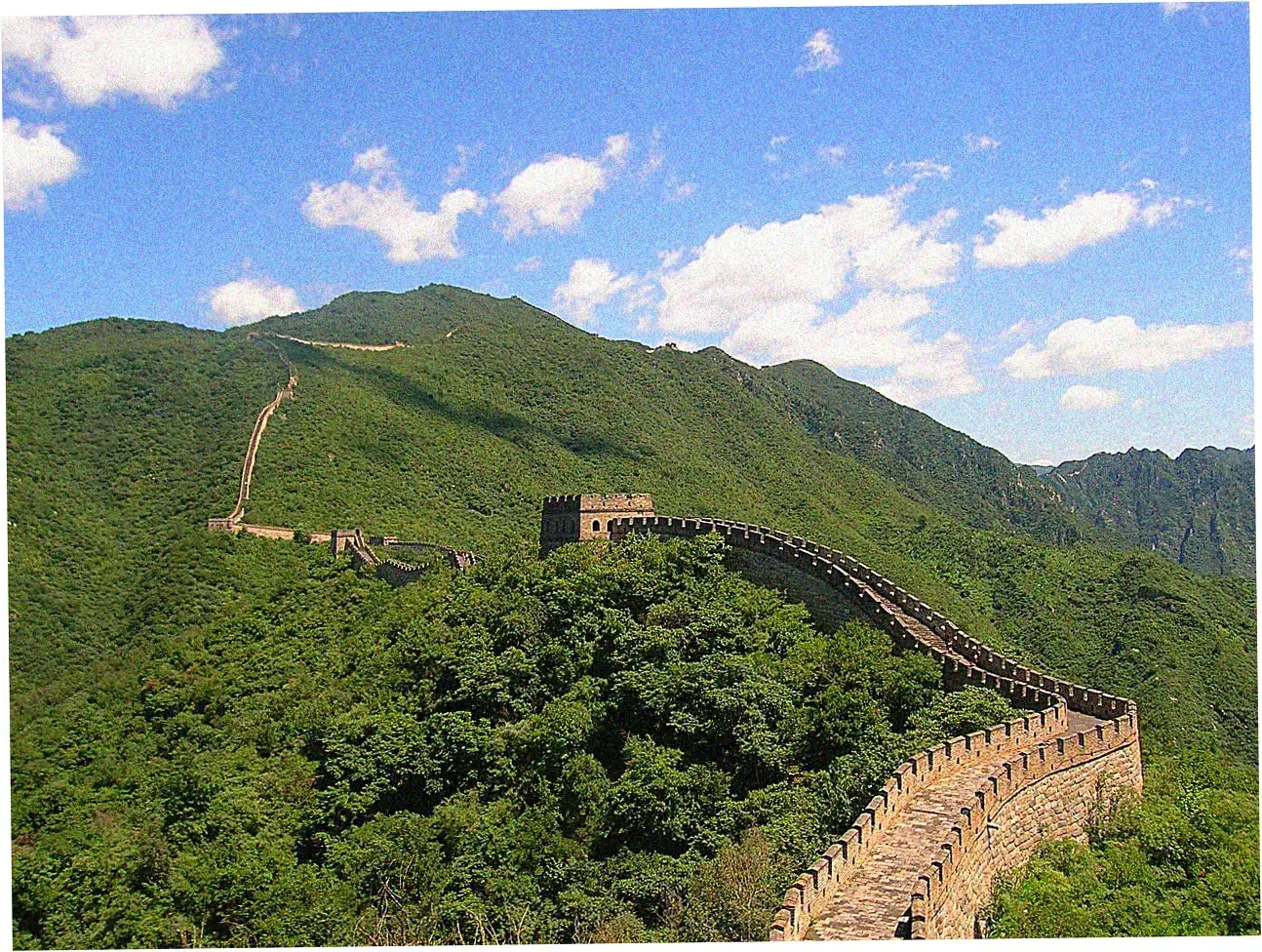
You can really immerse yourself in ethnic culture here. Guangxi has several minority groups like the Zhuang, Yao, Miao, and Dong people living there. Head to the Longji Rice Terraces where you’ll meet Zhuang and Yao villagers and see some amazing farming landscapes. I spent a night in Ping’an Village in one of those cool wooden stilt houses. Woke up to misty valleys and all the sounds of the village starting their day. My host family showed me how they weave textiles the traditional way and cooked up some local favorites like bamboo rice and spicy fish.
Try to plan your trip around one of the ethnic festivals – it really helps you understand the culture better. In March, catch the Zhuang Singing Festival where villages compete with call-and-response songs.
Then in October, the Yao people have their Red Clothing Festival where everyone wears these incredible traditional outfits. One time I got lucky and was invited to a village wedding. They mixed old traditions with modern touches – really gave me a special look at how rural life works today.
Traditional Crafts and Artistic Heritage
There are tons of handicraft workshops in Guilin where you can learn traditional skills from local experts. I had this great afternoon in Yangshuo at a family-run place that teaches fan painting.
Learned some basic brushwork and made my own souvenir to take home. You can also find workshops for pottery, seal carving, and painting traditional masks. These hands-on activities are awesome because you get meaningful souvenirs while helping keep cultural traditions alive.
Besides all the craft stuff, Guilin has some really cool performing arts too. Check out the Third Sister Liu show – it mixes folk songs with stories from local legends.
Or hit up a teahouse for smaller shows featuring traditional instruments like the guzheng and erhu. I loved these smaller shows because you can actually chat with the musicians and really get into the music traditions.
Practical Travel Planning and Seasonal Considerations
Best Times to Visit and Seasonal Activities
When planning your trip to Guilin, remember the weather changes a lot each season, but each one has its own perks for things to do in Guilin.
| Season | Weather Conditions | Recommended Activities | Special Considerations |
|---|---|---|---|
| Spring (Mar-May) | Mild temperatures, occasional rain | Flower viewing, photography, countryside cycling | Higher hotel rates during Labor Day |
| Summer (Jun-Aug) | Hot, humid, frequent rainfall | River activities, caving, evening light shows | Potential for typhoons in August |
| Autumn (Sep-Nov) | Pleasant temperatures, clear skies | Hiking, rock climbing, festival participation | Peak tourist season in October |
| Winter (Dec-Feb) | Cool, occasional frost | Hot springs, cultural sites, fewer crowds | Some river activities limited |
Timing your visit with local festivals makes your Guilin experience much richer culturally. In April, check out the Guilin International Folk Festival with performances from ethnic groups across China. Then in September, the Mid-Autumn Festival lights up the city with beautiful lantern displays and mooncake tastings.
Transportation and Accommodation Options
Getting around Guilin is pretty easy. The city center is compact enough to explore on foot. For attractions further out, taxis and ride-sharing are affordable options.
If you’re traveling longer distances, the high-speed train connects Guilin to major cities like Guangzhou in 2.5 hours and Hong Kong in just 3 hours. Around the region.
local buses are budget-friendly for getting to Yangshuo and nearby spots. But if you want to hit multiple places in one day, private drivers give you more flexibility.
For places to stay, Guilin has all kinds of options – from fancy international hotels to cozy family-run guesthouses. For a more authentic experience, try traditional courtyard hotels in the old city or rural homestays near Yangshuo.
These often come with homecooked meals and personalized guiding services. When you book, make sure you can easily get to your planned activities. Countryside spots are peaceful but you’ll need transport to reach the main attractions.
Let’s explore Guilin’s amazing local food scene
Here are Guilin’s must-try signature dishes
Guilin’s food scene really shows off its riverside location and mix of cultures You’ve got to try the famous Guilin rice noodles – they’re silky noodles in tasty broth with peanuts, pickled veggies, and chili sauce.
A local chef told me the secret is the fermented bean paste in the broth Then there’s Beer Fish, a Yangshuo specialty that mixes fresh river fish with local beer and tomatoes for a sweet and savory stew Don’t miss other local favorites like spicy snail noodles, savory oil tea, and bamboo sticky rice.
For the real deal, hit up Qintan Road morning market for fresh breakfast bites and Zhengyang Pedestrian Street night market for all kinds of street food While there are fancy spots along the Li River with great views, my best meals were actually at small family-run places in the old town alleys.
Want to learn how to cook local dishes?
You can really dive into the culture through food – Yangshuo has cooking schools that take you to local markets first, then teach you how to make Guilin specialties At Yangshuo Cooking School.
I learned to make four classic dishes like beer fish and stuffed mushrooms The teacher showed us how to balance Chinese cuisine’s five main flavors using local ingredients Now I can make these tasty dishes at home and remember my trip.
Food tourism is really taking off in Guilin these days As Professor Wang Jian from Guilin Tourism University says, food experiences help visitors connect with local culture through all their senses Their research shows people who do cooking classes or food tours enjoy their trip more and understand the culture better than those who just see the sights.
Guilin is one of China’s most amazing places, with incredible natural beauty and rich cultural experiences Whether you’re cruising the Li River, cycling around Yangshuo’s stunning scenery, exploring ancient caves.
or meeting local ethnic communities, there’s something for everyone to enjoy The place has this magical feel that stays with you long after you leave, making you want to come back and explore those misty mountains and rivers again When planning your trip, try to spend a few extra days in the countryside – that’s where you’ll really experience the peaceful beauty and authentic culture that makes Guilin so special.
FAQ About things to do in guilin
So, what’s the best way to see the Li River scenery?
For the full experience, take the 4-5 hour cruise from Guilin to Yangshuo. You’ll see the most amazing karst mountains along the way. If you want something more personal, try bamboo rafting on the Yulong River.
It’s really peaceful being right down at water level. For photographers, the early morning bamboo raft from Xingping is perfect. You’ll get those classic shots in the best morning light.
How long should you stay in Guilin to see everything?
I’d say 4-5 days is perfect. Spend one day in the city, another on the Li River cruise, two days in Yangshuo exploring the countryside, and maybe add a day for the Longji Rice Terraces if you have time.
This gives you enough time to see all the main sights and experience the culture without rushing around.
Is Guilin good for families with kids?
Definitely! There’s tons of family fun in Guilin – gentle bamboo rafting, cool cultural workshops, easy bike rides, and awesome caves to explore. Most hotels have family rooms, and everything’s pretty close together so you don’t waste time traveling between places.
What makes Guilin special compared to other places in China?
Guilin has this amazing mix of incredible mountain scenery, beautiful rivers you can actually travel on, and rich local cultures you won’t find anywhere else in China.
It’s not just historical sites or modern cities – here you get nature and culture all mixed together. You can relax or go adventuring, and everything’s pretty close by.

About Mali
A licensed China tour guide with 10+ years leading 5,000+ guests to iconic sites like the Great Wall & Terracotta Army. Expert in seamless tours, cultural insights, and VIP access!