I’ve lived in Shanghai for more than eight years, working as a purchasing manager for global retail brands. That’s given me insider knowledge about why this city is a shopper’s paradise. When people look for what to buy in Shanghai, they don’t want typical tourist stuff. They’re after real items that show Shanghai’s mix of old traditions and modern style. I’ve sourced products all over China for work and explored Shanghai’s markets personally. So I put together this complete guide to help you sort through all the shopping choices. Looking for traditional crafts, cool fashion, or food souvenirs? This guide will take you from tourist shopping to local finds.
Table of Content
- Shopping Districts and Markets: Where to Find Authentic Shanghai Products
- Traditional Chinese Crafts and Souvenirs: Cultural Treasures to Bring Home
- Fashion and Accessories: Shanghai’s Style Signature
- Food and Beverage: Edible Shanghai Souvenirs
- Antiques and Collectibles: Navigating Shanghai’s Treasure Troves
- Practical Shopping Guide: Budget, Transportation and Customs
- Seasonal Shopping Calendar: Timing Your Shanghai Purchases
- FAQ About what to buy in shanghai
Let’s talk about where to find real Shanghai products in shopping districts and markets.
Now, traditional markets versus modern malls – what’s the difference?
Exploring local markets in Shanghai gives you that real shopping vibe you just won’t get in modern malls. For first-timers looking for traditional Chinese stuff, I’d definitely point you to Yu Garden Bazaar first.
I work in sourcing, so I always bring international buyers here to watch talented artisans make paper cuttings, do calligraphy, and create silk embroidery.
The cool thing about this market isn’t just what they sell – you actually get to see the craftspeople working, which I always note in my client reports. Want something more local?
Check out Tianzifang’s maze-like alleys where indie designers offer unique jewelry, custom clothes, and artsy home decor. This stuff has real character, unlike the same-old mall items – each piece tells a story about Shanghai’s creative comeback.
Now about modern shopping: traditional markets have that authentic feel, but Shanghai’s malls give you comfort and tons of choices for different tastes.
Nanjing Road is Asia’s longest shopping street – you get air-conditioned comfort and stores like Shanghai No.1 Department Store that carefully pick local brands for you.
From my work experience, I know these places keep tight quality checks on things like silk goods and jade jewelry. If you’re into luxury, the French Concession’s streets are packed with boutiques featuring both up-and-coming Chinese designers and big international names. Here’s my insider tip: hit up AP Plaza Shanghai Market (locals call it the fake market) ready to bargain hard – just know that while prices look great, you can’t count on brand-name stuff being real.

Now let’s talk about what different neighborhoods are known for.
Shanghai’s various neighborhoods have built up their own shopping specialties over many years. The Former French Concession is tops for indie designer boutiques and antique shops, especially on Julu Road and Fumin Road.
For my sourcing work, I keep a neighborhood map that spots clusters like the glasses shops on Nanjing East Road – you can get prescription glasses made in just hours there. Need electronics?
The underground markets near People’s Square have good prices, but quality can be hit or miss. My pro tip: always test electronics carefully and ask for warranties if you can. Art lovers should check out M50 Art District on Moganshan Road – you buy straight from the artists, so no gallery markups.
If you’re wondering what to buy in Shanghai, traditional Chinese crafts and souvenirs are real cultural treasures to take home.
Let’s start with silk products and embroidery.
Shanghai sits right in China’s main silk region, so it’s perfect for buying high-quality silk. I’ve visited silk factories in Suzhou and Hangzhou, and I can tell you the best silk shopping in Shanghai is at established stores like Shanghai Silk Group Company on Nanjing West Road. When picking silk, go for smooth texture, colors that don’t run, and tight weaving. Here’s a pro tip: real silk feels cool and makes a rustling sound when you rub it. Besides scarves, which everyone buys, think about silk pajamas, quilts, or custom clothing. For something special to Shanghai, look for Gu embroidery – it’s local and has super fine stitches that make picture scenes.
Now about Chinese calligraphy supplies.
You can find great calligraphy supplies in Shanghai, even though it’s not just a local thing. Head to Fuzhou Road Cultural Street for shops selling the four treasures: brush, ink, paper, and inkstone.
I took calligraphy classes at Shanghai Chinese Painting Academy and learned to spot good brushes by how springy they are and their tip shape. Get brushes that mix weasel and goat hair – they’re more versatile.
For inksticks, Huizhou ink is deep black with a slight shine – that means it’s good quality. My favorite buy was a duan inkstone from Guangdong – I still use it every week. If you’re starting out, bottled pre-mixed ink is handy and still pretty good.
| Here’s what traditional crafts you can find: | Where to get them | What they cost | How to check if they’re real |
|---|---|---|---|
| For silk scarves | Shanghai Silk Group Company | around 200-800 RMB | Do a burn test – real silk smells like burning hair |
| For jade jewelry | Good shops at Yuyuan Bazaar | 500-3000 | Should feel cool, and natural jade has slight imperfections |
| For Chinese tea | Tian Shan Tea Market | around 100-1000 RMB per pound | Look for whole leaves, not dust or bits |
| For calligraphy sets | Shops on Fuzhou Road | about 150-600 RMB | A good brush keeps its point when wet |
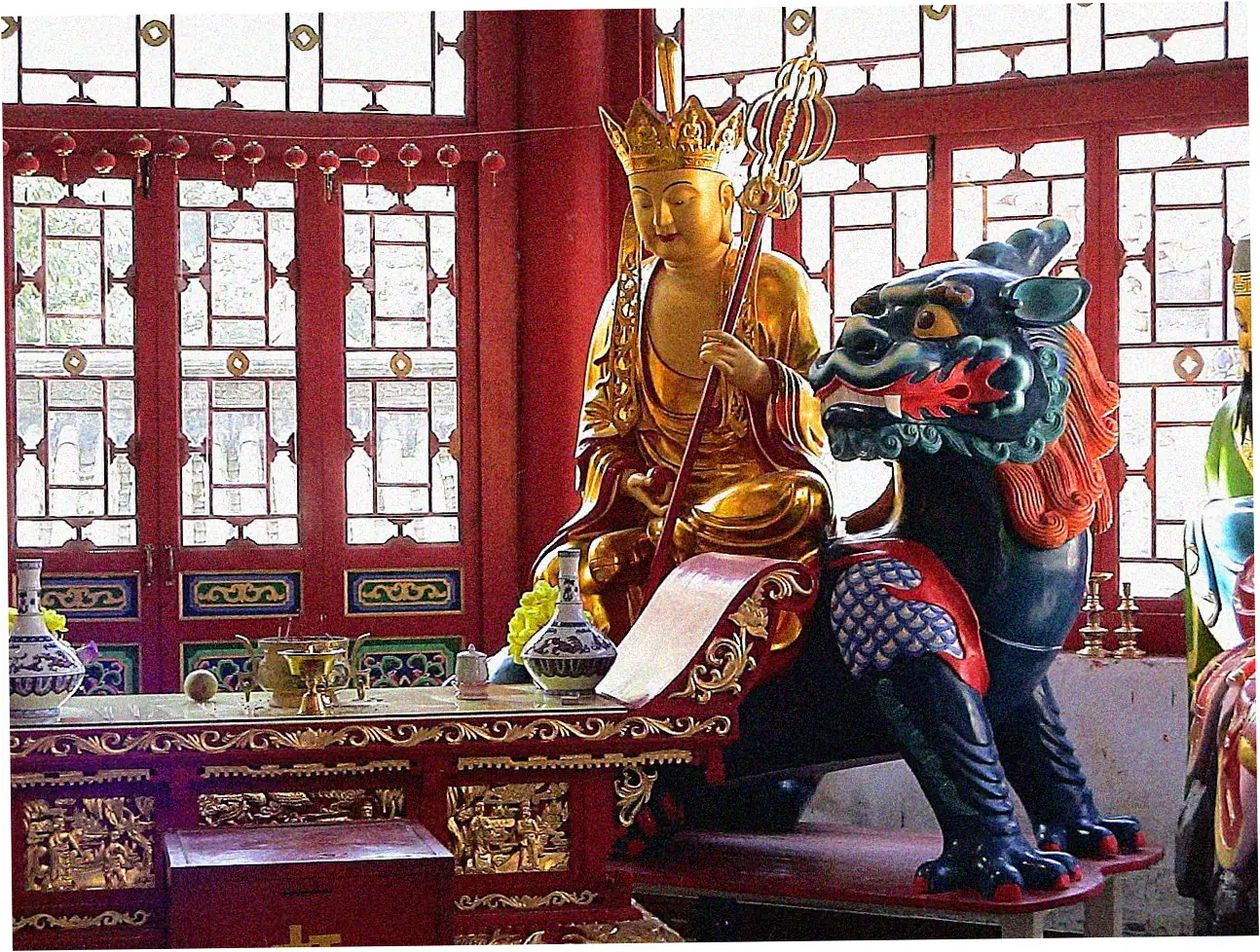
Shanghai’s fashion and accessories are its style signature
Check out local designer brands
Shanghai’s fashion scene has really changed since I’ve been here. It moved from making copycats to creating genuine innovations Now Shanghai Fashion Week showcases talented local designers like Helen Lee.
Uma Wang, and Shushu/Tong These designers mix Chinese style with modern cuts. They create wearable art that’s totally different from fast fashion From working in fashion trend forecasting.
I’ve found the best spots for these designers are concept stores like Dong Liang and Labelhood Sure, prices are higher than knockoffs, but you’re paying for quality craftsmanship and original designs If you’re on a budget, try the sample sales in Jing’an studios.
Get custom tailoring done
Shanghai is one of the best cities for custom tailoring. I’ve told this secret to many visiting colleagues The South Bund Fabric Market has the most tailors in one place.
but quality really varies I’ve learned through trial and error – including one really bad suit fitting – and found reliable tailors who get Western cuts The process goes like this: pick your fabric, get measured.
have a fitting, then final adjustments. I’d go for Italian wool for suits and Chinese silk for dresses Expect to pay 300-600 RMB for a good custom shirt, and 2000-5000 RMB for suits Give it at least a week and plan for multiple fittings to get the best results.
When you’re in Shanghai and wondering what to buy, the local food and drinks make perfect souvenirs.
Let’s start with snacks and sweets you can bring home.
Shanghai’s food specialties really capture the city’s taste and make great gifts to bring back. Shanghai-style mooncakes are a classic choice – they’re different from Cantonese ones with flaky pastry and savory fillings.
I learned during my first Mid-Autumn Festival here that Xinghualou makes better mooncakes than hotel versions. If you want something available all year, try white rabbit candy – that creamy milk flavor brings back memories for lots of Chinese people.
At last year’s Spring market, I saw local artisans making cool new versions of traditional sweets like matcha white rabbit candy and rose mooncakes. For savory choices, check out dried xianggu mushrooms and special soy sauce from good condiment shops.
Now let’s talk about tea and alcohol you can buy in Shanghai.
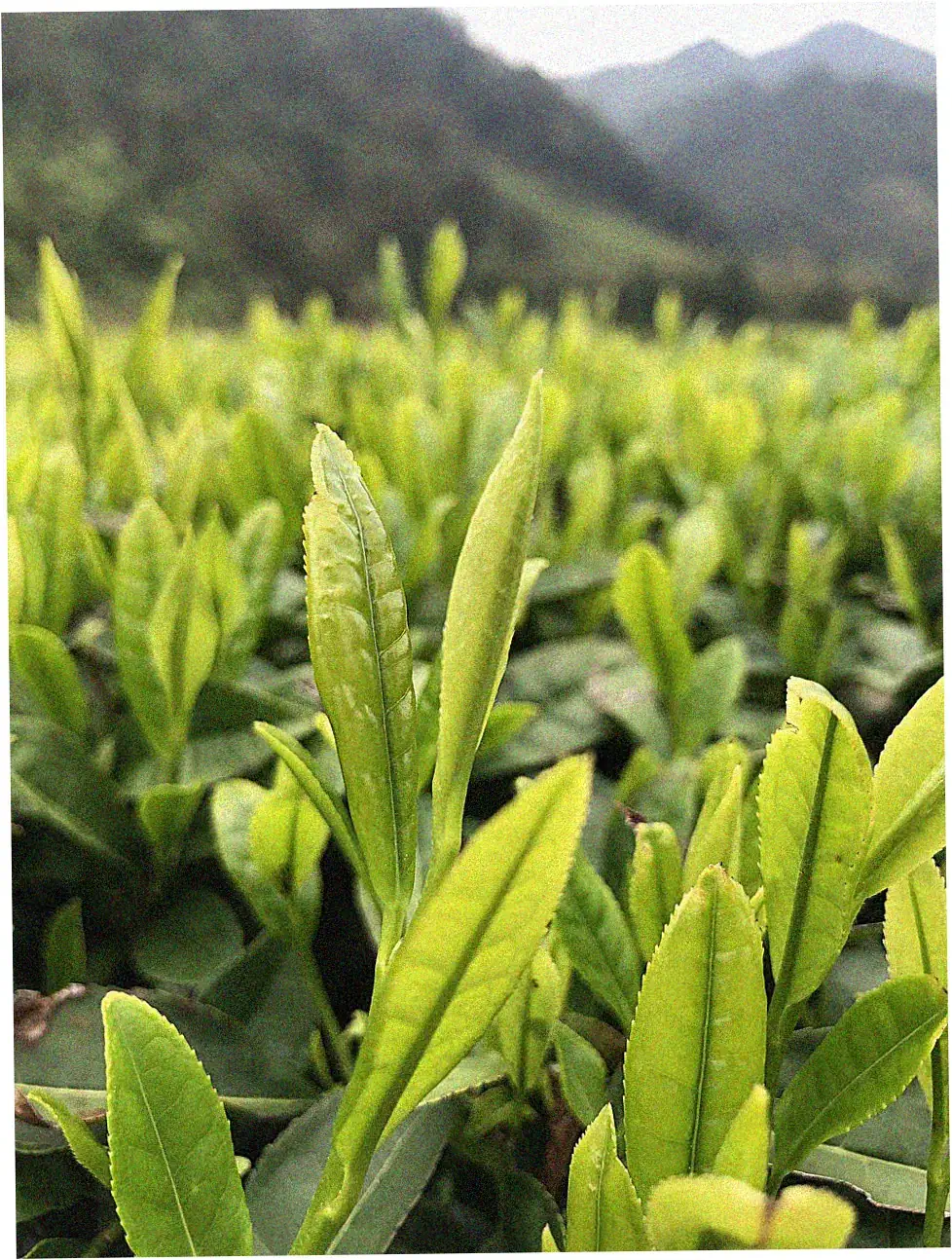
As someone who loves tea and has visited plantations in Zhejiang and Fujian, I think Shanghai’s tea markets are some of China’s best for variety and easy access. Tian Shan Tea Market has so many choices, and you can taste before you buy.
For teas specific to this area, try Longjing green tea from Hangzhou or Junshan Yinzhen yellow tea. Compared to Chengdu’s tea shops that focus on Sichuan teas, Shanghai offers more variety.
For alcohol souvenirs, Shanghai’s signature is Shaojiu rice wine – you can find cheap cooking versions or fancy aged bottles. My personal favorite is Hua Diao wine – it’s fragrant and often served at Chinese banquets. Just remember, many countries have limits on bringing alcohol through customs.
| Food Item | Best Brands/Shops | Shelf Life | Customs Considerations |
|---|---|---|---|
| Mooncakes | Xinghualou, Daoxiangcun | 2-4 weeks | Generally permitted |
| White Rabbit Candy | Supermarkets, specialty stores | 6-12 months | Generally permitted |
| Chinese Tea | Tian Shan Tea Market | 1-2 years (varies by type) | Generally permitted |
| Rice Wine | Jiashan Market, specialty liquor stores | Indefinite (unopened) | Check destination country limits |
Antiques and Collectibles: Navigating Shanghai’s Treasure Troves
Authenticity Verification
Figuring out what’s real in Shanghai’s antique scene takes some skill – you’ve gotta know how to spot the fakes from the real treasures. Dongtai Road Market has the biggest selection, but honestly.
most stuff there isn’t actually antique – I’ve found that out from both shopping for work and for myself. You’ll mostly find good copies or things that just look old.
If you’re really serious about collecting, hit up the fancy galleries in the French Concession – they’ve got the real deal with papers, but you’ll pay way more.
Here’s how I check if something’s real: I look at how it’s worn down, whether the materials match the time period, and how it was made. My best find was this Republican-era poster I’ve got in my apartment – I checked it against museum pieces to make sure it was legit. Heads up – anything made before 1795 needs special paperwork to leave China, so keep that in mind.
Bargaining Techniques
When it comes to haggling in Shanghai, you should know it works differently than other places in China. After tons of shopping here, I’ve got this system that looks at what kind of seller you’re dealing with.
what you’re buying, and the starting price. At spots like AP Plaza or Yu Garden, offer about a third of what they ask first, then you’ll probably end up paying half to sixty percent.
With expensive antique shop finds, be smoother about it – showing you know your stuff works better than just arguing about money. Pro tip: learn how to count and bargain in basic Chinese – sellers appreciate it and you’ll get better deals.
Shanghai sellers are different from Chengdu – there you can be more chill, but here they like it when you get down to business. Just stay polite, no matter what – if you get mad, you’ll definitely pay top dollar.
Practical Shopping Guide: Budget, Transportation and Customs
Budget Planning and Payment Methods
Shopping Budget Allocation: Planning your budget makes shopping in Shanghai way more fun and less stressful. I’ve helped lots of visiting colleagues shop here.
so I made this budget guide that splits your money between different things people usually want to buy. If you’ve got about 3000 RMB to spend, put 40% toward clothes (including custom-made stuff), 25% on food souvenirs.
20% on crafts like silk or tea, and 15% on small accessories. Payment options have really changed since I’ve been in Shanghai – ten years back everyone used cash, but now mobile payments rule.
Heads up for foreign visitors – Alipay and WeChat Pay are super convenient but need a local bank account. Your international credit cards will work fine in department stores and malls, but not so much in local markets. Always keep some cash on you for small buys and when you’re haggling at markets.
Logistics and Export Considerations
Souvenir Transportation Solutions: You’ll need to plan ahead for how to get all your Shanghai shopping finds back home. For breakable stuff like porcelain or tea sets, lots of shops can ship them for you.
but for anything valuable, I’d go with well-known international shippers. I learned the hard way when a jade sculpture broke – paying for professional packing is totally worth it.
Vacuum bags are great for clothes – they save tons of suitcase room and keep everything dry. Customs rules are different everywhere – the EU and US both have their own limits on how much you can bring back and what’s restricted.
I’ve dealt with customs bringing back all sorts of things, from old textiles to weird foods. My advice: check your country’s rules first, keep your receipts together, and if you’re not sure about something.
just declare it rather than risk having it taken away. Some stores give you certificates for cultural items, which makes getting through customs much easier.
Here’s when to shop in Shanghai throughout the year
Shopping during festivals offers great deals
Shanghai’s shopping scene changes with the seasons, giving you different products and sales all year round After eight years living and shopping professionally in Shanghai.
I’ve figured out the best times to buy different things Come September for the Mid-Autumn Festival, everyone goes crazy for mooncakes with special packaging and flavors Chinese New Year in January or February is perfect for food gifts.
decorations, and traditional clothes At the 2022 Leaf Festival, I discovered local artisans making crafts with fresh spring materials July and August have the best clothing sales.
and November brings early holiday deals I plan my shopping around festivals for seasonal foods, sales for clothes, and buy silk and tea when it’s less busy.
| Season | Best Purchases | Special Events | Shopping Tips |
|---|---|---|---|
| Spring (Mar-May) | Fresh tea harvest, light silk items | Shanghai Fashion Week | Perfect for tea lovers; new fashion collections |
| Summer (Jun-Aug) | Summer clothing, accessories | Major mall sales | Best discounts; avoid afternoon heat |
| Autumn (Sep-Nov) | Mooncakes, mid-season fashion | Mid-Autumn Festival | Festival foods; comfortable shopping weather |
| Winter (Dec-Feb) | Winter items, Chinese New Year goods | Chinese New Year markets | Festive atmosphere; book tailoring early |
Shanghai shopping mixes old traditions with new innovations Your shopping finds – from traditional silk scarves to new designer pieces – tell the story of Shanghai’s past and future Having shopped here for work and fun.
I’d say skip the tourist stuff and find things that really match your style Start with this guide, but explore on your own – my best finds came from wandering off the beaten path Whether it’s food souvenirs or special pieces, everything you buy connects you to this amazing city.
FAQ About what to buy in shanghai
What are the best authentic Shanghai souvenirs to buy?
For authentic Shanghai souvenirs, you can find traditional crafts like Gu embroidery silk items, Shanghai-style mooncakes, Chinese tea from local markets, and custom-made clothes.
If you want something really special, check out vintage posters from the Republican era or things with Shanghai’s famous art deco architecture. Good quality jade jewelry from trusted Yu Garden shops also makes great keepsakes.

Where can I find the best deals on silk products in Shanghai?
For silk that’s both good quality and reasonably priced, head to Shanghai Silk Group Company on Nanjing West Road or some sellers at Yu Garden Bazaar. If you’re looking for cheaper options.
the South Bund Fabric Market has silk by the meter and ready-made items, though quality can vary. Always make sure your silk is real – you can do a burn test or check how even the weaving looks.
How much should I budget for shopping in Shanghai?
With 2000-4000 RMB, you can buy plenty of nice things across different categories. Plan to spend about 800-1500 RMB on custom clothes, 500-800 on good silk, 300-500 on tea and food souvenirs.
and use what’s left for accessories and small gifts. Of course, luxury shopping will need a much bigger budget.
What food items can I legally bring back from Shanghai?
Most packaged foods like teas, candies, spices, and vacuum-sealed cooked items are fine to take home internationally. But you usually can’t bring fresh fruits, vegetables, meats, or dairy products.
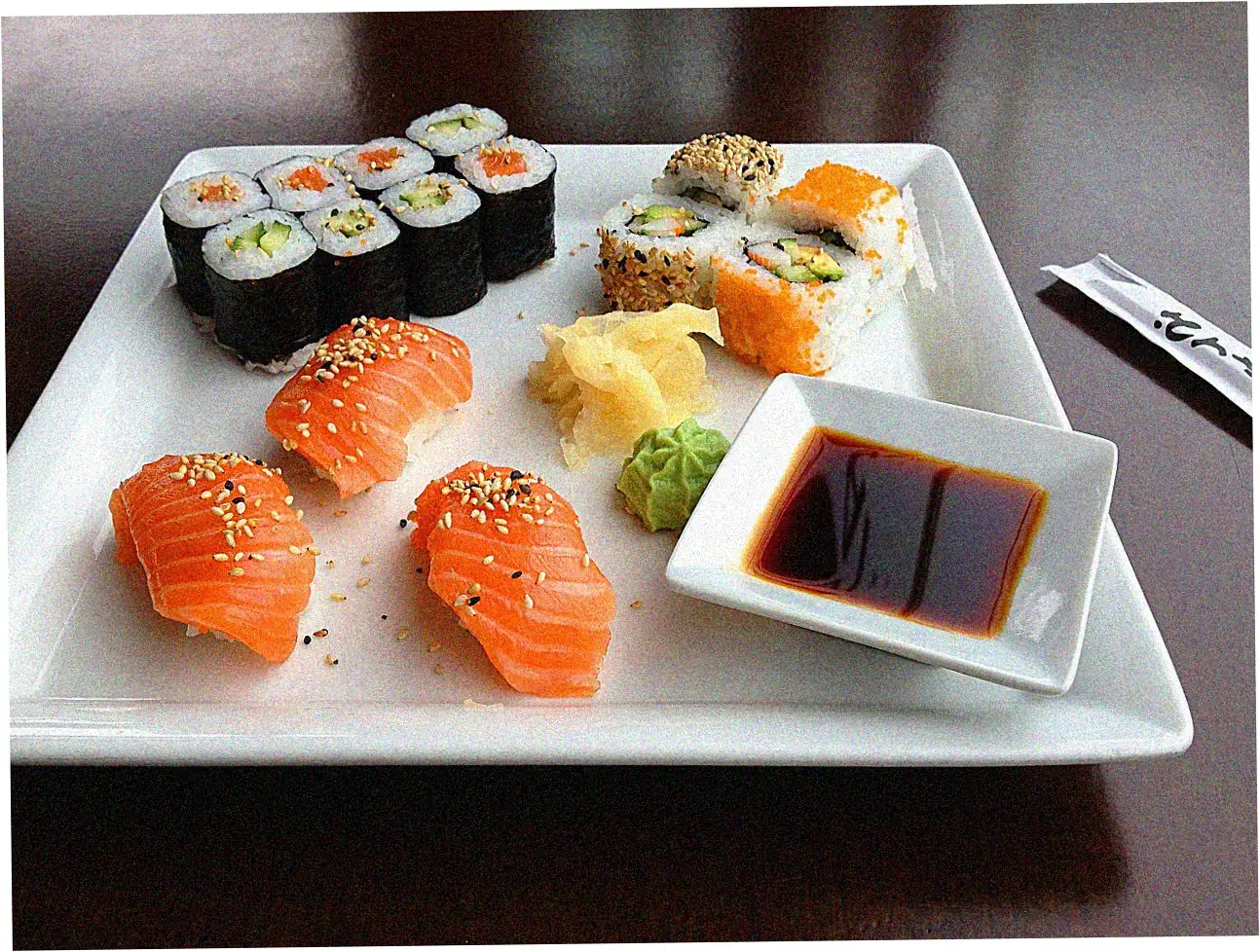
Rules depend on where you’re going, so check your country’s customs rules first. Great Shanghai food souvenirs to take home include white rabbit candy, different teas, preserved fruits, and vacuum-packed mooncakes.

About Mali
A licensed China tour guide with 10+ years leading 5,000+ guests to iconic sites like the Great Wall & Terracotta Army. Expert in seamless tours, cultural insights, and VIP access!