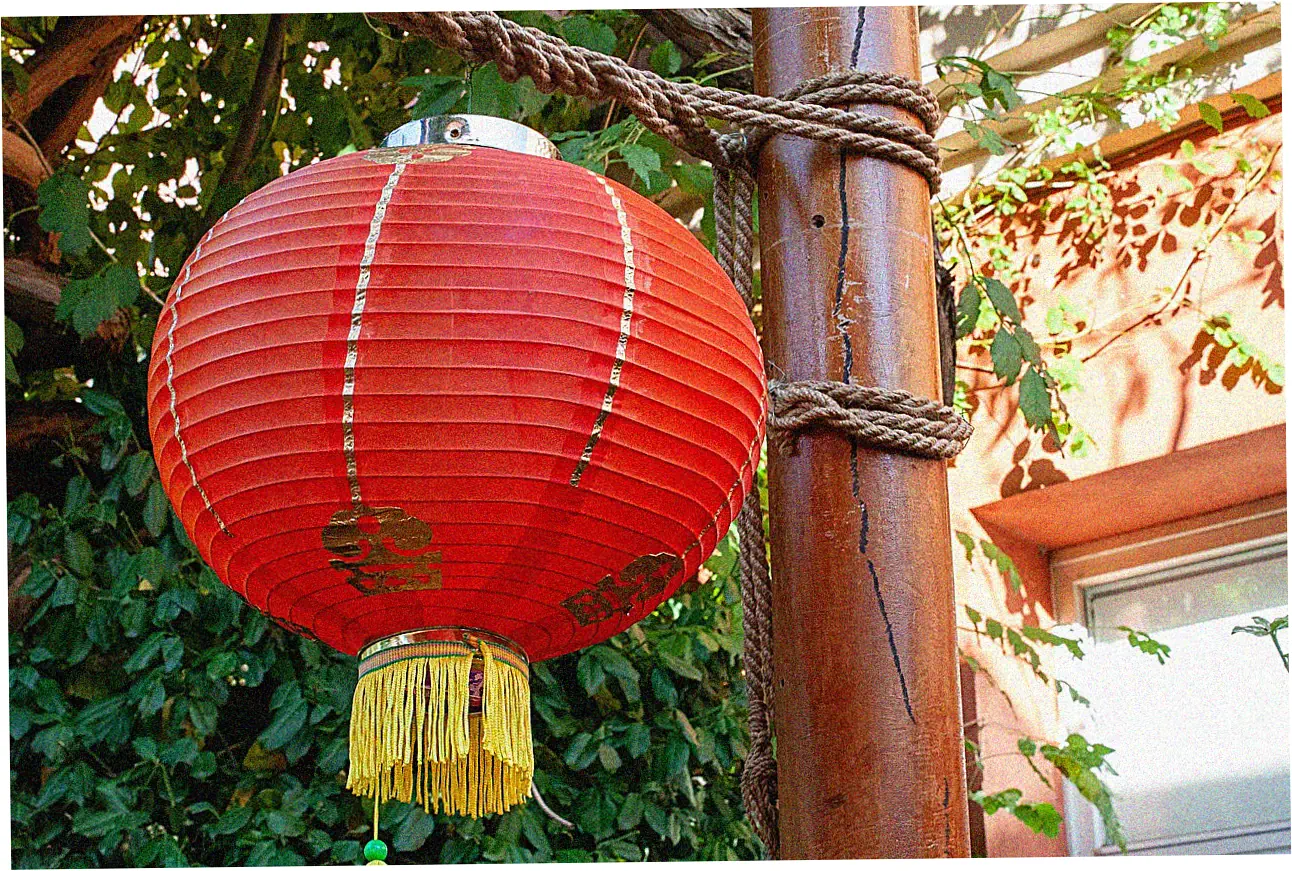
Folks often ask about the top three Chinese festivals, and they want more than just names and dates. They’re curious about what these festivals mean, the special foods we eat, and how they keep Chinese culture strong everywhere. I’ve celebrated these festivals here and overseas, and I’ve noticed something cool. Things like red envelopes during Chinese New Year, zongzi at Dragon Boat Festival, and mooncakes for Mid-Autumn Festival really tie people to their roots. These aren’t just dates on a calendar. They’re living traditions that keep changing, but they always hold onto what matters most: bringing families together and keeping our culture alive.
Table of Content
- Chinese New Year: Spring Festival Celebrations and Customs
- Dragon Boat Festival: Origins and Contemporary Observances
- Mid-Autumn Festival: Mooncakes and Family Reunions
- Comparative Analysis of Three Major Chinese Festivals
- Experiencing Chinese Festivals as International Visitors
- Cultural Preservation and Evolution of Chinese Festivals
- Frequently Asked Questions About Chinese Festivals
Chinese New Year: Spring Festival Celebrations and Customs
Traditional New Year Practices and Symbolism
The Spring Festival is definitely China’s biggest holiday, and people start getting ready weeks before. Families clean their homes really well to get rid of bad luck, and they put up red couplets and paper cuttings to bring good fortune.
On New Year’s Eve, everyone has a big reunion dinner with special foods – fish means plenty, and dumplings look like old money, so they bring wealth. I’ve put on cultural events in Tongli Suzhou for the
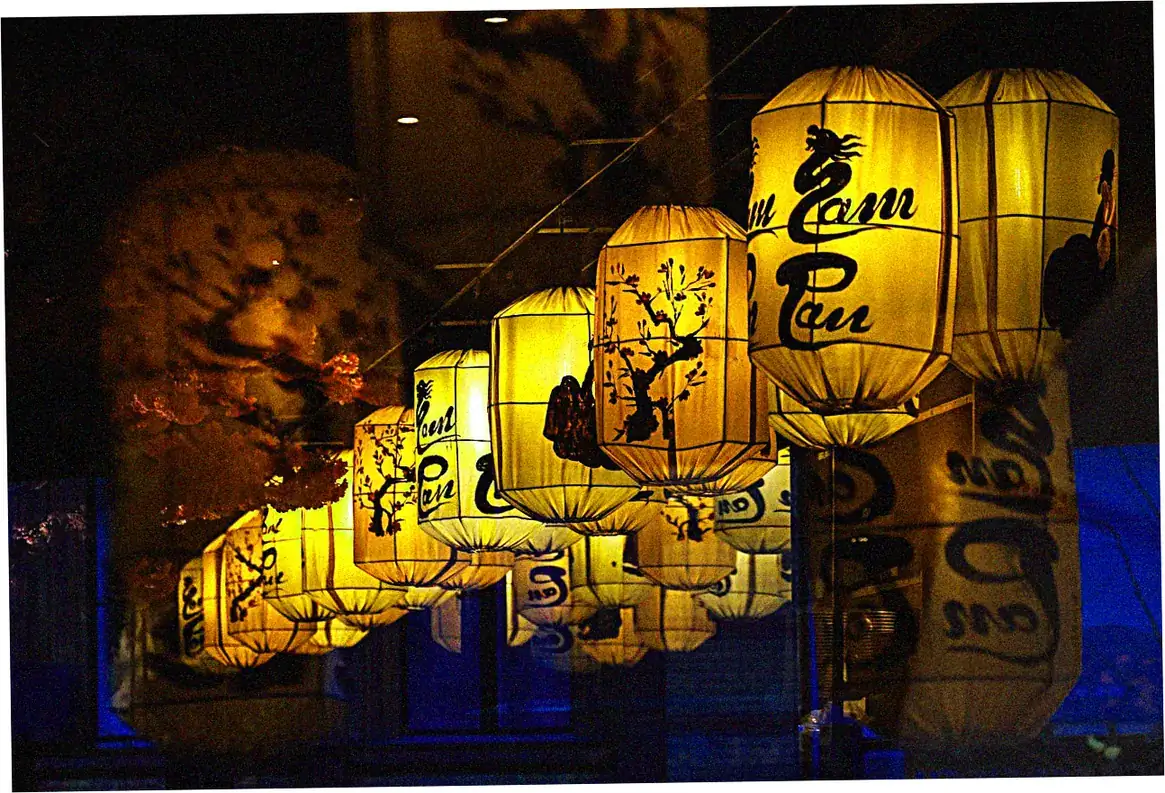
Spring Festival, and I’ve seen how these old water towns get really lively. They have cool lantern shows and traditional acts that pull in visitors from China and abroad who want the real deal.
Red envelopes with cash inside mean passing good luck from older folks to younger ones. And setting off firecrackers is an old way to frighten off bad spirits.
These days, celebrations have changed a bit – people use digital red envelopes and watch TV galas. But the main thing is still all about families getting together. Lots of travelers plan trips to China just for this, to soak up the amazing vibe.
But they should know, getting around can be tough because millions of people are traveling home at once – it’s the biggest yearly migration on the planet.
Regional Variations and Modern Adaptations
Even though the Spring Festival has the same main ideas everywhere, different parts of China have their own cool ways of celebrating. Up north, families usually make dumplings as a group. But down south, people are more into sticky rice cakes.
Lately, lots of city folks in China choose to travel for the holiday instead of staying put. Places like Gulangyu Island see more visitors, even if the weather’s a bit chilly.
My team researches cultural tourism, and we’ve seen how these new travel habits are starting fresh traditions, but they still keep the festival feeling.
Nowadays, celebrations include new stuff like watching the CCTV New Year’s Gala on TV and sending greetings on phones. But even with these changes, the real heart of it – families making up and starting fresh – is still there.
Chinese communities abroad have come up with their own unique celebrations. They mix local customs with traditional parts of the festival. This shows how flexible the Spring Festival is, and how it keeps the culture going for generations, no matter where people live.
Dragon Boat Festival: Origins and Contemporary Observances
Historical Background and Legend of Qu Yuan
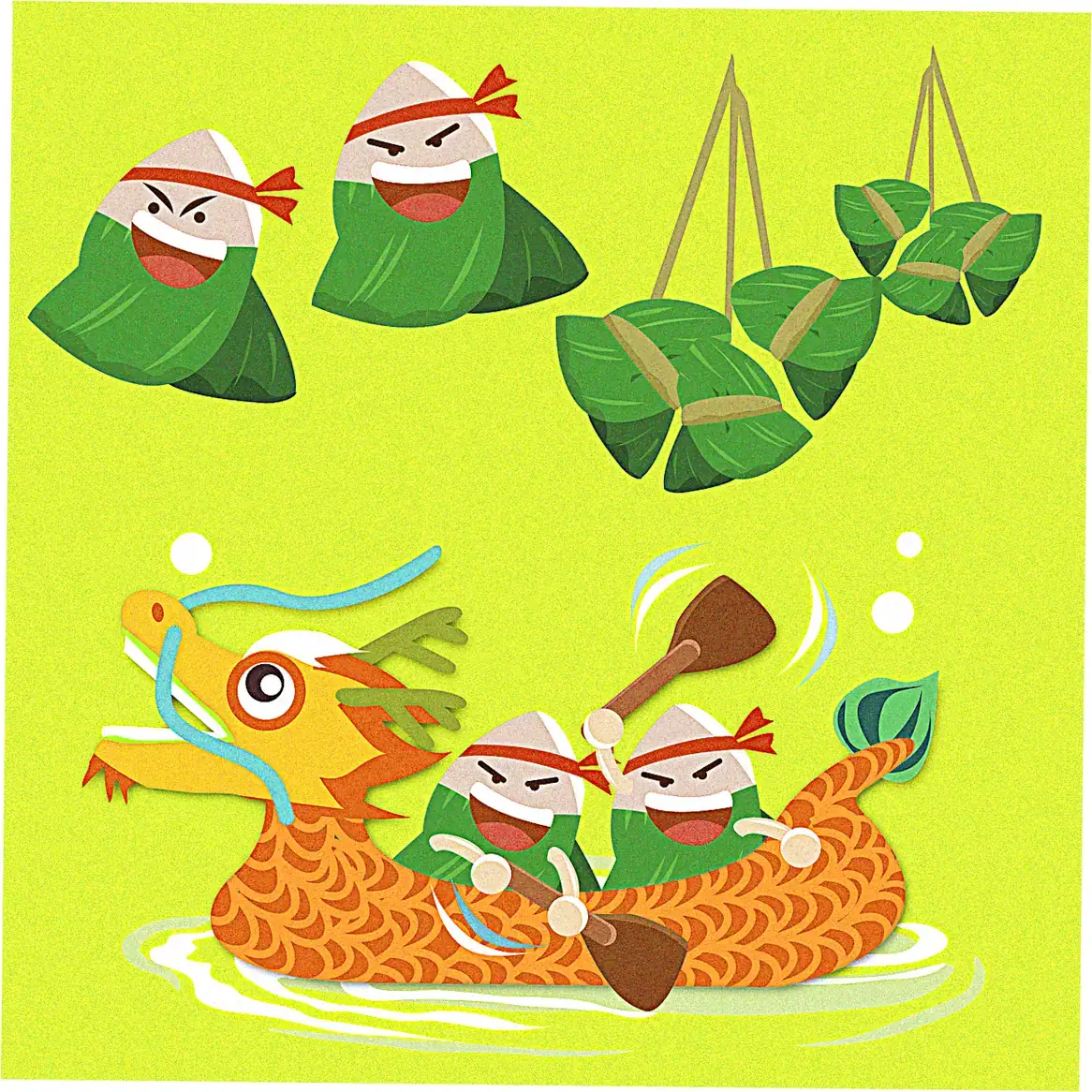
The Dragon Boat Festival honors Qu Yuan, a patriotic poet. He drowned himself during the Warring States period to protest corruption. Legend says villagers raced boats to save him. They threw zongzi, those sticky rice dumplings, into the water.
This was to stop fish from eating his body. This story really shows key Chinese values like loyalty, patriotism, and community. These values still matter a lot today. The Terracotta Army discovery gave more context about Qu Yuan’s time. It really highlighted the festival’s historical importance.
Archaeology shows dragon boat racing actually came before the Qu Yuan story. It might connect to old fertility rituals and water worship ceremonies. What’s really cool about this festival is how it’s picked up different cultural layers over centuries.
But it’s kept its core character the whole time. UNESCO made it an Intangible Cultural Heritage back in 2009. This confirmed it’s important not just for Chinese culture, but for global cultural diversity too.
Zongzi Variations and Dragon Boat Racing
Zongzi are those pyramid-shaped sticky rice dumplings wrapped in bamboo leaves. They show off the amazing regional variety in Chinese food. Up north, they’re usually sweet with red bean paste or dates.
Down south, they prefer savory fillings like pork or salted egg yolk. My first try making zongzi made some funny-looking dumplings. But they still tasted great! It shows these food traditions are about enjoying them, not making them perfect.
Dragon boat racing has really evolved. It started as a local tradition but now it’s an international sport with standard rules and pro teams. The rhythmic drumming coordinates the paddlers.
It creates this exciting spectacle that draws people from all over the world – both participants and spectators. It’s not just about competition though. These events are cultural gatherings that strengthen community ties.
They also introduce Chinese traditions to wider audiences. Modern safety gear and measures have made the races more accessible to everyone. And they’ve kept that traditional spirit alive too.
Mid-Autumn Festival: Mooncakes and Family Reunions
Moon Worship and Lunar Appreciation Traditions
The Mid-Autumn Festival is all about celebrating the harvest moon. It’s when the moon looks its brightest and roundest, which stands for family togetherness and reunion. People used to worship the moon long ago.
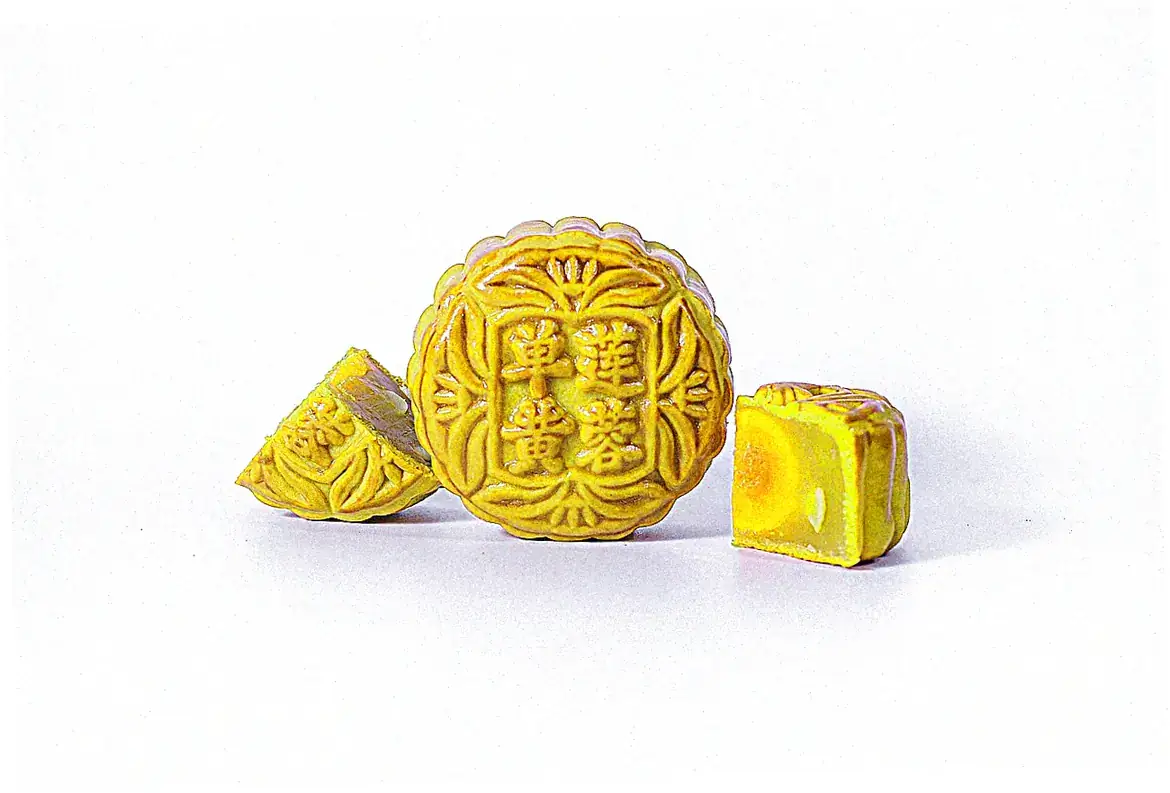
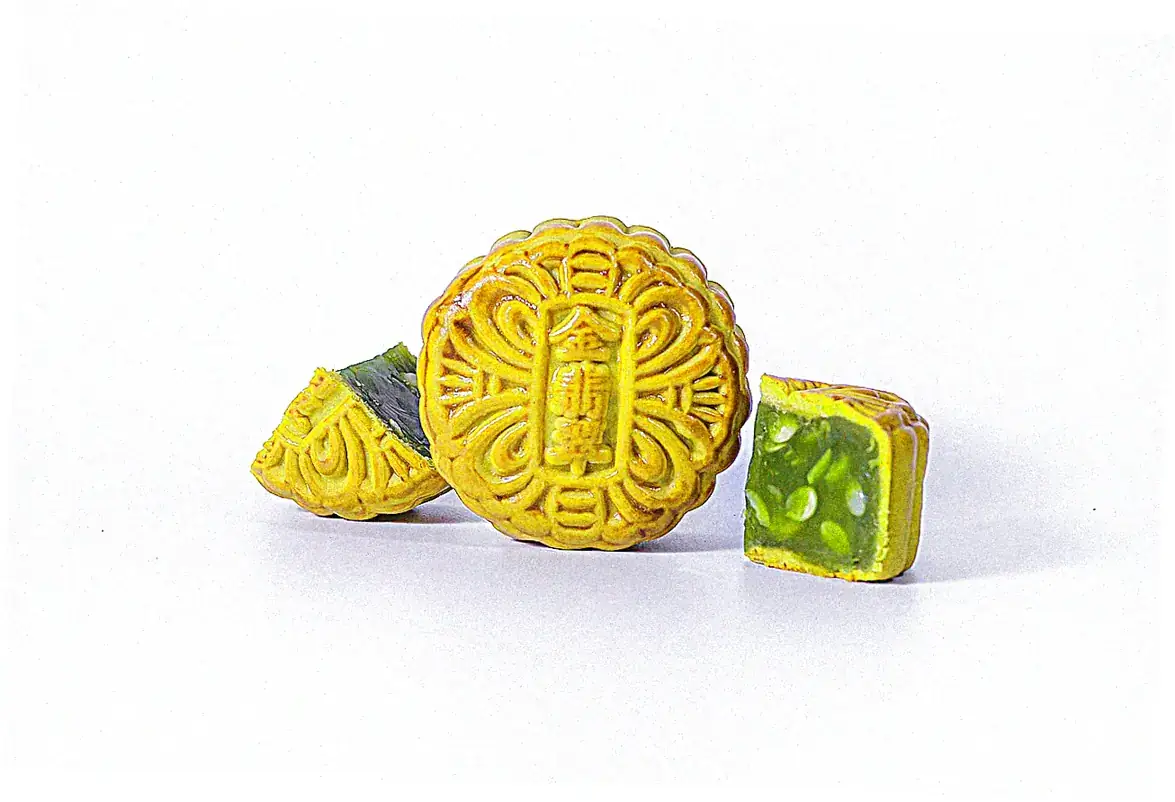
That slowly turned into appreciating its beauty more poetically. Scholars would write poems and share drinks under the moonlight. Mooncakes are a big part of this. Their round shape ties them to the moon and also means family unity.
I looked into Chinese food traditions and found out something cool: back in the day, mooncakes sometimes hid secret messages inside when there was political trouble.
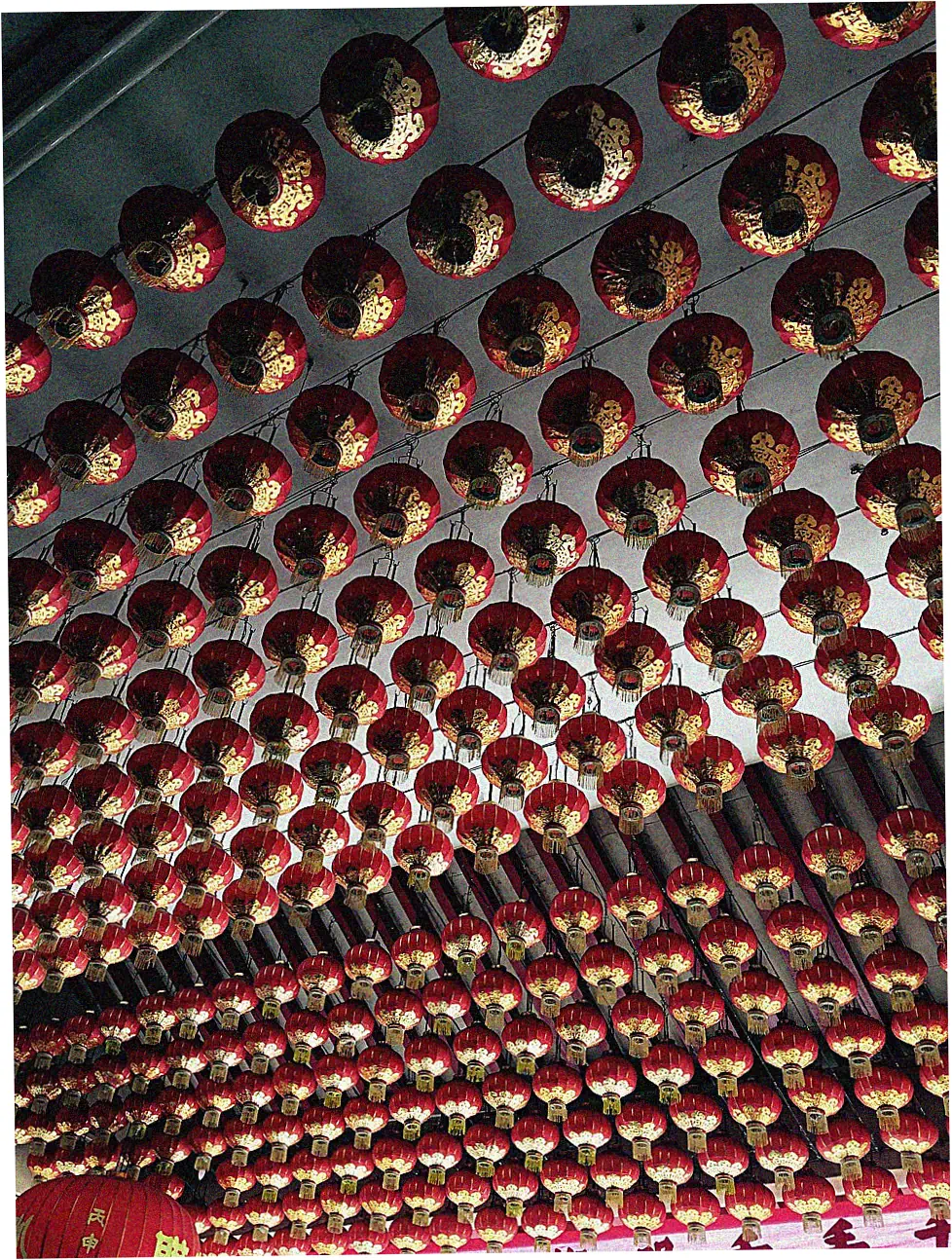
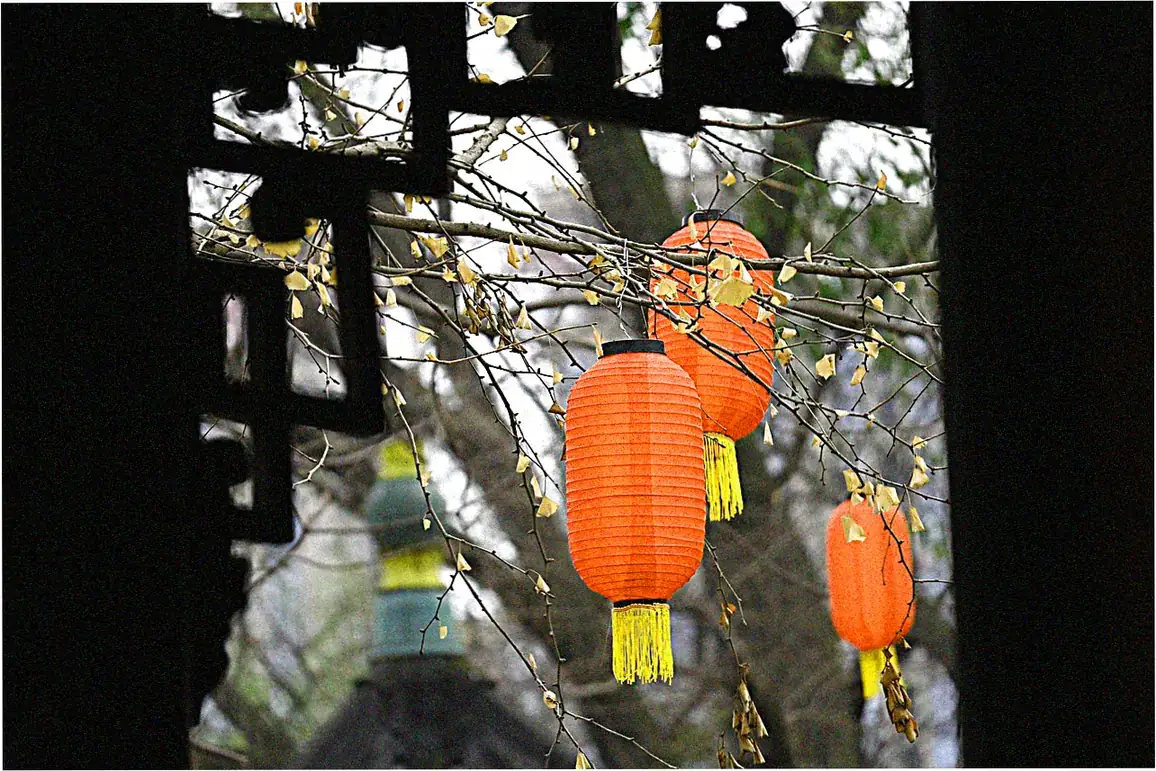
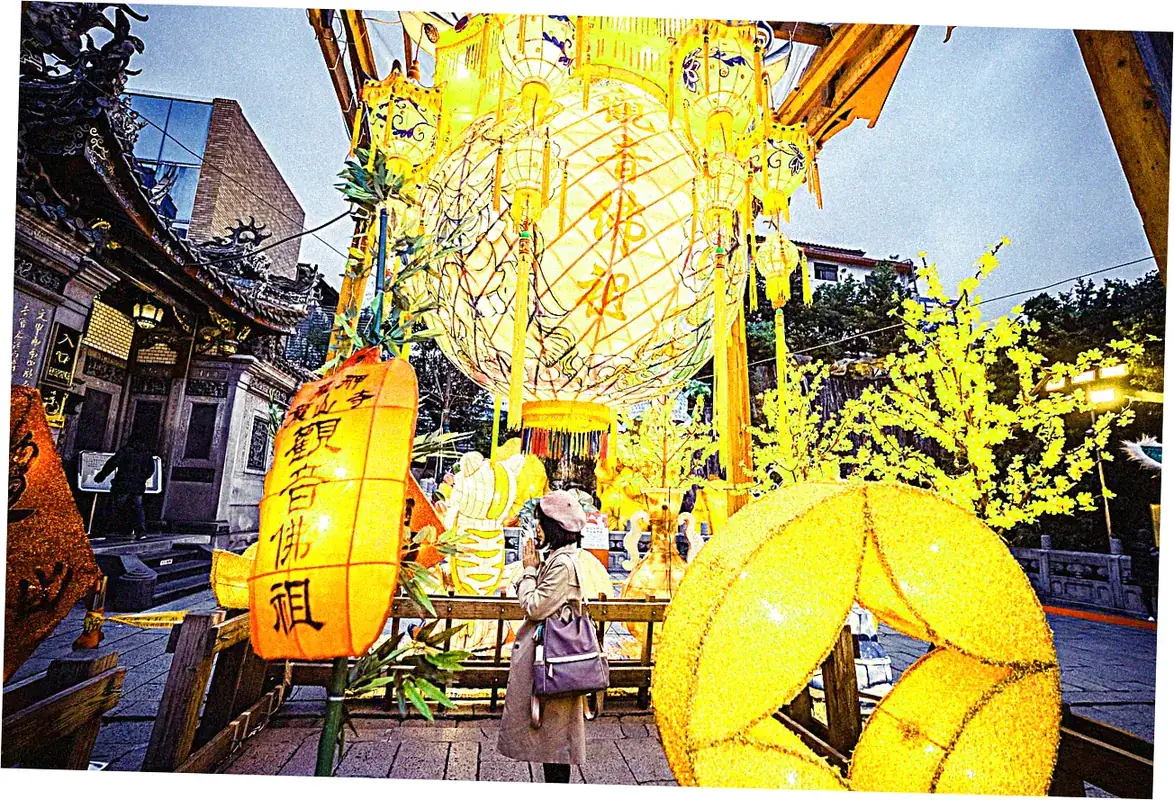
These days, people celebrate by putting up lanterns in all kinds of shapes and sizes. Places like Tongli in Suzhou even have special lantern shows that draw lots of photography fans. Some folks still love gazing at the moon and reciting poetry.
But now, lots of families also snap pics of the moon with their phones as part of the tradition. Since it follows the lunar calendar, the Mid-Autumn Festival usually happens in September or early October. The weather across most of China is nice and cool then, perfect for hanging out outside.
Modern Mooncake Innovations and Gifting Culture
Mooncake fillings have really changed. They’re not just the old-school lotus seed paste or salted egg yolks anymore. Now you can find all sorts, like ice cream, chocolate, cheese, and even spicy seafood ones.
It shows how tastes are changing and how creative bakers are getting. Giving mooncakes in fancy boxes is a big deal in business circles. But lately, the government has been trying to cut down on overly flashy packaging.
My team did some research and found people are getting more into healthier mooncakes. They want less sugar and new flavors that still respect tradition but fit modern tastes.
Exchanging mooncakes is a social thing. It helps strengthen both business and personal ties through this back-and-forth gifting. There are high-end brands now, plus people still make them at home.
So there’s a whole range out there for different budgets and tastes. People are also worried about the environment, so there’s more demand for eco-friendly packaging. It’s a good example of how traditions can adapt to modern values without losing their cultural heart.
Comparative Analysis of Three Major Chinese Festivals
Shared Themes and Distinctive Characteristics
China’s three big festivals might come from different stories and have their own customs, but they all share some key things: family, food, and keeping traditions alive. Each one is all about family getting together.
For Spring Festival, people travel home. For Dragon Boat Festival, they gather to watch races. And for Mid-Autumn Festival, families share mooncakes while looking at the moon. Each festival has its special food—like dumplings, zongzi, and mooncakes.
These aren’t just tasty treats; they’re like edible symbols that tie people to their culture and make the celebrations even more enjoyable.
So what makes each festival unique? It’s mostly about when they happen and what people do to celebrate. Spring Festival marks the new year as winter ends. Dragon Boat Festival kicks off summer with exciting boat races.
And Mid-Autumn Festival celebrates the harvest when autumn starts. Having these festivals spread across the year creates a nice rhythm. They structure life in China and keep people connected to their traditions, no matter the season.
Cultural Significance in Modern Chinese Society
Even though China has modernized and urbanized really fast, these three festivals have stuck around surprisingly well. They act like cultural anchors, keeping a link to the past while still fitting into modern life.
Being official public holidays helps keep them going, though how people celebrate has changed with their lifestyles. City folks might now eat out at restaurants instead of cooking at home, or join big public events instead of just family gatherings.
The business side of these festivals has really grown. Holiday sales are now a big deal for the economy. But beyond all the shopping, these festivals still do something deeper.
They strengthen cultural identity, bring families closer, and give the year a nice rhythm. Their ongoing popularity shows that traditional culture can do just fine alongside modernization, as long as it’s allowed to change naturally.
Experiencing Chinese Festivals as International Visitors
Planning Your Visit Around Festival Dates
If you plan your China trip around major festivals, it takes some work but gives you amazing cultural experiences. Festival dates follow the lunar calendar. So the Spring Festival can fall between January 21 and February 20.
The Dragon Boat Festival is in May or June. And the Mid-Autumn Festival happens in September or October. You should book your transport and hotels months ahead, especially for the Spring Festival, because that’s when travel in China is busiest.
Check the weather for your destinations, like Gulangyu, so you pack the right clothes for the season during the festivals.
Festival times are amazing, but they can also be challenging. Places get really crowded, prices go up, and things book up fast. If it’s your first time, you might like the big public festival events in
cities more than trying to join in private family celebrations. Lots of cultural groups run special programs for visitors during these festivals. These are great, easy ways to learn about the traditions without feeling lost.
Participating Respectfully in Cultural Traditions
As a visitor, you can join in on Chinese festivals respectfully by learning a little about the etiquette first. For the Spring Festival, wear red for good luck. It’s best to avoid white, since that color is linked to sadness.
If someone offers you festival food, like mooncakes or zongzi, accept it nicely. It makes them happy, even if you just try a little bit. Ask people about the traditions. It shows you’re interested and usually leads to really friendly chats with locals.
Always be respectful when taking photos, especially at family events or any religious parts of the celebration. Many temples have special ceremonies during the festivals. They welcome visitors who behave appropriately.
Learn a few simple phrases. Say Xīnnián hǎo for Happy New Year or Zhōngqiū jié kuàilè for Happy Mid-Autumn Festival. Locals really appreciate it when you try.
Cultural Preservation and Evolution of Chinese Festivals
Balancing Tradition and Innovation
Chinese festivals always try to balance keeping old traditions and adding new twists. Some traditionalists might not like changes, but these festivals have always evolved over time.
Look at vegan mooncakes, digital red packets, and eco-friendly dragon boats – they show how festivals stay relevant while keeping their cultural heart. My team found really interesting patterns of cultural innovation while tracking these changes.
The government helps preserve festivals by giving them cultural heritage status and supporting traditional artists. Schools teach kids about traditional customs using modern teaching methods.
This creates hybrid traditions that keep the culture alive while staying meaningful today, so festivals don’t just become museum exhibits.
Global Spread and Local Adaptations
As Chinese people moved around the world, these three big festivals became global celebrations. You can now find dragon boat races on six continents, mooncakes in supermarkets every fall, and Spring Festival celebrations in cities worldwide.
The cool part is how they adapt locally while keeping their core – European dragon boats race on different waterways, American mooncakes have local flavors, and Southeast Asian Spring celebrations mix Chinese and local traditions.
This global reach introduces Chinese culture to new people and helps overseas Chinese stay connected to their roots. These festivals now act as bridges, letting non-Chinese people experience Chinese culture
through fun activities. Going global is just the latest step in these festivals evolution as living traditions.
China’s three main festivals aren’t just dates on the calendar – they’re living traditions that shape Chinese identity everywhere. Whether you join celebrations in China or abroad, they connect you to cultural values that have lasted centuries.
I’d suggest trying authentic festival experiences – maybe travel, local events, or just sharing traditional foods with friends. Each festival gives you unique insights into Chinese culture that go deeper than any book or documentary.
Let’s answer some common questions about Chinese festivals
Why are these three festivals so special compared to other Chinese celebrations?
These three festivals became so important because they have deep history, everyone celebrates them across the country, and they carry rich cultural meaning.
They’re official public holidays that people all over China and Chinese communities abroad really get into. Each festival represents different seasons and cultural values, and together they show the heart of Chinese tradition.
What do young people in China think about these traditional festivals?
Young Chinese still feel connected to these festivals, but they mix old traditions with new ways that fit modern life. You see this in digital red envelopes, sharing festival moments on social media, and
putting new twists on traditional foods – the celebrations keep changing but still hold onto their cultural roots.
Can people from other cultures really get into these festivals?
Some family-only parts might feel private, but there’s plenty that international visitors can enjoy. Public events, cultural shows, and traditional foods give everyone great ways to join in.
Chinese communities usually welcome people who show respect and real interest in learning about their traditions.
How have these festivals changed over the years?
Modern life has changed how we celebrate – digital tech, commercial stuff, and different lifestyles have all made a difference. The main values stay the same, but how we celebrate keeps changing.
Better travel helps families reunite, digital apps connect people far apart, and creative new ideas keep traditions fresh for today’s generation.

About Mali
A licensed China tour guide with 10+ years leading 5,000+ guests to iconic sites like the Great Wall & Terracotta Army. Expert in seamless tours, cultural insights, and VIP access!