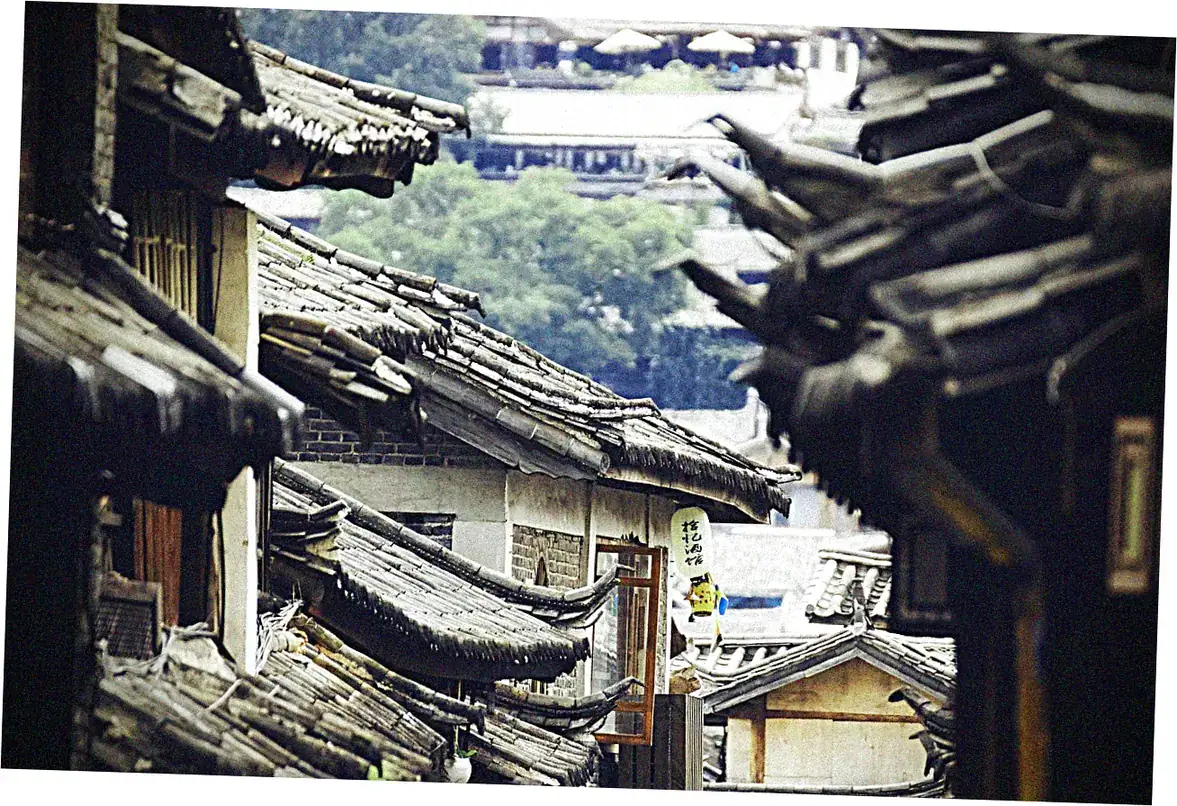
Trying to figure out when’s the best time to visit Lijiang? You’re definitely not the only one wondering! This awesome UNESCO town in Yunnan is great any time, but picking the right season totally changes your experience. Spring flowers, summer coolness, fall colors, or snowy winters – Lijiang rocks every season in its own special way. Let’s break down the best times to go based on what you’re into – whether it’s festivals, photos, saving cash, or hiking.
Table of Content
- Lijiang’s Four Seasons Climate Breakdown
- Festival Calendar Cultural Highlights
- Ideal Months for Outdoor Activities
- Budget Traveler’s Seasonal Guide
- Packing Essentials by Season
- Photography Conditions Monthly Breakdown
- Seasonal Food Market Guide
- Health Considerations by Season
- Transportation Accessibility Factors
- Combining Lijiang with Nearby Destinations
- Final Thoughts Next Steps
- FAQ About Best Time for Lijiang
Lijiang’s Four Seasons Climate Breakdown
Spring (March-May): Floral Awakening
Come March, the whole valley bursts into bloom with peach and pear flowers – perfect for pics. Days are comfy at 15-20°C – great for wandering the Old Town without getting all sweaty. Bring layers – mornings start chilly at 5°C but warm up by lunchtime.
April’s Water Festival gets wild – locals splash water everywhere for good luck (they go easy on tourists!). Heads up: Book early for May holidays when Chinese tourists flood in. Prices jump, but the vibe is amazing!
Summer (June-August): Emerald Green Paradise
Summer rains turn Lijiang into a dreamy scene, with quick showers most afternoons. Mornings are best for hiking before the clouds come. August has the clearest skies and perfect 22°C weather for chilling at cafes.
Ask locals – late August makes the rice fields shine bright green. July’s Torch Festival is a must-see – villages come alive with fire dances under the stars.

Festival Calendar Cultural Highlights
Traditional Naxi Celebrations
February’s Dongba Festival lets you peek at ancient rituals few tourists see. See Naxi priests in crazy feather hats doing ceremonies from way back in history. Come in January for the Sanduo Festival where they sacrifice sheep to their gods – wild stuff.
Music fans – June’s Ancient Music Festival is your jam. This ain’t no regular concert – it’s ancient music played on crazy old instruments, same way they did it 500 years ago. Get there early to grab good seats in the courtyard.
Photography-Focused Events
October’s Golden Week turns Lijiang into a picture-perfect scene with everyone in traditional dress. Photo pros should hit November’s photo fest to learn how to shoot that perfect morning light.
Winter’s great for photos too – February mornings give you mirror-perfect mountain reflections. Guides can take you to hidden spots where frost makes spiderwebs sparkle till noon.
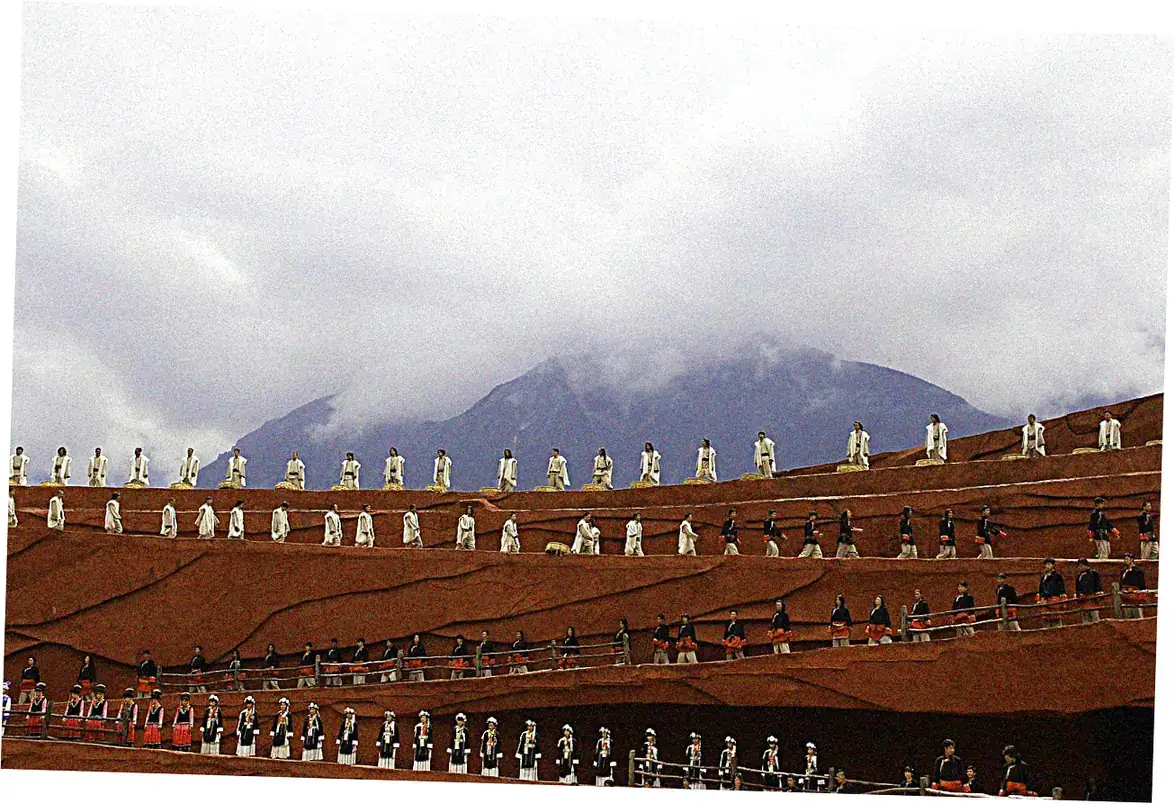
Ideal Months for Outdoor Activities
Trekking Tiger Leaping Gorge
Spring and fall are tops for hiking – good weather and flowers everywhere. Summer hikes can get sketchy with fog and slippery trails – not for the faint-hearted! Winter hikes need special gear but you’ll get frozen waterfalls all to yourself.
Fall’s the safest time for high hikes like Yak Meadow – great views without the altitude sickness. Guides say chill in town for 2 days before going up high. Hot tip: Grab oxygen cans at the pharmacy before big climbs.
Cycling the Countryside
Bike past crazy yellow flowers in spring or golden rice fields in fall. Skip summer biking – rains turn trails into mud pits. Most guesthouses rent decent bikes for ¥50 – get the ones with good shocks for bumpy streets.
Shuhe Village is a great bike trip – chill canals and cool craft shops. Grab lunch at Pear Orchard – their sweet yak skewers are perfect bike fuel. Look out for chickens running wild in the road!
Budget Traveler’s Seasonal Guide
Off-Peak Accommodation Deals
Winter (except New Year) means hotels slash prices by half. Best deal? Moon Inn in December – warm floors for just ¥120, way cheaper than summer. Just bring long johns for the cold lobby!
Weekday stays are always cheaper. Empty guesthouses often bump you up to better rooms for free. Ask for local deals – owners might take ¥80 just to fill beds.
Shoulder Season Flight Tips
Flights are weirdly cheap in April and October. You can fly from Kunming for under ¥400 if you skip holidays. Late September rocks for foreigners – crowds thin out but weather’s still great.
Super cheap? Take the night train from Kunming for ¥150 – you’ll roll in at sunrise. Top bunks are quieter but tighter – pick your poison. Either way, pack earplugs!
Packing Essentials by Season
Spring Autumn Must-Haves
Spring and fall? Layer up – jacket over long sleeves does the trick. Always pack a rain poncho – mountain weather changes fast! Wear in your hiking shoes first – the stone streets eat new boots alive.
Bring chapstick and lotion – the high altitude dries you out bad. Grab some yak butter lotion at the market – locals love it. Plus it works great on boots too!
Winter Survival Kit
Winter means bundle up – get heated insoles from local stores if you need em. ¥5 hand warmers are morning photo must-haves. Blankets are thick but bring PJs – those stone walls stay cold.
Winter hack? Get those local wool hats with ear flaps. Way toastier than regular hats and block the wind. Get the real deal at Baisha craft shops, not tourist traps.
Photography Conditions Monthly Breakdown
Golden Light Hours by Season
Winter means lazy photo mornings – sun rises late so you can sleep in a bit. Summer shoots? You’re waking up at 4:30am for that perfect light. But man, that morning mist is totally worth the early wake-up.
Fall’s your best bet for sun – 80% clear days vs summer’s iffy weather. Want drama? July storms bring crazy rainbows over the rooftops.
Crowd-Free Shooting Locations
All the Instagram folks crowd the pool by mid-morning. Skip the crowds – locals know a secret spot at Wenbi Peak with insane views. Get there by 7am when it’s busy.
Shuhe’s canals at dawn give you perfect reflection shots with no people. Night shots? The mountain under stars is unreal – some tours even give you cocoa!
Seasonal Food Market Guide
Harvest Calendar Delicacies
March means mushroom madness – don’t miss the porcini dumplings. June breakfasts feature fresh strawberry pancakes. October = persimmons – dried ones are great trail food.
Winter eats? Yak hotpot (get the ribs) and warm rose wine. Baisha’s Sunday market has the freshest stuff – early birds get the best yak butter.
Festival Street Foods
Water-Splashing Festival means mango sticky rice wrapped in banana leaves. Torch Festival features whole roasted pigs on spits – get the crispy ear pieces! Chinese New Year brings sweet rice balls (tangyuan) in ginger syrup – locals believe eating them ensures family togetherness.
Pro tip: Follow the grandmothers – wherever they queue is where the authentic flavors live. Their decades-old secret? Baisha’s Auntie Yang makes mooncakes with rose petals only during Mid-Autumn Festival.
Health Considerations by Season
Altitude Adjustment Strategies
Lijiang sits at 2,400m – enough to cause headaches if you rush activities. Hydrate with local goji berry tea (helps oxygen absorption) and avoid alcohol your first night. Hotels offer free oxygen cans – use them preventatively before bedtime.
Winter intensifies altitude effects – move slowly and consider Diamox if prone to sickness. The best time for Lijiang high-altitude hikes is after 48 hours acclimatization. Watch for symptoms like insomnia or appetite loss – descent to Shuhe (2,300m) often helps.
Seasonal Allergy Notes
Spring pollen counts soar – pack antihistamines if sensitive. August’s mold spores flourish after rains – asthma sufferers should check air quality indexes. Surprisingly, winter brings the cleanest air despite colder temperatures.
Local remedy? Naxi herbal steam baths at Baisha Clinic (¥60) clear sinuses naturally. Their thyme-infused treatment works wonders for altitude coughs too.
Transportation Accessibility Factors
Road Conditions Monthly Variations
July-August landslides sometimes close Tiger Leaping Gorge access – check with your guesthouse before heading out. Winter sees occasional snow on Jade Dragon Mountain roads – chains may be required for taxis. Spring and autumn offer the most reliable driving conditions.
Old Town’s cobblestones become slippery when wet – consider walking sticks during rainy season. Many alleys aren’t wheelchair friendly year-round; stick to the main square areas if mobility challenged.
Peak Season Transit Tips
October holidays bring 2-hour lines for cable cars – arrive before 7am or book private vans. Shared taxis from the airport triple summer rates – take the airport shuttle bus instead (¥20).
Smart travelers use Didi (China’s Uber) even during busy periods – drivers know backstreet shortcuts around traffic. Pro tip: Have your hotel write destinations in Chinese characters to show drivers.

Combining Lijiang with Nearby Destinations
Seasonal Side Trip Pairings
March is ideal for Dali’s Erhai Lake cherry blossoms en route to Lijiang. September pairs perfectly with Shangri-La’s golden grasslands – stay overnight to avoid altitude sickness.
Winter visitors can combine Lijiang with Xishuangbanna’s tropical warmth (1-hour flight). Skip December Tiger Leaping Gorge trips unless you enjoy frostbite – head south to Yuanyang’s misty rice terraces instead.
Multi-City Tour Planning
The best time for Lijiang Kunming Dali circuits is April-May or September-October when all regions enjoy mild weather. Summer turns Kunming into a rainy transit hub – better to focus on Lijiang’s cooler climate.
Winter travelers can create a Yunnan extremes route: Lijiang’s snowy peaks → Lugu Lake’s frozen beauty → Xishuangbanna’s 25°C sunshine. Just pack separate luggage for each climate!
Final Thoughts Next Steps
Now that you’ve discovered the best time for Lijiang based on your travel priorities, it’s time to start planning! Whether you’re chasing perfect photography light, budget-friendly deals, or cultural immersion, this ancient Naxi kingdom delivers magic in every season.
Ready to experience Lijiang’s seasonal charms? Bookmark this guide and share your travel dates in the comments – we’re happy to offer personalized advice! For deeper exploration, check out our recommended reading list below featuring local experts insights on hidden seasonal gems.
FAQ About Best Time for Lijiang
What month has the best weather in Lijiang?
September and October offer the ideal balance – warm days (15-20°C), cool nights, minimal rain, and clear mountain views. These months are considered the best time for Lijiang’s overall comfort and scenery.
Is Lijiang worth visiting in winter?
Absolutely! December-February brings smaller crowds, lower prices, and magical snowy landscapes. While nights dip below freezing, daytime highs around 12°C are manageable with proper layers. Just avoid Chinese New Year when domestic tourists flood in.
How rainy is Lijiang in July?
Expect daily afternoon showers (1-2 hours) during peak monsoon (July-August). Mornings are usually clear – plan outdoor activities early. The rain brings lush greenery and fewer tourists, making it still worthwhile with proper planning.
When is the worst time to visit Lijiang?
Early May (Labor Day holiday) and October 1-7 (National Day) see extreme crowds and inflated prices as Chinese tourists travel. Unless you enjoy queueing for hours at attractions, these are periods to avoid.
What season is best for Tiger Leaping Gorge hikes?
April-May and September-October provide the safest conditions – stable weather, wildflowers, and moderate temperatures. Summer brings slippery trails and winter requires ice gear, though both offer unique perspectives for experienced trekkers.
When can I see snow in Lijiang?
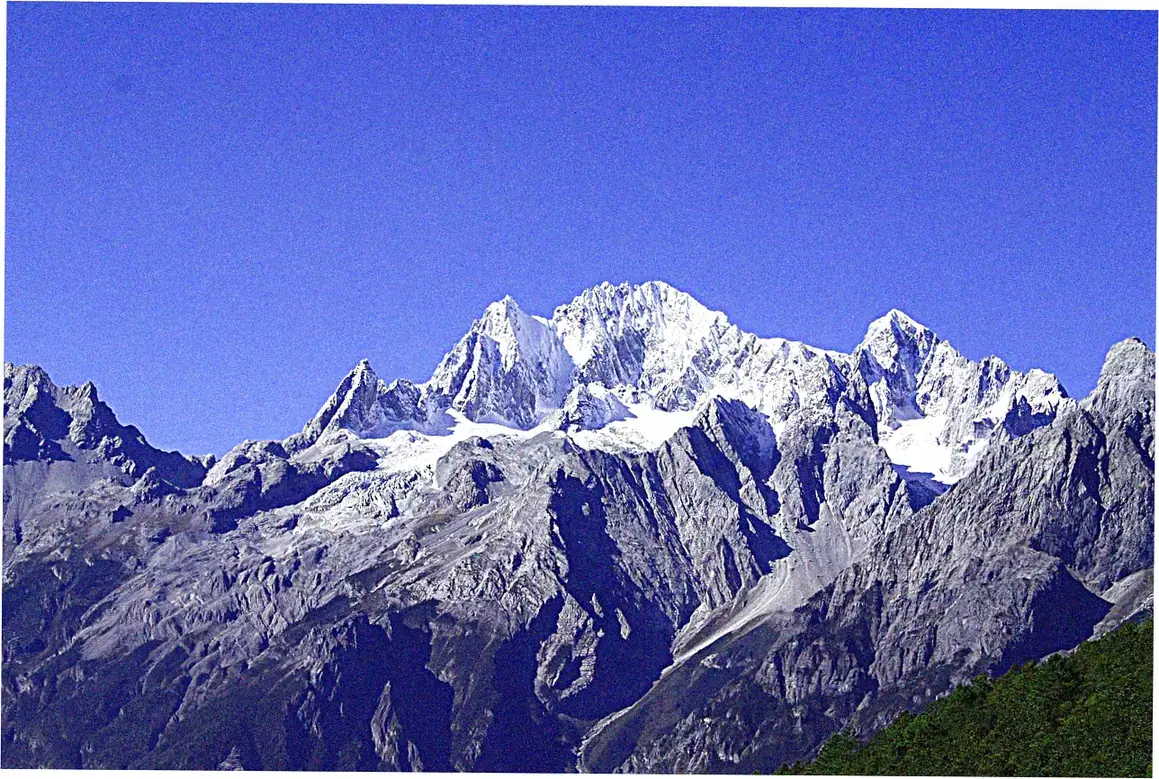
Jade Dragon Snow Mountain has permanent glaciers, but Old Town itself rarely gets accumulation. For snowy streets, target January-February during cold snaps. The mountain views are most dramatic after fresh snowfall between December-March.
Is Lijiang too cold in November?
Not at all! November offers crisp autumn days (10-15°C) perfect for exploring. Nights drop to 5°C, but guesthouses provide heavy quilts. It’s actually one of the best times for Lijiang photography with golden larch trees and fewer tourists.

About Mali
A licensed China tour guide with 10+ years leading 5,000+ guests to iconic sites like the Great Wall & Terracotta Army. Expert in seamless tours, cultural insights, and VIP access!