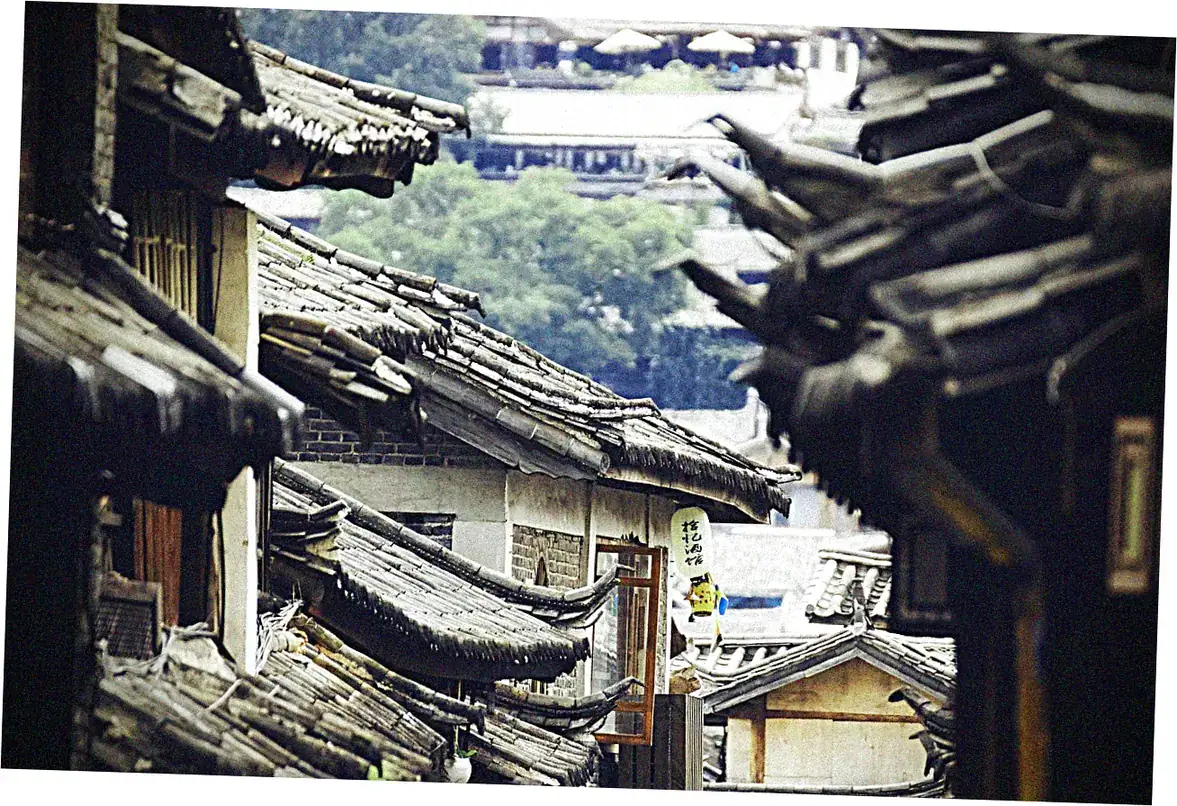
When winter’s cold finally fades, the whole world wakes up to spring’s amazing cultural festivals. You’ve got Asia’s ancient moon festivals and Europe’s incredible flower shows – they all celebrate our shared happiness and new beginnings. I’ve been to festivals on three continents myself, and they’re way more than just parties. They’re like living museums full of traditions, amazing food, and real community vibes. Maybe you love China’s explosive New Year celebrations or prefer Japan’s peaceful cherry blossom viewing. Either way, each festival shows you what locals really care about. This guide picks out the world’s best spring festivals and gives you real tips to experience them authentically, without all the touristy stuff.
Table of Content
- Chinese Spring Festival Traditions and Modern Celebrations
- Cherry Blossom Festivals: Japan and Beyond
- European Spring Festivals: From Carnival to Easter
- Spring Festivals in the Americas: Color and Creativity
- Culinary Highlights of Spring Festivals Worldwide
- Planning Your Spring Festival Journey: Practical Guide
- Conclusion and Next Steps
- Frequently Asked Questions (FAQ)
Chinese Spring Festival Traditions and Modern Celebrations
Historical Roots and Cultural Significance
The Chinese New Year goes way back—over 3,500 years, says the Smithsonian. It mixes old myths with farming traditions. There’s an old legend about a monster named Nian. It was scared of red and loud sounds.
That’s why people set off firecrackers. These days, families get together for big reunion dinners. They eat special foods like fish for abundance and dumplings for wealth. Jiaozi, Chinese dumplings, really capture this idea.
Their shape looks like old money, which means good fortune. When I was in Beijing, I saw how making dumplings together brings families closer. Different generations share stories while making lots of them.
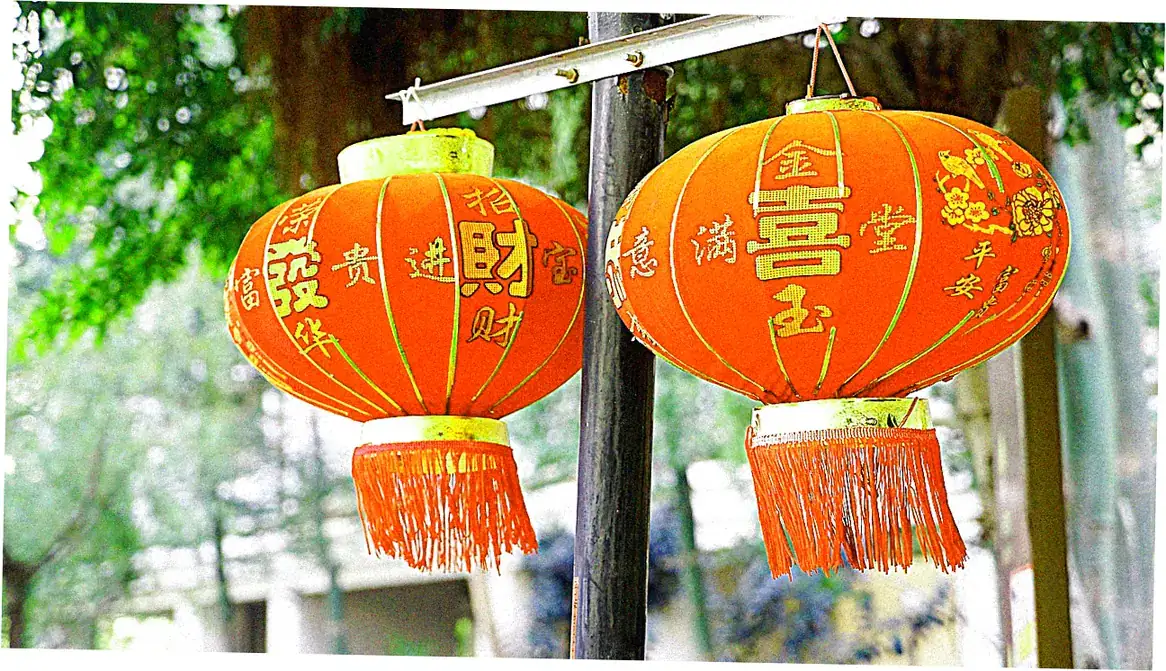
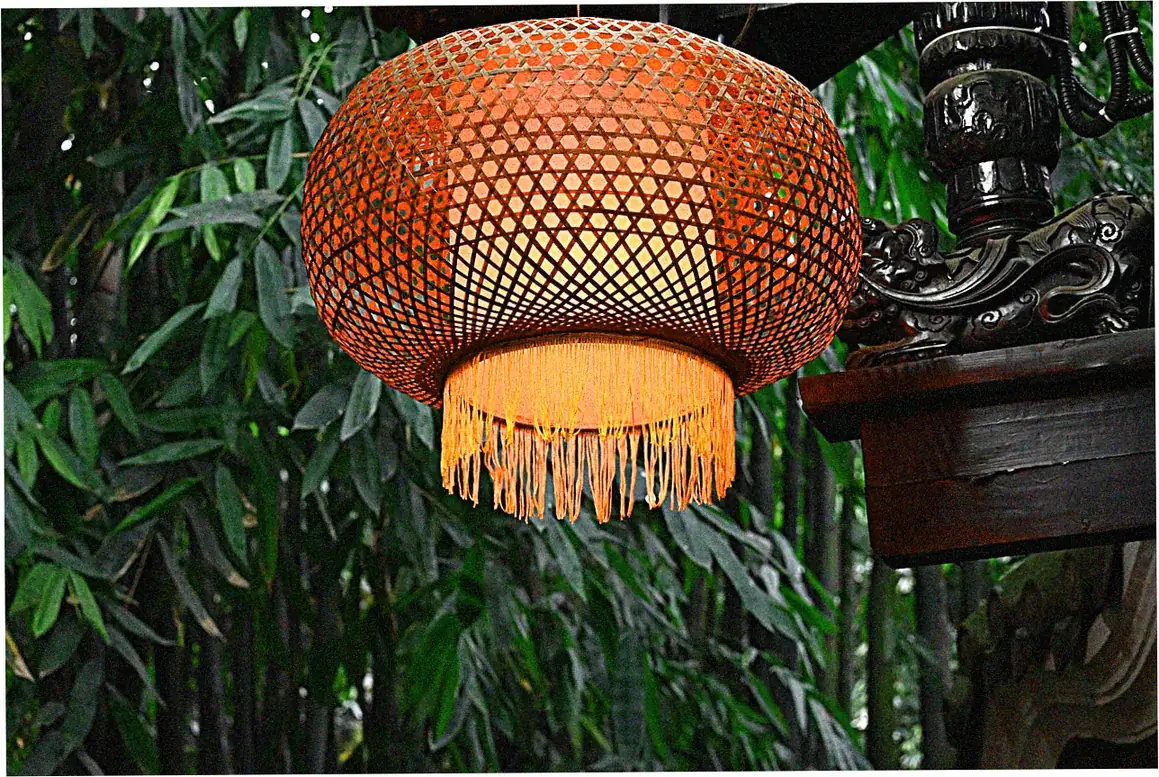
Different places celebrate in their own way. In Shanghai, Yu Garden becomes a magical lantern show with zodiac figures. Guangdong has huge flower markets. The China Tourism Academy says there are 3 billion trips within the country at this time.
It’s the biggest human migration on Earth. It’s not just about the show—these customs keep culture alive. Now people even send digital red envelopes through WeChat, so families can keep up traditions even
when they’re far apart. These changes show how old rituals can adapt but still keep their heart—thankfulness and hope.
Best Places to Experience Authentic Celebrations
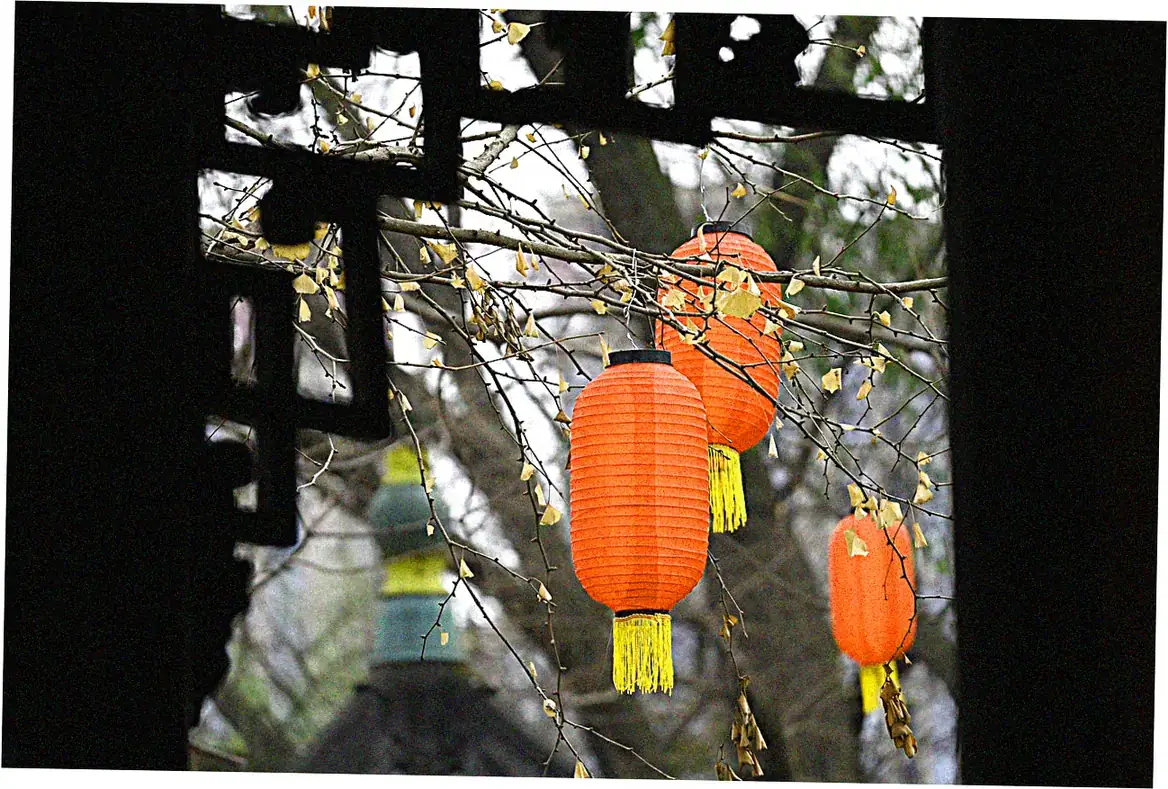
If you’re visiting from abroad, timing matters a lot. The festival lasts 15 days and falls between January 21 and February 20 each year. Beijing’s Temple Fair in Ditan Park has awesome acrobatics and traditional snacks.
But be ready for big crowds—over 20,000 people go every day. For something quieter, try Pingyao’s ancient city. It’s got beautiful Qing-era buildings covered in red lanterns. I’d personally recommend Shanghai’s Yu Garden festival.
The lit-up pavilions and dragon dances are super photogenic. Just get there before 3 PM to skip the long lines. Local guides like Lily Chen say the real magic happens in the backstreets where families celebrate, not the main tourist spots.
For a deeper experience, head to the countryside. In Fujian, they have tulou—earthen buildings—where they hold ancestral ceremonies that outsiders rarely see. Whole clans get together to prepare offerings.
After that, they put on plays about historical events. Up in Harbin, they mix ice sculptures with laser shows for a cool modern touch. The trick is to mix famous sights with local experiences.
Try a dumpling-making class or write spring couplets with calligraphers. These hands-on activities are often missed by tour groups. They help you connect more deeply than just regular sightseeing.
Cherry Blossom Festivals: Japan and Beyond
Hanami Culture and Top Viewing Spots
Japan’s cherry blossom season is all about that fleeting beauty. People have seen the blooms as a symbol of life’s fragility ever since the Heian era poets wrote about them.
The weather agency actually tracks the blossom front across the whole country. They predict the best times to see them, which is usually from late March into mid-April.
Tokyo’s Ueno Park gets super crowded, pulling in over 2 million people at peak bloom. But if you really know your hanami, you’ll head to quieter spots. Hirosaki Castle is a favorite, with 2,600 trees that look amazing reflected in the castle moats.
My best memory is from Kyoto’s Philosopher’s Path. The weeping cherry trees there create these gorgeous pink tunnels over the canal. The trick is to go at dawn, before everyone else shows up.
These days, hanami mixes old traditions with cool new stuff. They have night illuminations, called yozakura, that make the parks look magical. And you’ll find tons of limited-time snacks everywhere, like sakura KitKats and special Starbucks lattes.
The Japan National Tourism Organization says spending by international visitors during blossom season is up 37% since 2019. It just shows how popular it’s become all over the world. You don’t have to go to Japan to see great blooms, either.
Taiwan’s Yangmingshan and the Tidal Basin in Washington D.C. are also spectacular spots for these spring festivals. Every place does hanami its own way.
In Korea, their spring festivals often include K-pop concerts. Over in Vancouver, the cherry blossom celebrations are all about Canadian multiculturalism.
Etiquette and Sustainable Tourism Practices
It’s important to respect the local customs so everyone has a good time. In Japan, for hanami parties, people lay down blue sheets to sit on instead of damaging the grass. You should also keep the noise down, especially near temples.
Cutting down on plastic waste is a big deal. At Osaka’s festival, volunteers have to pick up over 4 tons of trash every single day. I always bring a portable ashtray, which is really common there, and I use reusable bento boxes for my picnics.
There’s etiquette for photos too. Use a zoom lens; don’t shake the branches to get a closer shot. And please, never climb the trees—it’s a really bad trend some influencers started.
Helping with conservation is key to keeping these wonders alive. A lot of parks depend on donations to maintain the trees, especially with the threats from climate change. The blooms are starting earlier now because it’s getting warmer.
Records from Kyoto show the flowers are popping up 10 days sooner than they did a hundred years ago. Groups like the Sakura Conservation Association even have adoption programs. You can contribute money to fund them planting new trees.
Travelers can also go on eco-tours that work with local botanists. You get to enjoy the beauty and learn how to protect these delicate ecosystems for the future.
European Spring Festivals: From Carnival to Easter
Venice Carnival and Spanish Fallas
Europe’s spring festivals really kick off with some amazing shows. Venice’s Carnevale is the best example. For 21 days, fancy masks let everyone forget about social classes. It’s quite a sight! This festival started way back in the 12th century.
You’ll see people in costumes parading through the canals and old squares. My favorite part was going to a masked ball at Palazzo Pesaro degli Orfei. It was this crazy mix of baroque music and traditions that have been around for ages.
Over in Valencia, Las Fallas from March 15-19 is all about fireworks. They build huge papier-mâché statues that make fun of politicians. After working on them for months, they set them on fire. It’s all about starting fresh with flames.
These festivals mix old religious roots with modern art. Fallas artists tackle big issues like climate change in their work. And in Venice, mask makers use new materials but keep the old techniques alive.
They’re super popular too. On the busiest days, more than 500,000 people visit Valencia for the festivities. If you want to really get into it, try a workshop tour. You can learn how to paint masks or build fallas.
Local guides like Marco Rossi say you’ve got to understand the community work behind it all. It’s not just about watching things blow up.
Easter Traditions Across the Continent
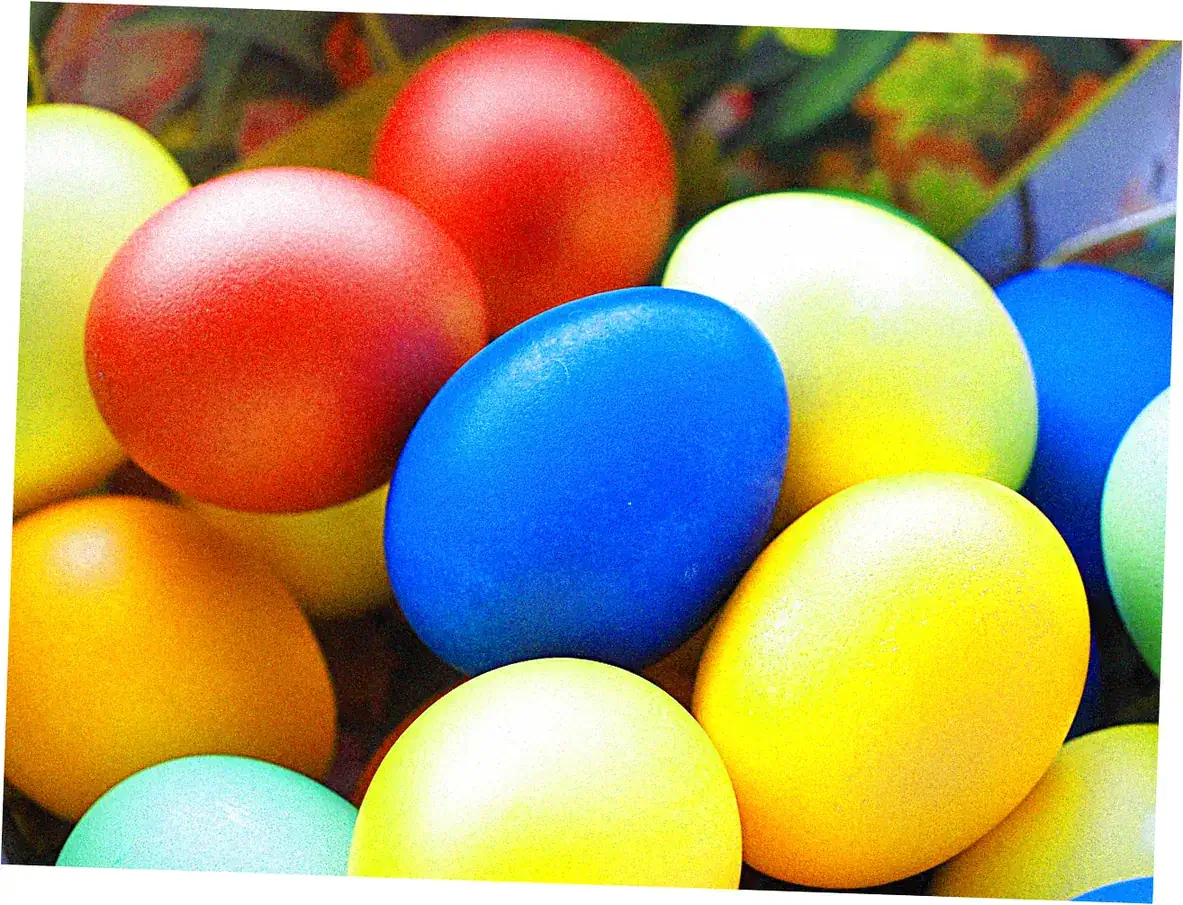
Easter is celebrated in all sorts of ways across Europe. In Greece, Orthodox traditions feature candlelit processions and roasting lamb on spits. Over in Poland, Śmigus-Dyngus means everyone has water fights on Easter Monday.
Germany has Osterbrunnen, where they decorate public fountains with painted eggs. This custom started in Franconia but now you see it all over the country. I really loved Seville’s Semana Santa.
People in hoods carry detailed religious floats through crowded streets. The onlookers get super emotional. It’s this powerful mix of faith and art that hits all your senses.
Food is a huge part of it too. Britain has hot cross buns, Italy serves colomba cakes shaped like doves, and France prepares gigot d’agneau, which is roast lamb. Each dish tells its own cultural story.
There are modern takes too. Berlin hosts an Easter Egg Hunt at Charlottenburg Palace with 10,000 hidden eggs. Prague has markets full of handmade decorations. The trick to really enjoying these events is to respect their religious meaning.
For many, these aren’t just parties—they’re deep expressions of faith. If you’re doing anything at a church, dress modestly. And try learning a few basic phrases in the local language. It helps you connect with people way better than just watching from the sidelines.
Spring Festivals in the Americas: Color and Creativity
New Orleans Jazz Fest and Mexican Semana Santa
Spring in North America starts with the New Orleans Jazz Fest, running from late April to early May. You’ll find music legends and local chefs there, all celebrating Creole culture across 12 stages.
I’ve been three times, and the real magic isn’t just the headliners. Check out the zydeco workshops or grab some crawfish bread from the smaller tents. Over in Mexico, Semana Santa processions mix indigenous and Catholic traditions.
It’s especially vivid in Taxco, a silver-mining town where penitents carry crosses down cobbled streets covered in flowers.
South America has some vibrant spring festivals too. In Brazil, Ouro Preto’s Easter features Baroque music in gorgeous gold churches. Argentina’s Fiesta Nacional de la Vendimia in Mendoza has parades where dancers throw grapes for the wine harvest.
A lot of these festivals blend history and culture. You can see the Day of the Dead’s influence with marigold decorations and sugar skulls at many spring events.
If you’re traveling, join in community activities like making cascarones—those are confetti-filled eggs. It helps you connect way more than just watching. Always check the local schedules though—some processions need tickets booked months in advance.

Indigenous Celebrations and Modern Adaptations
Native American communities hold deep spring rites that most tourists don’t know about. The Navajo Nation’s Ye’i Bi Chei dances pray for good crops, and Pueblo tribes do cloud dances to bring rain.
Most ceremonies are private, but you can sometimes join public events like the Cherokee’s First Bloom Festival, where they explain medicinal plants. Just remember to be respectful: don’t take photos where
it’s not allowed, and avoid asking pushy questions. For a modern take, Santa Fe’s International Folk Art Market in July has spring-themed textiles. It’s a great option if you love culture.
Cities also get creative with spring. Toronto’s Canadian Tulip Festival uses over a million flowers to honor WWII history. San Francisco’s Cherry Blossom Festival blends Japanese traditions with American style.
These events show how immigrant communities keep their heritage alive and add to the cultural mix. Support them by buying from local artisans instead of grabbing mass-produced souvenirs. I still love my hand-painted tulip vase from Ottawa—it’s a special memory of cultural exchange.
Culinary Highlights of Spring Festivals Worldwide
Symbolic Foods and Seasonal Delicacies
All around the world, spring festivals have foods that really capture that feeling of new life and plenty. In China, dragon beard candy and spring pancakes symbolize waking up from winter.
Over in Japan, you’ve got sakura mochi—it’s wrapped in pickled cherry leaves and tastes sweet and floral. For Persia’s Nowruz, they set a special table called haft-sin. It has seven symbolic items, like sprouts for rebirth and garlic for health.
When I visited Iran, families told me how each item on that table starts conversations about their values. It’s a really tasty way for different generations to share stories.
At European Easter celebrations, you’ll often find lamb, which stands for sacrifice, and eggs for new life. Poland’s żurek, a fermented rye soup, is especially awesome.
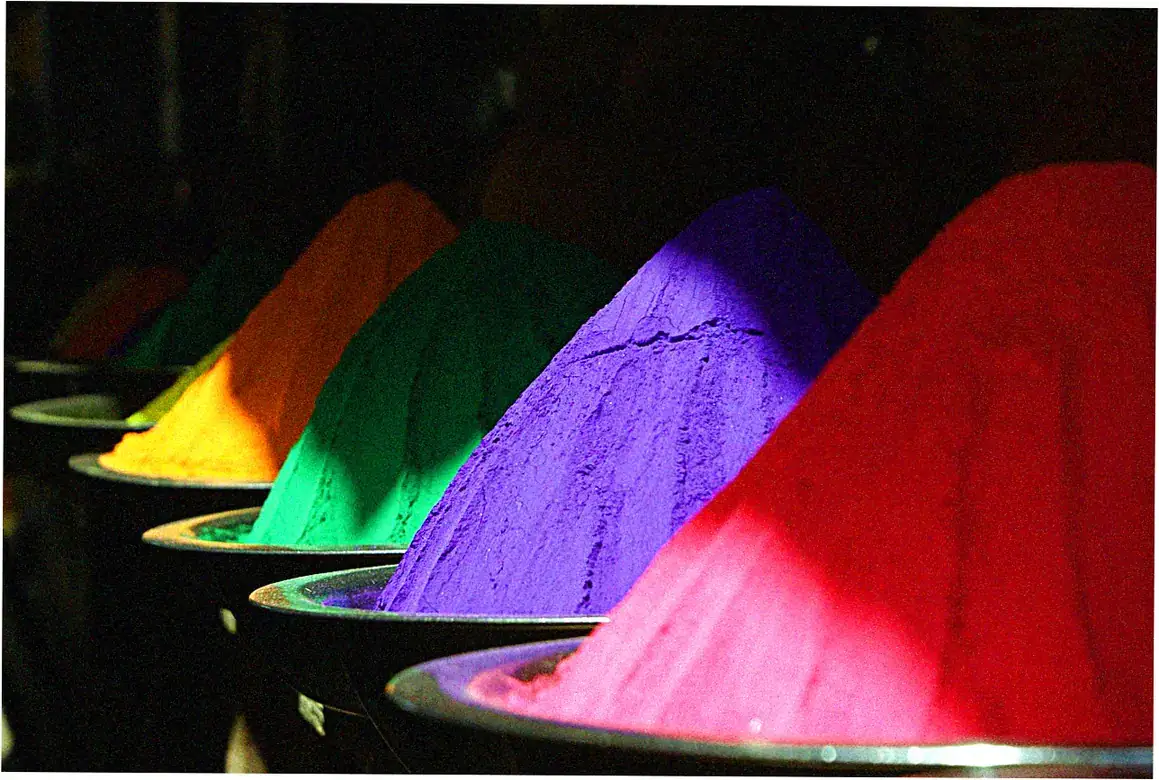
Street food is a great, easy way to get into a culture. At Thailand’s Songkran festival, try khao chae—it’s rice in jasmine-scented water. And in some parts of India during Holi, they serve bhang pakoras, which are fritters made with cannabis.
These days, food tours like Istanbul’s Nowruz Walk or Mexico’s Semana Santa Food Trail are great. They help travelers try all these special foods safely. Just remember to think about hygiene.
Pick stalls that are busy with lots of customers, and maybe bring something for your stomach if you try new stuff. Also, keep in mind some foods are part of religious ceremonies. If you’re at a temple, always ask before you take pictures or eat any offerings.
Cooking Workshops and Market Tours
Getting hands-on with cooking really makes you appreciate festival foods more. In Bangkok, the Amita Cooking Class shows you how to make Songkran dishes, like mango sticky rice.
Over in Florence, their Easter workshops teach you to bake a dove-shaped cake called colomba. I totally recommend taking a salsa-making class in Oaxaca during Holy Week.
I learned to toast chilies with local grandmothers, and it taught me more about Mexican culture than any museum ever could. Lots of these classes happen in people’s homes, which gives you a real peek into everyday life away from the tourist spots.
Local markets are packed with spring ingredients. Check out Madrid’s Mercado de San Miguel for Easter lamb, or hit up Tokyo’s Tsukiji Outer Market for snacks that taste like cherry blossoms.
Farmers markets, like the Castroville Artichoke Festival in California every May, celebrate what’s in season with cool cooking demos. If you’re making your own food, these markets are perfect for grabbing picnic stuff.
Picture this: eating homemade onigiri under blooming cherry trees! Always get there early for the best picks, and don’t forget cash—a lot of sellers don’t take cards. Chatting with the growers can often score you an invite to local events you won’t find advertised anywhere online.
Planning Your Spring Festival Journey: Practical Guide
Timing, Budgeting and Booking Strategies
If you want to travel during the best spring festivals, you gotta plan carefully. During busy times, hotel prices can triple. For China’s Spring Festival, book your train tickets 60 days early. Use apps like Trip.
com—they have English support. Japan’s cherry blossom season needs even more advance planning. Fancy ryokans near the best spots get booked a whole year in advance. Here’s my tip: try smaller cities.
Skip Kyoto and check out Kanazawa’s Kenrokuen Garden instead. The blossoms are just as gorgeous, with way fewer people. Traveling during shoulder seasons is a good compromise. Hit up D.C. in the first week of the cherry blossom festival. Crowds are smaller, even if not all flowers are out.
Get creative with your budget. Eastern Europe’s Easter festivities cost way less than the West’s. Poland’s events are just as cool, and hostels are only around $25 a night. Think about house-sitting or using points to save on places to stay.
I saved 60% for Valencia’s Fallas festival by renting a place in nearby Gandia. It had train access, so it was easy to get there. Festival passes, like the brass passes for New Orleans Jazz Fest, offer VIP perks without breaking the bank.
Always remember—transport strikes happen a lot during European holidays. Have a backup plan and get travel insurance that covers cancellations from bad weather or trouble.
Cultural Preparation and Responsible Participation
Know the etiquette so you don’t accidentally offend anyone. Learn a few local greetings and check the dress code—cover your shoulders for church, and dress modestly at Asian temples. Grab a translation app like Google Translate.
The conversation mode helps in real time. At events where photos aren’t allowed, like some Native American ceremonies, respect the signs. Try sketching or writing in a journal—it makes a nicer souvenir anyway.
I always bring little gifts from back home for hosts. Canadian maple candies started more chats than any phrasebook ever did.
Support the local community the right way. Pick guesthouses run by locals, not big chains. Hire guides who are certified by the tourism board. Skip events that use animals in a bad way.
Even though some Spanish festivals have donkey drops, there are better options. Be kind to the environment. Bring a reusable water bottle and don’t do balloon releases—they’re common but not eco-friendly.
Finally, go with the flow. My best memory was crashing a family’s picnic during Seoul’s cherry blossom festival. It wasn’t planned, but it made the whole trip. Sometimes the best experiences happen when you wander off plan.
Conclusion and Next Steps
Spring festivals give you amazing chances to see real traditions in action. You can’t get that from any textbook. Maybe you’re munching dumplings in Beijing’s hutongs.
Or maybe you’re dancing with samba schools in Rio. Either way, these moments totally change how you see different cultures. First, figure out what kind of festival fits you. Are you into food, art, or something spiritual?
Pick what matches your vibe. Sign up for their newsletters so you know when things are happening. Also, hit up local tourism boards—they’ll give you the real inside scoop. And always be respectful when you join in.
It makes the experience better for everyone—locals and visitors alike. You’re building connections that last way beyond spring. So, your awesome spring adventure is waiting. Where will you go to welcome the new season?
Got questions? Here are some FAQs!
So what makes spring festivals stand out from other seasonal events?
Spring festivals are all about rebirth and renewal. They often connect to farming cycles or stories of resurrection. They’re not like regular holidays. Everyone gets involved—making huge puppets for parades or cooking special foods as a group.
Since they’re timed by the moon or nature—like when cherry blossoms bloom—they feel urgent and fleeting. That really amps up the excitement.
With so many spring festivals out there, how do you pick one to go to?
Think about what you’re into. Love food? Check out China’s Spring Festival for all kinds of dumplings, or Spain’s Fallas for street paella contests. If you’re into nature, Japan’s cherry blossoms or Holland’s tulip season are perfect.
Your budget and schedule matter too. Asian festivals might mean a longer trip but cheaper costs on the ground. European ones could cost more but are quicker to get to from the US. And don’t forget to check if you need a visa and how stable things are politically.
Are there spring festivals that are good for families with little kids?
Lots of spring festivals are great for families. In Japan, hanami means picnics in parks with plenty of room for kids to run around. Thailand’s Songkran has water fights that kids love—just stick to the family zones in Bangkok.
Germany’s Easter markets have craft workshops, and D.C.s Cherry Blossom Festival has kite flying and parades. Just make sure to check if strollers can get around and if there are baby facilities—some old spots might not have much.
What mistakes do people often make at spring festivals their first time?
A lot of people pack too much into their schedule. Festivals move slowly because of the crowds. Don’t underestimate the weather either—spring can be rainy or surprisingly hot.
Watch out for cultural slip-ups, like wearing the wrong clothes for religious events or touching stuff you shouldn’t. And don’t just rely on digital maps—streets often close for festivals, which can mess up your navigation. Bring printed copies of your schedule and hotel address just in case.

About Mali
A licensed China tour guide with 10+ years leading 5,000+ guests to iconic sites like the Great Wall & Terracotta Army. Expert in seamless tours, cultural insights, and VIP access!