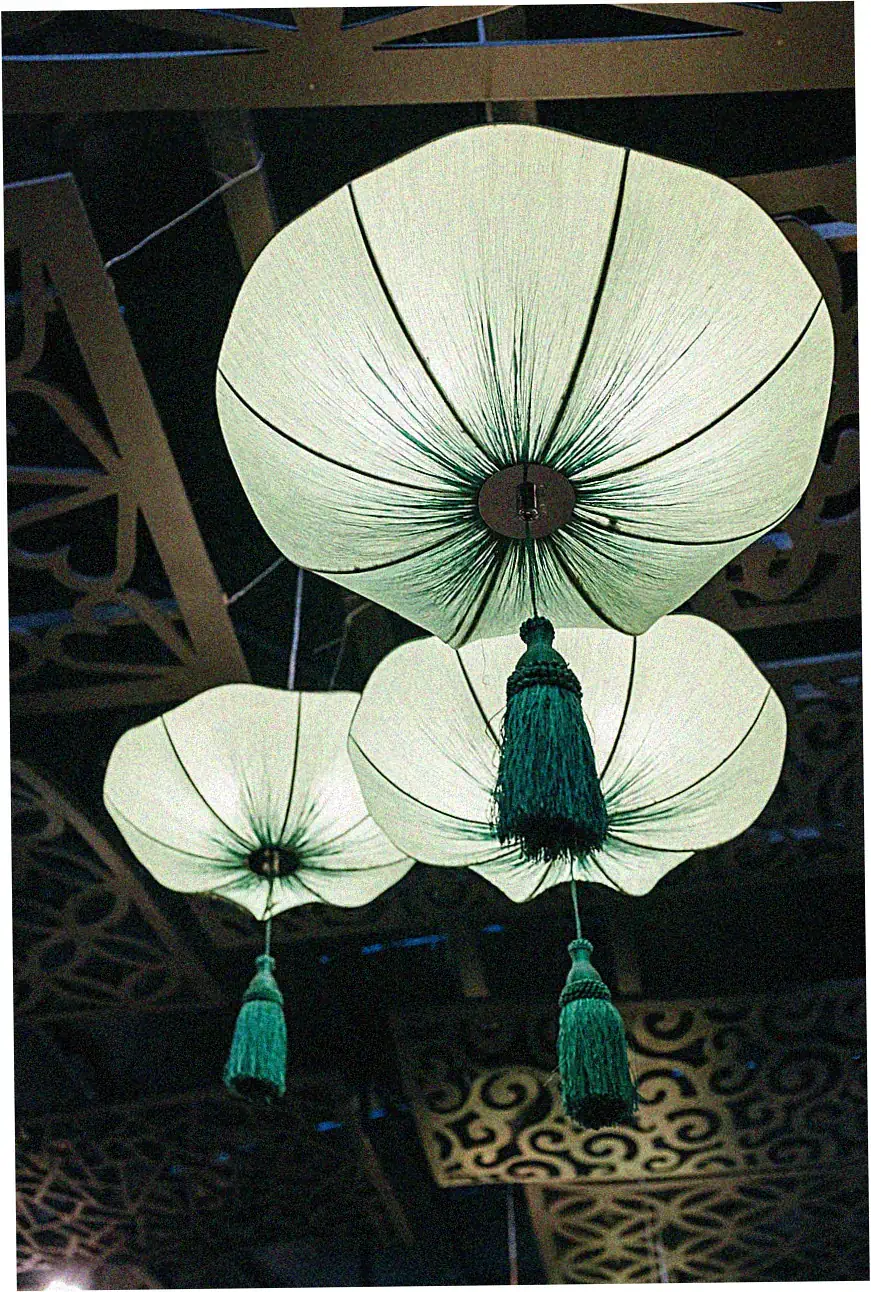
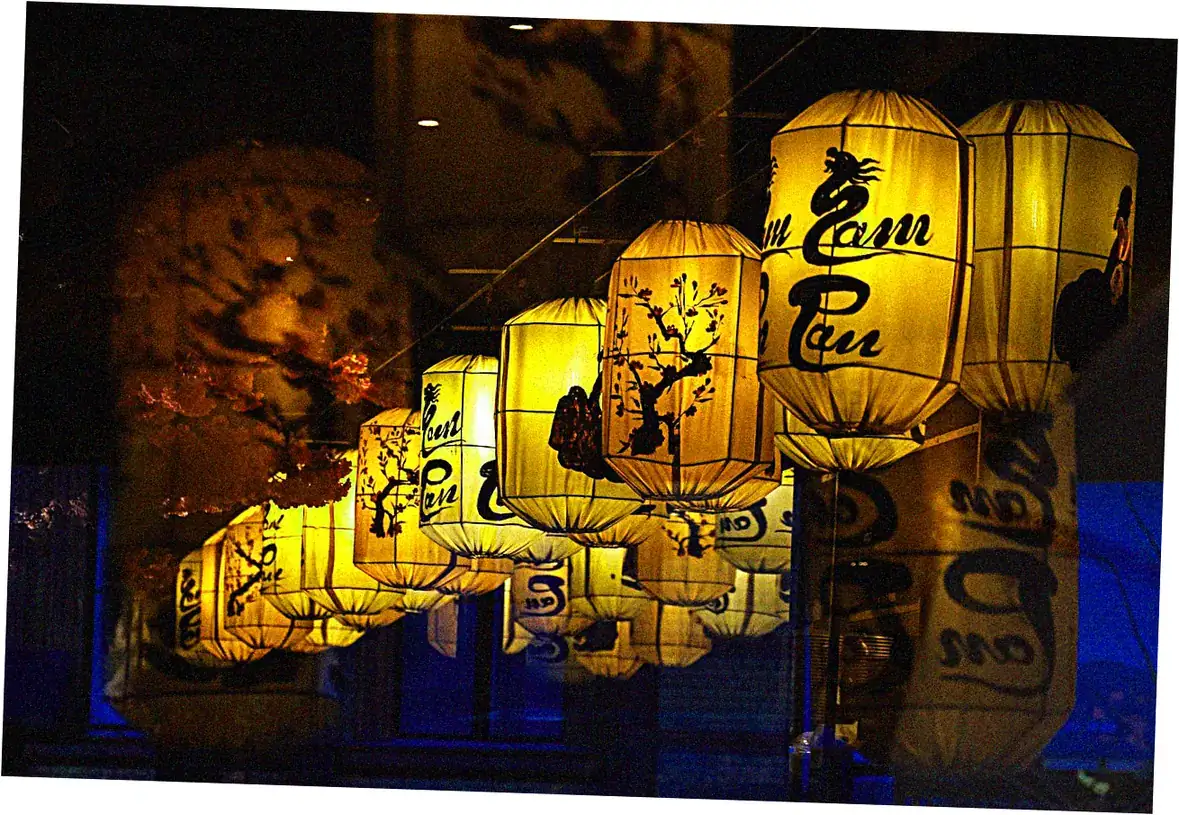
When evening falls in China, something magical happens. The China Lights Festival isn’t just any event – it’s an amazing cultural show where old traditions meet modern wonders. These festivals usually happen during traditional holidays like the Mid-Autumn Festival. They light up cities with huge silk lanterns, detailed light sculptures, and awesome themed displays. Visitors from around the world, including those planning their tour Beijing 2023, flock to these radiant celebrations. They’re not just pretty to look at – they’re like living museums. They show folk stories, history, and the amazing skills of the artists who make these glowing wonders. This makes them really important for cultural tourism and night-time beauty.
Table of Content
- Historical Roots and Cultural Significance of Chinese Lantern Festivals
- Major China Lantern Festival Destinations and Events
- Best Times to Visit and Weather Considerations
- Cultural Etiquette and Festival Participation Tips
- Culinary Delights: Festival Food and Mooncakes
- Planning Your Trip: Logistics and Travel Advice
- Beyond the Lights: Combining Festivals with Broader Tourism
- FAQ
Historical Roots and Cultural Significance of Chinese Lantern Festivals
Origins and Evolution
Lantern festivals started more than 2000 years ago, back in the Eastern Han Dynasty. They were first connected to Buddhist ceremonies. Emperor Ming, who really supported Buddhism, told people to light lanterns in temples to honor Buddha.
This custom slowly caught on with regular folks too. By the time of the Tang Dynasty, it turned into a huge public party. It came to stand for peace, forgiveness, and hoping for good times ahead.
These days, events like the famous Zigong Lantern Festival keep these old themes but add cool modern tech. It’s like a chat between the past and now, and it totally fascinates both history buffs and visitors.
Symbolism in Lantern Designs
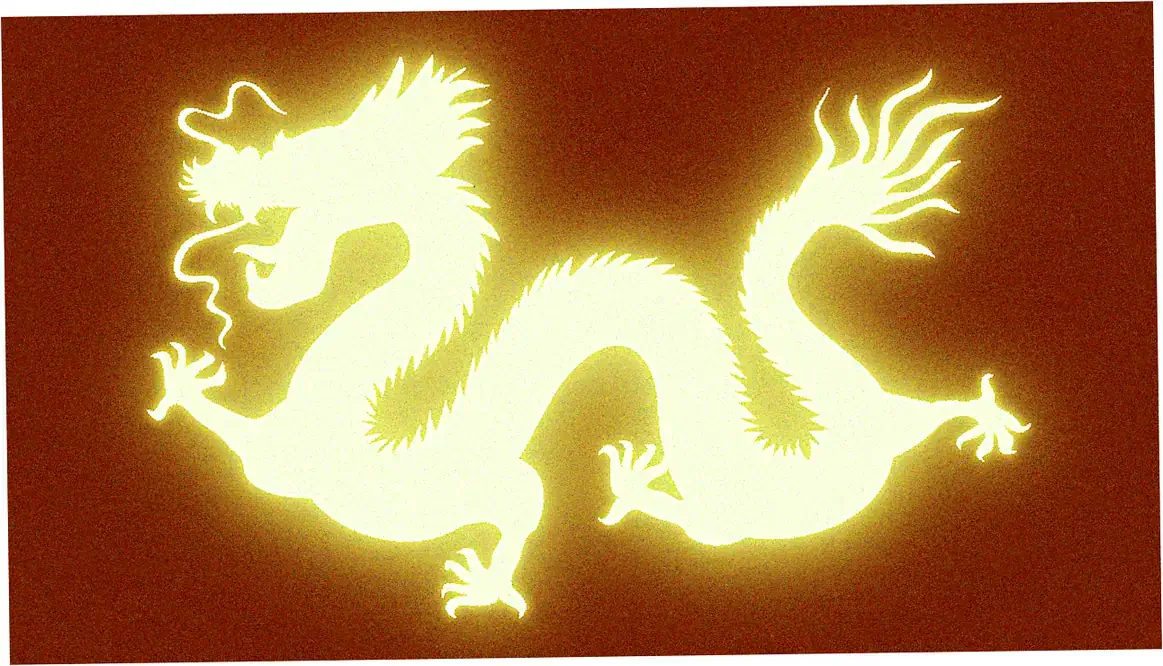
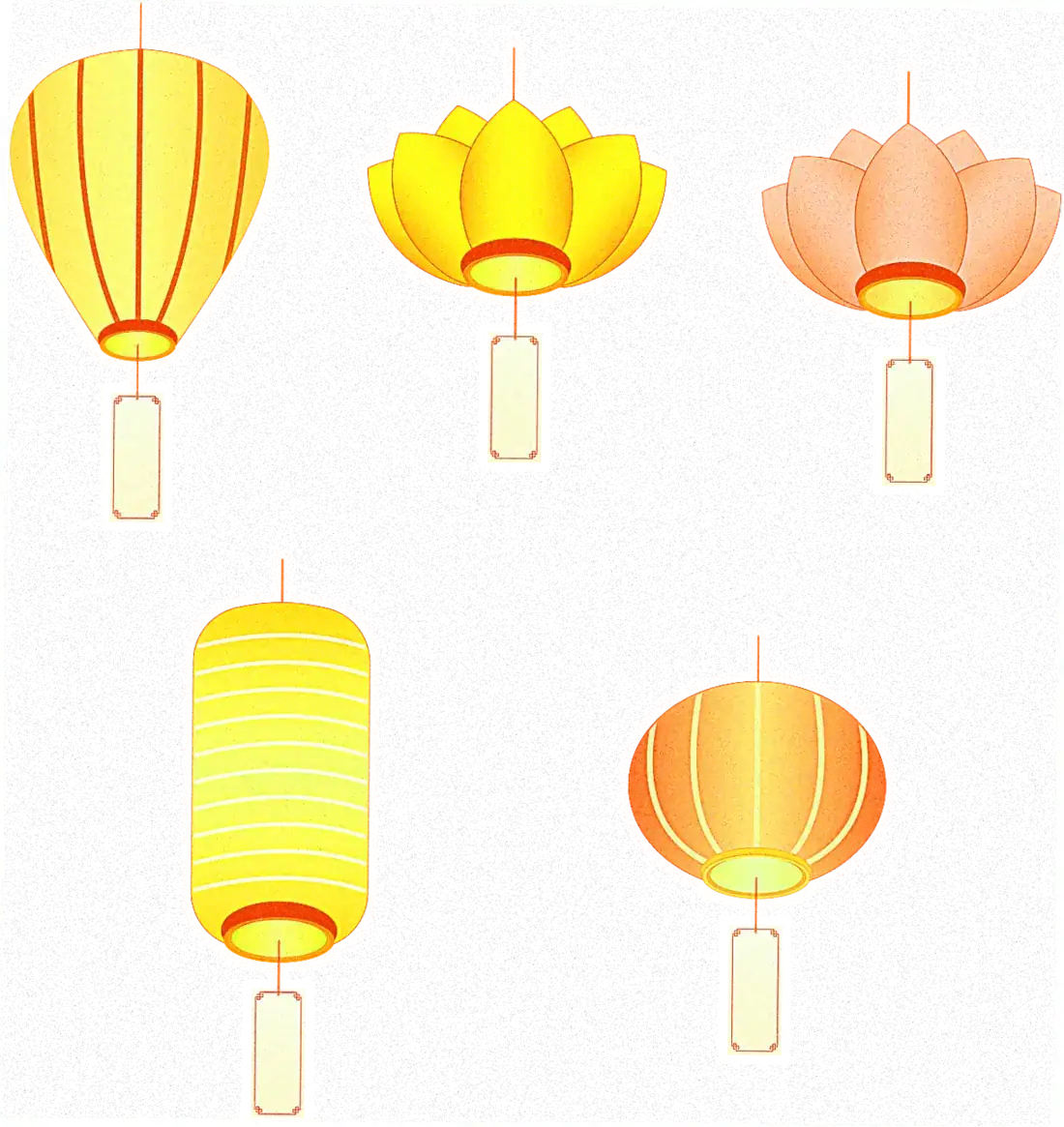
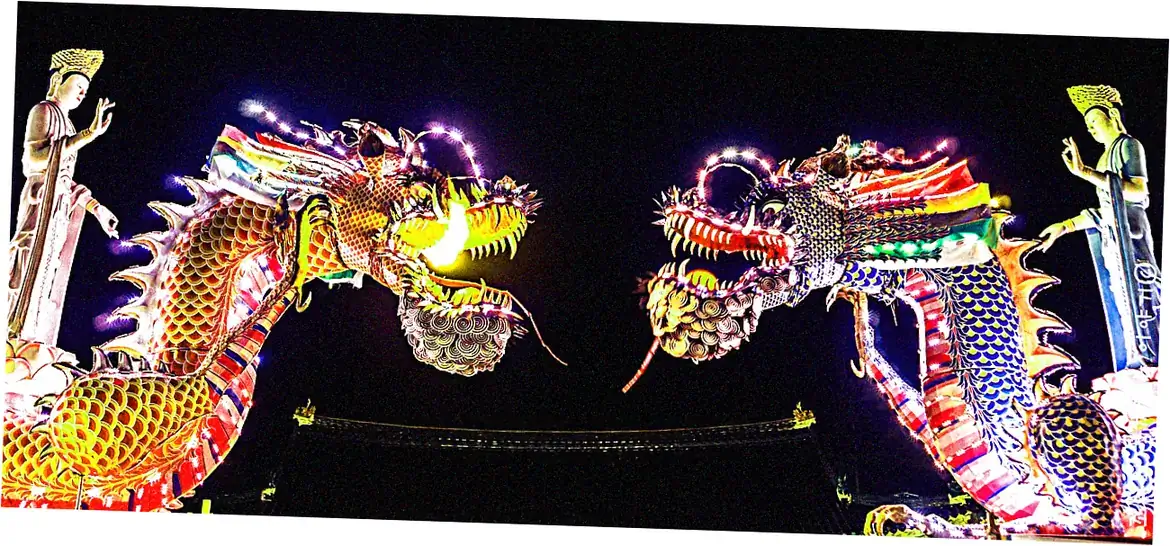
Every glowing dragon, lotus flower, and zodiac animal you see at night is packed with meaning. Dragons mean power and good luck. Lotuses stand for purity and enlightenment. At the Mid-Autumn Festival, you’ll see rabbit-shaped lanterns.
They’re a shout-out to the old story about the moon goddess, Chang’e. These symbols aren’t random. They’re like a visual language that shares blessings, deep thoughts, and holiday wishes.
Getting what these symbols mean makes you appreciate it way more. A simple walk through the festival turns into a cool trip through Chinese culture and everyone’s shared hopes.
Major China Lantern Festival Destinations and Events
Zigong International Dinosaur Lantern Festival
The Chinese government calls Zigong’s festival the Number One Lantern in the World, and it’s definitely the top dog. It’s in Sichuan Province, has a history going back thousands of years, but the scale is totally modern.
You’ll see hundreds of huge, detailed sets there, covering dozens of acres. One recent exhibition even had a 200-meter-long dragon lantern that set a Guinness World Record.
Zigong is so famous for its skills that it sends lanterns and craftsmen all over the world. For real lantern fans, Zigong is the place to go. The size and artistry are unbelievable—you have to see it for yourself.
Beijing Yu Yuan Tan Light Show
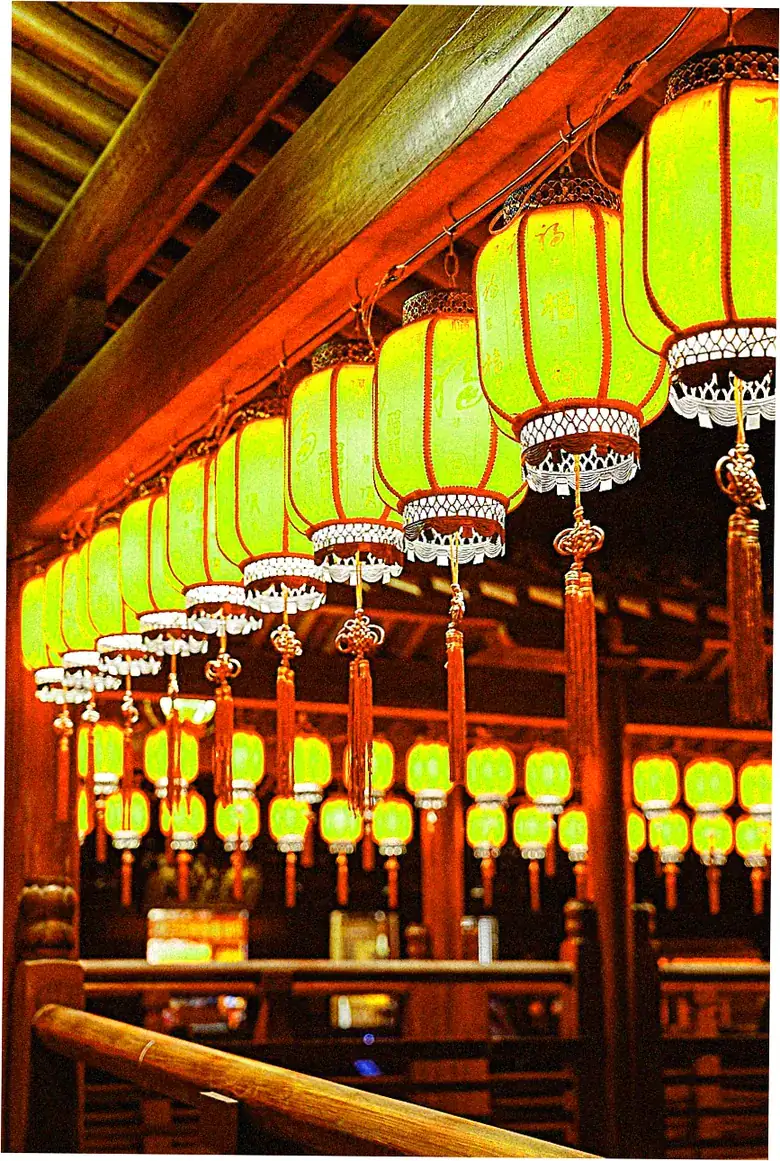
For travelers crafting their tour Beijing 2023 itinerary, the Yu Yuan Tan Park Light Show is a autumnal highlight, typically coinciding with the Mid-Autumn Festival. The park’s pavilions, lakes, and paths make a beautiful natural backdrop for all sorts of themed light displays. Recent themes have covered everything from old classics like Journey to the West to futuristic scenes. It’s cozier than Zigong, great for families or anyone who wants a nice evening out. You get beautiful nature and artful lights, all right in the middle of Beijing.
Best Times to Visit and Weather Considerations
Seasonal Timing Across Different Regions
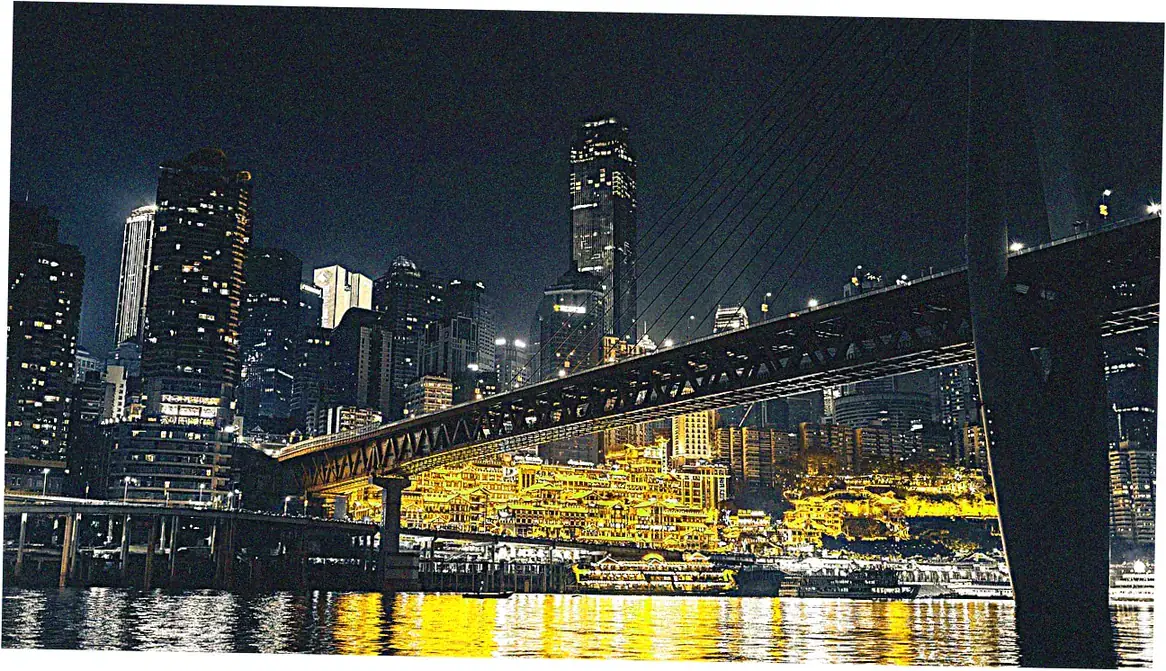
The most famous lantern festival happens during Lunar New Year, but lots of big events also pop up around the Mid-Autumn Festival—that’s usually in September or October. That timing means most parts of China enjoy nice autumn weather. But keep in mind, the weather can really change from place to place. A festival in cooler northern Beijing requires warmer layers, while attending one in subtropical Xiamen weather and climate demands light, breathable clothing. So it’s super important to check out the local weather where you’re going. Take Xiamen—it’s by the sea, so evenings can get pretty humid. Dressing right means you stay comfy while enjoying those amazing lights.
Navigating Regional Climates
Getting a handle on the local weather is a big part of your plan. Up in northern cities like Beijing, you get four clear seasons—cold dry winters and hot rainy summers. Autumn is the perfect time to go—it’s mild and just right. Conversely, southern destinations like Guangzhou or Xiamen weather and climate are subtropical, meaning they can be hot and humid year-round with a rainy season in spring. So check a trusty forecast about a week before you go—that way you pack just right and the rain won’t ruin the awesome light show you came all this way to see.
Cultural Etiquette and Festival Participation Tips
Appropriate Behavior and Photography
First things first, show respect. Remember, the China Lights Festival is about culture, not just snapping pics. Keep your voice down, don’t touch the lanterns unless allowed, and stick to the paths.
Feel free to take photos, but watch out—don’t block anyone’s view. If you wanna use a tripod, you might need to ask first. Just be patient and wait your turn instead of squeezing through the crowd. You’re a guest here—being thoughtful makes it fun and safe for everyone.
Interactive Activities and Local Customs
Many festivals offer interactive experiences like writing wishes on small lanterns to be released or solving riddles attached to them—a tradition called (cāi dēng mí). Jump in and join—it’s a great way to really experience the festival. It’s also common to share mooncake festival wishes in English or Mandarin with new friends. Phrases like Wishing you a bright and joyful celebration! (!) bridge language barriers. When you join in nicely, you’re not just watching—you’re sharing the fun and spirit of the festival.
Culinary Delights: Festival Food and Mooncakes
Traditional Snacks and Street Food
At the China Lights Festival, you’ll experience it with all your senses, and the food is a big part of that. Food stalls line all the pathways, packed with all kinds of amazing local snacks.
In Beijing, you might find sugar-coated hawthorns (, táng húlu); in Sichuan, spicy skewers are a must. These tasty treats really add to the festival vibe, giving you energy and warmth while you wander around.
It’s a real food adventure, so go ahead and be brave—try something new! Trying the local food lets you taste real regional flavors and traditions that families have perfected for years.
The Role of Mooncakes and Sharing Wishes
And when it’s the Mid-Autumn Festival, mooncakes are definitely the star of the show. These pastries are rich and sweet—filled with things like lotus paste or salted egg yolk. But they’re more than just food; they symbolize reunion and good wishes. Sharing mooncakes with friends under the lantern-filled sky is a special tradition. It’s also the perfect time to exchange mooncake festival wishes in English or Chinese, expressing hopes for happiness and family. Sharing both the cake and good vibes brings people closer and really captures what the festival is all about—harmony and being thankful.
Planning Your Trip: Logistics and Travel Advice
Accommodation and Transportation
Big festivals like the China Lights Festival get super crowded, so you gotta plan ahead. Book your hotel months early—try to find one you can walk from or just take a quick metro ride to the festival.
Getting between cities is easy on China’s high-speed trains. Say you’re going from Beijing to Zigong for the lantern festival—you can fly to Chengdu first, then hop on a train.
When you’re in the city, use apps like DiDi—it’s like Uber—and check metro maps to get around. Grab your China Lights Festival tickets online before you go. That way you skip long lines and sold-out days, and your whole trip goes smoother.
Creating a Flexible Itinerary
It’s smart to have a plan, but stay flexible too. Give yourself extra time at the festival—some lantern displays have really long lines. Mix in some daytime fun too, like checking out a museum or temple, along with seeing the lanterns. Always have a backup plan for rainy days, especially given considerations like Xiamen weather and climate can be unpredictable. Mix some must-see spots with free time to explore. You’ll really feel the festival vibe and might find some cool surprises—that’s what makes your trip special.
Beyond the lights: mix festivals with more tourism fun.
Blend festivals into a bigger China trip.
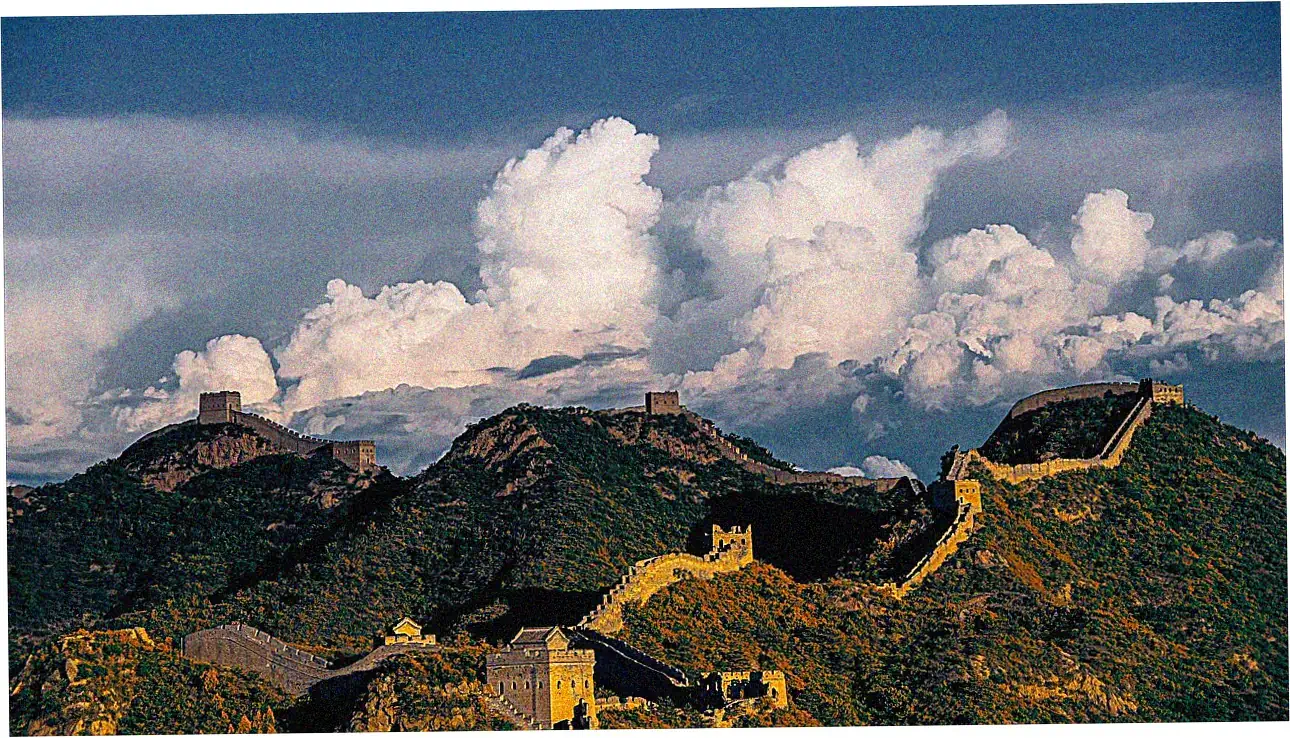
Don’t just go only for the China Lights Festival. Make it the highlight of a bigger adventure. Structure your tour Beijing 2023 around the Yu Yuan Tan show, also visiting the Forbidden City and Great Wall. If you’re going to Zigong, check out Chengdu too—see the pandas and try some spicy food. This way, you get more culture. You’ll see the lantern designs pop up in museums, buildings, and everyday life. It makes your trip deeper and more complete. The festival becomes the sparkling finale of your Chinese culture deep dive.
Find festival fun off the tourist trail.
Besides the big shows, smaller local festivals have a cozy vibe. Try a village party in Fujian or a temple event in rural Shanxi. They’re less about business, more about community.
You could see traditions kept alive by one family of artists over generations. These hidden spots take more work to find, but they pay off with realness and a personal touch. They show how the lantern festival spirit is everywhere in China—from huge displays to quiet, meaningful moments.
FAQ
What is the most famous lantern festival in China?
If you’re talking about China lights festivals, the Zigong International Dinosaur Lantern Festival in Sichuan is the big one everyone knows. It’s famous for being huge, having deep history, and the lantern designs are just amazing—they even break world records sometimes.
When is the best time to see lantern festivals in China?
Most of these China lights festivals happen around Lunar New Year, like in January or February. But you can also catch some big ones during the Mid-Autumn Festival in September or October. Fall weather is nicer and cooler, so a lot of international travelers prefer that time.
What should I wear to an outdoor lantern festival in China?
First thing—check the weather forecast! Make sure you wear comfy shoes since you’ll be walking a lot. It can get chilly at night, so layering up is a good idea.
If you’re heading south—like to Xiamen—go for breathable clothes because it can get pretty humid. And don’t forget a light jacket or umbrella, just in case it rains.
Are China Lantern Festivals suitable for young children?
Oh, for sure! China lights festivals are totally great for families. Kids love all the bright colors and huge lantern sculptures. Lots of festivals have interactive areas, displays made for kids, and tons of yummy and safe food—it’s fun for everyone, no matter how old you are.

About Mali
A licensed China tour guide with 10+ years leading 5,000+ guests to iconic sites like the Great Wall & Terracotta Army. Expert in seamless tours, cultural insights, and VIP access!