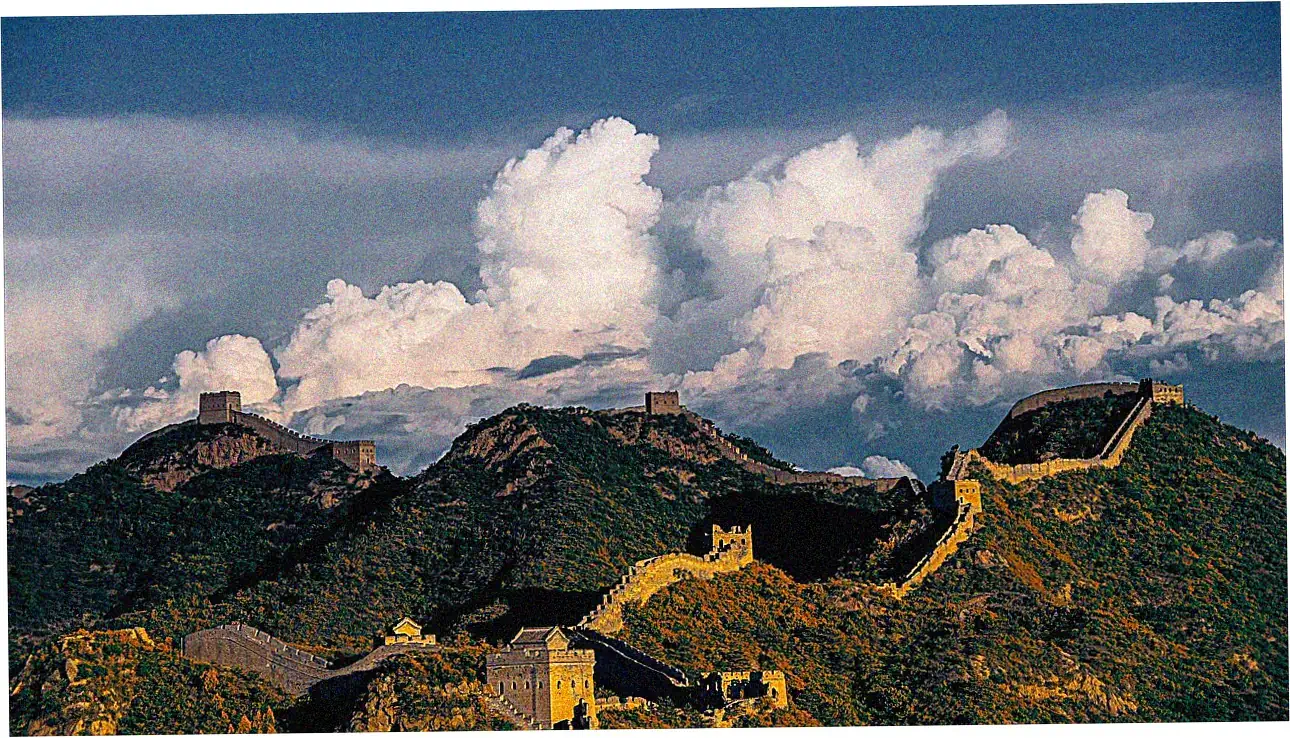
Mount Emeis definitely a UNESCO World Heritage Site. It got this status back in 1996, together with the nearby Leshan Giant Buddha. This holy Buddhist mountain in China’s Sichuan Province earned recognition because it’s really important both culturally and naturally. It actually met several of UNESCO’s requirements. The place has amazing natural scenery and deep religious history. You’ll find old temples, varied ecosystems, and special rock formations there. For hundreds of years, these have drawn both religious visitors and regular tourists.
Table of Content
Mount Emei’s UNESCO World Heritage Designation
Official Recognition and Criteria
World Heritage Inscription: Mount Emei did become a UNESCO World Heritage Site, along with the Leshan Giant Buddha. This happened back when the World Heritage Committee met in Merida, Mexico for their 20th session.
UNESCO gave it this status because it met three important criteria. It has amazing Buddhist buildings and culture, it’s connected to living traditions, and it’s got incredible biodiversity.
The whole World Heritage area is huge, covering about 15,400 hectares. You’ll find over 30 really well-kept temples there, some going all the way back to the 1st century AD.
Cultural Significance: Mount Emei has been spiritually important for almost 2,000 years. It’s actually one of China’s four most sacred Buddhist mountains. I remember visiting when I was doing my certification program on Asian religious sites.
I saw for myself how places like the Golden Summit and Wannian Temple show how architecture changed across different Chinese dynasties. What’s really special is how nature and religious buildings blend together. It creates this unique cultural landscape where spirituality and nature just work in harmony.
Protected Areas and Boundaries
Core Protection Zones: The World Heritage site includes three main protected areas. There’s the Mount Emei core zone at 15,400 hectares, the Leshan Giant Buddha area at about 18 hectares, plus buffer zones that add up to around 63,290 hectares.
They manage these areas really strictly to protect both the cultural treasures and natural environments. There are specific rules about building stuff, where visitors can go, and conservation work.
| Type of Zone | Size in Hectares | Main Protection Purpose |
|---|---|---|
| Core Zone | 15,400 | Protecting ancient temples and natural scenery |
| Leshan Giant Buddha Area | 17.88 | Preserving the stone carvings |
| Buffer Zone | 63,290 | Protecting the ecosystem |
Cultural and Religious Significance
Buddhist Heritage and Temples
Mount Emei is one of China’s Four Sacred Buddhist Mountains, and it’s closely tied to Samantabhadra Bodhisattva, who stands for compassion and practice.
The mountain has lots of working monasteries, including the amazing Golden Summit Temple way up at 3,077 meters high. When I researched for the International Buddhist Heritage project.
I saw how these temples keep their religious traditions going while still welcoming millions of visitors every year, making it a living cultural landscape.
The temple buildings show incredible continuity over time, stretching all the way from the Eastern Han Dynasty to the Qing Dynasty. Wannian Temple was first built way back in the 4th century.
and inside you’ll find this amazing bronze statue of Samantabhadra riding a white elephant that dates to the Song Dynasty. These buildings show clever adaptation to the mountain landscape while still following traditional Chinese Buddhist design rules.
Pilgrimage Traditions
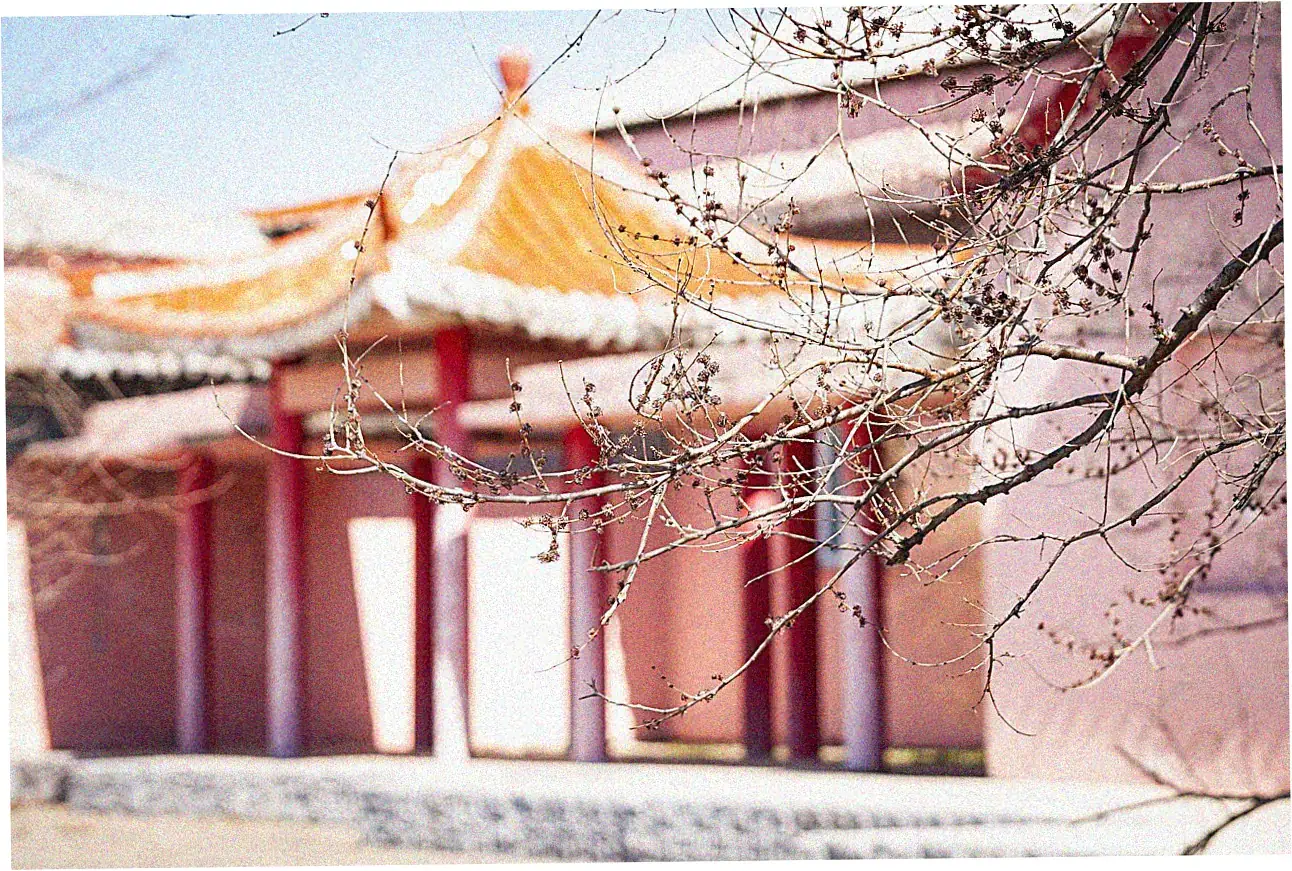
For more than 1,800 years, Mount Emei has been a major pilgrimage spot, with well-worn paths linking important religious places. Pilgrims usually start at Baoguo Temple down at the bottom and climb up to the Golden Summit.
stopping at about 30 temples along stone-paved trails. This spiritual trip tests both your physical strength and religious devotion, and many pilgrims finish the whole route as part of their Buddhist practice.
Natural Heritage Values
Biodiversity and Ecosystems
Mount Emei has amazing ecological diversity because its elevation jumps dramatically from 500 to 3,099 meters, which creates different climate zones that support incredible biodiversity.
You can find over 3,200 plant species there, including many that only grow there and are endangered, like the Emei Shan lily and dove tree. When I was doing field research for the Asian Mountain Ecosystems project.
I saw for myself how this plant variety shows a complete vertical vegetation spectrum that you hardly ever see anywhere else.
The mountain is like a wildlife sanctuary, giving essential habitat to over 2,300 animal species. This includes vulnerable animals like clouded leopards, Asiatic black bears, and especially important groups of Emei music frogs.
This biological importance was a main reason why UNESCO designated it as a World Heritage Site, recognizing it as one of the world’s key spots for protecting subtropical biodiversity.
| Type | How Many Species | Main Protected Species |
|---|---|---|
| Plants | 3,200 | Emei Shan lily, dove tree |
| Mammals | 230 | Clouded leopard, Asiatic black bear |
| Birds | 330 | Chinese monal, Temminck’s tragopan |
Geological Features
Mount Emei has unique geological formations with amazing cliffs, deep gorges, and unusual rock shapes that were formed over millions of years by tectonic activity and erosion.
The area is like a textbook example of Mesozoic intracontinental tectonic deformation, giving us valuable clues about Earth’s geological past. These features don’t just create beautiful scenery – they also help the site’s ecological diversity by providing different microhabitats.
Visitor Experience and Access
Tourism Management
Mount Emei is a World Heritage site, so they use smart tourism practices to balance visitors with protecting the environment. They limit how many people can visit each day when it’s busy, keep the walking trails in good shape to stop erosion.
and run eco-friendly transport like cable cars and buses. This way, the site stays protected but people can still enjoy all the cultural and natural wonders.
There are lots of ways to explore Mount Emei depending on what you can handle – from tough hiking trails to easy cable car rides right to the top. You’ll find good facilities too – visitor centers, guided tours.
and places to stay from simple hostels to nice hotels. As a tour guide who’s been there many times, I’ve seen how these facilities make visits better without hurting the environment.
Must-See Attractions
You’ve got to see the key cultural spots – the Golden Summit with its amazing Huazang Temple and huge golden Buddha statue, the ancient Wannian Temple full of precious Buddhist items, and the Baoguo Temple complex at the bottom of the mountain.
Each place gives you different architecture and spiritual vibes that together show why Mount Emei is so culturally important.
Don’t just see the cultural spots – check out the natural wonders too! From the summit you can see the amazing Sea of Clouds, sometimes the Buddhist Halo light effect.
and as you climb up you’ll pass through totally different plant zones. The nature and culture work together to give you the full World Heritage experience.
Conservation Challenges and Management
Preservation Efforts
There are active conservation programs at Mount Emei World Heritage Site. The management team carries out strict conservation work. This includes regularly checking cultural relics, restoring vegetation, and protecting wildlife.
Special teams look after the old structures. They use traditional methods and materials where they can. This keeps the preservation authentic. This work needs lots of money and expert knowledge. They get help from both the government and international conservation groups.
climate change Impacts: Mount Emei, like other mountain heritage sites, deals with climate change problems. Rainfall patterns are changing, which affects plants. There’s also more risk of erosion.
Now the management plans include ways to adapt to climate change. They keep monitoring the environment constantly. This helps protect the site’s special World Heritage value.
| What They Monitor | What They Check | How Often They Check |
|---|---|---|
| Cultural Heritage | How stable structures are, effects of visitors | Every three months |
| Wildlife and Plants | Numbers of important species, quality of living areas | Once a year |
| Visitor Management | How many people can visit, how happy visitors are | Daily and by season |
Sustainable Development
They’re balancing development with preservation. Nearby communities make money from tourism. They also help with conservation through sustainable job programs. Local people get training and jobs.
They work in site management, as guides, and in hospitality. This gives them economic reasons to support preservation. This shows how World Heritage status helps both cultural preservation and local community development.

Comparative World Heritage Context
Similar Global Heritage Sites
Mount Emei is a World Heritage site, just like other places that mix culture and nature, such as Greece’s Meteora and Nepal’s Sagarmatha National Park.
But what makes it really special is how it combines ongoing religious traditions, changing architecture, and lots of different plants and animals. This unique mix makes Mount Emei particularly important among World Heritage sites.
Regional Heritage Networks: In China, Mount Emei is one of several sacred Buddhist mountains, along with Wutai Shan, Jiuhua Shan, and Putuo Shan. But here’s the thing – it’s the only one recognized for both its cultural significance and natural beauty. That shows just how valuable it is, even compared to China’s other important cultural sites.
So yes, Mount Emei is definitely a World Heritage site because it brings together amazing cultural and natural features that people have worked hard to protect for our kids and grandkids.
It’s not just some tourist spot – it’s a living place where nature and spirituality really connect in meaningful ways. We’d love to hear about your visits to World Heritage sites!
Or check out our guide for planning a good trip to Mount Emei – it’ll help you appreciate this amazing cultural treasure even more.
Frequently Asked Questions
So when did Mount Emei actually get that UNESCO World Heritage Site status?
Mount Emei became a UNESCO World Heritage Site back in 1996, and it wasn’t alone – the Leshan Giant Buddha got the honor too during that year’s World Heritage Committee meeting.
UNESCO gave it this special status because it’s got incredible value on several fronts – it’s a super important Buddhist sacred mountain, plus it’s packed with amazing natural diversity.
What exactly made Mount Emei qualify as a World Heritage Site?
UNESCO picked Mount Emei for three big reasons: first, it’s got amazing Buddhist buildings and landscapes; second, it’s deeply connected to how Buddhism came to China and people still practice there today; and third, it’s home to crucial natural habitats that protect all kinds of plants and animals.
So what makes Mount Emei stand out from other Buddhist spots on the World Heritage list?
Mount Emei is pretty special because it brings together three things: people have been practicing Buddhism there for over 2000 years straight, the natural surroundings are absolutely stunning.
and you get this full range of ecosystems from bottom to top. It’s not just a cultural site or just a natural one – it’s this rare place where spiritual importance and wildlife protection come together perfectly in one protected area.
What are they doing to keep Mount Emei’s World Heritage values safe?
They’ve got a whole bunch of protection plans in place – they manage visitor numbers, keep a close eye on both the ancient relics and the environment, work on replanting vegetation, and take steps to deal with climate changes.
All this work gets backing from national laws, help from other countries, and programs that get local communities involved, making sure this incredible place stays protected for generations to come.

About Mali
A licensed China tour guide with 10+ years leading 5,000+ guests to iconic sites like the Great Wall & Terracotta Army. Expert in seamless tours, cultural insights, and VIP access!