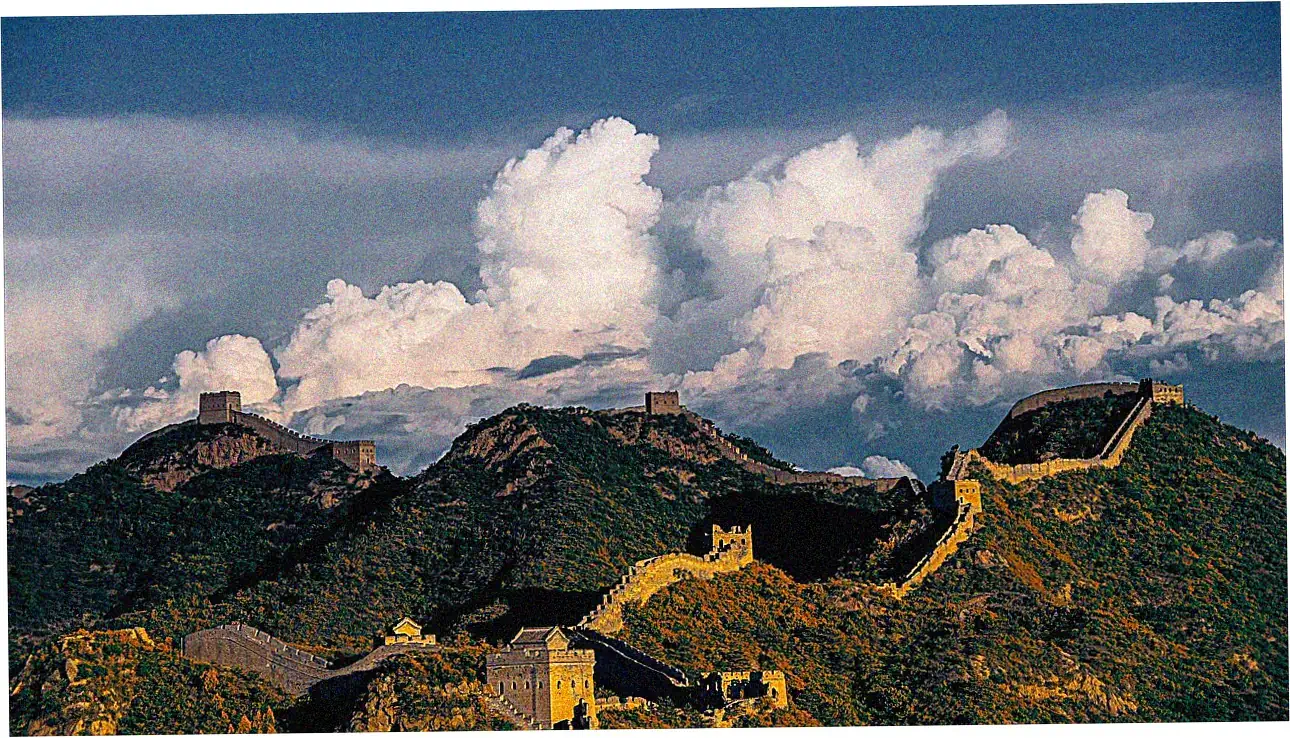
When planning your Mount Emei hike, you need to know how much time it’ll take. How long your climb takes really depends on which route you pick, how fit you are, and how much sightseeing you want to do. Some super fit people can climb Mount Emei in just one long day. But most folks spread it over 2-3 days instead. That way you get to enjoy all the Buddhist temples, amazing views, and even meet some monkeys on those winding stone paths. This guide walks you through different timing options for climbing Mount Emei. It’ll help you figure out exactly how many hours you need to tackle this famous Sichuan mountain.
Here’s what we’ll cover:
- First up, the main hiking routes and how long each takes
- Next, what really affects your climbing time
- Then, where to stay if you’re climbing over multiple days
- Also, transport options that can save you time
- Finally, how to prepare for a smoother climb
- Wrapping it up
- Excited to climb this sacred mountain? Tell us your Mount Emei plans in the comments! Or check out our hiking prep guide for more tips.
- Common questions about climbing Mount Emei timing
First up, let’s talk about the standard hiking routes and how long they take.
You’ve got several main paths to choose from, depending on where you start.
Mount Emei offers different climbing routes, and each one takes a different amount of time. The classic route starts at Baoguo Temple down at the base.
If you keep a steady pace, you’ll need 10-12 hours to reach the Golden Summit, which sits at 3,099 meters. Taking the Wannian Temple route is a bit easier and shorter – about 8-10 hours. But you’ll skip some cool spots along the way.
If you want the fastest way up, start from Leidongping and take the cable car. This cuts your hiking down to just 2-3 hours, but you miss out on a lot of the cultural experience. Most first-timers like splitting the climb over two days.
On day one, hike from Wuxiangang to Xianfeng Temple – that’s about 5-6 hours. Then finish the climb on day two, which takes another 4-5 hours.

Now let’s break down the timing for popular itineraries hour by hour.
Here’s how different hiking speeds work out for a typical 2-day climb:
| Day | Fast Hiker | Moderate Pace | Leisurely Sightseeing |
|---|---|---|---|
| Day 1 | 5 hours | 6-7 hours | 8 hours |
| Day 2 | 3 hours | 4-5 hours | 6 hours |
| Total Hiking Time | 8 hours | 10-12 hours | 14 hours |
Experienced hikers who do the whole climb in one go usually take 10-14 hours, with very few breaks. When I did the Baoguo-to-Summit route myself, it took me 11.5 hours. I kept a moderate pace and took quick breaks at Hongchunping and Xianfeng Temple. Coming down usually takes about 70-80% of the climbing time. But if your knees start hurting, it could take much longer.
II. Factors That Significantly Impact Your Climbing Duration
Physical Fitness and Altitude Considerations
Fitness Assessment: How fast you climb really depends on your cardio and leg strength. You’ll gain about 1,400 meters in elevation from most starting points, and all those stone steps really tire out your thigh muscles.
Once you get above 2,500 meters, you might start feeling the altitude, which could slow you down by 10-20% if you get mild symptoms. I’d suggest doing stair training for 4-6 weeks before your climb.
and make sure to leave some extra time to adjust to the altitude. If you’re from a low-elevation area, expect to slow down by 15-25% on that last push to the Golden Summit.

Seasonal Conditions and Crowd Levels
Weather Planning: The time it takes varies a lot depending on the season. During summer monsoon season from June to August, the stone paths get really slippery, so add an extra 1-2 hours to your climb.
Winter from December to February has amazing frozen scenery, but you’ll need crampons and to watch your step, which adds 15-30% more time to your hike. April-May and September-October have the best conditions and most predictable climbing times.
During Chinese holidays like Golden Week, crowds can double your time through tight spots like the Elephant Bathing Pool area. I did the climb in autumn on a weekday and it took me 10.5 hours, but my friend tried the same route on a holiday weekend and needed almost 14 hours.
III. Overnight Options for Multi-Day Ascents
Mountain Accommodations and Strategic Stopping Points
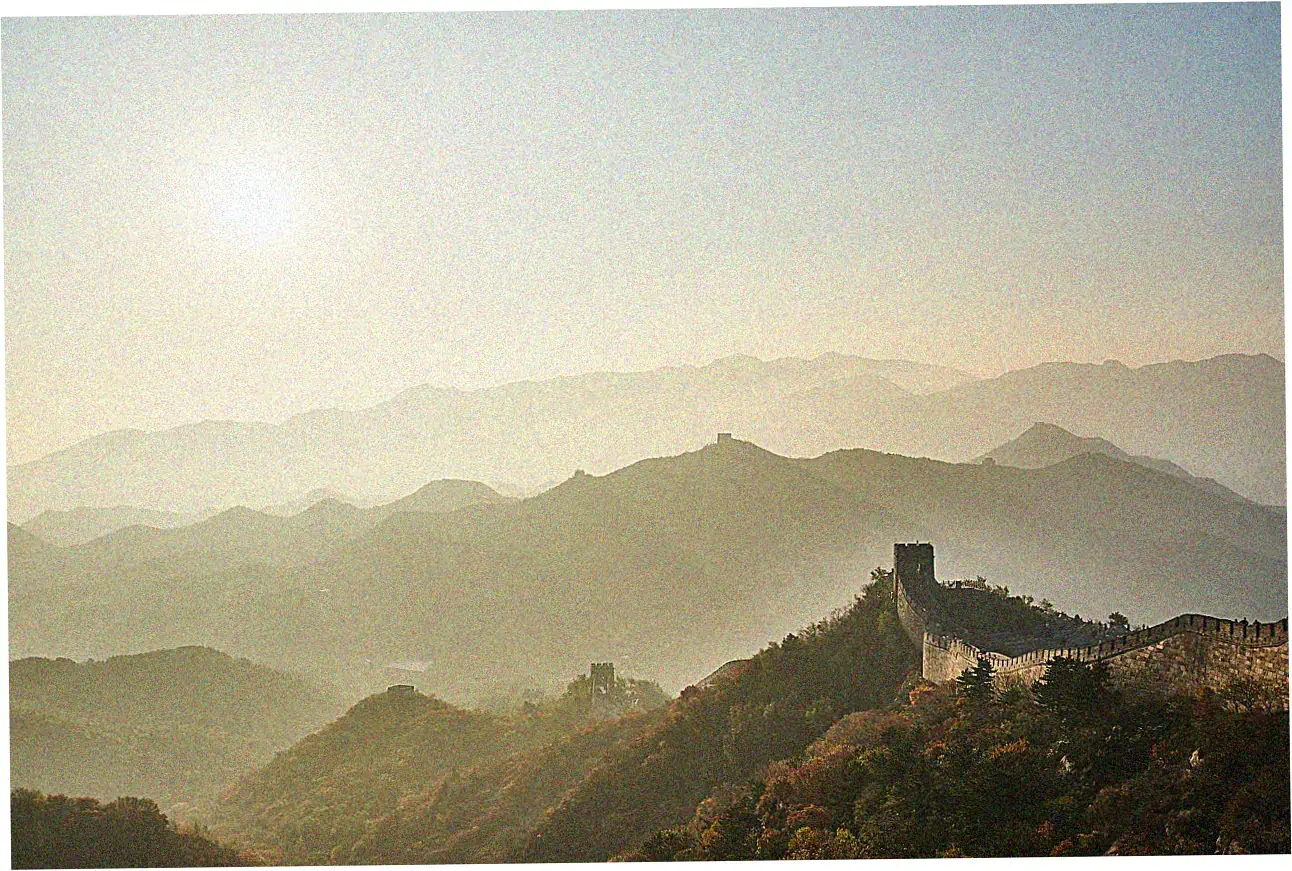
If you’re wondering how long it takes to climb Mount Emei, here’s a tip – breaking up your climb with overnight stops really helps. You’ll find monasteries and guesthouses at good spots along the way that offer basic places to sleep.
Hongchunping is about 5 hours from the start and makes a great first stop, while Xianfeng Temple takes 7-8 hours to reach but gets you close to the summit for sunrise. Make sure to book your spot 1-2 days ahead when it’s busy season.
From my experience, staying at Jieyin Hall works really well – you climb 5-6 hours the first day, then just 4-5 hours the next morning to catch sunrise at the top if you start early.
Comparing Staying at monasteries Versus Hotel Accommodations
Now let’s compare your two main options for overnight stays on Mount Emei.
| What to expect | Staying at monasteries | Mountain hotels |
|---|---|---|
| Cost per night | Runs you $15-30 | Costs $40-80 |
| Comfort level | Pretty basic with shared bathrooms | You get private rooms with standard comfort |
| Cultural experience | Real Buddhist temple vibe | Regular tourist comfort |
| How to book | Usually just show up same-day | Need to book online ahead of time |
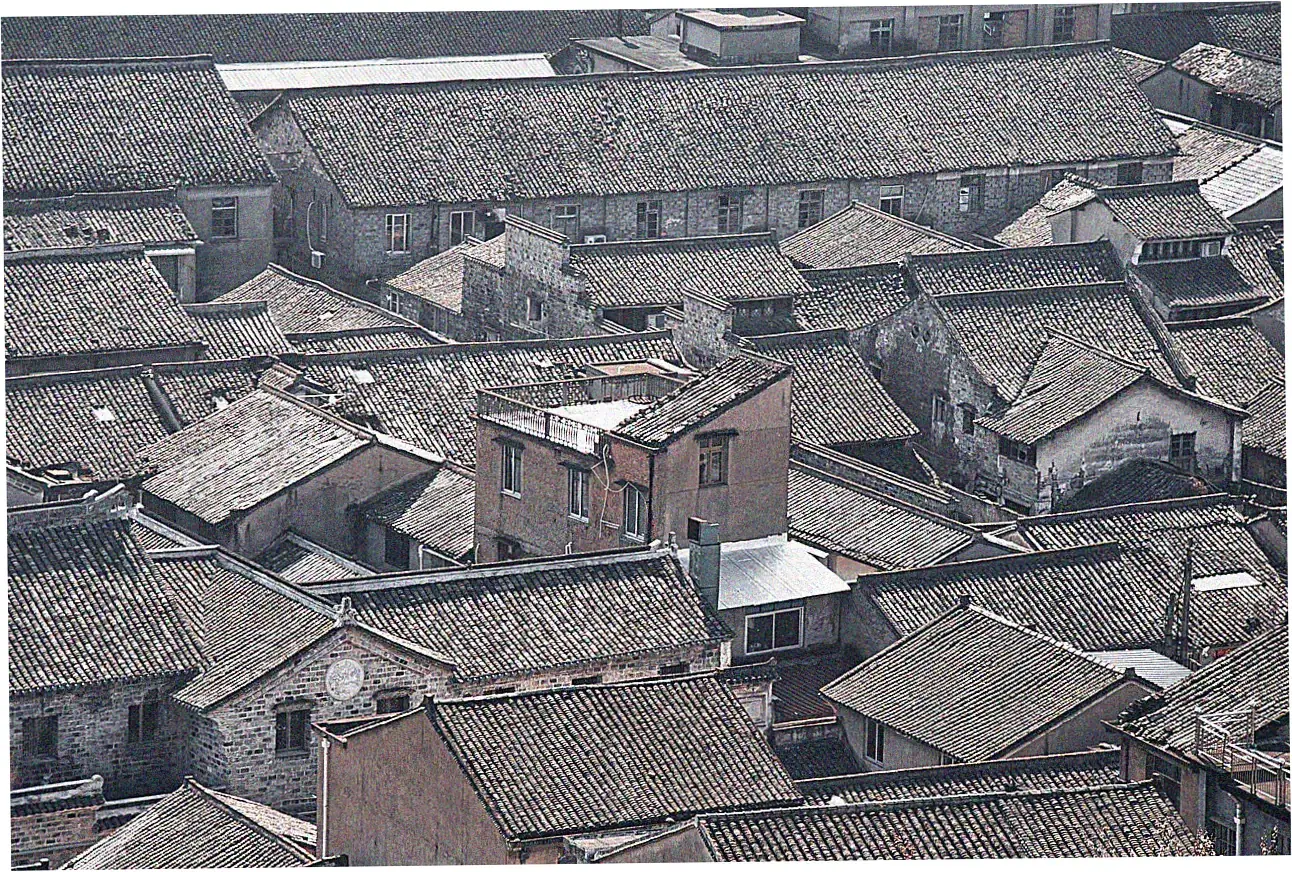
At monasteries like Xianfeng Temple, you get vegetarian food and morning chanting, but you’ll be in dorm rooms with basic facilities. Hotels around Jieyin Hall are more comfortable but you miss out on the cultural experience. What I like to do is mix both – stay at a monastery going up for the real deal, then treat yourself to a hotel on the way down to rest up.
IV. Transportation Options and Their Time Savings
Cable Cars and Buses for Partial Ascents
Transport Integration: You can save 4 to 6 hours of hiking if you take the cable cars up the mountain. There are two main cableways – one starts at Wannian Temple parking lot and goes to the middle section.
while the other goes from Leidongping all the way to the summit. If you combine bus rides with cable cars, you can choose from several shorter routes. The quickest way is taking a 90-minute bus to Leidongping.
then a 5-minute cable car to the top – this cuts your total climb time down to just 3-4 hours round trip. But you’ll miss about 80% of the cultural spots and beautiful scenery you’d see on the regular hiking trails.
Park Bus System and Entry Procedures
Transit Planning: The eco-buses can get you to the main trail starts, but you need to watch your timing. Buses from the entrance to Wannian Temple take about 40 minutes, but if you’re going all the way to Leidongping.
it’ll take 90 minutes with transfers. Buy your bus and entrance tickets together online – this helps you skip the 30-45 minute lines during busy hours. Last time I went, I saved almost two hours because I booked the full ticket package ahead of time.
First buses leave at 7 AM, and the last ones come down around 6 PM, so you’ve got to plan carefully if you’re doing a day trip.
V. Essential Preparation for Efficient Climbing
Optimal Gear and Supplies
Here’s what you need for your gear checklist – being well-prepared really makes your climb up Mount Emei smoother and more comfortable. You’ll want moisture-wicking clothes since temperatures drop about 15°C from bottom to top.
good rain gear because weather shifts fast, trekking poles to ease knee pressure on the way down, and headlamps if you start before sunrise. Bring some energy snacks and water.
but don’t worry too much about water – you can refill at temples while climbing Mount Emei. I usually carry 2-3 liters and grab some tea at the monastery stops along the way. Good hiking shoes with solid grip are must-haves – those stone steps get really slippery, especially after it rains.
Training Regimen and Acclimatization Strategies
For getting in shape, start stair training 4-6 weeks before you climb – it really pays off when you’re tackling Mount Emei. Try doing stairs for 30-60 minutes, 3-4 times a week, and slowly add weight to your pack.
To get used to the altitude, maybe spend a night in the foothills before going for the summit of Mount Emei. Some easy breathing exercises during breaks help you use oxygen better.
I climbed stairs daily for 45 days before my trip, and that made the physical part way easier, but I still had to take breaks above 2,500 meters to adjust to the altitude while climbing Mount Emei.
Conclusion
Climbing Mount Emei can take anywhere from just 2-3 hours if you use the cable cars, or if you want to see all the cultural treasures, it might take you 2-3 days for a proper pilgrimage.
Most people think spending 2 days there with an overnight stay is perfect – you get both the physical challenge and enough time to really experience the culture.
How long it takes you personally really depends on which route you pick, how fit you are, what the weather’s like, and what sights you want to see most. If you prepare well and pace yourself realistically, this tough climb becomes one of the most rewarding mountain adventures you can have in China.
So you’re all set to tackle this holy mountain? Drop your Mount Emei climbing plan in the comments! Or check out our hiking prep guide for more tips on how long it takes to climb Mount Emei.
FAQ About How long does it take to climb Mount Emei?
Wanna know the quickest way to get to the top of Mount Emei?
Here’s the fastest route: take a bus to Leidongping – that’s about 90 minutes from the bottom. Then hop on the cable car for just 5 minutes to reach the summit.
You’ll be back in 3-4 hours total and barely need to walk. You’ll miss most of the cultural spots this way, but it definitely saves you the most time.
Is Mount Emei doable for first-timers?
Absolutely! Just take it slow and plan to stay overnight. New climbers should go for the 2-day plan, stopping at either Hongchunping or Xianfeng Temple. Get some stair practice in before you come, and bring trekking poles – it’ll really boost your chances of making it all the way.
How much does weather slow you down on Mount Emei?
Bad weather can add 25-50% more time to your hike. Summer rains make the stone paths super slippery, and winter ice means you’ve got to move carefully and bring extra gear. Spring and fall usually have the best weather and are perfect for timing your climb.
When’s the best time to start climbing each day?
Getting an early start around 6-7 AM means cooler weather, fewer people, and better chances to spot wildlife. If you want to catch the sunrise from the top, start hiking around 4 AM with headlamps – it takes about 2-3 hours from the upper mountain hotels.

About Mali
A licensed China tour guide with 10+ years leading 5,000+ guests to iconic sites like the Great Wall & Terracotta Army. Expert in seamless tours, cultural insights, and VIP access!