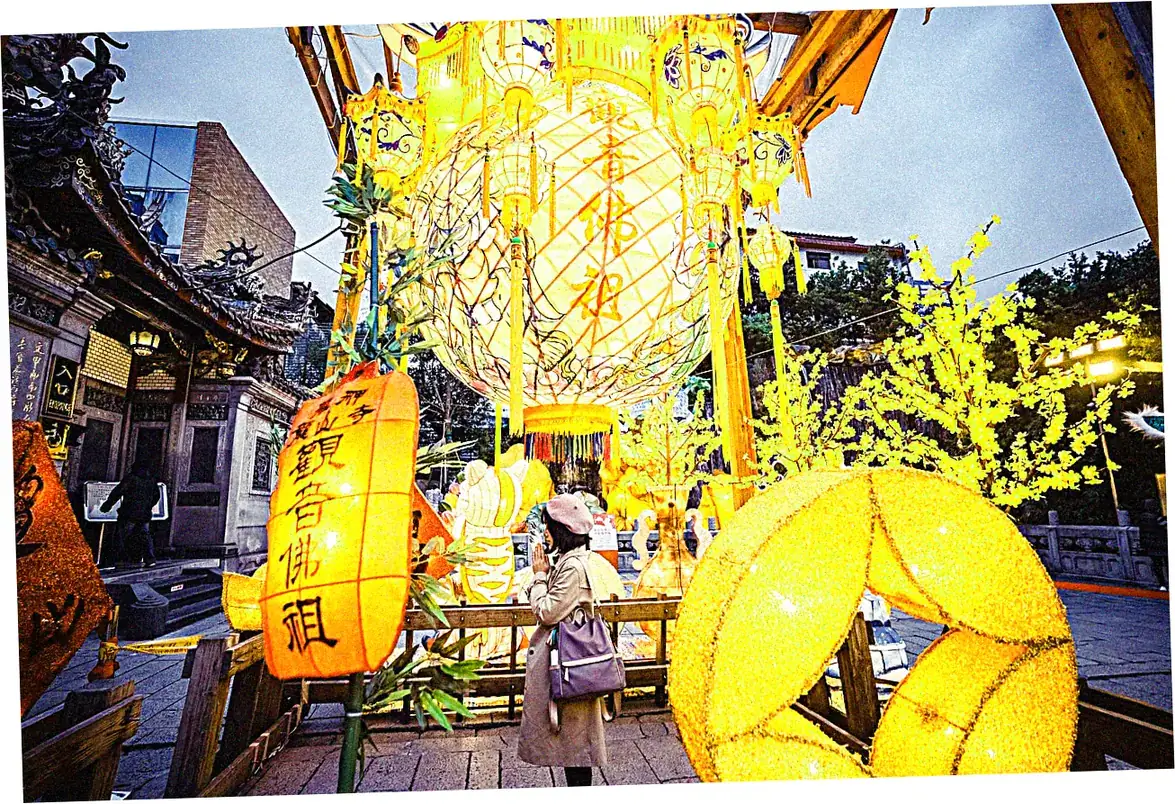
Hey, ever heard of the Spring Dragon Festival? It’s this amazing Chinese tradition celebrating the dragon waking up. In their culture, the dragon means rain and good fortune. I stumbled upon it totally by accident on a Silk Road trip. The dragon dances were so vibrant, and the community vibe just pulled me in. It’s not just for show though. It’s really about farming traditions—people pray for plenty of rain and a great harvest. The energy’s totally contagious. And oh my—the food! That’s a whole other story. It’s one of those experiences that just joyfully ties you back to nature and ancient culture.
Table of Content
- Origins and History of the Spring Dragon Festival
- Key Traditions and Rituals of the Celebration
- Festival Foods and Culinary Delights
- Modern Celebrations and Global Influence
- Planning Your Visit and Experiencing the Festival
- Sustainable Tourism and Supporting Local Communities
- Frequently Asked Questions (FAQ)
Origins and History of the Spring Dragon Festival
Mythological Beginnings and Historical Development
The heart of the Spring Dragon Festival is all about the dragon legend. In Chinese myths, dragons are celestial beings that bring life-giving rain. It’s always been celebrated on the second day of the second lunar month.
That’s when winter ends, and the dragon wakes up from its sleep. This timing wasn’t random. Ancient astrologers saw the Dragon constellation rise in the east and thought it was the perfect time to ask for rain.
What started as simple farm prayers grew into a big festival during the Tang and Song dynasties. It became a key part of spring traditions everywhere.
Over the years, Spring Dragon Festival customs traveled along trade routes like the Silk Road. They picked up local touches but kept their main purpose.
A historian in Xi’an told me that merchants didn’t just trade goods—they shared these cultural practices too, spreading them to communities everywhere. That’s why we see different versions today—different foods and rituals depending on the region.
It’s a great example of how culture moves and changes, building a shared heritage that people still love today.
Cultural Significance and Symbolic Meaning
Basically, the Spring Dragon Festival is all about asking for fertility and abundance. When the dragon wakes up, it brings the spring rains—which are crucial for helping new crops grow.
Because it was so tied to farming, the festival became a big deal in the old calendar, shaping life in the countryside. But it’s not just about farming. It’s also about renewal—shaking off winter laziness and welcoming new energy for the year.
People do rituals to bring good luck and keep bad vibes away, making it a full-on celebration of hope.
The dragon is a pretty complex symbol. It stands for imperial power and strength, but most of all, it’s kindly in charge of water. When you join the festival, you really feel that symbolism in action.
It’s not just some old history—it’s a living tradition that brings people together and reminds us to respect nature’s rhythms. A village elder once told me that honoring the dragon is really about recognizing we rely on nature.
It’s a lesson in humility and thanks—and that feels super relevant today with all our environmental issues.
Key Traditions and Rituals of the Celebration
Dragon Dance and Lantern Displays
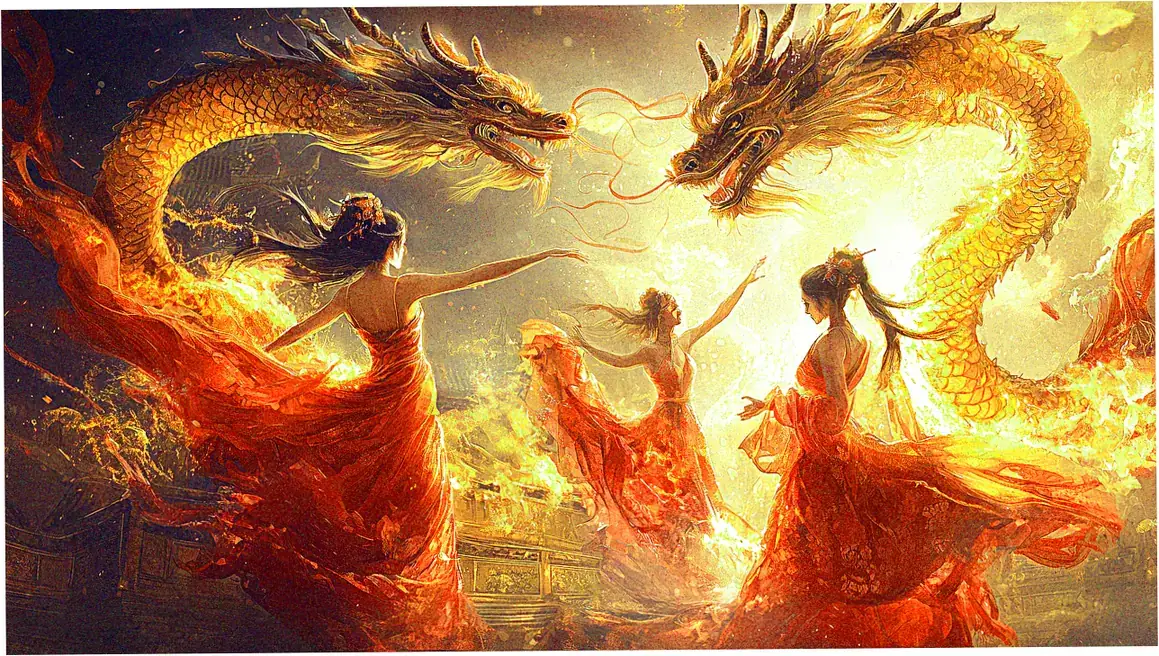
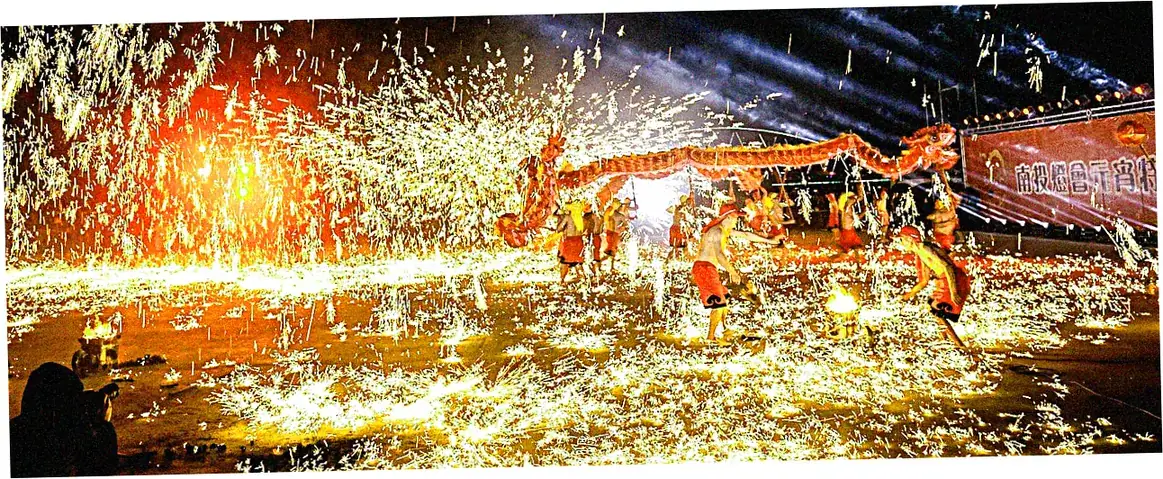
The dragon dance is definitely the star of the Spring Dragon Festival. It’s this amazing show full of bright colors and perfectly timed moves. A long, snake-like dragon puppet is worked by a bunch of talented dancers.
They weave it through the streets, chasing after a pearl. That pearl stands for wisdom and prosperity. You’ve got the drums beating, cymbals clashing, and the dragon moving all smoothly.
It creates this electric vibe that grabs everyone’s attention—kids are amazed, and even the older folks love it. It’s not just a show, though. It’s like a prayer in motion for good luck. People believe it calls down blessings from the celestial dragon.
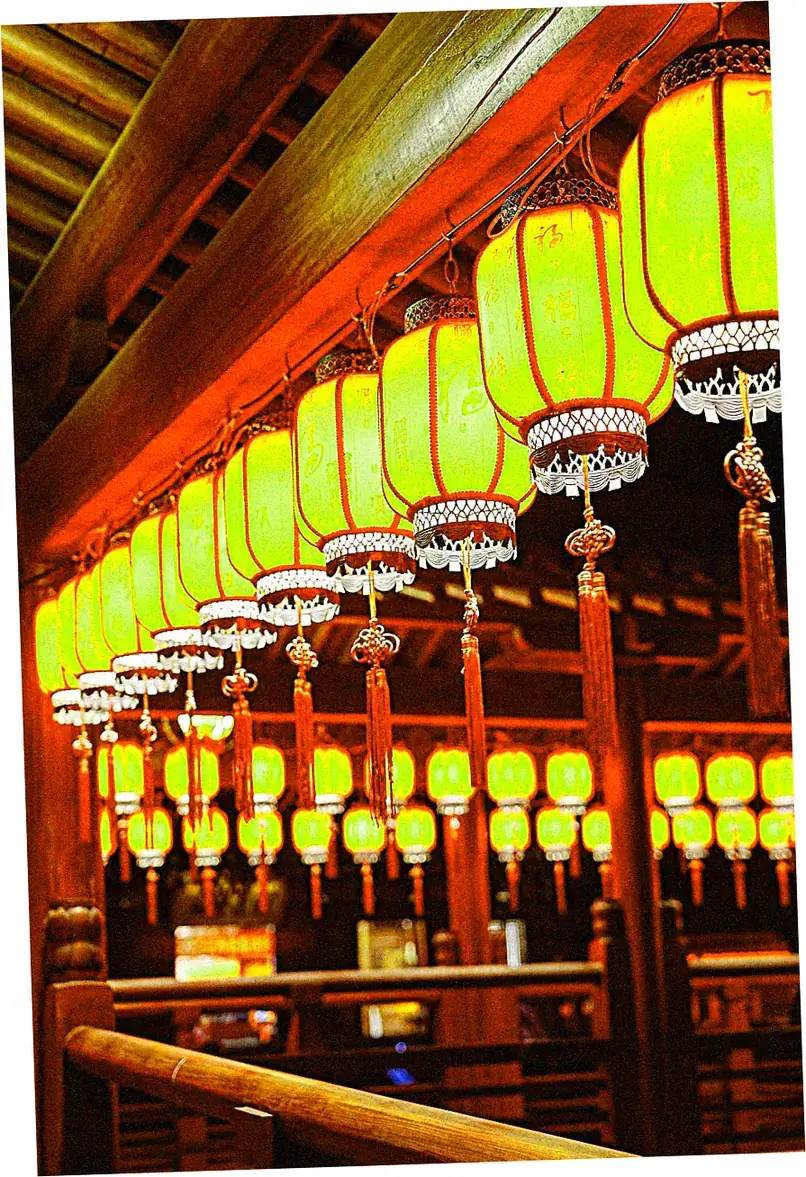
When the sun goes down, the lantern displays light up. They fill the towns and villages with this warm, magical glow. And these aren’t your average lanterns.
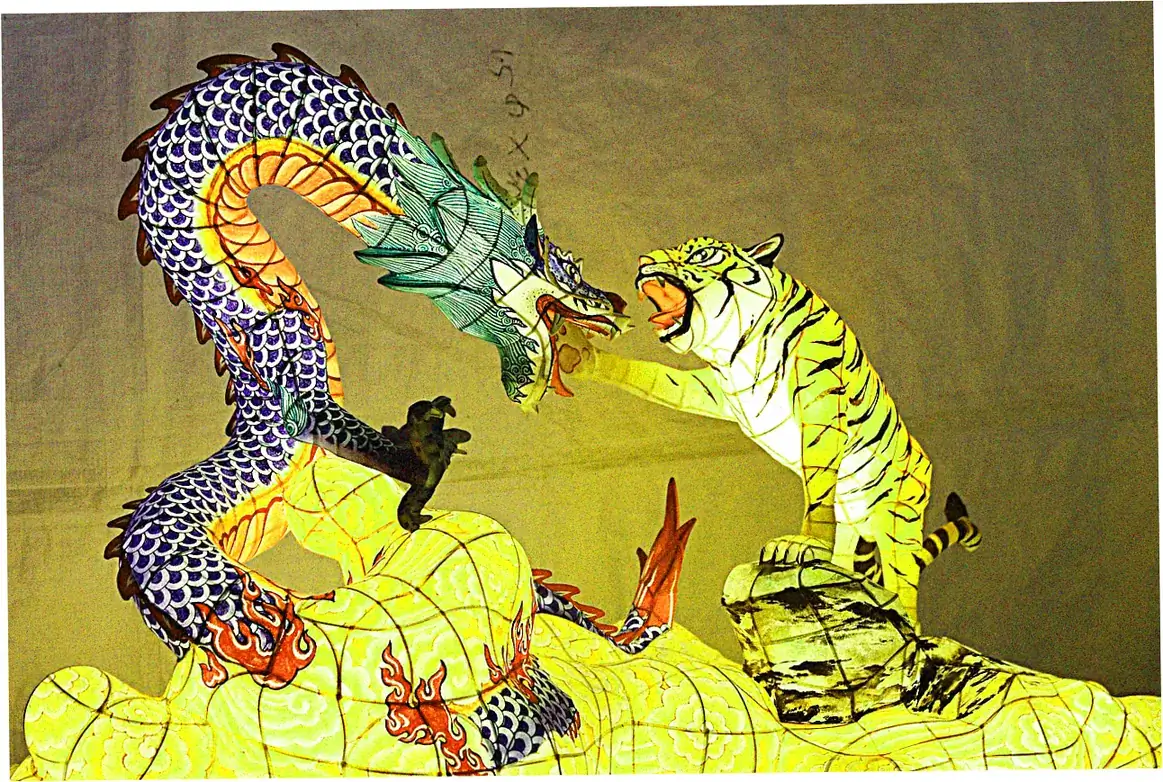
Lots are shaped like dragons, all lit up and looking like they’re dancing in the night sky. I got to make my own simple paper lantern with a family in a small village. It was such a cool, hands-on experience.
It really makes you feel part of the festival’s creative side. You have the energetic daytime dances and then the calm, beautiful lights at night. Together, they balance energy and peace perfectly. That’s what the Spring Dragon Festival is all about—a harmonious celebration.
Personal Customs and Family Activities
But there’s more to the Spring Dragon Festival than the big shows. It’s also packed with family traditions all about bringing good luck. Pretty much everyone gets a haircut.
It’s a way to shake off the old, stuck energy and welcome new growth and chances. I made sure to get one when I was there. Maybe it was just in my head, but it really did feel refreshing!
Another big thing is cleaning the house from top to bottom. You sweep out any bad luck from last year and get a fresh start for spring.
Families also do specific rituals. They light incense for their household gods and ancestors. They ask for protection and guidance in the months ahead. It’s also the day to wear new clothes.
Red is the best choice—it’s the color for luck and happiness in Chinese culture. These personal things might seem simple, but they mean a lot. They turn the big festival story into something real and personal.
They let everyone play a part in bringing good vibes and prosperity right into their own lives and homes.
Festival Foods and Culinary Delights
Symbolic Dishes and Their Meanings
Food really is the heart of the Spring Dragon Festival. Every single dish has a deep meaning behind it. The most famous foods get their names from dragon body parts. It’s a clever and fun way to call on the dragon’s power.
Take spring pancakes, for example. They’re called dragon scales, and people believe eating them keeps evil away. Noodles are a big part of the festival too.
They’re called dragon’s beard, and eating them is like wishing for good health and a long life. I still remember these amazing, chewy noodles I had in a Beijing hutong. They were so fresh and totally unforgettable!
Then there’s popcorn. It’s kinda funny—it stands for dragon eggs. People think the popping sound is like thunder—the dragon’s roar—which is said to help bring rain.
These food metaphors make the festival more fun and meaningful, especially for kids. Making and sharing these dishes turns into a way everyone hopes and celebrates together. It’s a tradition that mixes everyday eating with hoping for a good year. It makes something spiritual feel real—and tasty!
Regional Variations and Must-Try Specialties
The main symbols are the same everywhere, but the actual foods people eat differ a lot by region. It all depends on local ingredients and cooking styles.
In northern China, particularly in Beijing, people savor a type of savory pastry known as *cǎogēn jiānbǐng* (pan-fried leek pancakes), which are crispy, flavorful, and utterly addictive. Further south, you’ll see more dumplings or rice cakes instead.
If you go to Chengdu, you’ve gotta try their famous dumplings. They’re a highlight of Sichuan food. People eat them all year, but they’re extra special during festivals.
Over in Fujian, a popular dish is *runcai*. It’s a rolled-up pancake stuffed with veggies and meat. Every family often has their own secret recipe, handed down over generations.
All this variety means trying Spring Dragon Festival food is like going on a food adventure. I made sure to try something different everywhere I went. It was the perfect way to really get how each place celebrates.
It showed me that even though the dragon is one symbol, the food answers back with all kinds of delicious flavors all over China.
Modern Celebrations and Global Influence
Contemporary Adaptations in China
These days in China, the Spring Dragon Festival has really changed with the times. It mixes old traditions with modern life. You still see the classic dragon dances and big family dinners, but there’s also new stuff popping up.
Big cities throw huge cultural events, parades, and temple fairs that draw in crowds of people. Social media is a big part of it now. Everyone’s posting pics of their fresh haircuts and festival feasts
online, building a whole digital party. It’s pretty cool how this ancient tradition fits right into our fast, digital world.
Plus, people are focusing more on the festival’s educational side. Schools often set up activities for kids to learn the history and customs. They might make paper dragons or cook up traditional foods.
This helps pass that cultural knowledge down to the younger kids. I’ve noticed many modern celebrations also sneak in some eco-awareness. They connect the old prayers for rain to today’s worries about saving water and keeping nature in balance.
This change shows how tough and relevant the Spring Dragon Festival is. It’s not some dusty museum exhibit—it’s a living tradition that grows with the people.

International Recognition and Diaspora Celebrations
The Spring Dragon Festival’s reach has flown far beyond China, all thanks to Chinese communities around the world. Now you can find lively celebrations in Chinatowns everywhere—San Francisco, London, Sydney, you name it.
These global events often act like cultural bridges. They introduce and share Chinese traditions with people from all over. The dragon dances are a huge hit everywhere.
Their energy and artistry wow people from all walks of life. It really shows how the festival can jump right over cultural barriers.
Joining a celebration overseas is a special experience. It keeps the heart of the original Spring Dragon Festival but often mixes in local flavors. Like in Vancouver, you might find traditional foods right next to some Canadian twists.
This worldwide spread isn’t just about keeping culture alive abroad. It starts a cool conversation between different traditions. It lets the Spring Dragon Festival add to the multicultural mix in cities
worldwide, helping people understand and appreciate each other more. It’s amazing to see a tradition that started with old farming prayers turn into a worldwide symbol of cultural pride and happiness for everyone.
Planning Your Visit and Experiencing the Festival
Best Locations and Timing Your Trip
Want the real Spring Dragon Festival vibe? Timing’s key. The date shifts each year cause it’s based on the lunar calendar, but it’s always around late February or early March.
I just go online, use a lunar calendar converter to nail down the exact date. For location, ancient capitals with deep history throw amazing celebrations. Xi’an, the old Tang capital, is a great pick.
The festival there really connects you to its epic past. Beijing’s another top spot. You can hit the big temple fairs, then maybe add a Great Wall tour. It mixes culture with some awesome history.
But smaller towns and villages have a different feel, more cozy and personal. Spots in rural Shaanxi or Fujian show you family-focused celebrations. They’re less about business, more about tradition.
No matter where you go, book your stay and travel early. It’s a busy time for travel in China. My big tip? Balance your plan. Make time for the big festivals, but also leave space to wander. You might find smaller, random street parties. Those often give you the best, most heartfelt memories.
Cultural Etiquette and Participation Tips
As a guest, being respectful is how you get the most out of it. The mood is usually warm and fun, but remember, it’s a cultural thing, and for some, it’s religious. Dress on the modest side, especially for temples or calmer rituals.
Always ask before snapping close-ups of people, specially during family time. A smile and a few learned phrases in Mandarin, like *Xīnnián hǎo* (Happy New Year) or *Jíxiáng rúyì* (May you have good fortune), go a incredibly long way in showing respect and breaking the ice.
Don’t just watch! If someone asks you to join, go for it! Try making a dumpling (folks might laugh kindly at your first try) or follow a dragon dance. People love it when you show real interest and want to learn.
I’ve found that if you’re invited home, bringing a little gift like fruit or sweets is a nice move. The main thing is to go with an open heart and mind, ready to soak up all the joy and meaning. You’re not just a tourist. You’re a guest sharing a moment of community hope and happiness.
Sustainable Tourism and Supporting Local Communities
Ethical Travel Practices During the Festival
Cultural tourism’s getting really popular, so being sustainable at the Spring Dragon Festival is super important. That means choosing things that cut down your environmental impact and really help local communities.
Skip the car—try buses, bikes, or just walk to get through the festival crowds. Bring a reusable bottle and say no to plastic whenever you can. Try to leave places just like you found them—it shows respect for the nature the Spring Dragon Festival honors.
Help local businesses by buying souvenirs and crafts from real artisan stalls, not cheap imports. Pick family-run guesthouses or local hotels instead of big chain ones.
For amazing food, try small local spots or street vendors who use ethical ingredients. I always check where unique crafts come from—so my buys support traditional skills and fair practices.
Traveling this way helps the Spring Dragon Festival and local communities thrive long-term, so future visitors get the same real experience.
Leaving a Positive Impact as a Visitor
Sustainable travel isn’t just about reducing harm—it’s about making a positive difference. Think about volunteering with local groups that keep traditions alive, like dragon dancing or lantern making.
If you book a tour—maybe a Silk Road one—pick companies that care about responsible tourism, hire local guides, and give back. Your trip can actually help sustain the cultures you’re there to enjoy.
Lastly, be a good ambassador. When you go back home, share what you learned about the Spring Dragon Festival’s meaning and customs. Talk up why respectful, mindful travel matters.
I’ve found that the best souvenir is the understanding and appreciation you take with you. Pushing for sustainable habits and cultural respect helps keep the Spring Dragon Festival real and vibrant—not
worn down by tourism, but lifted up by respectful exchanges. It’s all about making sure the dragon dance goes on for years to come.
To wrap up, the Spring Dragon Festival isn’t just one event—it’s a rich mix of ancient myths, farming hopes, community fun, and tasty traditions. It ties the past to now, people to community, and everyone to nature.
Whether you feel its energy in a city square or its warmth in a home, its message of new beginnings and prosperity lifts everyone up. I hope this guide makes you look deeper and appreciate the cultural roots of this celebration.
So why not start planning your trip? Check the lunar calendar, choose a spot you love, and get ready for the magic of the dragon waking up. Join the customs, enjoy the food, and dive in with respect and curiosity.
You’ll not only see an amazing cultural tradition—you’ll make memories that stick with you. Share the festival’s spirit with others, and carry its hope for a good year wherever you go.
Frequently Asked Questions (FAQ)
What is the exact date of the Spring Dragon Festival?
The Spring Dragon Festival follows the traditional Chinese lunisolar calendar. It’s celebrated on the second day of the second lunar month. That usually means late February or early March on the regular calendar.
The exact date changes every year. Like in 2024, it was on March 11th, but next year in 2025, it’ll be March 1st. Best to check a lunar calendar converter as it gets closer to plan right.
What are the must-eat foods during this festival?
The most symbolic foods are named after dragon parts. You’ve got dragon scales (spring pancakes), dragon’s beard (long noodles for long life), and dragon eggs (popcorn). Regional specialties are big too.
Up north, people love pan-fried leek pancakes, down south, it’s all about dumplings and rice cakes. If you’re in Sichuan, try Chengdu dumplings – they’re a festival favorite and a real local highlight.
How is the Spring Dragon Festival connected to the Silk Road?
It’s all about cultural exchange. Merchants on the Silk Road didn’t just carry silk and spices – they brought their customs and traditions too. Spring Dragon Festival customs spread along these routes,
influencing and getting influenced by local communities. This spread the festival’s main ideas, like honoring the dragon for rain, and let regional variations grow, giving us the diverse celebrations we have now.
Can tourists actively participate in the festivities?
Definitely! Tourists are usually welcome to watch and often join in the celebrations. You can catch public dragon dances, lantern shows, and temple fairs. If a local family invites you to share a meal or customs, it’s a real honor.
Just be respectful, follow local manners, ask before taking private photos, and go with what your hosts do. Show real interest and respect, and you’ll get a much deeper and more meaningful experience.

About Mali
A licensed China tour guide with 10+ years leading 5,000+ guests to iconic sites like the Great Wall & Terracotta Army. Expert in seamless tours, cultural insights, and VIP access!