Every spring, I just naturally get pulled back into Qingming Festival. It’s that special time when Chinese families everywhere come together. We honor our ancestors and also welcome spring’s fresh start. Sure, there’s tomb-sweeping, but it’s more than that. The day really mixes quiet respect with fun outdoor trips. That combo says a lot about what we value in our culture. I always notice Chengdu’s parks, like People’s Park and Cultural Park. They totally come alive during Qingming. They’re packed with families having picnics under all the flowering trees. The air smells amazing – a mix of incense from the graveyards and the scent of cold food people bring. It creates this unique vibe where showing respect and celebrating life just fit together perfectly.
Table of Content
- Historical Roots and Evolution of Qingming Customs
- Core Rituals: Tomb Sweeping and Ancestor Veneration
- Spring Outings and Nature Appreciation Traditions
- Cultural Significance in Modern Chinese Society
- Regional Variations Across China
- Practical Guide for Participating Respectfully
- Qingming Festival Beyond China
- Frequently Asked Questions About Qingming Festival Traditions
Historical Roots and Evolution of Qingming Customs
Ancient Origins and Cultural Fusion
Qingming Festival’s been around for ages, over 2500 years! It actually started from the Cold Food Festival, which honored a loyal guy named Jie Zitui. What really grabs me is how Emperor Xuanzong back in the Tang Dynasty made it official.
He basically mixed tomb-sweeping customs with spring festivities. That’s why today we’ve got both serious rituals and fun outings. It’s like two traditions got stitched together into one festival.
Old books like the Rites of Zhou show how big ancestor worship is for us. That’s why Qingming ranks among China’s top three festivals, right up there with Chinese New Year and Dragon Boat Festival.
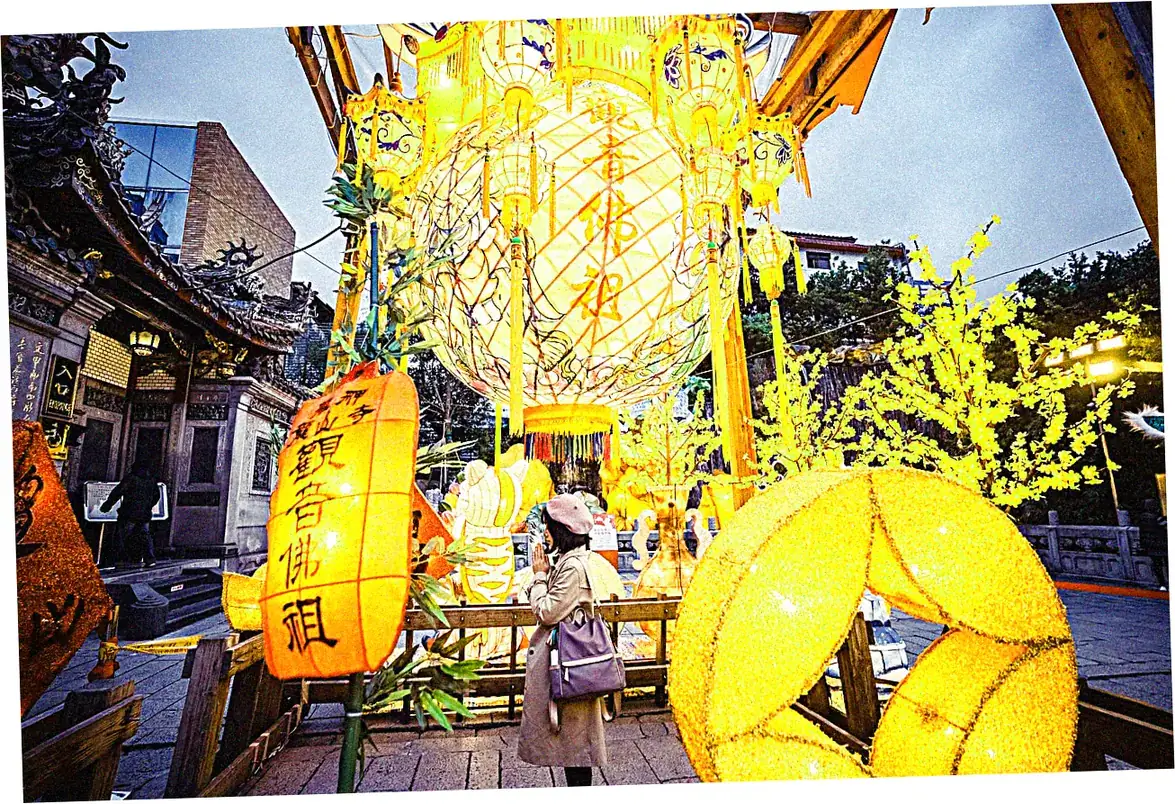
Modern Adaptations and Regional Variations
The main traditions stick around, but I’ve seen some cool local twists when traveling. Down south, folks make green rice balls called qingtuan as offerings. Up north, families often carry willow branches for good luck and protection.
City life’s brought new ways too – my cousins in Shanghai use online memorial sites when they can’t make it to the actual graves. But no matter how things change, the heart of it stays the same: honoring
our ancestors while celebrating spring’s arrival. This flexibility is why Qingming still clicks with young people. They might do things their own way, but they still get involved and keep the traditions alive.
Core Rituals: Tomb Sweeping and Ancestor Veneration
Grave Cleaning and Offerings Procedure
The main tradition during Qingming Festival is cleaning our family graves. We do this really carefully every single year. First, we pull out weeds, clean the tombstones, and use fresh red ink to repaint the writing on them.
Then we set out offerings. We usually bring their favorite foods, some wine, and paper copies of money or things they might need. I remember my grandma always made sure to burn a paper iPhone for my grandpa.
It was a funny but sweet modern touch. We finish up by each taking a turn to bow or kneel down. We share news about the family out loud. This hands-on caring really makes the connection feel real. It brings different generations together through this shared duty.
Symbolic Meanings Behind Ritual Objects
Everything we do when sweeping the tombs has a lot of meaning. I’ve grown to understand and value this more as I’ve gotten older. We often put willow branches on the graves.
They stand for life and keeping bad spirits away, an idea that comes from Buddhism. Burning joss paper, or spirit money, is like sending supplies to our ancestors.
But now, lots of us, including my family, use eco-friendly options instead because we’re worried about the environment. For food, we often offer seasonal things like qingtuan, those green dumplings. The green color means new beginnings.
Even what we wear is important. We don’t wear red to show respect, and white flowers show our pure sadness. These symbols turn simple acts into a real way to talk with our past and our heritage.
Spring Outings and Nature Appreciation Traditions
Picnics and Outdoor Activities
After the serious ceremonies, Qingming turns into a spring celebration. I’ve always thought this contrast is really beautiful and balanced. Families lay out mats in parks or the countryside for picnics.
They follow the tradition of eating cold foods. In Chengdu, parks like Renmin Park get really crowded. Families fly kites there—people believe kites can carry messages to ancestors. They also play traditional games or just enjoy the spring flowers.
I especially love Chengdu’s tea houses. They’re full of families with different generations, all sharing stories while drinking tea. The feeling is both festive and thoughtful. It really captures the spirit of Qingming: celebrating life while remembering our ancestors.
Seasonal Foods and Their Significance
Qingming’s food traditions are great because they mix ritual with celebration. They eat cold foods like pre-made meats and veggies. This honors the festival’s old connection with fire.
And seasonal treats like qingtuan—those sweet green rice balls—pop up everywhere. I always hit up Chengdu’s traditional bakeries for these. Their qingtuan have mugwort-flavored outsides and red bean paste inside.
They taste just like spring. Lots of Chengdu hotpot spots make special Qingming menus. They feature spring veggies like shepherd’s purse. This ties the meal right into the seasons. These foods aren’t just tasty. They’re like little edible reminders of how we connect with nature’s cycles.
Cultural Significance in Modern Chinese Society
Intergenerational Bonding and Identity
Qingming Festival really stands out to me because it brings families closer across different ages. My nieces grew up abroad and at first thought tomb-sweeping was strange, but after joining in, they really got in touch with their roots.
During these get-togethers, people share stories about grandparents or family history—it’s like history coming alive. Life moves fast these days, but Qingming makes us all stop and remember together, which
helps pass on traditions we don’t usually talk about. That’s probably why tomb-sweeping traditions stick around even in cities—they fill our basic need to belong and keep connections going.
Environmental and Social Adaptations
Nowadays, new challenges are changing how we practice these traditions. Since air pollution’s a problem, lots of places suggest greener options instead of burning paper money—like my family, we do digital tributes or plant trees.
Cemeteries get crowded, so people came up with ideas like online memorials or group ceremonies to honor ancestors. I saw that Chengdu’s parks set up special spots for eco-friendly Qingming rituals, mixing
old customs with taking care of the environment. These changes show how the festival adapts—it’s not fading away but changing to keep its heart while matching modern values like being green.
Regional Variations Across China
Southern vs Northern Practices
I’ve celebrated Qingming in both north and south China, and the regional differences really fascinate me. Down south, especially in Jiangnan, folks really go for green qingtuan dumplings.
They also make elaborate grave decorations with colorful paper streamers. Up north, traditions lean more toward wheat-based foods. People also put more emphasis on willow branches—wearing them or hanging them on doors for protection.
In coastal spots like Fujian, families sometimes send out miniature paper boats. These little boats carry offerings right out to sea. These differences aren’t just interesting customs. They show how local resources and history shape that basic human need—to honor our ancestors and welcome spring.
Chengdu’s Unique Local Customs
Chengdu’s Qingming celebrations have their own special vibe that I’ve really grown to love. They mix tomb-sweeping with the city’s chill park culture, creating a super relaxed atmosphere. Families might spend the whole day at places like Culture Park.
They’ll go from visiting graves to playing mahjong under plum trees without missing a beat. The city’s famous tea houses turn into family gathering spots. Multiple generations come together there, sharing meals and swapping stories.
Food-wise, Chengdu adds its signature spicy kick to cold dishes. Local bakeries even make Sichuan-style qingtuan with surprising fillings—like chili bean paste. Mixing solemn tradition with Chengdu’s laid-back lifestyle makes the festival feel especially harmonious here.
Here’s a practical guide to join Qingming activities respectfully.
First time joining? Here’s some etiquette tips.
If it’s your first Qingming festival, these tips will help you show respect. Wear modest clothes with quiet colors—skip bright reds or flashy patterns. At the gravesite, just follow what the family does for bowing or offerings.
Bring white chrysanthemums if you want to follow tradition. If you’re in Chengdu during Qingming, check out the parks. But remember—many families are there honoring ancestors. Keep your voice down and don’t interrupt ceremonies.
If you get invited to a family meal, try the cold food—it’s a nice way to appreciate the culture. The main thing? Be respectful and observant—don’t treat it like a tourist attraction.
Getting around in cities like Chengdu
A little planning makes your Qingming experience much smoother. Cemetery areas in Chengdu get really crowded—go early or take public transport to avoid traffic.
Lots of Chengdu parks need reservations during Qingming—I always book ahead using WeChat mini-programs. Want to try Qingming food? Hotpot spots like Long Senyuan have special menus, but they get packed—book days before you go.
Bring your own cleaning stuff for graves—shops at cemeteries run out fast. These tips might seem small, but they help you focus on the experience instead of the hassle.
Qingming Festival Beyond China
Global Diaspora Practices
Chinese communities have spread all over the world, and Qingming traditions have really adapted in cool ways overseas. In places like Malaysia and Singapore, families often mix tomb-sweeping with trips to Ching Ming bakeries to grab special pastries.
Over in North American Chinatowns, they hold group memorial ceremonies for folks who can’t make it to their family graves. It’s really touching to see second-gen immigrants come up with new rituals.
They do virtual tomb-sweeping over video calls with family back in China, or they go to local rivers and float flowers instead of paper boats. These changes show that Qingming’s real point isn’t about
location—it’s about feeling. It’s all about keeping those connections alive, no matter the time or distance.
Cross-Cultural Appreciation and Participation
More and more, my non-Chinese friends are curious about Qingming and want to understand it respectfully. I always encourage that through sharing culture. Nowadays, museums all over hold events that teach people about what the festival means.
Right here in Chengdu, a few cultural centers give short classes on making qingtuan or crafting traditional kites. The big thing for joining in across cultures is to focus on what we all share: honoring
family, welcoming the change of seasons, and thinking about how life goes on. Whether you’re joining a park trip or learning the history, coming with real curiosity—not just taking—helps more people appreciate this rich tradition.
Qingming Festival does a beautiful job balancing remembrance and renewal. It connects us to our past and to nature’s cycles. Whether you’re doing all the traditional rituals or just taking a spring walk
thinking about family, it’s really about mindful connection. This year, think about stopping by a local park during Qingming. Check out the blooming flowers, share a meal with loved ones, or if you’re
in Chengdu, soak up the peaceful vibe at Cultural Park. Even little acts of remembrance help keep traditions going and create meaningful moments in our busy lives.
Got questions about Qingming Festival traditions? Here are some common ones.
Why do people sweep tombs during Qingming Festival?
It’s all about showing respect to your ancestors and keeping that connection alive. Cleaning the graves shows you care. Offering food and burning incense means you’re still looking after your loved ones in the afterlife.
How is Qingming celebrated differently in Chengdu compared to other places?
In Chengdu, they mix tomb-sweeping with park time. Families might spend the whole day at places like People’s Park—they visit graves, then hang out drinking tea and playing mahjong. Even the food has a Sichuan twist—think cold dishes and qingtuan dumplings with local flavors.
What kind of food do people eat during Qingming?
You’ll often see cold dishes—that’s from an old fire story—plus qingtuan, those green rice balls for spring, and fresh veggies. Families also make their ancestors favorite foods as offerings. After that, they eat them together at picnics.
Can friends join in Qingming activities too?
Sure, if you’re invited or you’re in a public park. Just be respectful: follow what the family does, dress nicely, and don’t interrupt. Lots of cultural centers also hold events where everyone can learn and take part.

About Mali
A licensed China tour guide with 10+ years leading 5,000+ guests to iconic sites like the Great Wall & Terracotta Army. Expert in seamless tours, cultural insights, and VIP access!