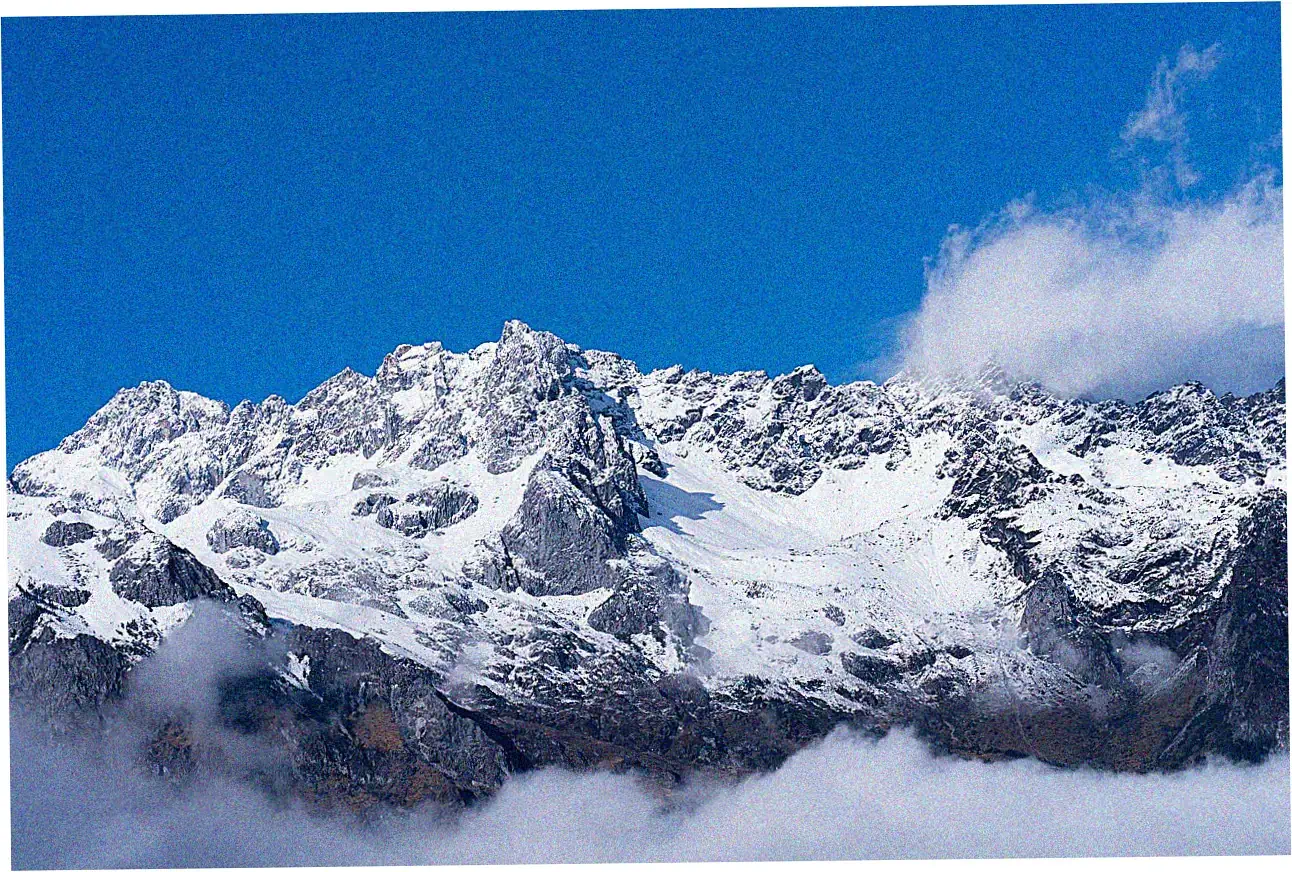
Planning a trip to Sanqing Mountain? It’s in Jiangxi Province and it’s a UNESCO World Heritage Site. You’ll find amazing granite peaks, lush forests, and deep Taoist cultural roots there. Lots of travelers, maybe after visiting Shandong or Shanghai, want a different kind of natural getaway. Sanqing Mountain is perfect for that. It offers peaceful hiking trails and stunning views, including the famous Goddess Peak. This guide covers everything. We’ll tell you the best time to visit to avoid crowds, how to book cozy stays near the cable cars, and make sure your trip goes as smoothly as the mist around these sacred peaks.
Here’s what we’ll cover:
- Sanqing Mountain Travel: Overview and Reasons to Go
- When to Visit for the Best Weather
- How to Get There: Transportation Guide
- Hiking Trails and Planning Your Route
- Where to Stay: Accommodation Options
- Cultural Insights and Taoist Heritage
- Practical Travel Tips and Packing List
- FAQs About Sanqing Mountain Travel
Sanqing Mountain Travel: An Overview and Why Visit
A Sacred Natural Wonder
Sanqing Mountain isn’t just another pretty place—it’s actually one of China’s holiest Taoist mountains. Lots of people call it the Garden of the Gods. The name comes from its three tallest peaks: Yujing, Yushui, and Yuhua.
They stand for the Taoist trinity. UNESCO loves this place too—it’s a World Heritage Site thanks to its amazing nature and culture. The whole park spreads over 220 square kilometers. You’ll see unique granite rocks here—some are millions of years old!
They form a magical skyline that’s inspired artists and writers for ages. That’s why any real China traveler should definitely go.
Key Attractions at a Glance
Before we get into the nitty-gritty, let’s check out the highlights—it’ll help you plan your Sanqing Mountain trip. You can’t miss the Goddess Peak—it looks just like a elegant lady.
And there’s the Giant Python Peak, a huge rock shooting up from the valley. Also, make sure to catch the sunrise at the Sunshine Coast platform. And for some adventure, walk the West Coast Trail—it’s got these cool plank paths right on the cliffside.
These spots really show off the mountain’s dreamy beauty. That’s why so many photographers and nature fans come here—lots of people say it’s just as stunning as Huangshan.

Best Time to Visit Sanqing Mountain for Ideal Weather
Seasonal Weather Patterns
Getting the timing right makes your Sanqing Mountain trip perfect. Visit in spring, from April to June. You’ll see rhododendrons in full bloom and enjoy nice weather—great for taking photos.
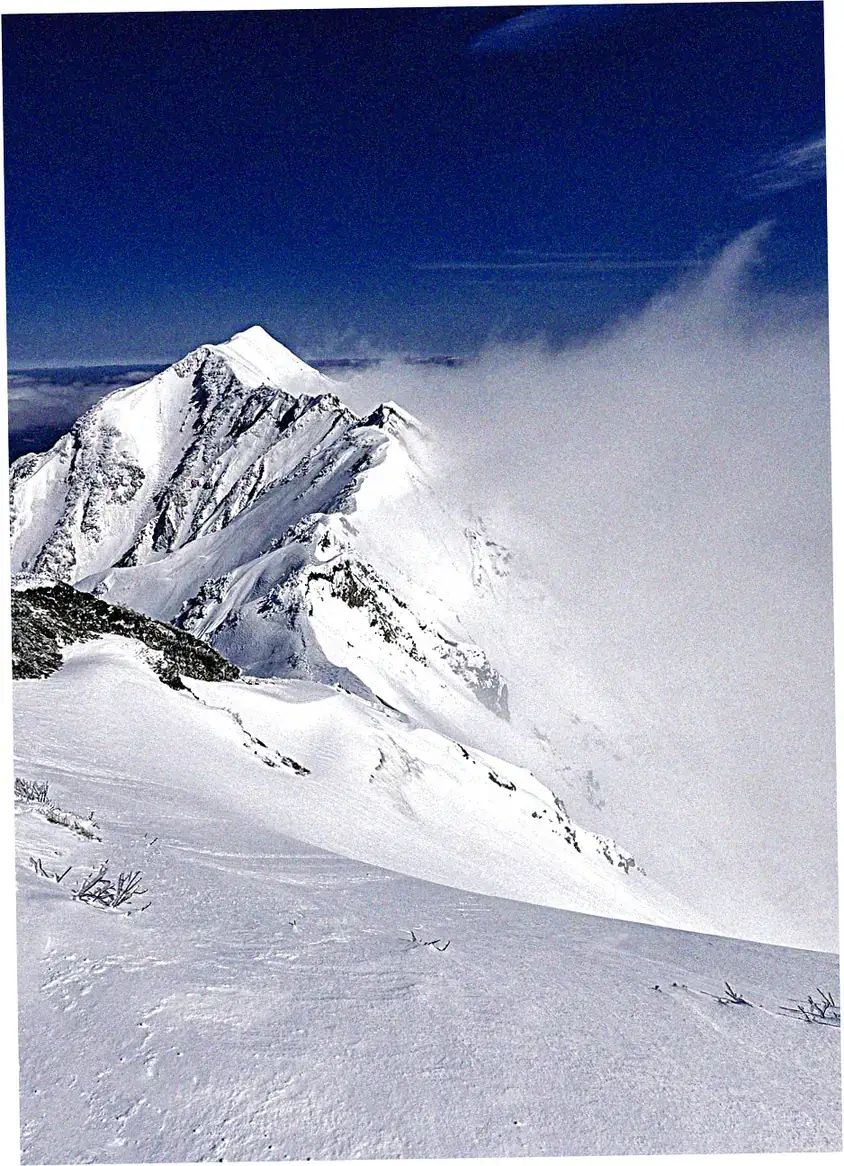
Come autumn, between September and November, the air is clear and the leaves are gorgeous. It’s the best time for wide scenic shots. Summers get pretty warm and busy. Winters are chilly, but the frost and ice make everything look magical.
Just a heads-up—weather changes fast up there. Sanqing Mountain is known for its quick-forming sea of clouds. They can pop up anytime, especially after it rains.
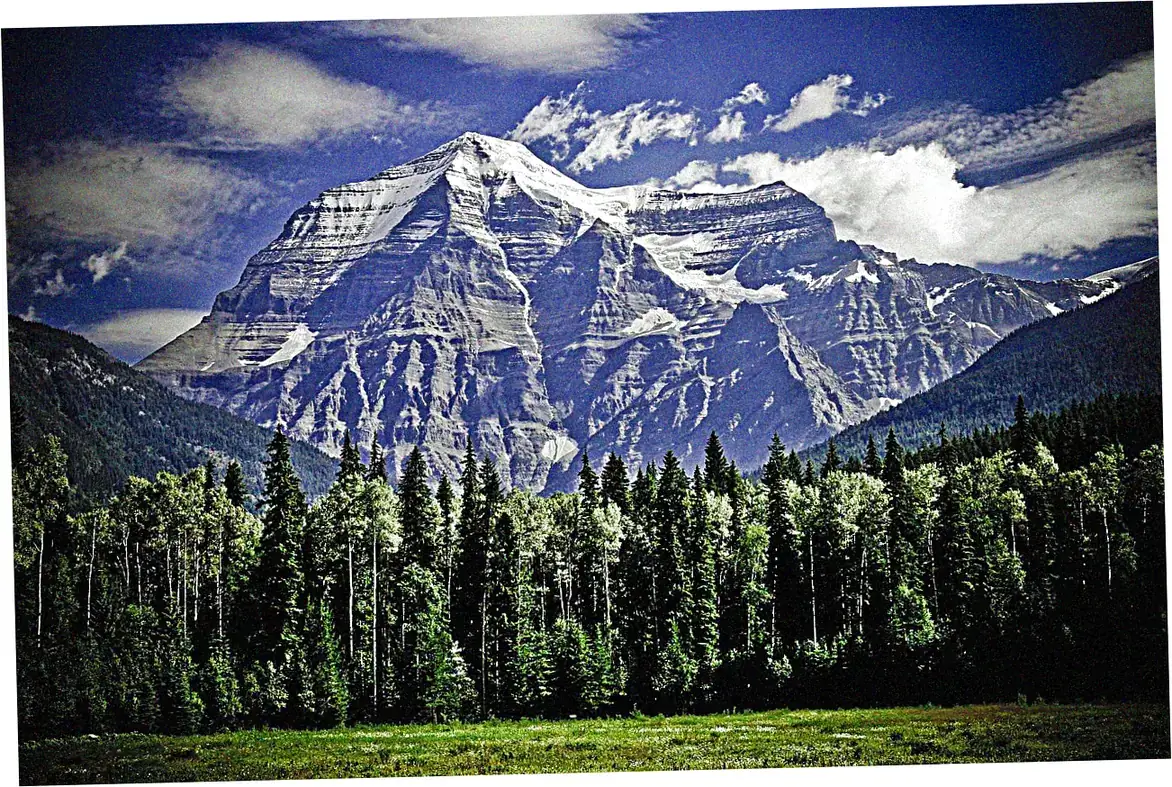
Monthly Crowd Levels and Tips
If you want to skip the big crowds, avoid Chinese holidays—like Golden Week in October. Weekdays are usually much quieter than weekends. July and August get packed with local tourists.
For a nicer balance, try late September or early October—fewer people and great weather. If you go during busy times, start hiking early in the morning. You’ll avoid the crowds and might catch an amazing sunrise over the peaks—it’s something you won’t forget.
How to Get to Sanqing Mountain: Transportation Guide
From Major Cities like Shanghai
Getting to this natural paradise is actually way easier than you’d imagine. Coming from a big city like Shanghai? Just hop on a high-speed train to Shangrao South Station. The ride’s about 2.5 hours.
From the station, regular buses will take you right to the mountain’s entrance in around 90 minutes. If you’d rather fly, the closest airport is in Shangrao. It has flights from quite a few Chinese cities.
Or, you can combine your Sanqing Mountain trip with other cool spots in Jiangxi for a full cultural and nature tour. It’s like pairing a Shandong to Shanghai trip with a Yangtze River cruise.
Local Transport and Entry Points
Once you get to the Sanqing Mountain visitor center, jump on the park’s eco-friendly shuttle buses. They’ll take you to the cable car stations. There are two main cable cars: the Jinsha Cableway on the
east side, and the Outer Double Streams Cableway on the south. Most folks recommend starting from the east side. The climb is a bit gentler that way. The shuttle system is pretty efficient and covered by your entry ticket.
Just a heads-up, lines can get long during holidays. It’s always handy to have some small change ready. You might need it for a local taxi or other transport to make your journey smoother.

Sanqing Mountain Hiking Trails and Route Planning
Popular Trail Routes and Difficulty
Planning your hiking route is key to enjoying Sanqing Mountain travel. Most folks go for the Medium Circle. It takes you through the main scenic spots in 4-5 hours if you take it easy. If you’re up for a challenge, try the Large Circle.
That one’s 6-8 hours long and has tougher parts, like those scary plank paths on the West Coast that cling to the cliffs. The paths are well-kept and marked, but some bits are really steep, so you gotta be fit.
Don’t forget to bring water and snacks, because shops and rest stops are few and far between. Start your day early to make sure you finish your hike and catch the last cable car down.
Essential Hiking Tips and Safety
Staying safe on the trails is super important. Wear good grip hiking shoes. Those granite steps get really slippery, more so when it’s been raining. The weather changes in a flash. Even if it’s sunny, pack a raincoat and an extra layer.
It’s a good idea to download a map for offline use or bring a paper one. Your phone probably won’t get a signal deep in the valleys. If you’re new to hiking, maybe join a tour group.
Or, like those tours by locals you find in Shanghai, you can hire a local guide right at the entrance. They’ll tell you all about the mountain’s history and nature.
Where to Stay: Sanqing Mountain Accommodation Options
Hotels Near the Summit and Cable Cars
Where you stay really shapes your trip. If you want to catch the sunrise easily, there are a few hotels right near the top, like the Sanqing Mountain Goddess Hotel. They’re pretty basic, but you can’t beat the access for those early morning views.
Or, you can stay near the Jinsha Cableway station on the east side. You’ll get easier access and more comfortable places to stay. It’s a good idea to book these spots way ahead of time, especially around festivals.
Think about being here for the Mid-Autumn Festival. You won’t find lanterns for sale up on the mountain, but the moon rising over the peaks is an amazing natural light show.
Budget Stays and Booking Advice
If you’re watching your budget, check out the guesthouses in the towns at the bottom of the mountain, like Jinsha or Waixiandu. They have comfy rooms that are easy on the wallet.
The downside is you’ll have a longer trip up to the scenic spots each day. Just make sure to use a good booking site and check recent reviews to find a quality place. Prices can jump during busy seasons, so try to book at least a month early.
No matter if you pick a summit hotel for the views or a base town to save money, locking in your stay early is one of the best Sanqing Mountain travel tips. It saves you from a lot of last-minute hassle.
Cultural Insights and Taoist Heritage of the Mountain
History of Taoism and Ancient Temples
Sanqing Mountain’s beauty is deeply connected to its Taoist roots. For more than 1,600 years, people have come here to worship and cultivate themselves.
The Sanqing Palace Taoist Temple was built in the Tang Dynasty and is the cultural heart of the mountain. When you explore, you’ll see many natural rock formations with names from Taoist myths that tell stories about immortals and their teachings.
It’s not just a park – it’s a living cultural landscape. Knowing this background makes your visit richer, turning a simple hike into a journey through ancient Chinese philosophy and spiritual history.
Respecting Cultural Etiquette
When you visit sacred places like the temples, it’s important to be respectful. Dress modestly, keep your voice down, and don’t touch religious items. People usually walk clockwise around statues and altars.
You can usually take photos outside, but always check for signs before taking pictures inside temple halls. Talking with local guides can give you a much deeper understanding than any guidebook, as they share stories passed down through generations.
Respecting local customs helps preserve the sacredness of the place and makes your cultural experience more meaningful.
Practical Sanqing Mountain Travel Tips and Packing List
Essential Items to Pack
Pack smart, and you’ll stay comfortable. Don’t forget the essentials: bring a reusable water bottle to fill up at stations, pack some high-energy snacks like nuts, and carry a power bank for your phone.
Up at high altitudes, the sun gets really strong—so sunscreen and a hat are absolute must-haves. If you love taking photos, a polarizing filter is great—it cuts the glare and makes the landscape colors pop.
It’s also a good idea to bring a small first-aid kit with plasters for blisters and motion sickness pills, especially for the cable car and those winding trails. That way, you can just enjoy the amazing views without any hassle.
Money, Connectivity, and Language Tips
Big hotels and ticket spots take credit cards, but for small stalls, shuttle buses, and local guides, you’ll need cash—Chinese Yuan is best. Phone service is usually okay, but it can get spotty on some of the remote paths.
Since not many people speak English, it helps to download a translation app like Pleco or carry a phrasebook. Oh, and always have your passport or ID on you—you’ll need it to buy tickets and check into hotels.
Sort out these little details ahead of time, and your Sanqing Mountain trip will be all about making memories, not dealing with problems.
Sanqing Mountain is an amazing mix of gorgeous nature and rich culture—it’s a trip you’ll remember long after you leave. Whether you’re planning your hike or learning about its sacred history, getting
ready is your first step toward an awesome adventure. Now that you’ve got all the info you need, it’s time to go for it. Book your tickets, pack your bag, and get ready to see the majestic Garden of the Gods with your own eyes. Your amazing journey is waiting!
Got questions about traveling to Sanqing Mountain? Here are some FAQs.
How many days do you need for Sanqing Mountain?
We suggest planning 2 full days. That gives you enough time to see the main spots, hike the trails, and not worry if the weather turns bad.
Is Sanqing Mountain good for seniors or kids?
There’s a lot of walking and stair climbing involved. The cable cars help, but you’ll still walk on paved paths that can get steep. It might be tough for little ones or people with mobility problems, but most can handle it by taking breaks.
What’s the difference between Sanqing Mountain and Huangshan?
Both have awesome granite peaks and sea of clouds, but Sanqing is less crowded and commercial. Sanqing focuses more on Taoist culture and has unique rocks like the Goddess Peak. Huangshan is bigger and might feel grander, but Sanqing is more intimate and spiritual.
Can I go to Sanqing Mountain on my own, or do I need a guide?
You can totally go by yourself. The trails are clearly marked, and the shuttle buses are simple to use. But getting a local guide at the entrance can really help you understand the culture and nature better, kind of like the cool insights from tours by locals Shanghai in the city.

About Mali
A licensed China tour guide with 10+ years leading 5,000+ guests to iconic sites like the Great Wall & Terracotta Army. Expert in seamless tours, cultural insights, and VIP access!