Hey there, welcome to Jingdezhen! This place is China’s porcelain capital and has been making ceramic history for more than 1,800 years. This guide will help you plan your perfect Jingdezhen itinerary, no matter if you’re into pottery, love history, or just want to explore the culture. We’ll check out everything from old kiln sites to pottery workshops where you can get your hands dirty. Plus, I’ll share some useful travel tips – like when’s the best time to visit Jiangxi and how Jingdezhen stacks up against other cultural spots in China, like those Guilin places you see on TripAdvisor.
Table of Content
Essential Jingdezhen Travel Planning
Best Time to Visit Jingdezhen
The best times to visit Jingdezhen are spring and autumn – that’s March through May and September to November. Temperatures stay comfortable between 15-25°C with little rain.
making it perfect weather for checking out outdoor ruins and trying pottery workshops. Summers get pretty hot and sticky, hitting 35°C sometimes, and winters can dip below freezing, which might limit your outdoor plans.
Seasonal considerations: Try to avoid major Chinese holidays like Spring Festival and National Day in October when places get really crowded with local tourists.
Jingdezhen has some great ceramic festivals you might want to catch, especially the International Ceramics Fair in October. Visitor numbers jump 45% during festivals, so definitely book your hotel early if you’re coming then.

Duration and Budget Planning
Recommended itinerary length: To really see everything in Jingdezhen, plan on spending 3-4 days exploring historical spots and trying hands-on activities.
Here’s a good itinerary: day one for ancient porcelain sites, day two for museums, day three for pottery workshops, and day four for local markets and souvenir hunting.
This schedule gives you a good balance without rushing, kind of like those well-planned Guilin trips people rave about on TripAdvisor.
Here’s what you might spend:
| Category | Budget Traveler | Comfort Traveler |
|---|---|---|
| Accommodation | $15-25 | $40-80 |
| Meals | $8-15 | $20-35 |
| Activities | $10-20 | $25-50 |
| Transportation | $5-10 | $15-25 |
These costs don’t include international flights but do cover getting around town between attractions. Workshop prices really depend on how long they last and what materials you use.
Historical Porcelain Sites Exploration
Ancient Kiln Sites and Archaeological Parks
For must-see historical spots in Jingdezhen, check out the Ancient Kiln Folk Customs Museum. You’ll find well-preserved kilns from the Ming and Qing dynasties there, and get to see traditional firing methods in action.
Right nearby is the Imperial Kiln Museum, built right on top of old Ming Dynasty imperial kiln ruins. Its architecture is amazing and blends perfectly with the historic surroundings.
Ceramic experts say these spots show the longest continuous porcelain-making history anywhere. We’ve found proof that goes all the way back to the Eastern Han Dynasty, from 25-220 AD.
Guided tour benefits: Getting a good guide really makes your visit better. They’ll walk you through how kiln designs changed over time and how that affected the porcelain quality.
Lots of visitors say the guides help them notice small details in the ceramics they’d probably miss on their own. These places are pretty spread out, so wear comfy shoes and plan for 3-4 hours if you want to see everything properly.
Ceramic Heritage Walking Routes
For exploring historic areas, hit up the Sculpture Factory creative district and Sanbao International Ceramics Village. They give you different takes on Jingdezhen’s ceramic history.
The Sculpture Factory is all about old industrial spaces turned into cool creative spots, while Sanbao Village mixes traditional methods with modern art styles.
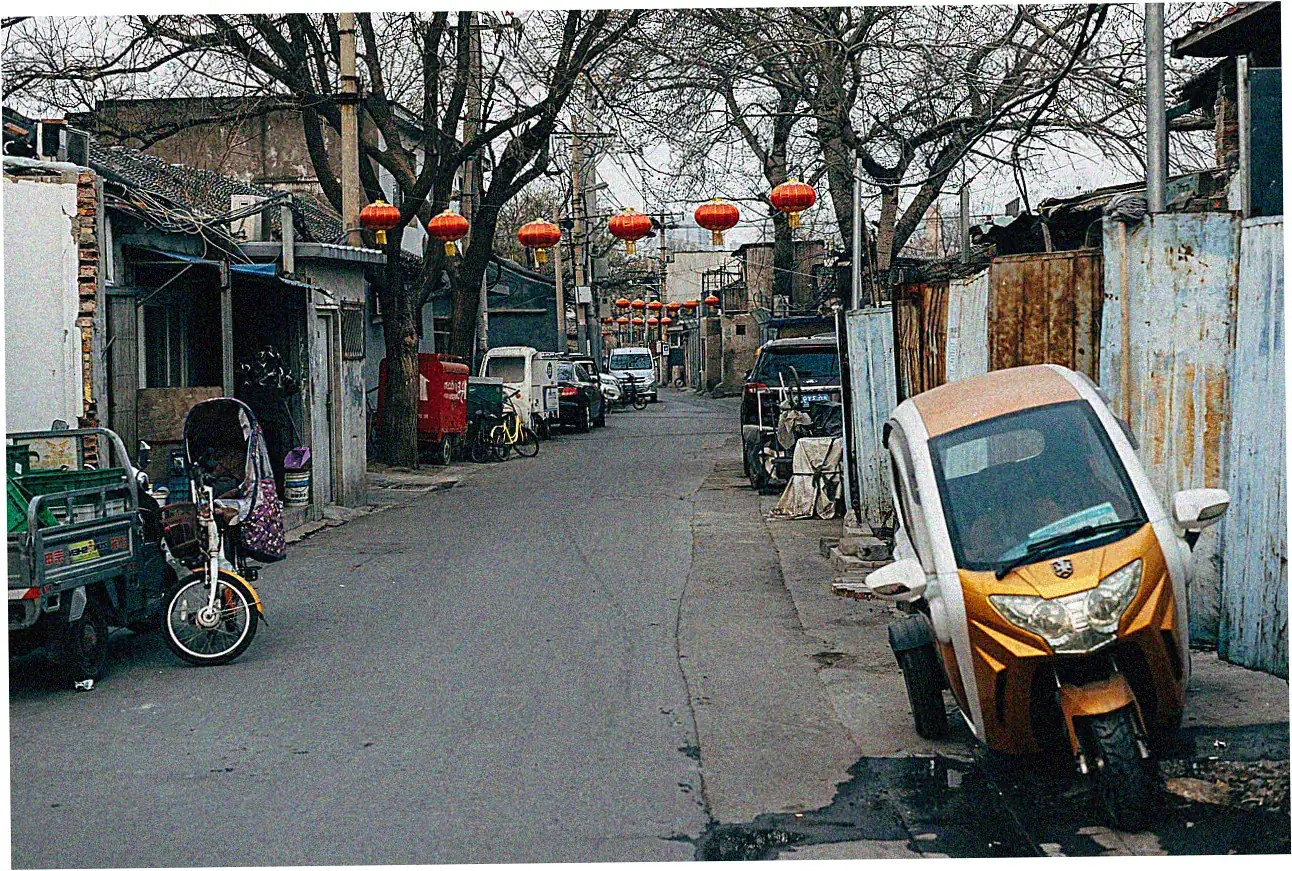
Walking through these areas is your best bet – you’ll stumble upon little galleries and artist studios that most guidebooks don’t even mention.
Navigation tips: Make sure to download maps for offline use, since many smaller studios in the historic areas don’t have much English signage. Taxi drivers might not know studio names, so keep the Chinese characters handy.
Seasoned travelers suggest going early to beat the crowds. You’ll have better chances to chat with the artists who live there – they’re usually more free in the mornings.
Hands-On Ceramic Experiences
Pottery Workshop Participation
Workshop selection criteria: Picking pottery classes in Jingdezhen? Think about the teacher’s background, how many people are in the class, and what tools they have.
Good studios like Pottery Workshop and Sanbao Ceramic Art Institute have all sorts of options – you can try a quick 2-hour intro or dive into week-long masterclasses. Make sure they offer English instruction if you need it, and read what past students say about the teaching and studio setup.
Practical workshop tips: Wear old clothes that can get messy, and take off any jewelry before handling clay. For beginners, you’ll usually learn wheel-throwing basics or try hand-building with pinching and coiling methods.
Your pieces need time to dry before glazing and firing. Most places can ship your finished work overseas, but it’ll cost more and they need to pack everything carefully so nothing breaks.
Ceramic Technique Masterclasses
Specialized learning opportunities: Besides basic pottery, Jingdezhen has masterclasses where you can learn special skills like underglaze painting, making celadon pieces, and traditional blue-and-white designs.
These intensive classes run 2-5 days and give you a deeper look into particular ceramic techniques. The Jingdezhen Ceramic Institute sometimes has short courses with visiting artists, but you’ll need to sign up early since spots fill quickly.
Skill development approach: Total newbies can make some nice pieces with good guidance, just remember – pro-level work takes years to master. Enjoy the experience itself, not just the final product.
and don’t worry if your first attempts aren’t perfect. Lots of people treasure their first pottery pieces, no matter how they turn out, as special reminders of their Jingdezhen trip.
Museums and Cultural Learning
Don’t Miss These Museum Collections
Here’s your essential Jingdezhen itinerary: Start at the China Ceramics Museum, which has China’s biggest collection of historical porcelain. You’ll find over 30,000 pieces there, from ancient Neolithic pottery right up to modern works.
The exhibits walk you through all the technical and style changes over time, really showing how Jingdezhen was the heart of Chinese ceramics. Then check out the Imperial Kiln Museum – it’s an architectural gem designed by Studio Zhu-Pei. The cool underground spaces give you great context for all the archaeological finds.
For your visit, make sure you see the museum’s star pieces first – especially the Yuan Dynasty blue-and-white porcelain and Ming Dynasty imperial items. These show the absolute peak of Jingdezhen’s craftmanship through history.
Plan for 2-3 hours to see everything properly, and grab an audio guide – they’ve got them in lots of languages. Weekends and holidays get pretty packed, so weekdays are better if you want a more relaxed, thoughtful visit.
Understanding the Cultural Background
Knowing the history makes the museums way more interesting. Jingdezhen became the imperial kiln site back in the Song Dynasty (960-1279) and just kept growing through later dynasties.
They found special kaolin clay here during the Song period, which let them make porcelain that the whole world wanted. That’s why Jingdezhen ruled the ceramic world for hundreds of years – pretty different from other Chinese cultural spots you might read about on travel sites.
For learning more, several museums have multimedia shows with English subtitles that break down firing techniques and decoration methods. The China Ceramics Museum’s hands-on displays are super helpful if you’re new to ceramics – they show exactly how raw clay turns into finished porcelain, step by step. These learning tools turn dry history into real understanding of the amazing skills behind it all.
Shopping and Souvenir Strategy
Authentic Ceramic Market Guide
Here’s how to pick Jingdezhen’s ceramic markets – they’ve got options for all tastes and budgets. Head to Pottery Workshop Porcelain Street for modern designs and studio pieces.
or check out the older markets downtown for traditional ceramics and mass-produced items. For the real deal, don’t miss the Saturday morning riverbank market – local artists sell directly to shoppers, offering everything from slightly imperfect pieces to unique creations.
First, hit the museums to train your eye – you’ll learn what makes ceramics well-made before you shop. Pick up some basic Chinese terms and bargaining phrases, though most market sellers understand English numbers.
For pricey buys, ask for authenticity certificates and check shipping choices – lots of sellers know how to pack for overseas shipping, but definitely get insurance for breakable items.

Packing and Shipping Solutions
Transportation methods:
| Method | Cost | Time | Security |
|---|---|---|---|
| Carry-on | Free | Immediate | High |
| Checked Luggage | Free | Immediate | Medium |
| International Shipping | $30-100 | 2-6 weeks | Variable |
For carry-on pieces, size restrictions apply (typically 20x40x55cm for cabin baggage). Use your clothes to wrap and cushion ceramics, and ask for fragile stickers if checking bags.
Jingdezhen has plenty of shipping pros who handle ceramics – they’ll make custom wooden crates and offer insurance. Shipping costs depend on where it’s going and how much it’s worth – sending small or medium packages to North America or Europe usually runs $50 to $150. Get several price quotes and check delivery times before buying, particularly if you need gifts by certain dates.

Local Cuisine and Accommodation
Authentic Dining Experiences
When you’re in Jingdezhen, definitely try the local Jiangxi food – it’s famous for being spicy and has some real regional specialties you shouldn’t miss.
You’ve got to sample the fermented tofu, soup rice noodles, and all the different freshwater fish dishes from Poyang Lake. Head to the food streets downtown for lots of choices.
or check out the family-run spots near the ancient kilns for a more authentic vibe – just be ready for limited English menus there.
Dining practicalities: Eating in Jingdezhen won’t break the bank – you can get a solid local meal for just $3 to $8 per person. Don’t worry about the language barrier – most places have plastic food displays or pictures to help you order.
The popular spots get packed at lunchtime (noon to 1) and dinner (6 to 7:30), so either go at off-hours or ask your hotel to book you a table.
Accommodation Selection Guide
Lodging options: You’ll find all kinds of places to stay in Jingdezhen – from big hotel chains to cute boutique spots with ceramic themes. Staying downtown makes it easy to explore, but if you want peace and artistic vibes.
try the Sanbao Ceramic Art Village. Travelers lately have been saying Ceramic Arts Avenue hits the sweet spot – it’s both convenient and full of local charm.
Booking recommendations:
| Area | Advantages | Considerations |
|---|---|---|
| City Center | Transport convenience, dining options | Noisier, less character |
| Sanbao Village | Artistic atmosphere, natural setting | Limited amenities, transportation needed |
| Ceramic Arts Avenue | Balance of convenience and character | Mid-range pricing |
During busy times, book your room 2-3 weeks ahead, and make sure it’s close to what you want to do so you don’t waste time traveling around.
Summary and Final Recommendations
To plan your perfect Jingdezhen itinerary, you’ll want to mix historical sights, hands-on activities, and cultural experiences.
This porcelain capital lets you dive into a living craft tradition and explore China’s amazing artistic heritage. Follow this Jingdezhen itinerary to make the most of your time and really appreciate the craftsmanship that’s made this place famous for hundreds of years. Keep your plans flexible though – sometimes the best travel memories come from unexpected finds you weren’t even looking for.
Excited to make your own ceramic piece in the porcelain capital? Share your Jingdezhen travel plans in the comments, or check out our pottery workshop guide for more tips before you go!
Jingdezhen Travel FAQ
How many days are sufficient for a Jingdezhen visit?
For a good Jingdezhen itinerary, most people find 3-4 days works perfectly. That gives you enough time to see the museums, check out historical spots, try a pottery workshop, and browse the markets at your own pace.
You’ll get to experience Jingdezhen’s rich history and modern creative scene without rushing around.
What is the best season for a Jingdezhen pottery tour?
The best times for your Jingdezhen pottery tour are spring and fall. The weather’s really nice then – not too hot or cold, with less rain, so you can enjoy both indoor workshops and outdoor sites. October has the International Ceramics Fair with extra events, though it does get more crowded.
Are Jingdezhen pottery workshops suitable for beginners?
Definitely! Most pottery studios in Jingdezhen welcome everyone, and their instructors are great at teaching total beginners. In beginner classes, you’ll learn basic techniques like wheel-throwing or hand-building.
and the instructors help you out so you end up with something you’re happy with, even if you’ve never tried pottery before.
How should I transport purchased ceramics from Jingdezhen?
When it comes to getting your ceramics home, you’ve got a few choices. The shopkeepers know how to pack things safely for travel and can suggest the best way based on how you’re getting home.

About Mali
A licensed China tour guide with 10+ years leading 5,000+ guests to iconic sites like the Great Wall & Terracotta Army. Expert in seamless tours, cultural insights, and VIP access!