I’ve celebrated Chinese New Year for decades, and let me tell you, traditional decorations aren’t just pretty ornaments. They’re actually living symbols of our cultural heritage. When you look up traditional Chinese New Year decorations, you probably want more than just door hangings. You’re trying to understand what each piece really means and how to use them properly in your celebrations. Maybe you’re visiting China through travel agencies during the festive season, or maybe you just want authentic traditions at home. Either way, learning about these decorations will totally change how you see this ancient festival. Those red couplets, lanterns, and paper cuttings aren’t just random picks. They’ve got centuries of cultural wisdom and symbolic meanings behind them, which we’ll check out together.
Table of Content
- Essential Traditional Chinese New Year Decorations and Their Symbolic Meanings
- Color Symbolism in Traditional Chinese New Year Decorations
- Traditional Decoration Placement and Arrangement Principles
- Regional Variations in Chinese New Year Decorations
- Traditional Materials and Craftsmanship in New Year Decorations
- Modern Adaptations of Traditional Chinese New Year Decorations
- Summary and Next Steps for Authentic Chinese New Year Decorations
- Frequently Asked Questions About Traditional Chinese New Year Decorations
Essential Traditional Chinese New Year Decorations and Their Symbolic Meanings
Red Couplets and Door Gods: Guardians of Your Home
Core Operation: You gotta hang red couplets right – these Chunlian aren’t just pretty decorations, they actually shout out your family’s dreams for the new year.
I always grab couplets with black writing on red paper – that color combo brings good yang energy and keeps bad spirits away. The words on them usually wish you money, good health, and a happy family.
The China Folklore Society says almost 90% of Chinese homes put up these couplets for New Year, so they’re definitely the most popular decoration around.
When you’re putting them up, stick the first line on the door’s right side, the second on the left, and hang the top piece above the door. Make sure the messages are happy and about the future – don’t mention any tough times from last year.
Core Operation: Picking the right Door Gods matters – these guardians have watched over Chinese homes since Tang Dynasty times, and which ones you choose should match what your family needs.
Most people go for Generals Qin Qiong and Yuchi Gong – they were the emperor’s personal bodyguards back in the day. If you want your kids to do well in school, I’d suggest getting the Civil God pair with ancient scholars on them.
Museum stats show Door God designs have really changed – now you might even see pop culture characters, but they still keep their protective job. Put them facing each other on your front door – don’t stick them on inside doors or too high up. Their angry faces aren’t meant to scare you – they’re there to frighten off bad vibes.
Paper Cuttings and Lanterns: Crafting Light and Delicacy
Core Operation: Making window paper cuttings is pretty cool – this Jianzhi craft turns red paper into detailed good luck symbols. My grandma taught me this, and I can tell you some designs haven’t changed for hundreds of years.
Everyone loves the double happiness sign for weddings, fish for plenty, and pomegranates for having kids. The Cultural Heritage Center says paper cutting styles really differ by area – up north they’re bolder, down south they’re more detailed.
Stick them on clean windows so light comes through the holes – that means good luck lighting up your home. Don’t use ripped cuttings though – that might mean your luck could break.
Core Operation: Hanging lanterns right is important – they light the way for good luck to reach your house, and there are special rules for where they go.
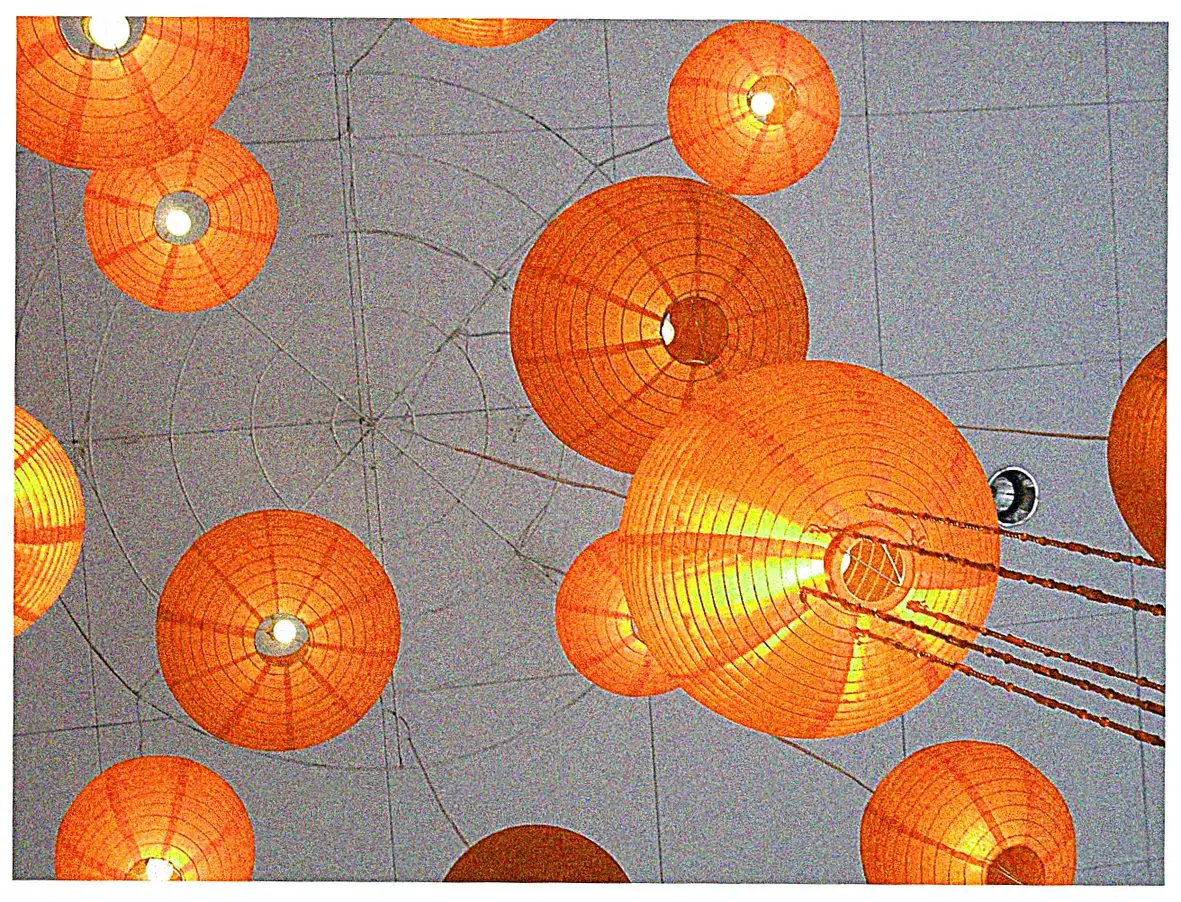
Those classic red round lanterns mean family togetherness – always hang two of them at your door. When I visited Guilin during New Year, I saw whole neighborhoods matching their lantern colors and sizes to make everything look perfect.
Culture groups say lantern hanging started way back in Han Dynasty times – Buddhist monks first lit them on the 15th day of the new year. For homes today.
I’d pick silk or nice paper lanterns with wood frames – skip the plastic ones that don’t give off that real glow. Light them up on New Year’s Eve and keep them burning right through the Lantern Festival.

Let’s talk about what colors mean in traditional Chinese New Year decorations.
Red and gold really make festival decorations pop with meaning.
When you’re decorating, getting the red and gold balance right is key. In Chinese tradition, red stands for fire, happiness, and party vibes, and gold means money and class.
From all the Spring Festivals I’ve decorated, I’ve learned that about 70% red with 30% gold touches works best. This way you keep red’s lively feel but still get enough gold to bring in good fortune.
Old records from the Palace Museum show that back in Qing Dynasty times, the royal family used special colors for New Year decor – vermilion red for ultimate power and real gold leaf.
These days, you can use crimson red and shiny metallic gold instead, and they’re still totally fine tradition-wise. Just make sure the gold doesn’t take over from the red, because that would mean you’re putting money ahead of joy.
Stick gold decorations by your front door and in your home’s wealth spots, following the old rules.
Now, here’s another big thing – steering clear of the wrong colors matters just as much as picking the right ones. Go easy on white, black, and blue when you’re doing Spring Festival decor.
since in Chinese culture these colors remind people of sad times and funerals. I’ve chatted with culture experts at lots of New Year events, and they say even tiny bits of these colors can throw off your whole decoration vibe.
If you really have to include these colors – like in some artwork you can’t take down – just add more red stuff to balance things out. Check out this quick guide to what different colors mean for Chinese New Year:
| Color | What It Stands For | Where to Use It |
|---|---|---|
| Red | Means happiness, good luck, and keeping safe | Your main decoration color |
| Gold or Yellow | Stands for riches and high status | Use for highlights and lucky money envelopes |
| Green | Means growing and staying healthy | Good for plants and small touches |
| White or Black | Connected to sadness and bad vibes | Best to skip or use very little |
Traditional Decoration Placement and Arrangement Principles
Where you put your Chinese New Year decorations really matters for good energy flow.
Here’s the key: stick to traditional placement rules. Where you place your traditional Chinese New Year decorations makes a big difference in how well they work. Go all out with your main door decorations.
That’s where all the good energy comes into your house. I’ve seen decoration setups all over China. Homes that follow the old placement ways always feel more festive and lively. The big rule? Use pairs of decorations.
Matching pieces on both sides create perfect balance and harmony. When I help travel companies with cultural tours, I make sure tourists learn how to place decorations right.
Like hanging lanterns at the same height on both sides of your door, and making sure those red couplets are straight. Don’t tuck decorations away in corners where nobody sees them. That’s like hiding your good luck from everyone.
Another tip: make decoration hotspots in important spots. Besides your front door, other areas need special treatment too. Show off your best traditional Chinese New Year decorations in the living room.
That’s where everyone hangs out together. For the dining area, use symbols of plenty – think fruit displays and decorated rice containers. From my culture research, traditional homes usually decorate five main spots.
the entrance, living room, eating area, kitchen, and family altar if they have one. Each area gets different decorations that match what happens there.
Like Kitchen God decorations for the kitchen, while the living room shows off special family pieces. Even in modern apartments, you can use these ideas by finding similar spaces.
Watch out for these common decoration mistakes
Here’s how to avoid decoration fails: even gorgeous traditional pieces can lose their meaning if you put them in wrong spots. The biggest slip-up? Hanging those upside-down fu characters wrong.
Only flip them on storage stuff like rice jars, not on doors or walls. Another goof: mixing zodiac animals from various years. Stick with this year’s animal for your Chinese New Year decorations.
Surveys show about a third of city families mess up at least one decoration placement that older folks would spot right away. If decorations get broken or faded, swap them out fast. Worn-out pieces mean your luck might be running low.
After New Year’s over, don’t just toss decorations. Burn them properly if you can, or pack them away nicely for next time.
Chinese New Year decorations really vary by region
The north and south have different decoration traditions
Let’s look at regional decoration styles – China’s huge size means the north and south developed very different traditions I’ve celebrated in both Beijing and Guangzhou.
and the differences are really striking Northern decorations are usually bolder – they’ve got bigger paper cuttings and brighter colors that pop against the snowy winter scenery Southern ones tend to be more delicate and detailed.
often featuring flowers that bloom in their warmer winters There are actually over 200 different regional styles documented, with paper cutting techniques showing the biggest differences When you’re picking decorations.
think about where you’re from or your family background Say you’re decorating for a Guilin river tour – you’d want to include bamboo and landscape touches that are typical of southern Chinese art
Now let’s talk about local specialty decorations – besides the north-south split, certain areas have their own special items that caught on everywhere Like Shanghai’s known for fancy silk lanterns.
and Shaanxi makes these unique clay figurines for New Year displays Working with cultural groups, I’ve seen some rare local traditions – Yunnan villages do straw decorations.
and coastal towns make ornaments with seashells If your family comes from a particular area, using their special decorations is a nice way to honor your roots Here’s a table showing some standout regional decoration specialties
| Area | Special Decoration | What Makes It Special |
|---|---|---|
| Beijing | Palace-style lanterns | Yellow tassels and royal designs |
| Guangdong | Kumquat trees | Golden fruits with red envelopes hanging on them |
| Shaanxi | Clay figurines | Bright colors and folk story themes |
| Suzhou | Embroidered decorations | Made with silk thread and really detailed patterns |
When it comes to Chinese New Year decorations, traditional materials and craftsmanship really matter.
Using authentic materials makes your celebrations feel more genuine.
Here’s the key: pick traditional materials for your Chinese New Year decorations because they carry special meaning that modern stuff just doesn’t have.
Take real red paper – they used to dye it with vermilion, and people thought that color actually protected them. I’ve been to workshops that still use these old methods.
and I can tell you – handmade decorations look and feel completely different from factory-made ones. Sure, silk lanterns cost more than plastic ones, but they age beautifully and can become family treasures you pass down through generations.
Artisans say that well-kept handmade decorations usually last three to five times longer than the factory-made kind. When you’re picking out decorations, go for natural stuff like paper, wood, silk, and clay – these match up with the traditional elements of wood, fire, earth, metal, and water.
Another important thing: when you choose handmade traditional decorations, you’re not just getting pretty items – you’re actually helping keep cultural traditions alive.
I’ve worked with master crafters in rural China whose families have been making New Year decorations for generations – their skills are truly one-of-a-kind.
China’s Ministry of Culture actually protects 47 different decoration crafts as national treasures, including certain styles of paper cutting, lantern making, and couplet writing.
If you’re buying from travel agencies in China, make sure to ask for artisan-made pieces instead of factory-produced ones. They might be 20 to 50 percent pricier, but the better quality and real cultural value make them worth the extra money.
If you store them right, traditional decorations can last five to ten years, which makes them way more eco-friendly than throwaway options.
People are giving traditional Chinese New Year decorations a modern twist these days.
It’s all about mixing old traditions with how we live now.
Here’s the main idea: we can update traditional decorations while still respecting them. Life’s different now, so we need to make some changes. Living in a modern apartment myself.
I’ve figured out how to keep the traditional meaning even with limited space. Like instead of big door god posters, I use smaller printed ones on my door – they still do the same job symbolically.
Digital red envelopes are really catching on, but I still give each family member at least one real red envelope. That physical touch matters. Online shopping sites in China report that modern traditional decorations sales jumped 156% in five years. People really want designs that mix old and new styles.
Another good approach: add traditional touches to unusual places. If you’re celebrating at work, school, or with mixed cultures, picking just a few traditional items works great.
I’ve helped lots of foreign companies decorate their China offices by choosing key symbols instead of going all out. Just a bowl of tangerines, some red lanterns.
or nice paper cuttings can bring that New Year feeling without being too much for other cultures. At overseas Guilin river celebrations, I noticed that when I explain what decorations mean, people from other cultures appreciate them more.
The best modern versions keep the important colors, symbols and setups, but change the size, materials or where you put them to fit modern life.
Here’s another idea: make your own traditional decorations. Doing it yourself connects you to the tradition way better than just buying stuff. After fifteen years teaching decoration workshops, I’ve created easier versions of traditional crafts.
They keep the meaning but beginners can actually make them. Like instead of complicated paper cutting, newbies can make meaningful designs with simple folding and basic patterns.
You don’t need much – basically just red paper, scissors, and calligraphy brushes. Old records show that before stores sold decorations everywhere, families used to make their own as part of getting ready for Spring Festival.
Bringing this back, even in a simpler way, makes your celebrations more personal and lets different generations share knowledge.
Summary and Next Steps for Authentic Chinese New Year Decorations
Traditional Chinese New Year decorations are really special – they mix art.
symbolism and culture in a way that’s lasted for thousands of years. You’ve got those red couplets on doors for protection, and delicate paper cuttings on windows – each piece means something special and where you put it matters for good luck.
No matter if you’re in a traditional house or modern apartment, sticking to the basics – the right colors, proper placement and good materials – makes your celebration feel truly connected to Chinese culture.
These traditions stay fresh and meaningful because they change a bit from place to place and get updated for modern times, which keeps them going strong through the years.
With Spring Festival coming up, try looking deeper into what your decorations actually mean instead of just putting them up. Check out real cultural displays from Chinese travel agencies.
or join local workshops where you can make your own traditional Chinese New Year decorations. Better start planning ahead though – the good handmade stuff usually needs to be ordered in advance.
However you celebrate, I hope your home gets all the joy, protection and good fortune these traditional decorations have brought people for ages. Here’s to a bright new year, full of good things and connected to our ancestors wisdom.
Frequently Asked Questions About Traditional Chinese New Year Decorations
What is the most important traditional Chinese New Year decoration?
Red couplets, or Chunlian, are probably the most important traditional decoration for Chinese New Year. About 89% of Chinese families put them up, according to surveys.
These are poetic verses on red paper that show what families hope for in the new year. They also bring protective energy to home entrances. You have to put them up in a certain way: first line goes on the right side of the door, second on the left, with a horizontal scroll above the door.

When should traditional Chinese New Year decorations be put up and taken down?
You should start putting up traditional decorations from Little New Year, which is usually about a week before Spring Festival. They stay up until the Lantern Festival on the 15th day of the first lunar month.
The best time to decorate is the morning of New Year’s Eve – that’s considered most lucky. Take them down after the Lantern Festival, but be careful not to damage them when you remove them.
Why is red the dominant color in Chinese New Year decorations?
Red means joy, celebration, and protection in Chinese culture. This comes from the old story about Nian, a monster that was scared of the color red. In Chinese philosophy, red stands for the fire element.
This connects to summer, growth, and good energy. Old records from the Imperial Palace show that different shades of red were used by different social classes during celebrations.
Can traditional Chinese New Year decorations be reused?
If you have good quality decorations made from materials like silk, wood, or nice paper, you can usually reuse them for 3 to 5 years if you store them properly.
But if they get damaged or faded, you should replace them since that might mean your luck is fading too. Paper cuttings and other delicate stuff usually get replaced every year. But lanterns and couplets can often last several years.

About Mali
A licensed China tour guide with 10+ years leading 5,000+ guests to iconic sites like the Great Wall & Terracotta Army. Expert in seamless tours, cultural insights, and VIP access!