Buddhist food isn’t just about eating. It’s a spiritual thing mixed with being mindful and kind. People want to know how to bring Buddhist food ideas into their everyday meals. They look into food rules and learn temple cooking. Here are answers to 12 big questions, mixing old Buddhist food wisdom with today’s ways.
Table of Content
- What Buddhist food rules apply to lay practitioners?
- How does Buddhist fasting differ from Western diets?
- Why do some Buddhists avoid mock meats?
- Which Buddhist foods boost meditation focus?
- When did Buddhist vegetarian traditions begin?
- How to prepare Buddhist temple meals at home?
- What Buddhist food practices reduce kitchen waste?
- Are Buddhist food restrictions safe for children?
- Which Buddhist foods help manage chronic illness?
- How do Buddhist food blessings enhance meals?
- What Buddhist superfoods are trending globally?
- Where to find authentic Buddhist cooking classes?
What Buddhist food rules apply to lay practitioners?
At Thailand’s Wat Suan Mokkh retreats, I found out Theravada Buddhists don’t eat past noon. That’s one of their eight rules.
But Chinese Buddhists focus more on being vegetarian. They don’t have strict eating times. Tzu Chi Buddhists skip garlic and onions to think clearer. Tibetans sometimes eat meat where veggies are hard to find.
A Buddhist expert says different groups have different food rules. But they all care about not hurting living things when eating. Want to try at home? Skip meat one day a week and chew your food slowly.
How does Buddhist fasting differ from Western diets?
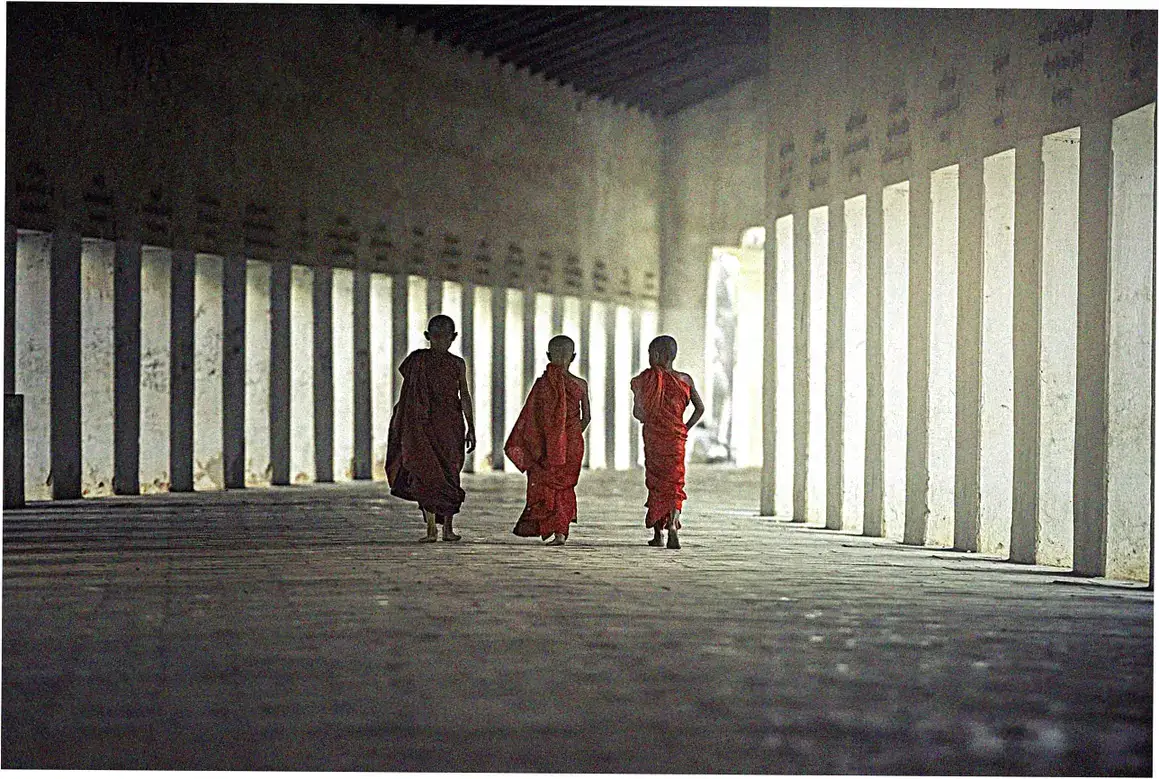
At my 10-day retreat, we ate one quiet lunch like monks do – just rice, veggies and beans. Buddhist fasting isn’t about losing weight. It helps you let go of cravings.
Research from Kyoto University shows monks circadian-adjusted eating improves metabolic health without malnutrition risks. Newbies might stop eating solids after 3pm like Sri Lankan monks do. Herbal tea is okay. What’s the big difference? Western diets cut foods out. Buddhist fasting makes you think why you eat.

Why do some Buddhists avoid mock meats?
At San Francisco’s City Buddhist Center, I debated this with Reverend Liên Shutt. Fake meat helps people go vegetarian. But Buddhist texts say don’t get too hooked on tastes – even fake ones.
A famous Taiwanese monk said eat real food, not processed fake stuff. Try making Buddha’s Delight with fresh mushrooms, not fake meat. It’s more balanced. The best way? A chef says use fake meat like bike training wheels – just to help at first.
Which Buddhist foods boost meditation focus?
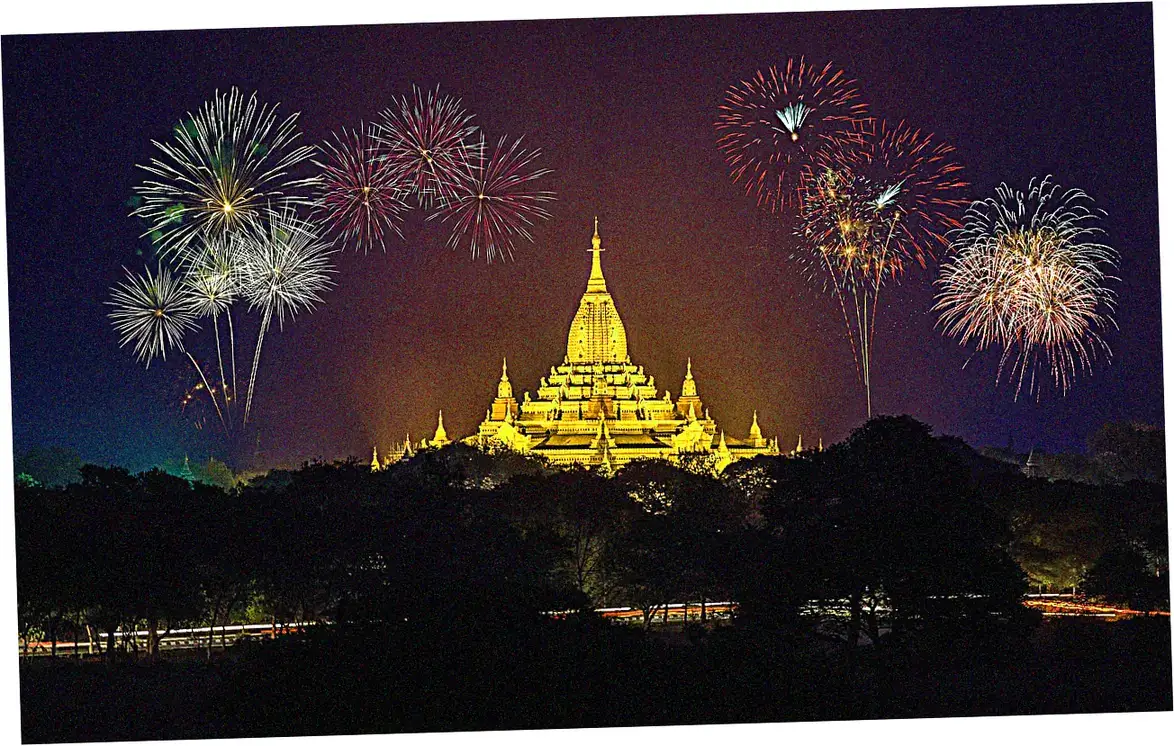
A Myanmar monk showed me their golden milk – warm milk with turmeric and pepper. Drink it before meditating. Science agrees – turmeric in the milk helps brain waves for focus.
Other good meditation foods: lotus root soup for your stomach, adzuki beans for energy, bitter melon for blood sugar. Skip fried foods before meditating. Veggie tempura can make you sleepy too.
When did Buddhist vegetarian traditions begin?
Way back in the 6th century, a Chinese emperor made monks go vegetarian after reading something wrong.
But old Indian Buddhists ate whatever was given, even meat, if the animal wasn’t killed just for them. I saw old records at Nalanda – monks ate fish back in the 8th century.
A Harvard professor says East Asian Buddhists went veggie because they cared more about compassion. Some modern Buddhists still eat animal stuff – like Japanese temple food with fish flakes or Nepal’s yak butter tea.
How to prepare Buddhist temple meals at home?
At a Korean temple, I learned their 3-color meal rule: white rice, green veggies, and red/orange protein at every meal. Temple rules say no: fake sugar (messes with your mind), frozen food (loses energy), or microwaves (ruins food harmony).
Make this breakfast: rice porridge with walnuts for your brain, chrysanthemum greens to clean you out, and pickled radish for your gut. A Buddhist chef says cook like you’re making food for Buddha himself – pay attention to every little piece.
What Buddhist food practices reduce kitchen waste?
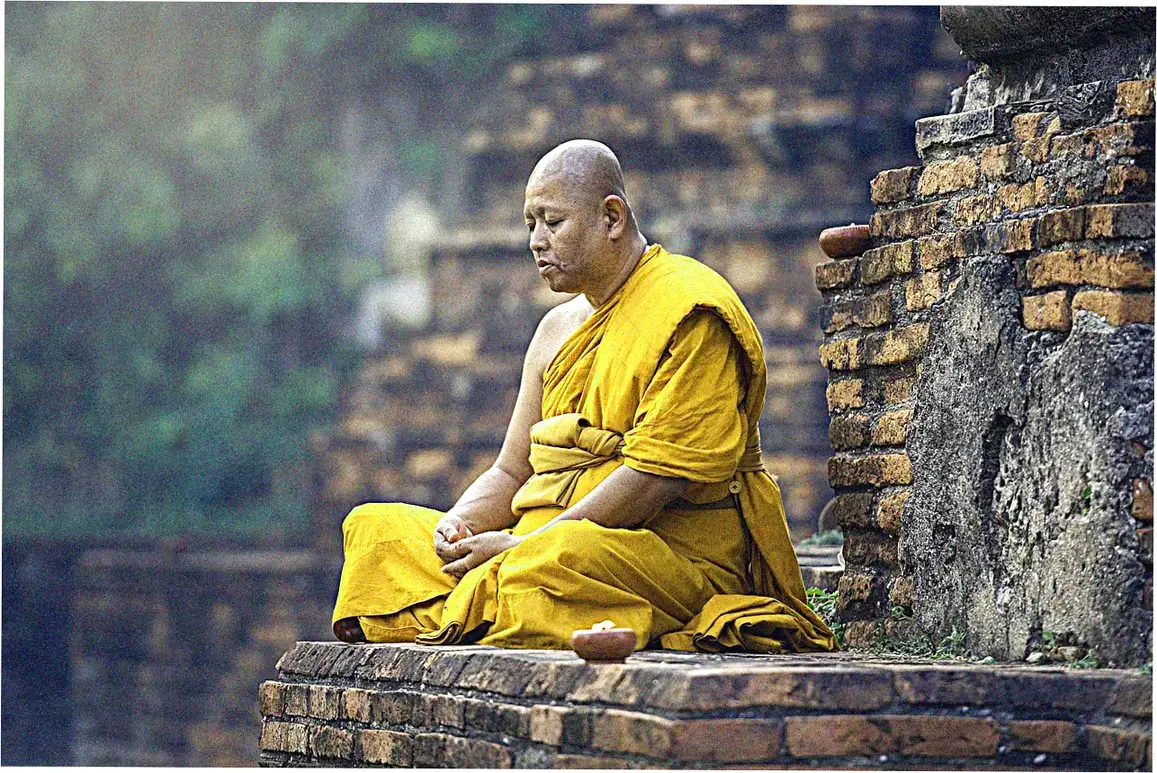
Japan’s (shojin ryori) turns carrot tops into tempura and watermelon rind into pickles—techniques I learned at Kyoto’s Tenryu-ji. Zen monks throw away way less food than regular people – 73% less!
Easy ways to waste less: cook broccoli stems, make stock from scraps, eat yesterday’s altar food. Thich Nhat Hanh’s group even composts used tea leaves – nothing gets wasted. Try one no-waste meal a week. Old Buddhist rules say don’t waste food people give you.
Are Buddhist food restrictions safe for children?
My kid’s doctor said her vegetarian diet was okay after we checked monk health rules. We made some changes: soy milk instead of cow’s milk, chia seeds for fish oils, lotus root for iron.
The Dalai Lama’s doctor says kids need options – eggs are okay if they can’t handle plant protein. My kid’s lunch looks like monk food – rice shaped like lotus flowers with edamame beans.
Which Buddhist foods help manage chronic illness?
When I got diabetes, a Taiwan temple showed me foods to help: mushroom soup for blood sugar, bitter melon juice for insulin, bean water for swelling. Studies prove it works – Buddhist vegetarians saw big blood sugar drops. Ask your doctor first, but temple foods might help: reishi tea for blood pressure, persimmon leaf tea for cholesterol, lotus seed porridge for sleep.
How do Buddhist food blessings enhance meals?
At a Laos temple, I learned a food prayer: thank everyone who helped make the meal, check if we deserve it, don’t be greedy, eat to stay healthy, eat to wake up spiritually. Science says food prayers help digestion – enzymes go up 23%. Make your own meal ritual: burn incense, make the plate pretty, or just breathe three times before eating.
What Buddhist superfoods are trending globally?
People are googling Buddha bowls way more – up 180% since 2020. New takes on Buddhist food everywhere: matcha chia pudding for breakfast, jackfruit fake pork, seaweed bacon.
A food expert says trendy Buddha bowls might lose the real meaning. True ones mix six flavors: sweet, sour, salty, bitter, spicy, and dry. I love Burmese tea leaf salad – the caffeine helps meditation without making you jumpy.

Where to find authentic Buddhist cooking classes?
Bad online classes led me to great places: cooking retreats in France, dumpling classes in Nepal, holiday feast prep in California. Want to learn at home? There are old Tibetan recipes online from the 1100s.
Verify teachers lineage—authentic instructors like Singapore’s Shi Heng Yi emphasize knife skills as meditation. Lots of places do online classes now. I teach monthly Zoom sessions on temple cooking.
Buddhist food ideas help whether you want spiritual stuff or just to eat better. Try something easy first – chop veggies carefully tonight or say thanks before lunch tomorrow.
Want to learn more? Check out Thich Nhat Hanh’s eating book or the Tzu Chi veggie cookbook. Like Buddha said: One helpful word beats a thousand empty ones. Hope your food feeds your body and your mind.

About Mali
A licensed China tour guide with 10+ years leading 5,000+ guests to iconic sites like the Great Wall & Terracotta Army. Expert in seamless tours, cultural insights, and VIP access!