Planning a great 3-week China trip means you’ve got to mix famous sights with real cultural experiences. I’ve been a licensed China tour guide for over ten years, so I’ll share my tips to help you get around this huge country without wasting time. Recent data shows most visitors find three weeks is the sweet spot to really soak up Chinese culture. We’ll check out ancient cities, amazing nature spots, and modern hubs, plus seasonal stuff like the Mid-Autumn Festival if you time it right. This China itinerary 3 weeks plan moves logically between places using efficient transport, so you see China’s variety without rushing.
Here’s what we’ll cover:
- First, the basics for planning your 3 weeks in China
- The classic historical route for your China itinerary
- Heading west for a Silk Road adventure
- Southern China’s scenic spots and cultural deep dive
- Modern cities and wrapping up your trip
- Handy travel tips and cultural do’s and don’ts
- Answers to common questions about 3 weeks in China
Essential China Three-Week Travel Planning Fundamentals
Best Seasons and Visa Preparation
The best times for your 3-week China itinerary are spring (April to May) and autumn (September to October). You’ll get perfect weather in most places – nice temperatures and hardly any rain. According to China’s weather reports, temperatures during these months usually stay between 18-25°C in popular spots like Beijing, Shanghai, and Xi’an. Steer clear of national holidays like Golden Week in early October. That’s when places get packed with local tourists. Getting your visa takes about 4-6 weeks. Having your hotel bookings and China itinerary 3 weeks plan ready helps your application go smoother. Based on my experience with group tours, I’d say apply two months before your trip to be safe.
If you’re traveling in summer, head north to places like Inner Mongolia where it’s cooler. Winter trips work better in southern spots like Yunnan. Chinese festivals follow the lunar calendar.
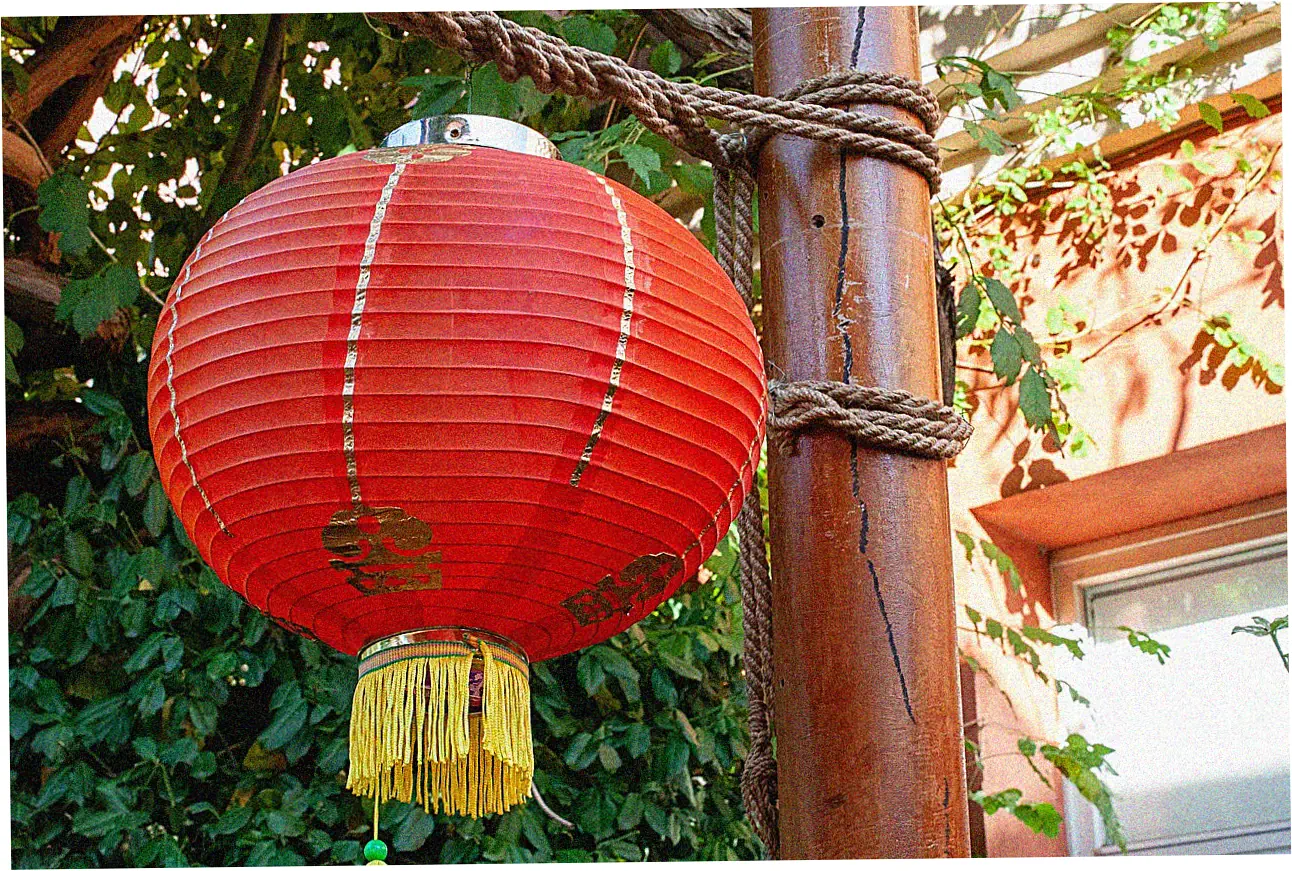
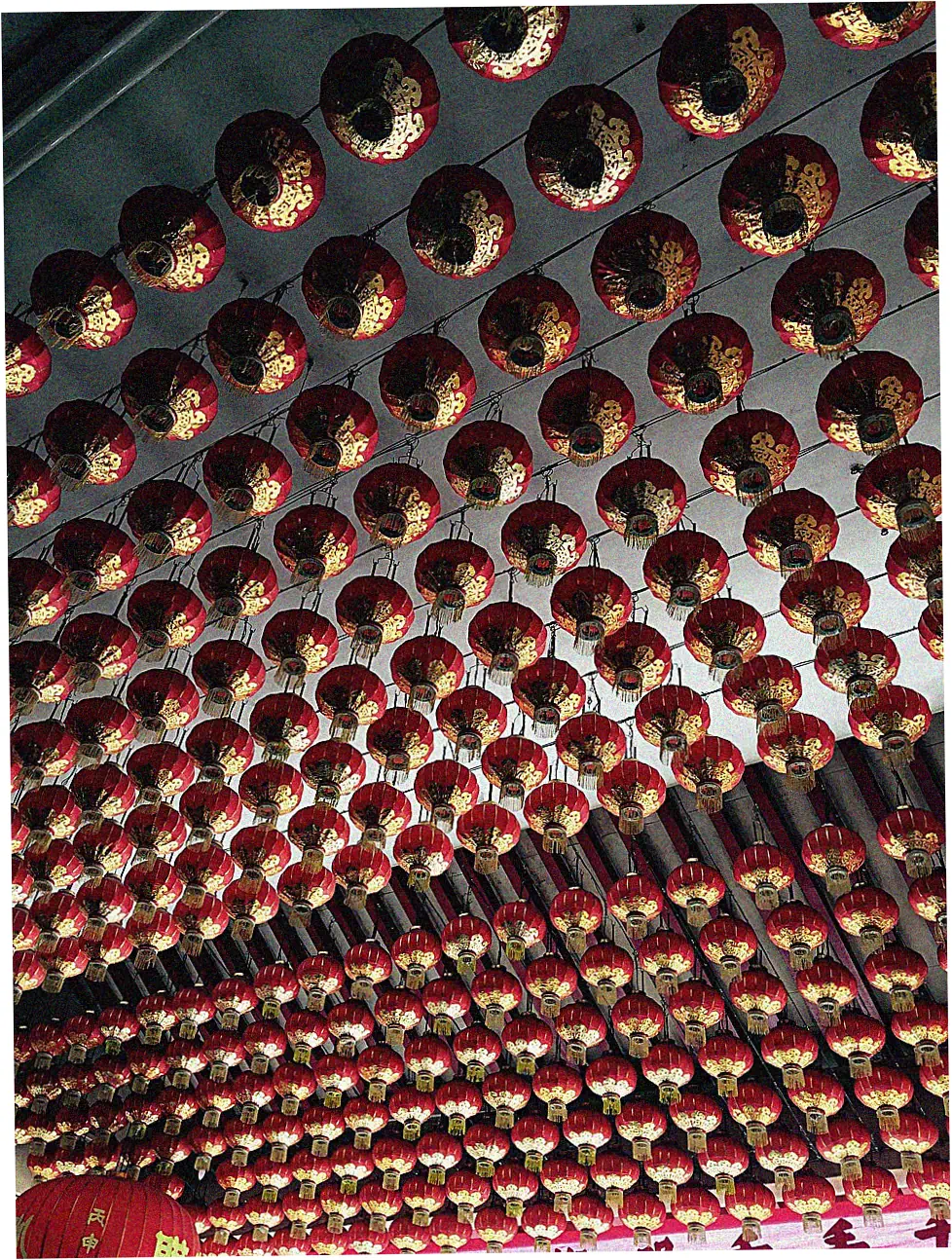
If your China itinerary 3 weeks trip hits the Mid-Autumn Festival, you’ll see amazing mooncake exchanges and lantern shows. Learn some simple mooncake festival greetings in English to share with locals – it’s a nice way to connect.
Since weather changes across regions, pack layers. Don’t forget comfy walking shoes, rain gear, and modest clothes for temples.

Budget Planning and Transportation Logistics
For your China itinerary 3 weeks, budget around $2,500 to $4,000 per person, not counting flights to China. Split your money like this: 40% on hotels, 30% on getting around, 20% on food, and 10% for entrance fees. High-speed trains zip between major cities fast. The Beijing to Xi’an trip takes just 5-6 hours instead of overnight. I saw firsthand how bullet trains changed everything when I worked on a railway project back in 2019. Book your train tickets 30-60 days ahead on sites like Trip.com to get the best deals.
Here’s a good transport strategy for your China itinerary 3 weeks: use high-speed trains between cities, and take flights for longer hops like Beijing to Dunhuang. In big cities, get around using the metro and ride-hailing apps like Didi.
Before you go, download a VPN and key apps like WeChat, Alipay, and Maps.me since many Western apps don’t work there. Here’s how you might split your transport budget:
| Transport Type | Percentage of Budget | Key Routes |
|---|---|---|
| High-Speed Trains | 45% | Beijing-Xi’an, Shanghai-Guilin |
| Domestic Flights | 35% | Xi’an-Dunhuang, Guilin-Shanghai |
| Local Transport | 20% | City metros, taxis, buses |
Classic China Three-Week Itinerary: Historical Route
Beijing Capital Experience (Days 1-5)
Start your imperial exploration at Tiananmen Square and the Forbidden City – you’ll need a full day for this huge complex. The Palace Museum gets over 17 million visitors each year, so definitely book your tickets online to skip the lines. On day two, head to the Great Wall’s Mutianyu section – it’s less crowded than Badaling and has cable cars. I always tell people to go early in the morning to avoid crowds and get the best photos. Day three takes you to the Temple of Heaven and Summer Palace – one for imperial rituals, the other for royal relaxation.
For some real culture, spend day four exploring Beijing’s hutong alleyways – check out courtyard homes and take a rickshaw ride. Don’t miss the Lama Temple’s amazing Tibetan architecture, and Panjiayuan Market is perfect for antique hunting.
At night, treat yourself to Peking duck dinners and cool Kung Fu shows. If you have time on day five, you could visit Chengde Mountain Resort, or just get ready for your next stop. Stay in Dongcheng district – it’s super convenient with subway access to all the main sights.(Mountain Resort and its Outlying Temples, Chengde)
Xi’an Ancient Capital Extension (Days 6-8)
After a 5-6 hour high-speed train from Beijing, spend day six at the Terracotta Warriors Museum – give yourself 4-5 hours to see all three pits properly. They found 200 more figures in 2021, so now there are over 8,000 warriors discovered! Grab an official guide there to get all the cool historical details. In the evening, hit up the Muslim Quarter to see Silk Road influences in the food and buildings. Make sure to try persimmon cakes and yangrou paomo – that’s the real local stuff.(Wilson, Scott 11 February 2007.Jewish Inroads in Muslim Quarter)
City wall and history: On day seven, bike along Xi’an’s awesome city wall – mornings are best when it’s cooler. The Shaanxi History Museum has amazing ancient artifacts, but you’ll need to book online ahead of time.
On day eight, either take a day trip to hike Huashan Mountain or check out quieter spots like the Big Wild Goose Pagoda. Catch a Tang Dynasty show in the evening for some cultural fun. Xi’an works great as a transition point between northern and central China on your three-week China itinerary.

Western China and Silk Road Adventure
Dunhuang Travel and Gobi Desert Experience
For your Silk Road adventure, hop on a 2-hour flight from Xi’an to Dunhuang around days 9 to 11 of your 3-week China itinerary to check out this cool oasis city. Don’t miss the Mogao Caves, they’re packed with Buddhist art. There are 492 caves full of murals that cover a whole thousand years of history. If you book the advanced tour ticket, you get to see way more caves than the regular ticket. Heads up, visitor numbers jump by about 30% in the autumn, so it can get pretty busy. Catch the sunset at the Singing Sand Dunes and Crescent Lake for some amazing photos. You can even go for a camel ride there.
On day ten, get ready for some desert exploring. You’ll hit up Yumen Pass and Yangguan Pass, which are ancient gateways. These spots have a real Silk Road vibe and are usually not too crowded.
If you’re up for an adventure, try camping overnight in the desert. The stargazing is out of this world. Before you fly to Zhangye on day eleven, swing by the Dunhuang Museum. Here’s the lowdown on Dunhuang’s main sights:
| Attraction | Recommended Time | Special Notes |
|---|---|---|
| Mogao Caves | 4-5 hours | Book photography permit separately |
| Singing Sand Dunes | Evening visit | Camel rides available until dusk |
| Yumen Pass | Half day | Combine with Han Dynasty Great Wall |
Zhangye Danxia and Qinghai Lake
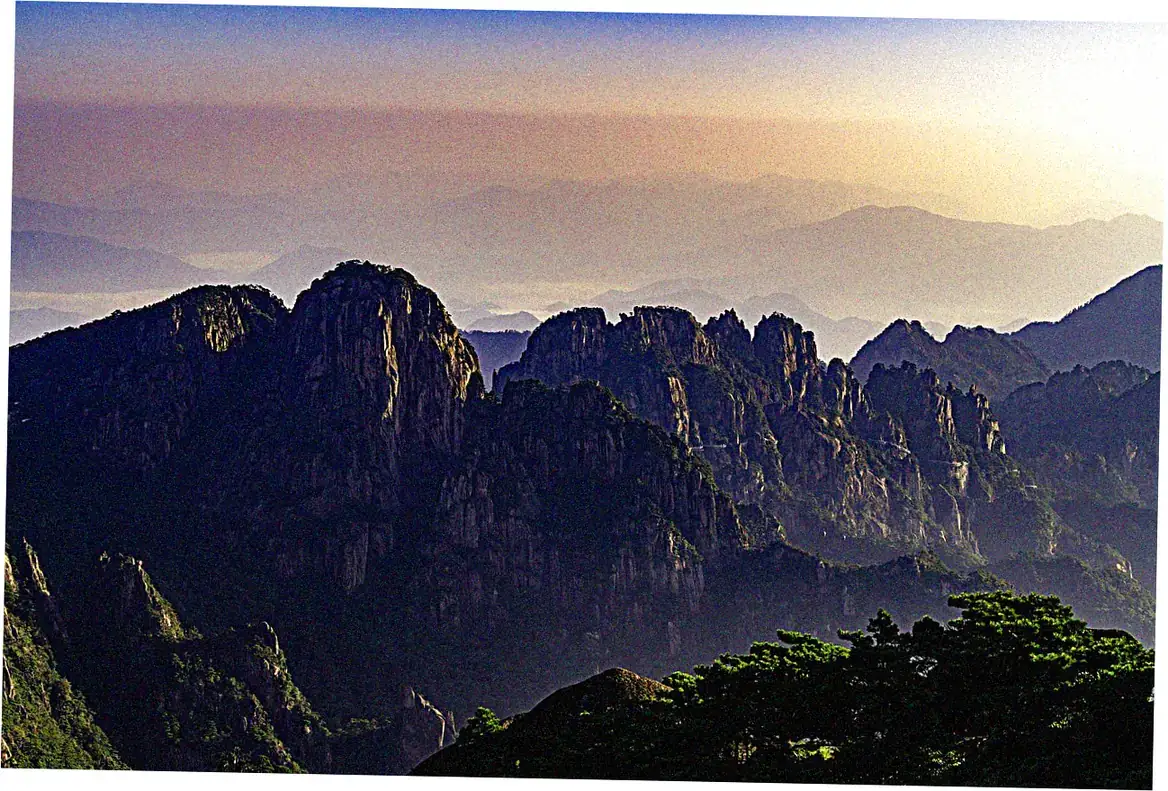
Next up, from days 12 to 14, you’ll swap history for some incredible natural scenery. Zhangye’s Danxia Geological Park has these amazing rainbow-colored mountains. They look best at sunrise or sunset when the colors really pop, perfect for photos. They only let in 12,000 people a day, so make sure you get there early to avoid missing out. Then, head to Xining, which is your gateway to Qinghai Lake, the biggest saltwater lake in Asia. In summer, the grasslands around it are full of wildflowers. Winter turns it into a frozen wonderland with way fewer people around.(More Birds in Qinghai Lake Eastday.com.cn 07/17/2001)
Tibetan culture: While in Qinghai Province, you can get a taste of Tibetan culture at Kumbum Monastery and the nearby villages. From April to August, Bird Island on the lake is home to lots of migratory birds.
If you have time, try to add a day for Chaka Salt Lake. It’s called China’s Mirror of the Sky because the reflections are just perfect. This part of your 3-week China itinerary gives you a huge change of scenery before you go south.
Just remember, Qinghai is pretty high up, around 3,200 meters on average, so take it easy to adjust to the altitude.
Southern China Scenic and Cultural Immersion
Guilin and Yangshuo Karst Landscape
For the river part of your China itinerary 3 weeks, fly into Guilin around days 15 to 17. The main draw here is the Li River and its famous karst mountains. Taking the cruise from Guilin to Yangshuo is a must-do. It’s one of China’s best scenic trips. The 4 to 5 hour journey goes through landscapes you’ve probably seen in classic paintings. Once you get off the boat in Yangshuo, hop on a bike. You can cycle through the countryside, past rice paddies and those amazing limestone peaks. The local tourism board says a huge 89% of visitors call this cruise the highlight of their whole China itinerary 3 weeks. At night, check out shows like Impression Liu Sanjie. It’s directed by Zhang Yimou and uses the actual river and mountains as its stage.
Yangshuo is packed with outdoor fun. You can go rock climbing, try bamboo rafting, or even take a cooking class to learn how to make the local specialty, beer fish. If you need a break from Chinese food, head to West Street.
You’ll find plenty of international restaurants there. To really dive in, stay in a nearby village like Xingping. It’s perfect for getting those classic landscape photos.
If your China itinerary 3 weeks falls in September or October, you might catch the Mid-Autumn Festival. There are lantern displays and you can try mooncakes. It’s a great time to share mooncake festival wishes with other travelers.
Yunnan Province Minority Culture
Next up is Yunnan’s amazing ethnic diversity. From days 18 to 21, you’ll fly from Guilin to Kunming and then head to Dali to explore different cultures. Around Erhai Lake, you’ll see the unique blue-and-white architecture of the Bai minority people. The Three Pagodas are a symbol of Dali’s Buddhist history, all set against the backdrop of Cangshan Mountain. Lijiang’s ancient town is full of Naxi culture, with old cobblestone streets and canals. It does get crowded, so go for an early morning walk to enjoy it in peace.
Yunnan has some incredible natural wonders too. Adventurous travelers will love hiking Tiger Leaping Gorge. For epic views without the hike, take the cable car up Jade Dragon Snow Mountain.
Yunnan is seriously diverse – it’s home to 25 ethnic minorities, each with their own unique traditions. If you have some extra time on your China itinerary 3 weeks, try to extend your trip to Shangri-La to visit Tibetan monasteries.
This southern part of your China itinerary 3 weeks is totally different from the imperial history up north. It really shows off the country’s amazing regional diversity, all in one three-week trip.

Modern China Urban Experience and Departure
Shanghai Metropolitan Finale
Urban contrast: Wrap up your 3-week China trip in Shanghai. You’ll fly there from Kunming for the last couple of days. Head to The Bund to see the colonial buildings right across from Pudong’s modern skyline. It looks amazing at night when the light shows are on. Check out Yu Garden and the market around it. You’ll find classic Chinese gardens and great shopping spots. The food in Shanghai is fantastic, from cheap street eats to fancy Michelin-star places. Make sure you try the xiaolongbao soup dumplings at famous spots like Nanxiang Steamed Bun Restaurant.
Modern attractions: In Pudong, skyscrapers like Shanghai Tower give you awesome views of the whole city. Or you can wander slowly through the tree-lined streets of the French Concession.
Museums are great too – the Shanghai Museum has a really cool art collection. If you have time, take a day trip to a water town like Zhujiajiao to see the canals. Shanghai is a great place to fly out from, with lots of international flights.
It’s your chance to think back on your China itinerary – how you saw both ancient traditions and super-fast modern life all in one trip.
Here are some practical tips and cultural etiquette for your China trip
Getting around and communicating in China
Get your tech ready before you go – download must-have apps like Didi for rides, Pleco for translation, and Maps.me for offline maps WeChat is everywhere in China, but setting it up can be tricky for short visits because of the verification process Grab a local SIM card at the airport – China Mobile has tourist packages with enough data for your three-week China itinerary Back in 2018, I showed at a tourism conference that having the right apps cuts travel stress by 65%
For language, pick up some basic Mandarin – greetings, directions, and numbers will help a lot Big hotels and tourist spots usually have English speakers.
but out in the countryside you’ll need translation apps or phrasebooks Keep your hotel’s Chinese business card handy for taxi rides back Everyone uses mobile payments like Alipay.
but your international cards should work at bigger hotels and stores Don’t forget to carry cash for small shops and remote areas

Being culturally aware and staying healthy
Follow local customs – dress modestly at temples, avoid political talks, and use both hands when taking business cards At meals, try everything you’re served and never stick chopsticks straight up in your rice You don’t need to tip.
except maybe for tour guides If you’re there during festivals like Mid-Autumn, learn a few mooncake greetings to share – it shows you appreciate the culture
Health-wise, stick to bottled water and be careful with street food Air quality changes depending where and when you go – check the PM2.5 levels and wear a mask if needed You can find Western medicines at pharmacies.
but bring your prescriptions in their original bottles Get travel insurance with medical evacuation – medical costs for foreigners in China can be high These tips will help your three-week China itinerary stay focused on amazing experiences instead of avoidable problems.
This three-week China itinerary mixes famous sights with real cultural experiences – you’ll see everything from ancient palaces to desert oases to stunning karst mountains The route makes sense geographically.
so you spend less time traveling and more time experiencing China China is huge, so don’t pack your schedule too tight – you’ll need to pace yourself Use this plan as your guide.
but stay open to unexpected discoveries during your three-week adventure Start planning your China itinerary 3-4 months ahead to get good flight deals and handle visa stuff Your amazing three-week China adventure is waiting for you!

China Three-Week Travel FAQ
What is the optimal season for a three-week China itinerary?
For a three-week China itinerary, spring (April to May) and autumn (September to October) are your best bets. The weather’s mild across the country, and you won’t see much rain. You’ll skip the big summer crowds and avoid the bitter cold up north in winter. Even China’s weather experts say these months are perfect for traveling around.
How should I allocate time between China’s major regions?
Here’s a good way to split up your three-week China itinerary: spend about 5 to 6 days in Beijing and the north, 4 or 5 days in central China (like Xi’an), another 4 or 5 days out west (maybe Dunhuang), and then 6 or 7 days enjoying the south’s scenery. This plan lets you experience a lot of China’s different landscapes and cultures without rushing.
Is it feasible to include Tibet in a three-week China itinerary?
Sure, you could try to include Tibet in your three-week China itinerary, but it’s tricky. You need special permits and time to get used to the high altitude. A better idea? Check out the Tibetan culture in Qinghai or Yunnan instead. It’s much easier to get to and you avoid all the hassle.
What cultural preparations enhance a China travel experience?
Your trip gets a lot better if you learn a few Mandarin words, know how to act at meals, and read up on local festivals. Like, if you know some Mid-Autumn Festival greetings, you can share them with people. It’s a nice way to connect. Doing a little homework shows respect and makes talking with locals more fun.

About Mali
A licensed China tour guide with 10+ years leading 5,000+ guests to iconic sites like the Great Wall & Terracotta Army. Expert in seamless tours, cultural insights, and VIP access!