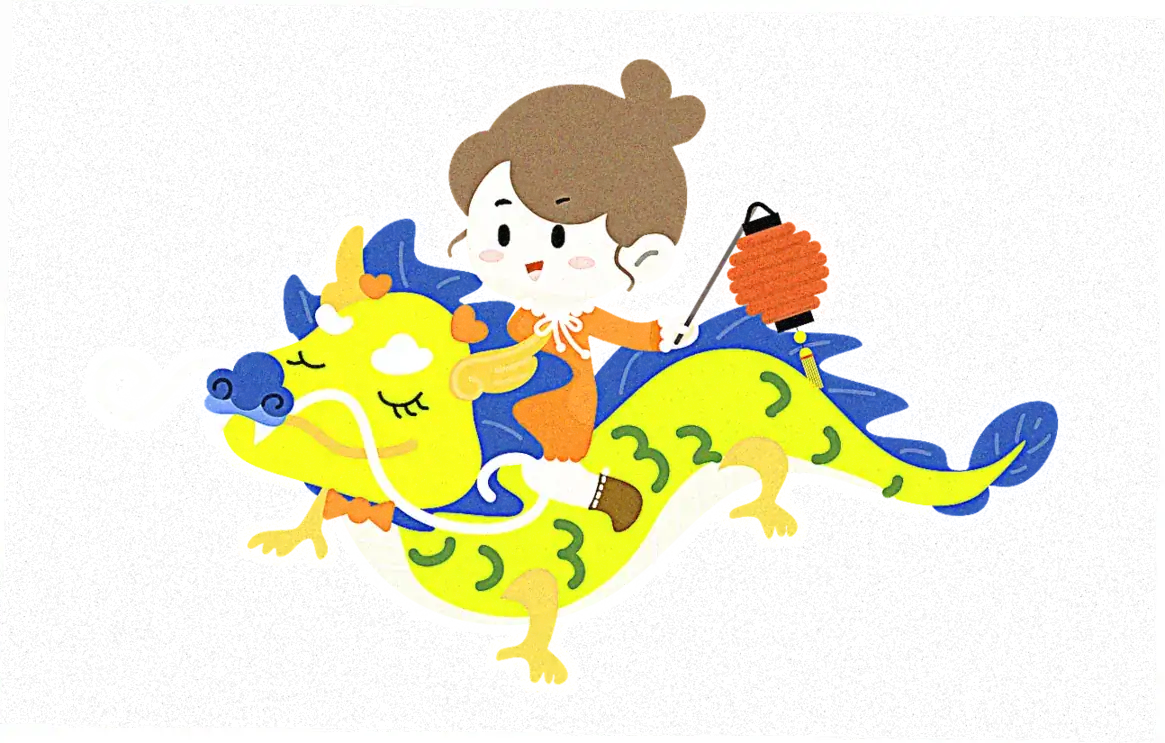
Every June, when I catch that smell of steamed zongzi floating around the neighborhood, I know the Dragon Boat Festival is back. It’s a traditional Chinese holiday—lots of international pals call it the Chinese Dumpling Festival. We celebrate our culture with these sticky rice dumplings wrapped up in bamboo leaves. Last year, my team went around Sichuan checking out how people celebrate. We found all kinds of zongzi—some are spicy inside, some are sweet like dessert. But it’s not just about the food. The festival also honors an old poet named Qu Yuan. That’s why we have dragon boat races—they turn whole rivers into these awesome, colorful shows. A lot of travelers who want the real deal often pair the festival with trips to top spots like Guilin or Chengdu.
Table of Content
Historical Roots and Cultural Significance
Origin Story of Qu Yuan
The Chinese Dumpling Festival really centers around Qu Yuan’s sad story. He was a patriotic poet during the Warring States period. After his kingdom fell, he drowned himself in the Miluo River to protest corruption.
Local villagers raced boats trying to save him. They also threw rice balls into the water so fish wouldn’t eat his body. That’s how zongzi and dragon boat racing became such big parts of the festival. They’re totally connected traditions.
When I researched in Hunan, I saw communities keeping these rituals alive with real respect. Their yearly reenactments bring history to life and draw both locals and tourists from abroad.
Evolution Through Dynasties
Over 2000 years, the Chinese Dumpling Festival grew from a local memorial into a big national cultural event. Tang Dynasty records tell us imperial families held fancy zongzi-making contests.
Ming Dynasty texts say dragon boat races were used for military training. I really like how each dynasty added new touches. During plagues, they put herbs in the rice. They also wove special threads to protect kids.
My team’s research showed regional differences too. Northern China went for sweet jujube-filled zongzi, while the south created savory kinds with pork and salted egg yolks.

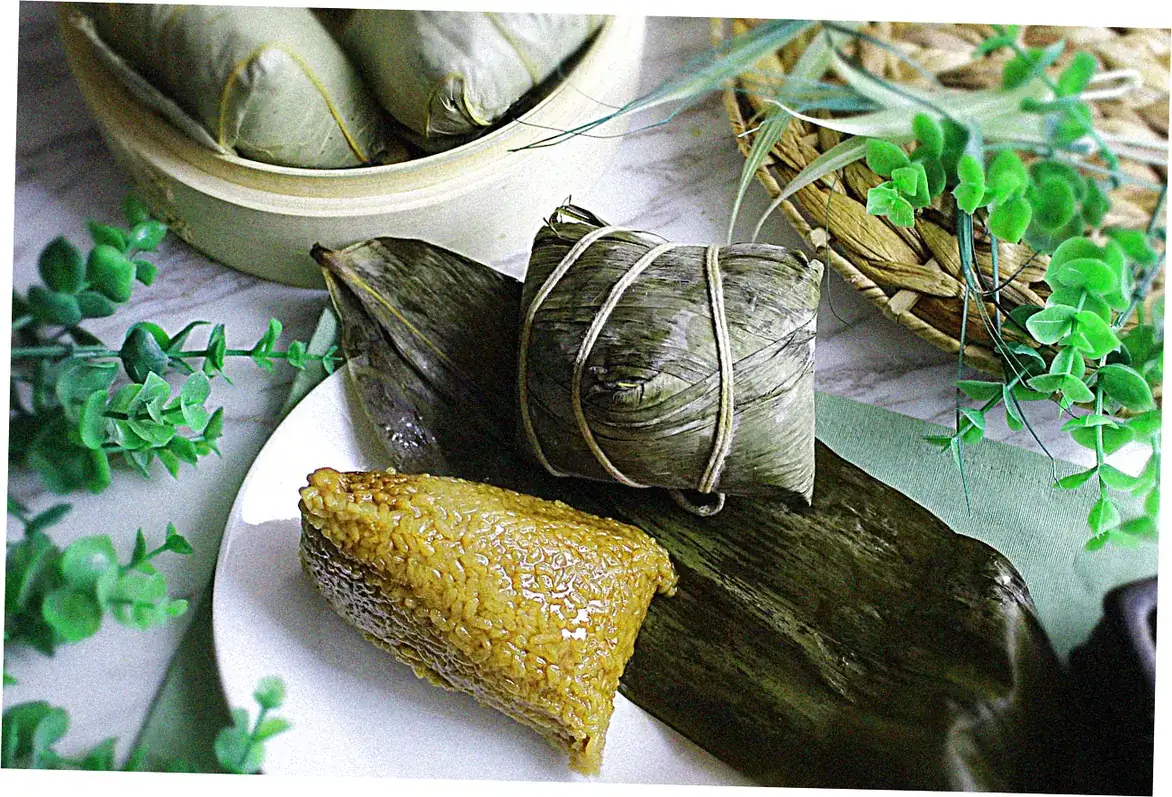
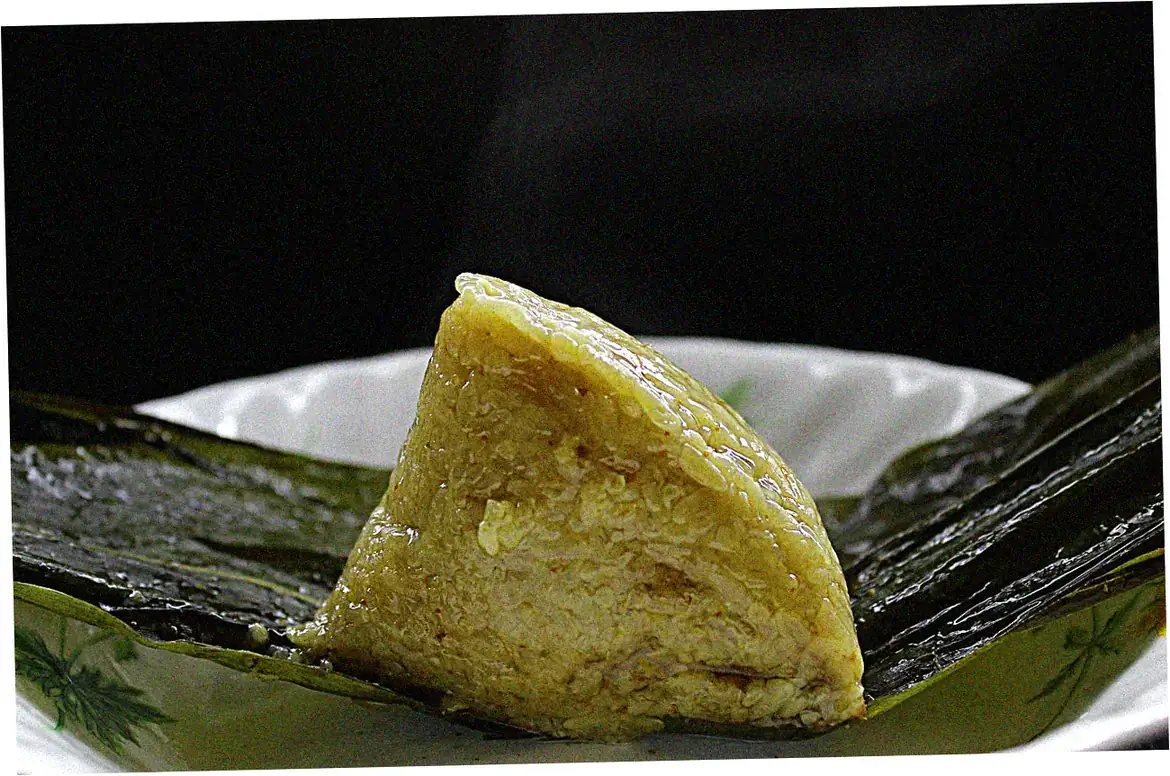
Zongzi is really the heart of the Chinese Dumpling Festival.
Traditional Preparation Methods
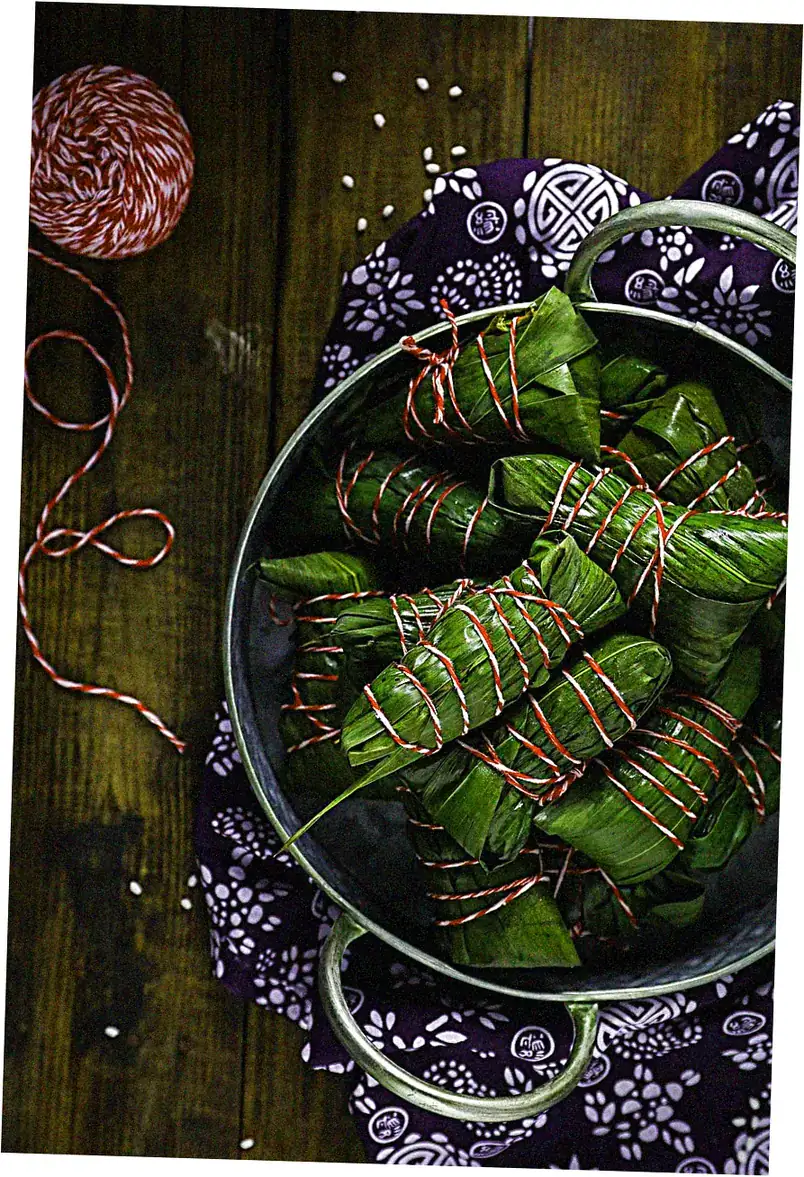
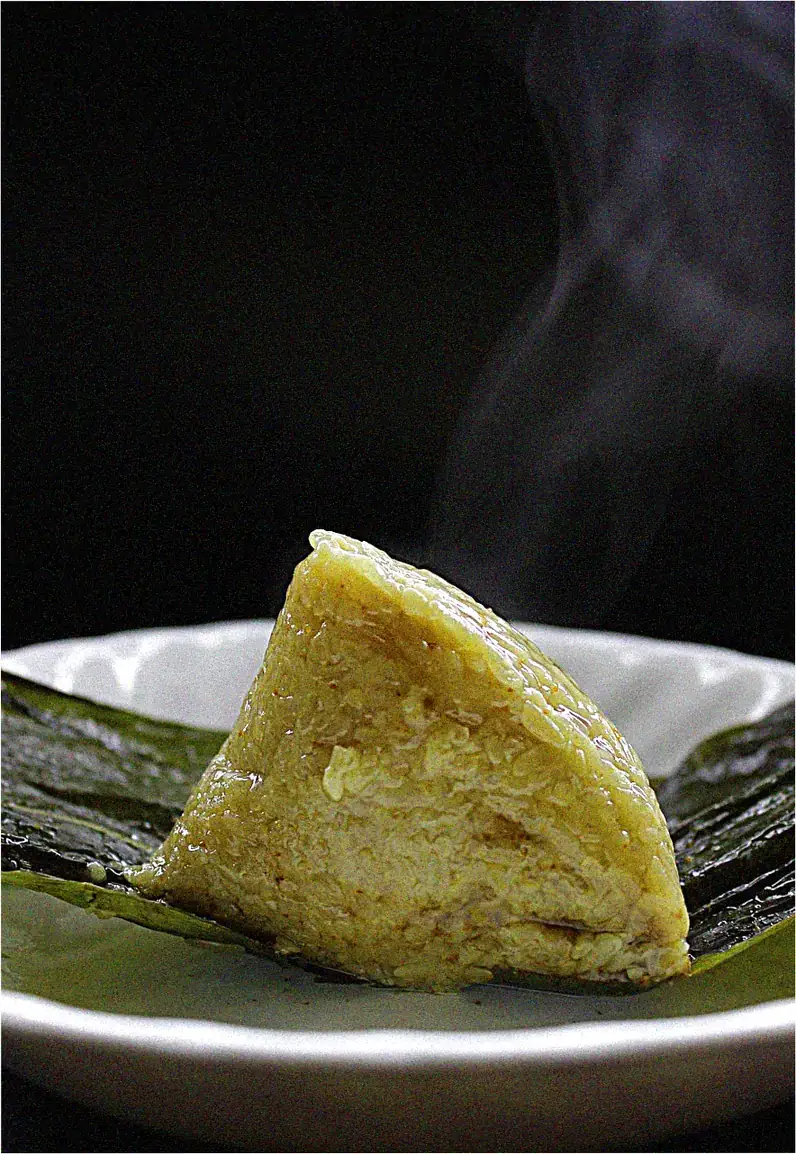
I learned how to make real zongzi from my grandma back in Zhejiang, and it’s like an art form. You gotta soak the sticky rice overnight, pick out the best bamboo leaves for wrapping, and make fillings that mix textures and flavors just right.
With the old-school way, you need to fold them just right into pyramid shapes so they don’t fall apart when you steam them for hours. What really blew my mind was finding out that bamboo leaves aren’t
just for wrapping—they give the rice this special smell that soaks right in. After a bunch of tries, I figured out a steaming trick that keeps the rice moist but not too soft.
Regional Variations Across China
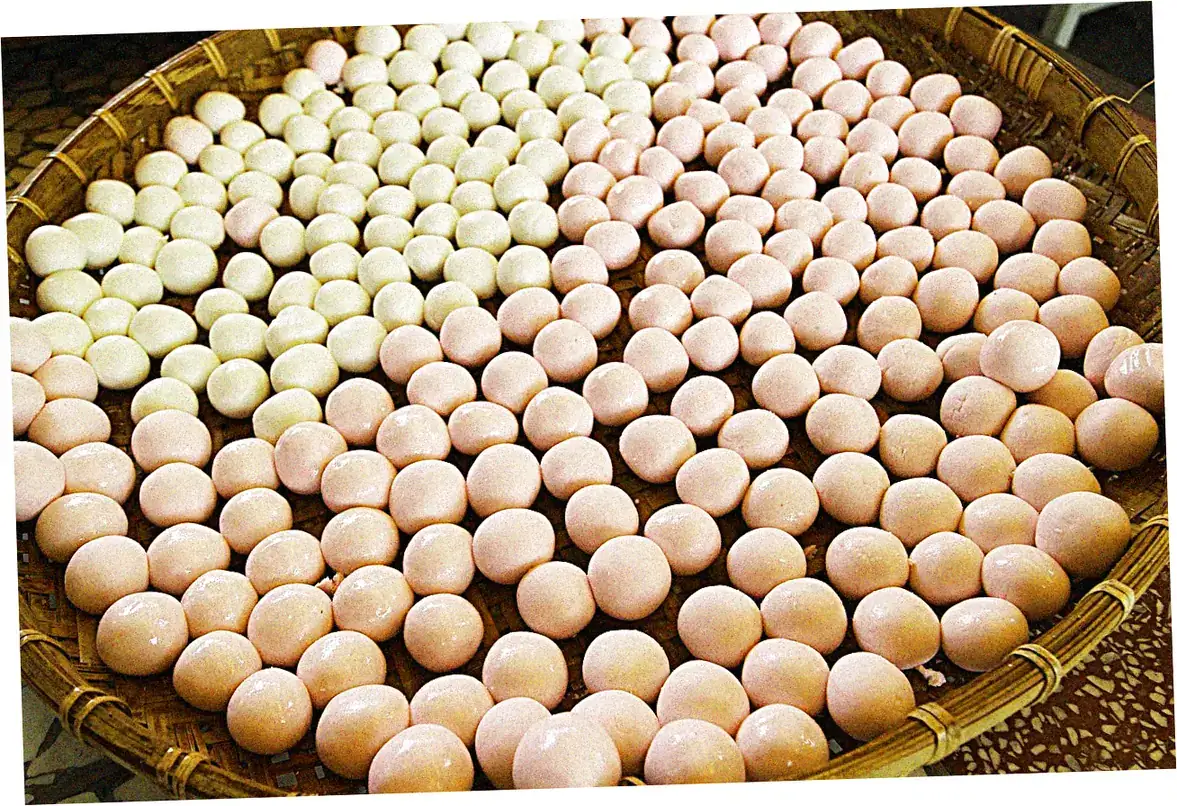
When I traveled around during the Chinese Dumpling Festival, I saw how different zongzi can be depending on where you are. In Jiaxing, I tried the sweet kind with red bean paste and sugar on top, but in
Xiamen, they had zongzi stuffed with seafood like shrimp and mushrooms. My absolute favorite came from Sichuan—spicy zongzi with mala seasoning and preserved meats that make your tongue tingle.
The weirdest one I found was in Guangdong, where they use alkaline water to turn the zongzi golden and give it a chewy feel. These differences aren’t just about taste—they tell stories about local history and what ingredients people had, changing over hundreds of years.
Dragon Boat Racing Traditions
Ritual Significance and Techniques
Dragon boat racing isn’t just a sport – I saw in Fujian how it’s really a ritual with all these special ceremonies. Before races start, the community elders paint eyes on the dragon boats.
They do this awakening ceremony to make the boats come alive, or so people believe. Everyone has to paddle in sync, moving like one big organism. Drummers keep the beat, and steerers handle those tricky courses.
What really got me interested was finding out how different places have their own techniques. Some teams go for short, powerful strokes, while others like long, graceful pulls. The energy at races is just electric!
Spectators are cheering, traditional music’s playing – it makes for an amazing atmosphere you won’t forget.
Modern Competitive Developments
Even though it keeps its traditional roots, dragon boat racing has become a proper international sport now. It’s got standard rules and pro teams. I’ve been in races where they use GPS to check the course
and electronic timing that decides winners by milliseconds. These days, teams use sports science too. They analyze videos to get their stroke just right and follow nutrition plans to perform their best.
Mixing ancient tradition with modern innovation makes something really special. The International Dragon Boat Federation now runs competitions in more than 60 countries. This Chinese tradition has gone global and just keeps getting more popular.
Festival Customs Beyond Food
Protective Rituals and Symbols
Besides all the yummy food, the Chinese Dumpling Festival also has some really cool protective customs. Families often hang calamus and moxa leaves on their doors to keep evil spirits away.
And kids get to wear these colorful little sachets stuffed with fragrant herbs that are supposed to keep them from getting sick. I still remember this scented pouch my grandma made for me one year.
It had realgar, cinnamon, and cloves inside – that mix created this special smell that always makes me think of the festival now. There’s another custom where people tie five-colored threads around their wrists for good luck.
Later, when the first rain comes after the festival, you’re supposed to throw these threads into a river. All these practices come from ancient Chinese beliefs about staying healthy and living in harmony with nature.
Family Traditions and Community Activities
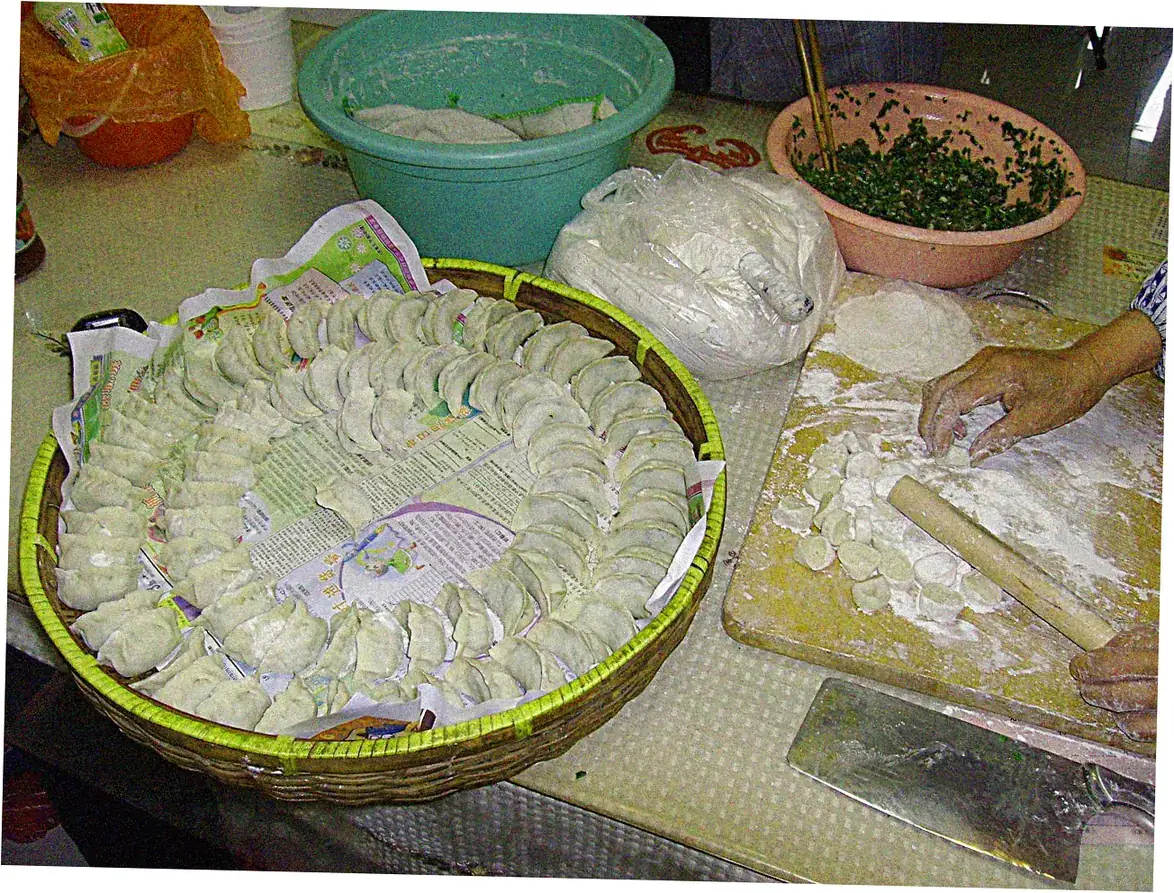
The festival isn’t just about traditions – it really brings people together and creates strong community bonds, which I’ve seen for myself. You’ll see whole families, from grandparents to kids, getting together to make zongzi.
They share family stories while the older generations teach the younger ones how to make them properly. Communities often put on cultural shows with traditional music and dance that really celebrate local heritage.
In smaller villages, I’ve joined evening gatherings where the elders tell folk tales about how the festival started. These activities help keep the culture alive while making happy memories for everyone.
What really gets me is how communities keep adding new twists. Like in Shanghai, I saw them using bamboo leaves from zongzi to make art installations that promote environmental awareness and sustainability.

Travel Experiences During Festival
Best Places to Celebrate in China
If you want a real taste of Chinese culture, plan your trip around the Chinese Dumpling Festival. Hangzhou’s West Lake turns magical then, you’ll see dragon boats racing past those famous views.
Over in Guilin, the Li River has amazing races too, right between those karst mountains that look just like a painting. I’d really say check out Chengdu.
Sure, the Sichuan food is great, but they also throw huge Chinese Dumpling Festival parties in the parks. You can even learn how to make zongzi from the locals. These top spots in China totally change for the festival, giving you cool experiences you can’t get any other time of year.
Combining Festival with Cultural Exploration
Smart visitors mix the festival fun with checking out the local culture. After catching the races in Zhejiang, I wandered through some old water towns nearby. You can really see the old ways in the buildings and how people live.
In Beijing, you can do the Chinese Dumpling Festival stuff at the Summer Palace and also hit the Great Wall and the Forbidden City. My best trip was to Yunnan province.
I went to these small village celebrations for the festival and then checked out minority culture centers. You often find hidden sides to cool places in China during traditional festivals like this one.
I’ve stumbled upon hidden temples having special events and local museums showing off old festival things that tourists don’t usually get to see.
Modern Interpretations and Global Spread
Contemporary Celebrations Worldwide
This Chinese dumpling festival has really gone global, you know. Now you’ll find celebrations in big cities worldwide where there are lots of Chinese people. I’ve been to some amazing events myself.
In San Francisco, they have dragon boat races with the Golden Gate Bridge in the background. Over in London, teams from all over Europe compete on the Thames River.
What’s really cool is how each place puts its own spin on the Chinese dumpling festival. In Southeast Asia, they mix in Malaysian and Indonesian touches. Down in Australia, you’ll find fusion food stalls right next to the traditional zongzi.
This worldwide spread means lots of cultural exchange happens. People who aren’t Chinese join in the fun, embracing the traditions but also adding bits of their own culture.
Fusion Cuisine and Innovation
Chefs all over are getting creative with zongzi for the Chinese dumpling festival. They’re trying out new ingredients and cooking methods. I’ve tasted some wild variations! In Paris, they had chocolate-filled zongzi.
Tokyo offered matcha-flavored ones. And in Los Angeles, they even made keto-friendly dumplings using cauliflower rice. I even tried my hand at creating a recipe.
I mixed Sichuan flavors with Mexican touches – came up with spicy chorizo and cheese zongzi that turned out surprisingly delicious. These new takes help introduce the Chinese dumpling festival to new crowds.
They also keep the tradition fresh and interesting for younger folks. The best fusion recipes still keep that essential zongzi character. They just add global flavors that make zongzi appeal to way more people.
FAQs About Chinese Dumpling Festival
What is the exact date of Dragon Boat Festival each year?
The Chinese Dumpling Festival happens on the fifth day of the fifth lunar month, which usually lands in June. Since it follows the lunar calendar, the date changes every year.
Last year it was on June 22, and this year it’ll be June 10. So you can expect it between late May and late June, but the exact date depends on the moon.
Are there vegetarian options for zongzi?
Yes! There are totally vegetarian zongzi options – they use stuff like shiitake mushrooms, bamboo shoots, chestnuts and tofu instead of meat. The sweet kinds with red bean paste, dates or lotus seed are naturally plant-based too.
I’ve found over twenty different regional veggie versions while traveling around China. Nowadays you can even find creative fillings like wild mushrooms with truffle oil or pumpkin with coconut milk.
Lots of temples serve vegetarian zongzi during the festival – they’re delicious, keep the authentic taste, and suit different diets.
How can tourists participate in dragon boat races?
These days, many places offer dragon boat experiences that are great for tourists. In spots like Hong Kong, Sydney and Vancouver, visitors can join beginner teams that train before friendly races. They’ll teach you basic paddling and safety stuff.
If you’d rather watch, big cities have great viewing spots with cultural shows and food stalls. I’d say book months ahead – these get really popular with travelers wanting real cultural experiences.
What makes Sichuan-style zongzi unique?
Sichuan-style zongzi really stands out because they go big on spices and preserved meats. The filling usually has la rou (that’s Chinese bacon) or preserved sausage with Sichuan peppercorns – that’s what gives you that classic numb-spicy mala feeling.
They often pre-fry the rice with chili oil and seasonings before wrapping, so the flavor really soaks in. What I really love is how these zongzi show off Sichuan’s famous food style – lots of garlic, chili
and fermented stuff that makes complex umami flavors. These zongzi have a real kick that sets them apart from milder versions elsewhere.

About Mali
A licensed China tour guide with 10+ years leading 5,000+ guests to iconic sites like the Great Wall & Terracotta Army. Expert in seamless tours, cultural insights, and VIP access!