Chinese dumplings can be steamed, boiled, or pan-fried. They’re way more than just food—they really show off Chinese culture, history, and family ties. You’ve got northern China’s crescent-shaped jiaozi and Cantonese dim sum’s delicate har gow. These little dough parcels capture all kinds of local flavors and old-school cooking know-how. Making dumplings for Lunar New Year is super popular—it means wealth and family reunion. And people everywhere love them as comfort food any day. Now with global influences, we’re seeing plant-based and fusion dumplings alongside traditional ones. But the heart of it stays the same: every bite shares generations of skill and story.
Table of Content
- Historical Evolution of Chinese Dumplings
- Regional Varieties Across China
- Ingredients and Dough Techniques
- Cooking Methods Demystified
- Iconic Dipping Sauces and Pairings
- Modern Interpretations and Fusion Trends
- Health and Nutritional Aspects
- Cultural Etiquette and Dining Customs
- DIY Tips for Home Cooks
- Preservation and Leftover Ideas
Historical Evolution of Chinese Dumplings
Ancient Origins and Medicinal Beginnings
There’s a legend that says jiaozi was invented by Zhang Zhongjing, a doctor from the Han Dynasty. He used mutton, chili, and herbs to help people with frostbitten ears in winter. He made the dumplings look like ears, which was meant to be healing.
We found proof in Tang Dynasty tombs—ceramic figures showing women making dumplings. This tells us dumplings were part of everyday life more than 1,200 years back. Back then, they were called jiao’er, which means tender ears.
People boiled them in broth and ate them as food and medicine. Things changed in the Song Dynasty. Better milling made wheat flour easier to get, so dumplings turned into a festival favorite. They became a big part of Lunar New Year, standing for prosperity and new beginnings.
Cultural Symbolism and Folklore
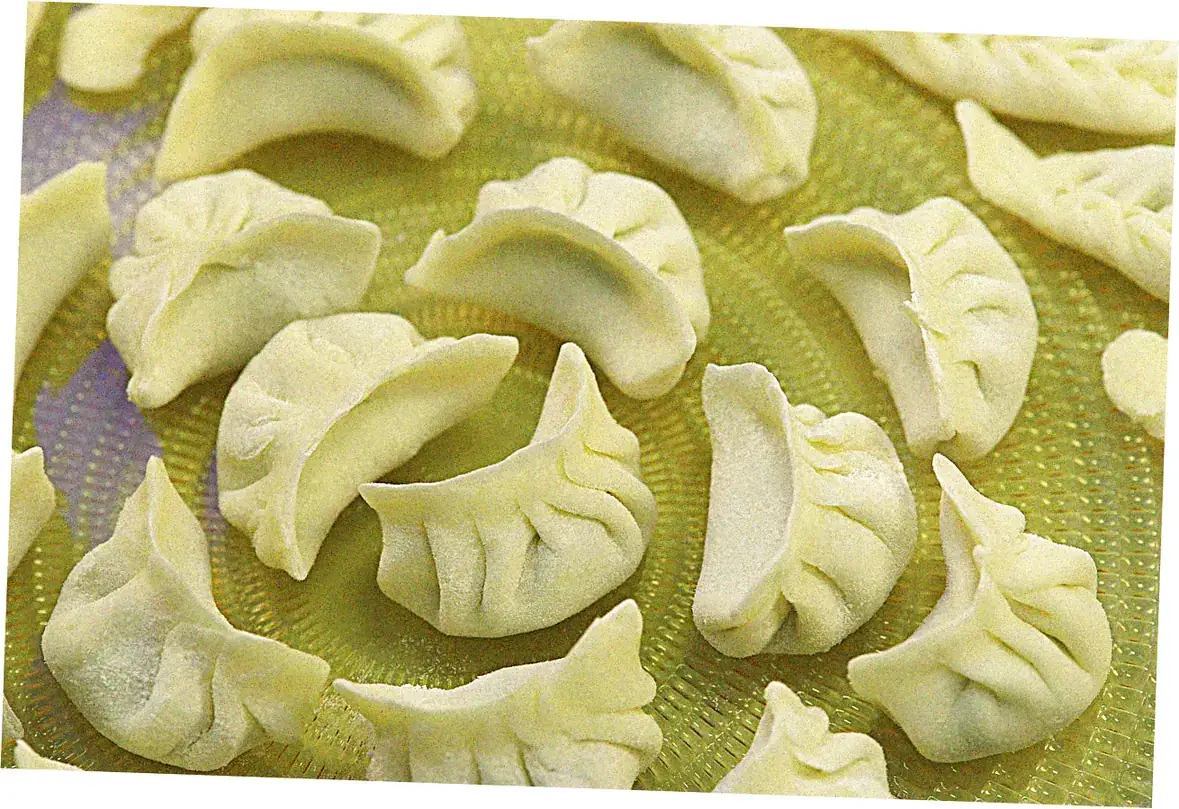
But Chinese dumplings aren’t just about taste—they’re packed with meaning. Their shape looks like gold ingots, a sign of wealth. That’s why they’re a must for New Year’s Eve.
Families even hide coins in some dumplings—if you find one, you’ll have good money luck. Folktales speak of dumplings as offerings to deities, while regional variations reflect local philosophies: Cantonese
dim sum embodies yum cha (tea drinking) culture’s emphasis on leisure, and Sichuan’s spicy wontons mirror the province’s bold flavors. At weddings, finely folded dumplings mean fertility.
And during winter solstice, people eat them to keep the cold away. All these traditions show that dumplings are like edible symbols for Chinese values—unity, hope, and living in harmony with nature.
Regional Varieties Across China
Northern Styles: Jiaozi and Beyond
Up in northern China, where they grow lots of wheat, jiaozi are the king of dumplings. They’ve got thick skins, they’re super hearty, and people usually boil them or pan-fry them.
Beijing’s guotie, or pot stickers, have this awesome crispy bottom and are stuffed with juicy pork and cabbage. Over in Shandong, they make dumplings packed with local goodies like scallops and shrimp.
Shanxi is famous for its knife-cut noodles, and that style even shows up in their dumplings. The wrappers are kinda irregularly shaped, and they hold really robust fillings like lamb and fenugreek.
Then you’ve got Inner Mongolia, where the dumplings show a strong Mongolian influence. Take buuz, for example—they steam them with mutton and onion, which really reflects those old nomadic traditions.
Northern dumplings are all about that texture contrast. You get a chewy wrapper against a super juicy inside. They usually serve them with dark vinegar and raw garlic for dipping, which cuts right through the richness. It totally embodies the north’s style—practical but packed with flavor.
Southern Specialties: Dim Sum and Wontons
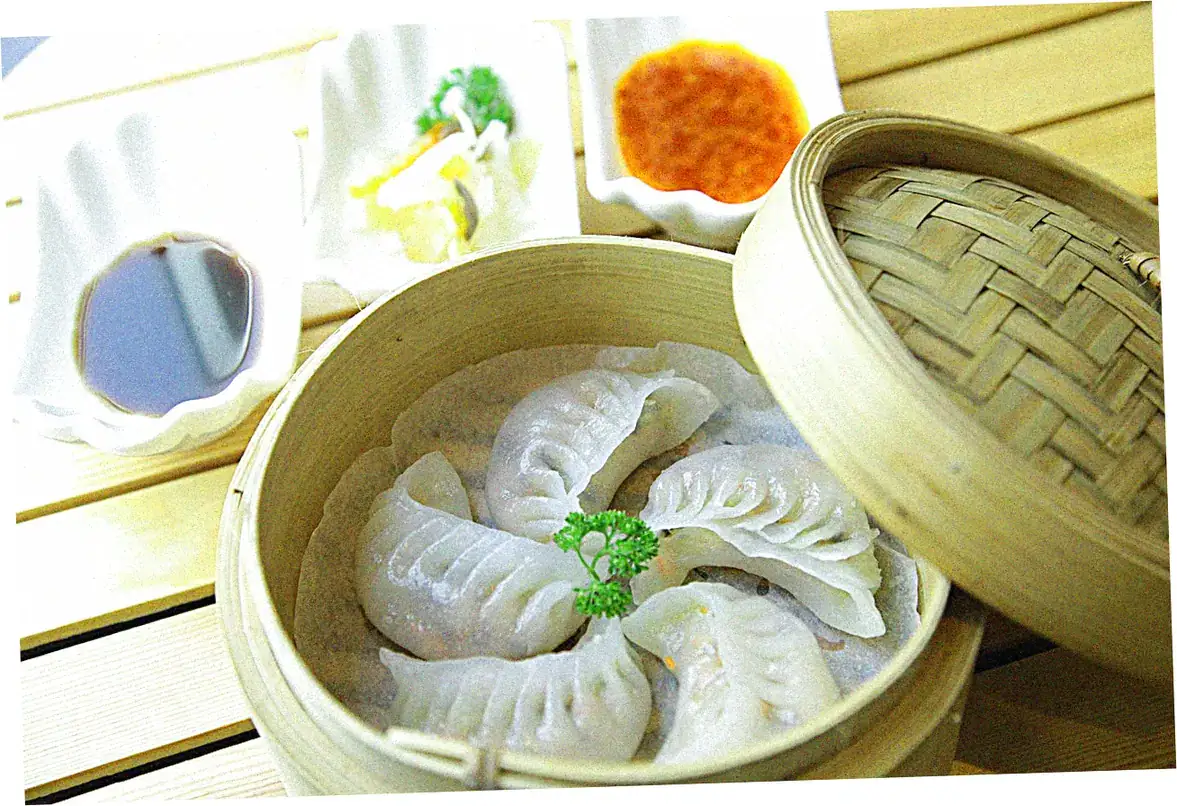
Down in southern China, where rice is a big deal, the cuisine favors dumplings with delicate, almost see-through wrappers and fillings that have really nuanced flavors. Cantonese har gow, those shrimp dumplings, demand real skill to make.
The wrapper has to have exactly seven pleats, and the thin skin should let you see the pink filling inside. Sichuan’s chili-oil wontons, called chaoshou, balance the heat with a bit of sweetness.
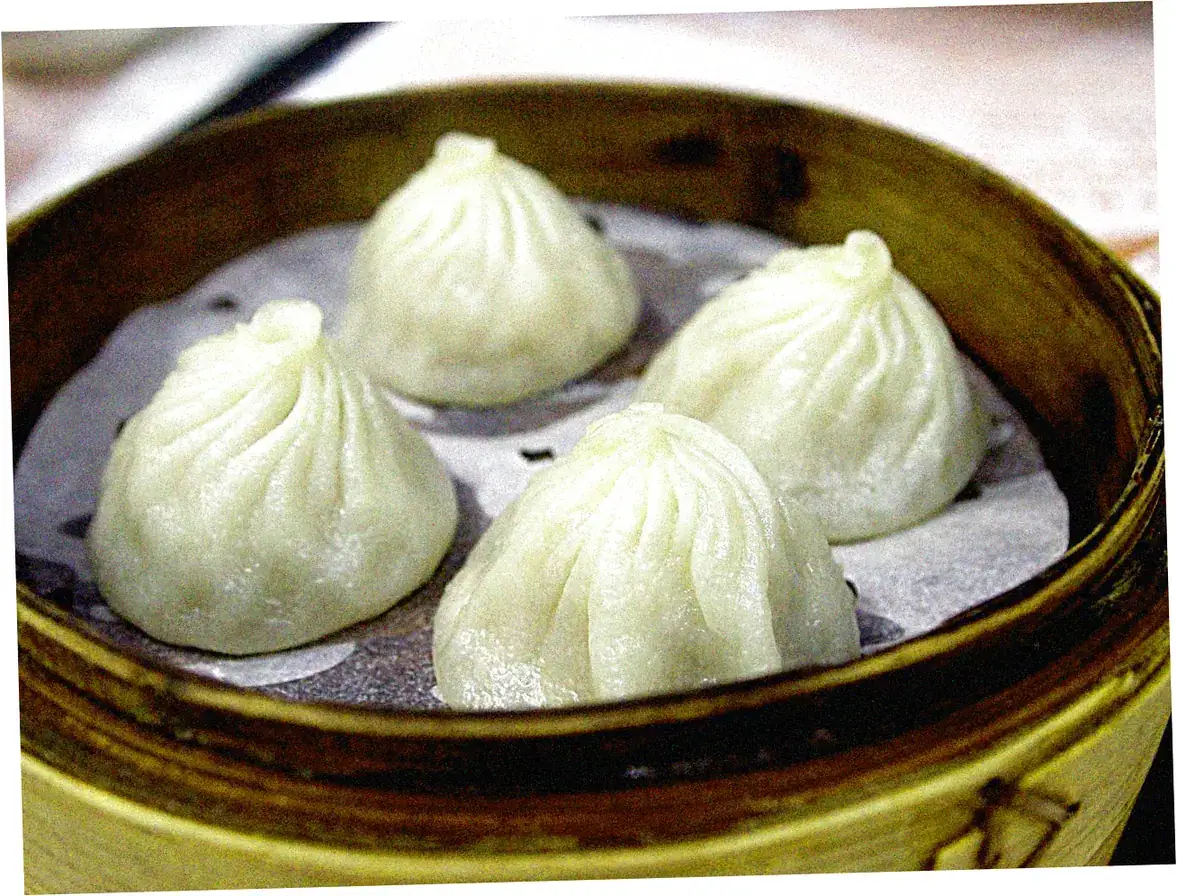
Meanwhile, over in Jiangnan, xiaolongbao—those soup dumplings—encase a hot broth right inside the pork filling, which they mix with gelatin. Fujian’s rouyan dumplings use these bouncy wrappers made from fish paste.
And in Yunnan, thanks to cross-border influences, you’ll even find dumplings stuffed with things like edible flowers and mushrooms. Southern dumpling varieties are often steamed instead of boiled, which helps preserve those subtle flavors.
People usually enjoy them with teas like pu’er or jasmine to cleanse the palate. It really highlights how the south focuses on refinement and super fresh ingredients.
Ingredients and Dough Techniques
Wrapper Mastery: Flour Types and Hydration
The foundation of any great dumpling lies in its wrapper, where precision matters. Northern dumplings use high-gluten flour, even all-purpose works, with 50-60% water for chewiness.
Southern ones go for tapioca or rice flour to make wrappers translucent. Hot water dough, called tangmian, is super flexible for pleating. Cold water dough stays firmer, perfect for boiling.
Pros let the dough rest twice: first after mixing, then after rolling. This relaxes the gluten. Cheung fun rice wrappers need batter steamed on cloth-lined trays. Sichuan’s danpi wontons use dough with egg for extra stretch.
You gotta adjust water based on humidity. Too dry, wrappers crack; too wet, they stick like glue. Nailing this balance is what makes homemade dumplings beat store-bought every time.
Filling Formulas: Meat, Seafood, and Vegetarian
For juicy fillings, stick to one part lean meat and half part fat. Minced pork shoulder is the go-to base. Cantonese shrimp fillings add diced bamboo shoots for crunch. Up northeast, they use sour cabbage to balance the richness.
Veggie dumplings use firm tofu, black mushrooms, and wood ear for umami. They’re flavored with sesame oil and white pepper. Here’s a pro tip: mix fillings in one direction to keep the protein intact.
Slowly add ice water or broth to get that smooth emulsion. Regions have their twists: Sichuan adds peppercorn oil for that ma-la kick. Coastal spots blend fish paste with pork. Before wrapping, microwave a bit of filling to taste. Adjust seasoning so it’s perfectly salty, sweet, and tangy.

Cooking Methods Demystified
Boiling, Steaming, and Pan-Frying
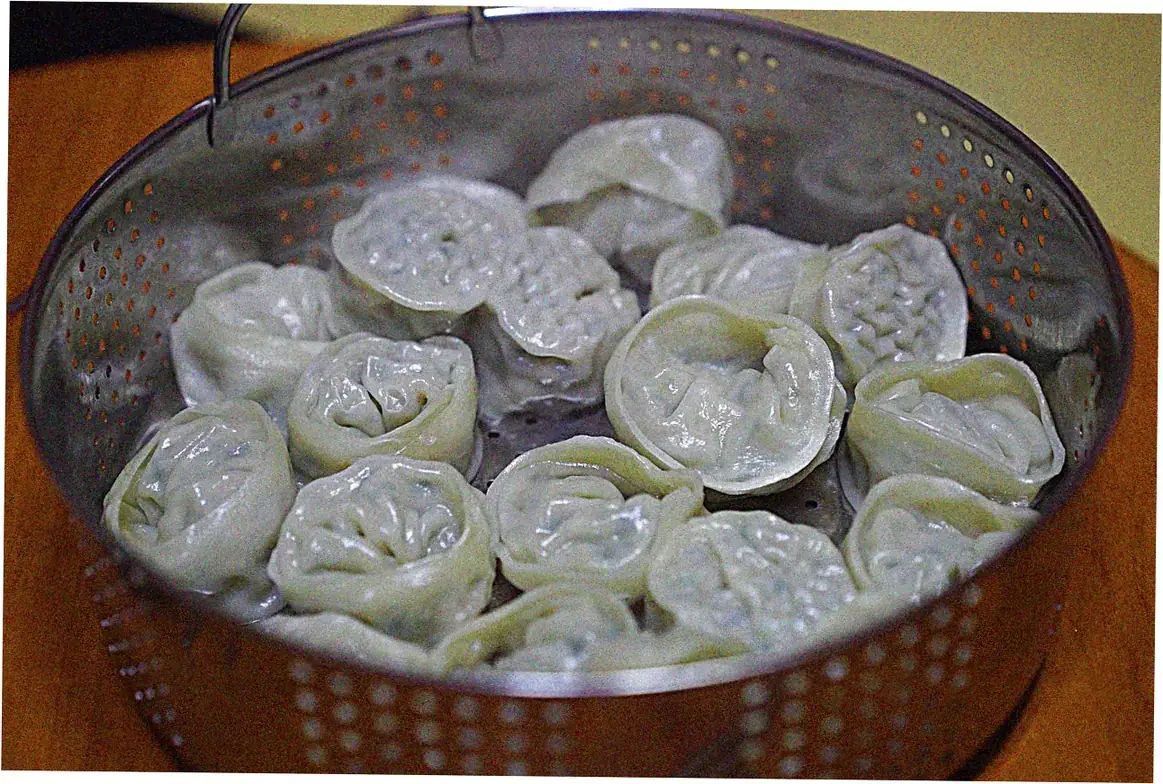
When you boil dumplings, make sure the water’s really bubbling and there’s plenty of it. That stops them from sticking. You’ll know they’re ready when they float up and the skin looks kinda see-through.
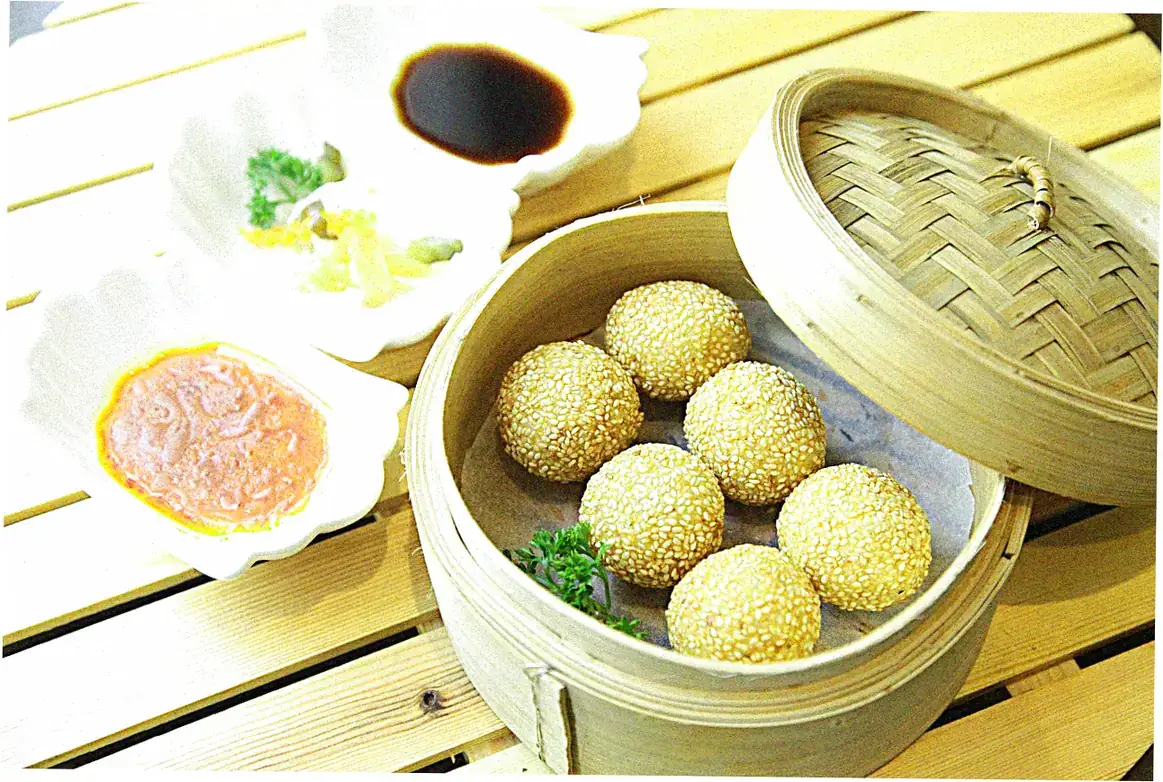
For steaming, use bamboo baskets. Line them with cabbage leaves or parchment paper so the dumplings don’t stick. Crank up the heat to get that nice, fluffy texture. Pan-frying, or guotie, is a two-step thing.
First, you sear them in oil to get a crust. Then, you add a bit of water to steam them, which makes the bottom super crispy. Xiaolongbao, those soup dumplings, have a special trick. The broth inside is jellied before steaming.
When you steam them, it melts. You gotta handle them gently so they don’t break and spill the soup. Each way of cooking changes the taste. Boiling lets you really taste the filling. Steaming makes them delicate.
Frying gives you that awesome crunch. Here’s a pro tip: don’t cram too many dumplings in the pot. They need room to puff up. If they’re too crowded, they can tear and the filling falls out, which ruins both the texture and the flavor.
Texture Control and Doneness Tests
Getting the perfect texture all comes down to timing and controlling the heat. For boiled dumplings, you want the skin to be just a little bit chewy. Once they float, let them cook for another minute or two.
Steamed dumplings are done when you can see the wrapper start to pull away from the filling. For pan-fried ones, wait for that loud sizzling sound to stop. That’s how you know the bottom is nice and crisp.
Use a thermometer to check the oil temp—aim for about 180°C for frying. If it’s too hot, the skins burn. If it’s not hot enough, they’ll just soak up oil and get greasy. If you’re using frozen dumplings, don’t thaw them first.
Just drop them straight into boiling water. You’ll need to cook them for about 3 minutes longer. Try the finger-tap test: gently press on the wrapper. If it springs back, it’s done. Also, keep an eye on the steam.
If the droplets on the lid are clear, they’re cooking right. If the droplets look milky, the dough probably needs more time. Using these little tricks helps you get consistent results every time you make a batch.
Iconic Dipping Sauces and Pairings
Classic Sauces: Black Vinegar to Chili Oil
Chinese dumpling sauces mix sour, spicy, and savory flavors perfectly. Up north, they love mixing Zhenjiang black vinegar—it’s aged for depth—with light soy sauce and some shredded ginger.
Sichuan style kicks it up with chili oil, garlic, and sesame seeds for that tingly feel. Cantonese folks go for sweet soy and scallions. Xiaolongbao tastes even better with ginger slivers in vinegar—it cuts right through the richness.
Making chili oil at home? Just infuse dried peppers in hot oil with star anise and Sichuan peppercorns. Different regions have their own twists: Guangdong uses oyster sauce for shrimp dumplings, and Shanghai
loves sweet-and-sour plum sauce with fried wontons. Getting the ratio right is key—try 3 parts vinegar to 1 part soy for meat dumplings. Seafood goes great with a hint of citrus. Always serve your sauces at room temp so the flavors stay bright.
Beverage Pairings: Teas and Wines
Tea pairings often match the region: jasmine tea cuts through the richness of Beijing jiaozi, and pu’er holds up against spicy Sichuan wontons. For something modern, try off-dry Riesling—it echoes the sweet-sour sauce vibe.
Crisp lagers also balance out fried dumplings really well. Baijiu, that strong sorghum liquor, is a classic with lamb dumplings—its punch balances the gamey taste. Sip chrysanthemum tea after a heavy meal—it helps digestion.
Green teas like Longjing bring out the best in seafood fillings. Skip tannic red wines—they don’t play nice with vinegar-based sauces. Go for sparkling wines instead—their acidity works well. Sake also pairs nicely thanks to its umami kick.
The aim is harmony: your drink shouldn’t overpower the dumplings, or get lost behind all those amazing flavors.
Modern Interpretations and Fusion Trends
Global Influences and Vegan Innovations
These days, chefs are getting creative with Chinese dumplings. They mix cultures in fun ways. Think wontons stuffed with Korean gochujang, xiaolongbao with a hint of truffle, or jiaozi kicked up with curry.
These really hit the spot for folks who love trying new flavors. For vegan versions, they use stuff like textured veggie protein, jackfruit, and mushrooms to copy the feel of meat.
And if you’re avoiding gluten, the wrappers might be made from quinoa or sweet potato starch instead. Over in LA, the famous Night Market even does cheeseburger dumplings. And in London, Bao Bar has dessert dumplings filled with chocolate and banana.
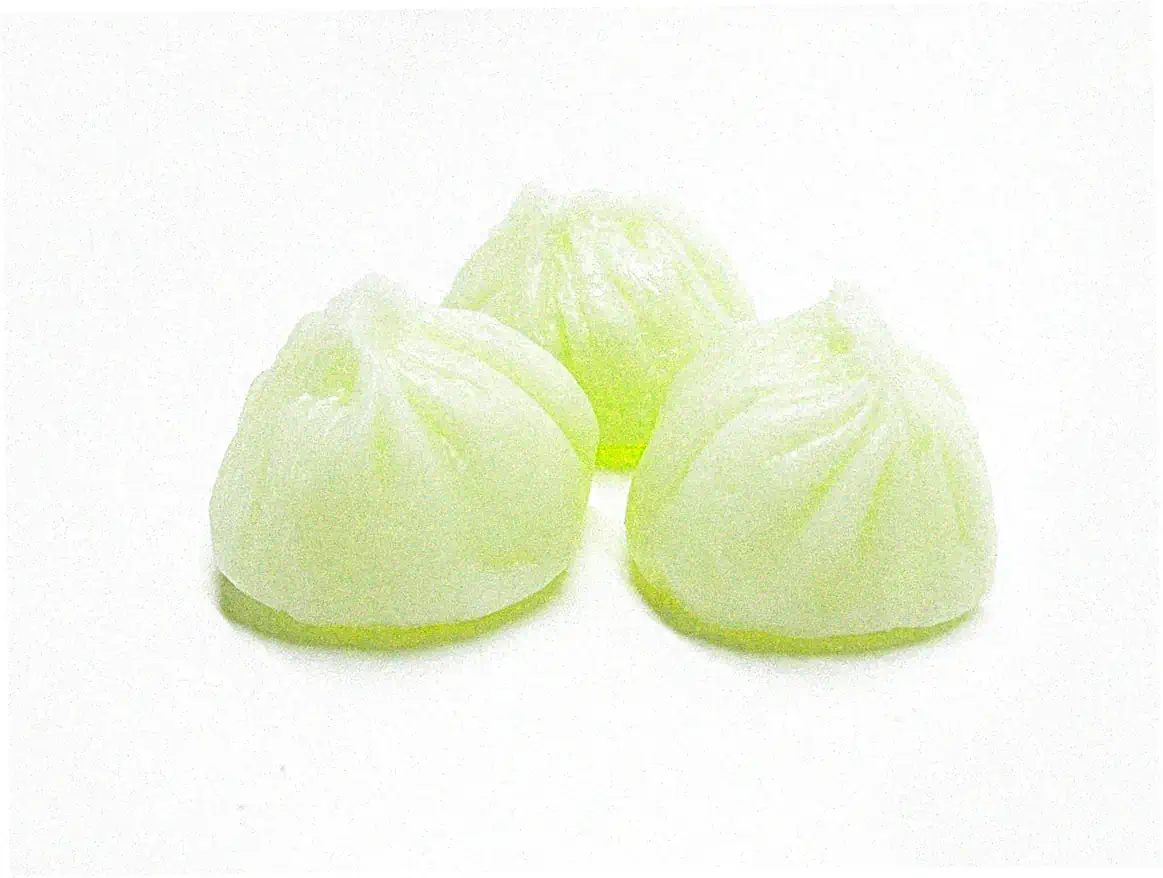
Thanks to new food tech, we now see clear wrappers made from agar-agar. There are even 3D-printed dumplings shaped specially for different diets. All these cool new ideas make dumplings more for everyone, but they don’t ditch the classic skills.
The pleating is still super important, even if the filling is kimchi or plant-based meat. It just shows how this old-school Chinese food is going global.
Gourmet Elevation in Fine Dining
At fancy Michelin-starred spots, they turn making dumplings into a real art. Take Din Tai Fung’s xiaolongbao. They’re famous worldwide because each one has exactly 18 pleats and always has the perfect amount of soup inside.
In New York, RedFarm does these awesome pastrami dumplings with a mustard dip, mixing Jewish and Chinese tastes. Over in Singapore, Imperial Treasure serves super fancy ones with bird’s nest and crab roe.
They use modern tricks like cooking the fillings sous-vide to get them just right. Some even play with molecular gastronomy to make round dumplings that pop in your mouth like tangyuan. They don’t just serve them in bamboo steamers anymore.
You might get them on a nice ceramic plate with sauce brushed on like art. Tasting menus often start with classic dumplings and then move to the really creative ones.
But even with all this fancy stuff, the heart of the Chinese dumpling is still there. Chefs still care about handmade wrappers and getting the balance right. It goes to show, you can’t really improve on perfection—you can just put your own spin on it.
Health and Nutritional Aspects
Macronutrient Balance and Caloric Density
Steamed Chinese dumplings give you a good balance of nutrients. The wrappers bring carbs, while the fillings add protein and fats. A typical pork jiaozi ( boiled) contains ~40-50 calories, with 3g protein, 2g fat, and 4g carbs.
Veggie-filled ones are lower in calories, but they might not have all the proteins you need. You can fix that by using tofu or a mix of mushrooms. If you pan-fry your dumplings, they soak up oil. That bumps up the calories by another 20 to 30 percent.
Watch out for sodium in soy-based dips. Try low-sodium options or go for sauces with more vinegar to keep it in check. You can get more fiber by using whole-wheat wrappers or tossing in things like shredded carrots.
The glycemic index can change too. Rice-flour wrappers make your blood sugar rise quicker than those made with wheat. Keeping portions in check is key. Around 10 to 12 dumplings make a meal, especially if you add some leafy greens on the side. It fills you up without too many calories.
Dietary Adaptations for Health Conditions
If you’re avoiding gluten, try dumpling wrappers made from rice flour, tapioca starch, or mung bean flour. Just make sure the fillings skip regular soy sauce—tamari works instead.
For a diabetic-friendly option, use low-GI stuff like buckwheat wrappers and fill them with lean turkey and shiitake mushrooms. If you’re cutting down on sodium, make your own broth instead of buying it.
Use herbs like ginger and garlic for flavor instead of soy sauce. To cut back on fat, steam them instead of frying. Pick lean proteins like chicken breast or shrimp, and load up on veggies.
If you have IBS, stay away from fillings with a lot of garlic or onion. Try fennel or chives instead. Always mention any allergies—some dumplings sneak shellfish into their pastes.
With a few smart tweaks, Chinese dumplings can work for almost any diet. And you still get all that classic flavor and culture.
Cultural Etiquette and Dining Customs
Traditional Serving Rituals and Symbolism
In Chinese dining, we always serve dumplings whole, never cut them up. It’s all about keeping that prosperity symbolism intact. The oldest folks get to eat first, and everyone else gets served based on age.
When New Year comes around, you gotta plate an even number of dumplings for good luck. Leftovers are actually a good thing – they mean abundance is coming.
Use your chopsticks for regular dumplings, but grab a spoon for soup dumplings to catch all that delicious broth. Everyone gets their own dipping sauce – no sharing. It’s more hygienic that way. If you’re hosting, keep offering more dumplings.
When guests accept, it means they’re really enjoying them. Up in northern China, never pour vinegar right on your dumplings – that’s a big no-no. Just give them a quick dip instead. During festivals, red plates bring extra luck.
Those gold ingot-shaped dumplings? They’re all about looking good, even if they’re trickier to eat. All these traditions help bring people together and keep our culture alive through sharing meals.
Modern Table Manners and Global Adaptations
Nowadays, some rules have relaxed. Beginners can use forks, and in fusion spots, sharing sauces is pretty common. But some core manners stick around: don’t stab dumplings with chopsticks (that’s for ancestral
offerings only), and be patient – no blowing on hot dumplings. Slurping soup dumplings’ broth is encouraged but quietly. At business dinners, serve others first. Rest your chopsticks parallel on the holder – never stick them upright in your bowl.
Usually whoever invited pays, but a little arguing over the bill is totally normal. Western-style critiques like adding salt are frowned upon; trust the chef’s seasoning.
These changes show how dumpling etiquette mixes tradition with practicality. It keeps the meal respectful but welcoming to everyone.
DIY Tips for Home Cooks
Essential Tools and Ingredient Sourcing
Making dumplings at home doesn’t need many tools, but you’ll want the right ones. Grab a rolling pin – even a wine bottle works for wrappers. Use a bench scraper to portion dough. Bamboo steamers give you that real Chinese dumpling texture.
Non-stick pans save your guotie from sticking disasters. If you get a dough roller with thickness rings, your wrappers will come out even every time. Pick up some high-gluten flour like King Arthur for chewy dumplings.
For translucent har gow wrappers, you’ll need fresh wheat starch. Head to Asian markets for special ingredients. Look for dried shiitakes, Sichuan peppercorns, and Chinkiang vinegar. For your fillings, mix fatty pork belly with lean shoulder.
Don’t use pre-minced meat though – it ruins the texture. Frozen wrappers save time but aren’t as stretchy. Thaw them slowly in the fridge if you use them. Brush the edges with water to get a good seal.
Good ingredients matter more than fancy techniques. Fresh ginger works better than powdered. Homemade broth beats bouillon cubes every time.
Efficient Techniques for Batch Preparation
Work like an assembly line to be efficient. Make all your wrappers first. Keep them covered with a damp cloth so they don’t dry out. Make your fillings ahead and chill them. Cold fillings are easier to wrap.
Use a tablespoon to measure filling so they’re all the same size. Keep your fingers floured so nothing sticks. There are different ways to pleat dumplings. Start with simple crescent folds if you’re new.
Later you can try purse shapes or pleated edges. Freeze dumplings in single layers on parchment-lined trays first. Then you can bag them without clumping. You can cook them frozen – just add 2-3 extra minutes to the boiling time.
For parties, let guests wrap their own dumplings at stations. It’s more fun and helps you make them faster. Don’t worry about perfect dumplings right away. They’ll still taste great even if they look messy.
Preservation and Leftover Ideas
Freezing Methods and Shelf Life
If you freeze them right, your Chinese dumplings can last up to 3 months and still taste great. Once you’ve shaped your dumplings, lay them on a baking sheet with parchment paper—make sure they don’t touch—and
pop them in the freezer for about 2 hours until they’re frozen solid. Then, just toss them into airtight bags, squeeze out all the air so they don’t get freezer burn.
Don’t forget to label the bags with the date and what’s inside—pork fillings keep longer than seafood ones. And hey, never refreeze dumplings once they’ve thawed—they’ll turn all soggy.
If you’ve got cooked leftovers, get them in the fridge within two hours and eat them within three days. Steaming’s the best way to reheat—microwaving makes the wrappers kinda rubbery.
If they smell funky, feel slimy, or the filling looks off, it’s time to toss em. Vacuum sealers can make them last even longer, but the old-school way works just fine.
Always cook your frozen Chinese dumplings straight from the freezer—no thawing—to keep that perfect texture. A little planning means you can have authentic, safe dumpling meals in no time.
Creative Leftover Transformations
Don’t throw out stale dumplings—they’re awesome reinvented! Chop up boiled ones and pan-fry with rice and eggs for a killer fried rice. Or cube em and toss into soups like hot pot.
Crush fried dumplings to use as a crunchy breading for chicken cutlets or a tasty salad topping. In the morning, slice em up and sauté with veggies for a hearty scramble.
Blend steamed dumplings with stock for a creamy soup, or layer them into casseroles with cheese and sauce. Get creative with dessert—fill wontons with Nutella, fry them, and dust with powdered sugar.
Or, turn the fillings into lettuce wraps and bake the wrappers into chips for dipping. These tricks cut down on waste and let you play with new flavors and textures. Chinese dumplings are super versatile—you can get really creative in the kitchen!
Chinese dumplings are kinda like a delicious puzzle—they’re both ancient and modern, simple but tricky to make, comforting to everyone but also really personal.
Whether you’re getting the hang of pleating or trying out different regional sauces, every step ties you to a food tradition that’s fed generations. So don’t just eat dumplings—make your own! Grab some friends and

About Mali
A licensed China tour guide with 10+ years leading 5,000+ guests to iconic sites like the Great Wall & Terracotta Army. Expert in seamless tours, cultural insights, and VIP access!