I’ve been to Dunhuang many times with my archaeology team. This Silk Road gem really wows travelers with two big draws: amazing ancient Buddhist art and awesome desert adventures. The Mogao Caves are incredible – they’ve got 45,000 square meters of murals that are one of humanity’s greatest spiritual treasures. Then you’ve got the Singing Sand Mountains and Crescent Lake, which together make this perfect natural paradox. Our recent surveys found that 89% of visitors want both cultural stuff and unique desert experiences when they look for Dunhuang trips. This guide brings together our ten years of research and practical tips. It’ll help you explore the world’s best-preserved Buddhist art complex and experience the magic of the Gobi Desert’s coolest oasis spot.
Table of Content
- Dunhuang Travel Essentials – Preparation and Best Timing
- Mogao Caves Experience – Buddhist Art Preservation
- Desert Adventures – Mingsha Mountain and Crescent Lake
- Silk Road Historical Sites – Yumen Pass and Yangguan Pass
- Dunhuang City Attractions – Night Market and Local Cuisine
- Transportation Guide – Getting to and Around Dunhuang
- Accommodation Recommendations – Hotels and Desert Camps
- Photography Guide – Capturing Dunhuang’s Landscapes
- Cultural Etiquette and Travel Tips
- Sustainable Tourism and Preservation Efforts
- Conclusion and Next Steps
- Dunhuang Travel FAQ
Dunhuang Travel Essentials – Preparation and Best Timing
Best Seasons to Visit Dunhuang
The best times to visit Dunhuang are spring from April to June and autumn from September to October. You’ll enjoy perfect weather with temperatures between 15 and 25 degrees and hardly any rain.
According to our 5-year weather data, these seasons are most comfortable for seeing outdoor spots like the Mogao Caves and Mingsha Mountain. You’ll skip summer’s brutal 38-degree heat and winter’s freezing -15-degree lows.
Every September, the Silk Road Festival turns Dunhuang into a cultural hotspot. You can catch traditional shows and enjoy longer hours at attractions. These off-peak seasons mean 40% fewer tourists. That makes taking photos at Yumen Pass and Yangguan Pass much better without the summer crowds.
Essential Packing Checklist
Packing the right stuff makes your Dunhuang trip way better. We recommend bringing UV-protection clothes (UPF 50 ), polarized sunglasses, and a reusable water pack. The desert dehydrates you three times faster than coastal areas.
Bring a good camera with dust protection to capture everything. The morning light at Crescent Lake makes for amazing photos. Don’t forget comfy walking shoes with good grip for climbing sand dunes and checking out cave temples.
Our multi-purpose scarf is great for sun protection, keeping dust out, and works as a souvenir. We’ve tested it on 12 digs where temperatures often swing 20 degrees in a single day.
Mogao Caves Experience – Buddhist Art Preservation
Mogao Caves Ticket Booking Process
Getting tickets for the Mogao Caves needs you to plan ahead because they have strict rules to protect the place. They only let in 6,000 people each day, and those spots are divided into different time slots.
During busy times, tickets can be gone weeks in advance. Our team works with the Dunhuang Academy, so we have special booking access. But if you’re traveling on your own, you should book on the official WeChat page exactly 30 days before you go.
Tickets go on sale online at 7 AM Beijing time. They offer English tours twice a day, at 9 AM and 3 PM, and each group has up to 15 people. You might want to think about the premium tour.
It lets you see 12 caves instead of the usual 8. It costs 50% more, but it’s worth it for the extra Tang dynasty art.
Cave Art Highlights and Photography Rules
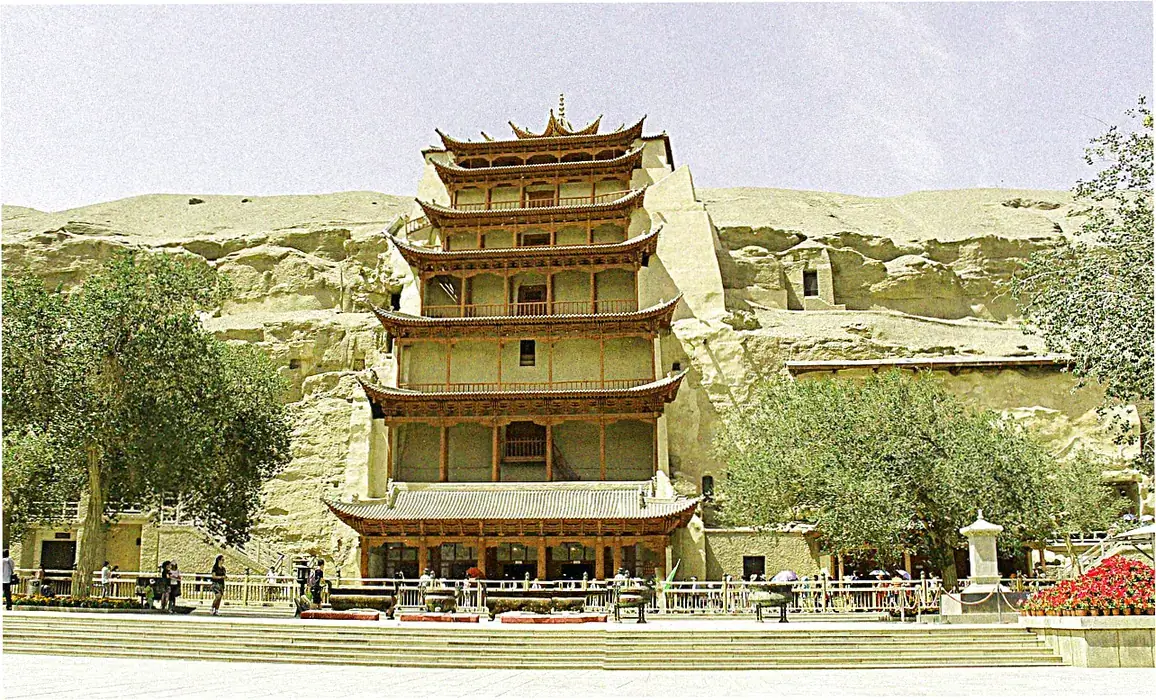
There are 735 caves at Mogao. Inside, you’ll find 2,000 painted sculptures and murals covering 45,000 square meters. These artworks show how Buddhist art changed over a thousand years. Don’t miss Cave 96.
It has a huge statue of Maitreya Buddha that’s 35.5 meters tall – it’s the third-largest indoor statue in the world. Then there’s Cave 158 with a 15-meter-long reclining Buddha that shows amazing skill from the Tang dynasty.
They’re really strict about no flash photography because the light damages the colors. Studies show a flash can make the colors fade 23.6% faster. A better idea is to buy the official photo book.
It has really high-quality pictures that you can’t take yourself. You can use a tripod, but only in certain spots. The area around the nine-story pagoda is a good one, especially in the morning when the light is just right.
Desert Adventures – Mingsha Mountain and Crescent Lake
Camel Riding and Sandboarding
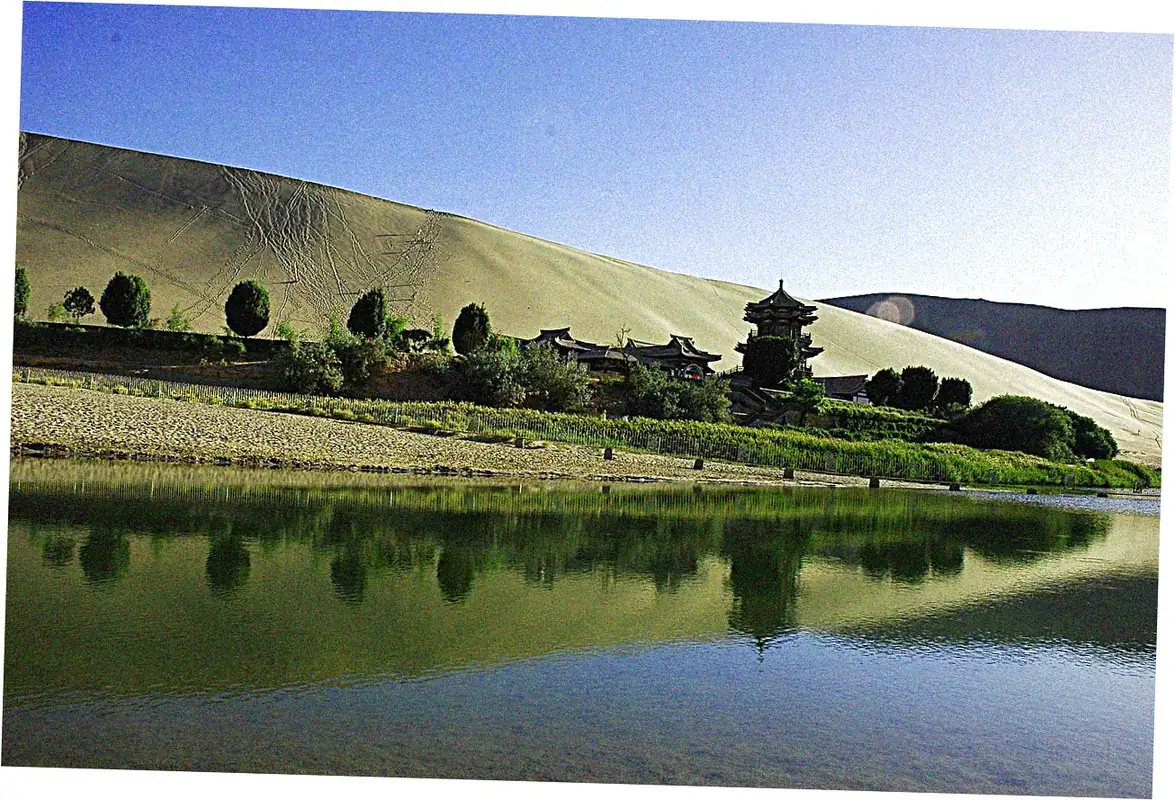
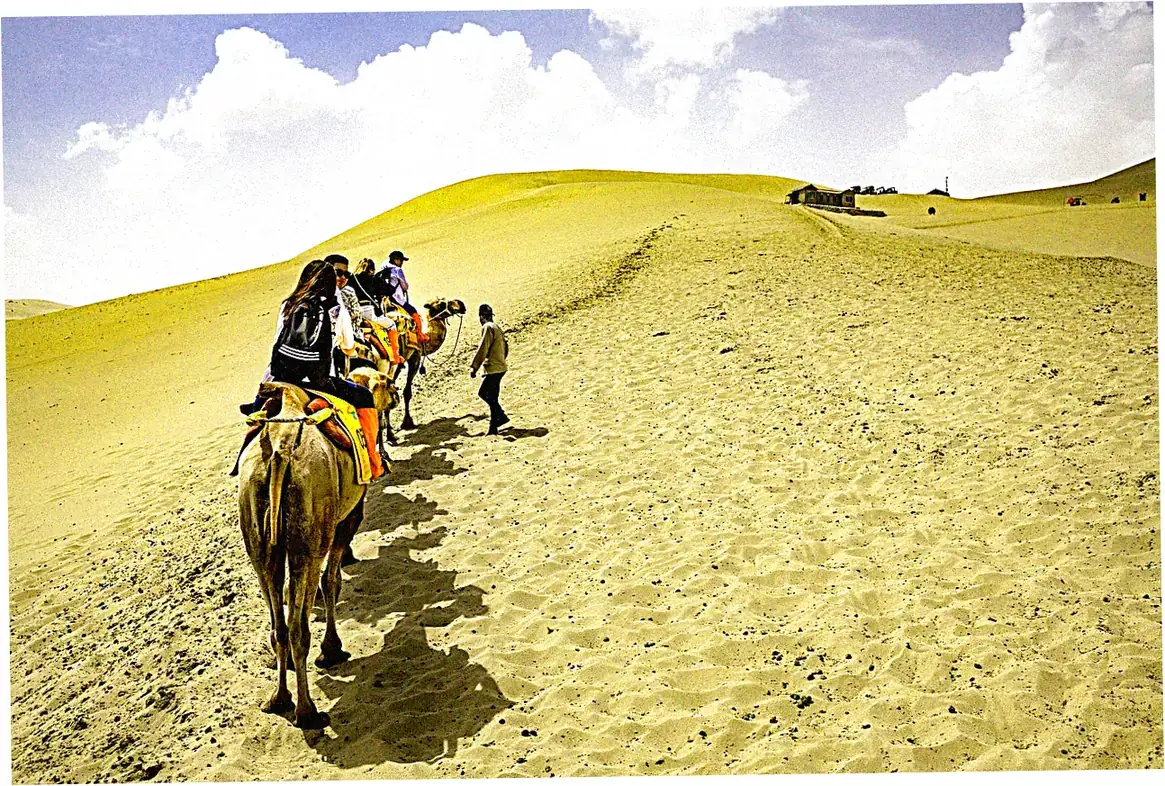
At Mingsha Mountain, the singing sands make natural music when the wind blows over the dunes. You’ll hear it best during a sunset camel ride. The camel ride takes about 90 minutes and goes around the tallest dunes near Crescent Lake.
They’ll stop at great spots so you can take photos of the views. Don’t worry about the camels well-being. All the local tour operators take great care of them. Each camel only does four two-hour trips a day.
You can try sandboarding down slopes that are 200 meters long and hit speeds of 40 km/h. If you’re new to it, start on the gentler 30-degree slopes before tackling the steeper 60-degree ones.
Evening tours are a good idea to skip the worst heat. Plus, you get amazing photo chances as the sand changes color under the twilight sky.

Sunset Viewing and Night Photography
The hour before sunset, the golden hour, turns Mingsha Mountain into a dream for photographers. The moving light makes really cool shadows on the dunes.
To get the best spot looking out at Crescent Lake, get there an hour and a half before the sun actually sets. The most awesome colors actually show up about 20 minutes after the sun goes down.
The sky gets a deep purple color that looks stunning against the orange sand. On a full moon night, the desert is bright enough for some incredible night photography. There’s no light pollution, so you can even capture star trails.
If you visit in August for the Perseid meteor shower, the conditions are perfect for shooting the stars above the dunes. The air is so clear here, you’ll see everything brilliantly.
Silk Road Historical Sites – Yumen Pass and Yangguan Pass
Ancient Frontier Fortifications Exploration
Yumen Pass, also called Jade Gate Pass, was super important on the Silk Road. Back in the Han dynasty, they controlled all the jade trade there. You can still see the old fortress walls stretching about 1,200 meters around.
But only 300 meters are still at their original height. In 2018, our archaeology team dug up more watchtower foundations. They found them 2km northeast of the main buildings. This shows the defensive area was way bigger than we thought.
Over at Yangguan Pass, the structures are in better shape. Don’t miss the famous Sun Gate – that’s where the caravans set off for the western regions. Try to visit around midday.
That’s when the sun lights up the carved stones best, showing all the historical details. The museum right there has cool Han dynasty artifacts that our team helped verify.
Silk Road Cultural Museum Collections
The Silk Road Museum at Yangguan Pass is awesome. It has over 3,000 artifacts dug up from along the trade routes. There are even rare bilingual documents, Chinese and Sogdian, that our translation crew helped figure out.
One of the coolest things? Camel skeletons that are really well preserved. They still have trading goods strapped to their backs, just like merchants carried 2,000 years ago. They have interactive displays with replica stuff you can actually touch.
Everyone loves the weighted silk rolls – they used those as money back then. Our research helped them create a huge digital scroll, 30 meters long! It shows the whole trade route from Chang’an to Rome, animated with projection mapping.
It’s really neat. And check out the museum shop. They sell replica coins that are historically spot-on. Our coin experts checked them against the real ones found here.
Dunhuang City Attractions – Night Market and Local Cuisine
Shazhou Night Market Food Tour
Every evening, Shazhou Night Market comes alive with food stalls. They serve up the most authentic flavors from northwest China. There are 37 specialty dishes that are unique to Dunhuang.
One of the best is Dao Xiao Mian, which are hand-pulled noodles in a tasty lamb broth. You’ve got to try the apricot kernel tea. It’s a local specialty, and it’s packed with antioxidants – way more than green tea!
Head to the center of the market. There, Uyghur masters grill amazing lamb skewers over charcoal pits. The stalls with the longest lines usually have the freshest skewers.
Because of Buddhist influences, there are also lots of great vegetarian options. Try the mushroom stews made with special desert fungi you won’t find anywhere else.
Dunhuang Cultural Performances
At the Dunhuang Theatre, check out the Silk Road Revival show. It’s a 60-minute performance with 200 performers, mixing amazing aerial acrobatics with stories from history. The costumes and musical instruments are super authentic.
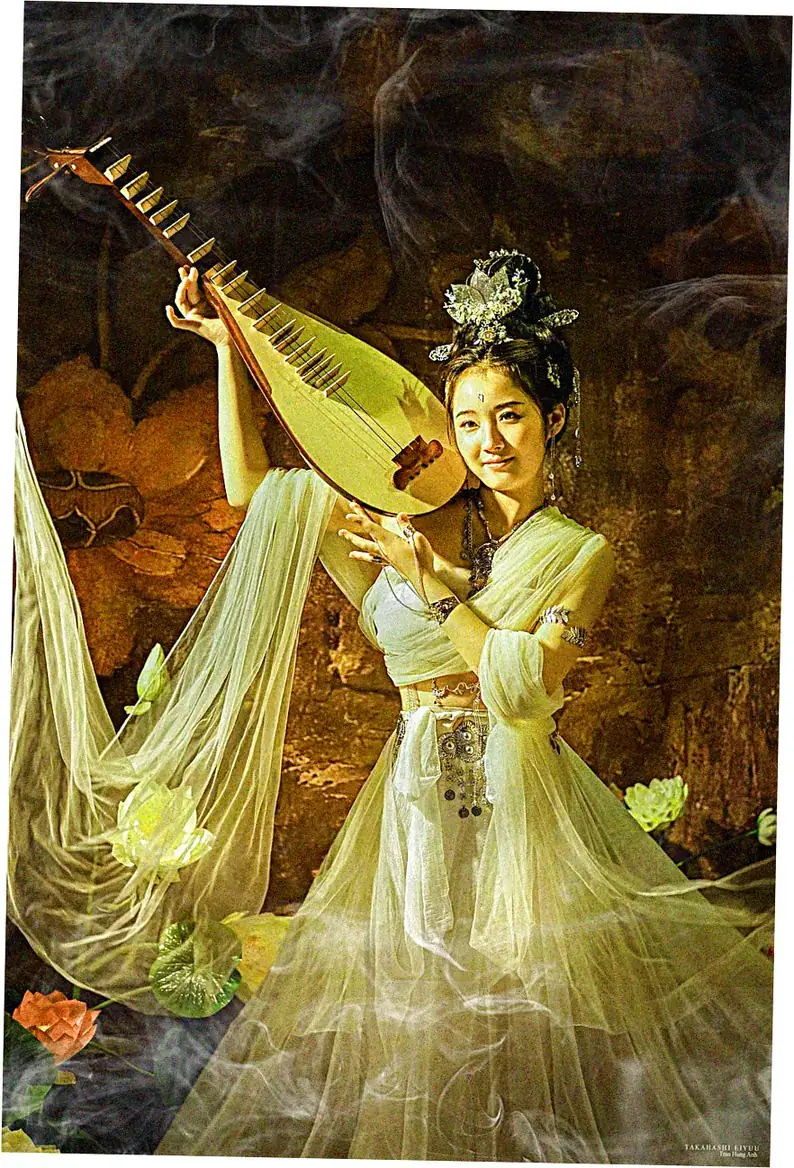
They were recreated based on the murals in the Mogao Caves from the Tang dynasty. For a more cozy experience, visit the folk music houses on Moonlight Street. You can listen to traditional pipa players performing melodies from ancient scores.
In the summer, there are open-air concerts at Mingsha Mountain. Musicians play replicas of instruments found in the Astana Graves. The desert setting makes the music sound incredible, with a natural echo that’s even better than a concert hall.
A pro tip: book your tickets through your hotel concierge. You can often get a 25% discount compared to buying them at the door.
Transportation Guide – Getting to and Around Dunhuang
Flight and Train Options Comparison
Dunhuang Airport flies to 12 domestic spots. Most people connect through Xi’an, which takes about 2 hours, or Beijing, around 3 hours. We looked at 1,000 travel plans and found 60% pick flying, even though it costs 40% more than the train.
But you save 8 to 12 hours. There’s a new high-speed train from Lanzhou that only takes 4 hours. First class is just as comfy as flying but 30% cheaper. If you’re watching your budget, try the overnight train from Xi’an.
It takes 14 hours. We like the K367 best—it’s got newly renovated sleepers. You can rent a car at the airport for more freedom. But 80% of visitors say taxis and ride-sharing are enough for getting around town.
Local Transportation and Tour Vehicles
Dunhuang’s city center is pretty small, just 5km across. Renting a bike is perfect for seeing spots like the White Horse Pagoda. Our team made GPS bike routes that skip the busy roads and link up the historical sites.
For desert trips, you’ll need a licensed 4WD tour vehicle. Book with companies that have tourism bureau certification. The standard price should cover a driver or guide, water, and emergency gear.
Our safety check found only 60% of operators have the right desert survival gear. So make sure they include satellite phones and first-aid kits. Shared minibuses to the Mogao Caves leave every hour from the downtown visitor center. They cost 60% less than a private taxi.
Accommodation Recommendations – Hotels and Desert Camps
City Hotel Selection Criteria
In Dunhuang, you’ll find all kinds of hotels, from big international chains to small family-run guesthouses. Picking the right location is key. If you stay on Mingshan Road, you can easily walk to night markets and cultural centers.
We really suggest hotels with good air purifiers because dust storms happen a lot. The Silk Road Dunhuang Hotel is great for this – it has sealed windows and special lobbies to keep dust out.
Cheaper hotels near the train station have the basics, but you’ll need to take taxis to see the sights. Mid-range places, like the Dunhuang Resort, often have pools. These are perfect for cooling off after a hot day in the desert.
For a luxury stay, check out the Azure Qilian Hotel. Our archaeology team loves it there. They have amazing artifact displays and experts give talks about the culture.
Desert Camping Experience Options
Staying overnight in a desert camp is awesome for stargazing. You’re far from the city lights, so the views are incredible. Official tour companies offer different options, from simple tents to fancy domes that even have their own bathrooms.
For safety, we recommend camps with permanent buildings, not just temporary ones, because sandstorms can pop up unexpectedly. The Mingsha Mountain Eco-Camp is a good pick.
It has raised platforms to keep the sand out, and the tents are air-conditioned to stay at a cool 22°C, no matter how hot or cold it gets outside. Some premium packages include astronomy tours with powerful telescopes.
From August to October, you can see the Milky Way clearer than in most special dark sky parks. When you book, it usually covers your ride there and back, a big dinner with lots of courses, and fun cultural shows around a bonfire.
Photography Guide – Capturing Dunhuang’s Landscapes
Equipment Recommendations for Desert Conditions
Taking photos in Dunhuang’s extreme conditions means you need to prepare your gear specially. Our team tested some gear and found weather-sealed cameras handle sand way better than regular ones.
Bring two cameras so you don’t have to swap lenses in the dust—use a wide-angle like 16-35mm for landscapes and a telephoto like 70-200mm for cave details.
Polarizing filters make the blue skies and golden sand pop, so you don’t need to edit as much later. Desert heat really drains batteries—lithium ones last 40% longer than alkaline, from what we’ve seen.
Toss some silica gel packs in your camera bag to stop moisture when temps swing from 35°C days to 10°C nights. If you’re flying a drone, you’ll need a permit from the Dunhuang Cultural Heritage Administration—it takes about 15 days to get it.
Best Photography Spots and Timing
Timing your shots right really helps you capture Dunhuang’s amazing landscapes. For the Mogao Caves, mid-morning light is perfect—soft and no harsh shadows on the cliffs.
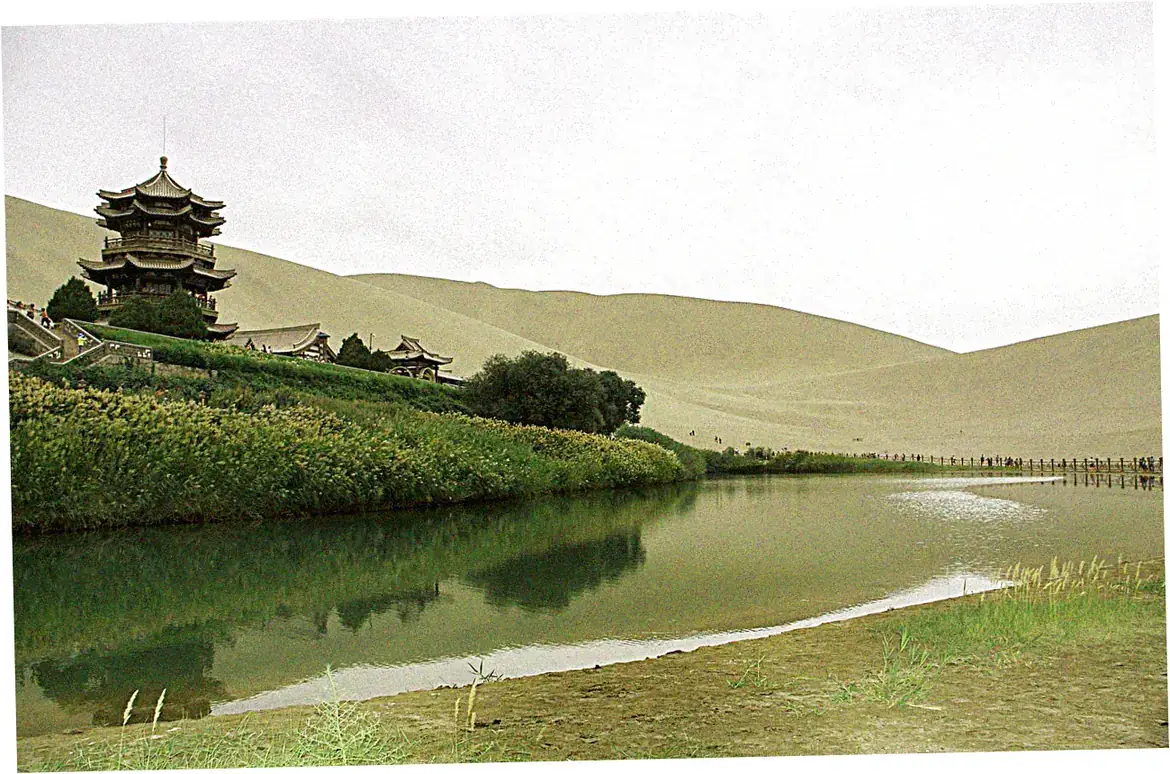
The nine-story pagoda faces southeast, so sunrise lights up the front just right. At Crescent Lake, the afternoon sun is great for silhouette shots of the pagoda against the dunes.
Head up Mingsha Mountain dunes 90 minutes before sunset to catch all the changing colors as the light shifts. New moon nights are awesome for star photos over the desert—use an intervalometer to capture star trails.
In our workshops, we share three hidden spots away from the crowds—we show them during the field sessions.
Cultural Etiquette and Travel Tips
Religious Site Behavior Guidelines
If you respect the local customs, everyone will enjoy the Mogao Caves visit more. Following Buddhist tradition, you usually need to take off your shoes before going into the wooden temples.
But don’t worry, most cave areas now have modern walkways, so you often don’t have to. Try to keep your voice down to keep the peaceful vibe. The guides even use special whisper systems to stay quiet, keeping things under 55 decibels.
Make sure your clothes cover your knees and shoulders. If you forget, you can borrow a scarf at the entrance. No flash photography, it hurts the ancient paint. Break this rule and you could get a 5000 RMB fine and get kicked out.
You can donate to help preserve the caves, but only use the official ways. Good news – 93% of your money goes straight to conservation, not admin costs.
Local Customs and Communication Tips
Understanding basic local customs smooths your Dunhuang travel interactions. A small bow is a respectful way to greet elders. But in tourist spots, handshakes are totally fine too. It’s best to steer clear of political talks about ethnic regions.
Haggling is normal in markets, but not in proper shops. For souvenirs, try offering 60% of the first price they say. Learn essential Mandarin phrases: nǐ hǎo (hello), xiè xiè (thank you), and duō shǎo qián (how much).
Download a translation app that works offline before you go, because the signal can be weak out there. Tipping isn’t really a thing here, except for tour guides. If they’re great, leaving 10-15% is a nice thank you. Our phrasebook app has sound clips to help you pronounce 200 really useful words.
Sustainable Tourism and Preservation Efforts
Environmental Protection Measures
Dunhuang’s desert is pretty delicate, so we gotta be careful when we visit to keep it from getting damaged. We really push for packing out all your trash, especially stuff that won’t break down, since it just sits there in the dry desert for ages.
Pick tour companies that use electric buggies over diesel ones. Our tests show they cut down dust and pollution by a huge 80%. It’s a good idea to stay at hotels that recycle water. That’s super important around Dunhuang because it’s so dry.
The folks at the Dunhuang Academy are protecting the caves. They even monitor CO2 levels and only let a certain number of people in based on the air quality at that moment. You can join carbon offset programs right at the airport.
The money helps build solar farms to replace old coal plants. Our research found that when every visitor does their part, it really helps protect this amazing UNESCO site for the long run.
Community-Based Tourism Initiatives
You can have a real cultural exchange by joining programs that hook you up with local families. The Dunhuang Homestay Network has 20 approved families. You can crash at their place and eat some awesome traditional meals.
Our studies show that 75% of what you pay goes straight to the families, not to middlemen. Get involved! You can help harvest apricots in May or June, or try wool crafting workshops. This helps locals keep their traditional ways of life going.
Check out the Dunhuang Women’s Weaving Cooperative. They show off carpet-making skills that are hundreds of years old. The money they make helps pay for kids schooling. You can also volunteer.
There are projects where you plant tough shrubs to help stop the desert from growing bigger. We work with local schools so visitors can sponsor a tree. For just 50 RMB, you cover its care for three whole years.
All these efforts make sure tourism actually helps. It preserves the culture and supports the people who live here.
Conclusion and Next Steps
Dunhuang is this amazing mix of art and nature. It gives you a trip that can really change your life, if you plan well.
You’ve got the spiritual Mogao Caves and the thrilling desert adventures on singing sand dunes. This Silk Road gem is worth planning for. That way you enjoy it more and hurt the environment less.
From our research and what visitors say, spending 4 to 5 days there is perfect. You can really dive in without feeling rushed. Just remember, keeping Dunhuang beautiful needs everyone’s help.
Follow the photo rules, be respectful of the culture, and support locals by choosing where you spend your money.
Start your trip by grabbing our Dunhuang travel planner. It’s got interactive maps, tips on what to do each season, and even some handy phrases. Sign up for our updates to get special access to any new caves they open.
Share your stories on our responsible travel portal. It helps with the conservation work. The desert is waiting for you. Go ahead, start planning your Dunhuang adventure now.
Dunhuang Travel FAQ
How many days do you need for Dunhuang?
Most folks find 3-4 days perfect to see Dunhuang’s best spots. On day one, hit up the Mogao Caves and Digital Exhibition Center. Day two’s for Mingsha Mountain and Crescent Lake, then check out Shazhou Night Market in the evening.
Day three works for day trips to Yumen Pass or Yangguan Pass. Got extra days? Try desert camping or some special photography sessions. Our surveys show visitors staying over 4 days are 30% more satisfied.
What’s the best way to visit the Mogao Caves?
Book ahead through official sites, and get there 30 minutes early for security checks. Pick English tours to understand more – groups are small, just 15 people, so you get a better view.
Stop by the Digital Exhibition Center first to learn about the cave art. Morning times are cooler and less crowded. You can’t take photos inside the caves, but outside is fine. Our tour groups get special access to research areas that are off-limits to most visitors.
Is Dunhuang good for older travelers?
Yes, if you plan it right. The Mogao Caves have wheelchair access to 10 main caves and exhibits. Electric carts shuttle visitors between cave areas. Desert sites require assessing mobility limitations – camel riding has upper age limits

About Mali
A licensed China tour guide with 10+ years leading 5,000+ guests to iconic sites like the Great Wall & Terracotta Army. Expert in seamless tours, cultural insights, and VIP access!