Want real Chinese food but tired of too many choices? Finding the best Chinese restaurant isn’t just about reading reviews. You need to find places that keep things authentic but also suit local tastes. I’ve tried all kinds of places, from tiny dumpling spots to fancy Cantonese halls. The best Chinese restaurants all have a few things in common. Whether you want spicy Sichuan food, delicate dim sum, or Beijing’s famous Peking duck, the best restaurants mix old-school cooking with great quality every time. Let’s find the best Chinese restaurants together. We’ll cut through the hype and see what really makes a place stand out.
Table of Content
- Defining Authentic Chinese Cuisine Excellence
- Identifying Top-Tier Chinese Dining Establishments
- Geographic Hotspots for Authentic Chinese Food
- Specialized Chinese Restaurant Categories
- Signature Dishes That Define Excellence
- Budget-Friendly Versus Luxury Experiences
- Dietary Accommodations and Modifications
- Sustainability and Ethical Considerations
- Cultural Etiquette and Dining Practices
- Future Trends in Chinese Gastronomy
- Frequently Asked Questions
Defining Authentic Chinese Cuisine Excellence
Regional Variety Beyond General Tso
Lots of people don’t know this, but Chinese food actually has eight different regional styles. Each one has its own special flavors and cooking methods. Sichuan food gives you that tingly, mouth-numbing spice from Sichuan peppercorns.
Meanwhile, Cantonese cooking is all about light, fresh tastes—they love steaming and stir-frying. The top Chinese restaurants usually focus on just one or two regional styles instead of trying to do everything.
That way, their chefs really master those specific techniques. From my travels, I’ve noticed that if a restaurant’s menu mentions places like Hunan, Zhejiang, or Fujian, you’re more likely to get an authentic
meal there than at places just serving generic Chinese food. This focus on region even applies to ingredients. The best kitchens import stuff like black vinegar, fermented bean paste, and certain chilies straight from China.

Traditional Cooking Techniques Matter
Really great Chinese restaurants show off traditional skills like wok hei. That’s that hard-to-describe smoky flavor you only get from super-high heat stir-frying in a well-used wok.
I’ve seen chefs at famous spots like Decoy in New York and Z Y in San Francisco work this magic. The flames actually jump right into the wok! Other techniques they use are steaming things just right
(so they’re not overdone), red-cooking (that’s braising in soy sauce), and tea-smoking. You can’t copy these methods with Western gear or shortcuts. They need special training and the right equipment. Often, the best restaurants have open kitchens.
You can watch them cook right in front of you, which is a pretty good sign they’re confident and the real deal.
Identifying Top-Tier Chinese Dining Establishments
Critical Menu Indicators of Quality
I scan menus for dishes that need real skill and time, not just crowd-pleasers. If you see offal dishes like braised pork intestines or chicken feet, that’s a sign of authenticity. Seasonal specialties also hint at a real deal Chinese restaurant.
Good menus mix familiar items with chef’s specials that show off technique. Keep an eye out for terms like double-cooked, dry-pot, or crispy-fried—they point to specific cooking methods. Beverage pairings count too.
The best Chinese restaurants often have Chinese teas picked by specialists, not just your basic green tea. Last time I went to Chengdu Taste in LA, their menu had over a dozen authentic Sichuan dishes
you hardly find outside China. Each came with cultural background info—that’s a sign of a well-thought-out menu.
Ambiance and Service Standards
Great Chinese restaurants can have all kinds of vibes—from busy banquet halls to cozy tea houses—but they always feel culturally authentic. I really like spots that mix traditional touches, like round tables for unity, with modern comforts.
Service ought to be efficient but not rushed, and the staff should know the menu and how dishes are made. At top spots like Din Tai Fung, servers skillfully walk you through the best order to eat—start
with soups, then move to lighter dishes before the heavier flavors. Keep an eye out for where Chinese families eat regularly—that usually means the flavors are authentic, not Westernized. Cleanliness is super important, especially if they have an open kitchen.
Geographic Hotspots for Authentic Chinese Food
Major Chinatown Districts Worldwide
Historic Chinatowns are total treasure troves for authentic Chinese food – they’ve got generations of cooking know-how. San Francisco’s Chinatown has these amazing century-old spots like R G Lounge.
They serve both traditional banquet dishes and some really creative new stuff. These days, New York’s Flushing area beats out Manhattan’s Chinatown for the best Chinese food. You’ve got to try White Bear – their wontons are legendary!
Heading overseas, London’s Chinatown has Four Seasons with their incredible Cantonese roasts. Over in Sydney, Haymarket’s Mother Chu’s Vegetarian Kitchen does some seriously fiery Sichuan dishes.
These places keep the traditions alive thanks to immigrant chefs. Most train back home in China before bringing their skills overseas.

Unexpected Emerging Food Scenes
Some surprising cities are now serving up amazing Chinese food too, all because of recent immigration trends. Take Houston’s Asiatown – it’s become a real hotspot for regional Chinese cuisine.
Mala Sichuan Bistro there has even gotten national recognition. Up in Toronto, the Markham area is where you’ll find authentic Dongbei food. Northern Dumpling Kitchen is a great spot for that Northeastern Chinese flavor.
Even smaller cities like Orlando have some impressive specialized restaurants now. Chuan Lu Garden’s Chengdu-style hot pot is so authentic – it totally rivals what I’ve had in China itself!
These newer spots often give you better value than the old Chinatowns. The chefs there experiment more but still keep those traditional foundations. Plus, the food festivals in these areas are perfect for sampling lots of different specialists at once.
Specialized Chinese Restaurant Categories
Dim Sum Parlors and Teahouses
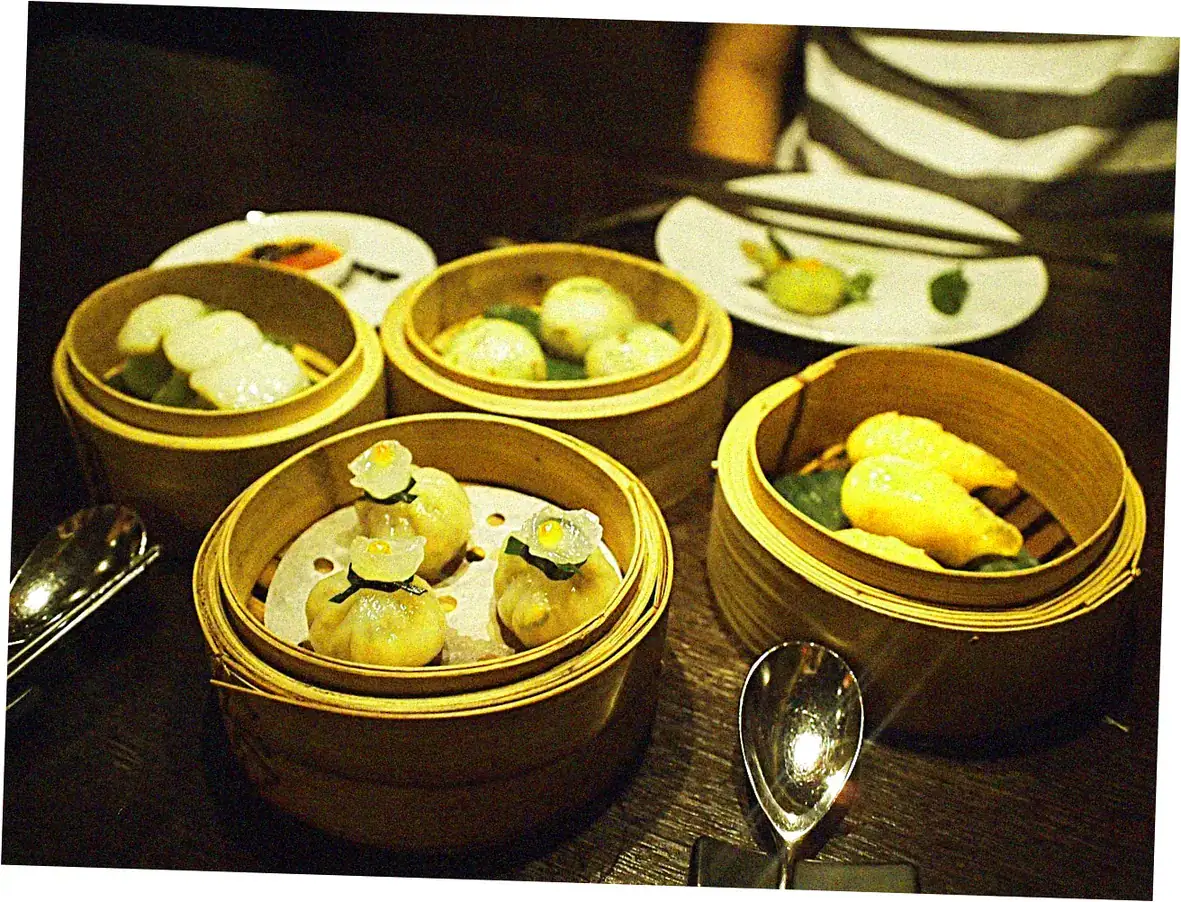
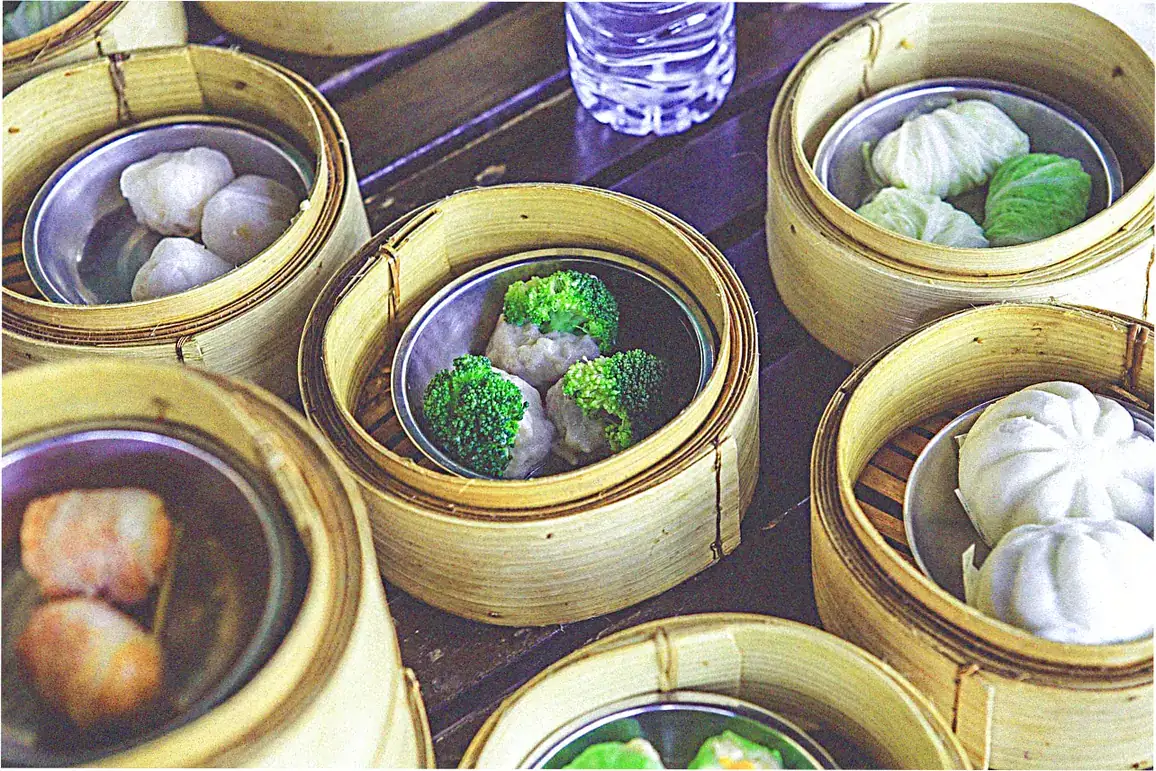
The best dim sum isn’t just about rolling carts. It’s about master chefs who’ve spent decades perfecting their skills. They create these delicate dumplings and small plates that are just amazing.
Top spots like Tim Ho Wan, which started in Hong Kong, keep their Michelin quality but don’t break the bank. You’ll want to try their har gow shrimp dumplings – the wrappers are see-through and perfectly folded.
And their char siu bao has this fluffy baked top that’s so good. Don’t sleep on their tea service either. The staff really knows their stuff and can suggest great pairings, like pu-erh tea with heavier dishes.
I was at Dragon Beaux in San Francisco for weekend brunch once. They had six chefs working just on dim sum, making over fifty different kinds. That’s the kind of dedication that makes a place stand out from the rest.

Regional Specialty Restaurants
When a restaurant focuses on just one region, the food usually turns out better. Think Xi’an Famous Foods with their hand-pulled noodles, or Hunan Slurp doing modern versions of Hunanese dishes.
These places often get ingredients straight from the source. Sichuan spots import particular chili types, while Fujian places use real red yeast rice. Their menus change with the seasons too, depending on what ingredients they can get.
That’s another sign you’re getting the real deal. At Birds of a Feather in New York, the chef actually grew up in Chengdu. He gets Sichuan peppercorns right from family farms back home.
That gives you that authentic numbing sensation you just can’t get with regular store-bought stuff. That level of care makes for an unforgettable meal. It really feels like you’ve been transported straight to that part of China.
Signature Dishes That Define Excellence
Peking Duck Perfection Standards
How a place makes Peking duck really shows if it’s just okay or truly great. A good Peking duck takes days to make. They air-dry the skin, pump air between the skin and meat, then glaze it with malt syrup before roasting it over wood fire.
At Quanjude in Beijing—they have spots all over the world too—the chefs carve it right at your table into exactly 108 slices. That’s a tradition that’s been around for ages.
The skin should be super crispy, almost crackling when you bite it, but then just melt in your mouth. You eat it with thin pancakes, hoisin sauce, and thinly sliced scallions.
I’ve noticed that the best restaurants for Chinese food, the ones with higher standards, usually only serve the whole duck. That’s because you gotta eat it right after it’s carved for the best experience.
And if there’s any meat left, a thoughtful spot will use it to make you fried rice or lettuce cups. It’s a nice touch.
Soup Dumpling Mastery Techniques
Making xiaolongbao, or soup dumplings, takes serious skill. The broth is turned into a jelly, wrapped in this super thin skin, and it has to steam without breaking open.
The best ones, like at Jia Jia Tang Bao from Shanghai—they’re international now—have exactly eighteen little folds and the broth inside is just bursting with amazing flavor. Eating them is a technique itself.
You gotta nibble a little hole at the top to let the steam out first, then sip the soup. I always check two things: how they cut the ginger—it should be shredded super fine—and what kind of vinegar they use.
The good places use Zhenjiang aromatic vinegar, not just any regular rice vinegar. You know a place is top-notch if you can see them making the dumpling skins fresh right there, usually through a glass window. They’re always better than spots using pre-made wrappers.
Budget-Friendly Versus Luxury Experiences
Exceptional Value Hidden Gems
You don’t need to spend a lot for great Chinese food. Lots of simple spots serve amazing dishes using family recipes that have been perfected for years. In LA, Luscious Dumplings has Shanghainese specialties that have kept low prices for ages.
Over in Philly, Tom’s Dim Sum gives you perfect dumplings at cheap counter-service prices. These places don’t care much about decor—they put all their effort into quality ingredients.
Honestly, I’ve had better noodles in a basic fluorescent-lit joint than at some fancy five-star hotel. A good tip: look for spots with small menus. They usually do just a few dishes but do them really well.
And if it’s cash-only, that’s often a sign they’re putting all their money into the food, not payment systems.
High-End Chinese Dining Hallmarks
High-end Chinese restaurants charge more for a reason. They use top-notch stuff like abalone, bird’s nest, and sustainable alternatives to shark fin. Take Hakkasan—it’s got Michelin stars around the globe and mixes Cantonese cooking with modern style.
Then there’s King’s Joy in Beijing; it has three Michelin stars just for its vegetarian food. You’ll also see special tableware—like custom steamers and soups double-boiled and served right in carved winter melons.
Their wine pairings often include bottles from cool Chinese vineyards, like Silver Heights, not just the usual French classics. I once had a celebration dinner at Ultraviolet in Shanghai.
It showed me how tech can lift traditional flavors with multi-sensory dining—pretty cool proof that new and old can work together perfectly, even at the top level.
Dietary Accommodations and Modifications
Vegetarian and Vegan Options
Chinese Buddhist cuisine has these amazing plant-based dishes that even meat lovers enjoy. They use mock meats made from wheat gluten or tofu skin, and the textures are surprisingly realistic. Take Pure Veggie House in New York, for example.
They build their whole menu around this tradition. Their mushroom-based roasts and walnut shrimp dishes really wow people, even those who were doubtful at first. Lots of Sichuan spots serve vegan mapo tofu where they swap the meat for mushroom broth.
And Cantonese places? They’ll whip up vegetable stir-fries with garlic sauce, no animal products at all. I make it a point to call ahead and talk about options. The chefs at the better restaurants really appreciate a heads-up.
It gives them time to get special broths and ingredients ready. It’s kinda surprising, but some of the most creative vegan Chinese food actually comes from tea houses inspired by Taiwan.
Managing Food Allergies and Sensitivities
Chinese food uses a lot of common allergens, think soy, wheat, and shellfish. But the good, thoughtful restaurants know how to work around these restrictions and still keep the flavor amazing. Asking for no MSG is usually no problem.
The best restaurants for Chinese food are using good ingredients anyway, so they don’t need to rely on additives. If you’re avoiding gluten, stick to rice-based stuff. Congee or rice noodles are great choices.
Just remember, regular soy sauce has wheat, so you gotta watch out for that. Over at China Live in San Francisco, the staff have these detailed charts about allergens. They can tweak most dishes for you.
I’ve noticed the fancier places usually deal with allergies way better than cheaper spots. But hey, even your local joint will often steam something instead of frying it if you ask. You really need to stress how serious it is.
Sometimes there’s a language barrier, so you might have to explain it a couple of times to be sure.
<strongTechnology’s Role in Modern Chinese Dining
Digital Ordering and Reservation Systems
Tech has totally changed how we find real-deal Chinese food. Apps like HungryPanda are great for this—they specialize in linking you up with kitchens that cook specific regional dishes.
Plenty of the top Chinese restaurants use WeChat now for bookings and ordering ahead. This is super key for those big banquet dishes that need to be prepped way in advance.
Back during the pandemic, I found some amazing home chefs on platforms like Zoom Kitchen. Sichuan grandmothers would teach cooking classes online and even deliver kits with all the ingredients.
Digital menus with pictures are a lifesaver when there’s a language gap. But a word of warning: sometimes the most authentic dishes aren’t even on the picture menu! At spots like HaiDiLao Hot Pot, they have these cool tabletop ordering systems.
It makes everything so smooth—you can just tap to ask for more broth or ingredients without having to wave for a server.
Social Media and Food Influencer Impact
Instagram and Douyin—that’s China’s version of TikTok—have kinda changed the food review game. They bring hidden gem restaurants to light that the old-school critics totally missed.
Food influencers, take @chineseafoodie for instance, have made whole careers out of showing off regional Chinese specialties to a much wider audience. I’ve found some unbelievable places just by seeing
geotagged posts that show the actual dishes, not just a photo of the restaurant front. Nowadays, restaurants create these crazy-looking dishes just for social media.
Think rainbow xiaolongbao or presentations with dry ice fog—all designed to get shared online. Sure, it can be a bit gimmicky sometimes, but all this attention has actually pushed restaurants toward more
authentic regional cooking, moving away from generic American-Chinese stuff. Here’s a pro tip: check the restaurant’s Chinese-language social media pages and run them through Google Translate. You’ll often find way more authentic dishes there than on their English pages.
Sustainability and Ethical Considerations
Responsible Seafood and Meat Sourcing
Nowadays, more and more people look for Chinese restaurants that care about sustainability. They want places that skip shark fin or use line-caught fish. Take The Prince in Manhattan, for example.
They get ingredients from local organic farms but keep the real Chinese taste. Their tea-smoked duck? It’s from Hudson Valley farms nearby. Lots of nicer spots now show where their ingredients come from right on the menu.
You didn’t see that much before in Chinese restaurants. I really like it when restaurants offer veggie versions of classic dishes. Like using morel mushrooms instead of shark fin in Buddha jump over the wall—it still feels true to the culture.
Sure, these choices can cost a bit more. But you can really tell the difference—the flavors are cleaner and the textures are way better.
Reducing Food Waste Traditions
Chinese cooking has always been about cutting down waste. They use the whole animal and get creative with leftovers. Yesterday’s rice turns into today’s fried rice, and veggie scraps make stocks tastier.
The best Chinese restaurants make this official—they train their staff and watch portion sizes. At Jing Fong in New York, their dim sum portions are just right. You can try a bunch of dishes without overdoing it.
Some spots, like Shan Dong in Oakland, keep things old-school. They pickle and dry ingredients to make them last longer. I’ve noticed that the real-deal Chinese restaurants don’t overpackage takeout.
They’ll use reusable bamboo steamers or recyclable containers instead of plastic. It’s like they’re mixing old-school smarts with today’s eco-friendly values.
Cultural Etiquette and Dining Practices
Traditional Table Manners and Customs
If you know some basic Chinese dining etiquette, it really makes the experience better and shows you respect their culture. You’ll usually find round tables with lazy Susans at the best Chinese restaurants.
They’re great for sharing. Just remember to spin the tray clockwise and don’t reach across people. After using the serving spoons, put them back facing in.
And a big no-no: never stick your chopsticks straight up in your rice—it looks like incense at a funeral. When toasting, say When I host family-style meals, I always explain these rules to my guests.
It actually turns into a fun part of the dinner. Staff at authentic Chinese restaurants really appreciate it when you try to say
Ordering Strategies for Group Dining
Knowing how to order for a group turns a simple meal into a real experience at a great Chinese restaurant. You wanna balance things out—get a mix of textures like crispy, soft, and chewy.
Vary the cooking methods, maybe some steamed, fried, and braised dishes. And don’t forget a range of flavors: spicy, sour, and sweet. For a group of six, I’d go for one appetizer, a soup, a veggie dish,
a tofu dish, a poultry dish, one meat, a fish, and rice. Of course, you can adjust depending on what everyone likes. If there’s a language issue, let the most adventurous person order.
Sometimes chefs will even send out something special not on the menu if they see you’re being bold. At banquets, just go with the seating plan the host gives you—the guests of honor usually face the door.
The dishes will come out one after another, not all together. Leaving a little food on the plate actually shows the host served plenty, it’s not seen as wasteful.
Future Trends in Chinese Gastronomy
Innovation While Honoring Tradition
Chinese chefs are getting creative with classics. They use modern tricks but keep the cultural heart. Imagine sous-vide Cantonese char siu or deconstructed mooncakes. Spots like Mott 32 add fancy stuff like Iberico pork to traditional dishes.
Meanwhile, places like Denver’s Hop Alley mix Sichuan tastes with local Colorado ingredients. I love how young chefs trained abroad are bringing back old skills. Think sugar painting and knife-shaved noodles—almost lost but now back!
Eco-friendly trends are driving new ideas too. At PLANT in Shanghai, I had plant-based Peking duck. Mushroom caps copied crispy skin perfectly! These changes mean a cool future for food. And they save ancient cooking wisdom too.
Globalization’s Impact on Authenticity
Chinese food is going global. We see fun mixes like Chinese-Mexican fusion. Or Chinese-style pastries at Mr. Bread in San Francisco. Purists might not like it, but these new twists introduce Chinese flavors to newbies.
Later, they often try the traditional stuff. Plus, globalization means better ingredient access. Now I grab fresh lotus root or Sichuan peppercorns at regular supermarkets. That ups everyone’s cooking game.
What’s next? Local Chinese breweries making beers to match specific foods. Think jasmine IPA with dim sum, or dark stout with braised dishes. This mixing helps everyone. It makes dining more diverse and keeps real flavors alive at the source.
To find the best Chinese restaurant, mix research with guts. Skip the fancy looks—find spots that really care about real regional taste. Whether you want simple noodles or big feasts, pick places where skill and top ingredients stand out.
Remember, perfect is personal. Your favorite could be a loud dim sum spot or a cozy tea house doing Jiangsu dishes. Start with this guide, then go wild.
I found some gems by following Chinese families into spots with no signs. Share your finds with other food fans. Always stay curious—and hungry—for the next amazing meal.
Here are some common questions people ask
So how can you tell real Chinese restaurants from the Americanized ones?
Real deal spots specialize in regional dishes instead of general stuff. They often have Chinese menus featuring things like offal or seasonal veggies. They balance flavors the traditional way, not too sweet.
They use special skills like wok hei that need proper equipment. If you see Chinese customers and staff speaking Mandarin or Cantonese, that’s a good sign. They also focus more on fresh ingredients than thick sauces.
Wondering how to find the best Chinese restaurant near you?
First, look for specific regional cuisines like Sichuan or Cantonese, not just general Chinese food. Check out Chinese platforms like Dianping or follow food influencers who know Asian cuisine. Look where Chinese families eat.
Don’t skip places with simple decor—the best spots often care more about food than looks. Always examine menus for specialized dishes beyond standard offerings

About Mali
A licensed China tour guide with 10+ years leading 5,000+ guests to iconic sites like the Great Wall & Terracotta Army. Expert in seamless tours, cultural insights, and VIP access!