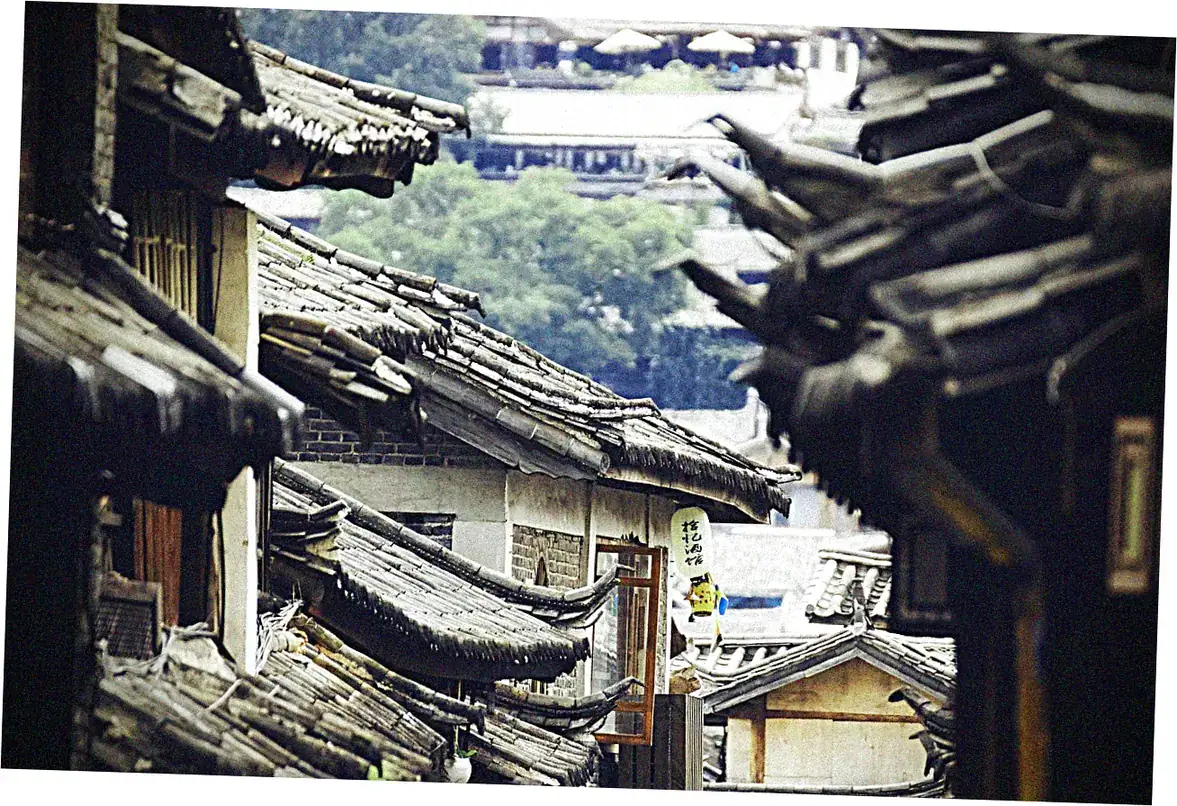
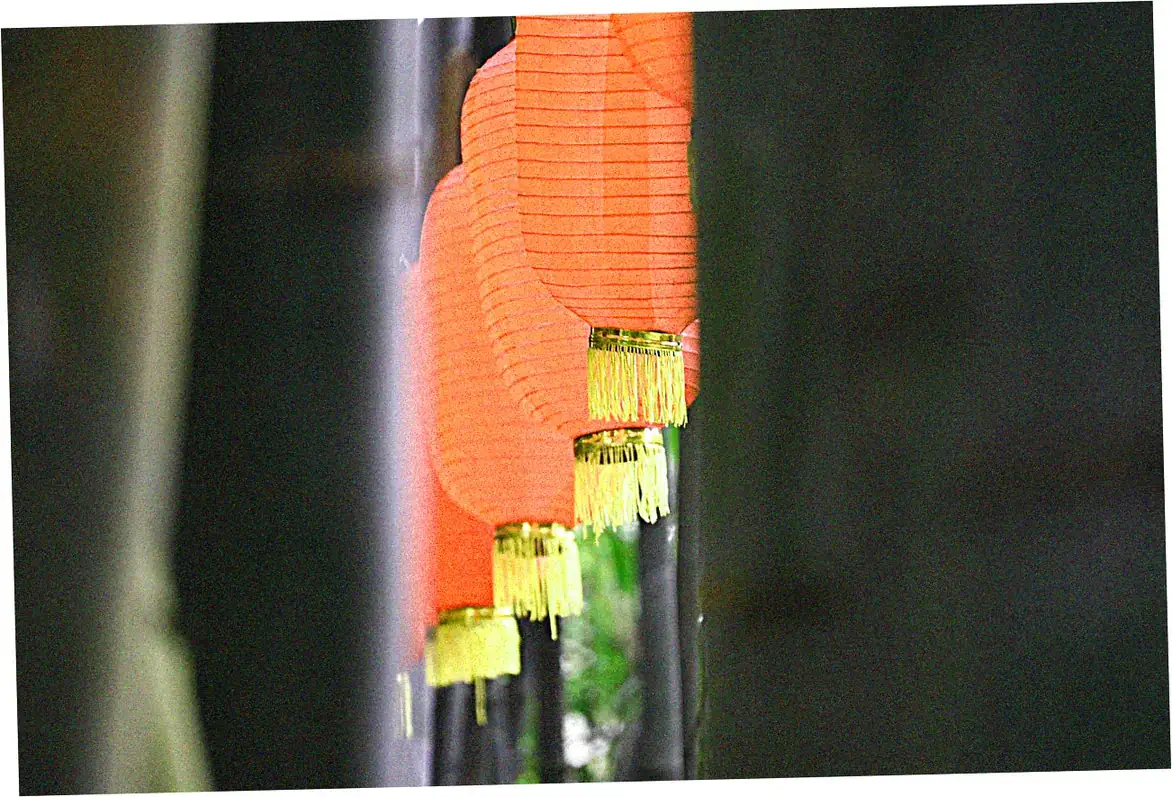
Planning a Beijing Xian Shanghai tour? It’s like cramming a whole history book into just one week. I stared at maps, totally overwhelmed. The cultural sights are huge—the Forbidden City’s grandeur, the Terracotta Army’s majesty, and the Bund’s skyline. Most folks looking for Beijing Xian Shanghai tours want more than flights. They want an easy way to see ancient history and modern China, without the hassle. They crave well-planned trips that mix famous sights with local vibes, smooth transport, plus visa and etiquette tips. This guide comes from my own ups and downs. It’ll help you plan your perfect Beijing Xian Shanghai tour.
Table of Content
- Why Choose a Combined Beijing, Xi’an, and Shanghai Tour?
- Crafting the Perfect Beijing Xian Shanghai Itinerary
- Unmissable Attractions in Beijing
- Delving into Xi’an’s Ancient History
- Experiencing Modern Shanghai
- Seamless Transportation Between Cities
- Accommodation Guide: Where to Stay
- Culinary Journey: Must-Try Foods
- Cultural Etiquette and Practical Tips
- Choosing the Right Tour Package or DIY
- Ready to explore the heart of China?
- Frequently Asked Questions (FAQ)
Why pick a combined Beijing, Xi’an, and Shanghai tour?
It’s the ultimate way to see China’s diversity.
Choosing a bundled Beijing Xian Shanghai tour package lets you see China’s amazing contrasts efficiently. This classic route gives you a full picture. You get Beijing’s ancient and modern political heart,
Xi’an’s deep history as the Silk Road start, and Shanghai’s dazzling economy. I loved moving from Beijing’s hutongs to Xi’an’s walls, then to Shanghai’s neon streets.
It made China’s vastness feel connected and easy to grasp. It’s like a time journey—from imperial glory to modern innovation, all woven together seamlessly.
You’ll save time and get great value on your China trip.
Logistically, bundling these three spots into one tour saves you time, stress, and often cash. Good tour operators use their networks to get you better hotel deals, smooth bullet train rides between cities,
and skip-the-line access to big sights like the Terracotta Warriors. On my first trip, a guide handled the train tickets and check-ins—it was a game-changer. I got to enjoy the sights without language hassles. This integrated approach means less time planning and more time soaking in the experience.
Planning your perfect Beijing Xian Shanghai tour? Here’s how to craft the ideal itinerary.
Check out these sample schedules for 7-day, 10-day, and even 14-day tours.
How you design your China tour really depends on how much time you’ve got. For a quick 7-day trip, you could spend two days in Beijing hitting the Great Wall and Forbidden City. Then use one full day in Xi’an for the Terracotta Army.
Wrap up with two days in Shanghai exploring the Bund and Yuyuan Garden. Don’t forget to factor in travel days between cities. If you have 10 days, you can explore more deeply.
Add a food tour through Beijing’s hutongs, catch an evening Tang Dynasty Show in Xi’an, and take a day trip from Shanghai to a water town like Zhujiajiao. For the ultimate Beijing Xian Shanghai tour experience, go for 14 days.
You can even stay overnight at the Great Wall and spend more time exploring the history in Xi’an’s Muslim Quarter.
Wondering about the best time for your China tour? Let’s talk seasons.
Timing is super important for this golden triangle tour of Beijing, Xian, and Shanghai. Everyone agrees spring (April-May) and autumn (Sept-Oct) are the best times to visit China.
You’ll get mild weather and clear skies – perfect for walking the Great Wall and checking out outdoor spots. I once visited Beijing in July – big mistake! The heat and humidity were just brutal.
Winter up north gets really cold, but you’ll see amazing snowy views and deal with fewer crowds. Shanghai summers are hot and rainy, but autumn there is just lovely. Always check if your trip overlaps with national holidays like Golden Week – that’s when domestic tourism really spikes.
Unmissable Attractions in Beijing
The Great Wall of China: Mutianyu vs. Badaling
You can’t finish a Beijing tour without seeing the Great Wall, but picking the right section really matters. Badaling’s the most famous and fixed up, but it’s also super crowded. My guide took us to Mutianyu instead.
It’s easier to get to, has amazing views, and way fewer people. Plus, you get this fun toboggan ride down! If you’re more adventurous, try Jinshanling. It’s rougher, only partly fixed, and perfect for a hike.
Just pick based on how fit you are and if you hate crowds. But honestly, seeing this snake-like wonder twist through the mountains is a must-do on any China trip. It’ll blow you away.
Exploring the Forbidden City and Tiananmen Square
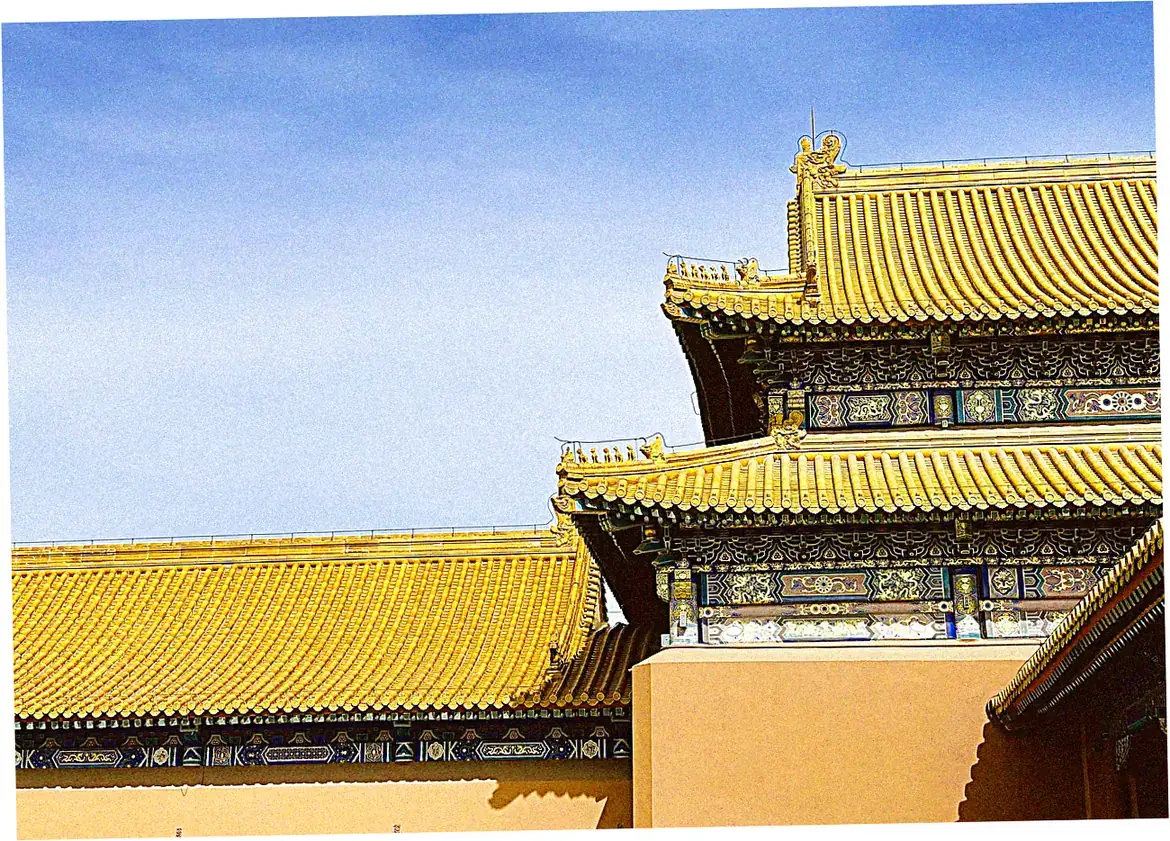
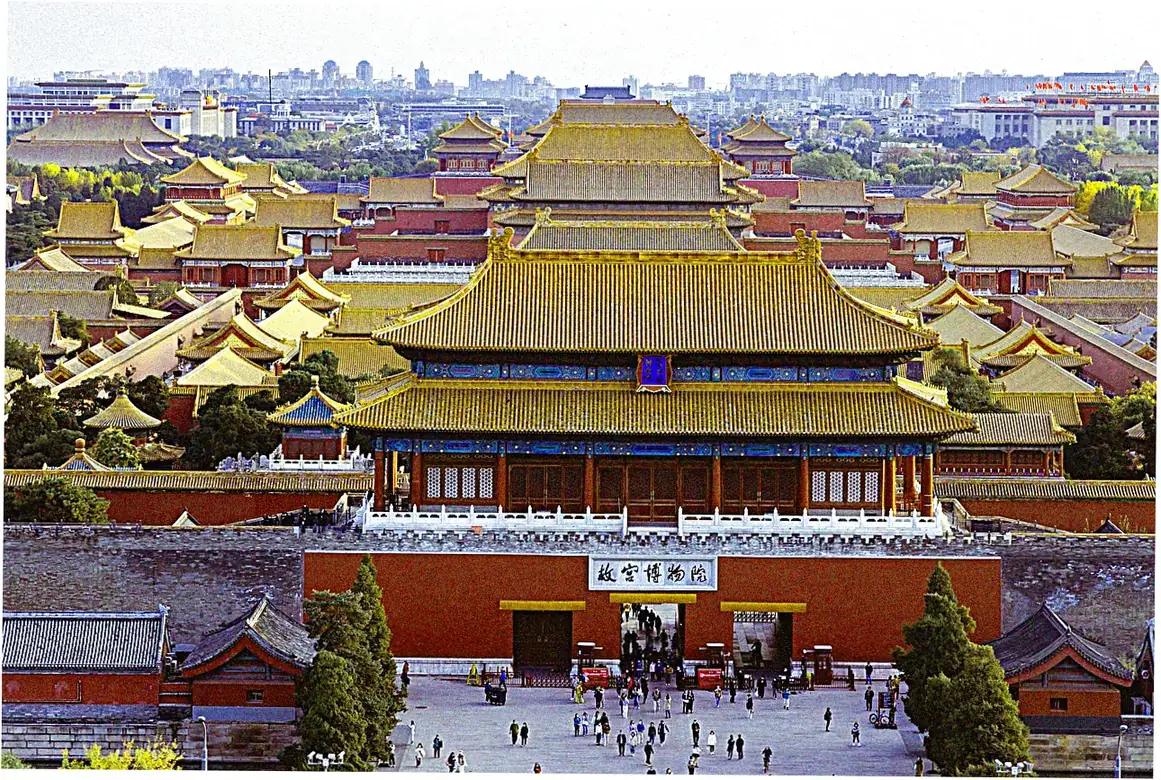
The Forbidden City is where China’s emperors lived. It’s huge, with tons of palaces and courtyards. You’ll need a good half-day to see it all properly. I’d totally suggest getting an audio guide or a local expert.
They’ll help you get the stories and history behind spots like the Hall of Supreme Harmony and the Imperial Garden. After that, head out to Tiananmen Square.
It’s one of the biggest squares globally, and you can really feel the heavy modern history there. Booking your Forbidden City tickets online ahead of time is a must. They only let in so many people each day, and tickets go fast. This tip totally saved my trip!

Delving into Xi’an’s Ancient History
The Terracotta Army: A Guide to the Pits
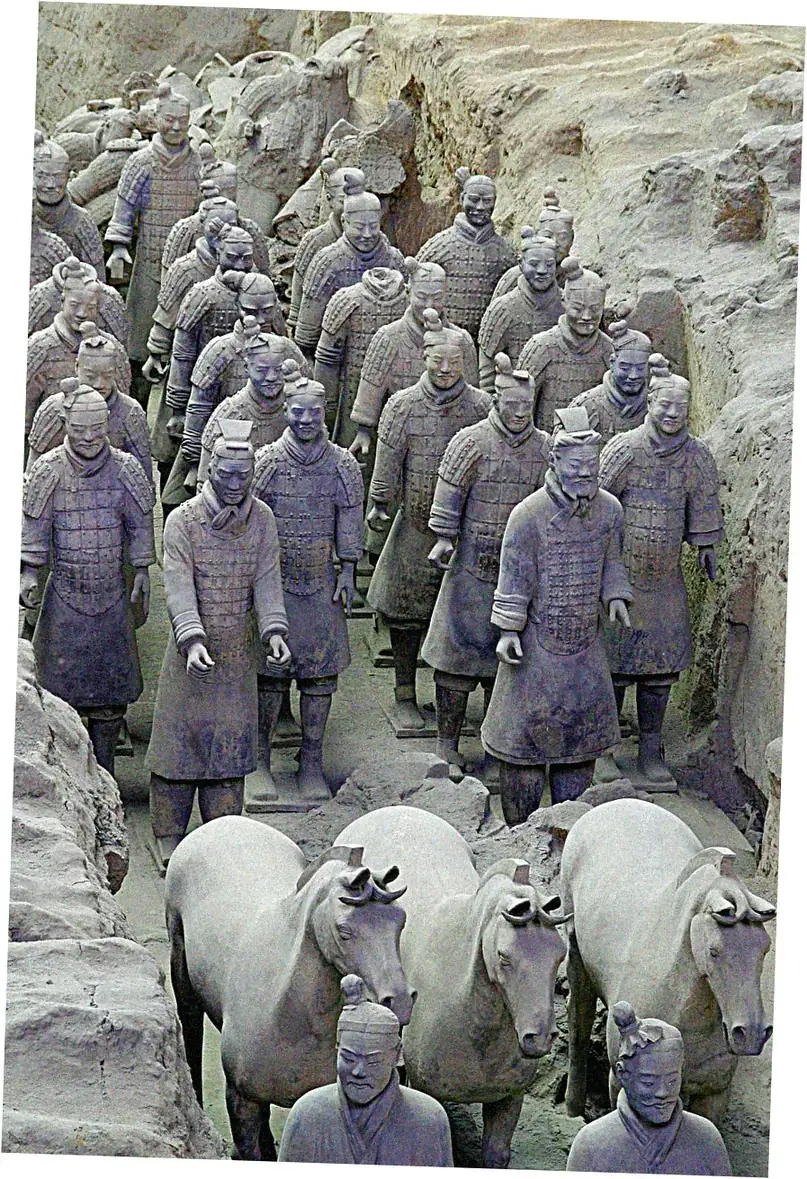
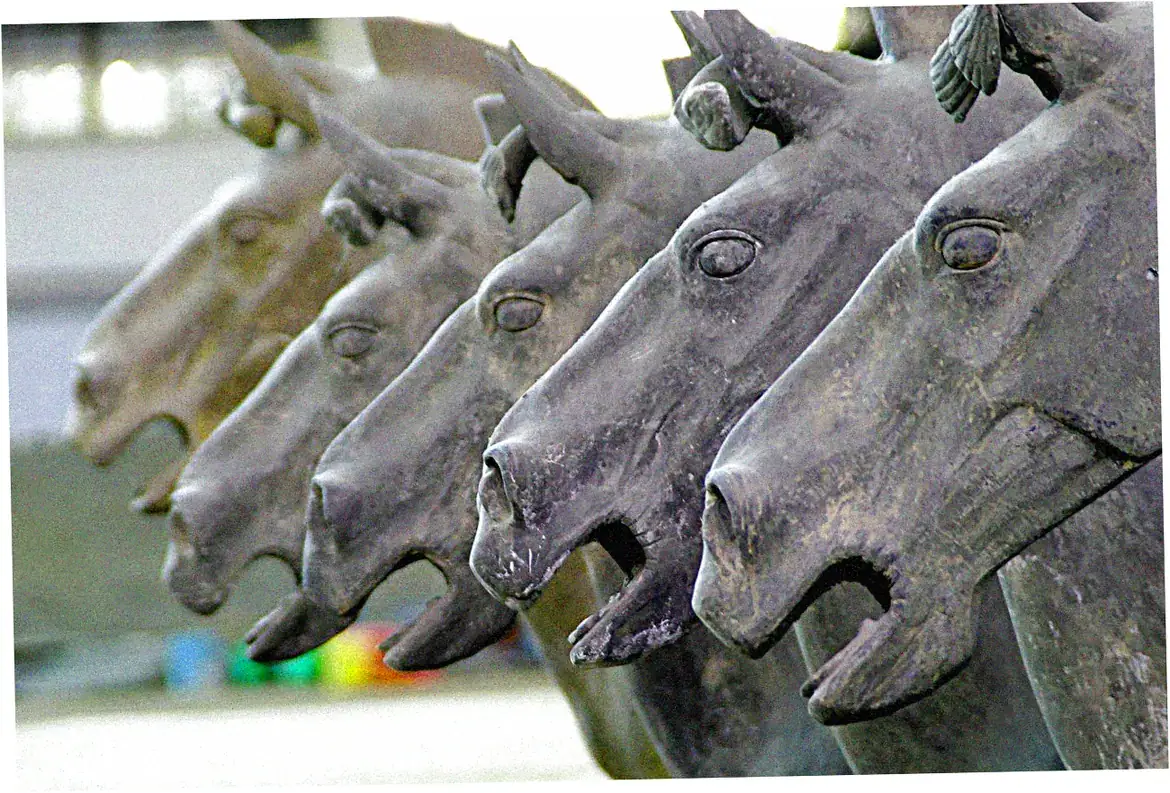
The Terracotta Army museum is the star of any Xi’an tour. It’s the main reason folks book those Beijing Xi’an Shanghai tours packages. You won’t believe Pit 1.
Thousands of life-sized soldiers stand ready for battle, and each one’s face is totally unique. Pits 2 and 3 are just as cool, showing off the ancient command structure. Here’s a pro tip: grab an official guide right at the entrance.
They’ll tell you all about the history, the emperor’s search for eternal life, and the digs still happening. They make those statues feel real, way better than any book.
Xi’an City Wall and Muslim Quarter Food Adventure
But there’s more than just warriors. Xi’an’s ancient City Wall from the Ming Dynasty is one of China’s oldest and best kept. Rent a bike and ride the whole 14-kilometer loop. You get amazing views where the old city meets the new.
When night comes, check out the Muslim Quarter. It’s a lively maze of lanes that smells amazing from all the sizzling street food. I had some of my best meals ever right there. Try the yangrou paomo, a tasty mutton stew, or the sweet persimmon cakes.
It’s a total feast for your senses and a deep dive into local culture. It’s the perfect way to spend an evening on your China cultural tours.

Experiencing Modern Shanghai
The Bund: Colonial Architecture and Skyline Views
Shanghai’s Bund is totally iconic. It’s like a living museum full of old colonial-era banks and trading houses, all lined up proudly by the Huangpu River. Go there in the late afternoon. That way, you can check out the architecture in daylight.
Then, watch as the neon skyscrapers in Pudong light up at dusk. It’s a breathtaking sight and really shows off China’s future. I love walking the whole length. You really feel the shift from the old-world grandeur to this futuristic ambition.
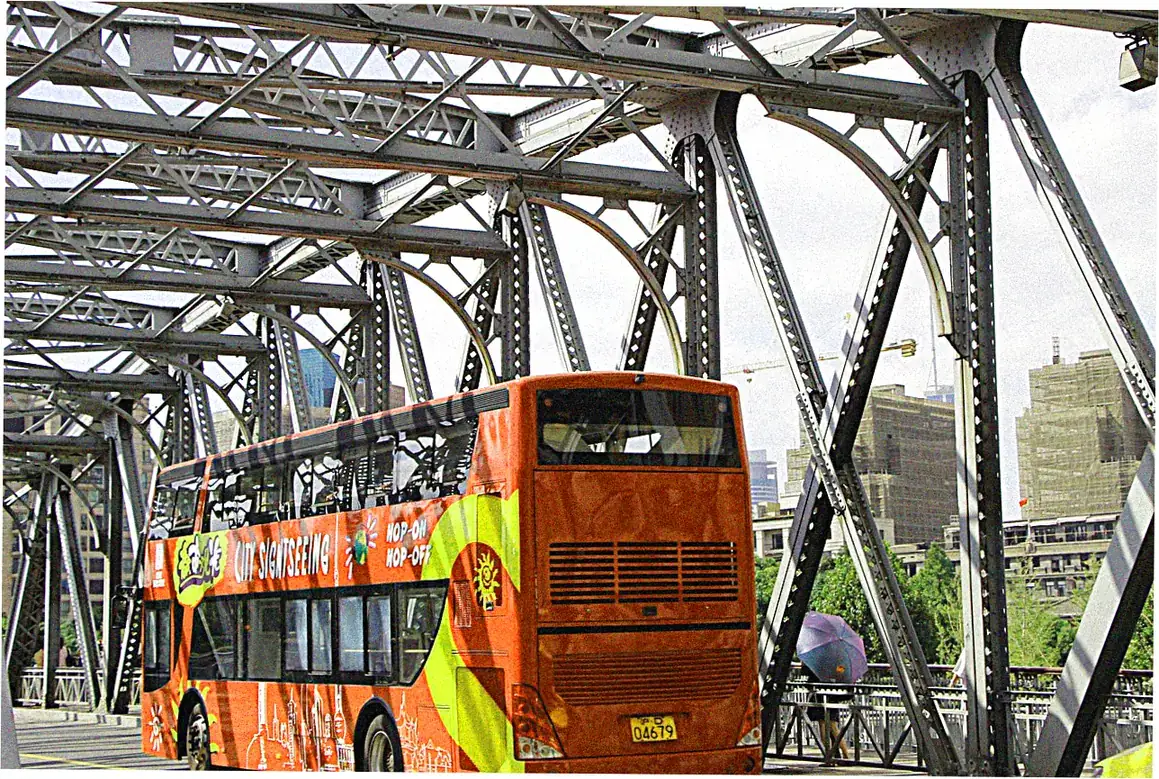
For the best photos, head near the Waibaidu Bridge. This mix of history and hyper-modernity is what Shanghai city tours are all about.
Yuyuan Garden and Pudong’s Skyscrapers
Need a break from the city buzz? Escape to the peaceful Yuyuan Garden. It’s a classic 16th-century Ming Dynasty spot with amazing rockeries, pavilions, and koi ponds.
Right next door, Yuyuan Bazaar is perfect for grabbing souvenirs and trying local snacks, like those awesome xiaolongbao soup dumplings. Then, just hop on the metro over to Pudong to go up one of those huge skyscrapers.
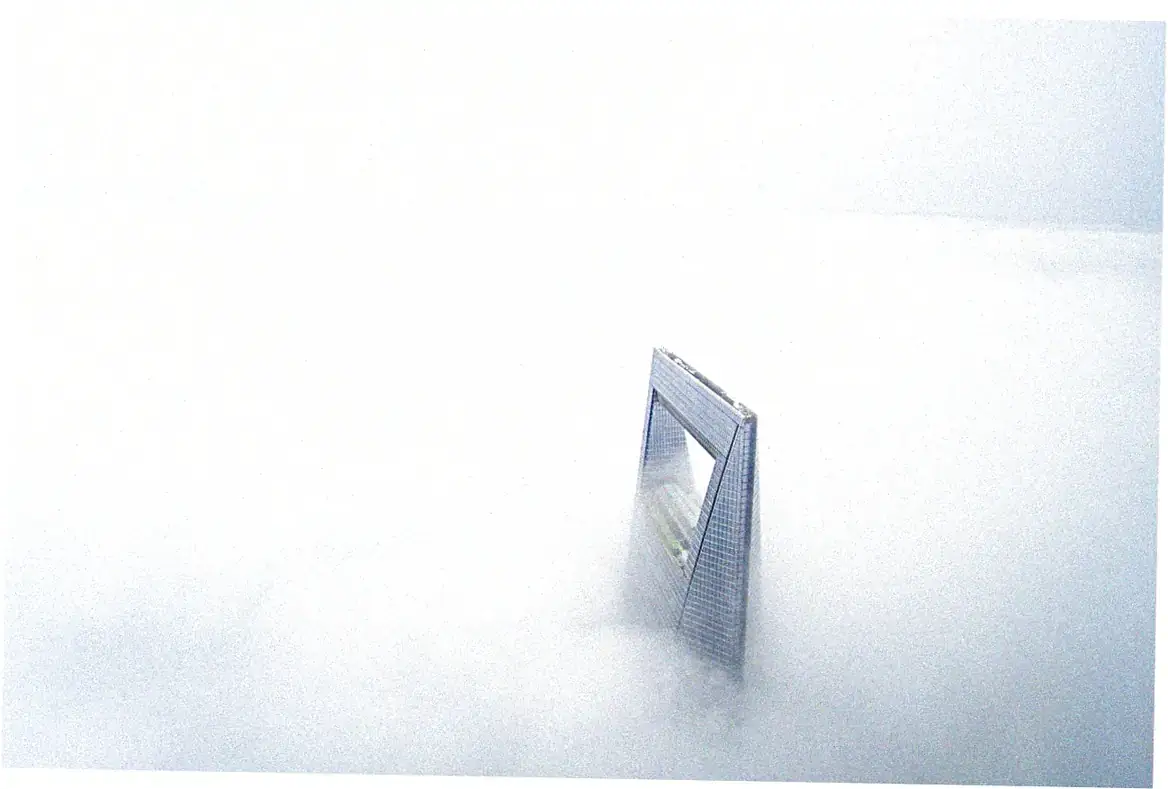
The view from the Shanghai World Financial Center’s deck is staggering. You get a bird’s-eye view of the Bund’s curve and the city’s endless sprawl. A day like this really shows off the two sides of Shanghai that make travel here so compelling.
Seamless Transportation Between Cities
China High-Speed Rail Network: Booking and Tips
For your Beijing Xian Shanghai tours, the high-speed rail is the way to go. It connects these cities super efficiently and is really the backbone of the trip. Taking the bullet train? Beijing to Xi’an is roughly 4.
5 hours. Then from Xi’an to Shanghai, it’s about 6 hours. Booking tickets as a foreigner can be a bit tricky. You’ll need your passport. A good tip is to use a travel agency or a site like Trip.com that’s made for international users.
I always go for second-class. They’re spacious, comfy, and really affordable. Just remember to get to the station at least 45 minutes early. That gives you time to get through security and find your platform. It’s a modern, punctual, and fantastic way to check out the countryside.
Domestic Flights: When to Fly Instead of Train
Trains are great for shorter hops, but sometimes flying makes more sense. For example, a direct flight from Shanghai to Xi’an can be faster than the 6-hour train, especially if you’re short on time.
But flying means dealing with airport transfers, security, and possible delays. For getting between Beijing and Xi’an or Beijing and Shanghai, the train is usually your best bet.
It goes right from city center to city center, which is super convenient. I’d only think about a domestic flight if it saves a ton of time or there’s a really good sale. When you’re planning your China vacation transportation, think about the total door-to-door time, not just how long the flight is.
Accommodation Guide: Where to Stay
Best Neighborhoods for Tourists in Each City
Picking where to stay really makes or breaks your China tour. For Beijing tours, I’d go for Wangfujing or Qianmen. They’re super central, right by the Forbidden City, and the subway access is awesome.
On Xi’an tours, try staying inside or near the city wall, especially around the South Gate. You can easily hit the wall and the Muslim Quarter from there. For Shanghai tours, Pudong puts you right by the skyscrapers.
But if you want to be central, Jing’an or Huangpu districts are better—super easy to get to the Bund and the French Concession. Each spot has its own vibe. Just pick what you’re into: history, food, or modern convenience.
Comparing Hotel Styles: Boutique vs. International Chains
Where you stay totally shapes your trip. Big chains like Hilton or Marriott give you that familiar Western comfort. Their staff speaks English too, which is a lifesaver after a long day of exploring.
But for something more authentic in Beijing, try a top-rated boutique hotel or a traditional siheyuan courtyard. It makes your stay way more memorable. You’ll get cool architecture and really personal service.
Some Xi’an hotels even have Tang Dynasty-themed rooms. Always check recent reviews for the big one: how comfy the beds are. You need a good night’s sleep, especially on a packed tour.
Foods you gotta try on your Beijing Xi’an Shanghai tours
In Beijing, try the duck. In Xi’an, have BiangBiang noodles. And in Shanghai, go for soup dumplings.
Eating your way through these cities is one of the best parts of the golden triangle tour. You must try Peking Duck in Beijing. Quanjude and Dadong are famous, but a local guide showed me a smaller place, and it was just as good.
In Xi’an, don’t miss the wide BiangBiang noodles. They usually come with chili oil and pork. And remember that yangrou paomo I mentioned. Shanghai is famous for xiaolongbao, you know, those soup dumplings.
I went to the original Din Tai Fung to learn how to eat them right. First, take a small bite, sip the hot soup, then eat the rest. Each city has its own awesome food scene. It’s like a whole tour just by itself.
About food safety and street markets
Lots of travelers worry about the food in China. My tip is to eat where the locals eat, especially busy places with lots of customers. Street markets like Wangfujing in Beijing or the Muslim Quarter in Xi’an are usually safe for cooked food.
Just look for stalls with long lines. Skip raw veggies and peeled fruit that might’ve been rinsed in tap water. Drink bottled water and be careful with sketchy street seafood. I always bring stuff like probiotics and Imodium, just to be safe.
Trying street food is part of the fun, but being a bit careful helps make sure you remember the food for all the good reasons.
Cultural Etiquette and Practical Tips
Essential Mandarin Phrases and Bargaining Tips
Pick up a few Mandarin phrases – it’ll make chatting with locals way easier. Start with basics: say *Nǐ hǎo* for hello, *Xièxie* for thanks, and *Duōshǎo qián?* when asking prices.
When bargaining at markets, just smile and offer 30-50% of their first price. Haggling’s normal in souvenir markets, but skip it in department stores and restaurants. Grab a translation app like Pleco or Google Translate (with VPN) for tougher chats.
Even if you mess up, locals love when you try speaking Mandarin – you’ll get better service and real connections.
VPNs, Payment Apps, and Essential Packing List
Here’s a pro tip: get a VPN like Astrill or ExpressVPN on your phone before landing in China, since their sites are blocked there. Cash works best in small towns, but in cities like Beijing, Xi’an, and Shanghai, everyone uses Alipay or WeChat Pay.
As a foreigner, just set up the TourCard in your Alipay. Don’t forget comfy shoes for all the walking, plus a reusable water bottle. Toss some tissues or wet wipes in your bag – many public restrooms don’t
have paper. These little prep steps will make your Beijing, Xi’an, and Shanghai tours go so much smoother.
Picking the right tour package or doing it yourself
Let’s compare guided group tours and private tours
Choosing between group tours, private tours, or going solo is really important Group tours save money and take care of everything, great for first-timers or if you’re worried about language issues Private
tours let you customize your schedule, they’re flexible, and you get your own guide and driver – perfect for families or photographers chasing the best light They cost more but give you that personalized
touch Check what’s covered: entry tickets, meals, hotel standards, and if you’ll have free time or if it’s too packed Read real reviews to see how reliable the company is
Important questions to ask your tour company
Before you book your China tour, ask them some specific things How big do the groups get? How much time will we spend traveling each day? Which hotels will we stay at?
(so you can check them out) Are all entry fees and meals included, or will there be extra charges? How many guests does each guide look after? Make sure you understand the cancellation rules and what happens
if flights or trains get delayed Good companies will give you straight answers Doing this homework helps you pick the right package for your style and budget, making sure your Beijing-Xi’an-Shanghai trip is amazing and stress-free
A Beijing, Xi’an, and Shanghai tour isn’t just a vacation – it’s a journey through China’s history, from ancient roots to modern dreams Plan your route well, enjoy the travel itself, and dive into each
city’s culture – you’ll make memories that stick with you forever From the silent Terracotta Warriors to the buzzing Bund at night – that contrast really shows you modern China
Want to see the real China? Now’s the time to plan your dream trip to Beijing, Xian, and Shanghai. Get in touch with a trusted travel expert who can create a custom itinerary just for you. Or if you prefer solo travel, start booking your high-speed rail tickets for your own adventure. Your amazing journey through China’s ancient history and modern wonders is waiting for you.
Here are some common questions about Beijing Xian Shanghai tours
When’s the best time to book a Beijing Xian Shanghai tour?
Spring and autumn are perfect – think April to May and September to October You’ll get great weather in all three cities during these months – nice temps, less humidity, and clear skies.
Perfect for hitting outdoor spots like the Great Wall and Xi’an City Wall I’d skip summer – way too hot and crowded. Winter’s not great either – Beijing and Xi’an get really cold
How many days do you need for a good Beijing Xian Shanghai tour?
You’ll want at least 10 days to really enjoy these places without rushing Here’s how to split it up: 3-4 days in Beijing for the main attractions, 2 full days in Xi’an for the Terracotta Army and old town,
then 2-3 days in Shanghai for the Bund and modern culture. Plus you’ll need time for high-speed trains between cities You could do it in 7 days, but you’ll be moving pretty fast
Is it hard to travel between these cities on your own?
Not really – China’s high-speed rail system is awesome and super efficient The trains are quick, comfy, and take you right between city centers But booking tickets can be tricky if you don’t have a Chinese
phone number or local payment method I’d suggest using English-friendly apps like Trip.com to book your tickets ahead of time The stations are huge and signs are mostly in Chinese first, so give yourself
extra time to find your way If it’s your first time, going with a tour might be easier for handling all the logistics

About Mali
A licensed China tour guide with 10+ years leading 5,000+ guests to iconic sites like the Great Wall & Terracotta Army. Expert in seamless tours, cultural insights, and VIP access!