Shanghai is an amazing city where East and West come together. It’s always attracted dreamers, adventurers, and people who love culture. You’ve got the famous Oriental Pearl Tower in the skyline and peaceful Yu Garden. Shanghai mixes old and new so smoothly. Eating xiaolongbao at old restaurants or checking out Pudong’s cool buildings – there are so many reasons to love Shanghai. The art is amazing, food is top-notch, and areas like the French Concession keep travelers and expats coming back. Let’s look at what makes Shanghai so special, through the eyes of people who really love it.
Table of Content
- Shanghai’s Iconic Skyline and Architectural Wonders
- Culinary Delights That Define Shanghai
- The Cultural Tapestry of Shanghai
- Shanghai’s Green Spaces and Urban Oases
- Shopping Paradises from Markets to Malls
- Nightlife That Never Sleeps
- Seasonal Celebrations and Festivals
- Transportation and Getting Around
- Living Like a Local
- Shanghai’s Future and Global Influence
- Conclusion: Why Shanghai Steals Hearts
- FAQ
Shanghai’s Iconic Skyline and Architectural Wonders
The Bund: A Timeless Symbol of Shanghai
The Bund shows Shanghai’s history – old colonial buildings right next to shiny new skyscrapers. Walk by the Huangpu River at night and watch the city light up, with neon reflecting on the water. Everyone comes here to see Pudong’s crazy tall buildings – the view always blows people away. Old 1920s banks next to the super modern Shanghai Tower show how the city respects its history while moving forward.
Pudong’s Futuristic Marvels
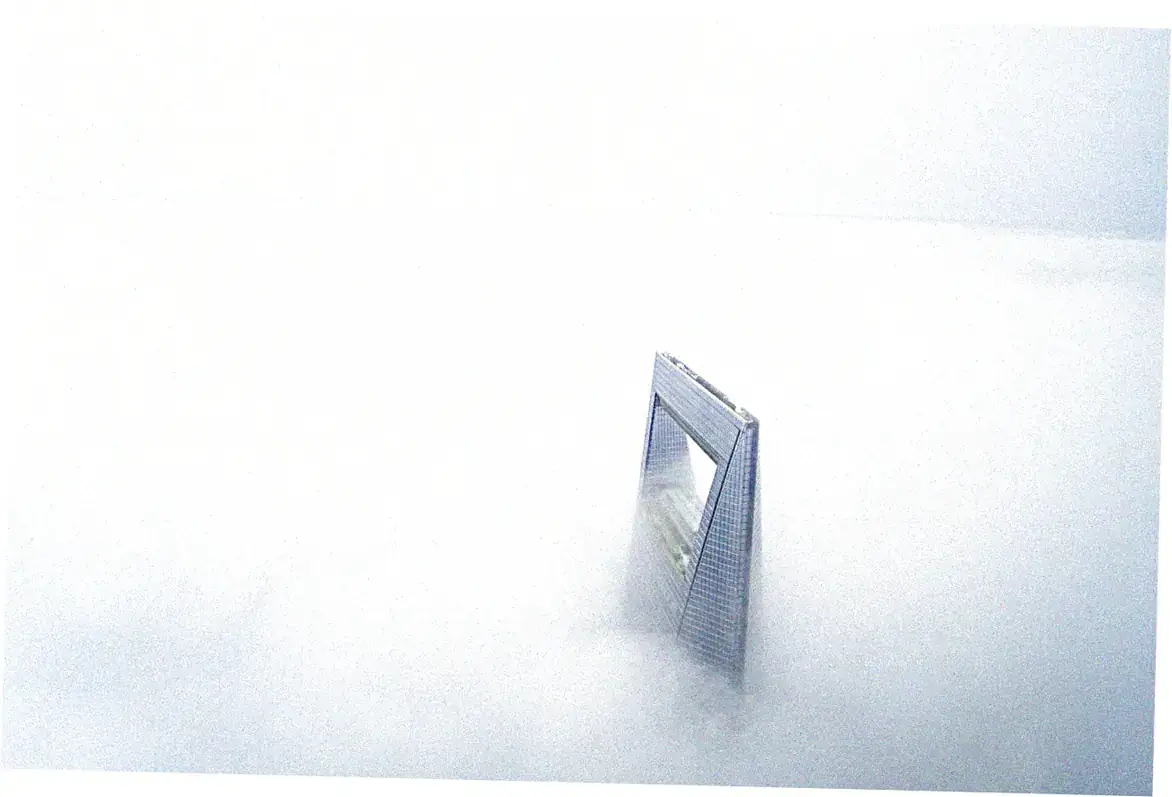
Pudong’s skyline with the Shanghai Tower and Jin Mao Building shows how fast China is growing. The view from the top of Shanghai World Financial Center is crazy high – you can see forever. At night, it’s all lit up – the Oriental Pearl Tower looks like something from a sci-fi movie. These buildings aren’t just pretty – they’re built strong to handle storms and quakes. That’s Shanghai – dream big but stay practical.
Culinary Delights That Define Shanghai
Xiaolongbao and Other Must-Try Street Foods
You can’t talk about Shanghai without talking about xiaolongbao – those amazing soup dumplings. You can get them at street stalls or fancy places like Din Tai Fung – every bite is packed with flavor. The best ones have exactly 18 folds – shows how Shanghai cares about getting food just right. Don’t miss other street foods like shengjianbao and scallion pancakes – best eaten early in the Old City’s busy alleys.
Fine Dining with a Shanghai Twist
Shanghai’s food scene is as good as Paris or New York, with chefs putting new twists on local dishes. Ultraviolet offers a crazy 20-course meal that takes you through Shanghai’s food history with all your senses. Places like M on the Bund have been serving fancy Shanghainese food since 99. What’s cool is how they mix new ideas with tradition – like using fancy techniques on classic dishes or adding foie gras to Shaoxing wine.
The Cultural Tapestry of Shanghai
Traditional Arts and Modern Expressions
Shanghai’s culture is all about contrasts – you’ve got Peking opera and digital art shows happening side by side. The Shanghai Museum shows China’s ancient history, while Power Station of Art displays super modern stuff. Even performance spaces mix old and new – the 1933 Slaughterhouse has jazz nights and weird theater shows. Visitors get to experience both China’s past and its creative future.
Neighborhoods That Tell Shanghai’s Story
The French Concession’s pretty streets tell stories of the 1920s, while Tianzifang’s maze-like alleys are full of small craft shops. Every area has its own vibe – Xintiandi has cool cafes by day and bars by night, while the Old City’s small streets show real local life. Checking out these areas shows how Shanghai keeps its community feel even as it changes fast.

Shanghai’s Green Spaces and Urban Oases
Yu Garden: A Ming Dynasty Masterpiece
Yu Garden, with its dragon walls, takes you back to old China with beautiful buildings and fish ponds. The fancy rock formations, some looking like magical creatures, were loved by scholars. Now it’s a peaceful spot where people do tai chi, and nearby markets sell silk and jade. What’s amazing is how Yu Garden is so peaceful yet right next to the busy city.
Century Park and Shanghai’s Modern Green Initiatives
Century Park is bigger than Central Park and shows how Shanghai cares about green spaces. In spring people fly kites there, and in summer the lake is full of paddle boats. Shanghai’s making more green spaces, like the new walkways along the Huangpu River. This is why Shanghai’s considered one of Asia’s best big cities to live in – locals love these public spaces.

Shopping Paradises from Markets to Malls
Nanjing Road: Retail Therapy on a Historic Boulevard
Nanjing Road is one of the world’s busiest shopping streets, full of bright lights and big stores. But there are also old shops like Shanghai No. 1, where people line up for classic treats. At night the walking area turns into a party with street shows and lights. You can find both fancy global brands and traditional Chinese goods here, all near the Bund’s amazing buildings.
Hidden Gems in Shanghai’s Markets
Forget the big malls – Shanghai’s markets are where you find real local life. The Flower Market is full of birds and mini trees, and the Fabric Market can make designer clothes cheap. At the tea market, sellers help newbies learn about oolong tea – that’s Shanghai’s famous friendliness. These markets aren’t just shops – they’re like museums where haggling is an art and everything has a story.
Nightlife That Never Sleeps
Bar Scene Along the Bund and Beyond
Shanghai’s nightlife is as bright as its buildings, with secret bars like Speak Low needing passwords. Rooftop bars have amazing views, and jazz clubs take you back to the 1930s. What’s cool is you can drink with celebes one night and have cheap beers with locals the next. With so many different people, every night brings new friends and great memories.
24-Hour Eateries and Late-Night Culture
When other cities sleep, Shanghai keeps going. Places like Haidilao serve spicy hot pot all night for late-night eaters. After midnight, Family Mart turns into a hangout where workers grab snacks between shifts. This 24/7 energy comes from Shanghai’s work hard, play hard attitude – it’s why the economy and nightlife are both strong. For visitors, it means the fun never stops – there’s always something else to do.

Seasonal Celebrations and Festivals
Chinese New Year in Shanghai
At Chinese New Year, Shanghai goes all out with red lanterns and Yu Garden’s amazing lights. People give red envelopes and eat sticky rice cakes, while temple fairs have lion dances. What’s special is how big they go – fireworks timed to music over the river, or whole shopping areas turned into theme parks. These events show how Shanghai keeps old traditions fresh with modern touches.
International Events with Local Flavor
From film festivals to F1 races, Shanghai puts on big international events with Chinese style. At Mid-Autumn Festival, the Bund shows off fancy mooncakes, and Christmas lights make Nanjing Road look snowy. These events show how Shanghai connects China to the world, mixing cultures in new ways. Coming for these events lets you see Shanghai at its most lively and picture-perfect.
Transportation and Getting Around
Shanghai’s Metro: Efficiency at Its Finest
Shanghai’s metro is the world’s biggest at over 700 km, and super clean too. Apps make paying easy, and English announcements help tourists get around. The system’s punctuality (trains arrive every 2-3 minutes during rush hour) reflects the city’s obsession with precision. For visitors, this means being able to zip from historic temples to art districts in minutes, all for about 50 cents per ride.
Maglev and Other Technological Marvels
The Shanghai Maglev Train, reaching 430 km/h, offers a thrilling glimpse into the future of transit. This magnetic levitation train whisks passengers from Pudong Airport to the city center in just 7 minutes—a journey that encapsulates Shanghai’s breakneck pace of development. Meanwhile, bike-sharing apps like Mobike have transformed urban mobility, with colorful bicycles lining every street corner. These innovations make exploring Shanghai not just convenient, but an adventure in itself.
Living Like a Local
Residential Life in Shanghai’s Communities
Beyond tourist attractions, Shanghai’s true charm lies in its residential lanes (longtangs), where neighbors share clotheslines and mahjong games. Morning routines might include joining retirees for tai chi in Fuxing Park or breakfasting on youtiao (fried dough sticks) from a street vendor. Expat enclaves like Gubei offer international schools alongside wet markets, creating a unique East-West home life. These everyday scenes reveal why so many foreigners put down roots here—the sense of community amidst urban sprawl.
Learning Shanghainese and Cultural Integration
While Mandarin suffices for daily life, learning Shanghainese phrases like nong hao (hello) earns instant local appreciation. Cultural integration might involve mastering tea ceremony etiquette or understanding the significance of giving fruit as gifts. Many long-term residents describe Shanghai as China for beginners—a place where global comforts meet authentic Chinese experiences. This accessibility, combined with the city’s endless opportunities for growth, explains its enduring appeal to transplants worldwide.
Shanghai’s Future and Global Influence
Innovation Hubs and Economic Powerhouse
Shanghai’s Zhangjiang High-Tech Park rivals Silicon Valley, incubating breakthroughs in biotech and AI. The city contributes over 4% of China’s GDP while hosting the world’s busiest container port. This economic might attracts talent globally—young professionals flock here for career opportunities at multinationals and startups alike. Yet unlike some financial capitals, Shanghai balances commerce with quality of life, offering parks, museums, and affordable public transit alongside six-figure salaries.
Sustainability Goals and Smart City Initiatives
By 2035, Shanghai aims to be carbon neutral through projects like the Lingang Sponge City (which absorbs rainwater like a sponge). The city already leads in electric vehicle adoption, with over 300,000 NEVs on its roads. Smart traffic lights adjust in real-time to reduce congestion, while facial recognition streamlines everything from metro rides to hospital visits. These advancements position Shanghai as a model for 21st-century urban living—proof that megacities can be both efficient and livable.
Conclusion: Why Shanghai Steals Hearts
From its mouthwatering cuisine to its sky-piercing architecture, Shanghai offers sensory overload in the best possible way. It’s a city where ancient temples stand beside augmented reality galleries, where alleyway dumpling shops share blocks with Michelin-starred restaurants. More than just China’s financial capital, Shanghai represents the country’s past, present, and future—all pulsing with irresistible energy. Whether you’re marveling at the Bund’s lights or making friends over hot pot, this metropolis has a way of making everyone feel at home. Ready to experience it yourself? Start planning your Shanghai adventure today, and discover why so many can proudly say I love Shanghai.
FAQ
What makes Shanghai’s food scene unique?
Shanghai cuisine blends sweet and savory flavors with techniques from Jiangsu and Zhejiang provinces. Signature dishes like hongshao rou (braised pork) showcase its love for rich, caramelized sauces. The city also excels at fusion cuisine, creating innovations like foie gras xiaolongbao.
How expensive is Shanghai compared to other global cities?
While luxury living rivals New York or London, Shanghai remains affordable in daily expenses. A metro ride costs under $1, and street food meals start at $2. Mid-range dining ($10-20 per person) offers incredible quality, though high-end clubs and imported goods carry premium prices.
What’s the best time to visit Shanghai?
Spring (April-May) brings pleasant temperatures and blooming cherry blossoms, while autumn (September-November) offers clear skies ideal for skyline views. Summers are hot and humid, winters chilly but festive—each season has its charms.
Is Shanghai safe for solo travelers?
Extremely safe—the city has low violent crime rates, and its extensive metro runs until midnight. Normal precautions apply (watch bags in crowds), but women report feeling comfortable exploring alone at night. English signage and helpful locals ease navigation.
How walkable is Shanghai?
Districts like the French Concession are perfect for walking, with tree-lined streets and cafes. For longer distances, the metro connects most attractions. Comfortable shoes are a must—you’ll easily clock 10 miles daily exploring!
What cultural etiquette should visitors know?
Receiving gifts/business cards with both hands shows respect. Avoid sticking chopsticks upright in rice (resembles funeral rites). Tipping isn’t customary except at high-end Western establishments. Learning basic Mandarin phrases earns smiles.
Can you see the Great Wall from Shanghai?
No—the Great Wall is near Beijing, over 1,000 km north. However, Shanghai offers its own iconic landmarks like the Bund and Yu Garden. High-speed trains can reach Beijing in 4.5 hours for those wanting to combine visits.

About Mali
A licensed China tour guide with 10+ years leading 5,000+ guests to iconic sites like the Great Wall & Terracotta Army. Expert in seamless tours, cultural insights, and VIP access!