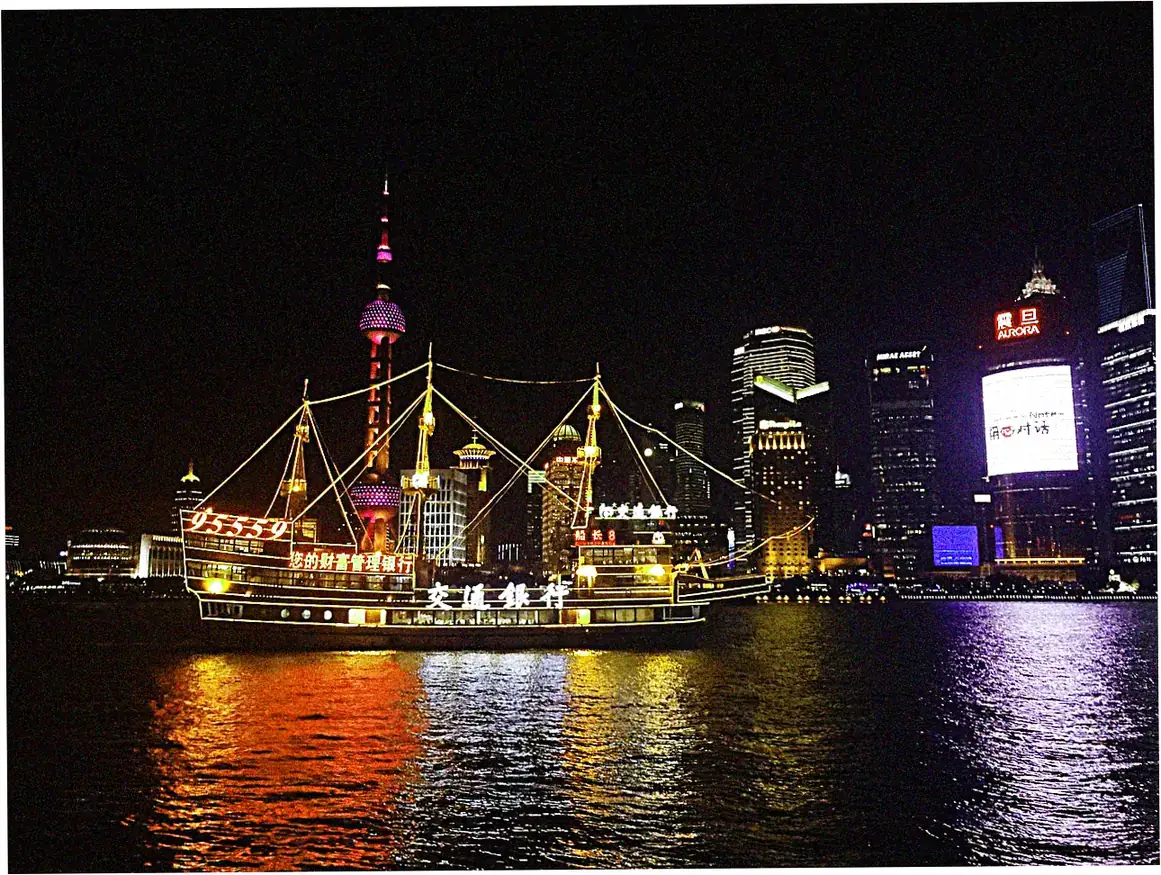
The Huangpu River runs right through Shanghai. It’s not just any river – it’s the city’s lifeblood. On one side you’ve got Pudong with its flashy skyscrapers, on the other Puxi with its old-world charm. I’ll never forget my first night cruise on the Huangpu. The Oriental Pearl Tower’s neon lights shimmered on the water as big cargo ships quietly headed towards the Yangtze. Shanghai folks call it Mother Huangpu. After years of checking out its shores, I get it now. Every curve in the river has seen Shanghai grow from a tiny fishing spot to a money-making powerhouse. No matter if you’re sightseeing, digging into shipping history, or just wanna know about its wildlife, this 114-km river’s full of cool stuff to find.
Table of Content
- 1. Huangpu River’s Geographic Significance
- 2. Historical Evolution of the Huangpu River
- 3. Huangpu River Cruise Experiences
- 4. Architectural Landmarks Along the Banks
- 5. Ecological Aspects and Conservation
- 6. Economic Role and Shipping Industry
- 7. Cultural Significance and Local Life
- 8. Bridges and Crossings Engineering
- 9. Photography and Best Viewpoints
- 10. Future Vision and Sustainability
- FAQ About Huangpu River
1. Huangpu River’s Geographic Significance
Where Does the Huangpu River Begin and End?
The Huangpu starts at Dianshan Lake out in Qingpu. I kayaked there once – super peaceful with tons of birds flying through. It winds northeast past suburbs, then does this crazy U-turn at Waibaidu Bridge. Photographers love that spot when the light’s just right. The last 34 km through downtown is like a water freeway, finally meeting up with the Yangtze at Wusongkou. Where they meet makes some weird tides. Fishermen showed me how high tide pushes salty water upriver, changing how things live in the water.
How the River Shapes Shanghai’s Urban Layout
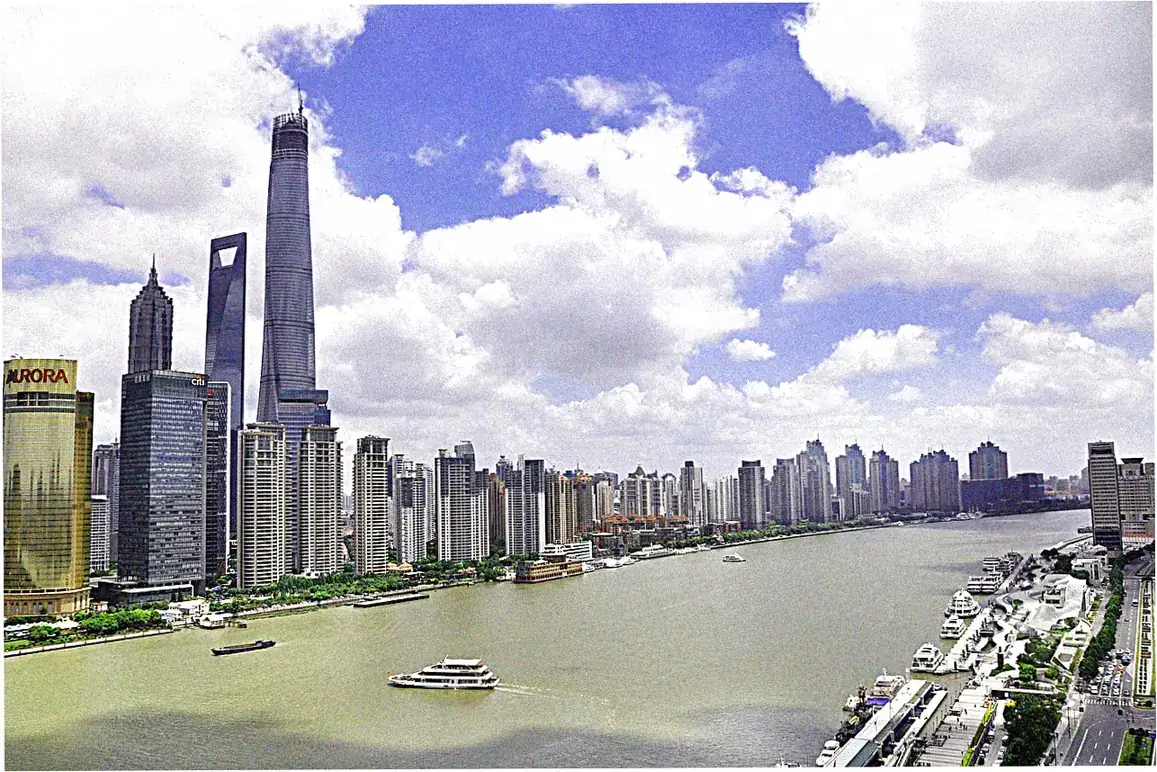
From the top of Shanghai Tower, you can really see how the river shapes the city. Puxi’s got old-school areas like the Bund, while Pudong shot up with skyscrapers after the 90s. City planners told me how the river’s bends decided where roads go. Zhongshan Road follows the west bank like it’s hugging it. When summer floods hit, the river’s wide enough to handle extra water. But Shanghai’s still building stuff like that deep tunnel to keep up with the changing river.
2. Historical Evolution of the Huangpu River
From Fishing Village to Global Port
Old stuff dug up near Minhang shows people lived by the Huangpu 5,000 years back. Ming Dynasty writings call it a shiny ribbon watering rice fields. Totally different from the busy port it turned into after 1842 when foreigners started trading here. At the Maritime Museum, old photos show British ships dropping off opium right where fancy boats park today. The river changed as China got richer. Old dockworkers remember when shipments hit 700 million tons in 2010, making Shanghai’s port the busiest worldwide.
Wartime Strategic Importance
The Huangpu saw big history too, like in 1937 when Chinese troops used the river to hold back Japanese soldiers. In old French Concession files, maps show how outsiders parked warships along the river for protection. An old customs guy told me people used the river to escape during the Cultural Revolution, sneaking to Hong Kong on small boats at night. With all this history, it’s no wonder UNESCO put parts of the riverfront on its maybe-list for World Heritage sites in 2017.
3. Huangpu River Cruise Experiences
Daytime vs Nighttime Cruises Compared
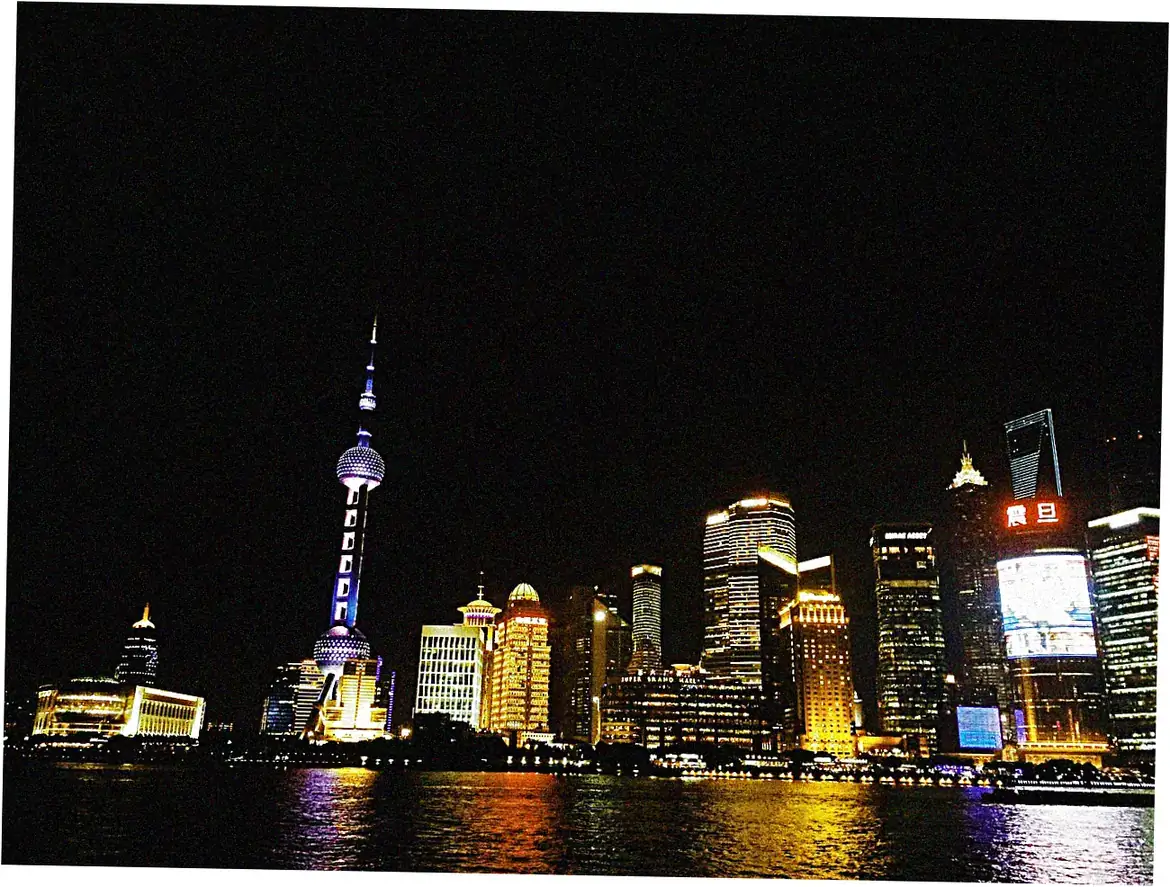
Try the 45-minute day cruise first (¥120) – you can spot cool details like the Customs House clock and that Art Deco bank building. Night cruises cost more (¥150-300) but wow – at 7pm all 26 Bund buildings light up together. Hot tip: Get the 6:30pm cruise to see the lights come on. The smaller Dragon and Phoenix boats have great photo decks. Their 4pm tea cruise is chill, with tasty crab-shell cakes.
Specialty Themed Cruises
In March, special cherry blossom cruises leave from Qinhuangdao Pier, sailing under pink flowers at Gongqing Park. History lovers should try the Old Shanghai cruise – they talk about gone places like the opium spots under Garden Bridge. Best is the star-gazing cruise with the Science Museum. Seeing stars from the dark middle of the river is amazing. Now tons of weddings happen on cruises with Pudong’s skyline behind them. A flower seller said bookings tripled since 2020.
4. Architectural Landmarks Along the Banks
The Bund’s Colonial Legacy
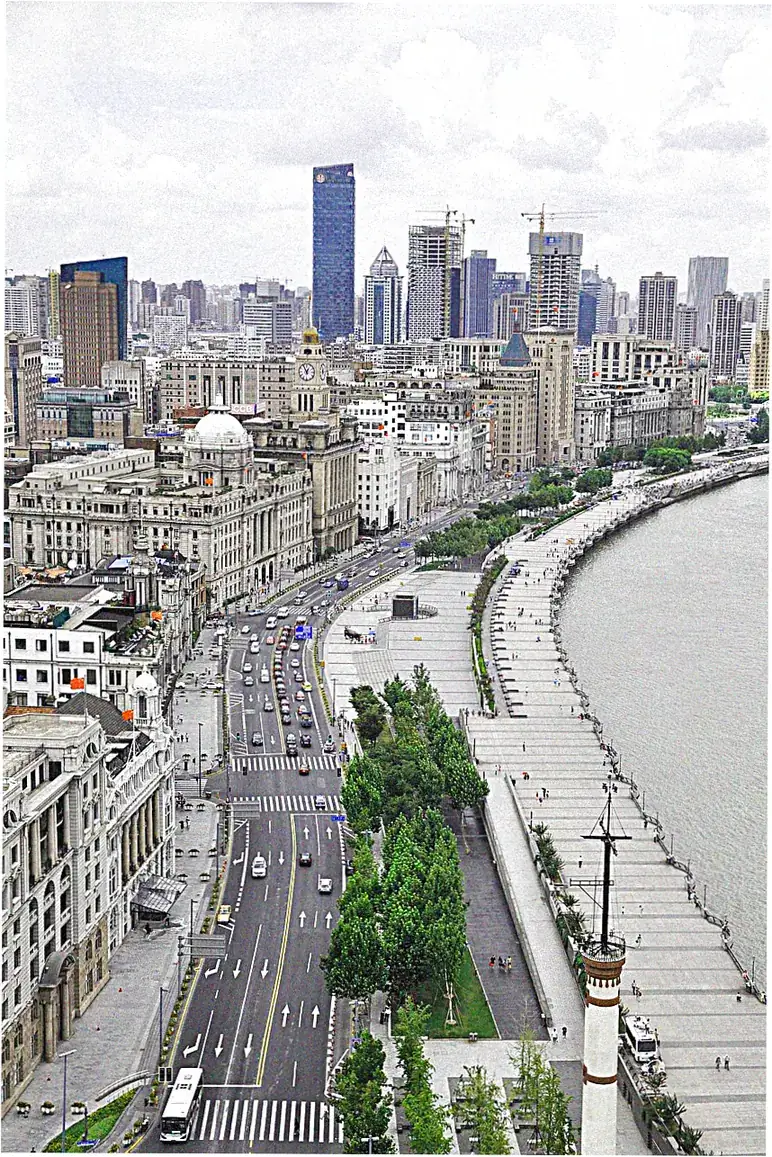
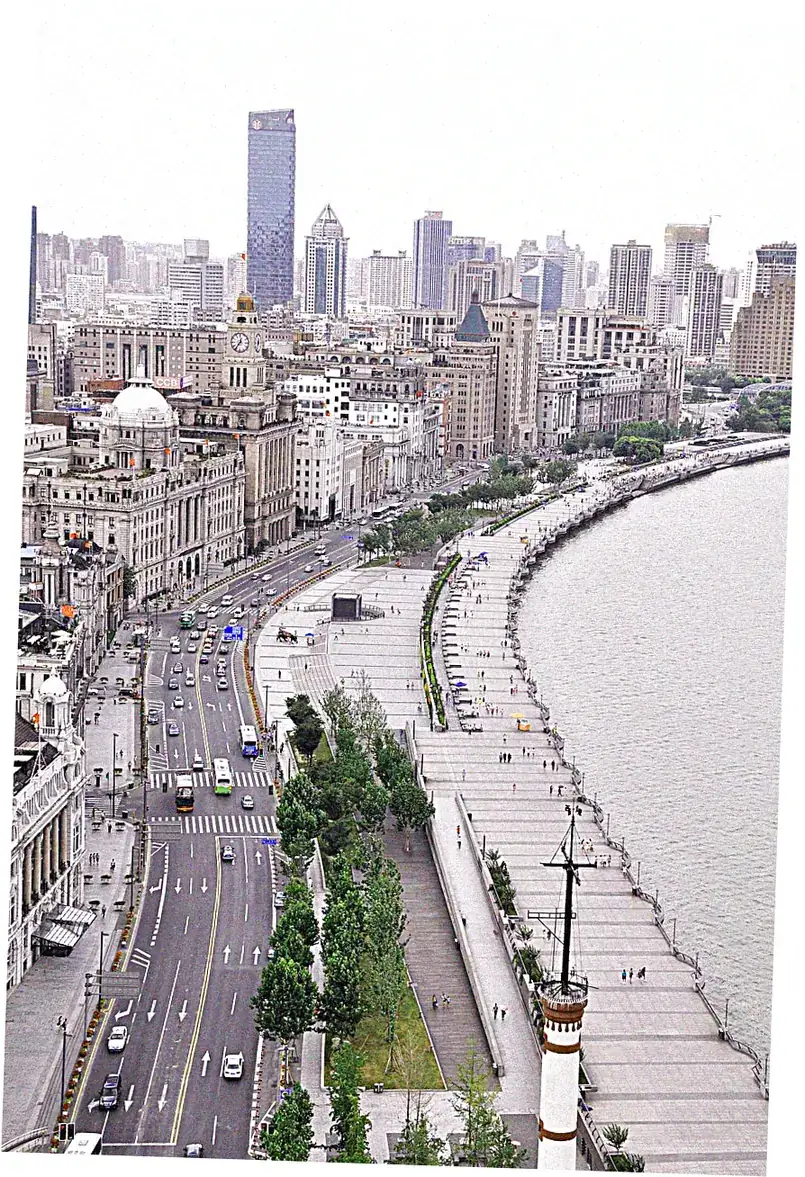
Walking the 1.5 km Bund promenade is like touring a real-life architecture show. Check out the Peace Hotel’s green pointy roof (Chicago style) and the HSBC Building’s awesome dome with pictures of money cities. Fix-up architects told me they kept old stuff like the Customs House clock – still ticking right after a century. At night, they light up the buildings with crazy LED shows. The 2021 light fest pulled in 20,000 people each night.
Pudong’s Modern Skyline
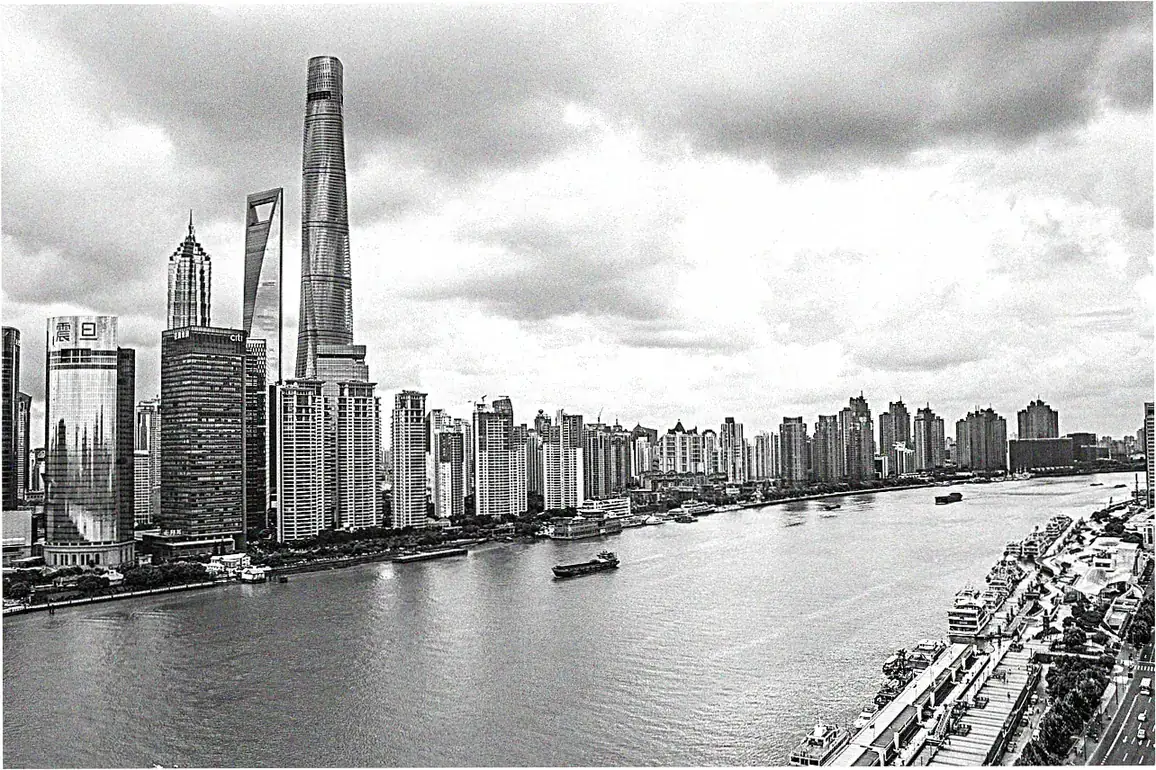
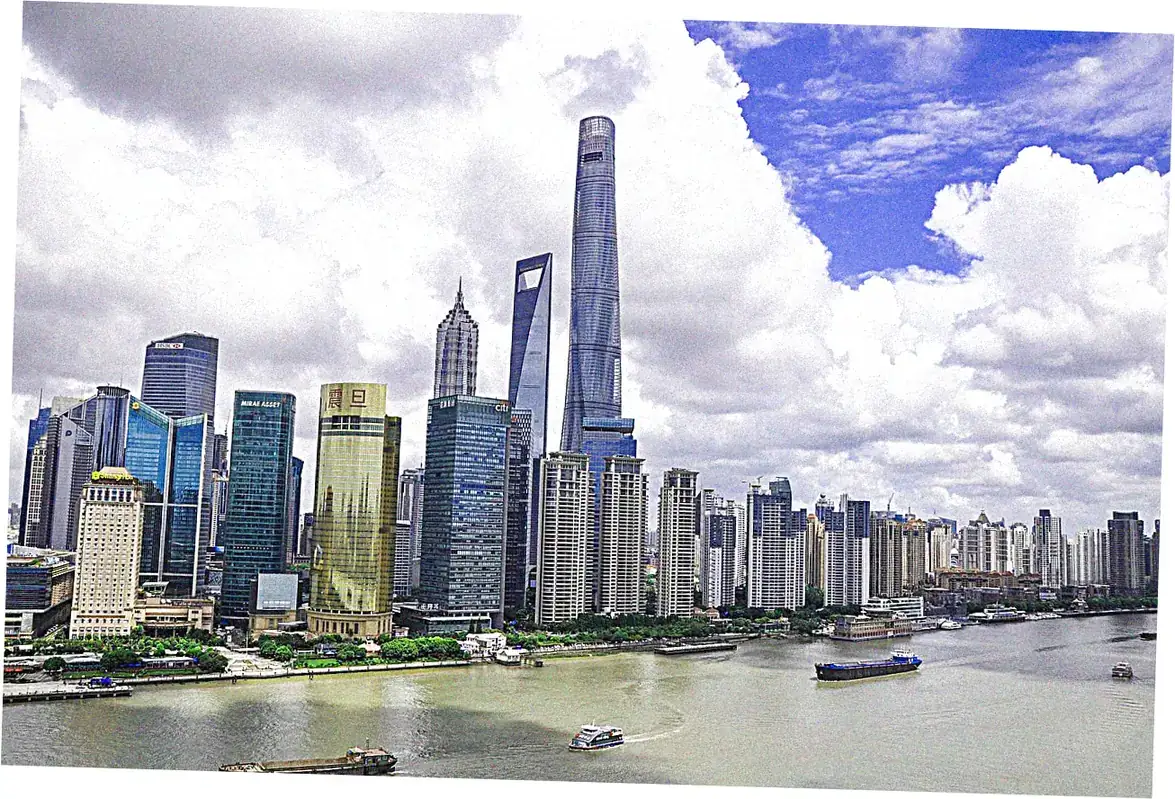
The Pearl Tower’s space-age balls kicked off Pudong’s building boom. But Shanghai Tower’s double walls cut wind push by 24% – crazy engineering. On a construction tour, engineers pointed out how they reuse rainwater for 20% of the toilets – pretty green. Over on the other side, the new Art Museum looks like an upside-down red pyramid with floors sticking out for great views. These buildings aren’t just pretty – they show how big Shanghai dreams.
5. Ecological Aspects and Conservation
Biodiversity in the Urban Stretch
Even with all the industry, the Huangpu’s got more wildlife than you’d think. Scientists from Tongji found 63 types of fish, even some rare ones like the Reeves shad. In winter, Siberian gulls show up. Toss them snacks at low tide for awesome pics. Best comeback story? Those hairy crabs. After cleaning up the river since 2015, they’re back after years away. Now regular folks can help watch the river’s health using phone apps that talk to city computers.
Environmental Challenges and Solutions
The river’s still fighting farm pollution and tiny plastics from upstream. But Shanghai dropped ¥38 billion on fixes like the huge new underground sewage plant at Bailonggang. Those floating gardens by Yangpu Bridge clean the water and give animals homes. At the water lab, techs showed me smart sensors that follow dirty stuff as it happens. It’s working – oxygen in the water’s up 40% since 2018, so delicate creatures like clams are coming back.
6. Economic Role and Shipping Industry
Port Operations and Global Trade
Yangshan Port links to the Huangpu through a long tunnel, moving 47 million cargo boxes each year. At Waigaoqiao, robot cranes pull European cars off ships while others load solar panels heading to Africa. Port bosses told me big ships over 10,000 tons gotta wait for high tide to make some tight turns. The river helps the economy way inland too – barges carry building stuff to Songjiang, keeping trucks off roads.
Future Development Projects
They’re working on making 45 km of walkways along the river by 2030. Plans include cool floating parks in Xuhui and see-through tunnels under water at Lujiazui. The craziest idea? A tidal dam that stops floods and makes enough power for 8% of Pudong’s homes. Not everyone’s happy – history fans saved the old 1934 Shiliupu Wharf from becoming fancy condos, turning it into a ship museum instead.
7. Cultural Significance and Local Life
Festivals and Traditions
At Dragon Boat Fest, teams race hard near Lupu Bridge, paddling to drumbeats that bounce off the water. Mid-Autumn Fest is calmer – folks send up paper lanterns from parks, making moon doubles on the water like in old poems. I went to the River God’s birthday bash at Chenghuang Temple. People pour rice wine right into the Huangpu to say thanks for all it gives. Old customs live next to new stuff like the Shanghai Marathon, where runners cross bridges with awesome river sights.
Everyday Riverside Activities
Morning finds the riverbanks alive with tai chi practitioners and fishermen catching dinner—though consumption advisories suggest limiting locally caught fish to twice weekly. The restored Cool Docks area now hosts artisanal coffee roasters where dockworkers once unloaded cargo. My favorite spot is the 11-meter-wide Lover’s Wall near the Russian Consulate, where elderly couples dance to 1930s jazz recordings. Such scenes embody Shanghai’s talent for blending history with contemporary vitality, all revolving around the Huangpu’s ceaseless flow.
8. Bridges and Crossings Engineering
Historic Bridges Overview
The cast-iron Waibaidu Bridge (1907) remains an engineering marvel—its 52.16-meter span was Asia’s longest when built. Preservationists showed me how its original Scottish steel retains remarkable integrity after recent ultrasonic testing. Contrast this with the hyper-modern Nanpu Bridge (1991), whose spiral approach roads became an iconic city symbol. During construction, engineers had to account for the river’s 4-meter tidal variation and soft alluvial soil; their solution involved driving piles 50 meters deep. These crossings aren’t just functional—they’re landmarks in their own right, especially when illuminated at night.
Future Transportation Plans
The proposed East Bund Tunnel would relieve pressure on existing bridges by adding six vehicle lanes beneath the riverbed. More intriguing are the vertical ferry concepts—elevators that would transport pedestrians and cyclists between banks in glass capsules. At the recent Urban Planning Exhibition, I tested a VR simulation of the smart bridge system: sensors would adjust traffic lights based on real-time congestion data, potentially reducing crossing times by 30%. Such innovations aim to maintain connectivity while preserving the Huangpu’s visual appeal—a delicate balance Shanghai continues to navigate.
9. Photography and Best Viewpoints
Iconic Photo Spots
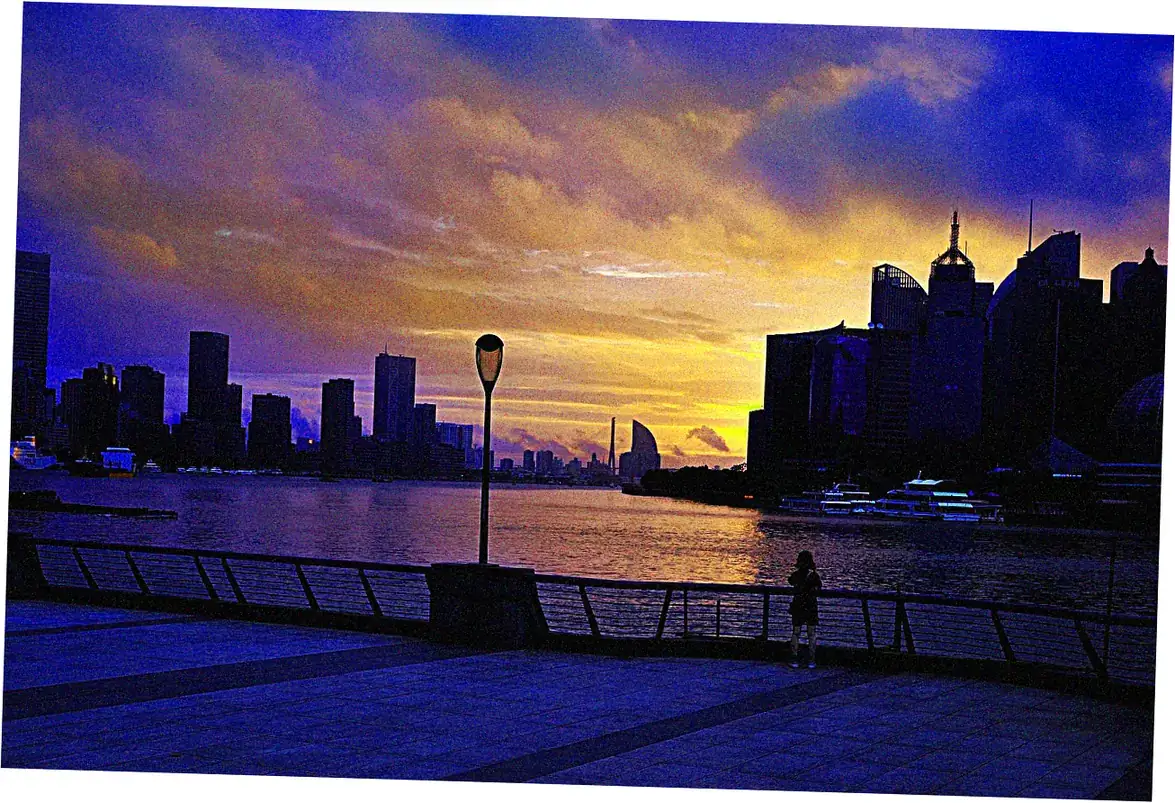
The rooftop bar at the Captain Hostel offers unmatched views of both colonial and modern skylines for the price of a coffee (¥35). Sunrise at the Lujiazui Ring Overpass creates dramatic silhouettes of the Shanghai Tower, while dusk at the former French Concession’s riverside walkways bathes everything in golden light. For unique perspectives, I recommend the cargo ship docks in Yangpu District—their industrial rawness contrasts beautifully with Pudong’s glitter. Local photographers swear by the magic hour from 4:30-5:30pm in November, when the sun aligns perfectly with the river’s curves.
Equipment and Technique Tips
Shooting from moving boats requires fast shutter speeds (1/1000s minimum) to counteract wave motion. A polarizing filter enhances reflections during midday shoots, while night photography benefits from a sturdy tripod—concrete railings along the Bund work in a pinch. Drone operators must note the no-fly zones near government buildings; the safest launch point is the open space near the Expo Park. For those seeking vintage aesthetics, the Huangpu’s industrial stretches look stunning on Kodak Portra 400 film, especially when cross-processed for heightened color saturation.
10. Future Vision and Sustainability
Climate Change Adaptation
With sea levels projected to rise 30cm by 2050, Shanghai’s Sponge City initiative incorporates permeable pavements and floodable parks along the Huangpu. Dutch engineers consulting on the project showed me how the redesigned riverbank near Xuhui can absorb 5,000 cubic meters of storm surge—critical protection for low-lying areas. The city also plans artificial reefs near Chongming Island to buffer typhoon waves while enhancing marine habitats. These measures aim to keep the Huangpu both functional and beautiful for coming generations, though some experts argue for more aggressive CO2 emission reductions upstream.
Community Engagement Programs
The My Huangpu citizen science project enlists residents in monitoring water quality using simple test kits—data that helped identify an illegal dye discharge last year. Schools participate in Adopt-a-Mangrove programs, planting salt-tolerant shrubs to stabilize erosion-prone banks. Most inspiring are the retired fishermen leading educational boat tours; their stories about the river’s changes since the 1960s make abstract environmental issues tangible. As climate challenges intensify, such grassroots efforts ensure the Huangpu remains not just Shanghai’s backdrop, but its shared responsibility.
From its humble origins as a tidal creek to its current status as a global shipping artery and cultural symbol, the Huangpu River continues to shape Shanghai’s identity in profound ways. Whether you’re marveling at its illuminated skyline from a cruise ship or tracing its ecological recovery through returning wildlife, this dynamic waterway offers endless layers to explore. I encourage you to experience it personally—walk its banks at dawn, chat with riverside vendors, or simply watch the eternal dance of light on water. Then you’ll understand why Shanghainese say: To know the Huangpu is to know Shanghai’s soul. Share your own river stories using #MyHuangpu, and let’s keep celebrating this liquid lifeline together.
FAQ About Huangpu River
What’s the best time for a Huangpu River cruise?
Sunset cruises (6-7pm) offer ideal lighting for photography and comfortable temperatures. Avoid weekends and Chinese holidays when crowds triple.
Can you swim in the Huangpu River?
Swimming is prohibited due to strong currents (up to 2m/s) and occasional pollution. The annual Cross-Huangpu Swim event uses specially filtered zones.
How deep is the Huangpu River?
Depth ranges from 9 meters at the Bund to 17 meters near Wusongkou. Dredging maintains a minimum 12.5-meter channel for cargo ships.
What fish species live in the Huangpu?
Common catches include yellowhead catfish, tapertail anchovy, and Chinese perch. Rare sightings of finless porpoises occur near the Yangtze confluence.
Why does the Huangpu River turn brown?
Suspended sediments from the Yangtze create this natural coloration. Heavy rain increases turbidity temporarily—not necessarily a pollution indicator.
Are there walking paths along both riverbanks?
Yes! The west bank has a continuous 5km promenade from Waibaidu Bridge to Nanpu Bridge. East bank paths are segmented but expanding yearly.
How old is the Huangpu River geologically?
Scientists estimate 2,000-5,000 years old, formed when the Yangtze’s delta shifted eastward. Its course stabilized around 300 AD during the Jin Dynasty.

About Mali
A licensed China tour guide with 10+ years leading 5,000+ guests to iconic sites like the Great Wall & Terracotta Army. Expert in seamless tours, cultural insights, and VIP access!