Shanghai is China’s lively big city. It mixes modern skyscrapers with old-world charm. That’s why travelers love it. Going for work or fun? This guide has you covered. Learn about the easy subway system and find cool spots in old alleys. Let’s see why this exciting city is so memorable.
Table of Content
- 1. Getting to Shanghai: Transportation Options
- 2. Best Time to Visit Shanghai
- 3. Top Neighborhoods to Explore
- 4. Must-Try Shanghai Cuisine
- 5. Efficient Public Transportation
- 6. Unique Cultural Experiences
- 7. Shopping Destinations
- 8. Day Trips from Shanghai
- 9. Accommodation Guide
- 10. Practical Tips and Etiquette
- FAQ
1. Getting to Shanghai: Transportation Options
By Air: Pudong and Hongqiao International Airports
Shanghai has two main airports: Pudong and Hongqiao. Pudong gets most overseas flights and is farther out. Hongqiao is for local flights and nearer to downtown. You can get from both airports by Maglev train, subway, or cab.
The Maglev from Pudong is super fast – 430 km/h! It takes only 8 minutes to Longyang Road. If you’re watching your wallet, take Metro Line 2. It goes to popular spots like People’s Square. Cabs are easy to find, but cost more at busy times.
By Train: High-Speed Rail Network
Three big train stations link Shanghai to Beijing, Hangzhou and more by fast train. The Beijing train only takes 4.5 hours – sometimes better than flying!
Hongqiao Station connects right to the airport for easy switching. Get tickets online (try Ctrip) or at the station. Book early for holidays. First class means more space. Second class is fine for quick rides.
2. Best Time to Visit Shanghai
Seasonal Weather Patterns
Spring and fall are best – not too hot or rainy. April brings cherry blossoms at Gucun Park. In fall, the Bund looks amazing with colorful leaves.
Summers get really hot and sticky. Good time for museum visits! Winter’s cold but quiet. Great for crab feasts and holiday lights.
Festivals and Events
Film lovers come in June. Mid-Autumn Festival means pretty lanterns at Yu Garden. Skip early October – it’s China’s holiday week with big crowds and high prices.
Shopaholics love November 11 sales with huge online discounts. Stores on Nanjing Road have special deals too.
3. Top Neighborhoods to Explore
The Bund: Iconic Skyline Views
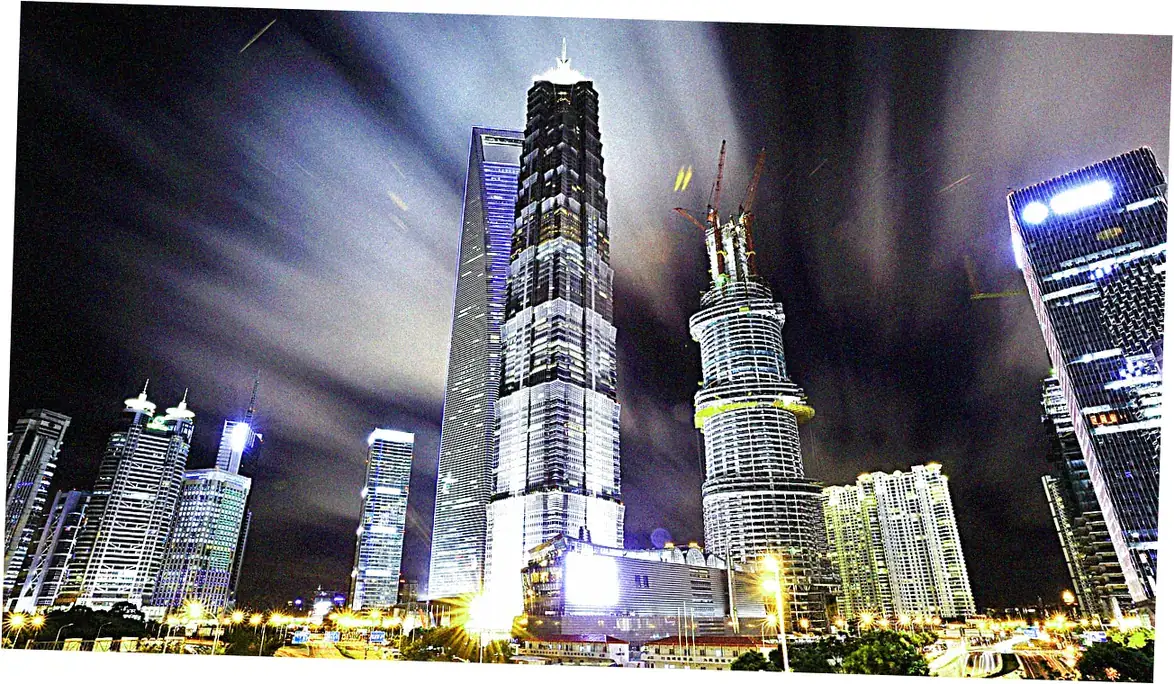
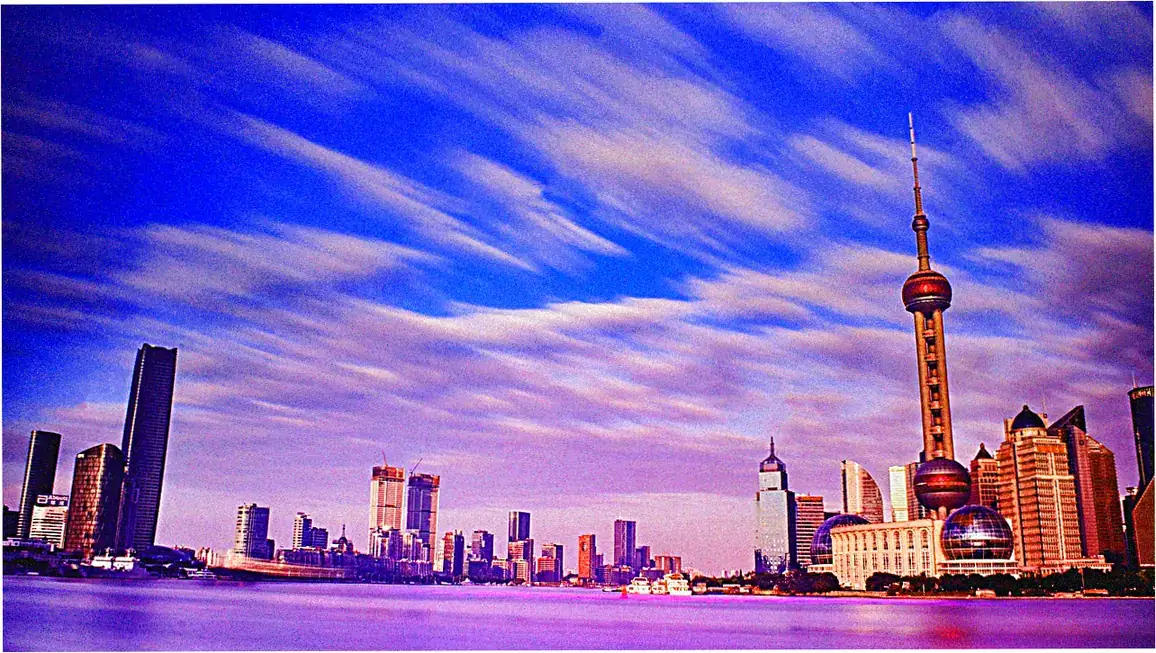
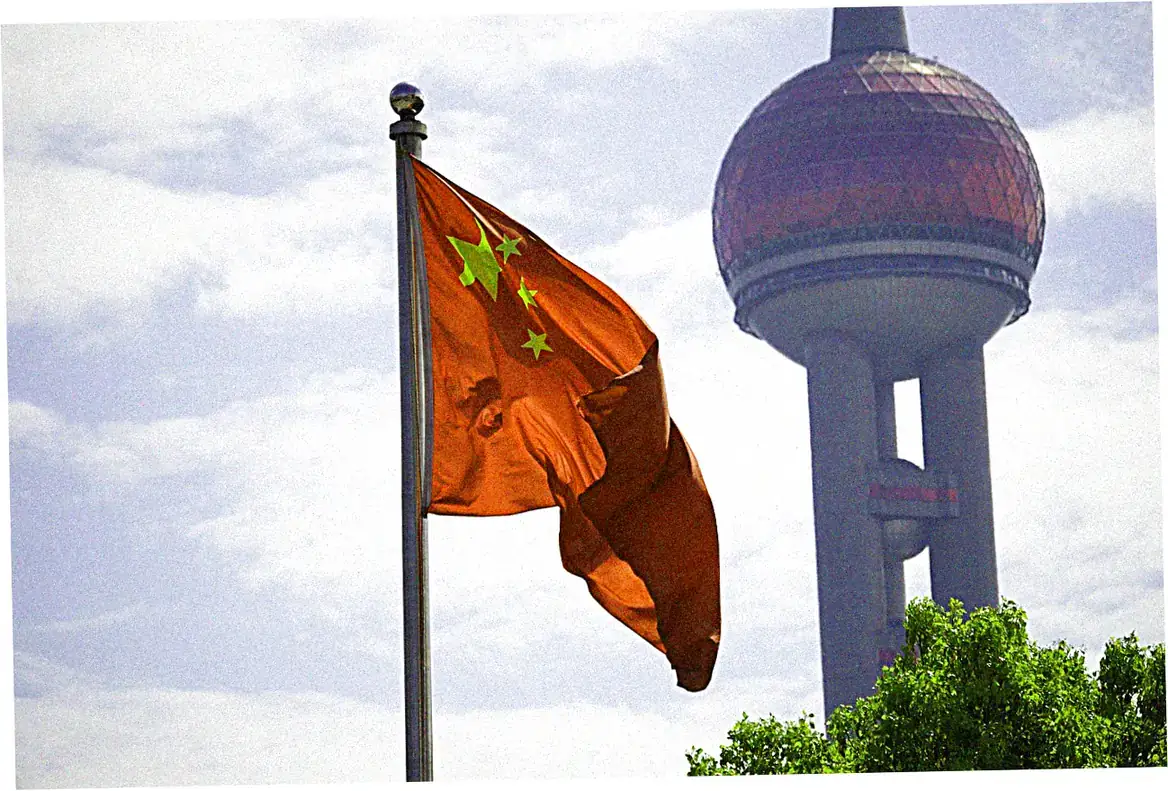
The Bund has old buildings looking at Pudong’s modern skyscrapers. Mornings are quiet. At night, enjoy amazing light displays. Check out the free history museum in the Pearl Tower’s bottom.
Take the cheap ferry across the river for great views. Or treat yourself to a cruise. Bars like Captain nearby serve cheap drinks with perfect views.
French Concession: Historic Charm
Pretty streets like Julu Road have cool old buildings, cute cafes, and a poster art museum. Tianzifang’s maze-like lanes are full of unique shops and art. Visit on weekdays to miss crowds.
At Fuxing Park, see tai chi in mornings and tango on weekends. Want real soup dumplings? Skip tourist places – try local joints like Jia Jia on Huanghe Road.
4. Must-Try Shanghai Cuisine
Signature Dishes
Shanghai food mixes sweet and salty. Try the pork belly or autumn crab. Nanxiang’s soup dumplings are famous since 1900. Eat them right: bite top, drink soup, then dip in vinegar.
Morning eats: try fried dough with soy milk or sticky rice rolls. Feeling brave? Build your own spicy hotpot from the counter.
Food Streets and Markets
Yunnan Road has old restaurants serving wine-soaked chicken. Near Huxi Mosque, try lamb sticks and tasty naan bread. Worried about cleanliness? City Super in IFC Mall has safe cooked food.
Markets like Wujiang Road have colorful stacks of fresh food – great for photos. Always haggle – offer 60% first. Most sellers take WeChat or Alipay on phones.
5. Efficient Public Transportation
Metro System Navigation
The subway runs early to late with English signs. Get single tickets or a rechargeable card (20 RMB deposit). Skip morning and evening rush – trains get packed.
Big stations like People’s Square need lots of walking. Look for shortcuts on maps. Line 2 goes under the river. Line 10 loops downtown. Get the MetroMan app for live subway info.
Taxi and Ride-Hailing Tips
Real cabs have lit signs and meters. Turquoise and yellow cabs are most trustworthy. Try DiDi (like Uber) – pick English Driver if possible.
After 11 PM, cabs cost 30% more. Keep your cab receipt – it has driver info if you lose stuff. Short ride? Shared bikes cost 1.5 RMB per 15 minutes – scan with app.
6. Unique Cultural Experiences
Traditional Tea Ceremonies
Huxinting Teahouse by the lake serves jasmine tea since 1855. They’ll show how to make tea right – cups are only 70% full to be polite. Nearby Tian Zi Fang has new tea shops – try lychee black tea.
Want to learn more? Lu Xun Park has tea classes. You’ll get a certificate and can buy good tea cheap.
Calligraphy and Papercutting Classes
On weekends, the museum teaches seal carving and brush painting. Materials provided include rice paper and ink stones—beginners practice basic strokes before composing simple characters like (fortune).
M50 Art District has 2-hour classes to make animal papercuts. Keep your art as a cool souvenir. Want private lessons? Book teachers on Airbnb Experiences.
7. Shopping Destinations
Luxury Malls vs Local Markets
Nanjing East has big brand stores. Below, Hongqiao Market is all about haggling. Buy electronics at real stores like Suning. Too-cheap export models are scams. Spend over 500 RMB? Ask for tax refund forms.
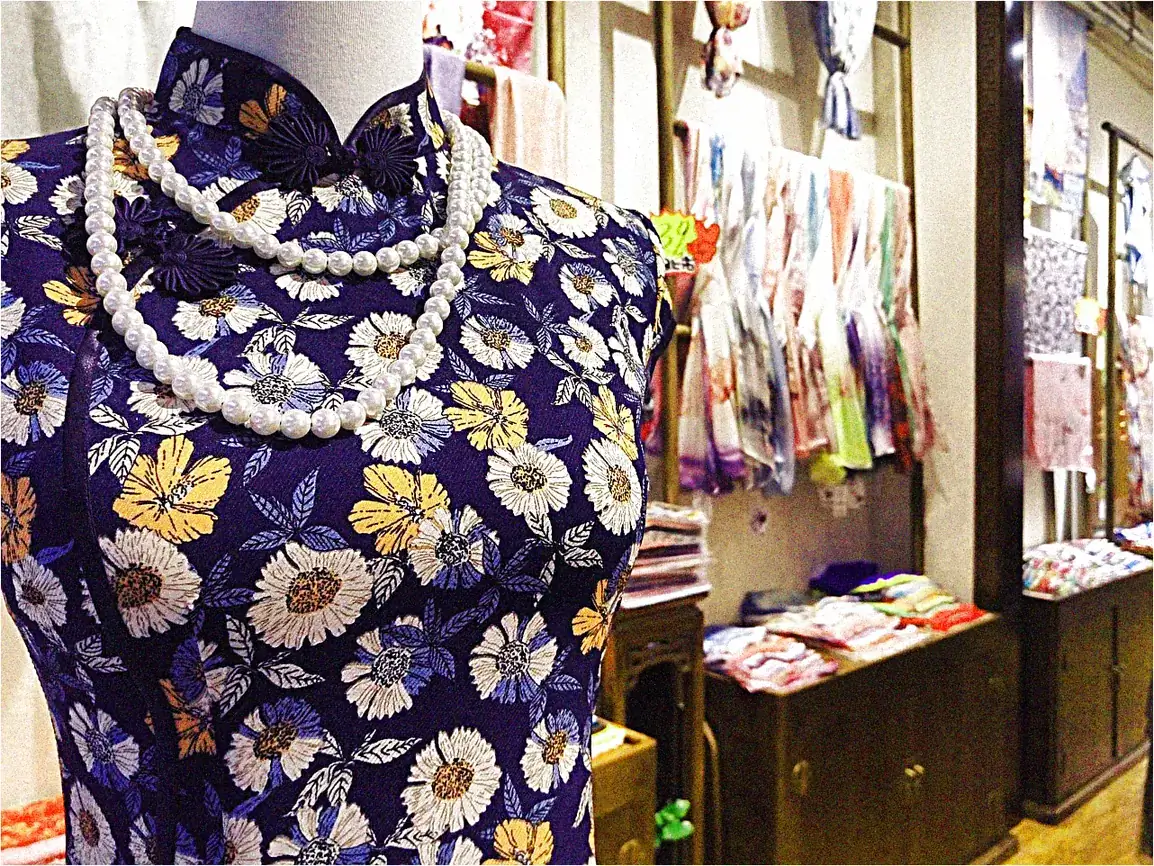
AP Plaza has custom dresses and fake watches. Bargain hard – first prices are way too high. Check quality – look at zippers and seams.
Antique and Book Districts
Dongtai Road Market sells old Mao stuff and china. Real antiques need paperwork. Fakes are easier to buy. Find rare English books at Librairie Avant-Garde’s cool basement shop.
Old bookstores on Fuzhou Road have nice art books. Don’t know Chinese? Staff can find books by pinyin. Some will ship overseas.
8. Day Trips from Shanghai
Water Towns: Zhujiajiao and Tongli
Take Line 17 for an hour to Zhujiajiao’s ancient canals. Try boat rides under the bridge and pork rice in leaves. Weekends get too crowded in small lanes.
Tongli (2 hours by bus) features UNESCO-listed Tuisi Garden. Purchase combo tickets covering multiple historic residences. Less commercialized than Zhouzhuang, it’s ideal for photography without hordes of tourists.
Hangzhou and Suzhou Excursions
High-speed trains reach Hangzhou’s West Lake in 50 minutes. Rent bicycles to circle the lake, stopping at Leifeng Pagoda and Lingyin Temple’s Buddhist grottoes. Spring brings peach blossoms; autumn offers golden gingko trees.
Suzhou (30 minutes by train) showcases classical gardens like Humble Administrator’s Garden. Silk factories demonstrate traditional weaving—buy scarves directly from state-run No.1 Silk Factory outlets for guaranteed quality.
9. Accommodation Guide
Budget to Luxury Hotels
Pod hotels like Campanile Bund offer compact rooms under $50/night with rooftop views. Mid-range options (Jinjiang Metropolo) provide free shuttle buses to metro stations. Luxury seekers can’t miss the 120 floor Shanghai Tower’s J Hotel—request rooms facing the Bund.
Airbnbs in French Concession lane houses retain 1920s charm with modern amenities. Check reviews for mentions of thin walls—some historic buildings lack sound insulation. Many hosts provide portable WiFi devices for guest use.
Unique Stays
The Waterhouse at South Bund combines industrial design with river vistas—their attic rooms feature skylights perfect for stargazing. For literature lovers, M on the Bund’s library suite includes first editions of Shanghai-themed novels.
Capsule hotels like Sky Courtyard offer gender-segregated pods with privacy screens. Great for solo travelers needing just a clean bed and shower. Some include free laundry service—ideal for long-term stays.
10. Practical Tips and Etiquette
Essential Apps and Services
WeChat is indispensable for payments, messaging, and mini-programs like Didi. Alipay’s Tour Pass feature lets foreigners link international cards. Download Pleco for offline translation and Mandarin practice.
VPNs like Astrill work reliably to access Google/Facebook. Purchase before arrival as registration requires overseas verification. For medical needs, ParkwayHealth clinics have English-speaking doctors accepting international insurance.
Cultural Do’s and Don’ts
Accept business cards with both hands and take a moment to read it—never stuff it directly in your pocket. When dining, wait for the host to say qi dong (start eating) before beginning. Leaving some food on your plate signals satisfaction rather than waste.
Temple visitors should dress modestly and walk clockwise around statues. Photography restrictions are marked—never touch artifacts. During meetings, indirect communication is valued; maybe often means no.
FAQ
What’s the best way from Pudong Airport to downtown?
The Maglev train connects to Longyang Road Station in 8 minutes, where you can transfer to Metro Line 2. After 10 PM, taxis are the only option—expect to pay about 150 RMB to People’s Square.
Can I use credit cards in Shanghai?
Major hotels and malls accept Visa/Mastercard, but mobile payments dominate. Set up WeChat Pay or Alipay with your passport at convenience stores like FamilyMart for seamless transactions.
Is tap water safe to drink?
Boiled water is served in restaurants, but stick to bottled water for drinking. Even locals avoid tap water due to pipe contamination risks. Hotels provide complimentary bottles daily.
How much should I budget per day?
Budget travelers can manage on 300 RMB (hostels, street food, metro). Mid-range spending averages 800 RMB (boutique hotels, restaurant meals). Luxury experiences easily exceed 2,000 RMB daily.
Do I need a visa for Shanghai?
Most nationalities require a visa, though 144-hour transit visas are available if arriving from and departing to different countries. Apply at Chinese embassies with flight/hotel confirmations.
What’s the tipping etiquette?
Tipping isn’t customary and may cause confusion. Exception: tour guides appreciate 50-100 RMB/day for private services. High-end restaurants sometimes add 10-15% service charge automatically.
Where can I see traditional Shanghainese architecture?
Shikumen open-house museums like Xintiandi display preserved lane houses. For authentic neighborhoods, visit quiet areas south of the French Concession before redevelopment changes them.

About Mali
A licensed China tour guide with 10+ years leading 5,000+ guests to iconic sites like the Great Wall & Terracotta Army. Expert in seamless tours, cultural insights, and VIP access!