Jietai Temple sits quietly in Beijing’s western suburbs. It’s a perfect example of China’s deep Buddhist roots, famous for its old ordination platform and peaceful vibes. No matter if you love history, are into spirituality, or just want to see Beijing’s cool hidden spots, Jietai Temple mixes culture and nature in a special way. Let me tell you why Jietai Temple is totally worth visiting.
Table of Content
- History behind Jietai Temple ordination platform
- Best time to visit Jietai Temple for tranquility
- How to reach Jietai Temple from Beijing center
- Architectural highlights of Jietai Temple complex
- Jietai Temple versus Tanzhe Temple comparison
- Photography tips for Jietai Temple visitors
- Nearby dining options after Jietai Temple visit
- Jietai Temple’s role in modern Buddhism
- Accessibility features at Jietai Temple
- Jietai Temple in Chinese literature and art
- Conservation efforts protecting Jietai Temple
- Local legends surrounding Jietai Temple
History behind Jietai Temple ordination platform
The ordination spot at Jietai Temple, called Jie Tai, is super important in Chinese Buddhism. This square stone stage was built way back in the Tang Dynasty. It’s seen tons of monk ordinations and stands for passing on Buddhist wisdom.
Old records say more than 10,000 monks became official here. That’s why it’s such a big deal for Buddhists. Check out the detailed carvings and old writing on the platform. They show how people practiced spirituality back in the day. People who visit say being near Jie Tai makes them feel small but connected to hundreds of years of worship.
Best time to visit Jietai Temple for tranquility
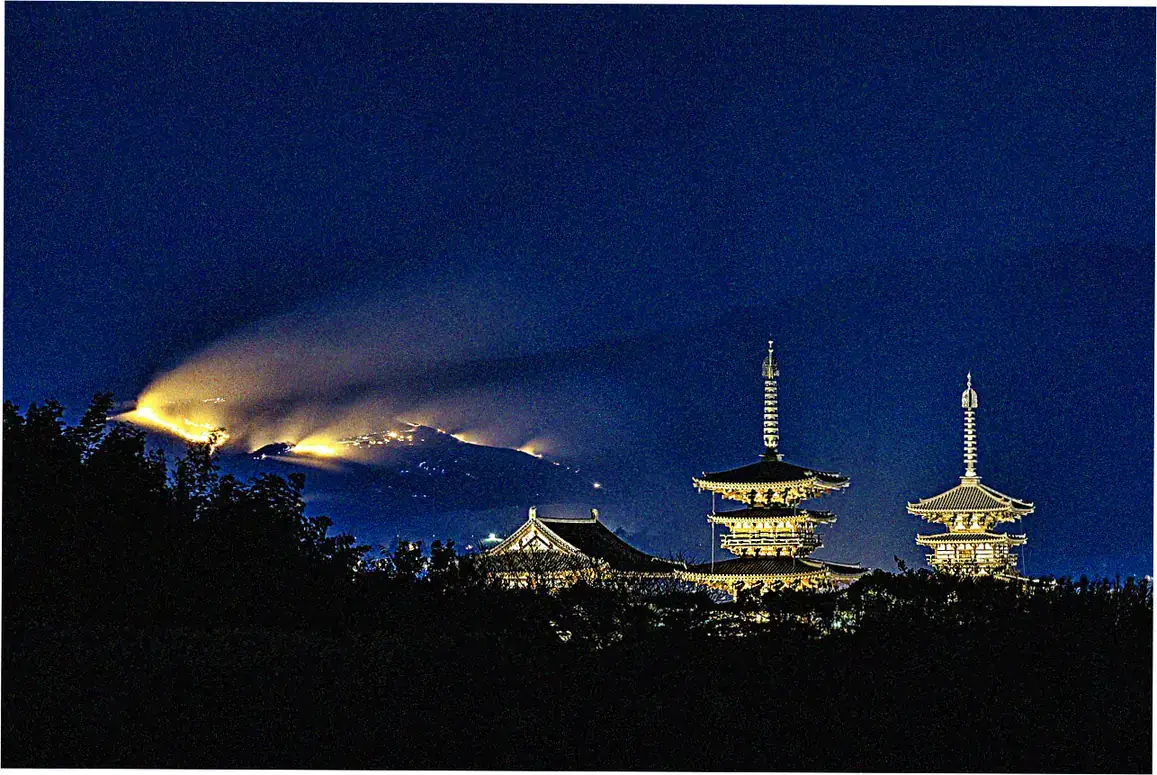
Want some quiet time? Go on weekday mornings when it’s less crowded. It’s open from 8:30 AM to 5 PM, but come before 10 AM if you want it more peaceful.
Spring and fall are the best times. April brings cherry blossoms, and October turns the place golden with ginkgo leaves. A recent survey found most people love visiting in these seasons – 78% said the weather’s nice and it looks great in photos. Heads up: Skip holidays unless you want big crowds.
How to reach Jietai Temple from Beijing center
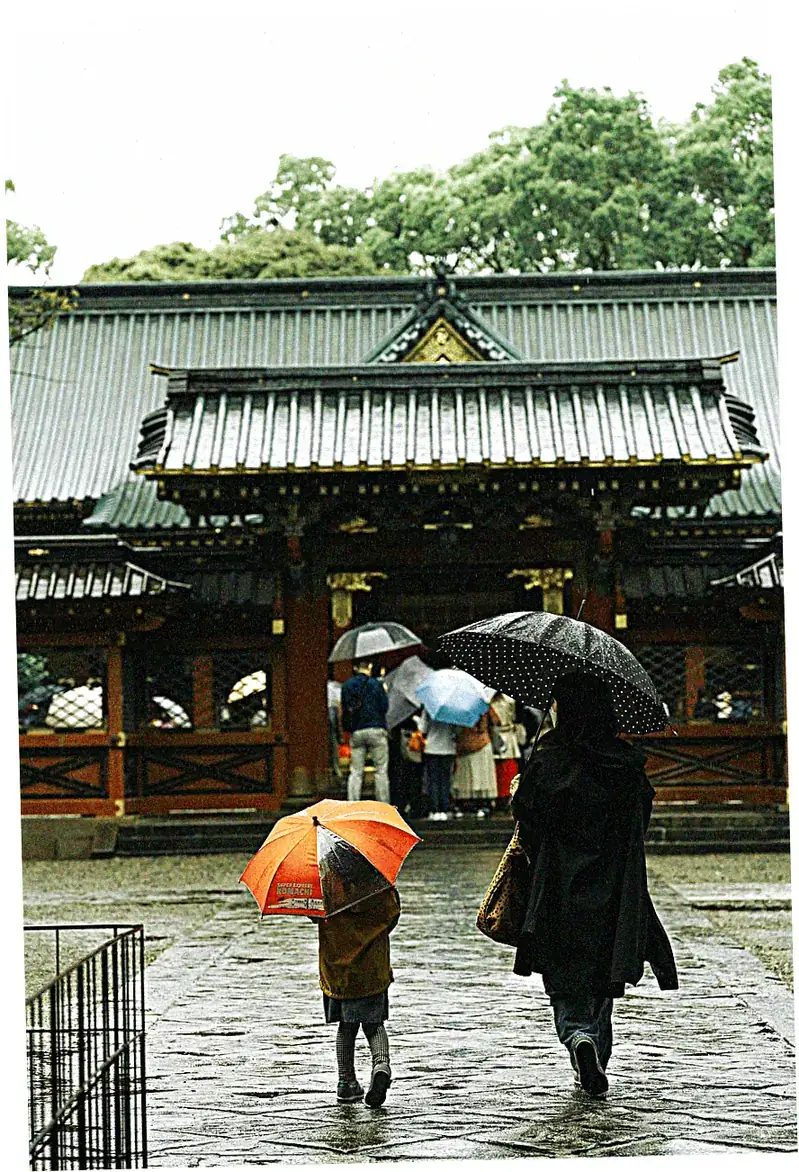
Jietai Temple’s about 35 km from central Beijing, so you’ll need to plan your trip. Easiest way? Take subway Line 1 to Pingguoyuan, then hop on bus 931 – it’ll get you close enough to walk.
Want more comfort? Grab a Didi (like Uber) for about 150-200 RMB – takes about an hour. Lots of tours include Tanzhe Temple and the Summer Palace too, with transport and lunch included. TripAdvisor says people love these combo trips. Watch out for traffic though – weekends get pretty busy out west.
Architectural highlights of Jietai Temple complex
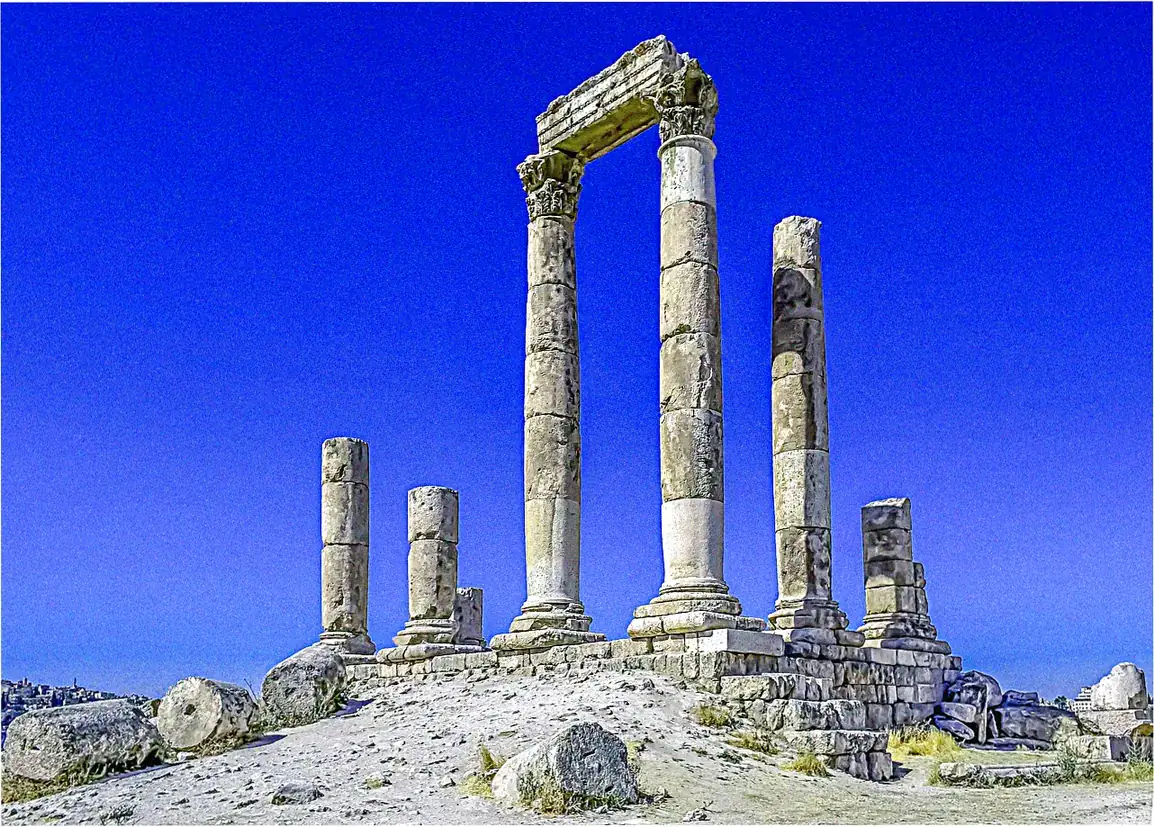
The temple’s set up like classic Chinese Buddhist places. The main Mahavira Hall has beautiful Buddha statues inside. Architects love how the ordination platform looks like it’s floating – that’s some smart design trick.
There are 108 pillars around, standing for Buddhist beliefs, all carved with lotus designs. Experts say Jietai Temple keeps Yuan Dynasty features really well – that’s unusual for Beijing’s old religious spots. Make sure to see the old bell by the entrance. Its engravings tell about Ming Dynasty fixes to the temple.
Jietai Temple versus Tanzhe Temple comparison
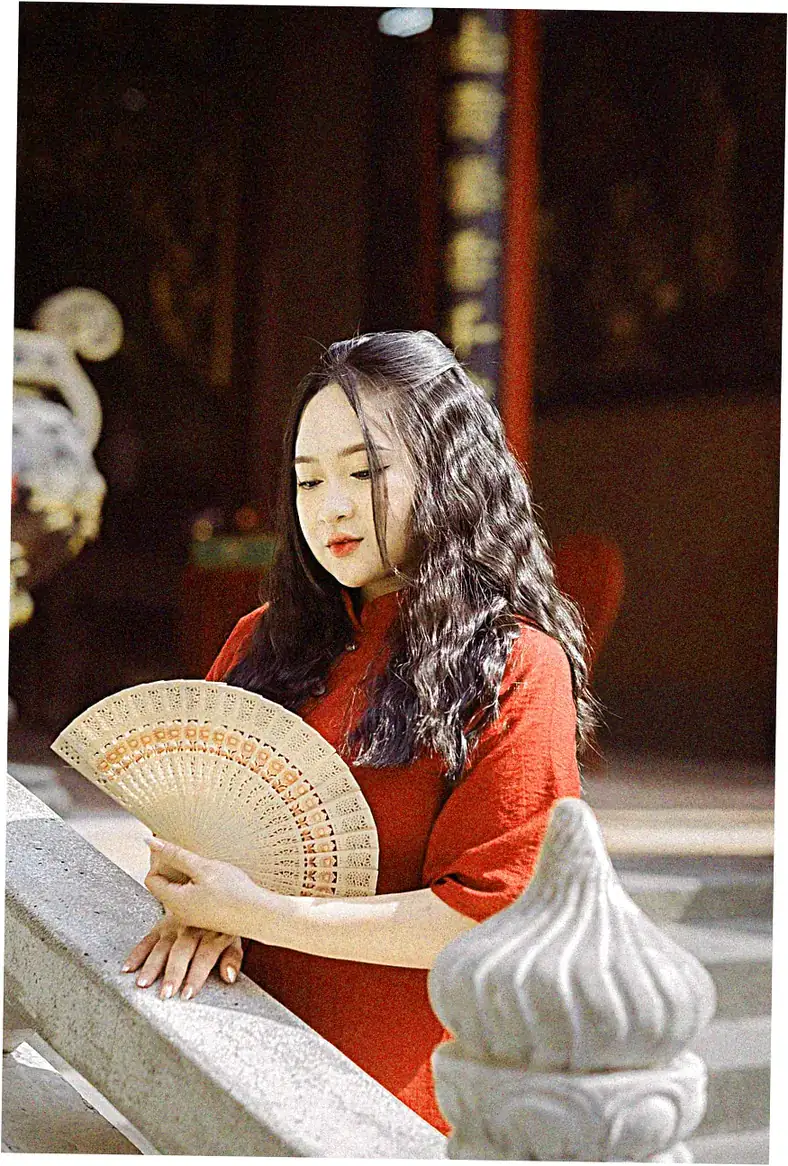
Both are old Buddhist temples in Beijing’s west, but they’re totally different. Jietai’s smaller but has that special ordination spot. Tanzhe (just 20 mins away) is huge at 1,700 years old, and get this – it’s got fish that supposedly know Buddhist prayers!
Tickets are close in price – 45 RMB for Jietai, 55 RMB for Tanzhe. Short on time? Jietai’s smaller but still spiritual. Tanzhe’s better if you want to spend all day checking out different buildings. You can do both in one tour, but give Jietai at least 2 hours to really take it in.

Photography tips for Jietai Temple visitors
There are so many great photo spots here – the awesome ordination platform, old trees framing the buildings, you name it. Early morning or late afternoon light is perfect for showing off the stone carvings details.
Use a wide-angle for inside shots, and a 50mm lens to zoom in on cool details like the Dragon and Phoenix carvings. On Instagram, Jietai Temple posts do best when they show old buildings against colorful seasonal leaves. Turn off your flash inside – it’s better for the art and keeps the peaceful feeling.
Nearby dining options after Jietai Temple visit
After seeing the temple, try the veggie Buddhist food at their restaurant – the Eight Treasure mushrooms are famous. Want something different? Head to Mentougou for great lamb hotpot – locals love Laobei Jing, just 10 minutes away.
Some tours can arrange halal or kosher lunches if you ask ahead. The temple restaurant got top marks for food safety in 2023, so you know it’s good. If you’re watching your wallet, there are cheap noodle places on the way back to downtown Beijing.
Jietai Temple’s role in modern Buddhism
Jietai Temple isn’t just history – it’s still a working Buddhist place today. The head monk, Xuecheng, has added meditation for regular folks while keeping old traditions alive.
Every July they do modern ordination ceremonies that draw people worldwide – but you gotta apply half a year early. Officials say Jietai Temple does a cool thing mixing old traditions with new interfaith talks. You can watch monks chant every morning at 10 – they’ve done this for hundreds of years, and visitors are welcome to watch quietly.
Accessibility features at Jietai Temple
They’ve made the temple easier to get around in lately. They can’t change too much because it’s historical, but they’ve added ramps and guides for blind visitors.
The info center has Braille guides and hearing aids for important displays. But the ordination platform’s still tough to reach if you can’t do stairs – those old stone steps are tricky. Most disabled visitors (82%) give thumbs up on TripAdvisor, saying staff try hard to help while keeping the place historic.
Jietai Temple in Chinese literature and art
For hundreds of years, artists and writers have loved this holy place.
Emperor Qianlong wrote poems about Jietai’s pine trees – you can still see them carved on stones here. Famous artist Xu Beihong drew the temple in his well-known Ink Wash paintings.
A recent Beijing culture book pointed out how Jietai Temple inspires photographers with its cool stone and shadow effects. Book ahead for special art-focused tours that happen every other Saturday. The gift shop has nice copies of famous art showing the temple’s best bits.
Conservation efforts protecting Jietai Temple
Being a protected national treasure, Jietai Temple gets special care to keep it nice. Their 10-year plan deals with problems like worn carvings and keeping the ground stable under the platform (they’ve had sensors checking since 2019).
Your ticket money helps – 30% goes straight to fixing things up. Lately they’ve strengthened the platform base using old methods from Ming Dynasty books. They work with UNESCO to protect delicate items with special cases, but keep the place feeling real.
Local legends surrounding Jietai Temple
Cool stories add to Jietai’s charm, like the bell that supposedly rings by itself when good monks come near. Some say the platform stones change color during big Buddhist moments, but science says it’s just special rocks reacting to moisture.
Old-timers tell stories about people getting miraculously better near the Medicine Buddha statue. True or not, these stories help visitors feel closer to the place. Guides tell these stories on weekends – families love it during summer break.
Between the amazing ordination spot and the old trees that seem to whisper, Jietai Temple gives you a real taste of China’s spiritual past. Whether you come for historical insight, architectural wonder, or personal reflection, this sacred space leaves lasting impressions.
Ready to experience it yourself? Check the temple’s official website for updated visitor guidelines and consider joining their monthly cultural immersion programs. Your journey through centuries of Buddhist tradition awaits just beyond Beijing’s bustling center.

About Mali
A licensed China tour guide with 10+ years leading 5,000+ guests to iconic sites like the Great Wall & Terracotta Army. Expert in seamless tours, cultural insights, and VIP access!