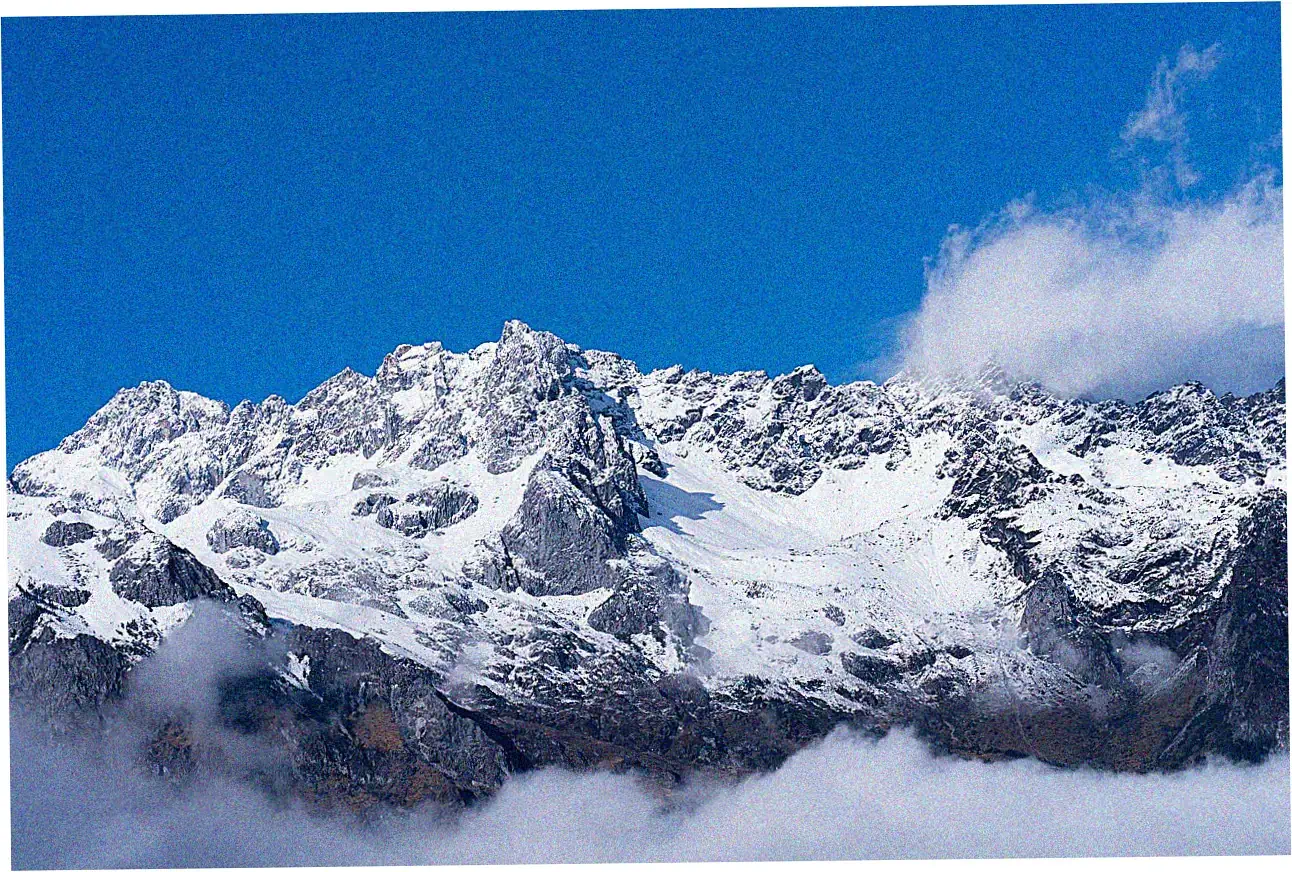
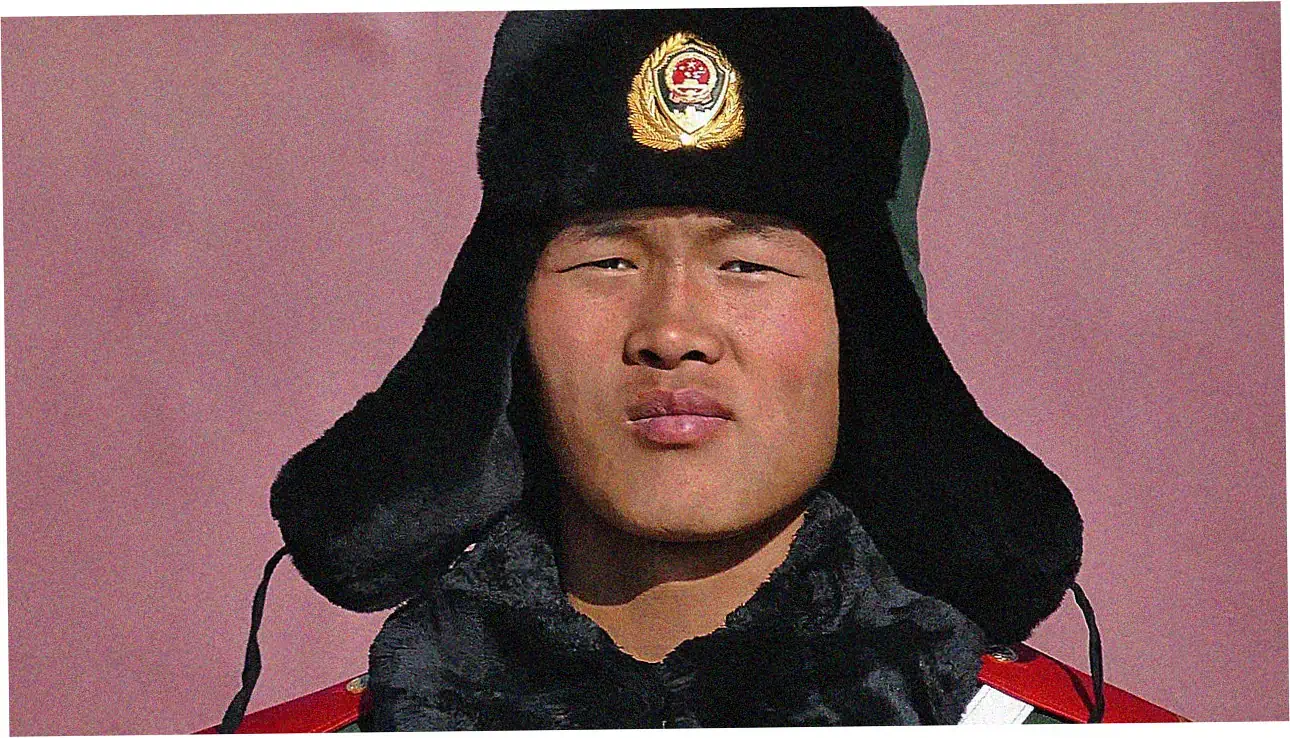
The Jinggang Mountains sit right on the border of Jiangxi and Hunan. They’re way more than just pretty views—this place is where China’s revolutionary spirit was born. Lots of folks pair a trip here with seeing the big sights in Beijing. It makes for a cool journey through modern Chinese history. What makes this area so special is how it mixes deep history with amazing nature. You’ll find thick bamboo forests, beautiful terraced fields, and peaks often wrapped in mist. Spring break might pull crowds to beach parties, but if you want a trip with more meaning, you’ll love it here. The real cultural experiences and stunning views totally change with each season, and it’s captivating.
Table of Content
Historical Significance and Revolutionary Heritage
Revolutionary Sites and Memorials
If you want to really get Jinggang Mountains deep history, the Revolutionary Museum is the number one spot to check out. It’s got over 3,000 cultural relics, says China Red Tourism Network.
You’ll see the revolutionary struggle come alive with cool multimedia displays and artifacts kept in great shape. Just nearby is Ciping, the old revolutionary base. It still has its historic buildings, like the Fourth Red Army’s headquarters.
People who visit often say being there is a humbling experience. It feels like you’re touching a key part of China’s modern history.
Lots of these history spots are right on the scenic routes. So you can learn about the past and enjoy the beautiful nature all at once. The Martyrs Cemetery sits up on a hillside with amazing views.
It’s a place for quiet respect and also for taking some great photos. Local guides, many whose families were revolutionaries, tell personal stories. This makes the history feel real, not just from a book. It’s extra powerful on days like Army Day or National Day when they hold special ceremonies.
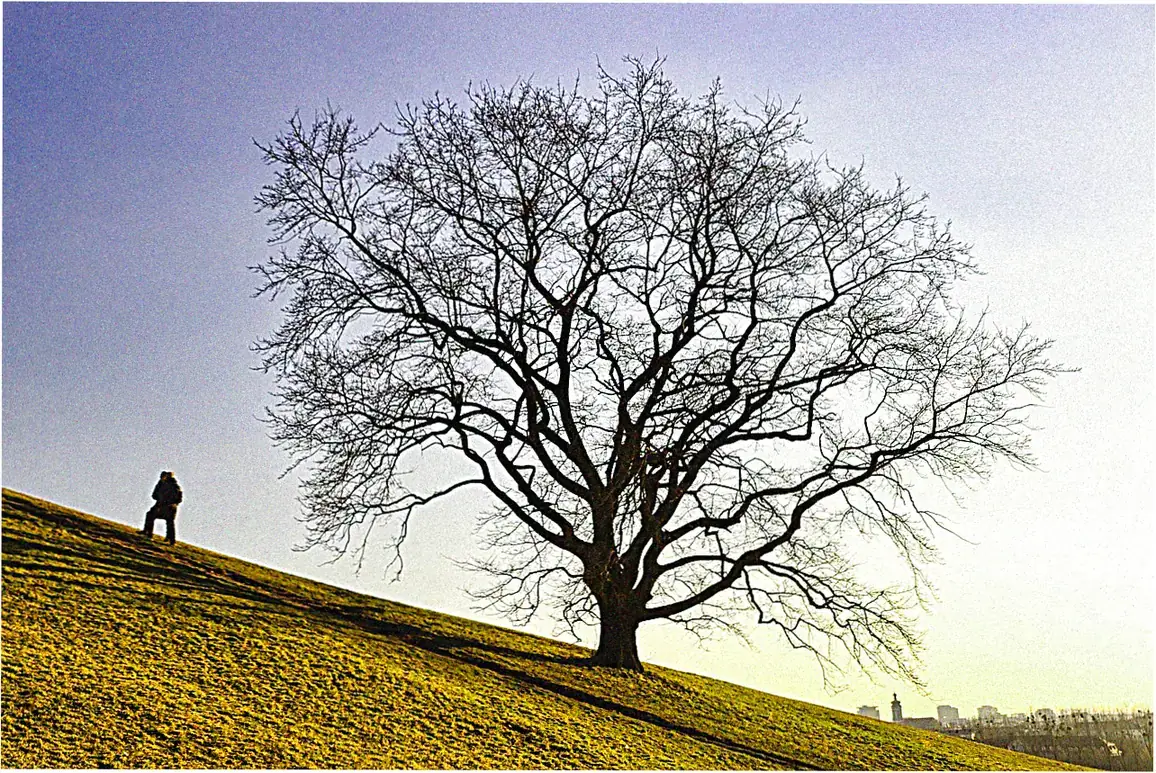
Red Tourism and Educational Value
Jinggang Mountains is now the heart of China’s red tourism. It draws crowds from all over the country and history buffs from around the world. They offer all sorts of learning programs.
You can do a short half-day seminar or dive deep with a week-long trip that has reenactments and history workshops. Schools love bringing students here on trips. The Jinggangshan Tourism Administration helps make special lessons that fit right into the national history curriculum.
You learn more than just revolutionary history here; you also get to experience local cultural traditions. On my last trip, I tagged along with a group.
We learned about traditional Hakka culture and revolutionary history together, which gave us a full picture of how this area developed. We went right when they were prepping for the Lunar New Year festival.
We got to join in local customs that folks have kept up for generations, even through all the big changes here.
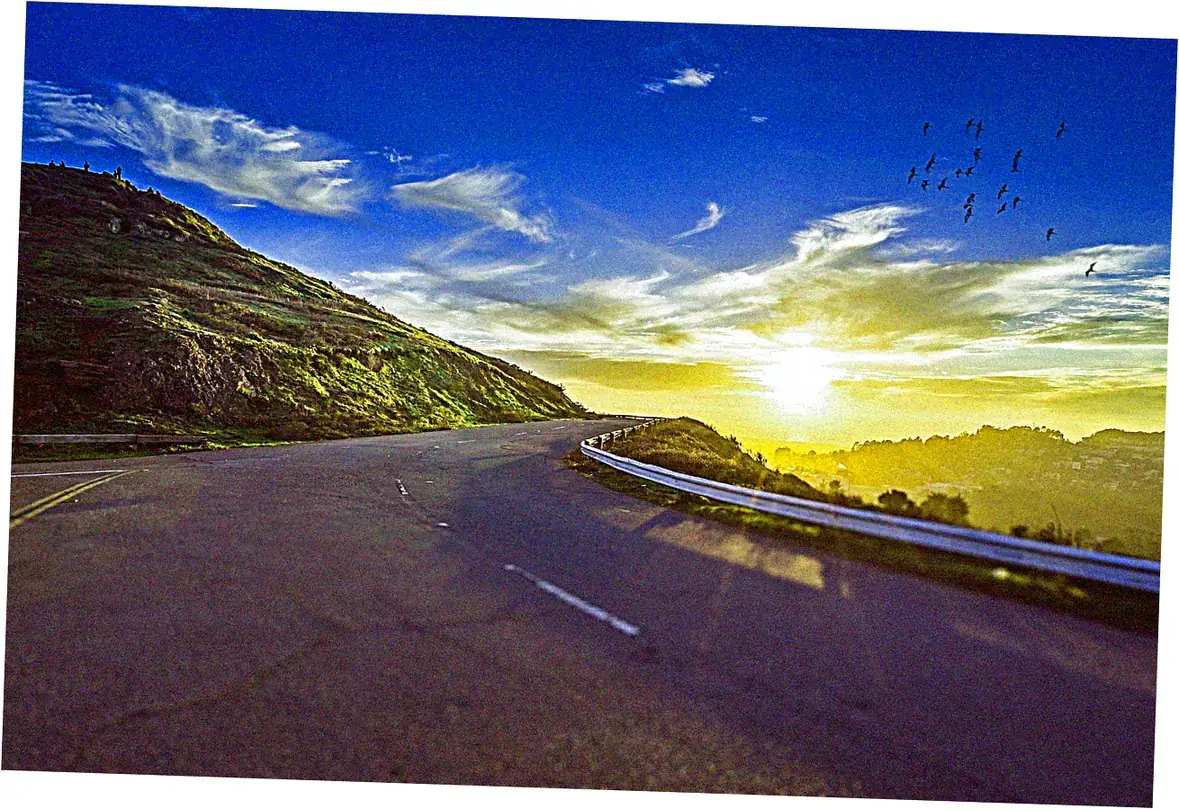
Natural Attractions and Scenic Beauty
Main Natural Wonders
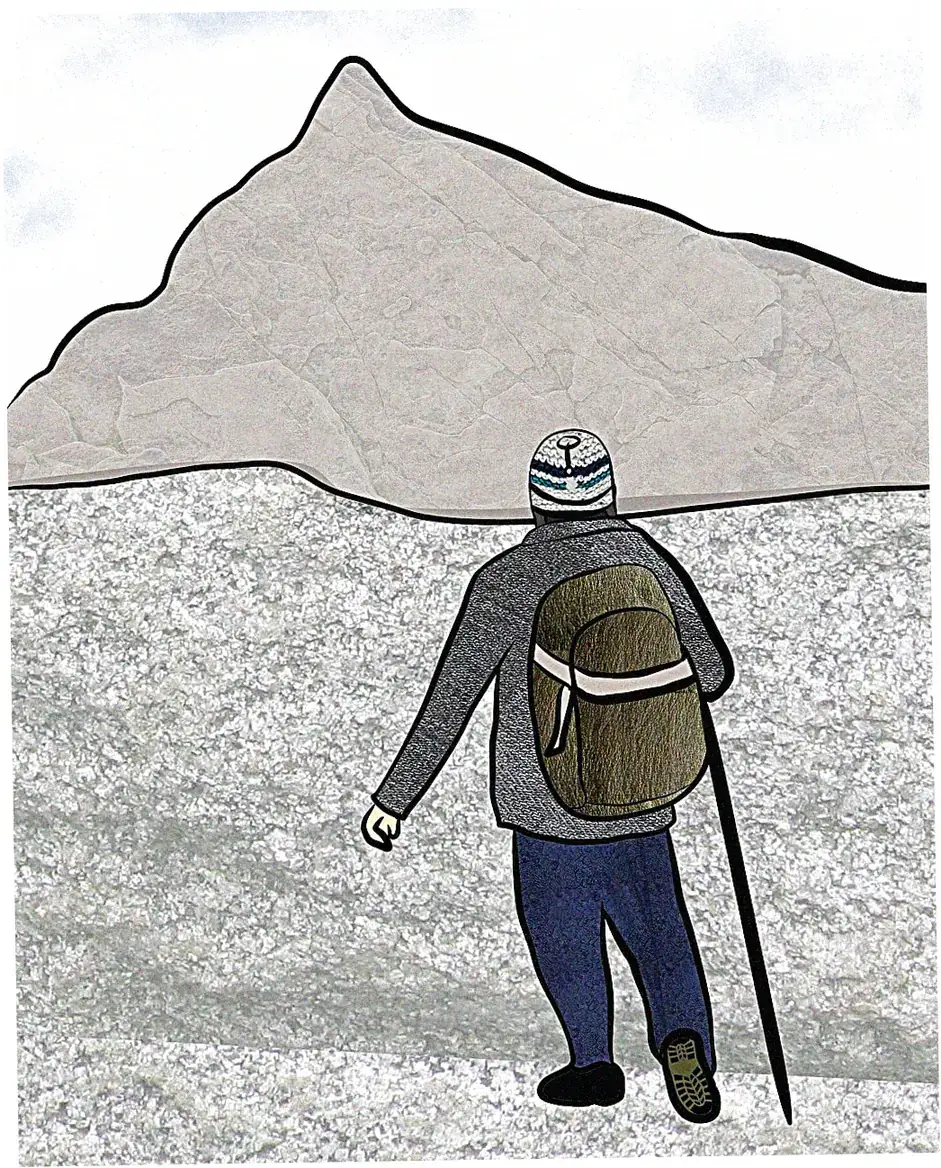
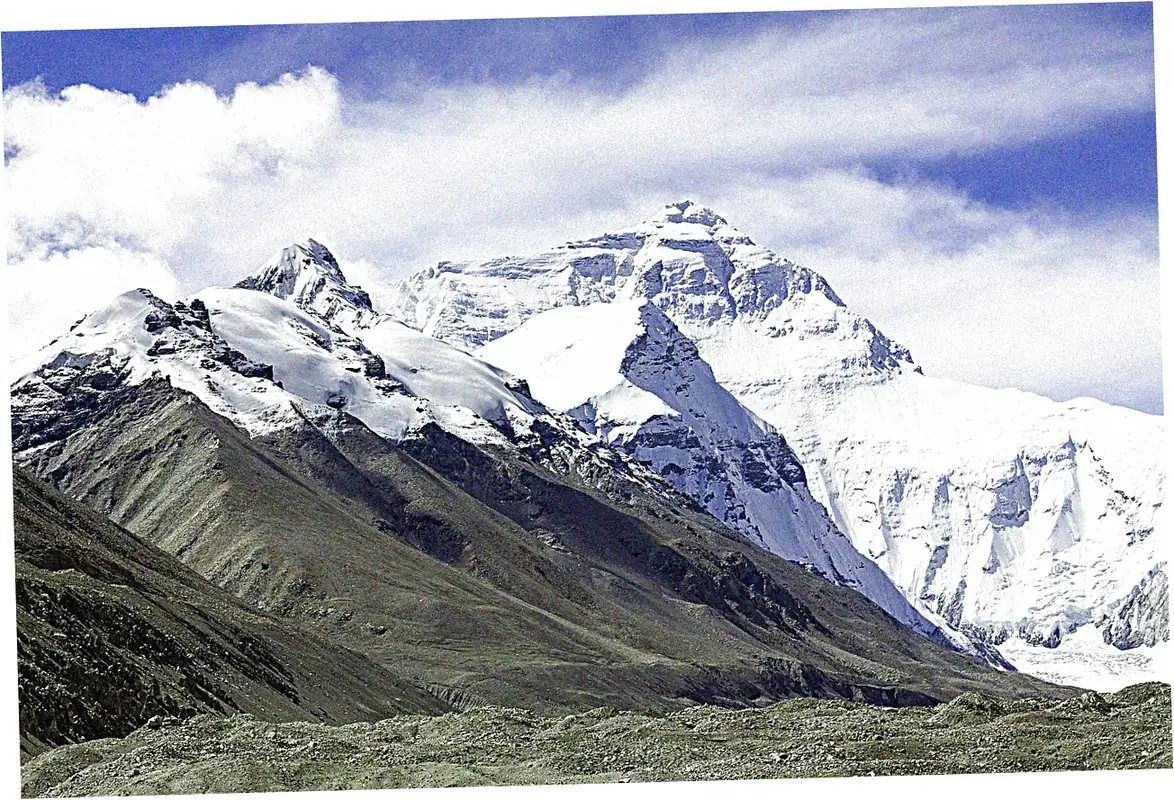
Five Finger Peak is the most famous natural landmark here. Its rocks look just like an open hand reaching up to the sky. The hike to the viewing platform takes about two hours round trip. You’ll get amazing views of the valleys all around.
Don’t miss Bihu Waterfall if you love waterfalls. It’s a multi-level cascade that’s most powerful from April to June during the rains. It creates cool spots that are perfect for taking a break on summer hikes.
The Dragon Pool area has five awesome waterfalls. They’re all along a nice 2.5-kilometer trail that’s well kept up. Each waterfall is special in its own way. Jade Falls has a powerful drop, while Pearl Screen Falls looks like a wide curtain.
The pools under each waterfall are super clear. In warmer weather, you can dip your feet in, but no swimming allowed to keep the area protected. These natural spots show why many people think Jinggang Mountains are just as cool as Beijing’s must-see places, just with totally different views.
Best Viewing Spots and Photography
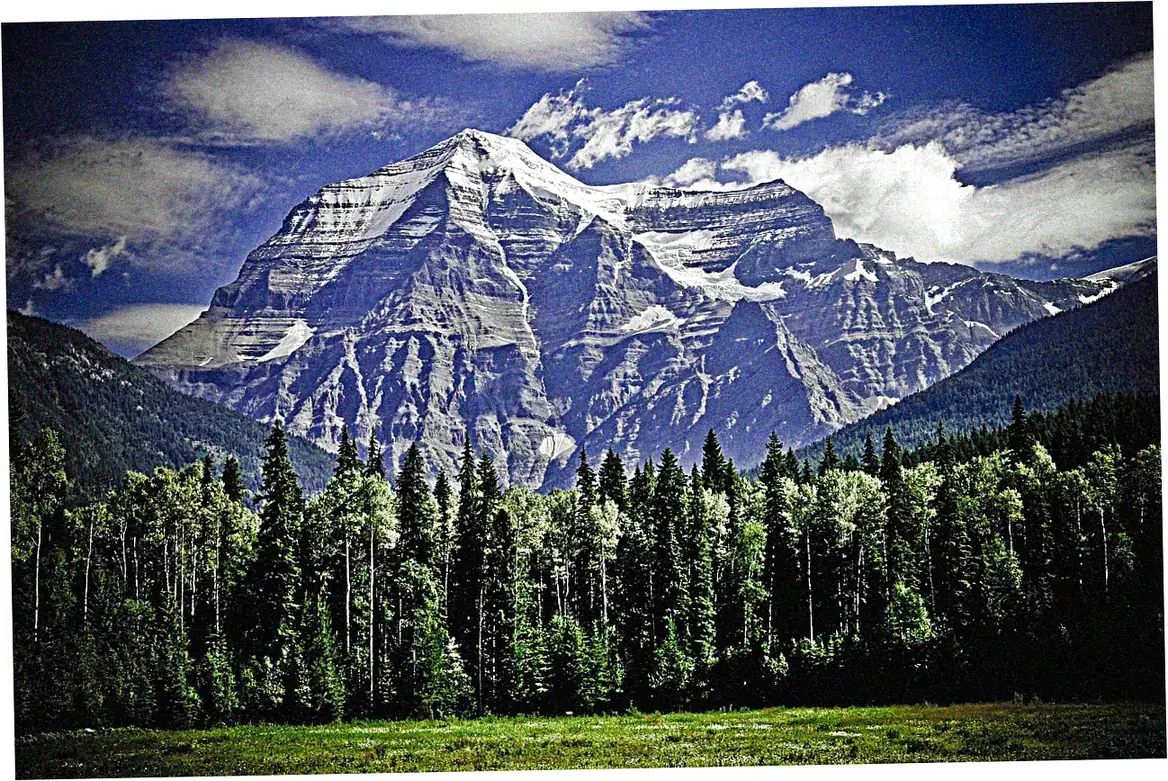
For the best sunrise views around, head to Huangyangjie. You’ll need to hike early in the morning, but it’s worth it. Photographers get amazing shots of peaks popping out from a sea of clouds.
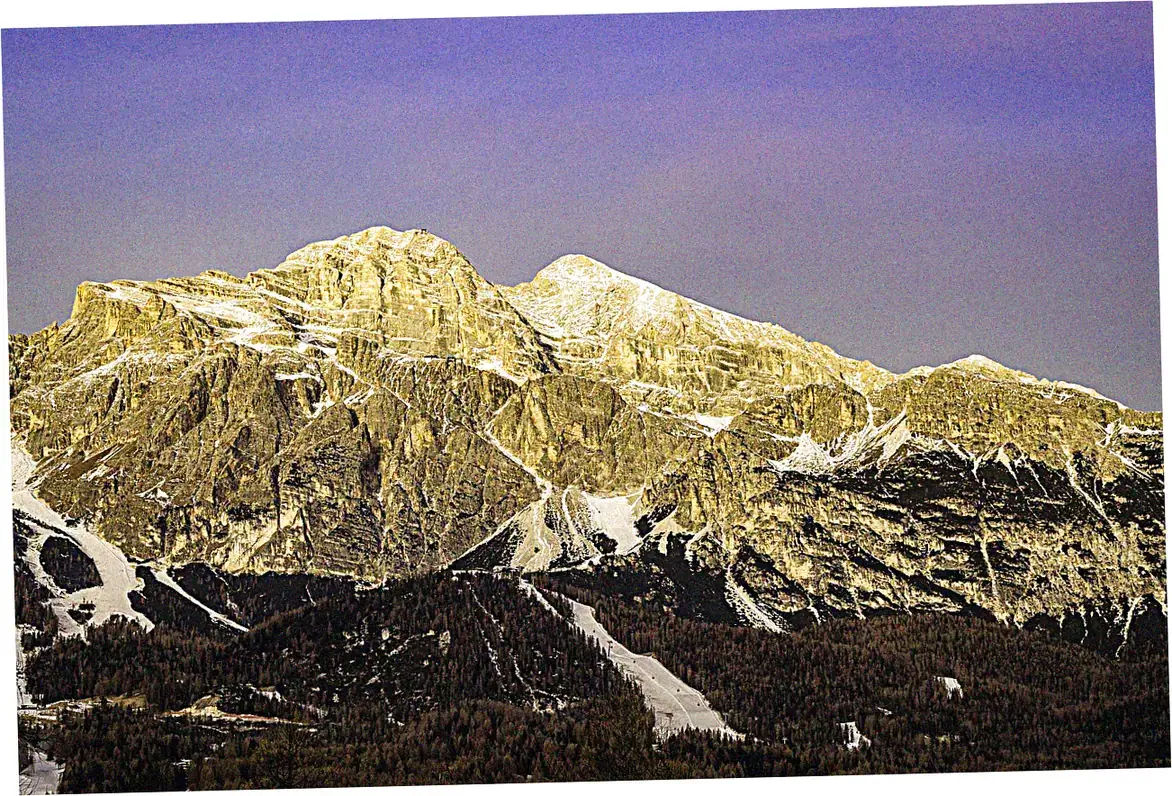
The viewing platform gives you panoramic views of the mountains. The scenery changes a lot with the seasons—green in summer, fiery colors in fall, and sometimes a dusting of snow in winter.
If you’re taking pictures of waterfalls, the best light is between 10 am and 2 pm. That’s when sunlight comes through the trees and lights up the water. Local photographers suggest using a tripod and a neutral density filter.
That helps you capture the water’s smooth, silky flow. In spring, wild rhododendrons bloom all over the mountains. They make gorgeous foregrounds for landscape photos. The tourism bureau put up signs at the best photo spots. They tell you the ideal times to shoot and the best angles.
Hiking Trails and Outdoor Activities
Popular Hiking Routes
Jinggang Mountains have more than 120 kilometers of hiking trails, from easy walks to tough climbs. The favorite trail goes from Ciping to Longtan. It’s about 8 kilometers and not too hard.
You’ll see revolutionary spots, waterfalls, and bamboo forests along the way. The path is well kept with stone steps and handrails. It takes around 3 to 4 hours to finish. There are plenty of rest spots where vendors sell drinks and local snacks.
If you’re up for a challenge, try the 15-kilometer loop from Huangyangjie to Wuzhi Peak. It’s a full-day hike with over 800 meters of climbing. You’ll need good hiking shoes and enough water.
But don’t worry, there are emergency stations along the route. Your effort pays off with amazing views and a real sense of achievement. Local guides say to start early, especially in summer when afternoon thunderstorms often roll in.
Adventure Activities and Seasonal Considerations
Besides hiking, you can try bamboo rafting on the Shimen River when it’s warm. It’s a calm activity great for families, offering cool views of the riverbanks.
There’s also rock climbing at certain cliffs, with routes for all levels. Just remember to book your gear ahead through approved outdoor companies.
The season really affects your outdoor fun. Spring, from March to May, has nice temps and flowers, but it rains more. Summer, June through August, is green and lush but pretty humid.
Autumn, from September to November, has the clearest skies and is perfect for hiking. Winter, December to February, can have magical snow, but some trails might close because of ice.
During the Lunar New Year, lots of locals travel, so international visitors might want to come at other times for quieter trails.
Local Culture and Ethnic Traditions
Hakka Culture and Customs
Most folks living in the Jinggang Mountains are Hakka people. Their unique culture really makes your visit more interesting. You’ll spot Hakka architecture all over, especially their cool tulou-style earth buildings.
These show clever designs for community living and protection. Check out the Hakka Museum in Ciping. It’s got great exhibits on how they migrated, their traditions, and cultural stuff like beautiful embroidery and traditional outfits.
Hakka food is another big highlight. It’s known for preserved ingredients, bold flavors, and smart cooking methods they developed while moving around over the years.
You’ve gotta try stuffed tofu, salt-baked chicken, and abacus beads – that’s a dough dish that looks like abacus pieces. At festivals like Lunar New Year, families make special foods using old recipes. Some guesthouses even let visitors join in the cooking fun.
Festivals and Cultural Events
While students head to beach parties for spring break, culture lovers find awesome celebrations right here in the Jinggang Mountains. Every October, the Red Tourism Culture Festival has historical reenactments,
traditional shows, and special exhibits that pull in visitors from all over. The place really lights up during this time with colors and activities. It’s perfect if you’re into revolutionary history and local customs.
The Mid-Autumn Festival has its own cool vibe too. They organize moon-viewing at pretty spots and serve special treats like Hakka-style mooncakes. You’ll often see traditional dragon dances at big festivals,
especially during Lunar New Year when everyone celebrates with extra energy. If you visit during these times, book your stay early and expect higher prices. But getting to experience the culture is totally worth the planning.
Practical Travel Information
Transportation and Accessibility
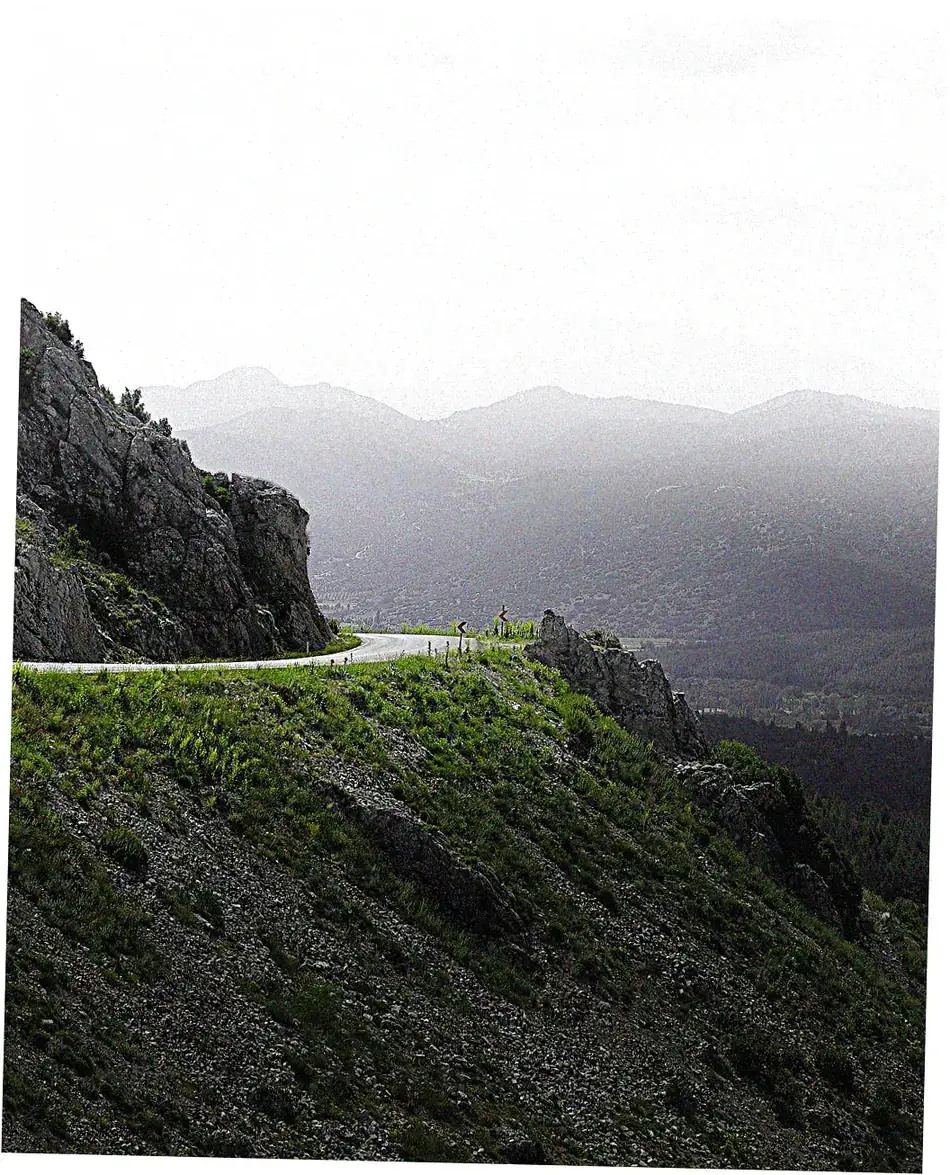
Getting to Jinggang Mountains is way easier now. Since 2019, Jinggangshan Airport (JGS) opened up. It has daily flights from big cities like Beijing, Shanghai, and Guangzhou. You can also take the high-speed rail to Jinggangshan station.
It links to Nanchang and Changsha. From there, just hop on a bus to reach the scenic spots. Inside the mountains, eco-friendly shuttle buses run loops to all the major sites. But honestly, the best way to explore is by walking around.
They’ve made a lot of key spots wheelchair-friendly now. You’ll find paved paths and ramps at big attractions, like the revolution museum and Ciping town center.
But some natural spots and hiking trails are still tough if you have trouble getting around. Major sites have English signs, but smaller trails don’t have many. If you don’t speak Mandarin, you might want to hire a guide through the official tourism office.
Accommodation Options and Budgeting
You’ve got all kinds of places to stay. There are international hotels in Ciping, or cozy family-run guesthouses in the nearby villages. The Jinggangshan International Hotel has modern comforts and a great location.
Village homestays are cheaper and give you a real taste of local culture. Prices shoot up during busy times, like the Lunar New Year. You’ll definitely need to book ahead then.
If you’re watching your budget, try visiting in spring or autumn. The weather’s still nice, and there are fewer people around. Entry to major sites usually costs between 60 to 150 RMB.
You can save money with combo tickets if you’re visiting several places. Eating local is pretty cheap. A good meal at a small restaurant will only set you back about 30 to 50 RMB per person.
All in all, for a 3-day trip (not counting getting there), you’re looking at spending around 800 to 1500 RMB. It really depends on where you stay.
Recommended Itineraries and Trip Planning
Sample 3-Day Cultural Experience
For a perfect 3-day trip, first arrive and get settled in Ciping. Then spend your afternoon checking out the revolutionary museum and some nearby historical spots. On day two, mix nature and culture.
Hike to the Waterfall Group in the morning, then visit the Hakka village and museum in the afternoon. On your last day, maybe catch the sunrise at Huangyangjie before you head out. This way, you get a good balance of the area’s revolutionary history and its natural beauty.
Short on time? A 2-day version hits the essentials: the key revolutionary sites and one big natural attraction. If you have more days, add trips to nearby villages or go for longer hikes.
Check the weather when you plan. Have some indoor backups ready for rain, so you can still have fun no matter what.
Combining with Other Destinations
Lots of people pair Jinggang Mountains with other Jiangxi spots, like Mount Lu or Poyang Lake, to see more of the province. Some even link the trip to Beijing’s must-sees, contrasting the revolutionary
roots with the modern capital’s history. With high-speed rail expanding, these combo trips are getting easier to do.
For a combined trip, give Jinggang Mountains 2-3 full days. That’s enough time to see everything without rushing. You can use red tourism agents to sort out travel, but it’s also pretty easy to plan yourself thanks to China’s good transport system.
A great combo is hitting the hot springs near Jinggang Mountains after your hike—perfect for relaxing those tired muscles.
Conclusion and Next Steps
The Jinggang Mountains are really special. They mix history, gorgeous nature, and deep culture in a way you won’t find in more touristy spots.
Love history, nature, or exploring cultures? This place gives you amazing experiences that stick with you long after you leave. You get it all: perfectly kept revolutionary sites, stunning views, and real Hakka culture. It makes for a totally satisfying trip.
Start planning your trip by figuring out what you’re into most—history, hiking, or soaking up the culture. Just check out their official tourism website to see what’s open and what events are happening.
Try going during the shoulder seasons. The weather’s great and there are fewer people around. Share your stories online with their official hashtags. You’ll help others learn about this awesome place. Your adventure to the birthplace of China’s revolution is waiting for you!
FAQ About Jinggang Mountains travel
When’s the best time to go to Jinggang Mountains?
Spring (April to May) is great with nice weather and flowers blooming. Autumn (September to October) is perfect too, with clear skies and good hiking weather. Summer brings lots of green but more rain. Winter sometimes has beautiful snow, though some trails might be closed.
How many days do I need for Jinggang Mountains?
Most folks find 2-3 full days enough to see the main historical spots and natural sights without rushing. History buffs might want 4 days to explore more. Serious hikers could spend a week checking out all the trails.
Do many people speak English in Jinggang Mountains?
Big hotels and tourist spots have some English signs and staff, but overall, English isn’t widely spoken. It’s a good idea to download a translation app and bring a phrasebook. Hiring an English-speaking guide through official channels really makes the trip better.
What should I pack for Jinggang Mountains?
Don’t forget comfy hiking shoes, rain gear (like an umbrella or waterproof jacket), layers for changing weather, sunscreen, bug spray, and any meds you need. In summer, pack quick-dry clothes because it’s humid. In winter, bring warm layers and non-slip shoes for icy paths.

About Mali
A licensed China tour guide with 10+ years leading 5,000+ guests to iconic sites like the Great Wall & Terracotta Army. Expert in seamless tours, cultural insights, and VIP access!