Jingshan Park is a cool historic spot right in Beijing’s center. It’s not just about the awesome Forbidden City views. This famous park draws folks who want pretty sunsets, cultural stuff, and a break from the city noise.
Table of Content
- Best time to visit Jingshan Park for photography
- Historical significance of Jingshan Park’s five peaks
- Navigating Jingshan Park entrance fees and hours
- Comparing Jingshan Park with nearby Beihai Park
- Locating public restrooms inside Jingshan Park
- Jingshan Park’s role in Ming and Qing dynasties
- Finding the perfect picnic spot in Jingshan Park
- Birdwatching opportunities throughout Jingshan Park
- Accessibility options for disabled Jingshan Park visitors
- Jingshan Park’s famous peony garden locations
- Avoiding crowds at Jingshan Park viewpoints
- Public transportation routes to Jingshan Park gates
Jingshan Park used to be an emperor’s garden. Now it’s a top attraction with cool paths and hilltop spots that mix old and new. First-timer or regular? This guide covers 12 things that make Jingshan Park special, including secret spots.
Best time to visit Jingshan Park for photography
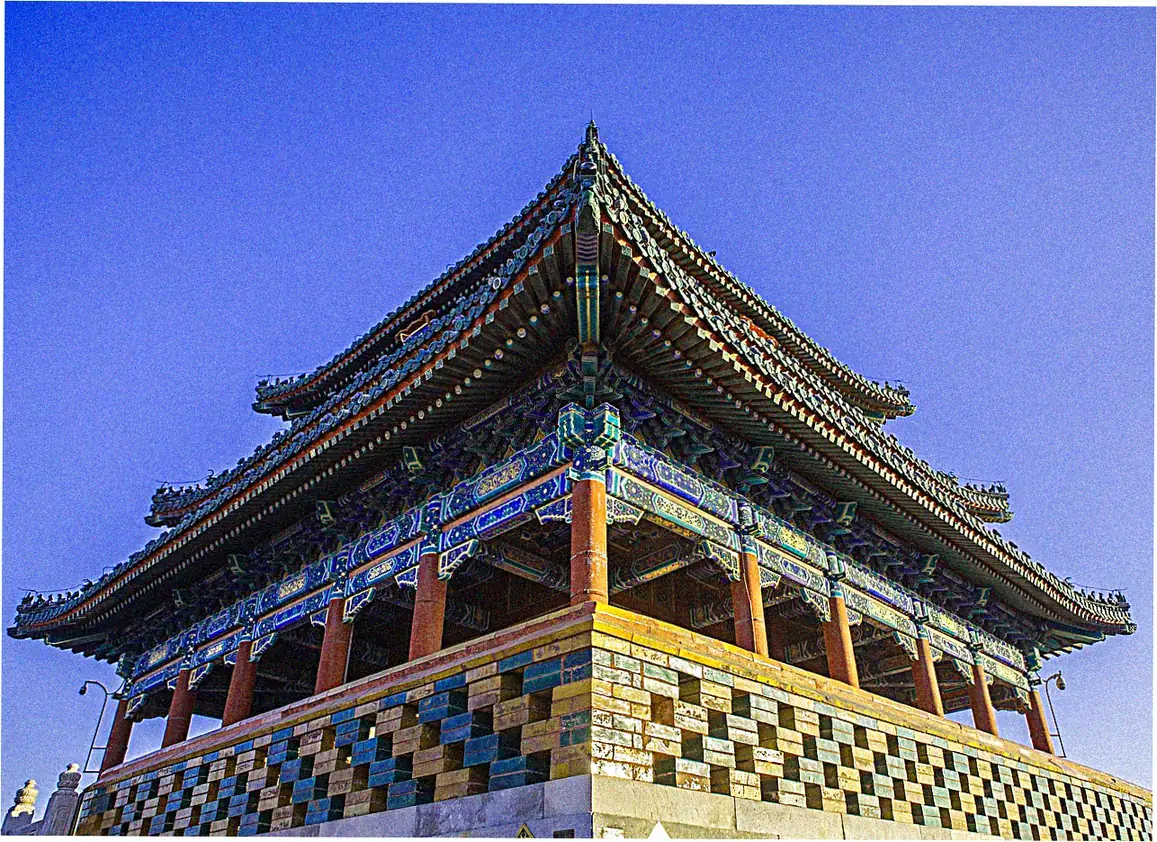
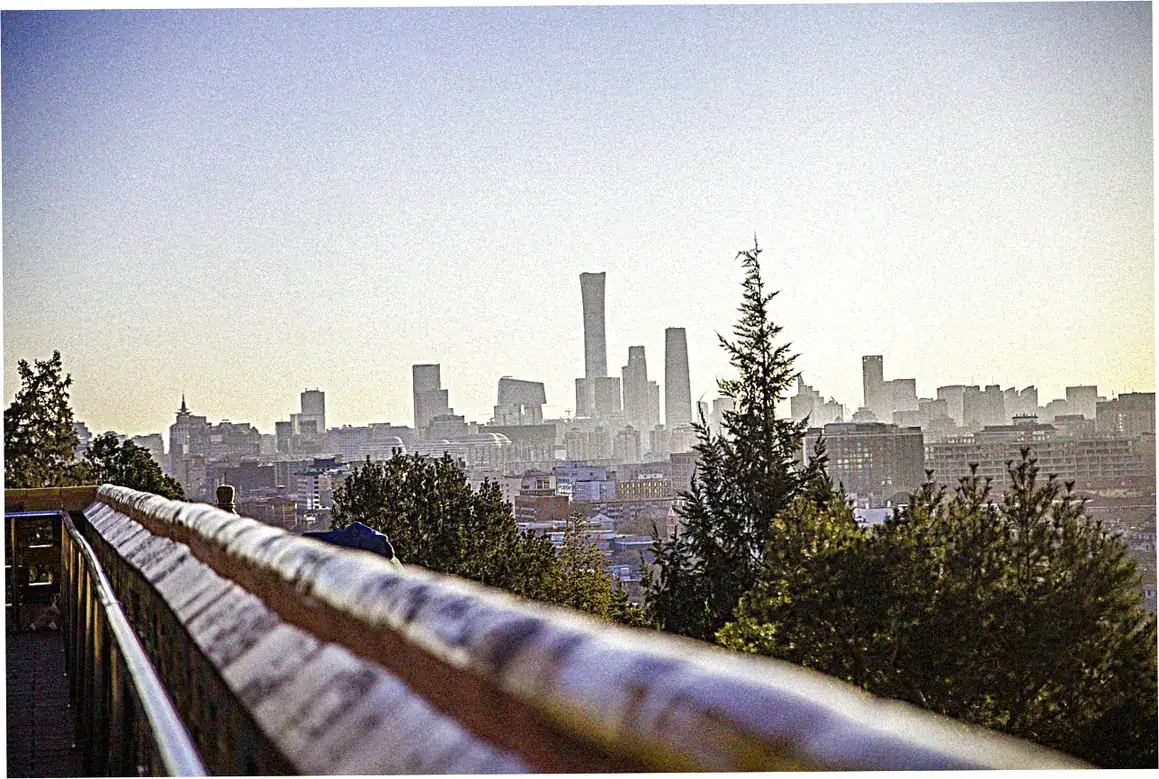
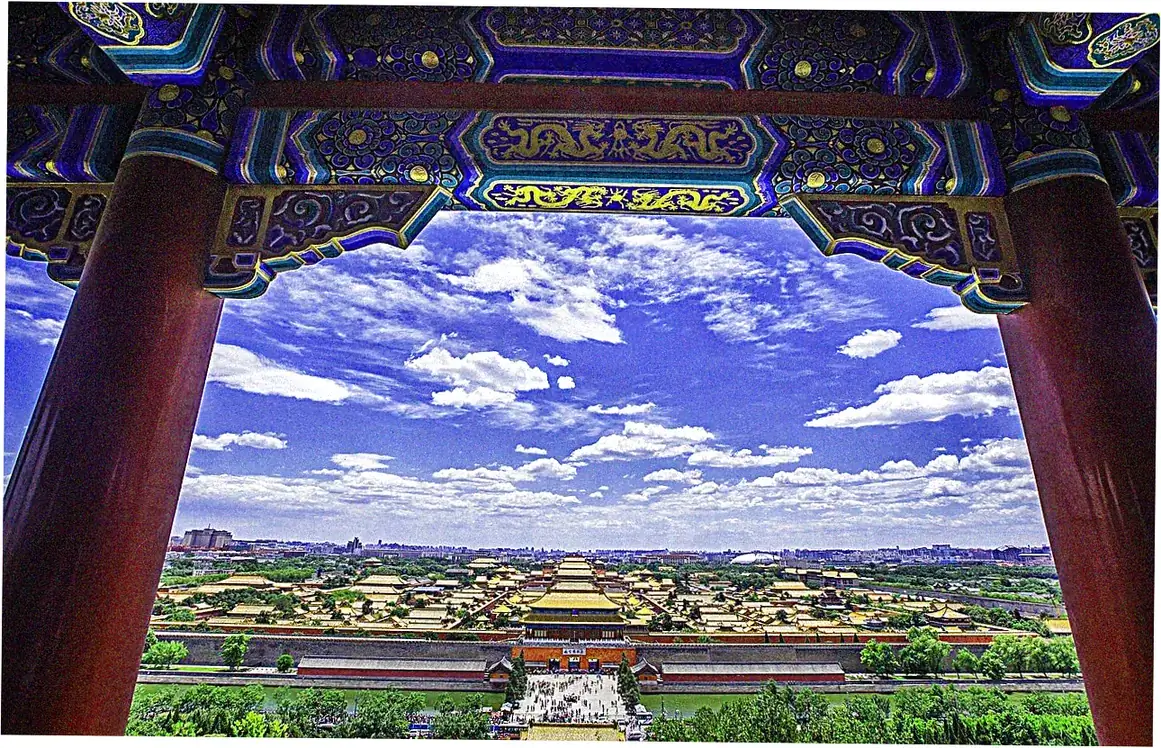
Sunset turns Jingshan Park into a photo hotspot. The Forbidden City glows golden from the hill.
Get there 1.5 hours before sunset for the best spots at Wanchun Pavilion. It gets packed with cameras in busy times. In summer, light lasts till 7:30pm. Winter sunsets at 4:45pm make cool city shadows.
Our photos show seasons change the colors. Fall makes palace roofs pop red against blue skies. Go weekdays 6-8am for great light without crowds. Solo travelers love this quiet time. Watch out for haze – check air quality before planning photos.
Historical significance of Jingshan Park’s five peaks
Jingshan’s five hills are arranged just right. Each top has fancy pavilions for earth, water, fire, metal, and wood.
Wanchun Pavilion is the tallest at 45.7m. Emperors did star stuff here on Beijing’s old center line.
On a spring tour, we learned Ming builders used moat dirt to make these hills. They worked for defense and good vibes. Guanmiao Pavilion on the northeast hill had Buddha statues, showing Qing emperors spiritual side. Guards used to spot fires from the west hills. Now skyscrapers block the view.
Navigating Jingshan Park entrance fees and hours
Unlike many Beijing attractions, Jingshan Park maintains remarkably affordable access at ¥2 (about $0.
30) for adults, with free admission for seniors over 60 showing ID. It’s open 6am-9pm April-October, and 6:30am-8pm in winter.
No need to book ahead – just scan a QR code with AliPay or WeChat at the gate. Sometimes they stay open later on holidays like National Week when lots of people come for sunset. We checked – Jingshan costs 80% less than nearby Beihai Park. Great for saving money. They stop letting people in 1 hour before closing. Use the south gate to reach the top fastest.
Comparing Jingshan Park with nearby Beihai Park
Where Jingshan Park excels in elevated cityscapes, Beihai Park 1.
5km northwest charms with expansive lakes and water activities. Both were imperial gardens, but Beihai’s huge lake beats Jingshan’s dry 57 acres. You can boat or ice skate there.
Beihai has a white Buddhist stupa, while Jingshan has Chinese-style pavilions. Different religious vibes. Plan 2-3 hours for Jingshan’s views. Beihai needs at least half a day for temples and walks. Jingshan has tough stairs. Beihai’s flat paths are easier for strollers and wheelchairs.
Locating public restrooms inside Jingshan Park
There are clean toilets (both Western and squat) near all gates. Staff keep them nice from 7am-7pm. The northeast bathroom near Guanmiao Pavilion is usually empty. It’s got baby changing tables others don’t.
Extra toilets pop up on the west path in busy times. Look for blue signs with toilet pictures. Bring your own tissues – they run out by afternoon. No bathrooms on the hilltops, so go before climbing. People say the bathrooms smell better now, but soap isn’t always there.

Jingshan Park’s role in Ming and Qing dynasties
It was called Coal Hill in Yuan times, storing fuel before becoming an emperor’s getaway. We found out Yongle Emperor’s builders made Jingshan tall to show power over the Forbidden City.
The last Ming emperor killed himself on the east slope in 1644. We stop at the quiet spot where it happened. Qing emperors added fancy peonies that still flower every April by the south gate.
Finding the perfect picnic spot in Jingshan Park
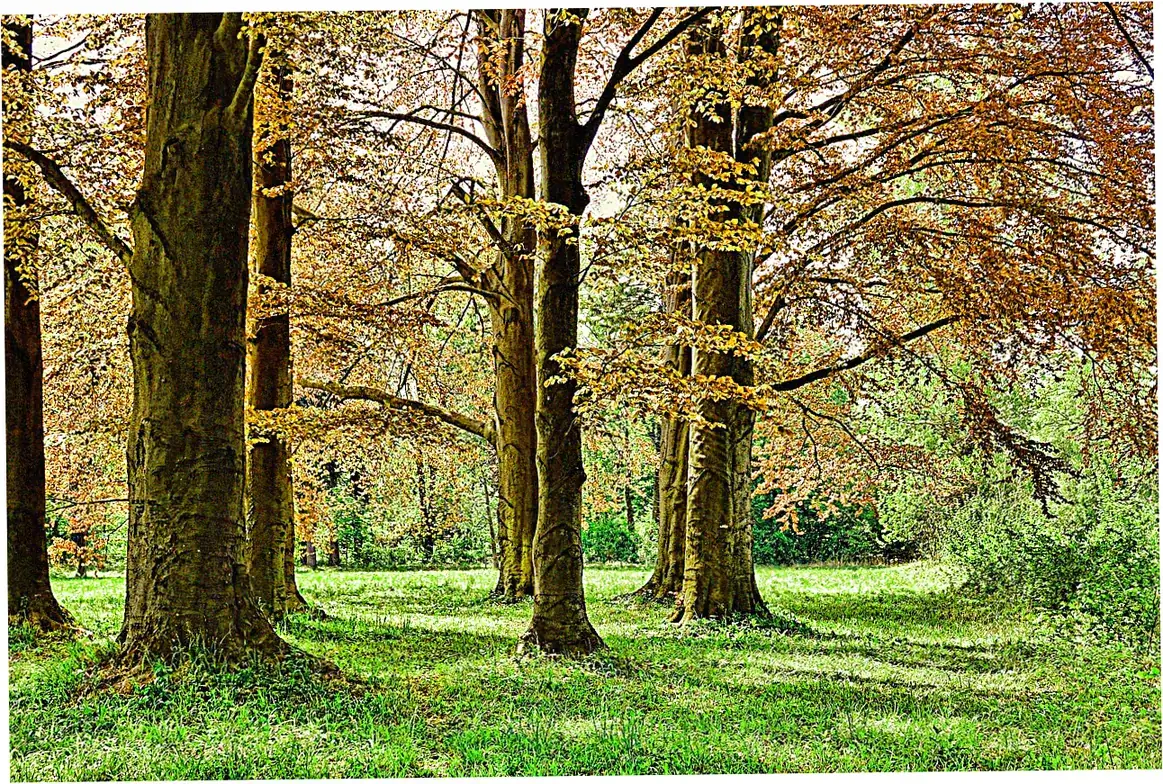
Nice grassy spots northwest of center are great for picnics away from crowds.
We love eating lunch under old trees near Zhoushang Pavilion. Shady and sometimes you see cool birds. Weekends get packed with families. Come before 10am to get the best picnic spots.
You can buy water and snacks nearby, but better to bring goodies from Nanluoguxiang’s morning markets. Don’t litter – orange trash cans are everywhere. They’ll fine you ¥200 if you do. They say no alcohol, but if you’re quiet about it, usually no problem.
Birdwatching opportunities throughout Jingshan Park
More than 47 bird types hang out here – colorful magpies in pines, doves near flowers. Spring mornings are bird heaven. We saw 22 types between 5:30-7:30am last year, even rare ones.
Warblers like the southeast grove. In winter, bramblings come for berries. No photo hides here. Bring a zoom lens and go slow – birds let you get closer than outside town. Get free bird lists at east gate info stands to know what you’re seeing.
Accessibility options for disabled Jingshan Park visitors
The top is tough, but flat paths around the edges work for wheelchairs and walkers. We checked – the west path from Xitianmen Gate is easiest for wheelchairs to reach middle views. It’s got rails and benches.
There are two wheelchair toilets – by south gate tickets and near the kids play area. Ask staff for regular wheelchairs at entrances (first come). No electric scooters allowed. Blind visitors can feel 3D park maps at info centers. Braille info is available if you ask.
Jingshan Park’s famous peony garden locations
More than 200 peony types bloom April-May. See them in two spots: south of Wanchun Pavilion and by east gate. We found seven old peony types from Qing times, like the almost-purple Black Panther.
Go mornings to see flowers before heat wilts them. Cloudy days make colors pop for photos. Read the signs about each flower’s history. Coolest are ones moved here from peony city Luoyang in the 1700s. At yearly flower fests, we give tours and teach home gardeners how to grow peonies.
Avoiding crowds at Jingshan Park viewpoints
No need to wake up super early – between 9:30-11am is quiet as tour groups leave for the Forbidden City. Try Zifang and Jifang Peaks for same great views as Wanchun Pavilion, but with fewer people.
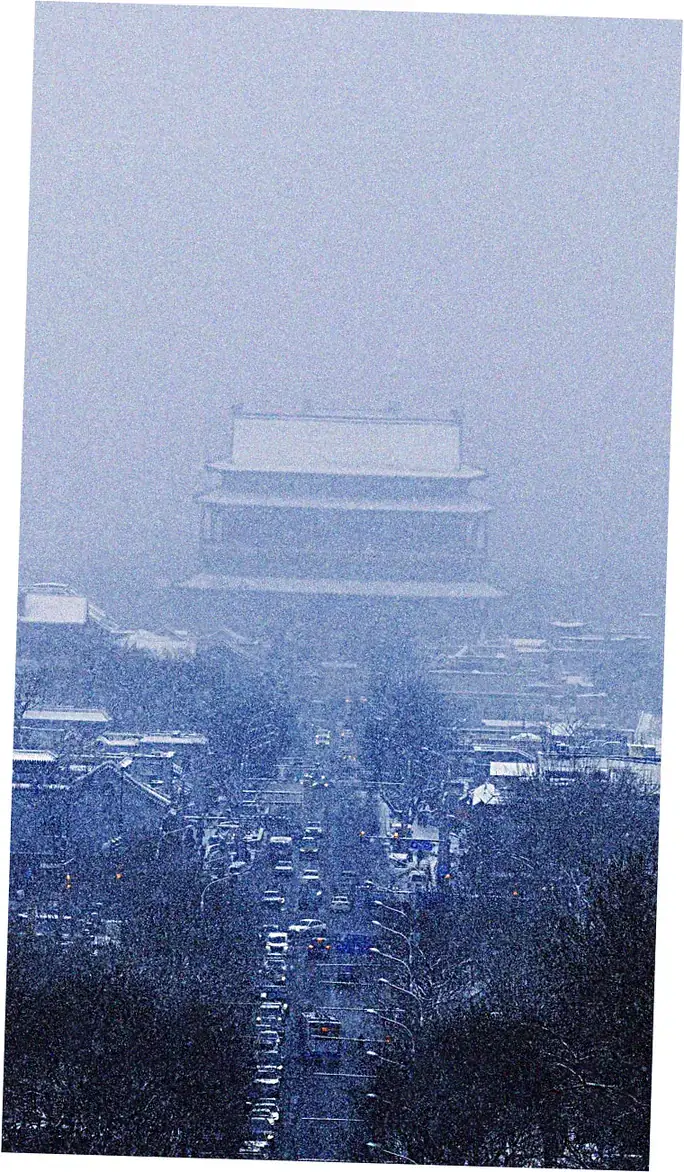
Rain means way fewer people. Mist makes city views look magical. Winter weekdays have 60% fewer people than fall weekends. No leaves means you see buildings better. Beijing folks love summer evenings here when it cools down and city lights come on.
Public transportation routes to Jingshan Park gates
Four subway lines serve Jingshan within 15-minute walks: Line 8’s Shichahai Station (Exit A) for north gate access, Line 6’s Nanluoguxiang (Exit E) for eastern approaches. Bus routes 111 and 124 stop directly outside the west gate, while tourist-friendly Route 5 connects from Tiananmen Square’s east side.
Our transit time trials found taxis from Wangfujing average 12 minutes costing ¥25-35, but cycle-sharing proves faster during rush hours – dock stations flank all entrances. First-time visitors should avoid driving; parking squeezes into just 46 spaces at the south lot, often filling by 8:30am. Clear multilingual signage guides pedestrians from all transit points.
From its sunset-kissed pavilions to whispering peony gardens, Jingshan Park encapsulates Beijing’s layered history within its leafy embrace. Whether you seek contemplative solitude, photographic inspiration, or living history lessons, these practical insights will help craft your perfect visit.
Share your own discoveries using #JingshanSecrets – we’ll feature standout contributions in our next community guide update. Now lace up comfortable shoes, charge your camera, and prepare to see Beijing through an emperor’s eyes.

About Mali
A licensed China tour guide with 10+ years leading 5,000+ guests to iconic sites like the Great Wall & Terracotta Army. Expert in seamless tours, cultural insights, and VIP access!