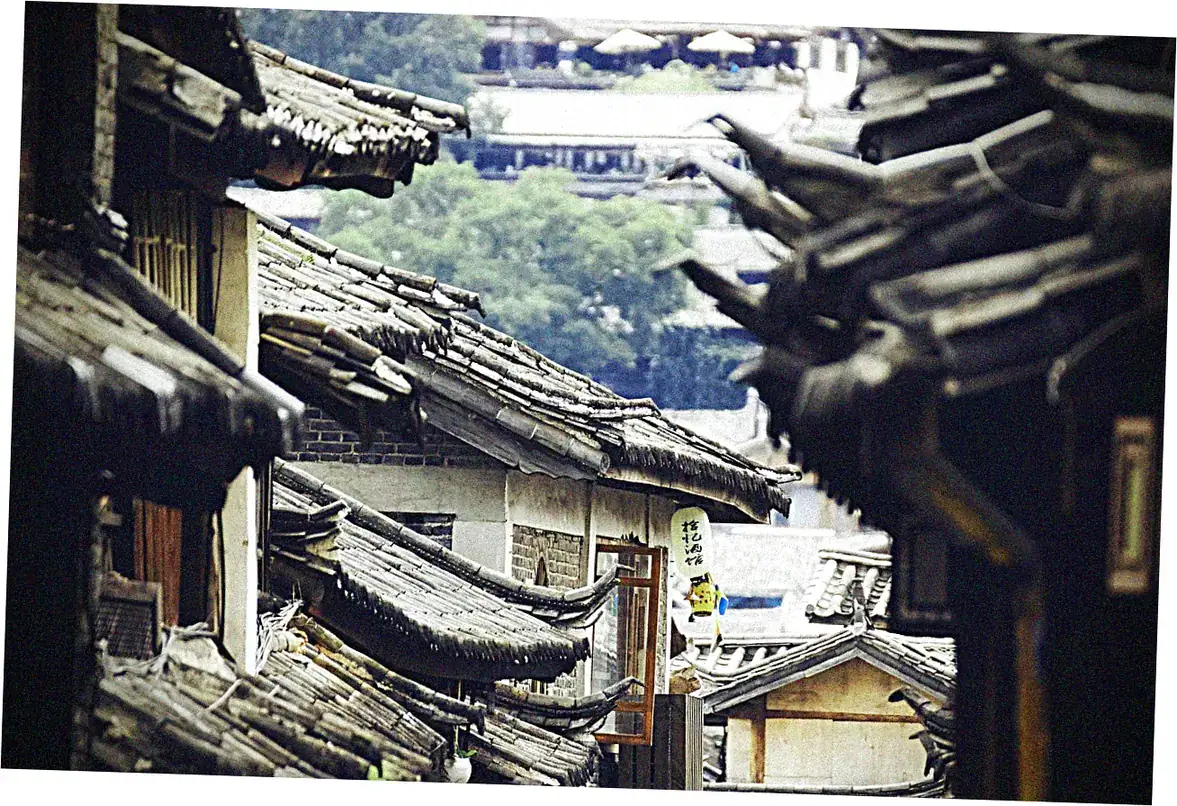
Lijiang sits in Yunnan’s mountains. Its transport mixes modern ease and old-world charm. You can choose airport shuttles or even try ancient horse-caravan routes. I’ve walked those stone streets and mountain roads myself. Let me show you the best ways to get to this UNESCO town. I’ll help you skip the crowds and avoid driver misunderstandings. Need bus times to Tiger Leaping Gorge? Or easy routes for older travelers? This guide packs 10 years of my experience and local tips into practical advice.
Table of Content
- 1. Reaching Lijiang: Gateway Transport Hubs
- 2. Ancient Town Area Mobility
- 3. Regional Transport to Scenic Areas
- 4. Inter-City Bus Networks
- 5. Private Vehicle Hire Insights
- 6. Cycling Routes Bike Rentals
- 7. Accessibility Considerations
- 8. Night Transport Safety
- 9. Cultural Transport Experiences
- 10. Seasonal Transport Variations
- Conclusion Next Steps
- Lijiang Transport Guide FAQ
1. Reaching Lijiang: Gateway Transport Hubs
1.1 Lijiang Sanyi International Airport Connections
As Yunnan’s third-largest airport, Sanyi serves 20 domestic routes with direct flights from Beijing (4h), Shanghai (3.5h), and Chengdu (1.5h). Take the ¥20 shuttle bus – it leaves every 30 minutes for the old town’s north gate. Taxis cost ¥80-100, but make sure they use the meter! Here’s a tip: Afternoon flights from Kunming often get windy delays. Morning flights are more reliable if you’re in a hurry.
Most international visitors come through Kunming airport. From there, the 3.5-hour bullet train to Lijiang beats flying – no long security lines! The train’s scenic final hour reveals why Lijiang means Beautiful River – keep cameras ready for First Bend of the Yangtze vistas.
1.2 Railway Links from Major Chinese Cities
Since 2021, the new electric train cuts the Kunming-Lijiang trip to just 3 hours. Business class costs ¥220. Overnight trains have cheap sleepers (¥150), but book early in summer – they sell out fast. Newcomers miss this: Get off at the east exit for quick access to taxis and bus terminal 3.
From Chengdu, the new fast train takes 6 hours via Xichang. You’ll see Yi villages along the way. Use Trip.com for English help buying tickets. The Chinese app makes seat picking hard for foreigners.
2. Ancient Town Area Mobility
2.1 Pedestrian Navigation in Heritage Zones
Wear comfy shoes in the old town – its 5.4 sq km of bumpy stone streets are tough for wheelchairs. Best photos come at sunrise (7-9am), before the tour groups show up. Get offline maps – Google Maps gets lost here. Look for A-Cheng Noodle shop instead of street signs.
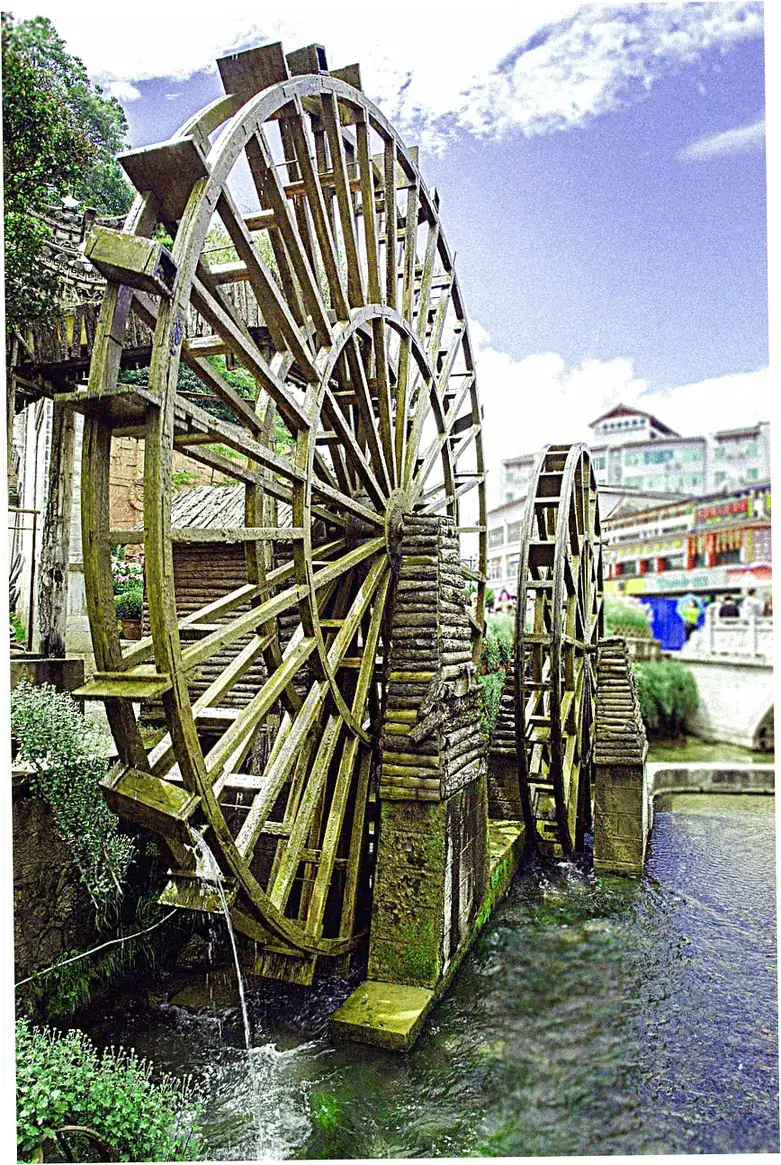
Don’t miss the secret shortcut from Sifang Square to Mufu Palace: follow the stream northwest past 30 souvenir stalls, then ascend stone steps beside the waterwheel. This 15-minute walk bypasses the main tourist thoroughfares while passing authentic Naxi family compounds.
2.2 Eco-Shuttle Buses Electric Carts
Blue electric carts cost ¥10 a ride, running 8am-7pm. Great for moving luggage between hotels. Route B connects the north gate parking lot to Wuyi Street’s handicraft quarter – tell drivers Wenming Alley for the closest drop-off to boutique guesthouses. Elderly travelers appreciate the carts ramp access, though morning rush hours (8-9am) often see 20 minute waits.
In rainy months (June-August), they sometimes put out seat covers – but not always. Bring plastic bags – rain can start suddenly here. Locals joke the carts bells sound like hurry-slow-hurry – accurate given their stop-and-go rhythm through narrow lanes.
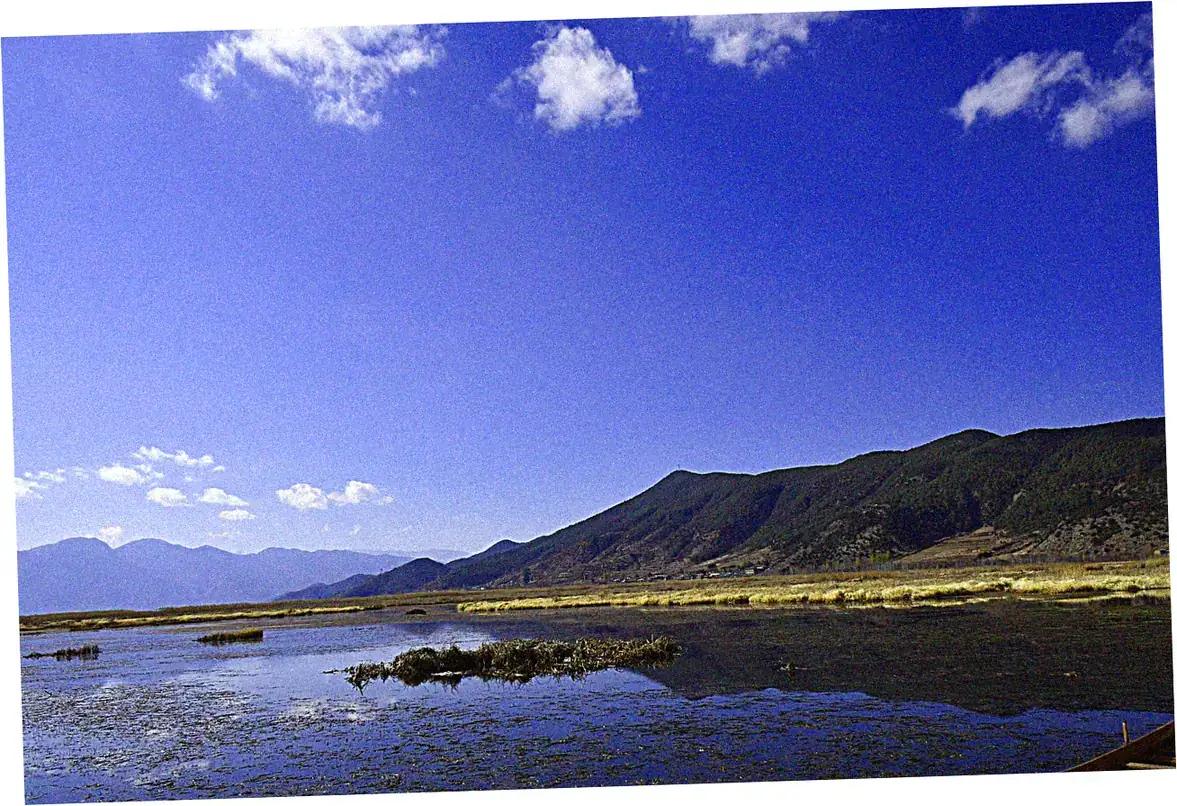
3. Regional Transport to Scenic Areas
3.1 Tiger Leaping Gorge Day Trip Logistics
Shared vans leave Shuhe at 7:30am sharp. For ¥60-80 round trip, they’ll get you to the gorge in 2.5 hours. Private car hires (¥400/day) allow flexible stops at Baishui Terrace, but verify if driver permits hiking the challenging 28 Bends section. The 8:15am bus (¥35) fills fast – buy tickets the night before at the bus station.
Better roads cut 40 minutes off the trip, but watch for summer landslides. Check the weather on WeChat before you go. New railings at Sky Ladder help nervous first-timers hike safely.
3.2 Jade Dragon Snow Mountain Transport
Park buses (¥20) leave hourly from Hongtaiyang Square. Go at 7am to beat the cable car lines. Taxis cost ¥100 – good for 4 people. They might try to take you shopping, just say no thanks. New shuttles from the train station help latecomers avoid extra trips.
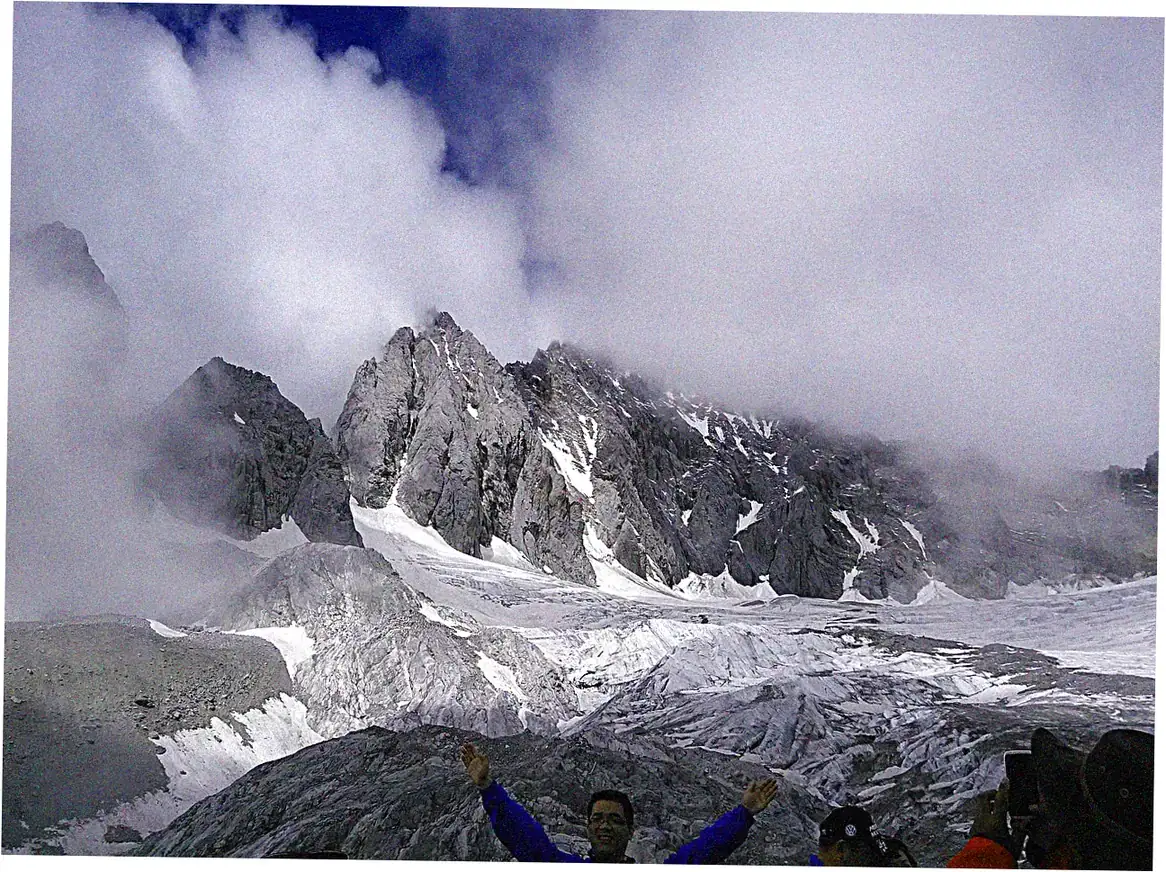
Watch for altitude sickness – the cable car tops out at 4,506m, higher than most expect. Buy oxygen cans downtown (¥30) – they cost more up the mountain. Serious photographers catch the early bus for clear morning shots before the haze sets in.
4. Inter-City Bus Networks
4.1 Dali-Lijiang Express Coach Services
Comfy coaches (¥79, 3.5 hours) run hourly 7am-5pm. They’ve got USB ports and seats that recline. Ask for window seats – the mountain road through Jianchuan has great views. Watch for gate changes at the bus station – the signs are only in Chinese.
Bonus: The 11am bus stops at Shaxi town for 30 minutes – just enough time to check out the pottery market. Small bags (under 20kg) ride free, but big backpacks cost ¥10-20 extra.
4.2 Shangri-La Overnight Bus Options
Take the 4pm sleeper bus (¥148, 6 hours) to slowly adjust to the height. The heated cabins help as you climb to 3,300m. Pack earplugs – drivers honk a lot on twisty roads. They’ve added seatbelts, but nobody really checks if you use them.
In winter (Nov-Feb), check roads first – snow can trap you in Hutiaoxia Town. Splurge on the VIP bus (¥165) – you get oxygen and a Tibetan guide’s stories with great views.
5. Private Vehicle Hire Insights
5.1 Car Rental Procedures Scenic Drives
Need a notarized translation of your license to rent cars here (¥400-600/day). Drive the 180km loop through Baisha and Yuhu – great Naxi culture with few cars. Heads up: Google Maps is too optimistic – add half again to mountain drive times.
Outside town, gas stations take only cash. Fill up (¥300) – that’s enough for Tiger Leaping Gorge and back. Don’t drive past Zhongdian – it’s too high, and your insurance won’t cover you there.
5.2 Motorbike Regulations for Old Town Exploration
Rent an e-scooter (¥80/day) to zip past old town limits and visit nearby Naxi villages. Cops check scooter papers near Dayan – good rental shops like Lijiang E-Ride sort this for you. You’ll get 50km – enough to see Baisha’s murals and return.
Gas bikes need hard-to-get permits. Foreign riders reported 12 document checks on the road to Shuhe. Stay with small e-bikes – big ones risk ¥2,000 fines if your papers aren’t perfect.
6. Cycling Routes Bike Rentals
6.1 Ancient Town Perimeter Cycling Trails
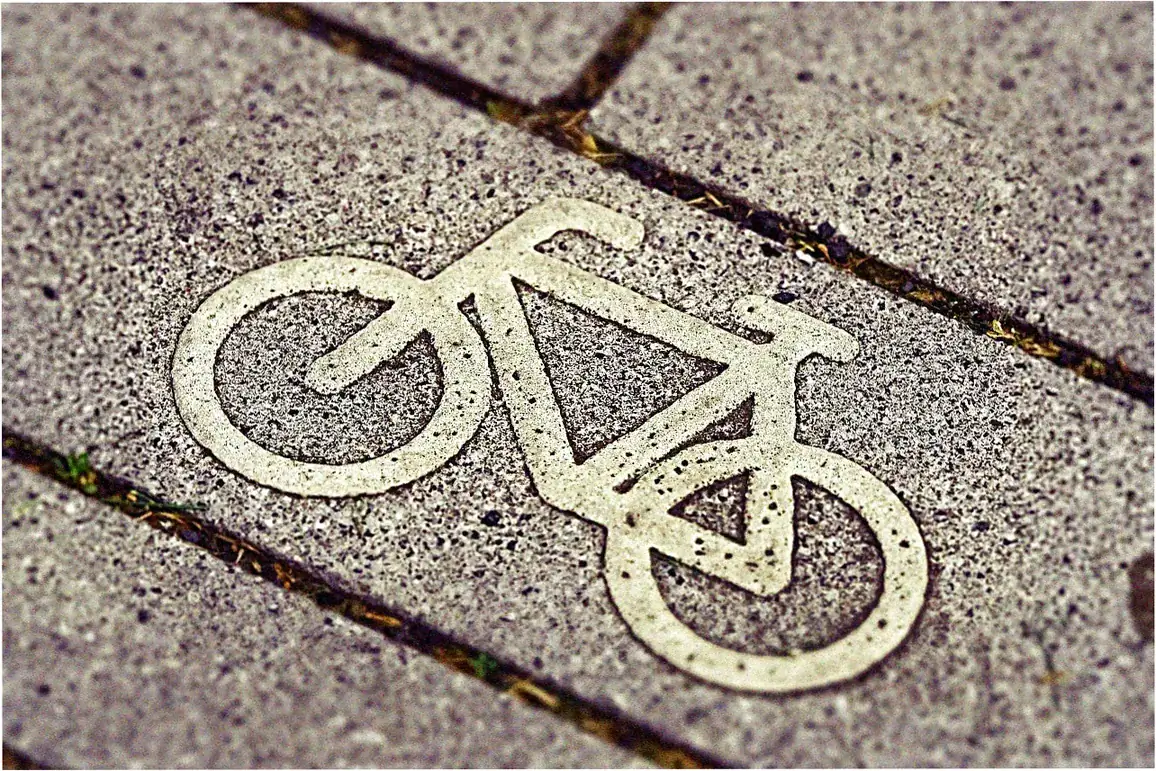
Ride two hours to find secret canals and quiet city gates. Begin at Black Dragon Pool’s east side. Follow signs to Wenbi Peak – it’s an 8km loop. Morning bike hires (¥30) come with locks and tools. In busy times, bikes run out by afternoon.
No biking in the old town center after 10am – it’s the law. Cops fine rule-breakers ¥50, but they mostly target e-bikes. Get up early – before 7:30am, you can bike anywhere.
6.2 Countryside Day Tours by Bicycle
Ride 35km on the Tea Horse Road to Baisha. You’ll pass ancient murals and working farms. Quality mountain bikes (¥80/day) with disc brakes handle the gravel sections comfortably. Pack rain gear – microclimates bring sudden showers even in dry season.
Guided groups (¥200/person) include lunch at organic cafes and cultural demonstrations. Independent cyclists should carry small denomination cash (¥5-10 notes) for roadside pumpkin cake vendors and temple donations along the route.

7. Accessibility Considerations
7.1 Mobility Challenges in Heritage Areas
Less than 15% of Lijiang’s old town has wheelchair ramps, with stone streets averaging 8° gradients. The south gate (Mufu Palace side) offers the smoothest access, avoiding the notorious Nine-Turn Lane steps. Some guesthouses provide portable ramps – confirm before booking.
Local disability NGOs offer free accessibility maps highlighting step-free tea houses and restrooms. The Naxi Orchestra venue and Black Dragon Pool park recently added elevators, setting new standards for inclusive tourism.
7.2 Altitude Adjustment Strategies
At 2,400m elevation, Lijiang demands hydration and gradual activity increase. Avoid alcohol for 48 hours post-arrival; local herbs like Snow Chrysanthemum tea (¥5/cup) alleviate headaches. Jade Mountain excursions should follow 3 acclimatization days.
Hotels near the old town’s periphery (e.g. Crowne Plaza) offer oxygen-enriched rooms – worth the premium for visitors with respiratory conditions. Pharmacies stock altitude pills (), most effective when taken pre-arrival.
8. Night Transport Safety
8.1 Taxi Availability After Dark
Post-10pm taxi demand triples near bar areas like Wuyi Street. Use DiDi app’s English interface (set pickup as near McDonald’s) to avoid price gouging. Female travelers report better experiences with blue-top taxis displaying company logos versus private cars.
Walking groups form organically at hostels for midnight snack runs. The 1.5km lit path from Sifang Square to Lion Hill overlook remains well-patrolled until 2am.
8.2 Late-Night Bus Exceptions
Special airport buses (¥30) coincide with red-eye flights at 11pm and 4am. Confirm hotel pickup availability when booking early departures. The N1 shuttle miraculously runs 24/7, connecting train station to old town’s south gate in 12 minutes during owl hours.
Drivers accept mobile payments but keep ¥10 notes as backup. Night surcharges (20-50%) apply officially after midnight – dispute any higher claims by requesting meter receipts ().

9. Cultural Transport Experiences
9.1 Traditional Horse Caravan Tours
Half-day treks (¥180) with Naxi guides follow original Tea Horse Road sections near Wenhai Lake. Morning departures avoid afternoon heat, with horses bred specifically for tourist weights (under 90kg). Ethical operators like Lashihai Horsemen avoid whip use and limit daily rides.
The 8km Bride’s Path route showcases marriage traditions, including a ceremonial dismount at symbolic landmarks. Photography stops at viewpoint shrines honor local customs – ¥5 donations maintain these community sites.
9.2 Local Market Transport Oddities
Sunday’s Zhongyi Market sees elderly Naxi women arrive by donkey cart – photographers should ask permission () before snapping. The 6am vegetable delivery trucks become impromptu rideshares (¥5) back to Yuhu village.
Look for the Blue Van Collective near Bank of China – these modified minivans transport everything from live chickens to antique cabinets. Negotiate space for oversized items like purchased rugs (typically ¥30 per square meter transport fee).
10. Seasonal Transport Variations
10.1 Peak Season Crowd Management
Chinese New Year (Jan/Feb) and National Week (Oct 1-7) swell visitor numbers 300%. Book intercity transport 60 days ahead – same-day tickets become nonexistent. Local buses implement overflow standing policies, adding 30% to published journey times.
Smart travelers base in Shuhe Village during festivals, using its peripheral location to bypass ancient town gridlock. The 7-9am window remains relatively uncrowded even at major sights.
10.2 Winter Road Closures Alternatives
December-February snow intermittently closes roads to Jade Mountain and Shangri-La. Helicopter tours (¥1,500) sometimes operate when roads fail – check with Lijiang General Aviation. The old town’s heated-stone pathways prevent icing, making winter walks surprisingly comfortable.
Hot spring resorts like Yushui Village become transport hubs during snows, offering shuttle packages from downtown. Drivers chain tires for mountain routes – verify this safety measure before hiring winter vehicles.
Conclusion Next Steps
Lijiang’s transport web mirrors its cultural tapestry – modern efficiency woven with traditional rhythms. From navigating ancient alleyways to coordinating high-altitude excursions, smart mobility choices directly enhance your Yunnan experience. Bookmark this guide when planning airport transfers or last-minute day trips, and consider joining our Lijiang Transport Forum (link) for real-time local updates. Your journey through this Naxi kingdom begins with a single step – make it the right one.
Lijiang Transport Guide FAQ
What’s the cheapest way from Lijiang Airport to Old Town?
The ¥20 shuttle bus runs until 11pm, dropping passengers at North Gate Square. For late flights, shared vans (¥30/person) organize at baggage claim when 4 travelers coordinate.
Are there direct buses from Lijiang to Kunming Airport?
No direct routes exist. Take the high-speed rail to Kunming Station (3h), then transfer via metro Line 6 (40min) to Changshui Airport. Total cost ¥260-300 versus ¥700 for flights.
How early should I book Tiger Leaping Gorge transport?
Minivan seats sell out 3 days ahead in peak season (May-Oct). Off-season (Nov-Apr), same-morning bookings at your hostel usually suffice.
Can I use Didi in Lijiang?
Yes, but coverage extends only 15km from downtown. Input destinations in Pinyin (e.g. Shuhe Guzhen) as characters may not display correctly.
Is Lijiang Old Town wheelchair accessible?
Limited access exists via South Gate and Lion Hill pathways. Request our free accessibility map (link) marking step-free routes and adapted restrooms.
What’s the best transport for Jade Mountain with kids?
Private car hire (¥400/day) allows pacing for altitude adjustment. Pack child-sized oxygen masks (sold at downtown pharmacies for ¥25).
Do taxis accept credit cards in Lijiang?
Only 30% of cabs have card readers. Always carry ¥50-100 in small bills. Alipay/WeChat Pay work reliably if you have China-linked accounts.

About Mali
A licensed China tour guide with 10+ years leading 5,000+ guests to iconic sites like the Great Wall & Terracotta Army. Expert in seamless tours, cultural insights, and VIP access!