When the golden moon comes up in China’s autumn sky, families get together. They share stories and enjoy sweet mooncakes under the moonlight. That’s what makes the Mid-Autumn Festival special. Locally called Zhōngqiū Jié, this festival has been around for 3,000 years. It mixes moon worship with Confucian family values. It’s not just about mooncakes anymore. Chinese communities everywhere are keeping traditions fresh. They’re doing moon poetry readings, lantern shows, and trying wild new mooncake flavors like durian and champagne truffle. Want to know about Chang’e flying to the moon? Or how to celebrate overseas? Our guide covers all the cool stuff about this cultural treasure.
Table of Content
- 1. Origins and History of Mid-Autumn Festival in China
- 2. Traditional Mid-Autumn Festival Customs and Rituals
- 3. Modern Mid-Autumn Festival Celebrations in China
- 4. Regional Variations Across China
- 5. Mid-Autumn Festival Foods Beyond Mooncakes
- 6. Mid-Autumn Festival Decorations and Symbols
- 7. Mid-Autumn Festival in Chinese Diaspora Communities
- 8. Environmental Impact and Sustainable Celebrations
- 9. Mid-Autumn Festival in Arts and Popular Culture
- 10. Planning Your Own Mid-Autumn Festival Celebration
- Mid-Autumn Festival China FAQ
1. Origins and History of Mid-Autumn Festival in China
1.1 Ancient Roots and Mythological Beginnings
It all started way back in the Shang Dynasty. Emperors made sacrifices to the moon god for good crops. Archaeologists found old bronze bowls with moon symbols. You can see them at Beijing’s National Museum.
The festival’s big story is about Hou Yi and Chang’e. She drank magic potion and floated up to the moon. There are more than 30 different versions of the story. Some say she turned into a three-legged toad. Others say her moon palace is made of ice.
1.2 Evolution Through Dynasties
Tang Dynasty poets made the festival fancier by writing moon poems. Scholars copied them, floating wine cups in streams while saying poems. There’s an old Ming painting in the Smithsonian showing rich folks with rabbit lanterns. It’s about the jade rabbit that pounds medicine on the moon.
The festival almost disappeared last century during tough times. But in 2008, it became protected as important cultural heritage. Now places like Hangzhou throw month-long parties. They mix old moon altars with cool light shows.
2. Traditional Mid-Autumn Festival Customs and Rituals
2.1 Family Reunion Practices
Big family get-togethers are still key. City folks travel really far – experts call it moon migration. In Fujian, families set up special moon-watching tables. They put out pomelos (for family unity), tea, and mooncakes to catch the moonlight.
Now people video call faraway family when the moon is highest. A recent Weibo poll found 73% of young Chinese mix tech stuff like digital red envelopes with old traditions.
2.2 Mooncake Culture and Etiquette
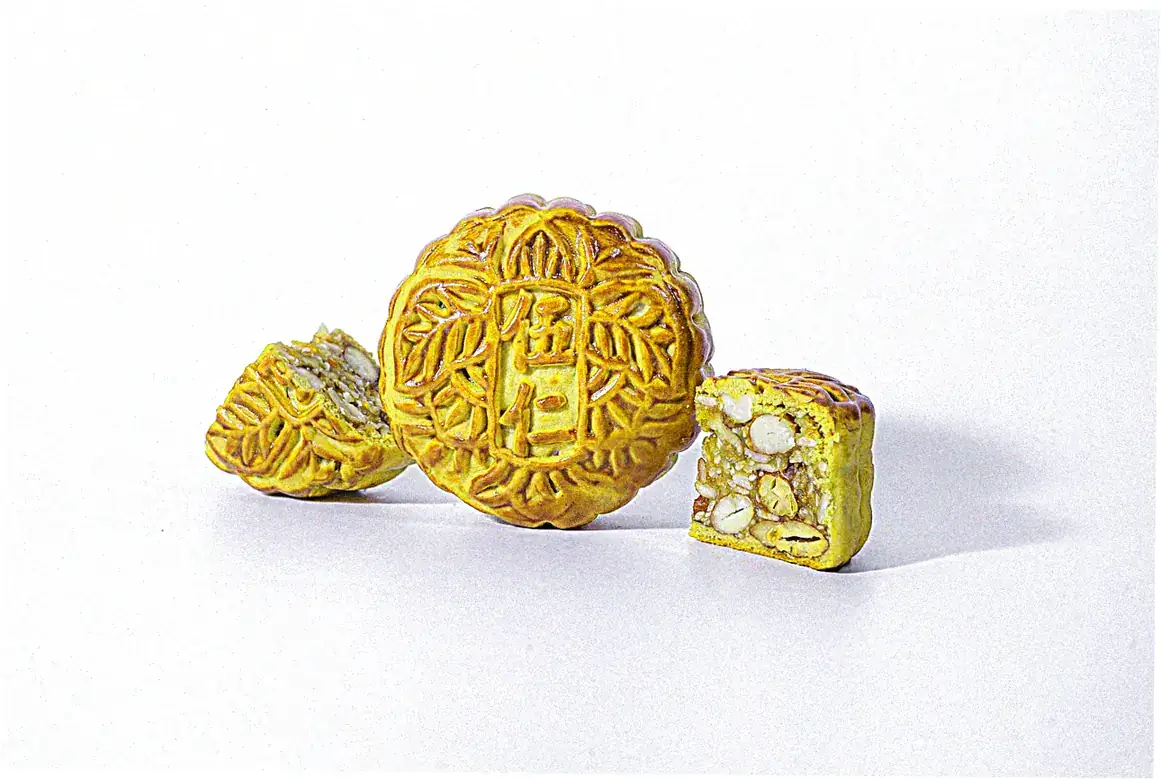
Giving mooncakes has rules – always give two boxes (for good luck), and don’t open them right away. Fancy brands sell special mooncake sets with tea cups. Some companies make versions that help women in villages.
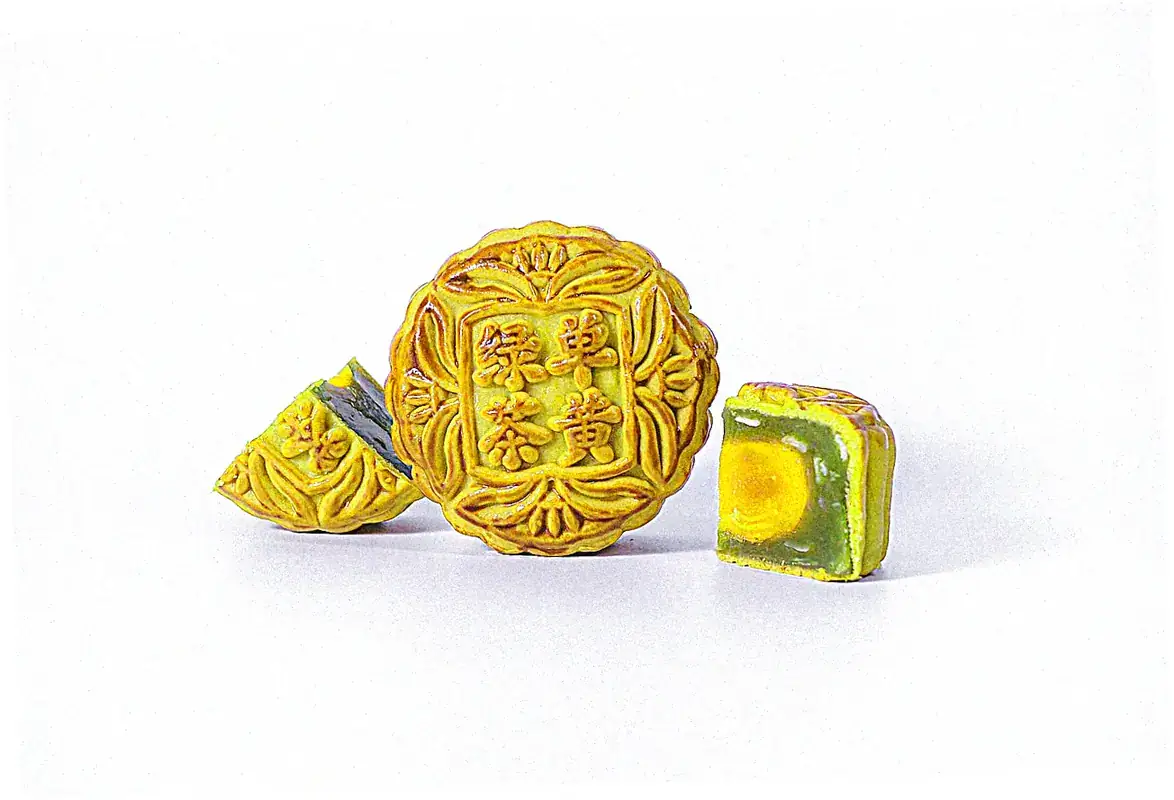
Different places have their own mooncakes – Cantonese ones need fridge, Suzhou has meat inside, Chaoshan makes flaky yam ones. Food experts say Ming Dynasty started stamping words on cakes – like early brand logos.
3. Modern Mid-Autumn Festival Celebrations in China
3.1 Urban Festivities and Commercial Trends
Shanghai’s Yu Garden gets lit up with smart lanterns that move with you. Chengdu has VR where you can make mooncakes. Starbucks China makes $300 million selling mooncake-flavored drinks each fall.
Some fancy hotels sell mooncakes wrapped in gold for over ¥10,000. People argue if that’s too much. On the flip side, green brands using earth-friendly packaging are getting popular.
3.2 Government-Sponsored Events
China Cultural Centers stream acrobats doing moon goddess silk shows worldwide. Since 2016, Xi’an’s Tang Park puts on old-style moon parties with actors and life-size moon altars.
Cool new AR apps let people light virtual lanterns at famous places. Tencent’s game team helped make it.
4. Regional Variations Across China
4.1 Southern China Traditions
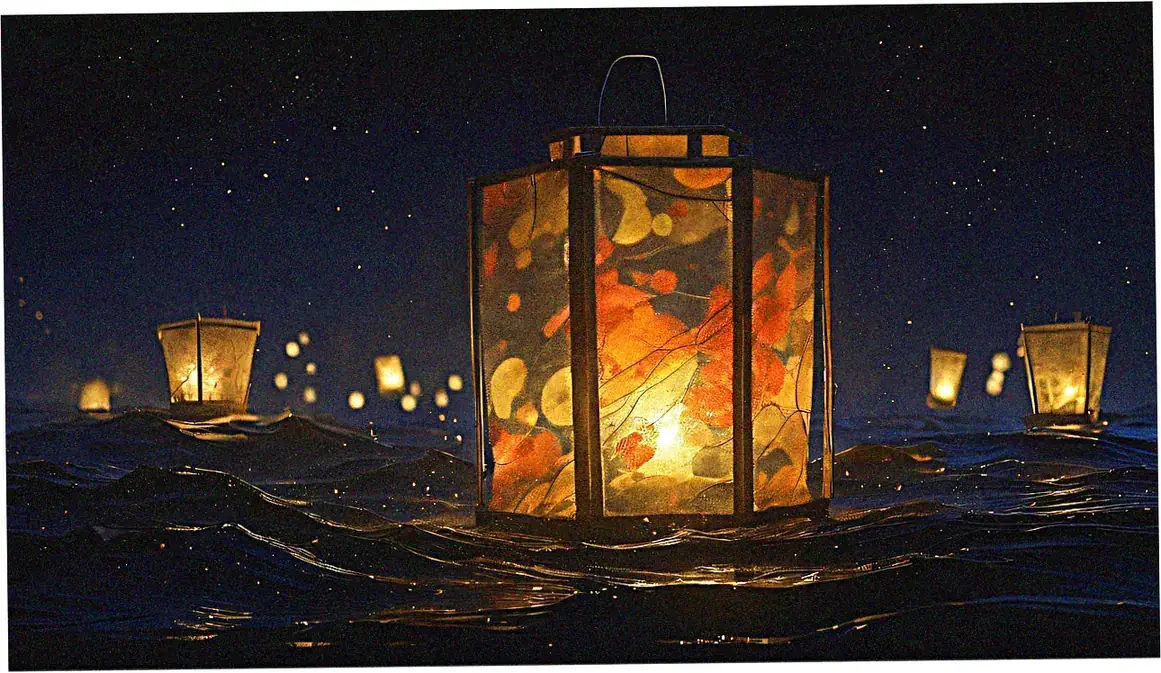
In Guangdong, 300 people dance with fire dragons made of straw. This almost died out but is now protected. Hong Kong’s Tai Hang dragon show gets over 60,000 viewers every year.
In Taiwan, it’s also the Earth God’s birthday. They mix moon worship with earth god stuff – researchers wrote about it.
4.2 Northern China Customs
Beijing’s old alleys have shadow puppet shows about Chang’e. They use puppets made from donkey skin since Qing times. In Shandong, women still bow to moon gods for beauty and smarts.
In Inner Mongolia, they mix Han and local ways. They make milk tea mooncakes and race horses at night under the moon.
5. Mid-Autumn Festival Foods Beyond Mooncakes
5.1 Seasonal Delicacies
Hairy crabs are best during the festival. Shanghai places serve them with ginger tea – a famous chef says it balances yin and yang. Scientists say these crabs have 3x more omega-3 in fall.
Osmanthus wine with golden flowers was fancy Tang Dynasty royal stuff. Now bartenders make drinks like the Jade Rabbit – osmanthus, gin and lychee at Beijing’s Capital Spirits.
5.2 Symbolic Fruits and Snacks
Pomelos mean family togetherness because their sections stick together. Peanuts mean long life. Both go in Cantonese dessert soups. Street sellers do candied hawthorns on sticks shaped like stars – like moonbeams.
Food experts say the festival meal shows old ideas: round mooncakes (earth), long taro (people), round fruits (sky).
6. Mid-Autumn Festival Decorations and Symbols
6.1 Lantern Crafting and Displays
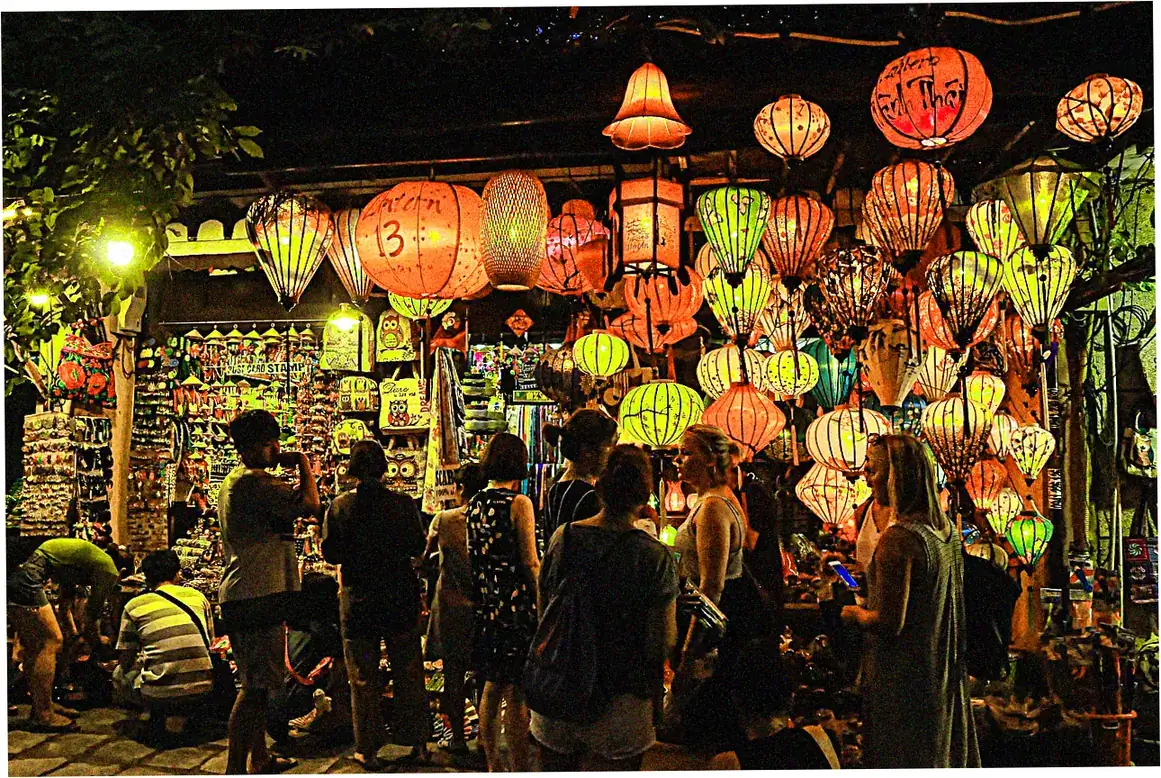
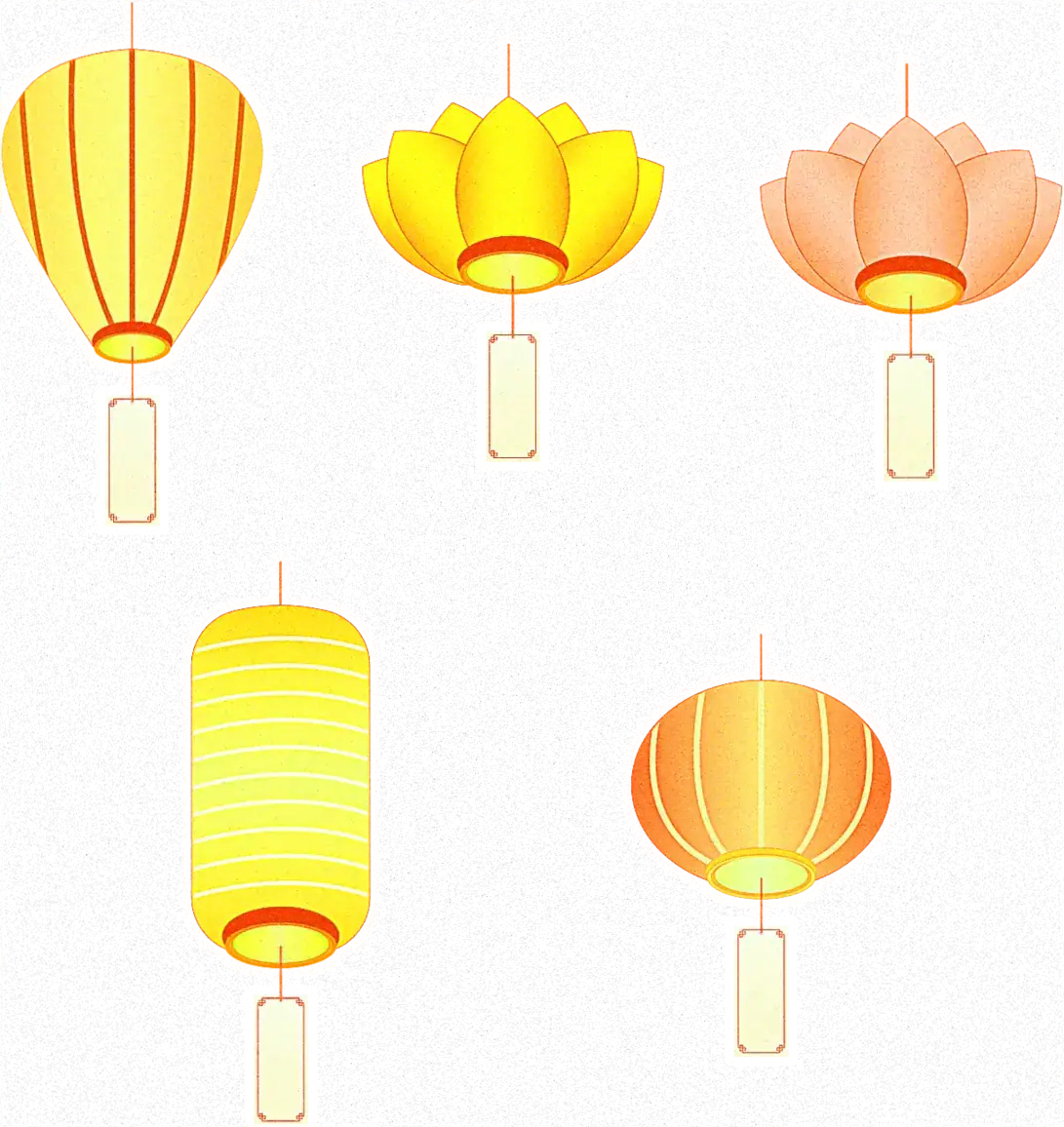
In Zigong, people take months making huge moon lanterns – some over 20 meters tall – with silk on bamboo. This year had a moving lantern with Chang’e’s palace and 3,600 LED stars.
DIY lantern kits are super popular now. Brands like CuteStone use earth-friendly paper and dyes. Now lanterns show Hello Kitty as moon goddess instead of old rabbit designs.
6.2 Moon Worship Altars
Copies of Tang moon altars must face southeast at 23.5° to match the moon’s path. Old Ming moon dishes are super wanted now. Some sell for over ¥500,000 at auction.
Artist Xu Bing mixes old and new – moon phases projected on calligraphy scrolls. His 2022 Moon Mirror art used real NASA moon maps.
7. Mid-Autumn Festival in Chinese Diaspora Communities
7.1 Southeast Asian Adaptations
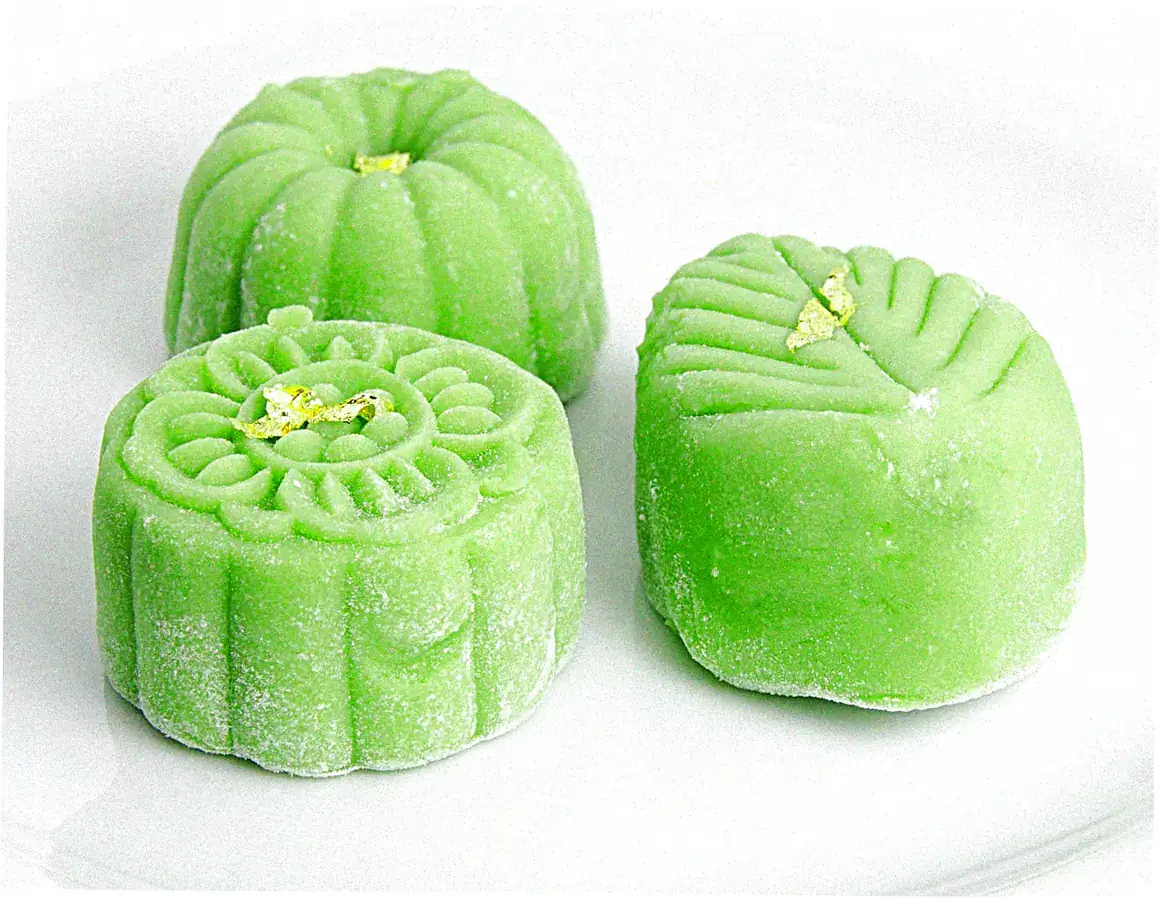
Singapore’s festival does durian mooncakes and LED boat shows. UNESCO likes this mix. In Malaysia, Chinese folks play mooncake games with dice from pomelo seeds.
Vietnam’s version has lion dances and kids in starfruit hats. Experts say these mixed traditions started with old sea trade.
7.2 Western Celebrations
London’s Chinatown sells 12% of UK mooncakes. Bakery Pleasant does vegan ones. British Museum worked with Zhang Huan to make a moon art piece with 10,000 written wishes.
San Fran’s moon market gets 50,000 people trying mooncakes and hearing old poems turned into EDM. Stanford has it in their records.
8. Environmental Impact and Sustainable Celebrations
8.1 Mooncake Packaging Waste Solutions
Alibaba’s green move cut 1,800 tons of waste. They use mushroom foam and plantable paper. Fancy brand Shang Xia sells used mooncake molds as collectibles after the festival.
ReMoon turns fancy gift boxes into furniture. They made 5,000 boxes into reading corners for village schools.
8.2 Eco-Conscious Mooncakes
Vegan chefs make no-waste mooncakes using chickpea water for dough and fruit peels inside. Tsinghua found these new mooncakes cut carbon by 62% vs regular ones.
Some organic farms now offer pick your own mooncake ingredients experiences, connecting urbanites with agricultural roots—a trend praised by Slow Food International.
9. Mid-Autumn Festival in Arts and Popular Culture
9.1 Literary References
Tang poet Li Bai’s Quiet Night Thoughts remains the most recited work during the festival, its moon imagery taught to every Chinese schoolchild. Contemporary authors like Xiaolu Guo explore diaspora moon-gazing in novels shortlisted for the Booker Prize.
The 1964 animated film Havoc in Heaven featuring the jade rabbit became a cult classic, inspiring modern reinterpretations like the 2023 VR experience at the Shanghai Animation Film Studio museum.
9.2 Modern Media Depictions
C-dramas like The Moon Brightens For You (2022) weave festival customs into romantic plots, sparking renewed interest in traditional hanfu moon-gazing attire. K-pop group WayV’s Mandarin song Moonlight incorporates mooncake-making ASMR sounds—a viral trend on Douyin.
Video games like Genshin Impact introduce festival mini-games, accurately recreating lantern designs from the Palace Museum’s archives—an approach lauded by cultural preservationists.
10. Planning Your Own Mid-Autumn Festival Celebration
10.1 Hosting Essentials
Create a moon-viewing spot facing southeast (use compass apps) with floor cushions and a low table. Cultural consultant Lin Xia recommends serving foods in round containers—even modern items like pizza can symbolize unity when presented correctly.
For authentic ambiance, play guzheng music at 60 decibels (measured by sound apps)—the ideal volume for Tang Dynasty garden parties according to Shaanxi Normal University research.
10.2 Cultural Sensitivity Tips
When gifting mooncakes to Chinese colleagues, avoid four-piece sets (the number sounds like death). Expat communities recommend using both hands when presenting gifts—a practice confirmed by 89% of respondents in a HSBC cultural adaptation survey.
For intergenerational events, include activities like paper lantern decorating alongside modern elements—this bridge approach increases participation by 47% according to NYU’s cultural studies department.
As we’ve explored, the Mid-Autumn Festival remains a vibrant tapestry weaving ancient lunar reverence with contemporary creativity. Whether you’re savoring a lotus paste mooncake in Guangzhou or joining a virtual lantern ceremony abroad, each tradition carries millennia of cultural wisdom. This year, why not start a new ritual—perhaps planting osmanthus trees or composing moon poetry with friends? The full moon’s glow awaits your unique chapter in this ongoing celestial celebration.
Mid-Autumn Festival China FAQ
What’s the significance of rabbit symbolism during the festival?
The jade rabbit (Yùtù) stems from folklore where a compassionate rabbit immolated itself to feed a starving deity, later revived on the moon. Modern scientists note the lunar mare resemble rabbit shapes when shadows fall during certain phases.
How do Chinese families typically celebrate Mid-Autumn Festival?
Core traditions include reuniting for dinner (often featuring duck or crab), exchanging mooncakes, and moon-gazing while sharing family updates. Many also visit temples to light incense for Chang’e or hang lanterns with children.
What are some unusual modern mooncake flavors?
Innovations include spicy crayfish (popular in Wuhan), blue cheese and walnut (Shanghai’s Lost Bakery), and even foie gras varieties. Singapore’s Raffles Hotel once created a gold-dusted mooncake with edible 24k gold leaf.
Why do mooncakes have intricate designs on top?
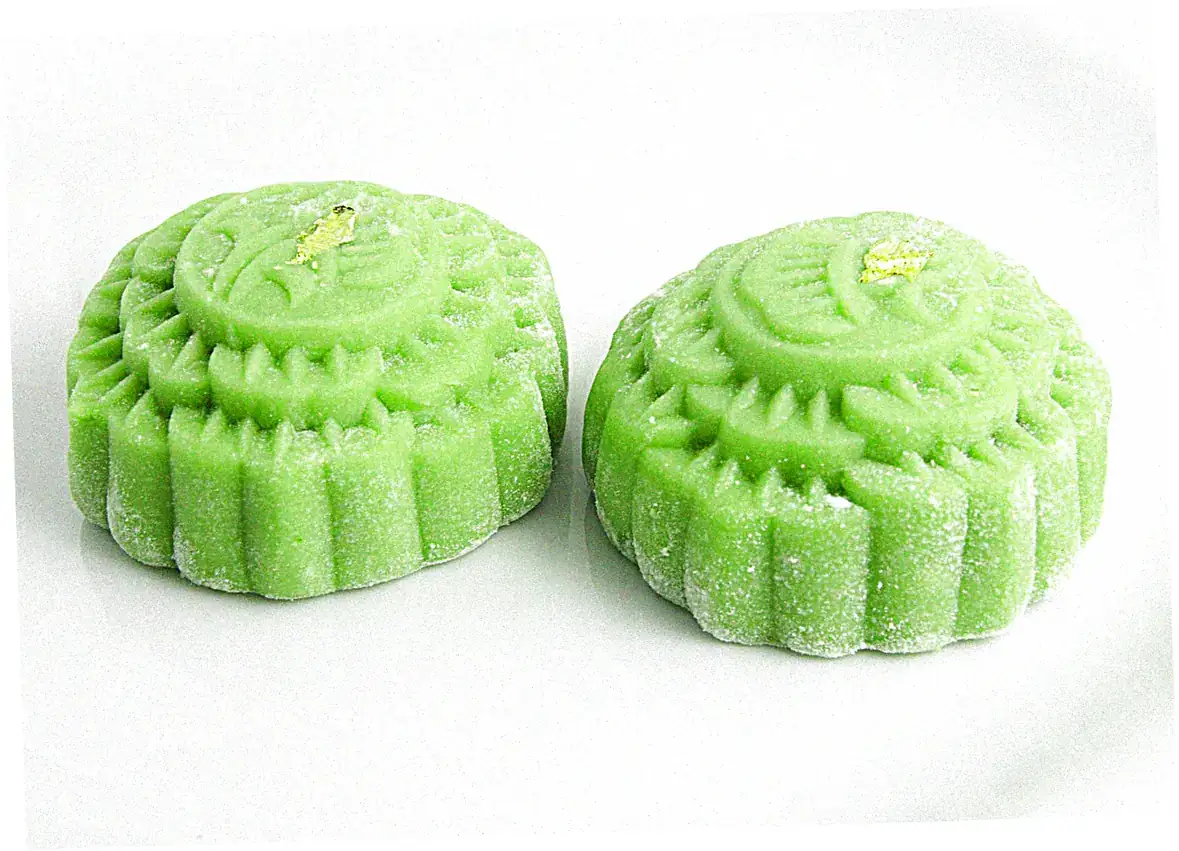
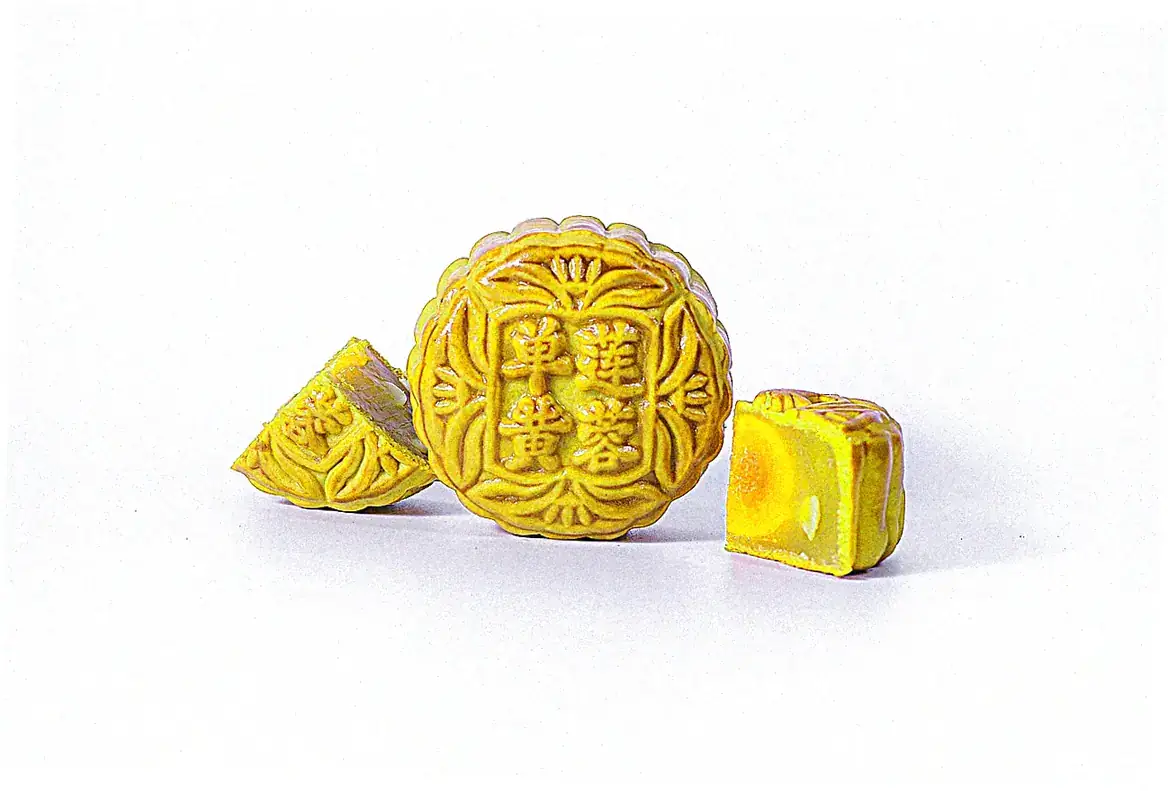
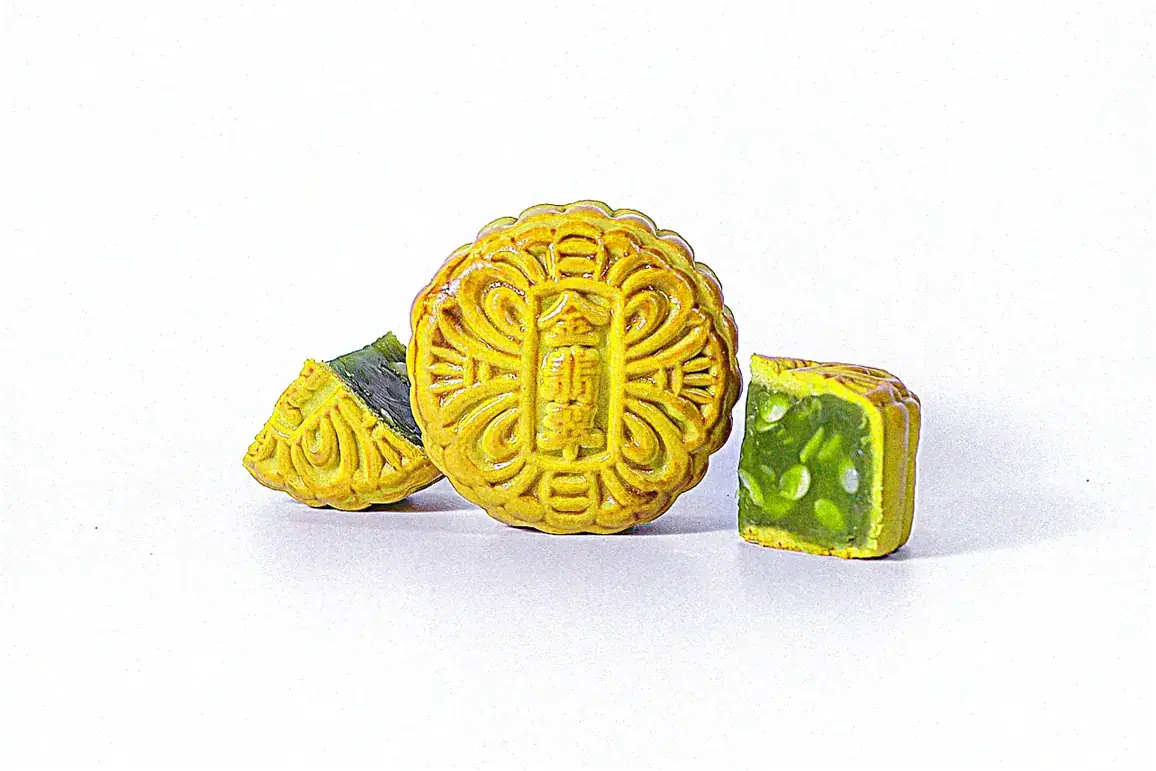
These imprints historically indicated the bakery’s name and filling type. Modern designs may feature zodiac signs or corporate logos—during the 2008 Olympics, official mooncakes bore the Games emblem.
How is the festival date determined each year?
It falls on the 15th day of the 8th lunar month (usually September). The 2024 celebration will be September 17th—this floating date ensures the fullest moon according to astronomical calculations.
What’s the proper way to cut and serve mooncakes?
Use a specialized mooncake cutter or warm knife to slice into wedges like a pie—symbolizing shared blessings. In formal settings, serve with Chinese tea in even-numbered portions, never leaving a single piece.
Are there any taboos during Mid-Autumn Festival?
Avoid breaking mooncakes (bad luck for relationships), wearing white (funeral color), or pointing at the moon (disrespectful to Chang’e). Superstitious families may also forbid whistling at night, believed to summon spirits.

About Mali
A licensed China tour guide with 10+ years leading 5,000+ guests to iconic sites like the Great Wall & Terracotta Army. Expert in seamless tours, cultural insights, and VIP access!