When the Mid-Autumn Festival comes around, I always think back to the Moon Festival bunny stories from my childhood. It’s this magical creature from East Asian folklore that’s really special. It’s not like the Easter Bunny that brings chocolate eggs. This moon bunny is always working under the moonlight, making the elixir of life. That stands for living long and giving up things for others. I got really into it when I saw these detailed rabbit mooncakes and lanterns at a Hong Kong festival. That made me want to learn more about where the moon bunny story started. Looking into it, I found out it’s not just a cute story. It actually connects old Buddhist stories, like the Jataka tales about sacrificing yourself, to how we celebrate today. The bunny’s tale shows values that people have loved for generations. So it’s more than a symbol—it’s a story that still inspires art, food, and family traditions when the autumn moon is out.
Table of Content
Mythological Origins and Historical Roots of the Lunar Hare
Ancient Legends and Cross-Cultural Stories
The Moon Festival bunny, also called the Jade Rabbit, first came from Chinese myths. It’s closely tied to the moon goddess Chang’e. Legend says this rabbit buddy jumped into a fire to feed a hidden god.
That selfless act won it eternal life and a spot on the moon. This echoes Buddhist stories from India. In those, a hare gives its body to a hungry monk. Both share that theme of putting others first.
Old records from the Tang Dynasty show these tales blended along the Silk Road. They traveled all the way from ancient India into China. I found out this mix of cultures really deepened the myth.
It turned the bunny into a common symbol for East Asian festivals. It’s kind of like how Dunhuang’s caves save these old tales with their art.
Evolution Through Dynasties and Literary References
Over hundreds of years, the Moon Festival bunny moved from spoken stories into books and art. Tang Dynasty poets, like Li Bai, wrote poems about the moon hare. They made its endless drug-pounding sound almost romantic.
By the Ming and Qing eras, the bunny was a key part of Mid-Autumn Festival. You’d see it in woodprints and on porcelain. I remember going to Beijing’s Palace Museum. I saw old stuff there showing the rabbit, which really shows how important it was.
Experts like Dr. Lan from the Chinese Folklore Society say this change reflects society’s values. The bunny went from a religious sign to a cultural emblem. This whole journey shows how the bunny’s look changed but kept its main idea: harmony and living forever.
Symbolism and Cultural Significance in Modern Celebrations
Representations of Longevity, Unity, and Harvest
The Moon Festival bunny has deep meaning. It stands for long life because it’s linked to a mythical life potion. This fits right in with the festival’s themes—bringing families together and celebrating good harvests.
These days, it also symbolizes unity. Families come together under the full moon, share stories, and eat rabbit-shaped mooncakes. My grandma taught me how this symbolism strengthens bonds between generations.
That’s why the bunny is like a beacon, keeping the culture alive. Plus, its connection to the harvest moon highlights abundance. It’s a lot like Buddhist food traditions, which also focus on being thankful.
This dual role—both spiritual and social—makes the lunar hare a key part of the celebrations. It reinforces values that people of all ages connect with.
Contemporary Interpretations in Global Contexts
Nowadays, the Moon Festival bunny has gone beyond its traditional roots. You can spot it in global pop culture—like anime and kids books. It adapts to different audiences but keeps its core meaning.
In multicultural spots like Singapore or San Francisco’s Chinatown, bunny-themed parades and workshops bring the symbol to new generations. They mix old myths with modern creativity. I went to one of these events myself.
It showed me how these new takes keep the culture alive and easy to get into. Scholars say that even though it sometimes gets commercialized, this globalization actually helps preserve cultural heritage.
But it’s super important to keep it authentic. We need to make sure the bunny’s story isn’t watered down. Instead, it should be celebrated as a bridge linking the past and the present.
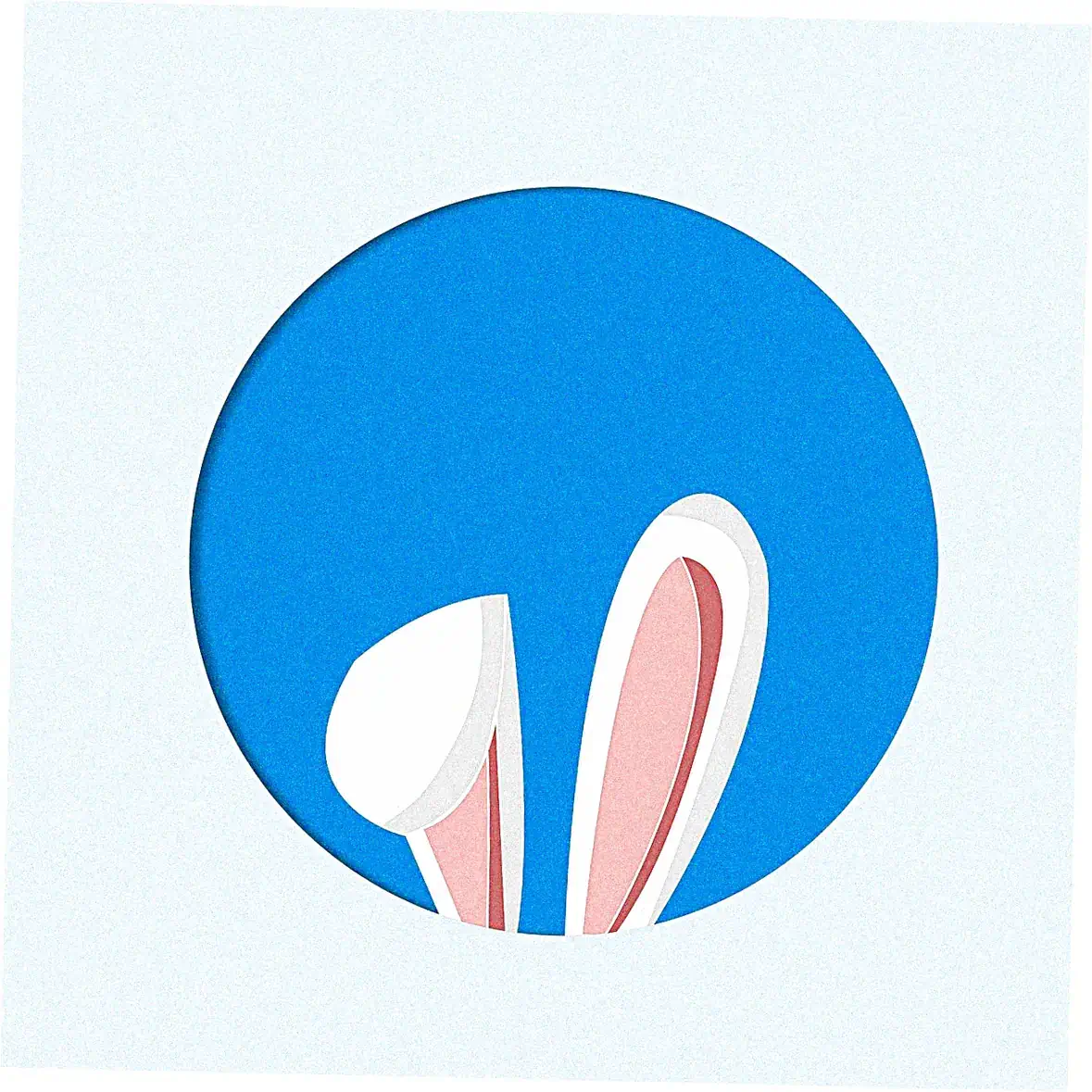
Artistic Depictions and Traditional Crafts
Rabbit-Shaped Mooncakes, Lanterns, and Folk Art
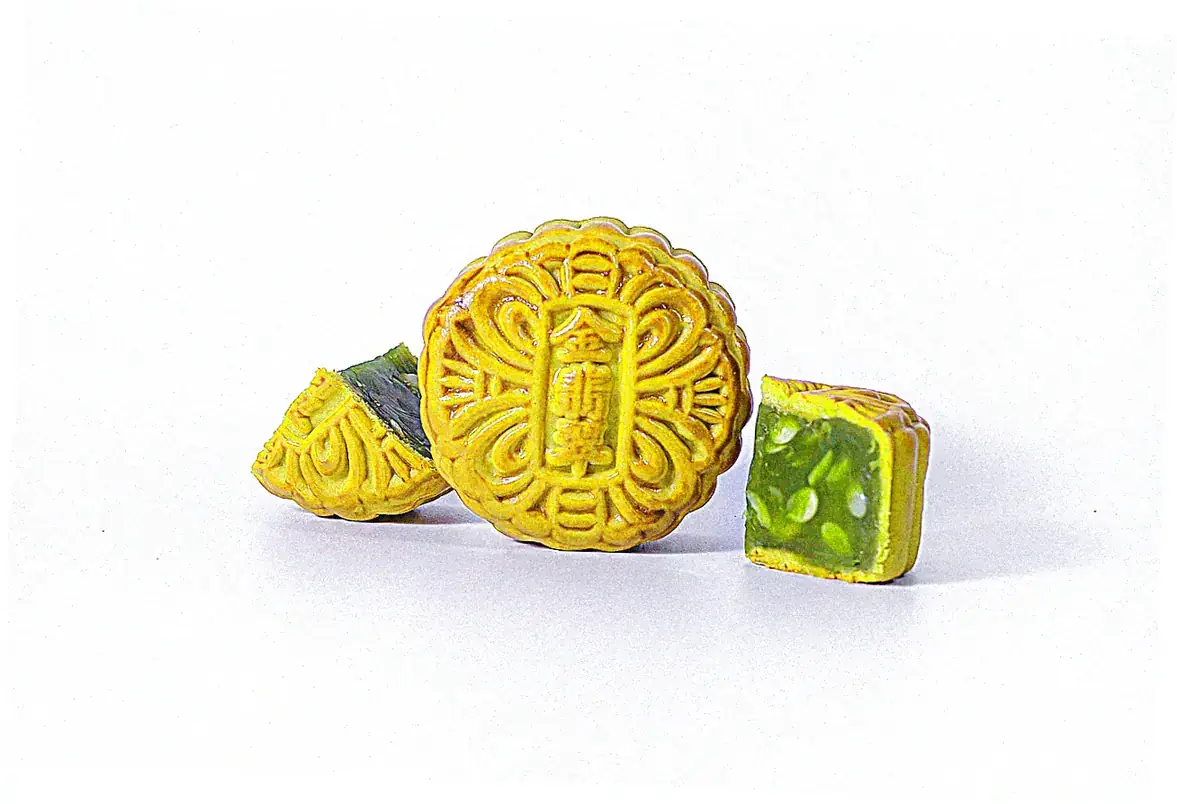
The Moon Festival bunny shows up in all sorts of creative ways. You can see it in rabbit-shaped mooncakes you can eat and in detailed lanterns that light up the night. When I traveled to Guangzhou, I tried some rabbit mooncakes.
Their sweet fillings are meant to represent the sweet things in life. Over in places like Fujian, local craftsmen make these beautiful hand-painted lanterns with the moon rabbit on them.
They often use skills that have been in their families for generations. These aren’t just decorations—they actually tell stories. For example, Dunhuang is well-known for the Mogao Caves.
Ancient murals there include the rabbit, connecting it to Buddhist art. Art historians say this kind of craftwork turns the bunny into something you can almost touch. It makes the festival more visual and sensory.
Influence on Painting, Sculpture, and Performance Arts
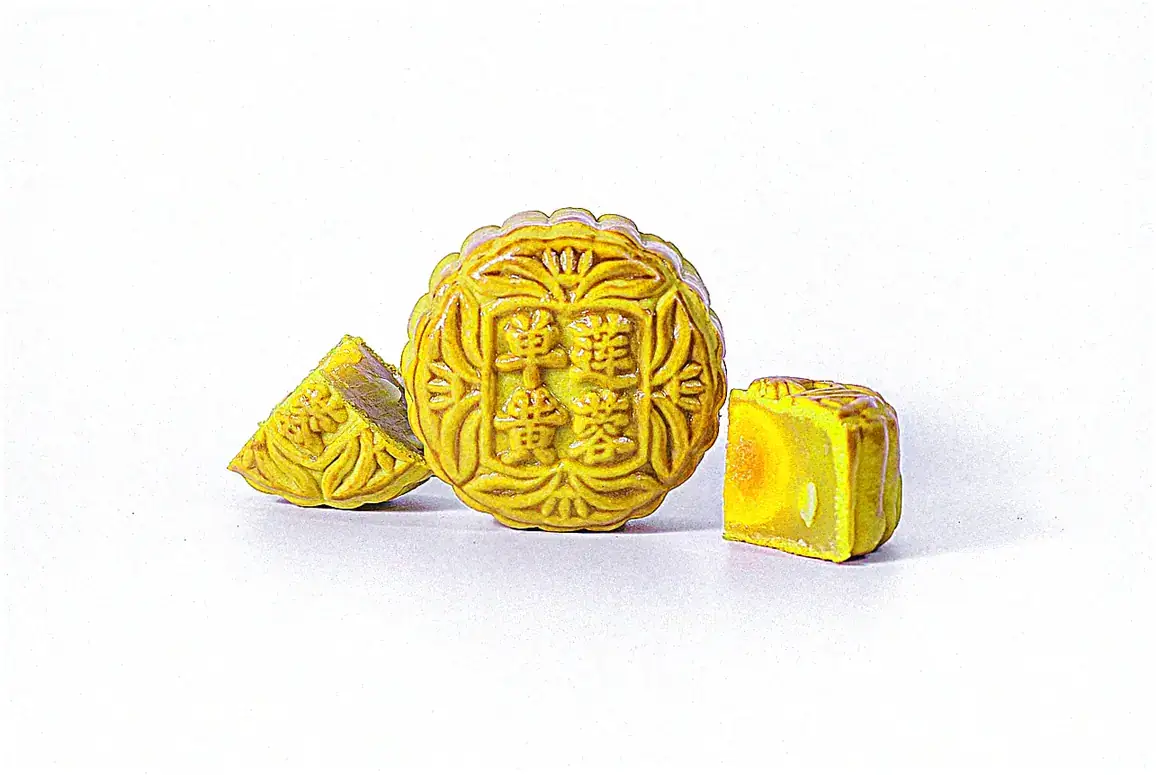
But it’s not just crafts. The Moon Festival bunny also inspires fine art like classical paintings and modern sculptures. You often see the rabbit next to Chang’e in old scrolls.
These days, artists are putting their own spin on it with public art installations. I went to an exhibit in Shanghai once. They had a digital art piece that brought the myth to life, mixing old traditions with new tech.
You also see the bunny in performances like puppet shows or dances. It’s a fun way to teach kids the old stories. Experts point out that showing the bunny this way helps keep cultural stories alive and meaningful.
But to make art that feels real, you gotta understand where the symbol comes from. I learned this the hard way when I tried designing a rabbit lantern myself. I found that being accurate shows more respect for the tradition than just copying something.
Regional Variations and Global Celebrations
Differences Across East Asian Cultures
The Moon Festival bunny is mostly Chinese, but you’ll find different versions all over East Asia, each with their own local twist. In Japan, they link the rabbit to Tsukimi.
Instead of mooncakes, they have rice dumplings, and the old stories say the bunny is up there on the moon, making mochi. Over in Korea, the Chuseok festival uses rabbit designs in their folk dances. It’s a way to show thanks.
I saw this for myself on a trip to Seoul. Even though each place has its own history, they all share the same ideas about harvest time and family. All this variety makes the whole myth richer worldwide.
It shows how one symbol can change to fit in but still keeps its main meaning. When you get these differences, you see why the bunny appeals to everyone. It uses shared stories to bring cultures together.
How Diaspora Communities Adapt the Tradition
For communities living abroad, the Moon Festival bunny gets a new look. It mixes with local customs to keep their heritage going. In places like London or Toronto, the festivals have bunny-themed stuff made just for younger, mixed crowds.
I went to one of these events. Kids made rabbit lanterns and learned the myth at the same time. It’s a great example of how changing things a bit helps include everyone. But it’s tricky to keep things real.
Like, if you use modern materials, it might take away from the original craft. So I learned you gotta balance new ideas with respect for where it all started.
By celebrating this way, these communities make sure the moon hare is a symbol that’s still alive today, not just some old thing from the past.
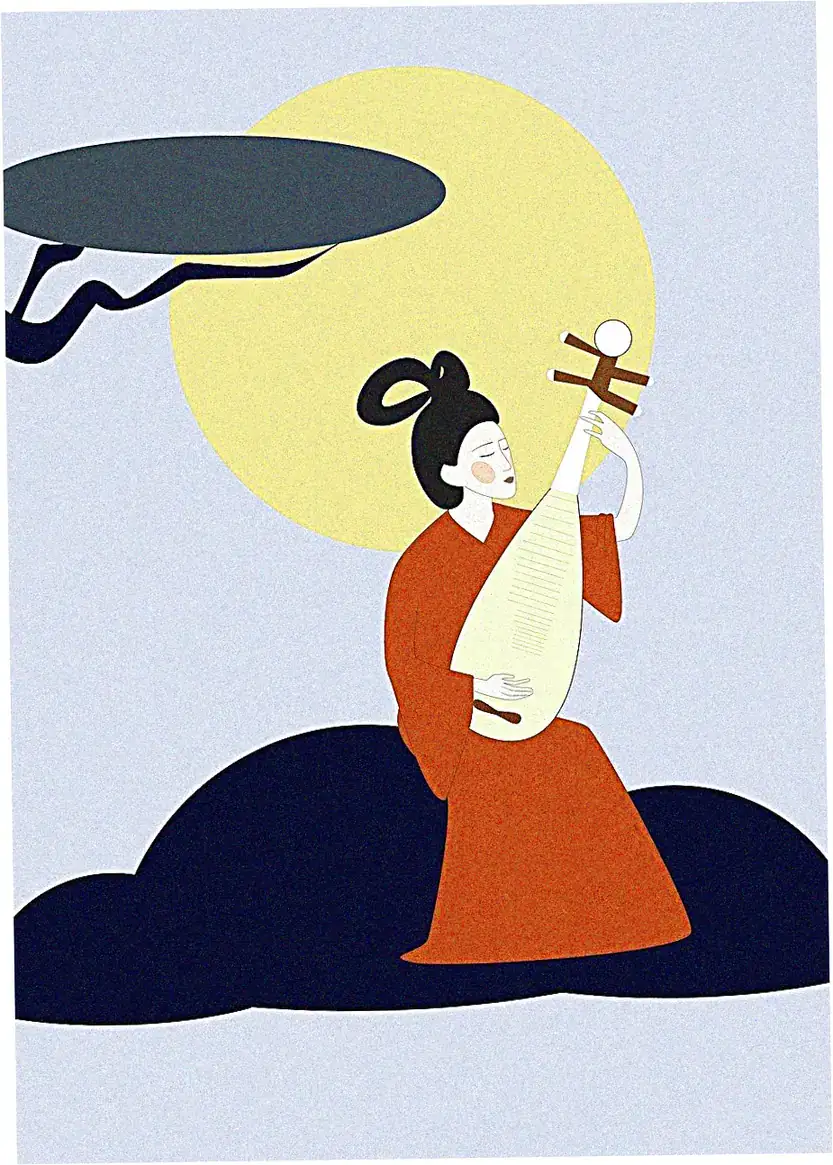
DIY Crafts and Family Activities
Step-by-Step Guide to Making Rabbit Lanterns
Making rabbit lanterns is a fun family activity for the Moon Festival. It sparks creativity and connects everyone to the culture. You’ll need some basic stuff to get started: colored paper, bamboo frames, and glue.
You can easily find these online or at any craft store. Just cut the paper into bunny shapes, put the frame together, and then decorate it with traditional designs. I made one with my niece.
Our first try was a bit lopsided, but we learned all about patience and working together. Oh, and safety first, folks! Use LED candles, not real ones, so there’s no fire risk. This DIY project is awesome.
It honors tradition, makes lasting memories, and brings the Moon Festival bunny to life for everyone.
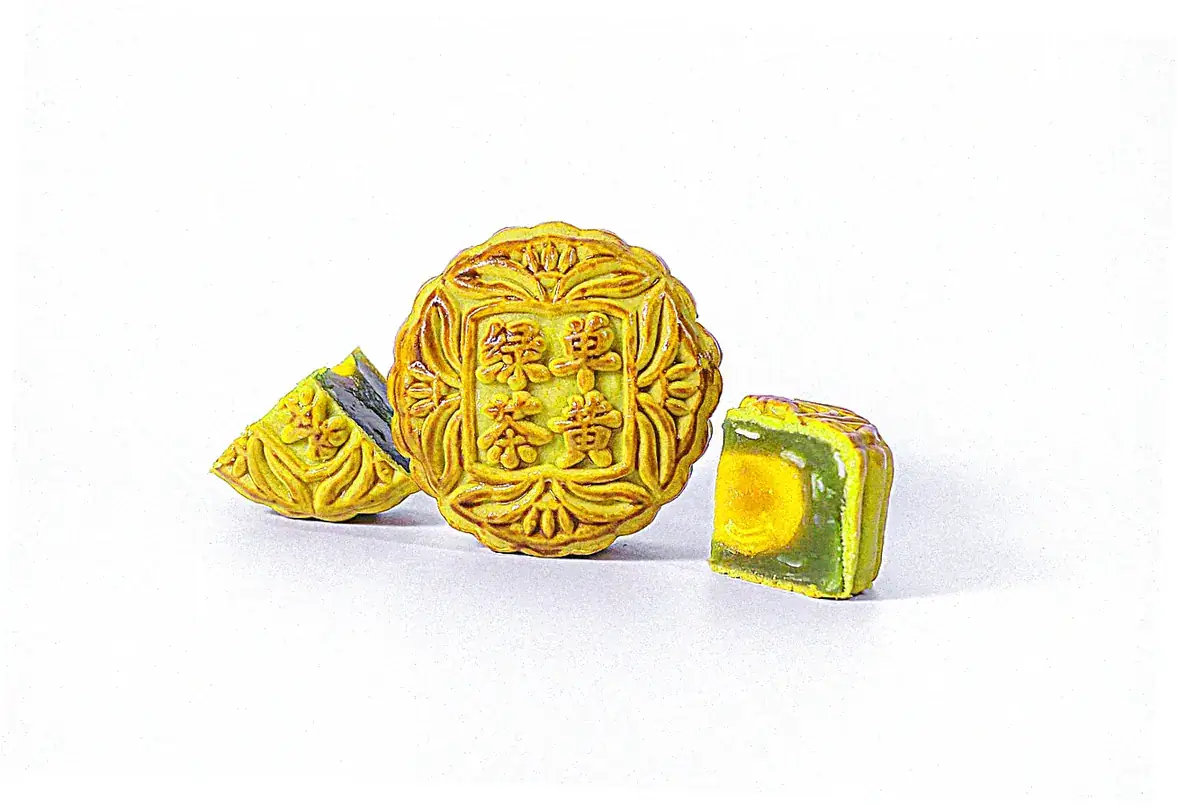
Recipes for Bunny-Themed Mooncakes and Treats
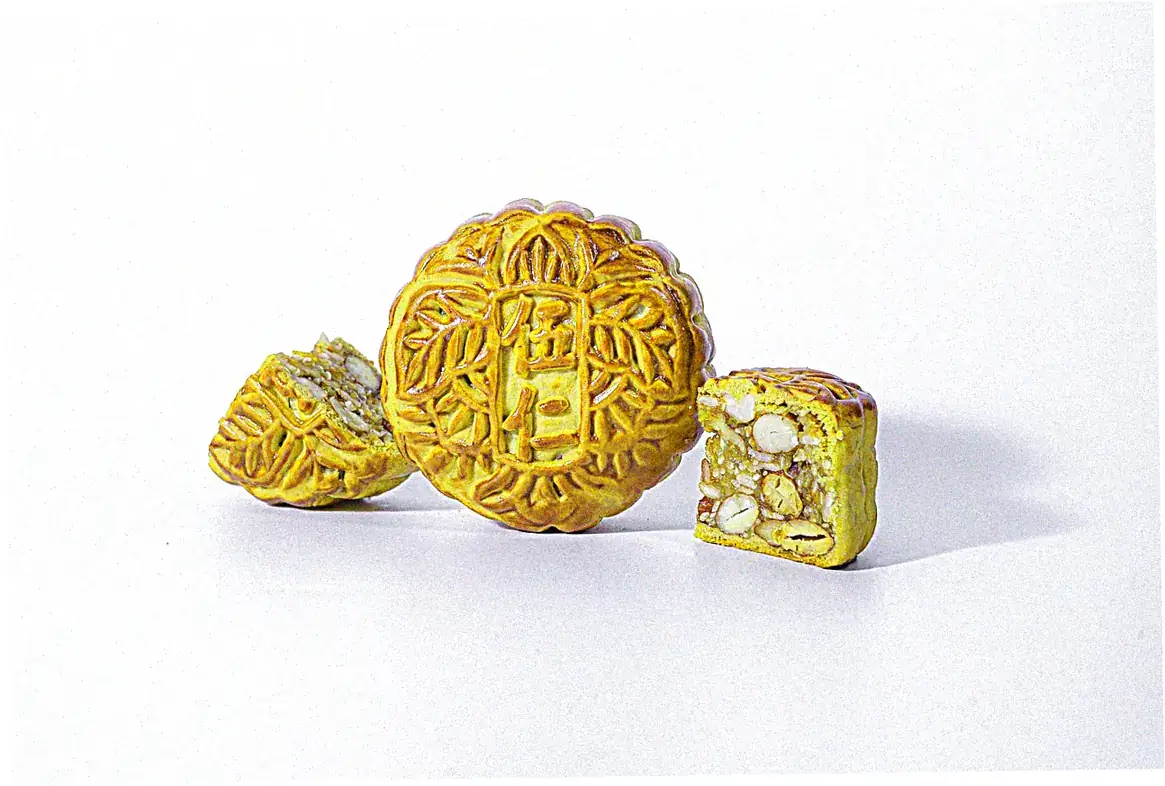
Baking bunny-shaped mooncakes is a yummy way to celebrate. Traditional ones have fillings like lotus seed paste or red bean, all wrapped up in a molded dough. Want something modern? Go for snow skin mooncakes with bunny designs.
Best part? No baking required! I tried a recipe from a blog once. I learned you gotta be precise with the mold to get that perfect bunny shape. Serve them with some Buddhist-inspired snacks, like veggie
dumplings, to highlight the festival’s spiritual side. Just make sure you get your recipes from reliable sources to keep things authentic. This food adventure is great. It’s not just tasty; it also helps you appreciate the cultural heritage behind the food.
Educational Resources and Deeper Learning
Recommended Books, Museums, and Online Sources
If you want to learn more about the Moon Festival bunny, there are tons of resources out there. You can find kids books like The Jade Rabbit that explain things simply, and museums like the National Museum of China in Beijing have real artifacts.
Online, check out sites like China Highlights for articles and videos. I learned from my research that checking a few sources helps avoid wrong info. Also, visiting pretty spots in China, like West Lake
during the festival, lets you learn by experiencing it. These tools help fans dig deeper and keep the bunny’s story accurate.
Incorporating the Myth into Learning for Children
You can teach kids about the Moon Festival bunny in fun ways with stories, crafts, and games. Start with picture books to tell the myth, then have them make lanterns.
I volunteered at a community center doing these activities, and saw how hands-on fun got kids curious. Add some history from what Dunhuang is famous for, like cave art stories, to give more background.
This way, kids learn and also feel empathy and cultural pride, with the bunny as a fun guide to traditions.
So, the Moon Festival bunny isn’t just a myth—it’s a real symbol of culture, togetherness, and creativity. From old stories to today’s crafts, it still inspires and connects people of all ages.
I say go for it—try making a rabbit lantern or telling the story to family and friends. That way, you help keep this lovely tradition going. Look into museums or online stuff, and let the lunar bunny join your party, making you appreciate this classic festival even more.
FAQ
So where does the Moon Festival bunny come from?
The Moon Festival bunny, also called the Jade Rabbit, comes from old Chinese myths and Buddhist stories. In these tales, a hare sacrifices itself and gets to live forever on the moon. It’s a symbol of long life and kindness.
How do people celebrate the Moon Festival bunny these days?
Nowadays, you’ll see rabbit-shaped mooncakes, lanterns, and families doing activities together. It mixes old traditions with new twists, not just in East Asia but in communities all over the world.
So what does the Moon Festival bunny stand for?
It stands for long life, togetherness, and good harvests. It’s all about being selfless and family getting together—core parts of the Mid-Autumn Festival.
Do other cultures have their own versions of the Moon Festival bunny?
Yep! In Japan, it’s linked to Tsukimi and making mochi. In Korea, Chuseok features rabbit designs in dances. Each place makes the symbol its own but keeps the main ideas.

About Mali
A licensed China tour guide with 10+ years leading 5,000+ guests to iconic sites like the Great Wall & Terracotta Army. Expert in seamless tours, cultural insights, and VIP access!