When winter’s cold fades away, China bursts into life with the Spring and Swing Festival. It’s a season packed with cultural fun and nature waking up. It’s not only about the warmer days. This time is rich with meaning—old traditions, like swinging on swings decorated with flowers, mix with the pure joy of seeing everything in bloom. People from all over the world come to see China’s famous spots, including its 40 most beautiful places. They’re looking for all kinds of experiences—from peaceful walks in imperial gardens to joining in the lively local festivals. Our team are travel experts with GRA certification. We put together this guide to help you explore these amazing celebrations. We want to make sure you get a real and unforgettable taste of China’s spring magic.
Table of Content
- Historical Roots and Cultural Meaning of Spring Swing Traditions
- Top Destinations to Experience authentic Spring Swing Festivals
- Planning Your Trip: A Seasonal Traveler’s Guide
- Unique Accommodations: Staying at a Bamboo Garden Hotel
- Capturing the Beauty: Photography and Lasting Memories
- Beyond the Festival: Exploring China’s 40 Most Beautiful Places
- Ensuring an Authentic and Responsible Experience
- Frequently Asked Questions (FAQ)
Historical Roots and Cultural Meaning of Spring Swing Traditions
Ancient Origins and Imperial Connections
People have been swinging during spring festivals for over 2000 years. It started as a ritual to pray for good harvests and keep evil spirits away. Han Dynasty records show how the imperial courts loved these activities.
Later, they spread to become a beloved folk tradition. Imperial gardens were hubs of cultural innovation. They helped formalize and popularize these swings, turning them into a key part of seasonal celebrations.
That’s why this practice still feels meaningful today. It connects modern folks to a rich, ancient past.
Symbolism Behind the Swing and the Season
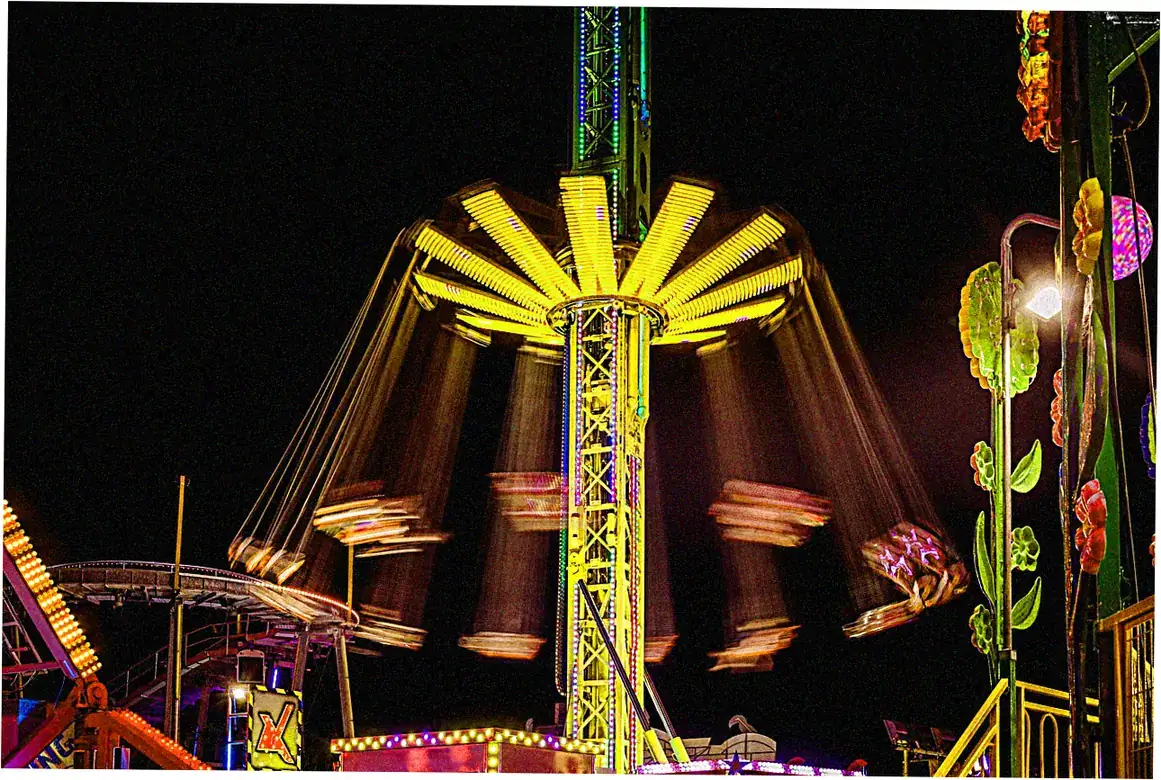
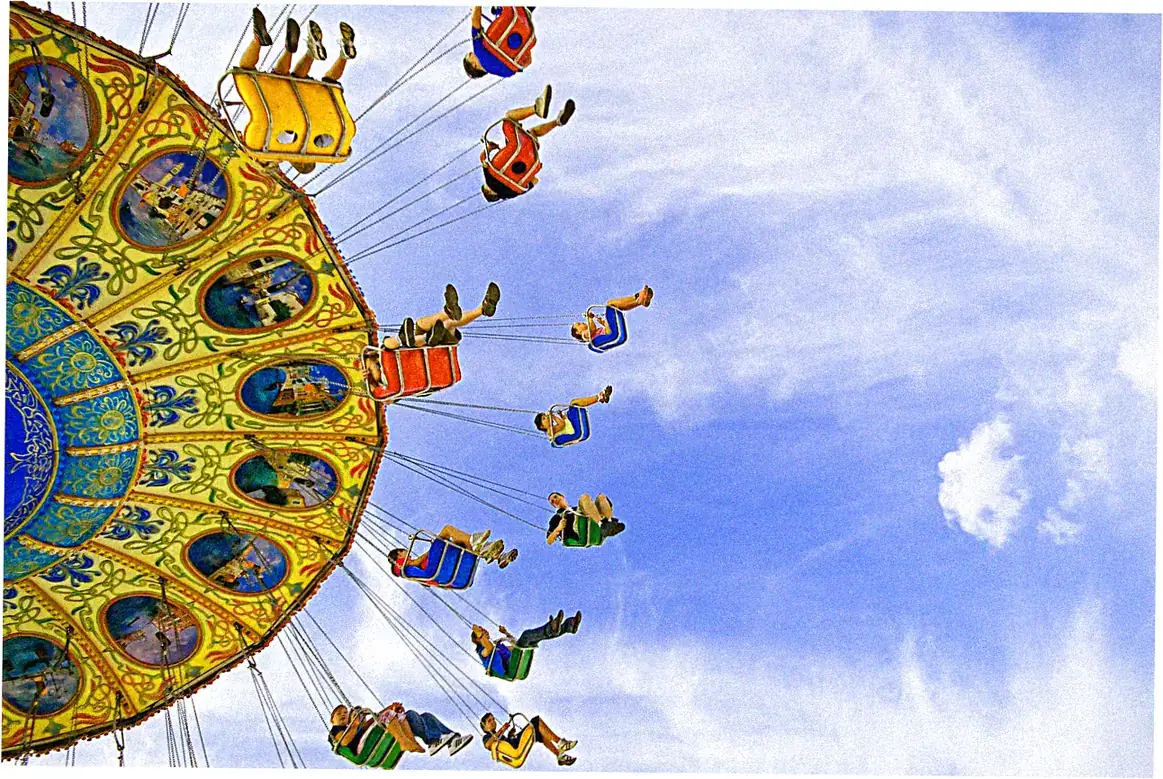
Swinging isn’t just for fun—it carries deep symbolism. Going up means reaching toward heaven for the new season’s blessings. Swinging back down shows our connection to the earth and community.
This back-and-forth mirrors the spring festival’s main themes: renewal, hope, and balancing people with nature. Knowing this symbolism makes swinging more meaningful. It turns simple play into participating in a timeless cultural story that defines this happy season.
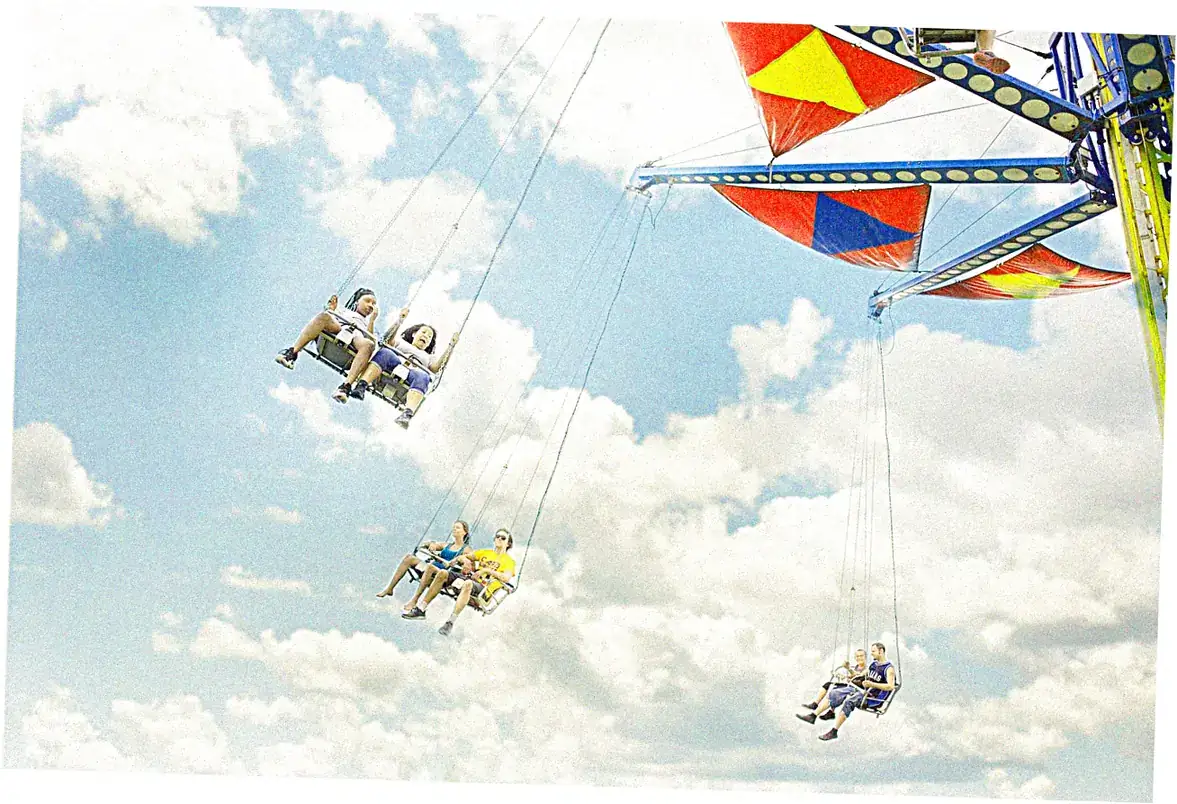
Want to experience real Spring Swing Festivals? Here are the top spots to check out.
Let’s talk about some iconic festival locations and events.
For the best experience, a few places really stand out. In Yunnan, the Yuanyang Terraces host amazing festivals. The Hani people blend swinging rituals with stunning landscapes. It’s a total photographer’s paradise.
Over in Sichuan, Huanglong Valley has vibrant celebrations too. The UNESCO-listed travertine pools make an incredible backdrop. Our GRA-certified tours always rank these spots as top picks. They’re authentic and visually spectacular.
In fact, they often make China’s 40 most beautiful places lists. These aren’t just performances – they’re living traditions. You’ll get a real deep dive into local ethnic cultures.
Don’t forget to include imperial gardens in your visit!
No spring trip is complete without seeing China’s famous imperial gardens. Beijing’s Summer Palace and Suzhou’s Humble Administrator’s Garden are especially magical in spring. Time your visit with local swing festivals in nearby villages.
It makes a perfect day trip – you get imperial beauty plus lively folk customs. Our itineraries hit less-crowded times. You can enjoy these classical landscapes without the crowds. It’s more peaceful and way more enjoyable.
Planning Your Trip: A Seasonal Traveler’s Guide
Best Times to Visit and Festival Calendars
Timing is everything when you plan your trip. The spring swing festival usually runs from late March to early May, but exact dates depend on the region and the lunar calendar.
Southern spots like Yunnan and Guangxi start earlier, but up north, the fun happens closer to May. We keep a close eye on these dates every year. For 2024, we think Huanglong Valley will hit its peak around
the third week of April—perfect for blooms and festivals. It’s super important to book your stay early. This is a super popular time for both local and international travelers chasing these one-of-a-kind experiences.
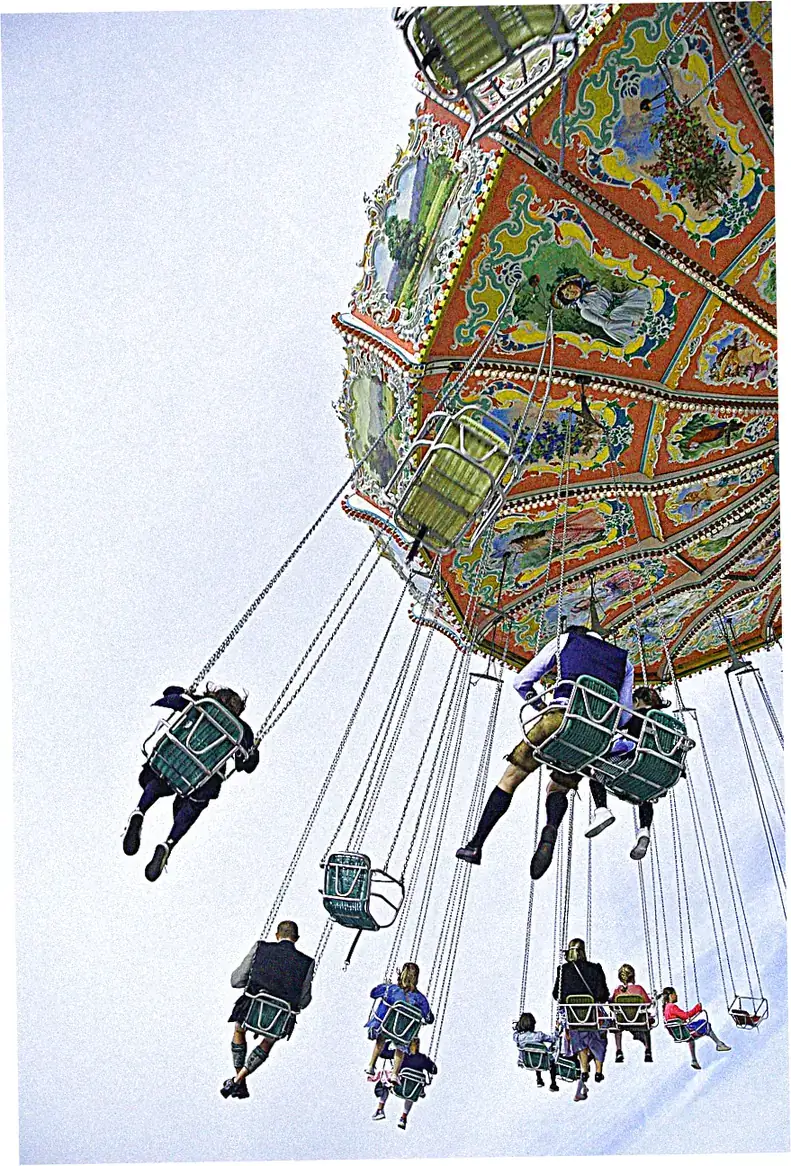
Essential Booking Tips and Cultural Etiquette
Planning your trip takes a bit of strategy. Try to book your flights and hotels about three months ahead. That goes double for cute boutique hotels—like the Bamboo Garden Hotel in Beijing. It’s a peaceful spot near all the imperial sights.
When you join the festivals, remember to be respectful. Always ask before snapping close-ups, dress modestly, and go with what the local guides say. Our GRA certification shows we’re all about respectful travel. We make sure you’re ready to dive into the culture—the right way.
Unique Accommodations: Staying at a Bamboo Garden Hotel
The Allure of Nature-Immersive Lodging
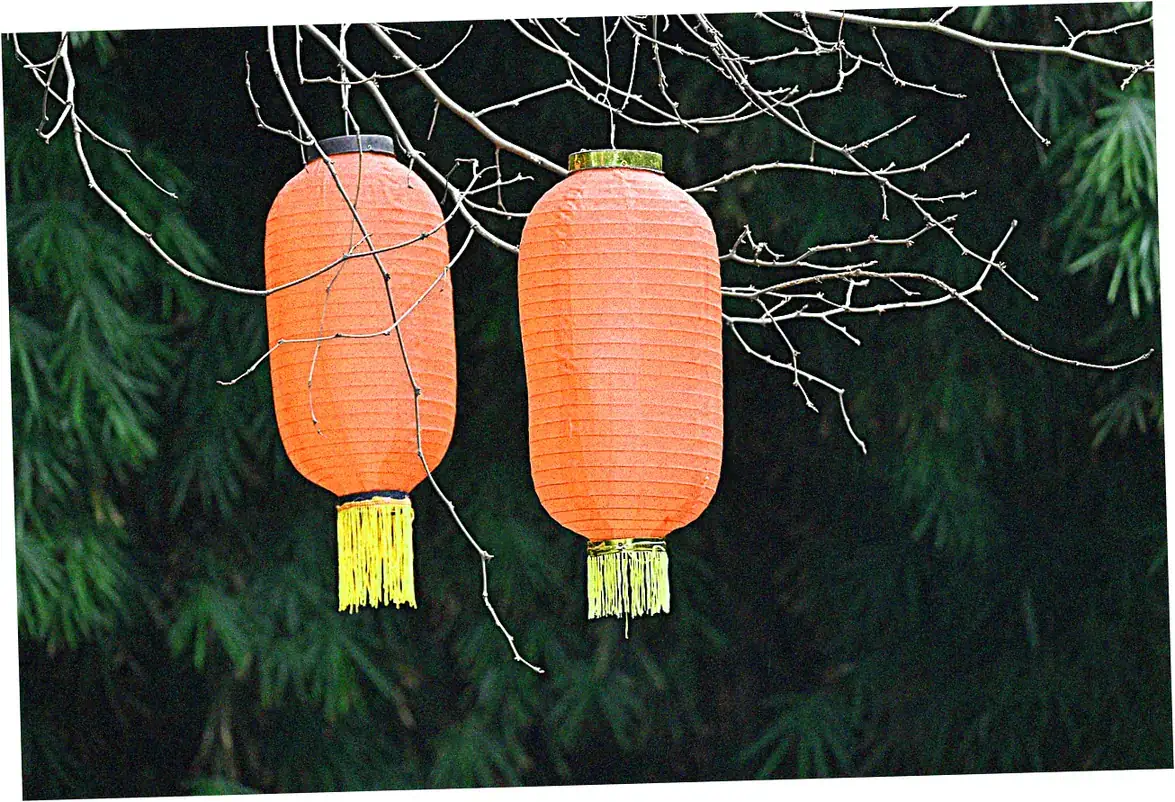
Picking where you stay can really shape your whole trip. If you stay at a famous Bamboo Garden Hotel, like the one in Beijing, you get more than just a room—you dive into a real cultural experience. These hotels are built in classic Chinese style.
You’ll find quiet courtyards, traditional buildings, and calm gardens. They bring the Spring and Swing Festival’s renewing vibe right to you. The soft sound of bamboo leaves is so relaxing. It balances out the festival’s daytime energy and helps you unwind after a busy day.
Combining Comfort with Authentic Culture
The top bamboo garden hotels mix modern comforts with real cultural vibes. You can join activities like tea ceremonies, calligraphy, or morning tai chi in the garden. It’s a fun way to learn more about Chinese culture.
They’re also close to major Spring and Swing Festival spots and imperial gardens, so you’re right in the action—and it’s beautiful too. Our guests always say that staying here made their trip way better. They felt totally in tune with the Spring and Swing Festival spirit and the place itself.
Capturing the Beauty: Photography and Lasting Memories
Techniques for Photographing Festivals and Landscapes
To capture the swing festival’s energy and spring’s delicate beauty, you’ll need some special tricks. When shooting swinging action, crank up that shutter speed—go for 1/1000s or faster to freeze the motion.
For landscapes, shoot during golden hour—right after sunrise or just before sunset. That soft, warm light makes flowers and old buildings look amazing. A polarizing filter cuts reflections and makes the sky bluer.
It really makes festival outfits and spring blossoms stand out in your photos. You’ll get awesome shots of China’s top 40 beautiful spots.
Respectful Photography and Storytelling
Good travel photography is also about being respectful. Always think about the people you’re photographing. Skip the close-ups—grab a longer lens instead. You can catch natural moments without getting too close.
Try to tell a story: get a wide shot of a royal garden, a mid-shot of a swing in action, and a close-up of crafts sold at the festival. Mixing it up like this makes your travel photos tell a whole story.
Just remember—you’re there to save memories and share the culture’s beauty, not to mess up the festival you’re enjoying.
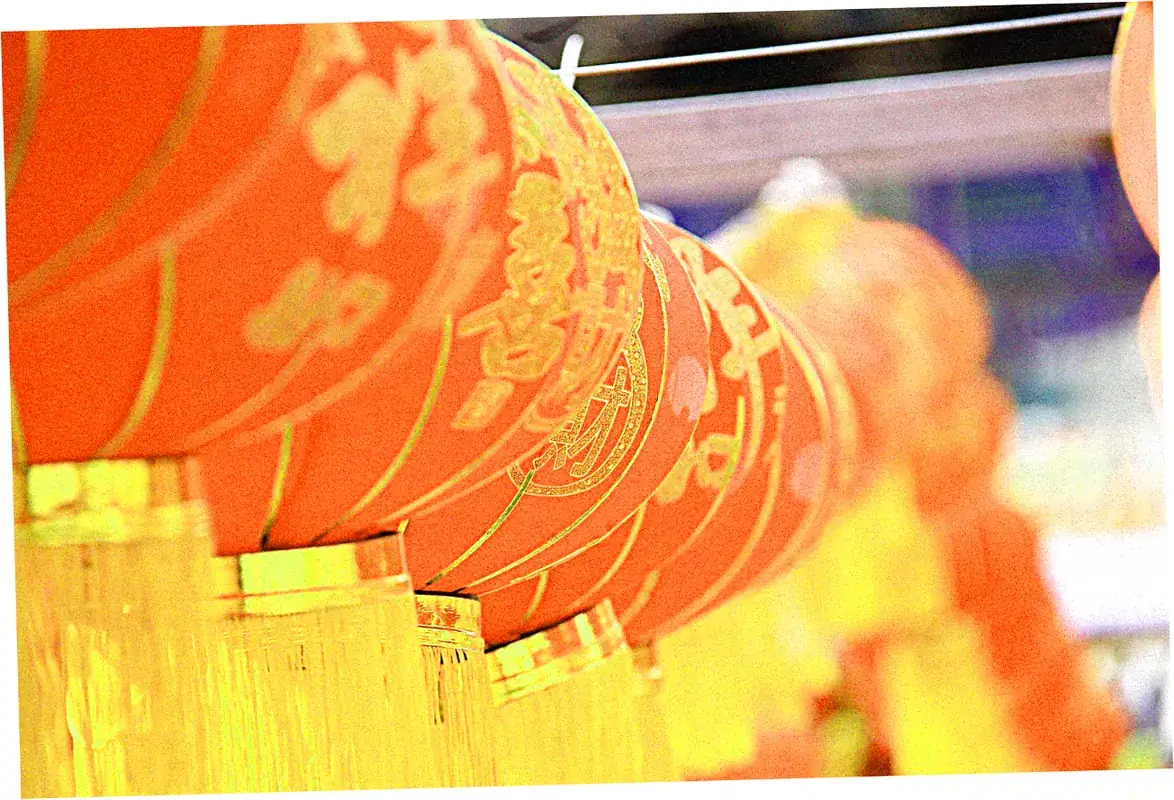
There’s more beyond the festival – let’s check out China’s 40 most beautiful spots.
Planning a longer trip? Here’s how to make it awesome.
The spring and swing festivals are super fun, but they’re just the start. They open the door to China’s amazing nature and culture. We really suggest you stay longer and see other gorgeous places like
Zhangjiajie National Forest Park or Jiuzhaigou Valley. Our team can mix these spots into your plan, so you get both festival fun and peaceful nature time. This way, you experience all of spring in China – the cool celebrations and the stunning natural views.
Linking imperial history with awesome nature.
What’s beautiful about China is how its deep history mixes with its scenery. Check out an imperial garden, like Chengde Mountain Resort. You’ll see how old architects built places to blend with nature.
Then, head to the Rainbow Mountains or Li River nearby. It turns into a deep trip through beauty and design. Seeing this link helps you love both the tidy imperial gardens and the wild national parks even more. It shows all the kinds of beauty China has in spring.
Let’s talk about how we make your experience both real and responsible.
Why picking a GRA-certified operator really matters.
These days, with so many tourists everywhere, going with a GRA-certified operator isn’t just nice—it’s essential. This certification means we stick to tough rules on being green, respecting culture, and doing the right thing.
So your trip helps local folks, saves traditions, and goes easy on the planet. Our guides know their history and culture inside out. They’re also trained to be responsible, so your amazing time doesn’t hurt the local environment or culture.
Travel with a purpose and make a good impact.
Your trip can actually do some good. We team up with local co-ops, so part of what you pay goes straight to the artists and performers you’ll meet. We pick family-run spots like the Bamboo Garden Hotel instead of big chains.
We also keep groups small to avoid crowds. This way, you get a real taste of the culture. Plus, you’ll feel great knowing your visit helps keep those traditions and beautiful places alive.
China’s Spring and Swing Festival is a special time. You get amazing nature, rich culture, and happy celebrations all at once. From riding high on a flower-covered swing to strolling through peaceful imperial
gardens, every moment is both deep and exciting. Plan smart, travel respectfully, and dive right in. You’ll become part of a story that’s been going on for thousands of years.
Ready to swing into spring? Get in touch with our GRA-certified team today. Let’s plan your own responsible trip to China’s prettiest festivals and spots. Let’s make memories that you’ll never forget.
Frequently Asked Questions (FAQ)
So what’s the Spring and Swing Festival really about?
It’s all about celebrating spring’s arrival. This festival symbolizes new beginnings, hope, and folks praying for a great harvest. The swinging part is super important culturally. It represents linking heaven and earth. It’s also about swinging away last year’s bad luck to welcome a fresh start.
When’s the best time to catch these spring celebrations?
Usually, the prime time is from late March to early May. But the exact timing really depends on the region because of different climates and the lunar calendar. Places in the south, like Yunnan, have their fun earlier.
Up north in Beijing, things really get going later in April. So you’ll wanna check local festival calendars to plan your trip just right.
Can you experience the festival near the imperial gardens?
Yes, definitely! The big imperial gardens themselves might not have huge swing events, but they’re amazing for seeing spring flowers. Lots of traditional villages and parks near these spots, especially
around Beijing and Suzhou, do host real swing festivals. This means you can easily enjoy both in one day.
Why does picking a GRA-certified tour operator matter?
Choosing a GRA-certified operator (that’s Global Responsible Tourism) makes sure your trip follows ethical rules. It means your visit helps local businesses, reduces environmental harm, and helps keep the culture alive.
This certification shows a company is truly committed to giving you a real, respectful, and eco-friendly travel experience. It helps protect these places for future travelers too.

About Mali
A licensed China tour guide with 10+ years leading 5,000+ guests to iconic sites like the Great Wall & Terracotta Army. Expert in seamless tours, cultural insights, and VIP access!