Planning a big family trip to Beijing with kids and grandparents? You’re definitely not the only ones! When our whole family went to Beijing, we discovered something great – it’s perfect for families because you get amazing ancient sights mixed with all the modern comforts you need. I’ll never forget how my kids eyes got huge when they saw the Great Wall winding through the mountains, and how we all laughed together while making our own Peking duck pancakes. This guide covers everything you need to know – from which spots are stroller-friendly to how to handle cultural differences when you’ve got both teenagers and grandparents along. We’ll help you plan your days so you get a good mix – educational stops like the Forbidden City plus just plain fun time at Olympic Park. Whether you need restaurants that work for toddlers or tips to skip the crowds at the Summer Palace, we’ve got practical advice from our own experience.
Table of Content
- Essential Beijing Family Vacation Planning Strategies
- Top Child-Friendly Beijing Attractions and Activities
- Family-Friendly Dining and Food Experiences
- Practical Navigation and Transportation Tips
- Accommodation Selection for Multigenerational Groups
- Balancing Education and Entertainment in Itinerary Planning
- Budget Management and Money-Saving Strategies
- Frequently Asked Beijing Family Travel Questions
Essential Beijing Family Vacation Planning Strategies
Best Times for Multigenerational Travel
Spring and autumn are perfect for family trips to Beijing. April to May and September to October have great weather. It’s ideal for exploring with kids and grandparents. We went during October’s golden week.
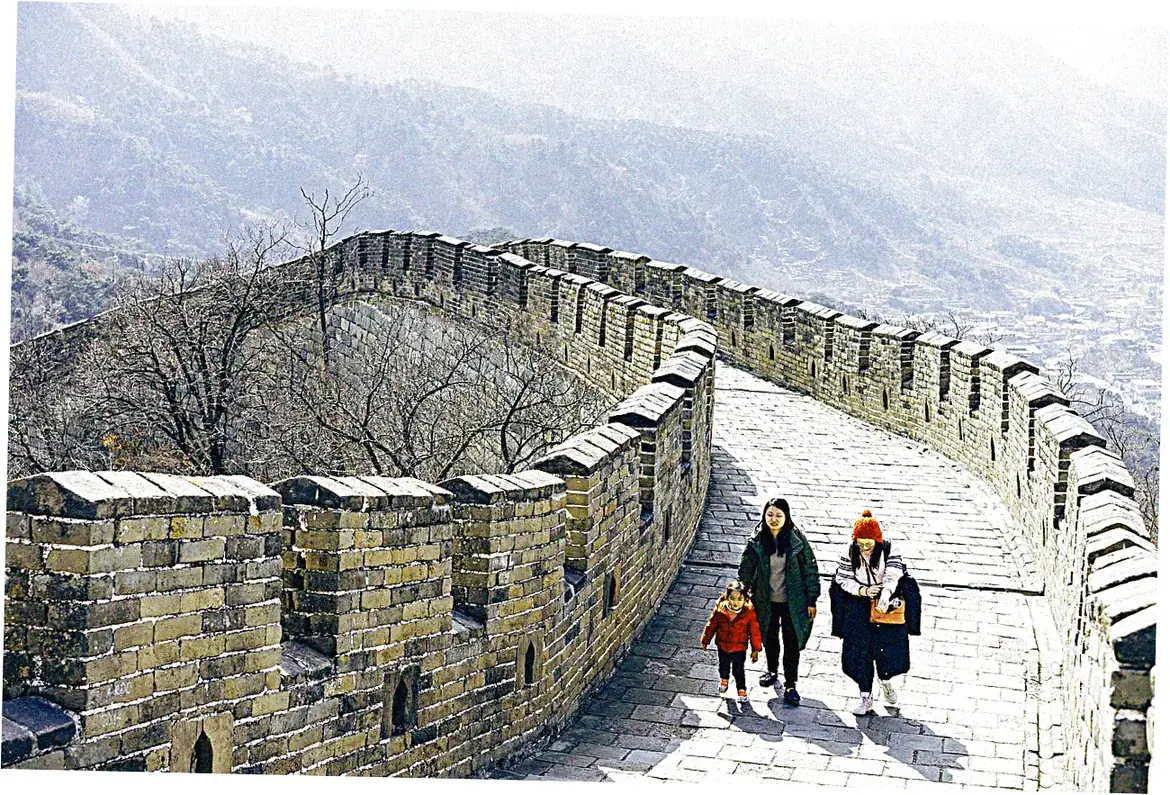
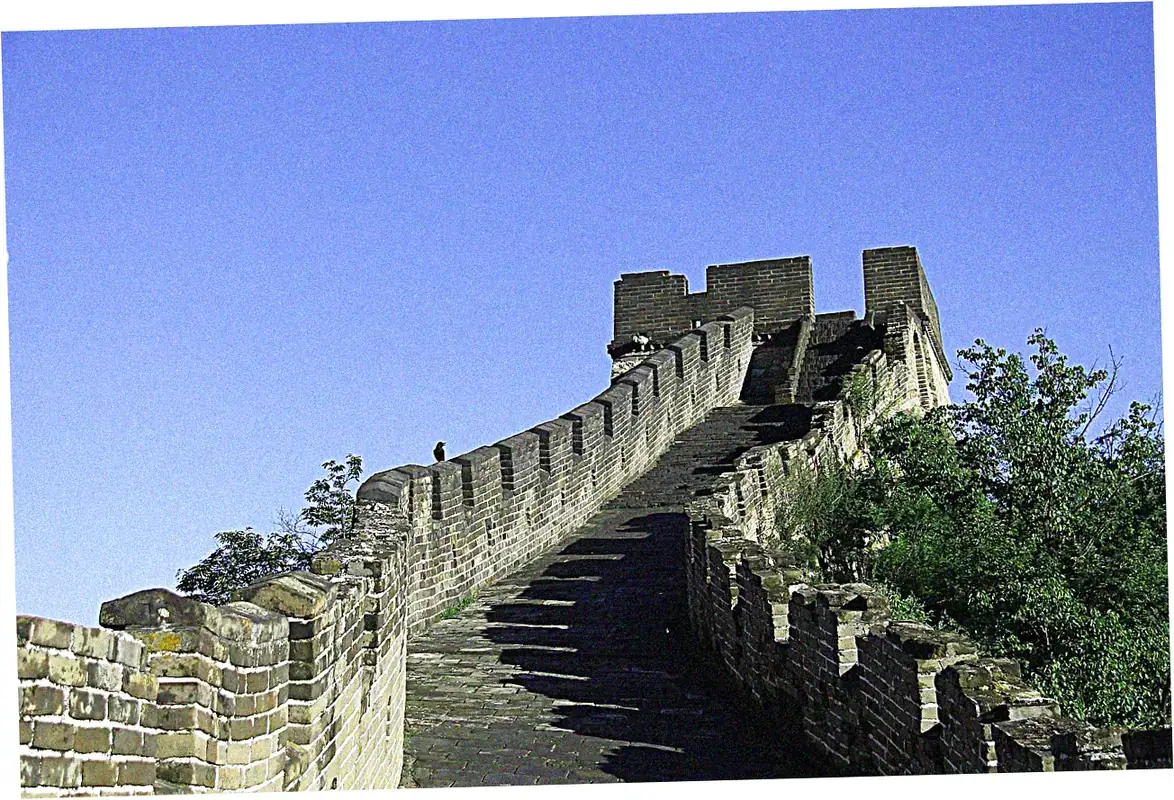
The air was crisp and perfect for hiking. We tackled the gentler parts of the Great Wall at Mutianyu. Summer gets really hot and crowded. Winter has fewer visitors, but you’ll need to bundle up. It gets freezing cold.
Try the shoulder seasons for smaller crowds. The temperatures are pleasant. Everyone stays comfortable even on long sightseeing days.
Book your flights and hotels 3-4 months early. You’ll get better rates and secure family-friendly hotels. We saved almost 30% by booking early. We got interconnected rooms at the Fairmont Beijing with their early bird deal.
Flying midweek is often cheaper than weekends. Use mileage points to upgrade to business class. It’s more affordable and comfy for long flights with kids.
Always check if your hotel has family amenities. Look for cribs, kid’s clubs, or pools. They’re great for unwinding after a busy day of exploring.
Cultural Preparation With Children
Introduce your kids to Chinese customs before you go. It turns them from just watching to really joining in. We practiced basic Mandarin at night. Phrases like xiè xie (thank you) and nǐ hǎo (hello). The local vendors loved it.
Talk about temple visit etiquette and how to behave at historical sites. It preps young travelers for cultural differences. Our kids loved learning about Chinese zodiac animals. They practiced chopstick skills at home with cotton balls.
Pack smart to cut stress. Bring comfy walking shoes, layered clothes for changing temps, and familiar snacks for picky eaters. We brought small gifts like Canadian pins. They were great for friendly chats with guides and locals.
Don’t forget power adapters for charging. Pack a basic first-aid kit with motion sickness meds. The mountain roads to the Great Wall are winding. Download offline maps and translation apps. Internet can be spotty at remote parts of the Ming Dynasty tombs.
Top Child-Friendly Beijing Attractions and Activities
Historical Sites That Engage Kids
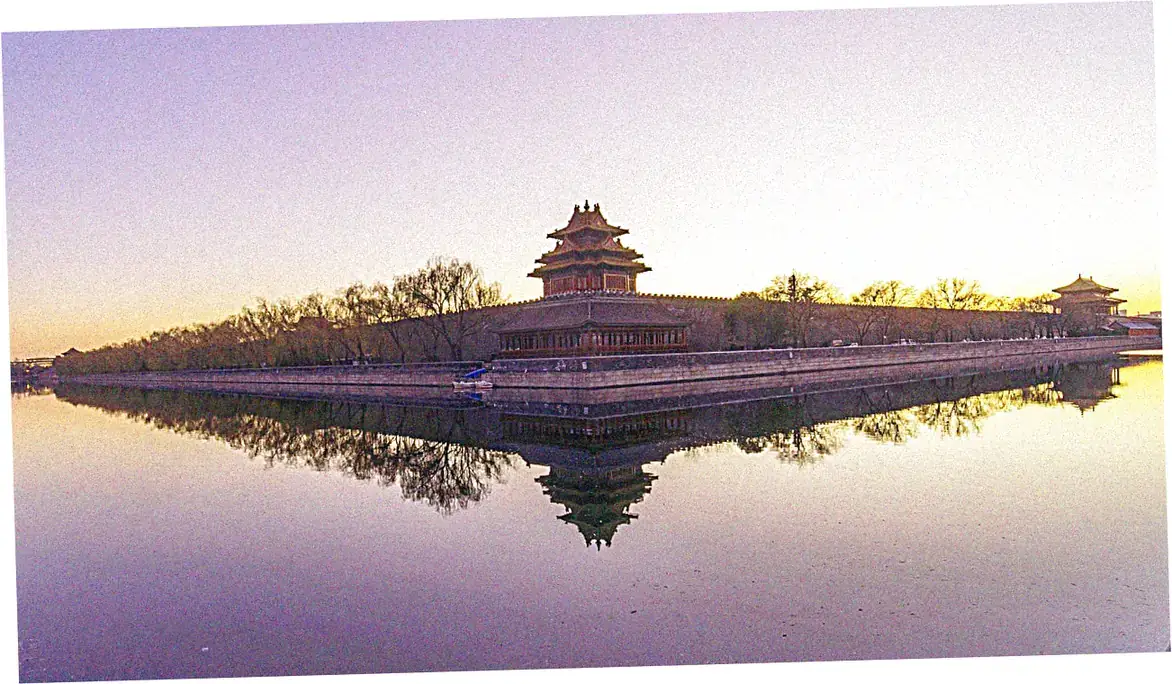
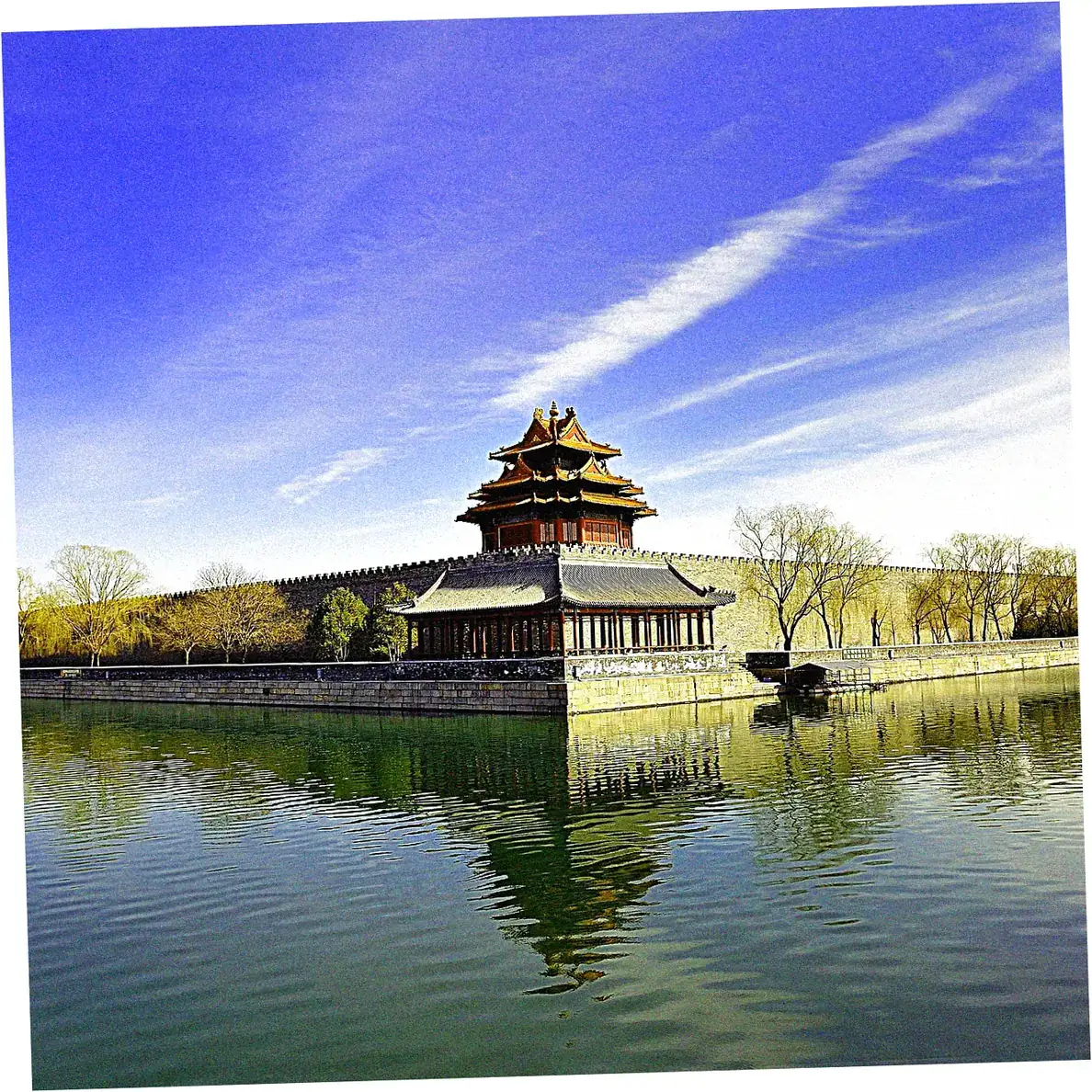
The Forbidden City is huge and might be too much for little kids, so we made it fun by having them count stone lions and look for dragon designs. We got a guide who’s great with families, and he told awesome
stories about emperors and their concubines that kept the kids interested for ages. Right next door, Jingshan Park is perfect for a climb—you get amazing views of the palace, and there’s lots of room for the kids to run around and burn off steam.
At the Temple of Heaven, the gardens are huge and great for the kids to play in while you check out the beautiful buildings.
Mutianyu is the best part of the Great Wall for families because it has cable cars and a fun toboggan ride down, so everyone can join in no matter their fitness level.
Our older parents took the cable car up, the teens tackled the steep bits, and we all met up at the watchtowers for some awesome family pics. Skip Badaling—it’s usually packed—unless you go when it’s not busy.
You could pair the Wall with a trip to the Ming Tombs for a history-filled day, but little kids might get tired, so splitting it over two days is a good idea.

Modern Entertainment and Educational Venues
Olympic Park has great green areas for family picnics with cool buildings like the Bird’s Nest and Water Cube in the background. The Water Cube has water slides and pools now, which are perfect for cooling off in the summer.
We spent half a day here letting the kids run around after all the history stuff. Nearby, the Science and Technology Museum has hands-on exhibits about space and old Chinese inventions that kids love.
The pandas at Beijing Zoo are a hit with kids, but go early to catch them when they’re awake and moving around. At the Summer Palace, you can go boating and see some history—we rented a dragon boat
for the grandparents, and the teens checked out the marble boat copy. If it rains, the Capital Museum has cool workshops for kids where they can try pottery and calligraphy.
Make sure to check out Beijing’s hutongs and see how they stack up against Shanghai’s old neighborhoods—a private guide can show you the best spots.
Family-Friendly Dining and Food Experiences
Introducing Chinese Cuisine to Young Palates
Beijing’s food scene isn’t just about adventurous eating. We started with kid-friendly favorites like fried rice and sweet and sour pork. Then we slowly introduced Peking duck – the carving show really grabs kids attention.
Our kids loved the duck pancakes right away. They had fun making their own wraps. Lots of places have kids menus with milder local dishes. Picky eaters can find familiar comfort foods too.
Wangfujing Snack Street is great for street food adventures. They have wild stuff like scorpion skewers and candied fruits. But we played it safe with steamed buns and bubble tea. We took a family cooking class to learn dumpling making.
It became a special memory – our kids still make those dumplings at home. Chengdu dumplings are usually spicy, but Beijing ones have milder fillings. Kids like the cabbage and pork ones better.
Dietary Considerations and Food Safety
Food allergies need some planning. We brought translated cards about our daughter’s nut allergy. Restaurants took it very seriously. Choose busy restaurants with high turnover – they have fresher ingredients.
Skip raw foods if you have sensitive stomachs. Always use bottled water in Beijing, even for brushing teeth. Most hotel breakfasts have both Western and Chinese options. It’s a familiar start before a day of sightseeing.
Vegetarian families should try Buddhist restaurants near temples. Just say sù shí clearly to avoid hidden meat stocks. Traditional Chinese cooking doesn’t use much dairy. So lactose-intolerant folks might find more options here than back home.
Food safety has gotten much better, but we still used hand sanitizer. We skipped raw veggies from street stalls. When you need a break from local food, hit malls like Sanlitun. Their food courts have lots of international choices.
Practical Navigation and Transportation Tips
Getting Around With Strollers and Groups
Beijing’s subway is actually great for families, and you’ll find elevators at most big stations now. But rush hour gets really packed, which can be tough with little kids.
We found it easier to use taxis or Didi when moving around with all our baby stuff. Just book a bigger car – regular cabs often can’t handle strollers and a whole family. Always keep your hotel’s card with the Chinese address to show drivers so you get back safely.
Walking between spots like Tiananmen Square and the Forbidden City is fine with older kids, but younger ones need smarter transport options. We took pedal rickshaws through the hutongs – it was a fun way to get around and experience the culture.
For trips to the Great Wall or Ming Tombs, hiring a driver helps with bathroom stops and kids who need naps. Always agree on the price first for unmetered rides, and have your destination written in Chinese to avoid confusion.
Managing Crowds and Queues With Children
Big sights use timed entry, so book tickets online ahead of time to skip those long lines that kids hate. We got combo passes that let us see several places with just one purchase.
Getting there right when they open means fewer crowds – we had the Temple of Heaven’s inner altar almost to ourselves that first hour. Places usually quiet down mid-afternoon when tour groups leave.
Tell your kids about the crowds beforehand and pick a spot to meet if anyone gets lost. We all wore bright matching colors – made it easy to spot each other in crowded places like the Summer Palace.
Lots of places have special family lanes at security – just look for signs or ask someone. Think about getting a guide for big spots like the Forbidden City – they know quieter routes and tell fun stories that keep kids entertained while skipping the longest lines.
Accommodation Selection for Multigenerational Groups
Choosing the Right Neighborhood and Hotel Type
If you pick a place to stay in Dongcheng or Xicheng, your family can walk to lots of famous historical spots. Plus, you’ll have great access to buses and subways. We loved staying near Houhai Lake.
In the evenings, we’d take relaxing walks around the water—it was such a nice way to unwind together after a busy day of sightseeing. Big international hotel chains usually have bigger rooms and dependable amenities.
Lots of them have pools, which are perfect for keeping everyone entertained during downtime. Apartment-style hotels with small kitchens are super handy. You can make simple meals the kids recognize and keep snacks on hand.
Interconnecting rooms are great—they give everyone some privacy but keep the family connected. At the Fairmont, we really liked how the doors between rooms could stay partly open.
That way, the adults could chill out but still keep an eye on the kids. Look for hotels with club lounges that include free breakfast and evening snacks. It makes figuring out meals for a big family way easier.
Traditional courtyard hotels give you a real cultural experience, but they often don’t have elevators. That can be tough if you’ve got a stroller or someone with mobility issues.
Always double-check what kind of beds they have. Mattresses in China are usually firmer than what many Western families are used to.
Special Needs and Comfort Considerations
If you let the hotel know what you need ahead of time, checking in will go a lot smoother. We asked for cribs, extra bedding, and a fridge for meds—the hotel concierge took care of everything without a hitch.
If anyone in your family has allergies, ask about hypoallergenic rooms and air purifiers. More hotels in Beijing offer these, especially when the air quality isn’t great. The grandparents really liked when the hotel had a spa. It helped them relax their sore muscles after all that walking.
When you’re traveling with little kids, location is more important than fancy extras. Being able to go back to the hotel for nap time in the middle of the day is a lifesaver. We made sure to choose hotels with pools.
That way, the kids could have fun in the afternoon without us having to travel anywhere else. Lots of hotels work with trusted babysitting agencies. That means parents can get out in the evening to check out night markets or see a show.
Always look up recent reviews from other families. Hotels change hands and update their amenities all the time.
Balancing Education and Entertainment in Itinerary Planning
Creating Engaging Learning Experiences
You can turn historical spots into fun classrooms. Just add scavenger hunts – like hunting for cool building details or counting animal statues. At the Summer Palace, we made simple bingo cards with things to find.
It turned a boring walk into a fun adventure for the whole family. Lots of museums have audio guides made just for kids. They tell stories about history that keep children interested.
The Palace Museum runs family workshops where you can learn traditional crafts like paper cutting. Our kids loved doing these activities – they remembered way more than just looking at exhibits.
Mix serious cultural days with fun stuff. After hiking the Great Wall, we caught an acrobatic show at Chaoyang Theater. Everyone from kids to grandparents was amazed by the incredible moves.
Taking cooking classes is great – you learn cooking skills and also get to know about local ingredients and traditions. We didn’t make it to the Mogao Grottoes, but we did similar things. At the Lama Temple, we talked about Buddhist art and compared it with books showing Silk Road cave paintings.
Adapting Pace to Different Age Groups
When traveling with both kids and grandparents, you’ve gotta be flexible with your schedule. We made sure to schedule rest times every day. Usually we’d head back to the hotel for an afternoon break before going out again in the evening.
The teens loved having some freedom to check out shopping spots like Nanluoguxiang on their own, while the grandparents preferred relaxing tea ceremonies.
We stuck to one main attraction per day with some smaller activities. This kept everyone from getting tired out like what happens with packed schedules.
Always have backup plans ready for bad weather or surprise closings. When heavy rain ruined our hutong tour plans, we just switched to the National Museum instead since it’s indoors.
Keeping a list of indoor activities saves the day when weather messes up your original plans. Know what each family member can handle. Our five-year-old had way more fun flying a kite in Olympic Park than
trying to see every palace in the Forbidden City. Remember – the point is making memories together, not racing through every single tourist spot.
Budget Management and Money-Saving Strategies
Smart Spending Without Sacrificing Experience
For family trips, Beijing gives you way more value than other big capital cities around the world. Grab those combo tickets that bundle several attractions together—we saved around 20% on entry fees just by picking the right passes.
Lots of museums let kids in for free if they’re under a certain height, but bring their passports just in case for age check. Eat where the locals eat—not the tourist spots—and you’ll cut down your food bill big time without losing out on taste.
Public transport saves you a lot compared to taxis on longer trips, but with tired kids, ride-sharing can be worth the extra money for the convenience.
We splurged on a private guide for big sights like the Forbidden City—it made the day better by skipping lines and getting personal stories. Try to find hotel deals that include breakfast and rides to
attractions—they usually give you more bang for your buck than booking everything separately. If you travel during shoulder season, you’ll get cheaper flights and hotels, plus the weather is nicer for exploring.
Allocating Resources for Maximum Enjoyment
Figure out what your family cares about most before you budget—we went for cool experiences rather than fancy hotels. We went all out on a private van for the Great Wall trip—having that flexibility was totally worth it.
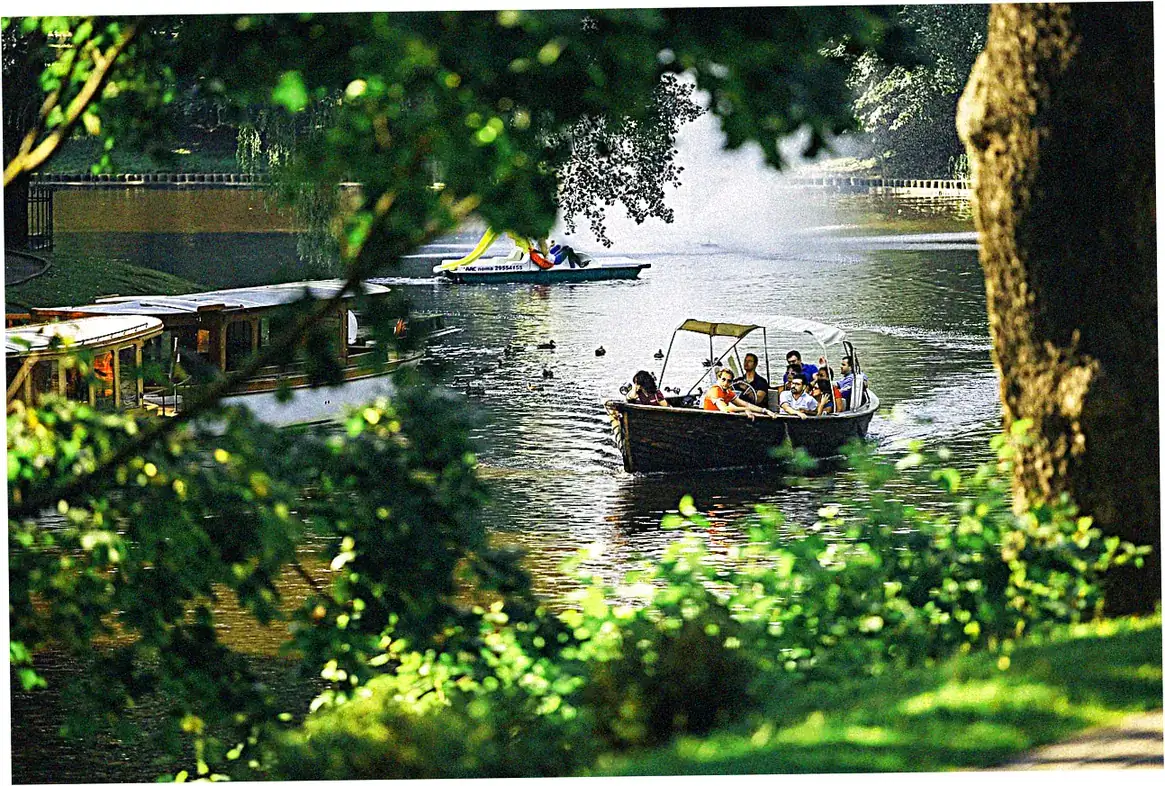
We had a blast trying street food without spending much, and we bought souvenirs at wholesale markets instead of pricey gift shops. Lots of parks have fun cheap stuff like paddle boats—kids love it and it won’t break the bank.
Think about hiring a photographer for a couple hours at spots like the Summer Palace—those pro photos turned into our favorite keepsakes. You can also do free stuff like watching people fly kites at
the Temple of Heaven or checking out the 798 Art District. We put more of our money into cultural experiences—like calligraphy lessons—instead of buying a bunch of stuff.
Sometimes it’s okay to pay a bit more for convenience—like taking an airport shuttle instead of hauling bags on the metro—so you save energy for the fun stuff.
To make unforgettable family memories in Beijing, you gotta mix history with comfort, and learning with plain old fun. We learned that being flexible beats sticking to a strict plan—some of our best times
came from spur-of-the-moment stuff like joining a tai chi group or following yummy smells to a hidden food stall. Beijing mixes old traditions with new cool stuff—there’s something for everyone, and it brings the whole family closer together.
Start planning your trip now—pick your family’s can’t-miss spots, but leave room for those magic unexpected moments between plans.
Frequently Asked Beijing Family Travel Questions
What’s the ideal duration for a first family trip to Beijing?
For most families, 5 to 7 days in Beijing works great. You’ll see all the main sights without getting too tired. That gives you enough time for the Great Wall, the Forbidden City, the Summer Palace, the
Temple of Heaven, plus some modern spots, and you can still fit in breaks. We did six full days ourselves and felt it was perfect—we got a real taste of Beijing without having to hurry.
How stroller-friendly are Beijing’s attractions?
Newer places like Olympic Park are super stroller-friendly. But older spots like the Forbidden City can be tricky—lots of stairs and bumpy paths. We brought both a light umbrella stroller and a baby carrier. The carrier was a lifesaver on the Great Wall and at the ancient temples.
Are there vaccination requirements for children visiting Beijing?
No extra shots are needed besides the usual ones, but it’s always smart to check with your doctor before you travel. We made sure our vaccines were up to date and had the paperwork with us, but no one
ever asked to see it. Watching what you eat and drink is way more important than any special vaccines.
What’s the best strategy for managing jet lag with kids?
If you slowly shift sleep times before you leave, it helps with jet lag later. On day one, we took it easy—just visited a park, drank lots of water, and got some sun to help our bodies adjust. Kids usually handle the time change way faster than you’d think.

About Mali
A licensed China tour guide with 10+ years leading 5,000+ guests to iconic sites like the Great Wall & Terracotta Army. Expert in seamless tours, cultural insights, and VIP access!