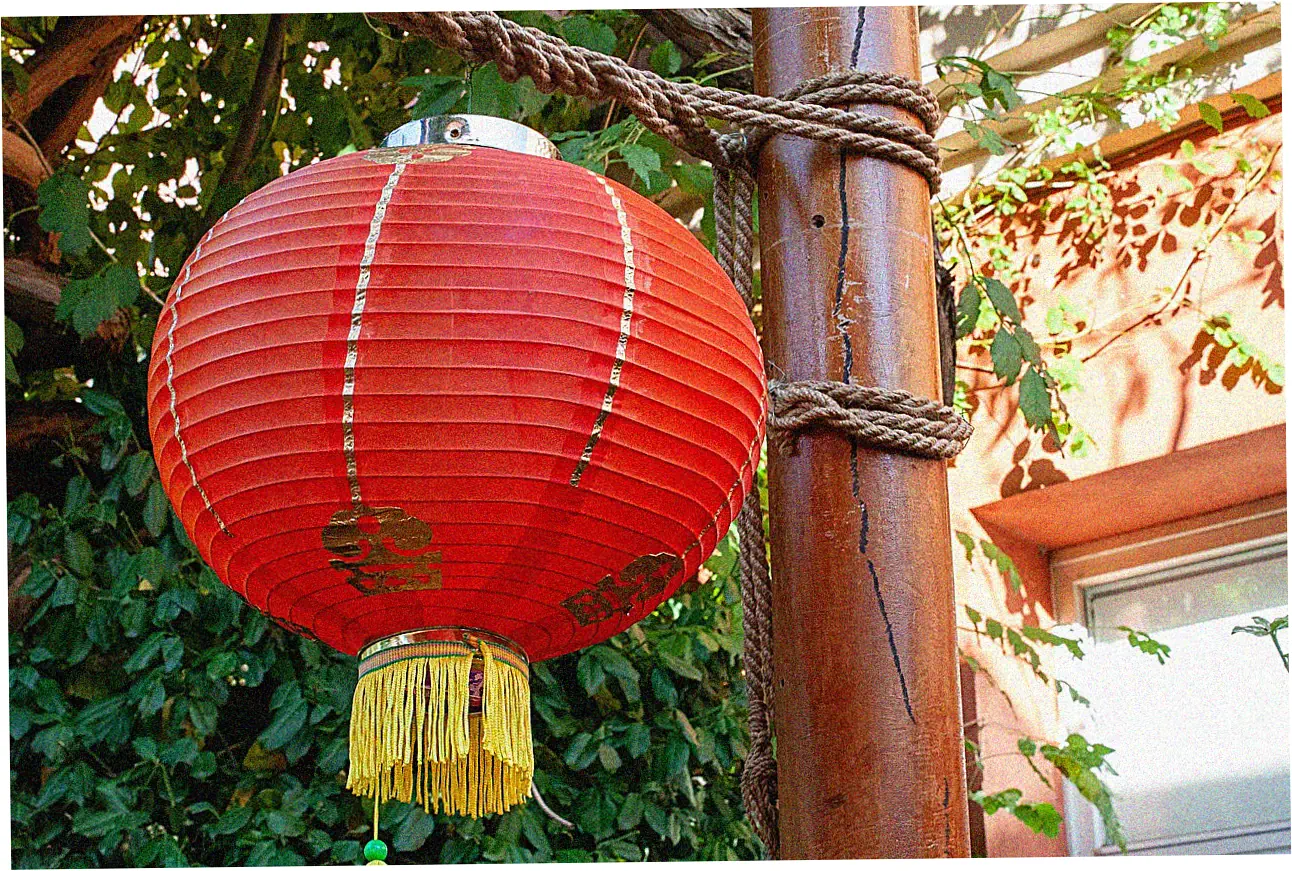
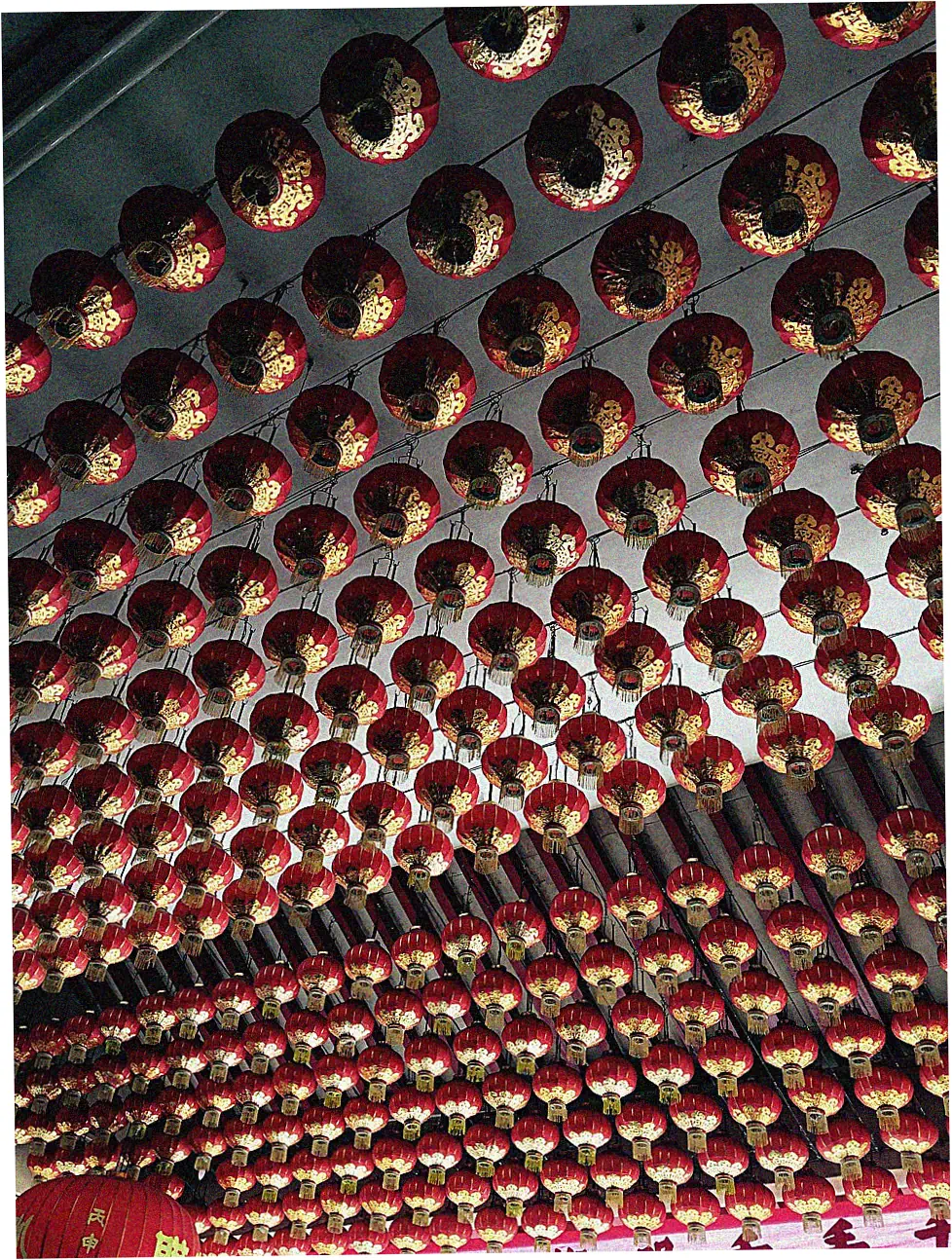
Tucked away in the northeast corner of Beijing’s Forbidden City, you’ll find the Palace of Tranquil Longevity – folks also call it Qianlong Garden. It’s a perfect example of how fancy and well-built imperial places could be. Built when Emperor Qianlong was in charge, this huge 46,000-square-meter place still wows visitors today. The amazing craftwork and its important history really draw people in.
Table of Content
- Architectural wonders inside Qianlong Garden complex
- Historical significance of Palace of Tranquil Longevity
- Best time to visit Qianlong Garden palace
- Conservation challenges facing Qianlong Palace structures
- Symbolism hidden in Palace of Tranquil Longevity designs
- Comparing Qianlong Garden to other Forbidden City sections
- Palace of Tranquil Longevity virtual tour options
- Emperor Qianlong’s daily life in retirement palace
- Rare artifacts preserved in Qianlong Garden today
- Palace of Tranquil Longevity photography guidelines
- Nearby attractions complementing Qianlong Garden visit
- Future plans for Palace of Tranquil Longevity access
Everything here tells China’s cultural story – from the massive cypress trees in the yards to the incredible Qing Dynasty furniture inside. Each piece has its own tale. Whether you’re visiting or just learning about Chinese history, this palace gives you a cool peek at how emperors lived back in the 1700s.
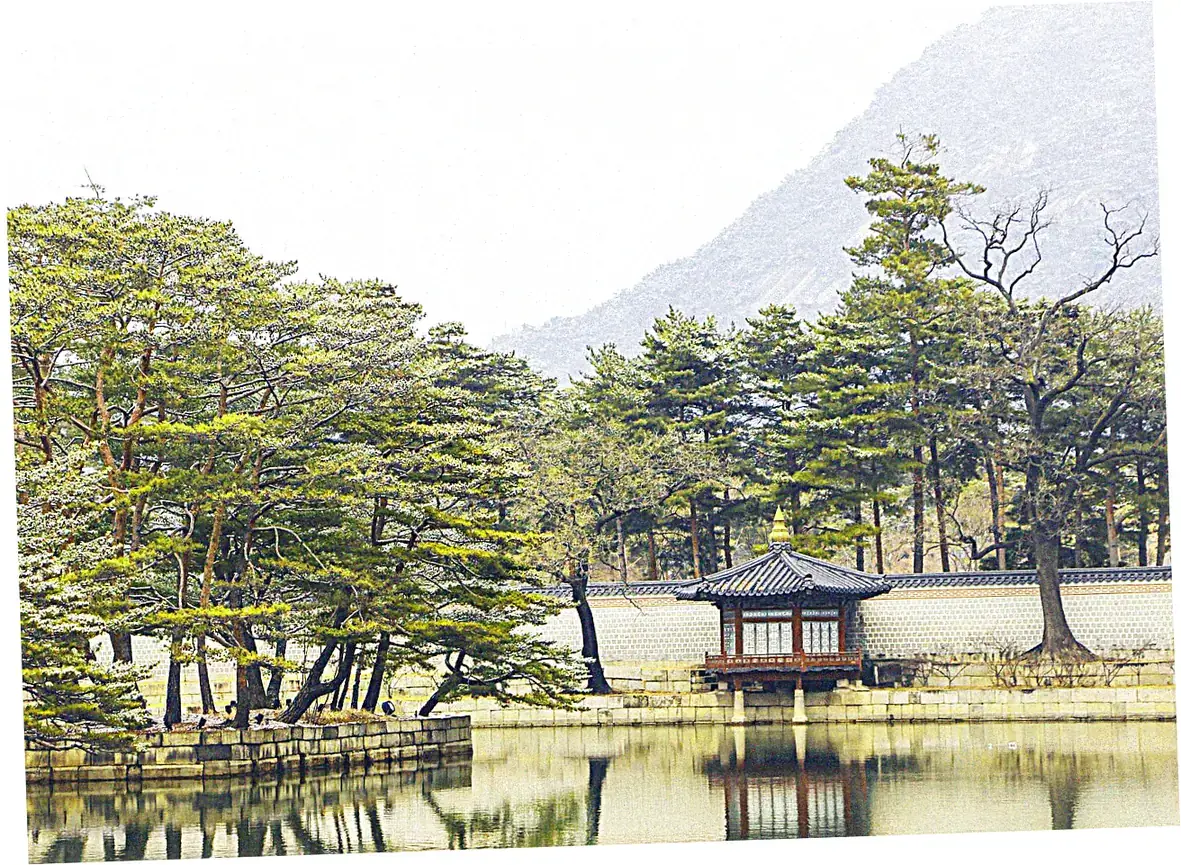
Architectural wonders inside Qianlong Garden complex
The Palace of Tranquil Longevity shows off some of the fanciest building tricks from Qing Dynasty times.
The whole place follows old Chinese palace design rules, but with some fresh twists that show what Emperor Qianlong liked. The real star here is Juanqinzhai (they call it the Studio of Exhaustion from Diligent Service). It’s like the crown jewel of Qianlong Garden.
This two-story hideaway has Western-style painted ceilings – pretty unusual to see Chinese and European art mixed together like this. They built the palace with fancy stuff like nanmu wood and shiny glazed tiles. Every beam and pillar has detailed carvings too. Museum experts say there are 27 buildings here, split across four courtyards. Each area had its own job – some for fancy events, others just for quiet thinking. Recently, the preservation crew found secret spots and moving walls. These clever space tricks helped the emperor do all his different activities.
Historical significance of Palace of Tranquil Longevity
They built this palace from 1771 to 1776 as Emperor Qianlong’s dream retirement pad.
Old records say the emperor himself oversaw the design, adding stuff he liked from Jiangnan gardens. Unlike other Forbidden City spots meant for government work, this palace was all about art and meditation – the emperor’s personal chill zone.
They made Qianlong Garden during China’s artsy golden age. Inside, you see the absolute best craftwork from the Qing Dynasty. As Dr. Nancy Berliner, curator of Chinese art at the Boston Museum of Fine Arts notes, The palace preserves an unparalleled collection of 18th-century Chinese decorative arts, from lacquerware to jade carvings, all commissioned specifically for this space. It’s survived all sorts of political drama, making it like a perfect snapshot of China’s last great imperial days.
Best time to visit Qianlong Garden palace
Because they need to protect it, you can’t visit the Palace of Tranquil Longevity as easily as other Forbidden City areas.
The museum usually opens certain parts in fall (September-November) when Beijing’s weather is nice for visiting. Mornings between 8:30-11 are best – the light’s perfect for seeing all the fancy details inside.
Since 2019, they’ve used a timed ticket system – only 300 people can visit Qianlong Garden each day. As conservation expert Li Ji explains, The delicate wall paintings and textiles require strict humidity control, hence the visitation restrictions. Definitely book ahead online through the museum’s website – especially when it’s busy with tourists. Sometimes special tours let you see normally off-limits spots, like where the emperor watched plays.
Conservation challenges facing Qianlong Palace structures
Keeping this palace in good shape is tricky because of its experimental 1700s building methods and mixed materials. The World Monuments Fund (they help fix up the palace) found big problems: paint wearing off, shaky foundations in places, and fancy silk wall decorations losing color.
The big cypress tree from old records is gone now, but its replacement needs special care to grow well in the palace. The fix-up crew uses old Chinese methods and new tech – like infrared cameras to find hidden weak spots. Their 2021 report says fixing all 27 buildings completely would take about 15 more years and $25 million.
Symbolism hidden in Palace of Tranquil Longevity designs
Everything in Qianlong Garden – every building part and decoration – means something special.
The whole setup is like a tiny model of the universe in Chinese tradition, with buildings placed to match star patterns. You’ll see dragon designs (over 1,200 of them!) showing emperor power, and phoenixes meaning peace.
The well-known Three Friends of Winter carvings (pine, bamboo, plum) stand for toughness and goodness. There’s a cool trick in Juanqinzhai’s main room – from the emperor’s chair, painted hallways seem to go on forever, showing his endless rule. As Professor Wang Yarong of Tsinghua University explains, The palace serves as a three-dimensional encyclopedia of Chinese symbolic language, with each room telling a different philosophical story through its design.
Comparing Qianlong Garden to other Forbidden City sections
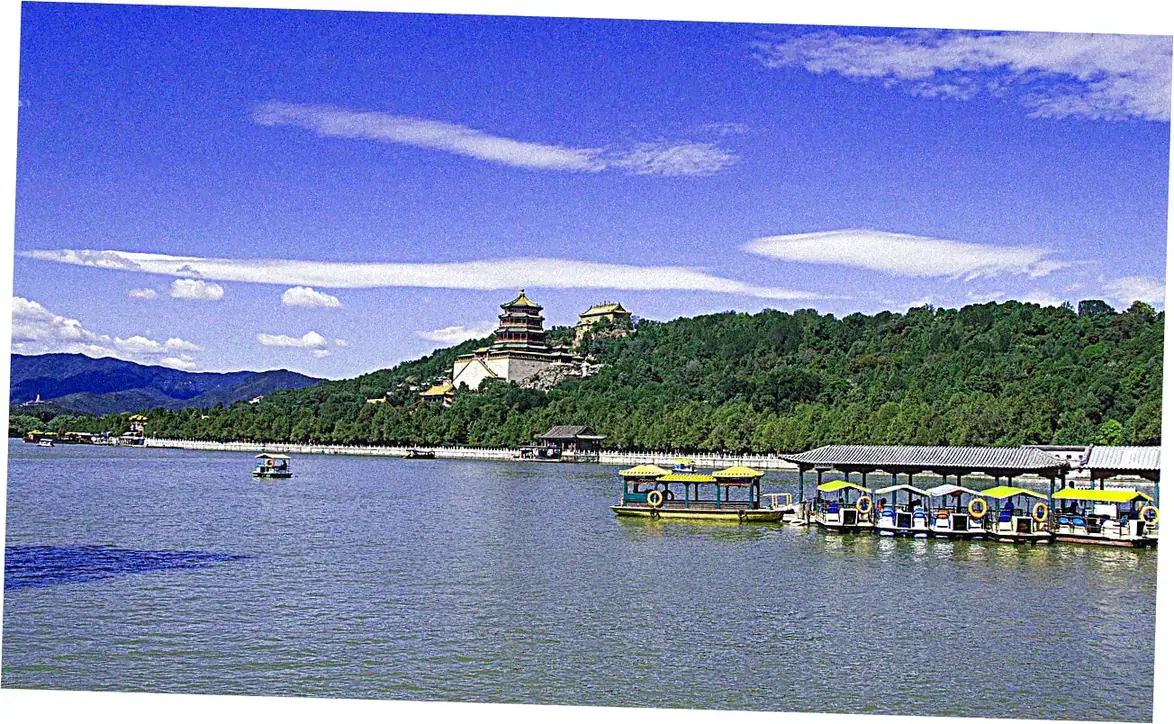
The main Forbidden City buildings are all about big government stuff, but the Palace of Tranquil Longevity feels more personal.
Take the Hall of Supreme Harmony – it’s huge at 2,377 square meters, while Juanqinzhai is cozy at just 170. Main palace roofs are emperor-yellow, but Qianlong Garden mixes in greens and blues – showing it’s more private.
The garden’s style borrows more from places like Suzhou’s scholar gardens, not like the strict official building rules. Visiting feels totally different too – main palaces get crowds, but Qianlong Garden’s limits make it peaceful. As architectural historian Michael Hensel observes, This complex represents a rare departure from rigid palace protocols, revealing Qianlong’s personal aesthetic preferences.
Palace of Tranquil Longevity virtual tour options
Can’t visit in person? No worries – there are cool digital tours of Qianlong Garden.
The museum’s app has 360-degree views of important spots like Shoukang Palace, with experts explaining things. Google Arts Culture has super-detailed photos of wall art and furniture – you can zoom way closer than in real life.
The Qianlong Garden Revealed documentary is awesome – it uses AR to show how moving walls worked back then. These online options were lifesavers during COVID shutdowns – over 2 million people checked out the palace virtually in 2022. Technology director Zhang Ming notes, Our 3D scanning projects aim to preserve every detail for future generations, including elements invisible to naked eyes.
Emperor Qianlong’s daily life in retirement palace
Old records and palace stuff show us cool details about the emperor’s daily life here.
Mornings usually started with the emperor checking out art in Juanqinzhai’s upstairs study – north windows gave perfect light for paintings. Afternoons were for writing poems in garden gazebos or hanging out with favorite officials and artists.
His private theater put on kunqu operas – they’ve kept the original scripts and costumes in the museum. Coolest of all are his custom-made things – like a warm writing desk and a bed that turned into a couch so he could nap without going to bed. His own poems (some written right on the walls) say this place was his perfect mix of culture and chill time in old age.
<img src=”System.Net.WebException: 请求被中止: 操作超时。
在 System.Net.HttpWebRequest.GetResponse()
在 个人通用框架.dll.Woocommer.d__12.MoveNext() 位置 D:项目开发vs2020群站出海-20250424备份群站出海个人通用框架dllwoocommerce.cs:行号 642″>
Rare artifacts preserved in Qianlong Garden today
This palace keeps some of China’s rarest 1700s stuff – lots you won’t see anywhere else in the Forbidden City.
Top pieces are the full set of zitan wood furniture with gem decorations – each bit made just for its spot. A 2018 count found 2,000 things still where they belong – fancy incense burners, jade study gear, silk wall decorations.
The wildest thing? Shoukang Palace’s silent bell – when hit, it makes water patterns instead of sound. Conservation challenges abound; the lacquerware alone requires specialized humidity-controlled cases to prevent cracking. As curator Li Xianghong explains, These artifacts form an integrated artwork with their surroundings – removing any piece would diminish our understanding of the whole.
Palace of Tranquil Longevity photography guidelines
Photographing the Qianlong Garden presents both opportunities and restrictions.
While tripods and flash are prohibited throughout the Forbidden City, the palace’s intricate details demand careful shooting. Professional photographers recommend visiting during golden hour when sunlight filters through lattice windows, creating dramatic patterns.
The Juanqinzhai’s mirrored ceilings offer unique compositional possibilities, though capturing their full effect requires wide-angle lenses (16-35mm ideal). Since 2020, the museum has permitted non-commercial photography in most areas except where flash might damage fragile pigments. Drone photography remains strictly forbidden due to security concerns. As noted in the Palace Museum’s photography guide, the best approach involves observing first – the palace reveals its details gradually, with new wonders appearing at different times of day.
Nearby attractions complementing Qianlong Garden visit
A visit to the Palace of Tranquil Longevity can be enhanced by exploring surrounding historical sites.
Just northeast lies the Forbidden City’s Imperial Garden, offering contrasting examples of Ming Dynasty landscape design. The Clock and Watch Gallery (Hall of Ancestral Worship) showcases timepieces collected by Emperor Qianlong, providing context for his technological interests.
For deeper understanding, the Jianfu Palace Gallery displays rotating exhibitions of Qing Dynasty artifacts, often including items from the Qianlong era. Outside the Forbidden City walls, the Wangfujing area’s antique markets offer chances to see similar decorative arts styles in more accessible settings. As tour guide Liu Wei suggests, Allocate at least half a day for this northeast sector – the layers of history reveal themselves slowly.
Future plans for Palace of Tranquil Longevity access
The Palace Museum has announced ambitious plans to increase public engagement with the Qianlong Garden while ensuring preservation.
Phase two of restoration (2024-2027) will open additional buildings including the emperor’s private Buddhist chapel. Educational programs will expand, with scheduled workshops on traditional crafts represented in the palace.
International collaborations may bring select artifacts on overseas exhibitions after 2025, though most items remain too fragile to travel. Most significantly, the museum plans to reconstruct the original garden landscapes using historical documents, replacing current paved areas with period-appropriate plantings. As director Wang Xudong stated, Our goal is to help visitors experience the palace as Qianlong intended – not as a museum exhibit, but as a living space of art and philosophy.
The Palace of Tranquil Longevity continues to unveil its secrets centuries after its creation, offering unparalleled insights into China’s imperial past. Whether through physical visits or digital exploration, this architectural masterpiece rewards careful study with its harmonious blend of art, nature, and philosophy.
For those planning to experience it firsthand, remember to book tickets well in advance and consider hiring a specialist guide to fully appreciate its hidden wonders. As ongoing conservation work progresses, we can expect even more fascinating discoveries from this jewel of the Forbidden City.

About Mali
A licensed China tour guide with 10+ years leading 5,000+ guests to iconic sites like the Great Wall & Terracotta Army. Expert in seamless tours, cultural insights, and VIP access!