Shanghai is China’s biggest city and a global financial hub. It’s always on the list of the world’s most popular destinations. The 2023 tourism numbers show it gets over 40 million visitors every year, both from China and abroad. This lively port city sits on both sides of the Huangpu River. It mixes its colonial past with amazing modern touches really well. That gives you a city experience that’s totally unique. You’ll find peaceful classical gardens from the Ming Dynasty right next to bright, towering skyscrapers in Pudong. There’s always something new to discover in Shanghai. The food scene here is just as amazing. You can grab cheap street food like shengjianbao, those tasty pan-fried pork buns, or eat at fancy Michelin-starred spots that are doing really creative things. To really get Shanghai, you need to see its two sides. It keeps its history safe while constantly moving forward with new ideas.
Here’s what we’ll cover:
- Shanghai’s history and how its culture changed
- The different areas of Shanghai and what makes each one special
- The top sights and famous spots in Shanghai
- Food in Shanghai and where to eat
- Great places to shop in Shanghai
- Useful tips for planning your Shanghai trip
- Easy day trips you can take from Shanghai
- Frequently asked questions about Shanghai
Shanghai Historical Development and Cultural Transformation
Colonial Legacy and Architectural Evolution
Shanghai’s buildings really show its history – you can see both its colonial days and how fast it’s modernized. Take the Bund for example – that famous waterfront has all these Gothic, Romanesque and Art Deco buildings from the early 1900s.
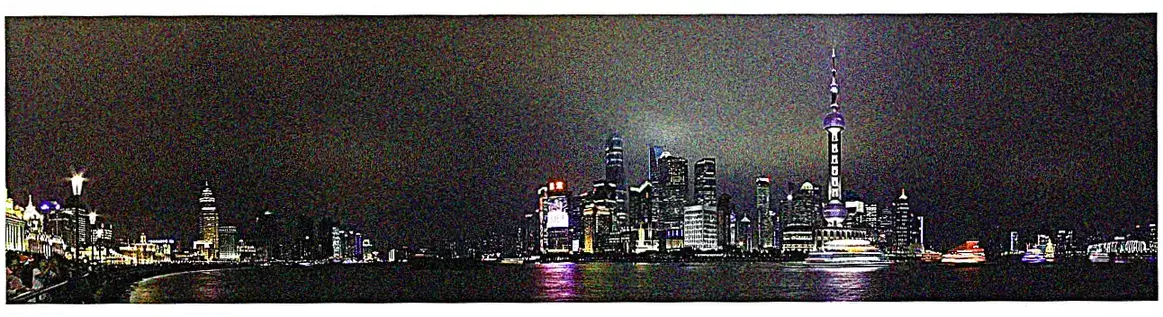
That’s when foreign concessions turned Shanghai into Asia’s top trading spot. Then just across the river, Pudong’s Lujiazui area shows China’s economic comeback. The Shanghai Tower there is 632 meters tall and uses really modern green design.
So you get this cool visual conversation between different time periods through the architecture. Lately they’ve been working harder to preserve old buildings.
Just last year, the city government spent about 2.3 billion yuan (that’s around $320 million) fixing up historical spots. They completely redid the shikumen areas in the old French Concession – those traditional lane houses got modern updates but kept their original charm.
Cultural Preservation in Modernization
Even though Shanghai looks super modern, it’s still really connected to traditional Chinese culture. Places like the Museum have over 120,000 historical items, and the China Art Museum shows modern takes on classic art forms.
The city mixes old festivals with new events really well. Like in 2022 at Gucun Park’s Leaf Festival, they used digital light displays to make the traditional autumn viewing better instead of replacing it.
This mixing of old and new happens in the arts too. At the Shanghai Oriental Art Center, you might hear symphony orchestras playing Western music right alongside guqin masters playing ancient Chinese tunes.
Surveys show that after visiting Shanghai, 78% of foreign tourists say they appreciate Chinese traditions more because of how the city balances old and new culture.
Shanghai District Geography and Neighborhood Characteristics
Pudong Versus Puxi Urban Dynamics
District comparison: Shanghai basically splits into two main areas: Pudong on the east side of the Huangpu River and Puxi on the west side, and they each have their own vibe and things to do.
Pudong shows off Shanghai’s modern side with its super tall skyscrapers in Lujiazui, all about business and money. Meanwhile, Puxi keeps the old-school charm with places like the Former French Concession.
where you’ll find tree-lined streets and beautiful old houses from the 1920s. Here’s how they stack up against each other:
| Feature | Pudong | Puxi |
|---|---|---|
| Architecture | Modern skyscrapers (post-1990) | Historical buildings (pre-1940) |
| Lifestyle pace | Fast-paced, business-focused | Leisurely, culturally-oriented |
| Transport hubs | Pudong International Airport | Shanghai Hongqiao Railway Station |
| Green spaces | Century Park | Fuxing Park, Jing’an Park |
But there’s way more to explore beyond just Pudong and Puxi – each district in Shanghai has its own special thing going on. If you’re visiting for the first time, check out Huangpu District – it’s got the famous Bund and Nanjing Road shopping street all in one area. Over in Xuhui District, Tianzifang offers a cool artsy vibe that’s different from the usual shopping spots. Then Jing’an District mixes high-end stores with peaceful temple visits. Want to see real local life? Head to Hongkou District around Duolun Road, where you can check out Shanghai’s 1930s intellectual history and modern creative spaces side by side. Every district has its own personality, but they all come together to make Shanghai what it is.
Transportation Infrastructure and Accessibility
Shanghai’s public transport is seriously impressive – it has the biggest subway system in the world, stretching 831 kilometers across 19 different lines and moving around 10 million people every single day.
To get around easily, you’ll want to understand how the fare zones work – tickets cost between 3 and 10 yuan depending how far you’re going, or you can grab a 24-hour pass for 18 yuan.
The good news is everything’s in both Chinese and English, plus the lines are color-coded, so visitors from other countries won’t have trouble figuring it out.
Besides the subway, there are buses that go to places between stations, and you can always use ride apps like Didi for door-to-door service. When you need to travel between cities.
Hongqiao Transportation Hub makes it easy – it connects high-speed trains, domestic flights, and subway lines all in one spot, showing how Shanghai really knows how to link different transport options together.
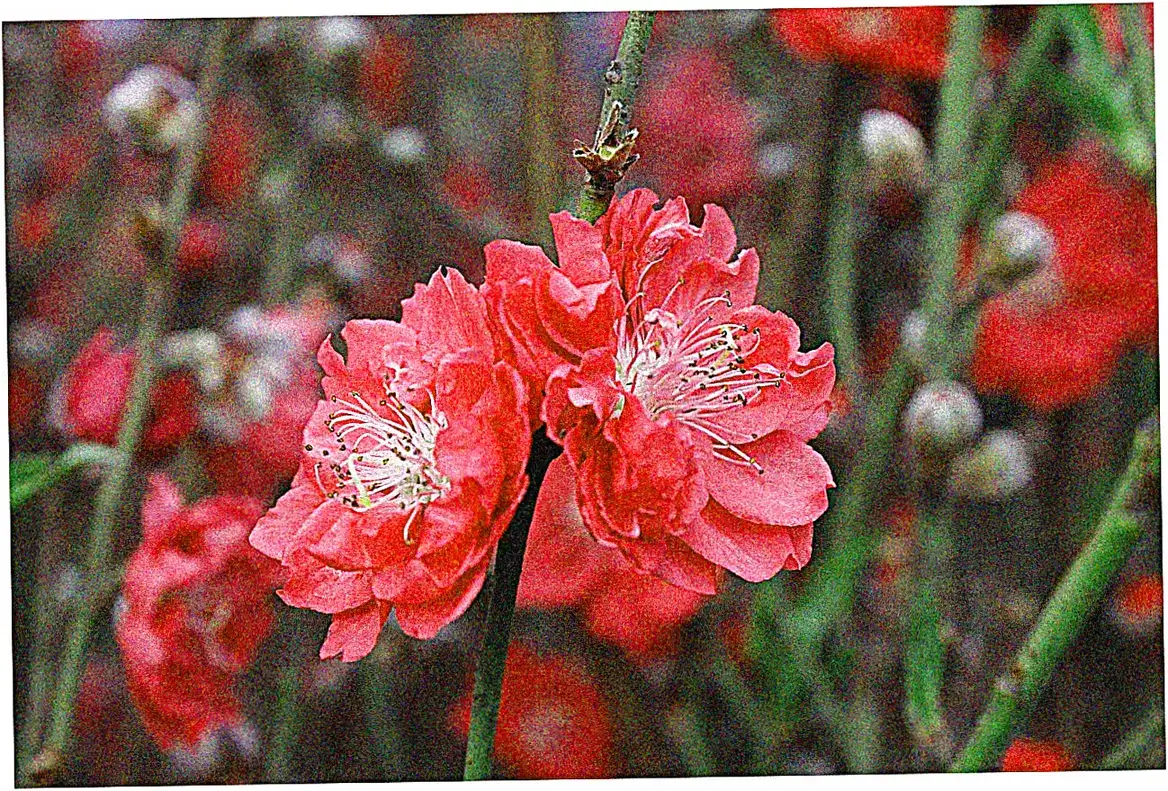
Shanghai has some amazing tourist spots and famous landmarks you’ve got to see.
There are must-see places and some hidden gems too.
If it’s your first time in Shanghai, make sure you hit the big five spots. Check out the Bund’s colonial buildings, get great views from Pudong’s skyscrapers, see Yu Garden’s traditional scenery, shop till you drop on Nanjing Road.
and enjoy the canals at Zhujiajiao Water Town. Head up the Shanghai Tower for awesome 360-degree views from 562 meters up. Then at Yu Garden, you’ll see Ming Dynasty pavilions and rock gardens that show off Chinese culture.
Besides the famous spots, there are cool hidden gems too. The Propaganda Poster Art Center has unique historical stuff, and M50 art district in an old factory shows off Shanghai’s creative side.
If you love architecture, take a walk through the French Concession. You’ll see beautiful art deco homes and cute little cafes.
When you visit Shanghai really changes what you’ll experience. Spring from March to May has nice weather for outdoor spots like the Bund and French Concession. Autumn between September and November is great for day trips to water towns.
Summer gets hot and humid, but you can catch cool events like the Shanghai International Film Festival. In winter, Nanjing Road has holiday decorations and museums are less crowded.
Events like the Leaf Festival at Gucun Park show how Shanghai’s parks change with the seasons, giving you great photo chances beyond the usual tourist shots.
Here’s the lowdown on Shanghai’s museums and cultural spots.
Shanghai’s museums cover everything from ancient Chinese civilization to modern art. The Shanghai Museum at People’s Square has amazing ancient Chinese bronzes, ceramics, and calligraphy. Best part? It’s free to get in, though you need to book ahead.
For modern art, check out Power Station of Art in an old power plant. The Long Museum has two locations with everything from traditional paintings to digital art. Here’s how the main museums stack up:
| Museum | What they focus on | Ticket price | How long to spend |
|---|---|---|---|
| Shanghai Museum | Ancient Chinese art | Free | 3-4 hours |
| Power Station of Art | Modern international art | ¥60 (about $8.50) | 2-3 hours |
| Propaganda Poster Center | Mao-era history | ¥25 (about $3.50) | 1 hour |
| Natural History Museum | Science exhibits | ¥30 (about $4.20) | 2-3 hours |
Shanghai Culinary Scene and Dining Experiences
Local Specialties and Food Streets
Shanghai cuisine exploration: Shanghai’s food has this special red-braising style and a bit of sweetness. That’s because it’s in the Yangtze River Delta area, which means you get lots of fresh fish and seasonal veggies.
You’ve gotta try their famous soup dumplings, autumn hairy crab, braised pork belly, and chicken soaked in Shaoxing wine. Skip the hotel restaurants if you want real Shanghai food. Head to local spots instead.
There’s this cool place called Fu 1088 in the old French area – they serve fancy versions of classic dishes in these beautiful old houses. Breakfast here is all about fried dough sticks and soy milk. The best places to try them are the simple local shops where everyone goes in the morning.
Food district navigation: Shanghai has these awesome food streets that are perfect for food lovers. Over by People’s Square, Huanghe Road has these classic old restaurants. Then on Yunnan South Road, you’ll find tiny alleys with cool fusion cafes.
The old French area is packed with international food – real Italian places and Japanese pubs too. Wujiang Road is still the go-to for street food, even after all the changes. If that’s too busy, try around Jing’an Temple instead.
If you love food, come in October for the Shanghai Food Festival. Top chefs show off their skills and restaurants all over town have special menus.
Dining Etiquette and Practical Tips
Restaurant navigation: Knowing how people eat here makes your food experience way better. Dinner usually starts with cold dishes, then hot mains, some soup, and ends with rice or noodles. Everyone shares food here – that’s just how it’s done.
Most tables have those spinning circles so you can reach everything easily. You don’t need to tip at local places. Fancy restaurants might add a service charge though. Everyone pays with phones now.
Nice hotels take credit cards, but smaller spots usually want you to use WeChat Pay or Alipay. You’ll want to book ahead for popular places, especially around Chinese New Year when everyone’s eating out.
Shanghai Shopping Destinations and Retail Therapy
Markets Versus Malls Retail Options
For shopping in Shanghai, you’ve got tons of options, from fancy luxury stores to lively traditional markets. Head to Nanjing Road East for the best shopping – it’s got historic department stores and global brands.
Or check out Huaihai Road Middle Road if you’re after luxury boutiques in really nice settings. If you’re shopping for electronics, the Shanghai Science and Technology Museum metro station area has good deals on genuine products.
Antique lovers will want to visit Dongtai Road Antique Market for Cultural Revolution items and reproduction furniture, but make sure to check if things are authentic.
Shanghai’s outlet malls in Pudong and Qingpu districts have great discounts on international brands. Sheshan Outlets is especially popular with fashion shoppers looking for designer labels at lower prices.
When it comes to souvenirs, Shanghai has way more than just mass-produced trinkets – you can find unique keepsakes that show off local craftsmanship. You can get custom-made qipao dresses at fabric markets like South Bund Soft Spinning Material Market for a personalized souvenir. Or pick up traditional Chinese tea from specialty shops like Shanghai First Department Store to bring home some authentic flavors. Art collectors should check out the M50 creative district, where you’ll find original pieces by up-and-coming Chinese artists. For food souvenirs, try Shanghai-style pastries from famous bakeries like Kee Wah, or grab some specialty condiments from Shanghai First Food Company. When you’re at markets, remember to bargain politely. Start by offering 50-60% of the asking price and work your way to a price that works for both of you – that usually gets you the best deal.
Practical Shanghai Travel Planning and Logistics
Accommodation Selection and Booking
Picking where to stay really makes a difference for your Shanghai trip. If it’s your first time, you’ll probably want to stay in Puxi near the Bund or Nanjing Road – that puts you close to all the main attractions.
Business folks usually go for Pudong hotels around Lujiazui financial area. The old French Concession has these cute boutique hotels in historic buildings – great if you’re looking for somewhere with real character.
If you’re watching your budget, try the Jing’an Temple area – you get good metro connections and cheaper prices. Besides regular hotels, serviced apartments at places like Shanghai Center give you kitchenettes and extra room if you’re staying longer.
During busy times like May, October and Chinese New Year, you’ll need to book 2-3 months ahead. But in quieter seasons, you can often snag great last-minute deals.
Seasonal Considerations and Packing Essentials
When it comes to weather, Shanghai has clear seasons so you’ll need to pack differently for each. Summers get really humid and hot, hitting 35°C – pack light clothes, rain gear for those sudden showers.
and maybe a handheld fan for when you’re waiting in lines. Winter temperatures can drop to near freezing, and older buildings don’t always have great heating, so layering up is key.
Spring and autumn are the most pleasant, but you’ll want clothes you can layer as temperatures can change quite a bit. Besides clothes, don’t forget practical stuff like power adapters, a VPN to get on international sites.
comfy shoes for all the walking you’ll do, and translation apps for when you venture beyond tourist spots. For your health kit, bring pollution masks for bad air days and some stomach medicine just in case the local food doesn’t agree with you.
If you’re in Shanghai, you’ve got some great day trip options to explore nearby.
Let’s talk about checking out the water towns around Shanghai.
Shanghai sits in the Yangtze River Delta, so you can easily visit several ancient water towns that still have that traditional Chinese canal vibe. Zhujiajiao is your easiest bet – it’s just 30 kilometers west of downtown Shanghai and has stone bridges, narrow lanes, and boat rides through old canals. If you go a bit farther, Tongli and Zhouzhuang have even more preserved Ming and Qing Dynasty buildings around their complex canal systems. You’ll need about half a day for these places, and you can get there by public bus from Shanghai Stadium or join organized tours that pick up from big hotels. Go on weekdays to skip the big crowds, and get there early in the morning for the best photos before everyone else shows up.
Beyond the water towns, there’s more to see around Shanghai.
Shanghai makes a great home base for checking out other cool spots in eastern China. Suzhou’s classical gardens are UNESCO World Heritage sites and only 30 minutes by high-speed train – they show off amazing Chinese garden design.
Hangzhou’s West Lake is about an hour by train and has stunning scenery that’s been famous in Chinese art and poetry for centuries. If you’re into Buddhist culture, Putuo Mountain has sacred island temples and you get there by train and ferry.
These spots show how culturally rich the area around Shanghai is, so it’s worth adding 2-3 extra days to your trip to explore them.
To sum up, Shanghai gives you an amazing city experience that mixes deep history with mind-blowing modern stuff across all its different neighborhoods.
You’ve got colonial buildings on the Bund and futuristic skylines in Pudong, plus tasty xiaolongbao in small restaurants and cool art in old factories – China’s biggest city always has something new to discover.
With tips on sights, food, shopping, and getting around, you can plan your own perfect Shanghai trip based on what you like. When planning your Shanghai trip, keep in mind that this lively city is great for both careful planning and just winging it.
Do your homework on must-see spots, but save some time for surprises – sometimes those unplanned moments become your favorite memories in this awesome city.
FAQ About shanghai city in china
What is the best time to visit Shanghai?
The best times to visit Shanghai are spring from March to May and autumn from September to November. The weather’s nice then – not too hot or cold, and it doesn’t rain too much.
In spring, you can see gorgeous flowers blooming everywhere, especially at parks like Gucun during their Leaf Festival. Autumn’s perfect for checking out outdoor spots since the weather’s so pleasant.
Summers get really hot and sticky, while winters can be pretty cold. But if you don’t mind the chill, you’ll find fewer tourists around during winter.
How many days should I spend in Shanghai?
If it’s your first time in Shanghai, plan for 4-5 days to see the main attractions. Spend a couple days checking out Pudong and the Bund, one day exploring the Old City and Yu Garden, another day wandering through the French Concession and museums.
You’ll want extra time for shopping and maybe some day trips too. This way you can really explore everything without feeling rushed. If you stay longer than a week, you can dive deeper into the local culture and take trips to nearby water towns or Suzhou.
What are Shanghai’s must-try local foods?
You’ve gotta try Shanghai’s famous foods – xiaolongbao (those amazing soup dumplings), shengjianbao (pan-fried pork buns), Shanghai hairy crab (available October through December), hongshao rou (braised pork belly), and drunken chicken.
For breakfast, go for ci fan tuan (sticky rice rolls) or scallion oil noodles – they’re delicious! These dishes really show how Shanghai locals love slightly sweet tastes and careful cooking methods.
Is Shanghai expensive for tourists?
Shanghai has something for every budget. If you’re watching your spending, you can get by on $40-50 a day by taking public transportation, eating street food, and staying in hostels.
For a mid-range budget, expect to spend around $100-150 daily on nicer hotels, restaurant meals, and attraction tickets. If you want luxury with 5-star hotels and fancy dining, you’re looking at over $300 per day.
Compared to other big cities around the world, Shanghai gives you great value. The public transportation is reasonably priced, and you can find plenty of affordable local food.

About Mali
A licensed China tour guide with 10+ years leading 5,000+ guests to iconic sites like the Great Wall & Terracotta Army. Expert in seamless tours, cultural insights, and VIP access!