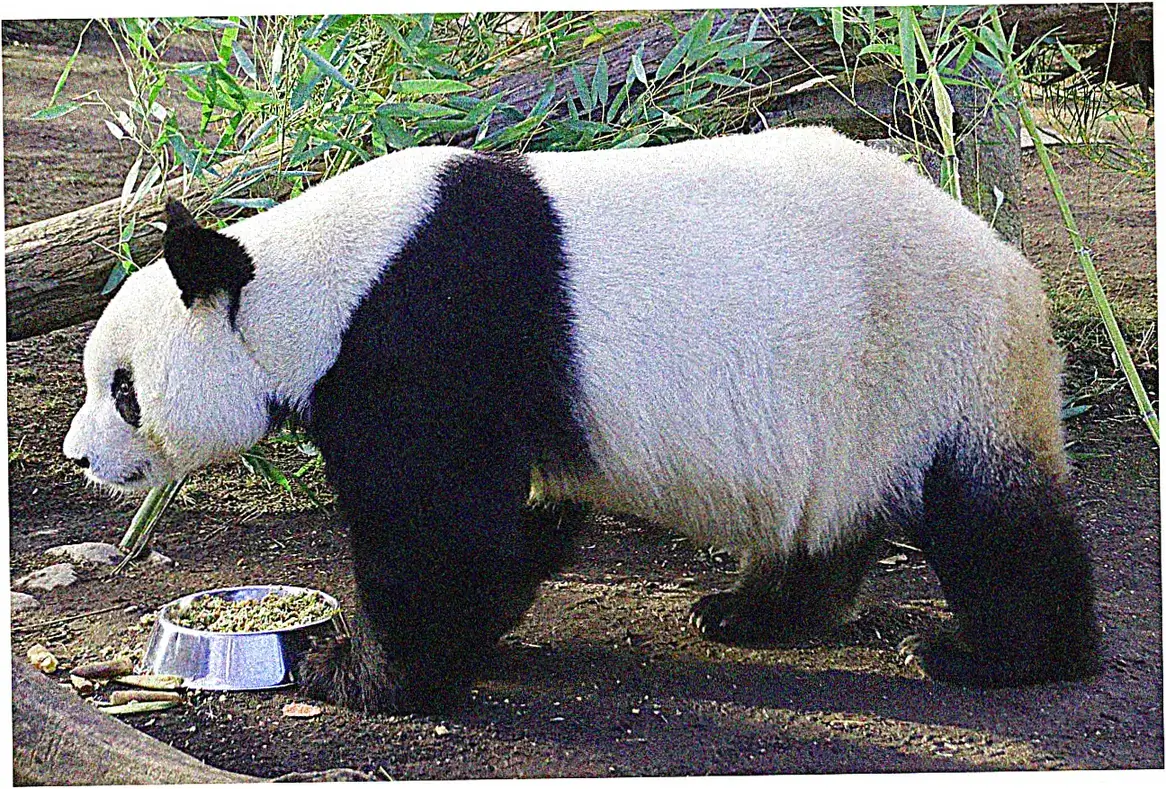
China’s panda bear sanctuaries are really important conservation spots. You can see giant pandas doing really well in their protected homes there. These places mix science research with teaching the public. They give you amazing hands-on time with China’s national treasure. Back during the 2022 Moon Festival, spots like Chengdu Research Base saw more visitors than ever. Families were mixing their holiday traditions with checking out pandas. Mixing culture with conservation shows how these places do double duty. They protect endangered animals and share Chinese heritage at the same time. Lots of visitors love trying great Chinese food at sanctuary cafés. They learn about panda conservation too, making it a full cultural experience that’s more than just watching animals.
Table of Content
- Major Panda Sanctuaries and Research Bases in China
- Panda Sanctuary Volunteer Programs and Educational Opportunities
- Panda Habitat Conservation and Reforestation Efforts
- Ethical Panda Tourism Guidelines and Best Practices
- Panda Breeding Science and Genetic Diversity Management
- Planning Your Panda Sanctuary Visit: Practical Information
- FAQ About panda bear sanctuary china
China has some major panda sanctuaries and research bases
First up is the Chengdu Giant Panda Breeding Research Base
This place is huge – covering 165 hectares with more than 150 pandas living there, making it China’s most popular panda spot It started small back in 1987 with just six rescued pandas.
but now it’s become a world-class conservation and research center They were pioneers in artificial insemination, and since 1990, they’ve helped bring 285 baby pandas into the world You can see pandas at every age here – from tiny newborns in the nursery to full-grown adults in large enclosures that feel just like their natural home They work with 15 zoos around the world, and together they’ve learned a ton about how pandas reproduce and behave

Then there’s Wolong National Nature Reserve and Bifengxia Panda Base
After the 2008 earthquake wrecked the old facilities, they rebuilt Wolong Shenshuping Panda Base with top-notch vet hospitals and breeding centers The protected area spans 2.
000 square kilometers and has about 150 wild pandas that they track with GPS collars and camera traps Bifengxia runs China’s panda loan program, working with international partners to fund conservation work Both places limit how many visitors can come each day to keep the pandas happy and their breeding programs successful, without disturbing their habitat too much

Panda Sanctuary Volunteer Programs and Educational Opportunities
Short-term Volunteer Experiences for International Visitors
Program structure: If you visit Chinese panda sanctuaries, you can join volunteer programs lasting 1-4 weeks. You’ll help keepers prepare food, clean enclosures, and watch panda behavior.
At Dujiangyan Panda Base, they make sure volunteers get proper training first. You’ll learn about panda behavior and safety rules before you can interact with the pandas directly.
These programs also teach you about conservation issues and China’s success in panda breeding. Many volunteers loved making special mooncakes for pandas during the 2022 Moon Festival.
They used panda-safe ingredients to create treats that matched human celebrations, which was great for the animals wellbeing.
Application requirements: If you want to volunteer, you need to apply 3-6 months ahead. You’ll also need health certificates and should be able to speak English or Mandarin.
They keep volunteer numbers low so the pandas daily routines aren’t disturbed too much. According to the China Conservation and Research Center, 89% of volunteers said their experience changed them. Many keep supporting panda conservation afterward by adopting pandas or making regular donations.
Academic Research and Student Exchange Programs
Research collaborations: Chinese panda sanctuaries work with 28 universities worldwide on different research projects. They study everything from bamboo nutrition to genetic diversity.
Biology students can join semester abroad programs to do field research. They work under the guidance of sanctuary scientists. These programs have led to important discoveries.
For example, a 2022 study found that pandas use 13 different sounds to communicate. Many graduate students stay longer through internships. They help with conservation work while learning how to manage endangered species.

China’s panda sanctuaries are working hard to protect panda habitats and plant new forests
They’re creating bamboo corridors and protecting forests
The panda sanctuaries team up with local communities to build protected bamboo corridors that connect broken-up habitats Since 2015, Sichuan’s forest department has planted 47.
000 acres of bamboo forests just for pandas This helps deal with bamboo die-offs that happen every 15 to 120 years, depending on the bamboo type Sanctuary workers check the bamboo every year, watching how it grows and how nutritious it is.
making sure pandas have enough food across all the reserves By mixing traditional knowledge with science, they’ve made habitats better in 67% of China’s panda reserves since 2010

Getting local communities involved in conservation
The sanctuaries run programs that turn former hunters into conservation partners With the Panda Friendly Product system, local farmers get better prices for crops grown in panda-safe ways This has cut habitat damage by 42% in these communities.
while family incomes have gone up by about 28% At the 2022 Moon Festival, some sanctuaries held markets with these panda-friendly products and traditional celebrations, showing how culture and conservation can work together

Ethical Panda Tourism Guidelines and Best Practices
Responsible Visitor Behavior at Panda Facilities
Interaction protocols: When you visit panda sanctuaries in China, keep your voice down, don’t use flash photography, and stay behind the barriers. Good panda bear sanctuaries don’t let you touch adult pandas.
but you might get to see baby pandas with staff watching closely. Only 12 panda facilities in China have the official certification from the China Wildlife Conservation Association because they meet high animal care standards.
Always check if a sanctuary is certified before you book your trip. Places without certification often care more about entertaining tourists than the pandas health, which stresses the animals and hurts conservation work.
| Activity | Ethical Guidelines | Potential Impact |
|---|---|---|
| Photography | No flash, minimum 10-meter distance | Reduces stress, prevents behavioral disruption |
| Feeding | Prohibited except staff-supervised special programs | Maintains dietary control, prevents health issues |
| Volunteer work | Structured programs with professional supervision | Provides meaningful assistance without exploitation |

Identifying and Supporting Authentic Conservation Programs
Evaluation criteria: Real panda bear sanctuaries use part of your ticket money – usually 30 to 60 percent – to fund conservation programs, and they’re open about this.
They also share yearly reports that show how many pandas were born, what research they’ve done, and where the conservation money went. Before you go, look up if the sanctuary works with well-known groups like the IUCN Panda Specialist Group or China’s State Forestry Administration. Many good panda sanctuaries also include Chinese culture by serving delicious regional foods in their cafes made with local ingredients. This helps local communities and gives visitors a fuller cultural experience.

Panda Breeding Science and Genetic Diversity Management
Artificial Insemination Techniques and Cub Rearing
Reproductive science: China’s panda sanctuaries have really improved their artificial insemination methods. Back in the 1990s, success rates were only around 30%, but now they’re hitting 75%.
Giant pandas have tricky biology that needs lots of attention. They have very short fertility periods, and first-time moms often reject their cubs. The sanctuaries have special climate-controlled nursery rooms.
Staff work 24/7 caring for rejected cubs, using methods they’ve perfected over decades of research. Thanks to these programs, the captive panda population has grown big time – from just 128 in 1997 to over 600 now. This gives us a solid genetic backup against extinction.

Genetic Management and Reintroduction Programs
Population sustainability: The Chinese government runs a national panda family tree registry. It keeps track of how all captive pandas are related genetically. This system helps decide which pandas should breed to keep the gene pool diverse.
They actually move pandas between different sanctuaries for mating. Since 2006, seven pandas born in captivity got special training before being released into nature reserves. They track these pandas with satellite collars.
So far, three have settled into their own territories and are acting like true wild pandas. Getting a panda ready for release takes time – usually 2 to 3 years of careful selection and training at special sanctuary facilities.
| Reintroduction Phase | Duration | Success Indicators |
|---|---|---|
| Wild skills training | 12-18 months | Independent foraging, predator avoidance |
| Soft release | 6-12 months | Territory establishment, minimal human dependence |
| Post-release monitoring | 24 months | Successful reproduction, long-term survival |
Planning Your Panda Sanctuary Visit: Practical Information
Best Times to Visit and Itinerary Suggestions
Seasonal considerations: The best times to see pandas are late spring from April to May and autumn from September to October. The weather’s nice and mild, and the pandas are really active during these months.
Summer gets pretty hot and crowded at the panda sanctuaries. But if you visit in winter, you might catch the pandas playing in the snow, which is totally natural for their mountain homes.
Lots of people mix their panda sanctuary trip with other fun stuff. They might check out the Chengdu Lantern Festival or try some amazing Sichuan food – it’s some of the best Chinese cuisine around!
During the 2022 Moon Festival, we saw that holiday visits need booking ahead of time. But it’s worth it – the sanctuaries put on cool events that mix old moon stories with panda conservation tips.
Accommodation Options and Transportation
Accessibility features: Getting to the main panda sanctuaries near Chengdu is easy. You can join a tour, take public transport, or just rent a car. The Chengdu Research Base is super close – only 30 minutes from downtown.
But Wolong takes longer, about 3-4 hours through some mountain roads. For places to stay, you’ve got everything from big hotel chains to cozy family guesthouses that really care about being eco-friendly.
Now lots of tour companies bundle panda visits with cultural activities. Think traditional tea ceremonies or cooking classes where you learn to make great Chinese dishes. These packages help local businesses and cut down on travel emissions since everything’s planned together.
China’s panda sanctuaries are awesome examples of conservation done right. They mix science, community involvement, and eco-friendly tourism all together.
Thanks to these places, giant pandas actually got upgraded from Endangered to Vulnerable – that’s a big deal! When you visit good sanctuaries, join real volunteer programs, or support conservation work.
you’re directly helping protect these amazing pandas. Try to visit during the best seasons, be respectful when watching the pandas, and don’t forget to explore local traditions and food. That way you’ll really connect with China’s awesome nature and culture.
FAQ About panda bear sanctuary china
What is the difference between panda sanctuaries and zoos in China?
China’s panda sanctuaries mainly do three things: they breed pandas for conservation, conduct scientific research, and get pandas ready to possibly go back to the wild.
These places usually have bigger, more natural spaces and don’t let people interact too much with the pandas, which helps keep the pandas happy and healthy.
Zoos might have pandas too, but they’re more about entertaining visitors – you’ll see smaller enclosures and public feedings happen a lot more often. Only approved facilities can join China’s official panda breeding program, and most of these are found in the protected forests of Sichuan province.
Can international volunteers work with giant pandas in China?
Yes, you can volunteer at several panda sanctuaries in China! They have organized programs that last anywhere from one week to several months. As a volunteer, you’d usually help prepare food, clean enclosures.
and watch panda behavior – but you don’t get direct contact with the pandas. You’ll need to apply ahead of time, have health certificates, and pay program fees that go toward conservation work.
Good programs stick to strict animal welfare rules and also teach you about panda ecology and the challenges they face in the wild.
How has panda conservation status changed in recent years?
Back in 2016, giant pandas got upgraded from Endangered to Vulnerable because their numbers grew by 17% between 2004 and 2014. This positive change shows that decades of protecting panda habitats and successful breeding programs are really paying off.
But there’s still work to do – climate change might wipe out 35% of bamboo habitat by the 2080s, so conservation efforts need to continue. China’s forest protection laws and growing network of reserves have been key to making this conservation success happen.
What is the best time of year to see panda cubs at sanctuaries?
Most panda babies are born between July and September, and by October they’re usually active enough for visitors to spot them. That makes autumn the perfect time to see panda cubs, plus the weather’s really nice for visiting too.
Most sanctuaries have special nursery viewing areas where you can watch the cubs grow up through safety glass. During the 2022 Moon Festival, lots of families loved combining their traditional celebrations with watching young pandas, and several sanctuaries said visitors were especially happy.

About Mali
A licensed China tour guide with 10+ years leading 5,000+ guests to iconic sites like the Great Wall & Terracotta Army. Expert in seamless tours, cultural insights, and VIP access!