Winter’s over, and the Spring Bloom Festival pops up. It’s this awesome celebration of nature waking up. Travelers and flower lovers flock to see some truly stunning flower displays. These events usually focus on famous blooms. Think tulips, cherry blossoms, or wildflowers. They totally transform parks and whole cities into these amazing, colorful spectacles. You’ve got the Netherlands’ Keukenhof Gardens and Japan’s hanami parties. Festivals like these are all about joy and celebrating cultural heritage. I’ve been organizing floral tourism events for more than ten years. I’ve seen firsthand how these get-togethers really build community and boost eco-awareness. So in this guide, I’m sharing my insider tips. I want to help you catch the magic, whether you’re planning a trip or just exploring from your couch. Ready? Let’s jump into the wonderful world of spring blooms together!
Here’s what we’ll cover:
- Where these Spring Bloom Festivals started and what they mean.
- The best Spring Bloom Festivals you can find across the globe.
- How to plan your trip to a Spring Bloom Festival.
- Cool stuff to do and see at these festivals.
- The star flowers you’ve gotta look out for.
- The cultural events and live performances.
- How these festivals are going green and sustainable.
- How these festivals help the local economy and community.
- Ways to join the fun virtually or from home.
- What’s next for Spring Bloom Festivals.
- Your questions, answered.
Origins and Cultural Significance of Spring Bloom Festivals
Historical Roots and Evolution
Spring bloom festivals have been around for centuries. They started in ancient farming communities, where people celebrated the changing seasons to pray for good harvests and fertility. Take Japan’s cherry blossom viewing, or hanami, for example.
It began during the Nara period as a ritual for aristocrats, but later became a popular tradition for everyone. Similarly, Dutch tulip festivals started from the 17th-century tulip mania.
That eventually led to community events like the Keukenhof opening. Over time, these festivals added modern touches like art installations and sustainability themes. This shows how society is changing.
I did some research for a cultural anthropology project and found that these events keep heritage alive while adapting to modern values. That makes them both timeless and dynamic.
Symbolism and Global Cultural Impact
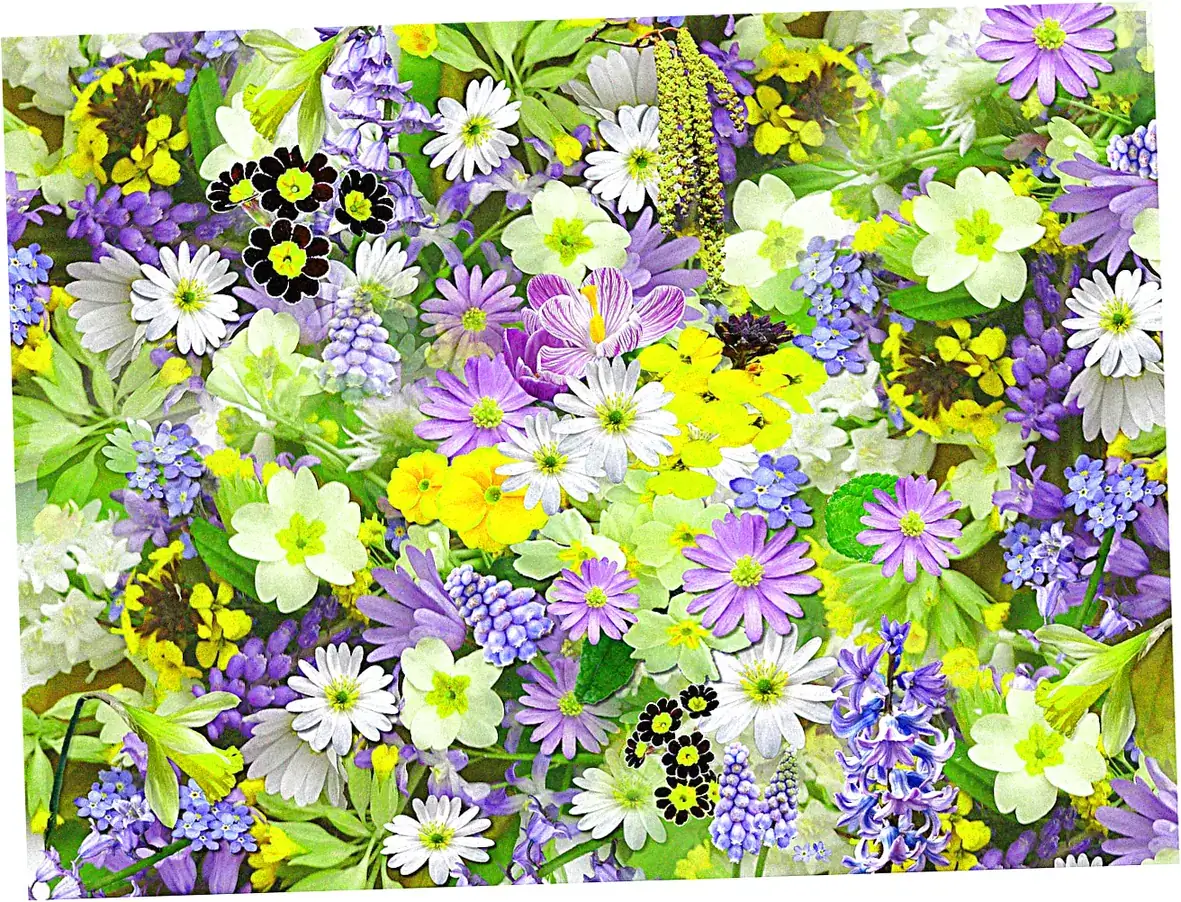
Spring bloom festivals are full of meaning. They symbolize renewal, hope, and life’s fleeting beauty—themes you see in art, literature, and philosophy all over the world. In Japan, cherry blossoms represent mono no aware—appreciating impermanence.
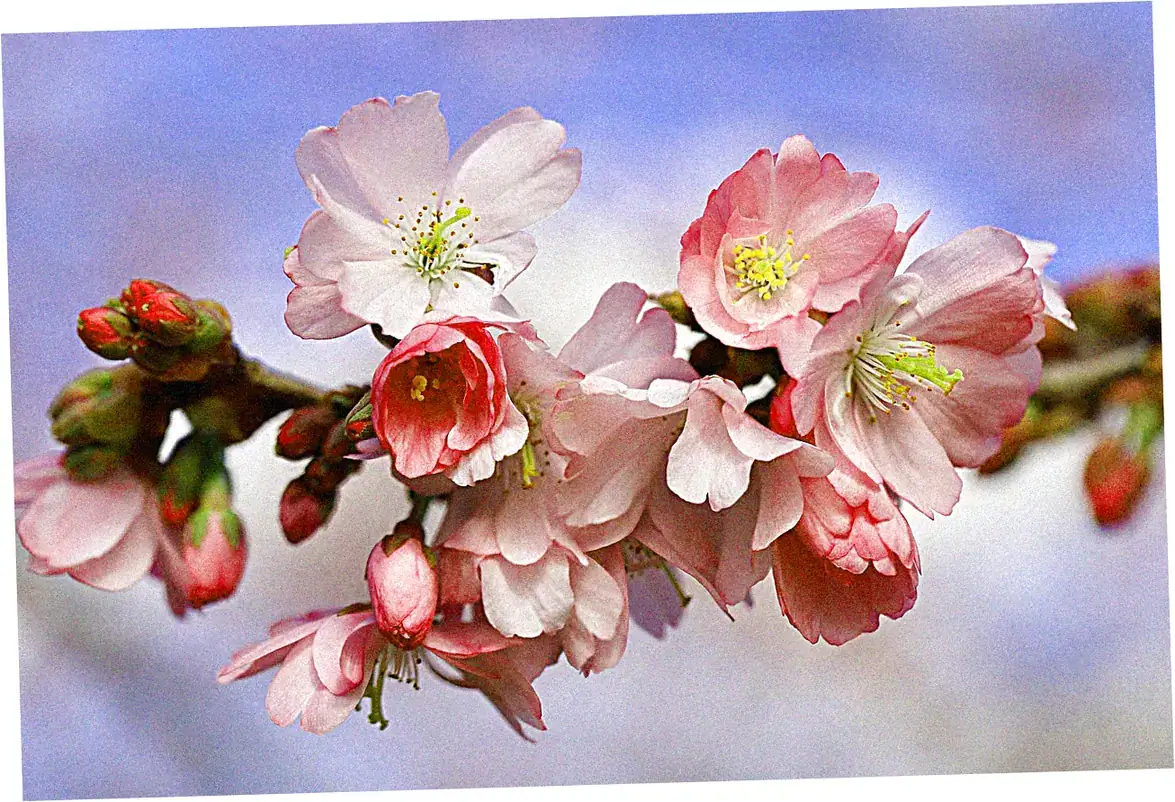
In the U.S., the National Cherry Blossom Festival in D.C. stands for international friendship. These festivals also boost cultural tourism and bring people together. At the Canadian Tulip Festival, I’ve seen visitors from over 50 countries connecting.
Through my work with cultural groups, we’ve seen how these festivals encourage unity and care for the environment. They really make a difference in communities worldwide.
Top Spring Bloom Festivals Around the World
Iconic Destinations: Keukenhof and Beyond
Keukenhof in the Netherlands is a real crown jewel among spring bloom festivals. It’s got over 7 million tulips spread across 32 hectares. The themed gardens and pavilions pull in about 1.5 million visitors every year.
Other cool spots are Japan’s Hirosaki Cherry Blossom Festival, where 2,600 trees light up the castle grounds. Then there’s Washington’s Skagit Valley Tulip Festival, where you can take scenic drives through super colorful fields.
I’ve been to Keukenhof loads of times as a tour guide. I can totally vouch for its amazing beauty. The carefully designed landscapes and flower shows make it an experience you won’t forget.
These festivals often team up with local businesses. That helps the local economy and gives people these awesome, immersive flower adventures.
Hidden Gems and Lesser-Known Celebrations
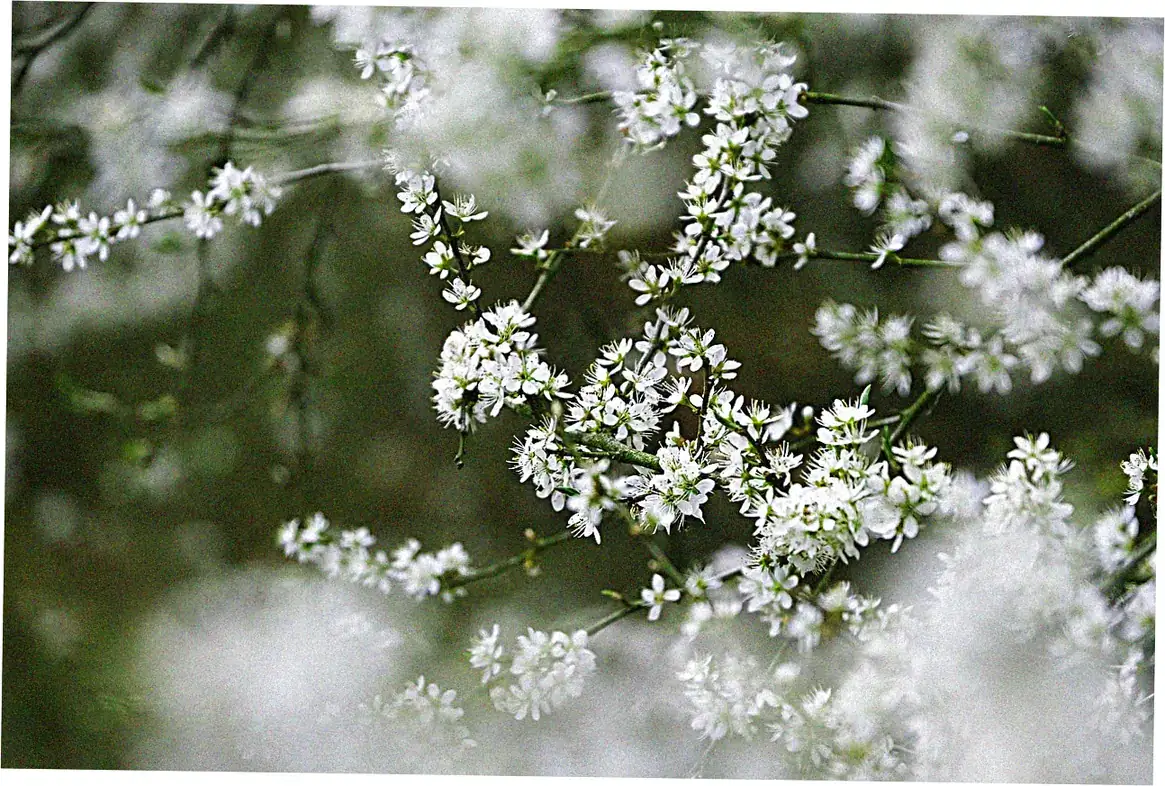
Beyond the famous ones, there are hidden gems too. Like Colorado’s Crested Butte Wildflower Festival. It shows off native flowers with guided hikes and photo workshops, and it’s big on conservation.
Over in India, the Valley of Flowers Festival in Uttarakhand spotlights Himalayan plants. It draws in eco-tourists who are looking for peaceful, beautiful scenery. My team once put together a trip to the Australian Floriade.
They had these interactive displays and night markets, which gave it a fun, unique twist. These lesser-known events are usually more intimate. You skip the big crowds and you’re helping out local biodiversity too.
If you’re a traveler wanting something real, checking out these spots shows you all the different ways towns celebrate spring. You get everything from small-town parades to cool botanical garden shows.
Planning Your Visit to a Spring Bloom Festival
Best Times to Go and Peak Bloom Predictions
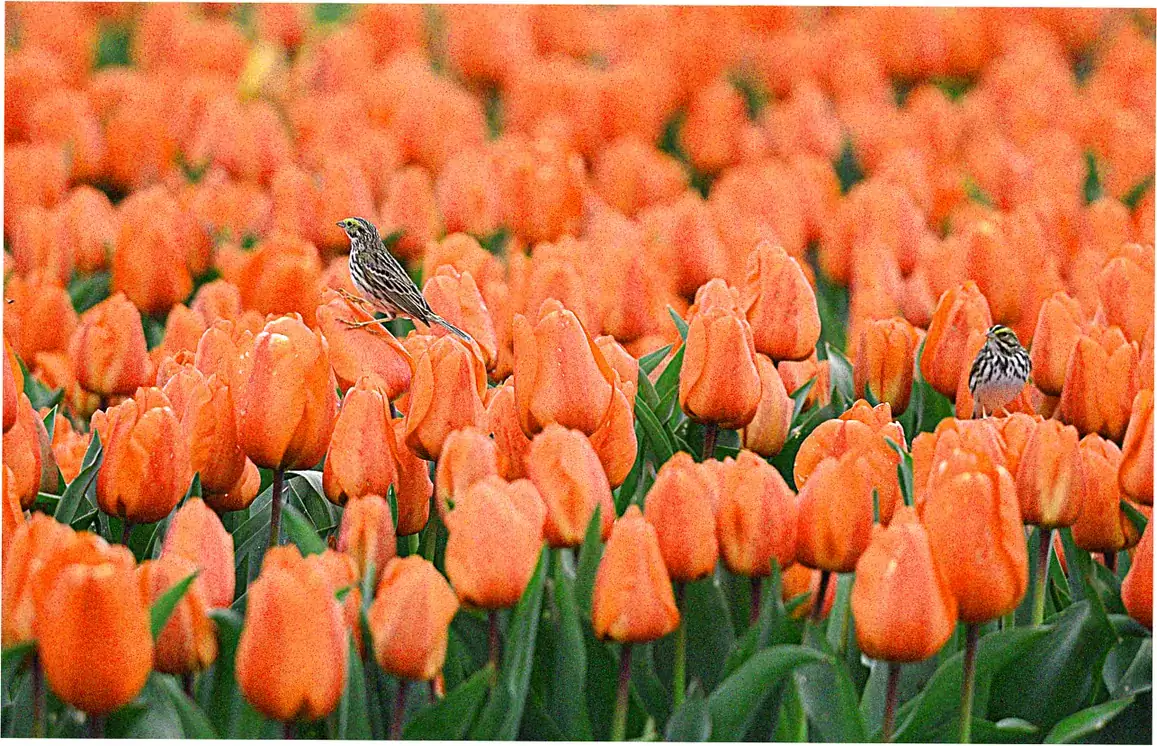
Timing is key to catch the best blooms. It really depends on where you are and the weather. Take Japan’s cherry blossoms—they usually pop from late March to early April. Meanwhile, Dutch tulips hit their peak around mid-April.
You can use bloom trackers on festival apps or websites. They give you real-time updates so you don’t miss out. As a travel planner, I always tell people to keep an eye on the weather and stay flexible with bookings.
A sudden frost or rain can change everything. Here’s an insider tip: come about a week before the peak. You’ll avoid the crowds and get much better photos. Always check the local forecast and jump into online forums. Real reports from other visitors help you make the most of your trip.
Essential Packing Tips and Festival Gear
When packing for a spring bloom festival, think practical and comfy. Bring layers—weather can change fast. Waterproof shoes are a must for muddy fields. Don’t forget your camera and extra batteries to snap those bright blooms.
Sunscreen and a reusable water bottle are also essentials. Trust me, you’ll need them on those long walks. From my own experience, a portable tripod really ups your photo game without bothering others.
Lots of festivals, especially in public gardens, rent out stuff like bikes or binoculars. Pro tip: bring a small first-aid kit and some cash. Some spots out in the boonies don’t take cards. A little prep goes a long way to make your adventure smooth and fun.
Activities and Experiences at Spring Bloom Festivals
Family-Friendly Events and Workshops
Spring bloom festivals have something for everyone. Kids love creative activities like flower-crafting workshops, scavenger hunts, and petal-painting sessions. At the Philadelphia Flower Show, families get to explore interactive exhibits.
Kids can plant seeds and even meet pollinators there. My kids absolutely loved the butterfly releases at Dallas Blooms festival. It was both educational and super fun.
These events often include storytelling sessions about nature’s cycles, fostering environmental awareness from a young age. Be sure to check festival schedules for family days. They often have discounts and special tours for kids, making it perfect for family bonding and learning together.
Photography Tips for Capturing Stunning Blooms
To capture beautiful spring blooms, try using a macro lens for petal close-ups. The rule of thirds also helps create balanced photos. Early morning light is soft and reduces harsh shadows. Overcast days make colors pop more vibrantly.
When I led a photography workshop at Chelsea Flower Show, we focused on angles. Shooting from low down really highlights the depth of the blooms. Don’t forget to bring a polarizing filter to cut glare.
A notebook helps too, for noting settings for different flowers. Be patient and wait for those perfect moments when bees or butterflies visit the flowers. They really bring photos to life. You can use editing apps to touch up photos, but often the natural beauty of the blooms speaks for itself.
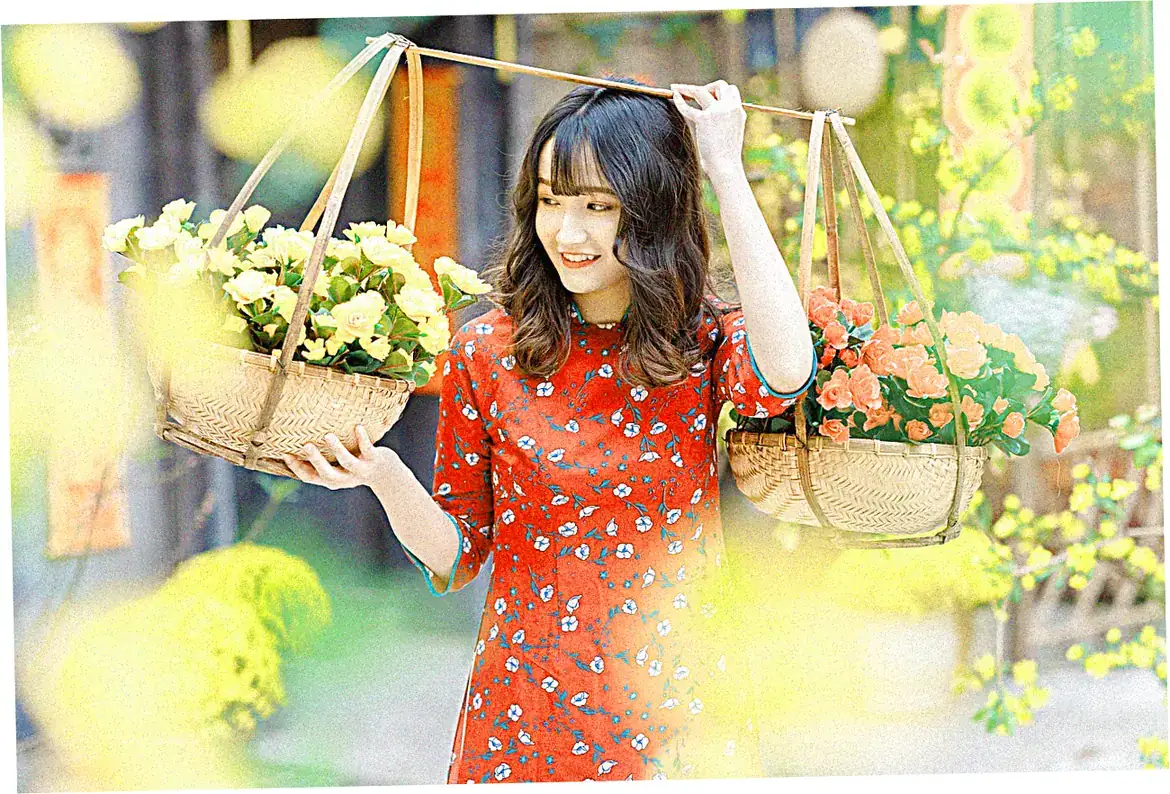
Flora Highlights: Flowers to Look For
Signature Blooms: Tulips, Cherry Blossoms, and More
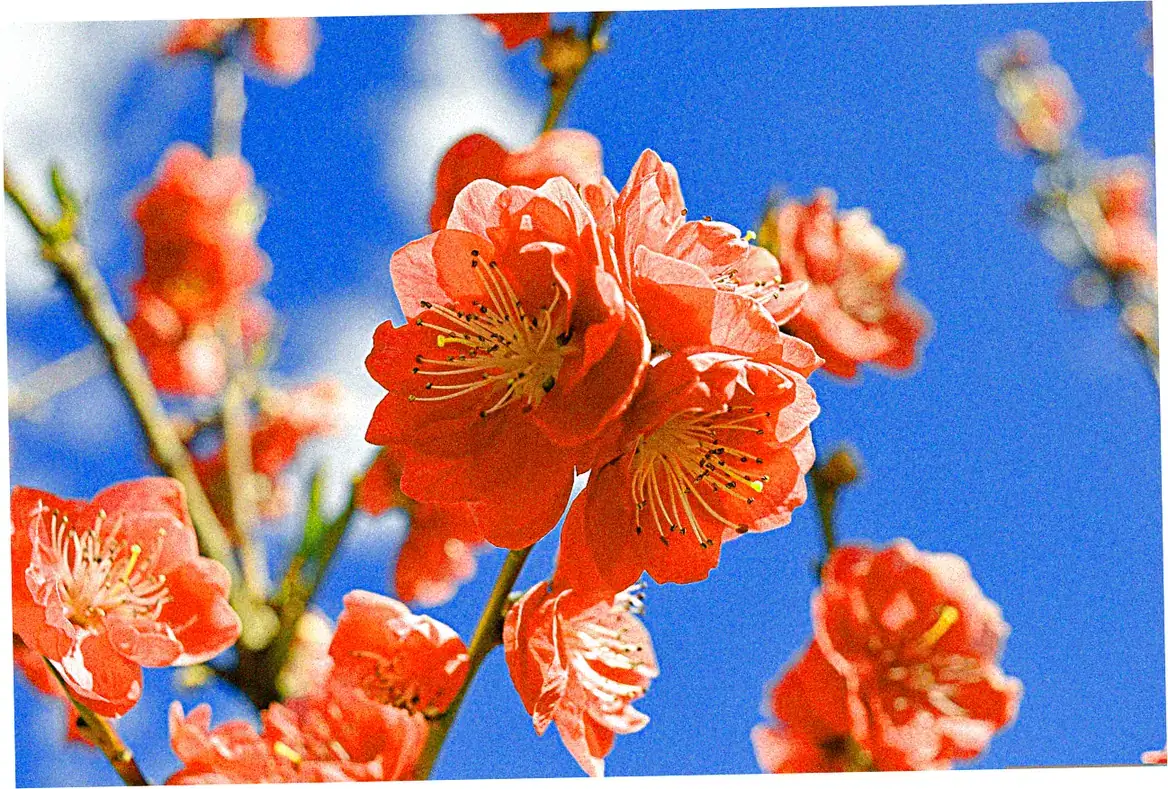
At spring bloom festivals, tulips and cherry blossoms really stand out. You’ll see amazing varieties like Darwin hybrid tulips and Somei-Yoshino cherries that totally steal the show. But don’t miss the others!
Daffodils, hyacinths, and magnolias add so much variety to the displays. I remember at the Canadian Tulip Festival, the Queen of Night tulip blew me away with its deep purple color.
And over in Japan, those shidare-zakura weeping cherries form these incredible, dramatic canopies. Each flower has its own special meaning too – like daffodils, they symbolize new beginnings.
These festivals often show off rare species that horticulturists have carefully selected, like black tulips or double-flowered cherries. Knowing about these highlights really makes the experience better. It turns a simple walk through the gardens into a fun botanical education.
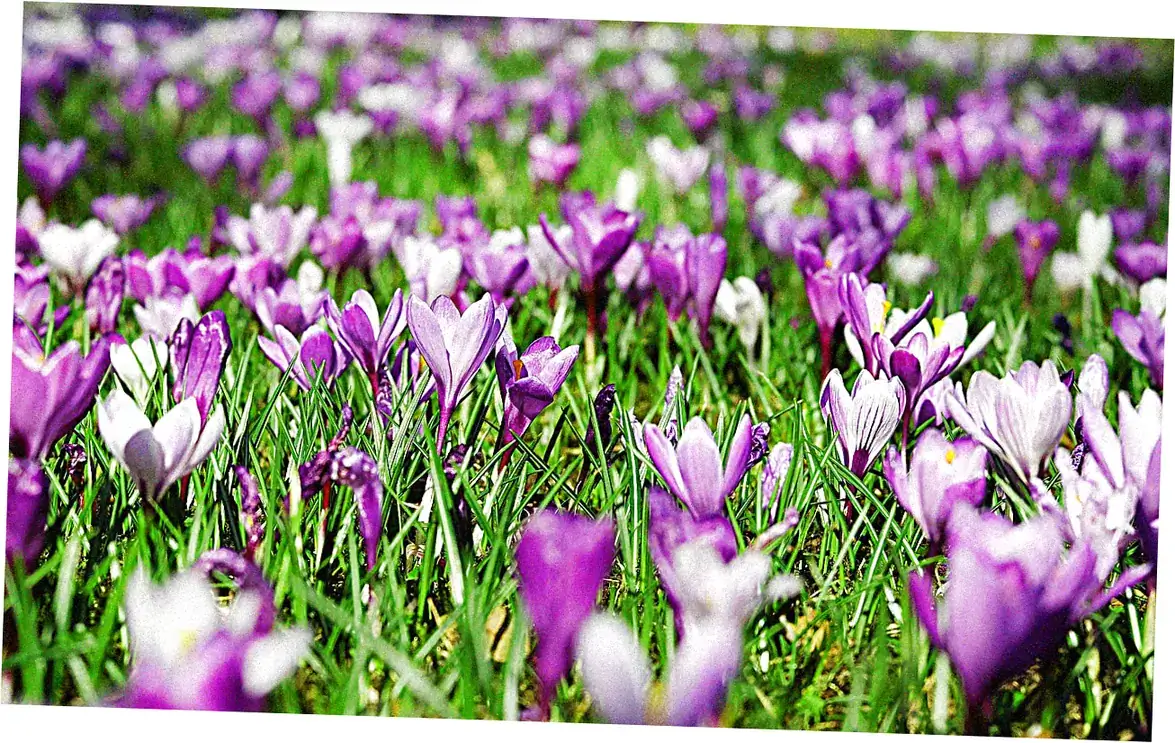
Regional Variations and Native Species
Regional spring bloom festivals really highlight local flowers. Think Texas Hill Country’s bluebonnets or California Antelope Valley’s poppies – they tailor the celebrations to fit the local environment perfectly.
Down in South Africa, the Namaqualand Daisy Festival is amazing – it turns dry landscapes into these colorful carpets, really showcasing drought-resistant species.
Working with botanists has taught me how these different regional variations help promote biodiversity conservation. Take the UK’s Chelsea Flower Show – they often feature endangered native plants to help raise awareness.
Checking out these region-specific events lets you peek into unique gardening traditions. It really makes you appreciate local environments and understand why it’s so important to protect native species from climate challenges.
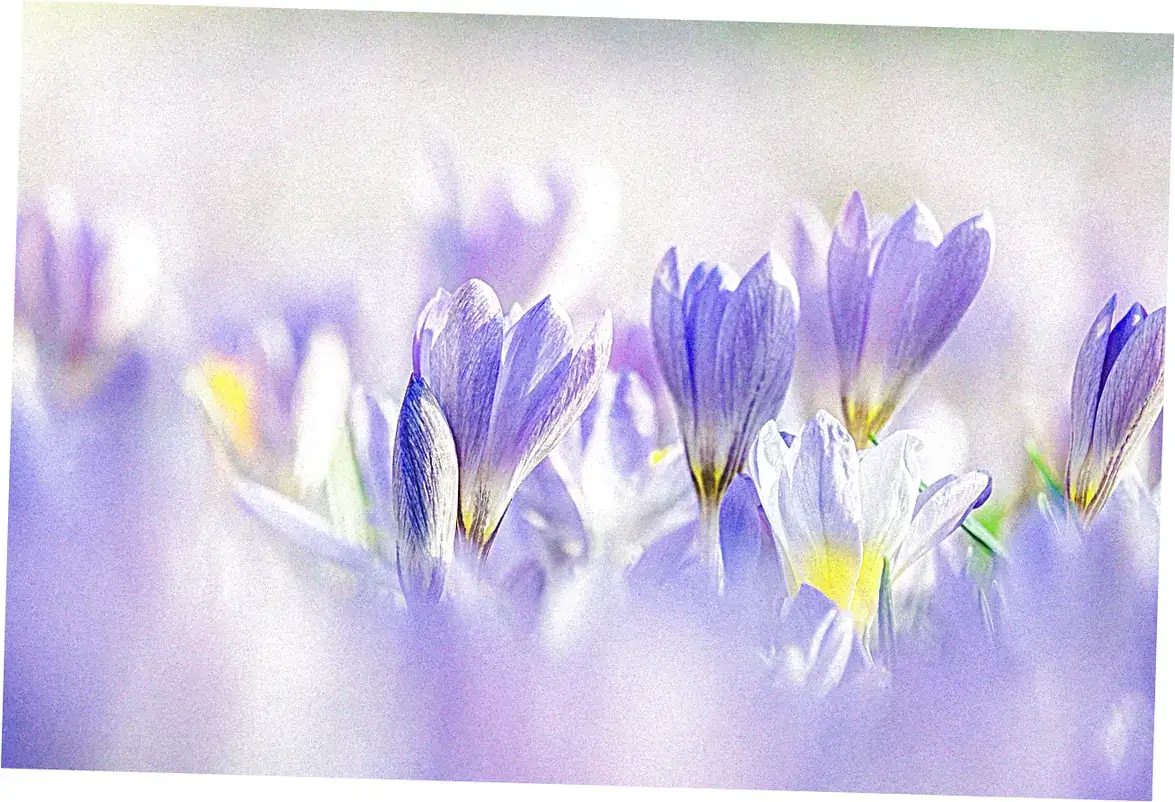
Cultural Events and Performances
Traditional Music, Dance, and Ceremonies
Spring bloom festivals always have cool cultural performances. Like at Japanese hanami, you get taiko drumming. Dutch tulip parades feature folk dances. They really boost the festive vibe. These acts often tell historical tales or seasonal myths.
For example, Persian Nowruz celebrations happen right when everything is in bloom. I went to the Seoul Cherry Blossom Festival. I loved listening to traditional pansori singing under the lit-up trees. It made for a truly magical evening.
These performances give you that cultural context. They really connect you to the local heritage. Lots of festivals also include things like ceremonial tree plantings or tea ceremonies. They often invite you to join in.
All these elements turn a simple flower event into a full cultural experience. You get to celebrate both nature and human creativity.
Food and Culinary Delights at Festivals
The food at these festivals is all about the season. In Japan, you can try sakura mochi, which are cherry blossom rice cakes. Over in the Netherlands, they have tulip-shaped cookies. The food stalls always highlight local specialties.
Imagine fresh strawberry shortcake at spring markets. Or herbal teas made from edible flowers you can actually eat. On my trips, I’ve tried some amazing dishes.
My favorite was Dutch poffertjes, those mini pancakes, along with beers that had a floral twist. Sometimes there are cooking demos. They show you how to add blossoms to salads or desserts. It’s a cool way to see culinary innovation in action.
These food experiences aren’t just tasty. They also support local farmers and artisans. That makes the food a key part of the whole spring bloom journey.
Sustainable Practices and Eco-Friendly Festivals
Environmental Initiatives and Conservation Efforts
Lots of spring bloom festivals really focus on being eco-friendly. They do things like cutting down waste, running carbon-offset programs, and restoring native plants. Take the Melbourne International Flower Show, for example.
They use compostable stuff and encourage everyone to save water. My team has worked with festival organizers to create bee-friendly habitats. This helps pollinators and matches worldwide green goals.
These events often team up with environmental groups. They teach visitors about biodiversity loss and how to take climate action. When you pick a festival with green certifications, you help conservation efforts just by enjoying the beauty of nature.
All these efforts make sure the celebrations leave a good legacy. They protect the blooms for our kids and grandkids.
How Visitors Can Participate Responsibly
Joining in responsibly means a few simple things: stick to the paths so you don’t crush flowers, take public transport to cut down on emissions, and bring your own reusable items to avoid plastic waste.
I always tell travelers to jump into volunteer programs. At festivals like the Portland Rose Festival, you can help plant trees or join clean-up drives.
Make sure to follow local rules—like don’t pick flowers in protected spots—and buy from eco-friendly vendors. Share your fun times on social media with sustainability hashtags. It helps spread the word.
Even small steps make a difference. Carpool with friends, donate to conservation funds—it all adds up. Your visit can help keep these beautiful events going the right way.
Economic and Community Impact
Boosting Local Tourism and Businesses
Spring bloom festivals really help local economies. They bring in tourists who spend money on hotels, food, and souvenirs. Take the Washington D.C. cherry blossom festival, for instance. It makes over $100 million every year.
That supports small businesses and creates jobs. From my work with tourism boards, I’ve seen how these festivals breathe new life into rural areas. Think about the cherry blossom trails in South Korea’s Jinhae district.
They partner with hotels and tour operators to create package deals. This makes visits better and spreads the economic benefits around. The festivals also lead to better infrastructure.
Things like improved public transport or park upgrades. These are lasting benefits for the community, even after the festival ends.
Community Engagement and Volunteer Opportunities
Community involvement is key for these festivals. Volunteers act as guides, staff, or gardeners. This builds a real sense of ownership and pride. There are programs like Adopt a Flowerbed that let locals help out with maintenance directly.
Back in my hometown, the yearly blossom parade needs hundreds of volunteers. It really brings people together. These chances often come with training in gardening or event planning. So participants learn new skills too.
You can get involved by checking out community boards or festival websites. There are planting days, cultural workshops, and more. This teamwork doesn’t just make the event better. It also builds a culture of caring and unity.
Virtual and Home Celebrations
Online Festivals and Digital Experiences
Can’t travel? No problem! Virtual spring bloom festivals are awesome. You get live streams, 360-degree tours, and fun workshops. Check out Google Arts Culture.
They team up with gardens to give you virtual walks through Keukenhof or cherry blossom spots. Back during the pandemic, I helped run a digital festival. We had webinars with florists and even mailed DIY planting kits to folks.
These online events bring blooms to everyone, everywhere. You can enjoy the spring bloom festival fun right from home. They often have social media contests and cool AR filters.
It’s a great way to build a fun community. So even if you’re far away, digital options keep the joy of spring celebrations alive.
Creating Your Own Spring Bloom Festival at Home
Want to host your own spring bloom festival at home? Plant a mini garden with tulips or daffodils. Decorate with flowers, and set up fun family activities like flower arranging or picnics. Look online to see what’s blooming in your area.
I once did a backyard blossom watch with my kids. We checked on the flowers every day. Add some cultural flair! Try making Japanese hanami snacks or some Dutch treats. Share your celebration on community forums.
You might inspire others to join in! This DIY approach is great. It brings nature to you, sparks creativity, and turns your space into a happy spring sanctuary.
Future Trends in Spring Bloom Festivals
Innovations in Event Planning and Technology
Future spring bloom festivals might use augmented reality. You could see interactive flower displays. They might offer app-based personalized tours. Drone light shows could make night events even better.
As weather changes, festivals need climate-adaptive planning. Using drought-resistant plants will be key. I’ve worked with tech startups on virtual reality booths. These let you experience blooms from all over the world.
Sustainable tech will become more popular. Think solar-powered stages and digital ticketing. This helps reduce waste at spring bloom festivals. These new ideas make festivals more inclusive and resilient.
They give you better experiences while helping the environment. Keep up with trends to enjoy the latest festival innovations.
Climate Change and Its Impact on Bloom Cycles
Climate change alters bloom cycles, with earlier springs affecting timing—for example, Japan’s cherry blossoms now bloom sooner than historical averages. Spring bloom festivals need to adapt.
They should use flexible schedules and diverse plants to stay reliable. Research I’ve contributed to shows how warming temperatures threaten certain flowers, necessitating conservation efforts.
Festivals might add educational zones about climate action. This gets visitors more involved. Future festivals will feature proactive measures. They might go carbon-neutral or partner with climate groups.
Understanding this helps travelers see why protecting the environment matters. They can support festivals that focus on ecological resilience.
In summary, spring bloom festivals offer a beautiful fusion of nature, culture, and community, providing unforgettable experiences whether you’re traveling afar or celebrating locally.
This guide gives you planning tips and sustainable practices to make your trip better. Ready to dive into amazing flowers? Explore our curated festival resources or contact our team for personalized travel
advice—let’s make your spring bloom adventure blossom! Need help? Email us at [email protected]. Or join our online community for live updates and tips.
Got questions? Here are some answers!
When’s the best time to catch a spring bloom festival?
The peak times really depend on where you are. In Japan, cherry blossoms pop from late March to April. Over in the Netherlands, that’s tulip time too. Just remember to check the local bloom trackers. They give you the most accurate predictions because they keep an eye on the weather.
How do I find a spring bloom festival that’s eco-friendly?
Keep an eye out for festivals that have sustainability certifications or run waste reduction programs. Some even partner up with environmental NGOs. Lots of these events shout about their green initiatives right on their websites, so it’s pretty easy to spot them.
Can I experience these festivals online?
Absolutely! Plenty of festivals now have you covered with virtual tours, live streams, and online workshops. You can enjoy all the beautiful blooms from your couch. Just hop onto platforms like Google Arts Culture or check out the festival’s own app.
What should I bring along for a spring bloom festival trip?
Don’t forget the basics: pack clothes you can layer, comfy shoes, a camera for pics, sunscreen, and a reusable water bottle. It’s always a good idea to peek at the festival’s website too. They often have specific tips depending on the spot and what you’ll be doing there.

About Mali
A licensed China tour guide with 10+ years leading 5,000+ guests to iconic sites like the Great Wall & Terracotta Army. Expert in seamless tours, cultural insights, and VIP access!