I’m an American who’s called Shanghai home for three years now. I totally get both the awesome thrills and the tricky challenges of exploring this massive city. This guide covers everything you need to know before your trip. We’ll talk about handling cultural differences and finding cool spots away from the Bund, perfect for any American heading to Shanghai. I’ve put together some real, practical tips from my time helping expats and American pals get around. You’ll learn how to have genuine experiences and skip the usual mistakes Western tourists make.
Table of Content
- Pre-Departure Planning and Essential Documentation
- Cultural Preparation and Etiquette Guidelines
- Accommodation Options for American Travelers
- Transportation Systems and Getting Around
- Must-See Attractions and Hidden Gems
- Dining Experiences and Food Culture
- Shopping and Souvenir Recommendations
- Money Matters and Financial Preparation
- Technology and Connectivity Solutions
- Health, Safety, and Emergency Preparedness
- FAQ
Pre-Departure Planning and Essential Documentation
Visa Requirements and Application Process for US Citizens
If you’re an American heading to Shanghai, you’ll need to get a visa first, since China doesn’t let US passport holders in without one. You’ll have to apply for an L tourist visa at the Chinese Visa Application Service Center.
That means filling out a form, giving them a recent passport photo, and handing over your actual passport—make sure it’s valid for at least six more months.
Usually, it takes about 4 to 5 business days to process, but you can pay extra to speed things up if you’re in a hurry. The US State Department says that as of 2023, about 98% of complete applications get approved.
But just a heads-up—processing times can change depending on how things are between the two countries.
Best Time to Visit Shanghai: Seasonal Considerations
Shanghai has very different seasons, and that really affects what your trip will be like. Spring, from April to May, and autumn, from September to November, have the nicest weather.
It’s mild and not too humid—perfect for spending lots of time walking around and exploring outdoors. Summer gets really hot and sticky, plus it’s the rainy season.
Winter, on the other hand, can be pretty chilly, and don’t count on much heating inside many places. I’d especially suggest going from late September through October.
The weather is just right, and there are all kinds of cultural festivals going on. It’s a great way for Americans to get a real feel for local traditions.
Cultural Preparation and Etiquette Guidelines
Understanding Chinese Social Customs and Business Etiquette
When you visit Shanghai as an American, you’ll quickly see social interactions work differently, so you’ll need to adjust. Chinese culture really values modesty and group harmony, which is pretty different from the individual-focused American style.
When you meet people, you’ll often shake hands with a slight bow or nod. Always give and receive business cards with both hands, and take a moment to really look at any card you get. Try to avoid direct arguments or bluntly saying no.
Instead, use polite phrases like I’ll consider it to keep things harmonious. At my first Shanghai business meetings, the indirect communication tripped me up at first. But I learned the most by just watching how my local colleagues acted.
Navigating Language Barriers: Essential Mandarin Phrases
Sure, Shanghai has more English speakers than other spots in China, but knowing a few Mandarin phrases will make your visit so much better. Focus on practical phrases like nǐ hǎo (hello), xiè xie (thank you), and duō shǎo qián (how much does it cost).
Grab a translation app like Pleco for tougher chats. But don’t skip trying a few Chinese words yourself—locals really love it when you make the effort. I’ve found that even if you mess up the pronunciation, people respond way better than if you just jump straight to English.
Accommodation Options for American Travelers
Choosing Between International Hotels and Local Guesthouses
Shanghai’s got all kinds of places to stay, no matter your budget or style. Big chains like Marriott, Hilton, and Hyatt feel like home. They have English-speaking staff, which really helps if it’s your first time visiting as an American.
Or you can try local guesthouses and boutique hotels. They’re cheaper and give you a real taste of Shanghai, but English isn’t as common there. From helping other Americans, here’s my tip: start at an
international hotel to get settled. Once you know your way around, switch to a local spot for a bit.

Neighborhood Guide: Where to Stay in Shanghai
Where you stay in Shanghai totally changes your trip. The Former French Concession is a favorite for Americans. You’ll love the tree-lined streets, old buildings, and cute cafes everywhere – it’s perfect for walking around.
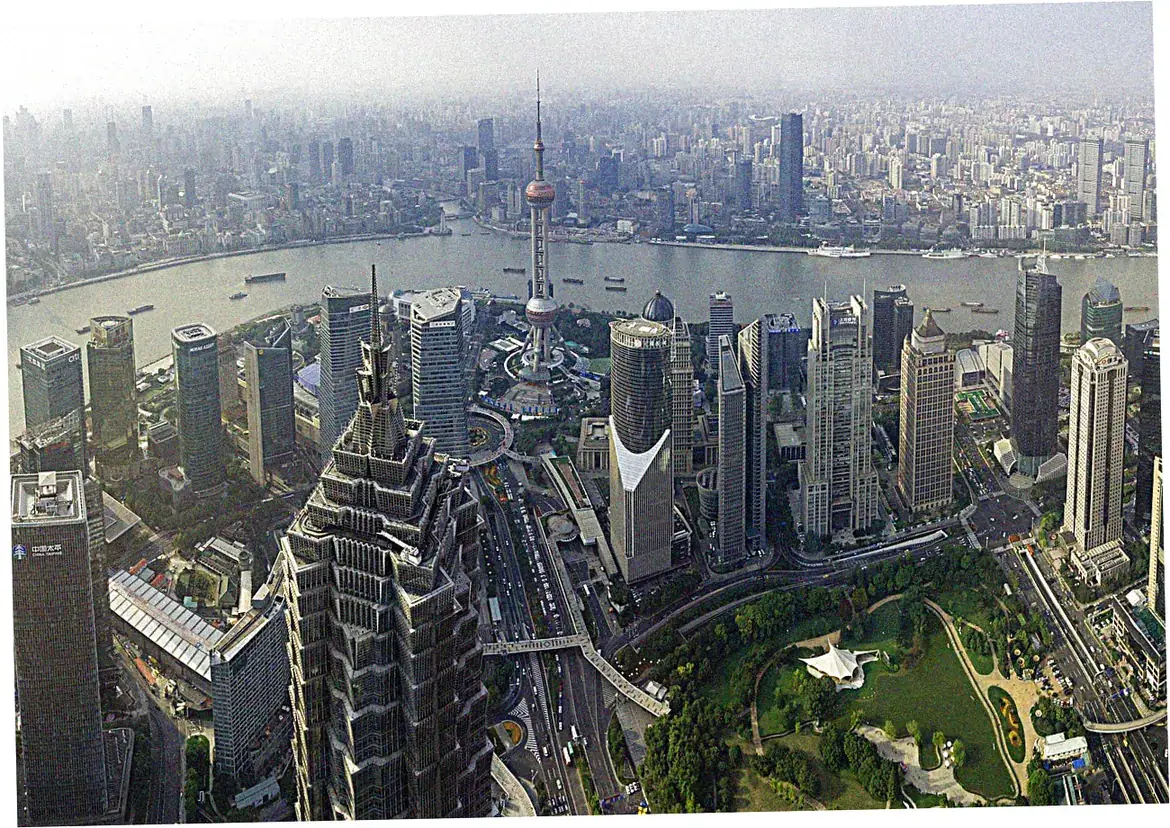
Over in Pudong, Lujiazui has fancy hotels with amazing skyline views, though it feels less like the real Shanghai. If you want the best of both worlds, check out areas near Nanjing Road West.
The metro’s right there, plus you get international comforts and local vibes. I’ve had American friends stay in Jing’an too. The transport is great, and you still get those authentic local moments.

Transportation Systems and Getting Around
Using Shanghai’s Metro System: Tips for Foreign Visitors
Getting around Shanghai by metro is super easy for Americans – it’s efficient, clean, and foreigner-friendly with all the signs and announcements in English.
Grab a Shanghai Public Transportation Card at any station – it gets you on both metros and buses, plus it’s cheaper than buying single tickets each time.
Try to avoid lines 1, 2, and 8 during rush hours – that’s 7:30-9 AM and 5-7 PM – unless you really have to, because they get packed. The metro runs from around 5:30 AM to 11 PM, depending on the line,
so keep that in mind if you’re out late exploring Shanghai. I totally recommend the Explore Shanghai Metro app – it’s a lifesaver for figuring out the huge metro system.
Taxis, Ride-Hailing Apps, and Alternative Transport Options
Even though the metro hits most tourist spots, taxis and ride-hailing apps give you other handy options for getting around Shanghai. Official cabs use meters and are pretty affordable compared to US prices
– just look for the bright turquoise or gold cars with lit-up roof signs. Didi Chuxing is like China’s Uber – you’ll need a local number to sign up, but it does have an English option.
For shorter trips, check out shared bikes like Mobike or HelloBike – just download their apps. Always have your destination written in Chinese to show drivers, since most cabbies don’t speak English.

Must-See Attractions and Hidden Gems
Iconic Landmarks: The Bund, Yu Garden, and Pudong Skyscrapers
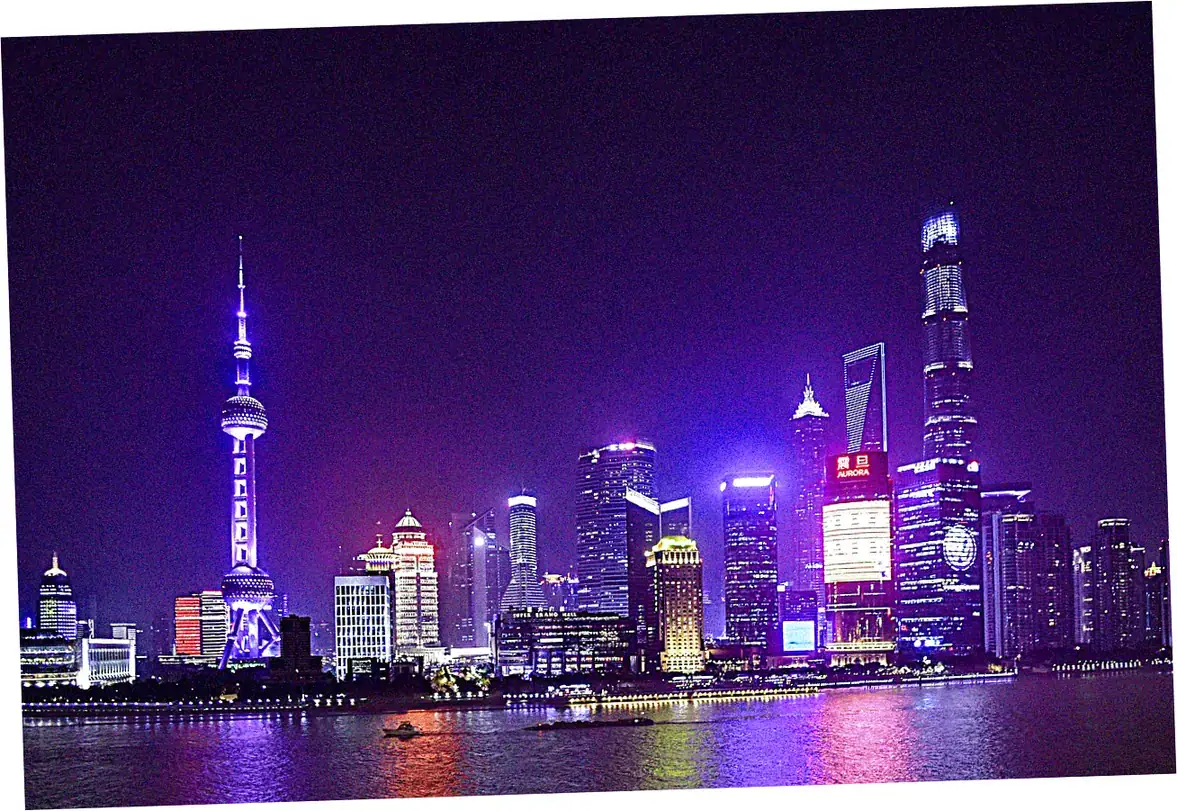
You can’t really visit Shanghai without checking out its iconic landmarks. The Bund has this colonial-era architecture that totally contrasts with Pudong’s futuristic skyline across the river.
Try seeing both during the day and at night to get different vibes. Yu Garden gives you a classic Chinese garden feel from the Ming Dynasty, but heads up—it gets pretty packed on weekends.
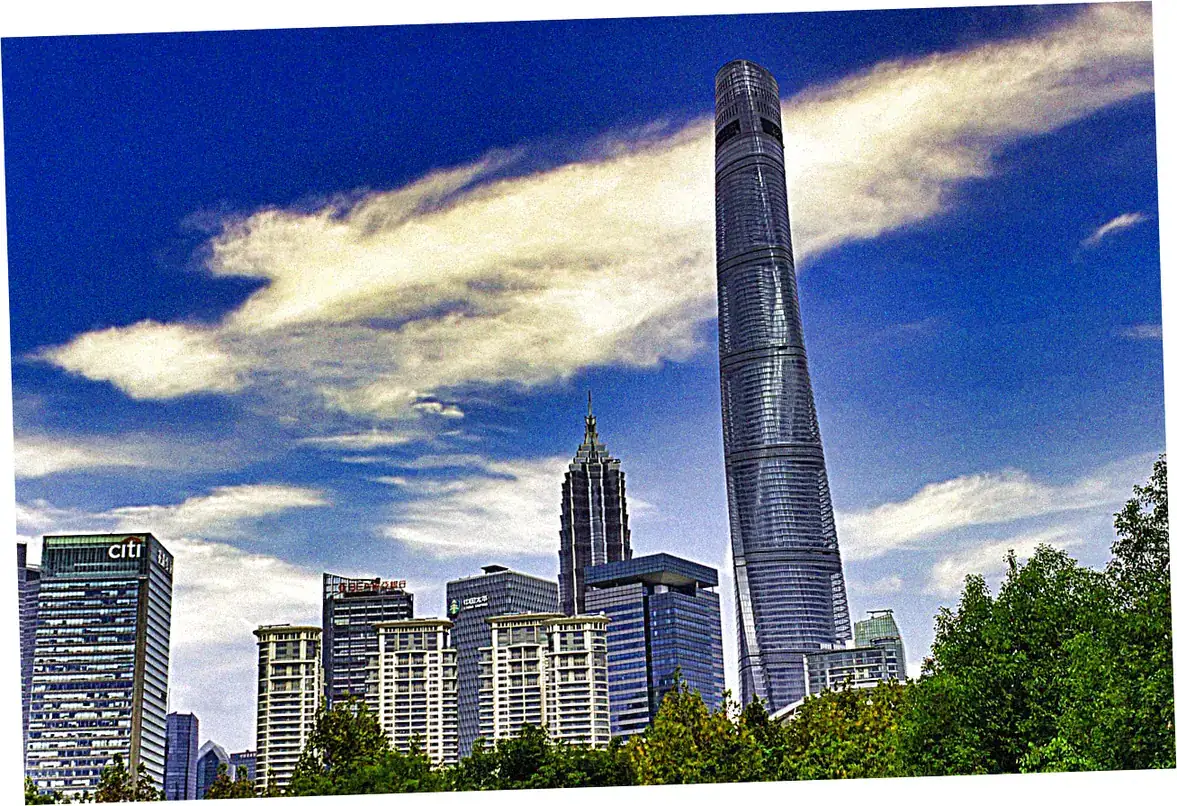
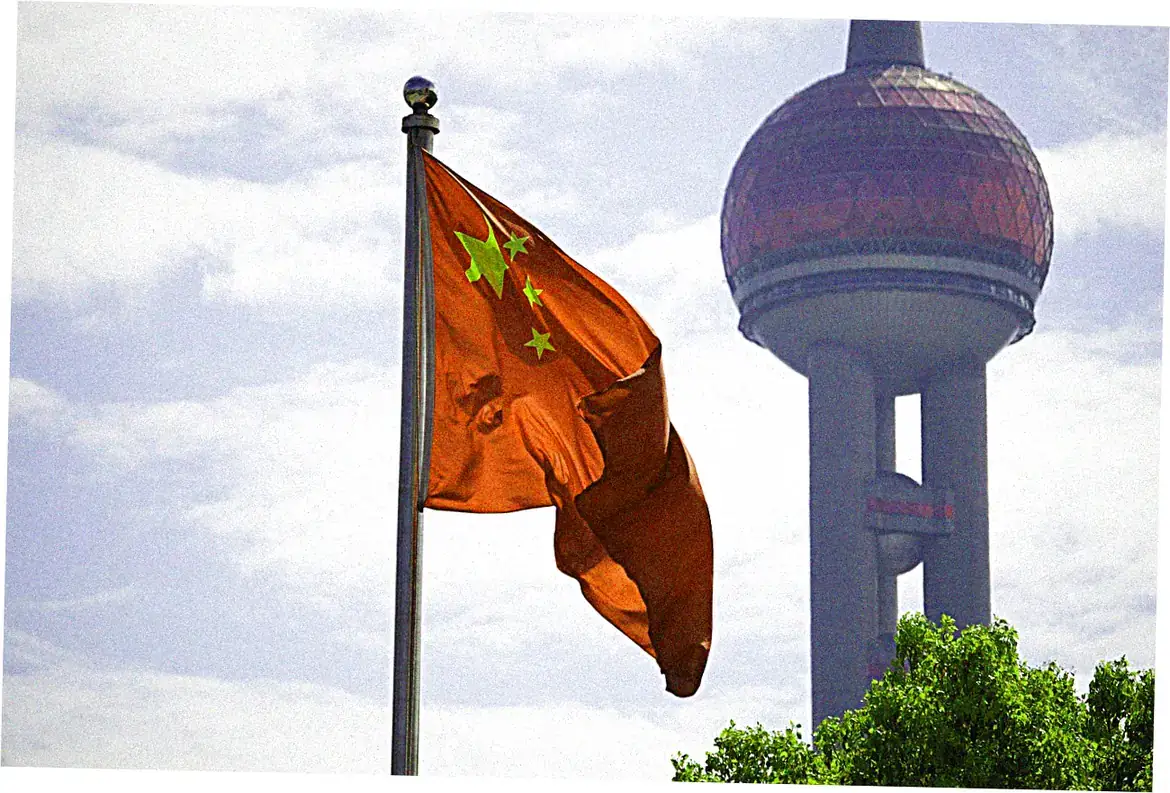
If you’re hitting up Pudong’s skyscrapers, go for the Shanghai Tower’s observation deck instead of the Oriental Pearl Tower. The views are way more spectacular. I’d totally recommend taking a Huangpu River cruise between these spots.
It helps you understand how Shanghai developed and you’ll get some awesome photos from unique angles.

Lesser-Known attractions: Museums, Temples, and Local Markets
Besides the famous spots, Shanghai has some incredible hidden gems that most American tourists miss. The Shanghai Museum over in People’s Square has one of China’s best ancient art collections, and they’ve got great English explanations too.
Jing’an Temple lets you experience an active Buddhist temple right among skyscrapers, while Longhua Temple has a more traditional vibe. For markets, check out Tianzifang’s maze of artsy alleyways instead of the touristy Yuyuan Bazaar.
Or hit up a local wet market early in the morning to really see Shanghai’s vibrant food culture. These less crowded spots usually give you more authentic experiences and a deeper understanding of the culture.

Dining Experiences and Food Culture
Shanghai Cuisine Highlights: What and Where to Eat
Shanghai’s food scene is amazing—it mixes local specialties with other Chinese regional cuisines and international dishes. You’ve gotta try local favorites like xiaolongbao—those are soup dumplings—shengjianbao,
which are pan-fried pork buns, and red-braised pork. For the real deal, head to Jia Jia Tang Bao for dumplings, Yang’s Fry-Dumpling for shengjianbao, and Old Jesse for classic Shanghainese food.
Sure, you’ll find American chains around the city, but I really recommend trying the local food. It’s nothing like American Chinese food, and if you keep an open mind, you’ll find it’s pretty friendly to Western tastes.
Navigating Food Safety and Dietary Restrictions
A lot of American visitors worry about food safety and dietary stuff in Shanghai. Generally, restaurants in malls and hotels are pretty clean. With street food, just be a bit more careful—go for places
with lots of customers and where they cook the food right in front of you. If you have dietary restrictions, use a translation card or app to explain your allergies—Chinese cooking often uses nuts, seafood, and MSG.
Vegetarians should specify sùshí () but understand that chicken broth and seafood sauce might still be used. Don’t drink the tap water—stick with bottled or boiled water while you’re there.
Shopping and Souvenir Recommendations
Where to Shop: From Luxury Malls to Authentic Markets
Shanghai’s shopping scene is amazing, you’ll find everything from fancy luxury boutiques to lively local markets. Nanjing Road is the main shopping street, packed with international brands and department stores.
For more upscale shopping, head to Huaihai Road where you’ll find luxury retailers. If you want more authentic shopping, check out Tianzifang’s small boutiques for handmade crafts.
Or try the AP Plaza fake market for some bargaining fun – just know the quality can be hit or miss. I usually tell American visitors to focus on things you can’t get back home – like silk, Chinese tea, traditional crafts, and local artwork instead of international brands.
Bargaining Techniques and Cultural Considerations
You’ll need to bargain at markets and smaller shops in Shanghai, but not in department stores or malls where prices are fixed. Treat bargaining like a friendly chat, not a fight.
Start by offering 30-50% of their asking price, then work your way up to about 60-70% of what they first said. Keep smiling the whole time, and don’t be afraid to walk away if the price isn’t right – often they’ll call you back with a better deal.
Just remember, don’t get too aggressive with bargaining – it’s considered rude. And once you agree on a price, you should buy the item.
Money Matters and Financial Preparation
Currency Exchange, Payment Methods, and Tipping Customs
China still uses cash a lot, but in Shanghai, everyone pays with their phone using Alipay or WeChat Pay. As an American visiting Shanghai, it’s smart to have some yuan on hand for small shops and markets.
But you can use credit cards at most hotels and bigger stores. You’ll get a better exchange rate if you change money at a bank or official counter, not at your hotel. Tipping isn’t really a thing in China—sometimes people might even say no.
But tour guides and drivers kind of expect tips from foreigners now. I’d say download Alipay and connect your credit card before you get there. You’re gonna need it for paying for lots of things.
Budgeting for Your Shanghai Trip: Daily Expense Estimates
Shanghai can work for any budget, but prices are kinda like big US cities. If you’re watching your wallet, you can get by on $50 to $70 a day. Stay in hostels, eat where the locals eat, and take the bus or subway.
For a mid-range trip, plan on spending $100 to $150 each day. That’ll cover a nice hotel, good meals, and catching a cab sometimes. If you want the luxury experience, you can easily drop over $300 a day.
Think fancy hotels, top restaurants, and your own personal guide. Just remember, getting into most sights is pretty cheap—like $5 to $15. But Western food and drinks? They cost a lot more than local stuff.
Technology and Connectivity Solutions
Staying Connected: SIM Cards, VPNs, and Essential Apps
If you’re an American visiting Shanghai, you gotta prepare for the internet situation. China’s Great Firewall blocks sites like Google, Facebook, and Instagram. So, you’ll really need a good VPN to use the services you’re used to.
Make sure you get your VPN before you get there, because you can’t download it once you’re in China. For your phone, China Unicom sells tourist SIM cards right at the airport. They have data plans perfect for short trips.
Some must-have apps are Didi for rides, Pleco for translating, Meituan for food, and Explore Metro to get around on the subway. I’d totally recommend testing your VPN a bunch before you leave, so you don’t have any connection problems.
Power Adapters, Electronics, and Tech Essentials
China’s outlets use 220V power and are Type A, C, or I. As an American, you’ll need to bring the right plug adapters for your gadgets. Most stuff like laptops and phone chargers these days work on both
110V and 240V, but it’s smart to double-check the label first. A power bank is a lifesaver for long days out. Using all those apps really kills your phone battery fast.
If you need to keep several devices online, think about bringing a portable WiFi hotspot. On my first trip, I didn’t realize how much I’d need a power bank. Now, I never explore Shanghai without two fully charged ones.
Health, Safety, and Emergency Preparedness
Staying Healthy: Vaccinations, Insurance, and Medical Facilities
You don’t need any special shots for Shanghai, but make sure your routine vaccinations are up to date. Since you’ll be trying lots of local food, consider getting hepatitis A and typhoid vaccines too.
Get good travel insurance that includes medical evacuation. Hospital visits for foreigners can be pricey here, and they often want payment upfront. Shanghai has great international hospitals like Parkway
Health and Global Health Care where staff speak English. But learning a few basic medical phrases in Chinese helps at smaller clinics. When I’m in Shanghai, I always carry a card that lists my blood type, allergies, and emergency contacts.
Safety Considerations and Emergency Contacts
Shanghai is one of Asia’s safest cities with very little violent crime. Just watch out for pickpockets in crowded spots. Use common sense – keep your valuables secure and avoid dark areas late at night.
The biggest danger is actually the traffic. Be super careful crossing streets – drivers don’t always stop for pedestrians. Save these important numbers: your country’s consulate (for Americans, it’s 86-21-8011-2400),
local police at 110, and medical emergency at 120. Before you go, register with STEP to get security updates from the US Embassy.
For American visitors, Shanghai is an amazing mix of ancient traditions and futuristic innovation. Being prepared and open to the culture makes it even better.
Understand the local customs, prepare well, and stay flexible – you’ll soon see why this city charms travelers from around the world. Use this guide to start planning your Shanghai trip now.
As you get closer to leaving, don’t be shy about asking other travelers or expats for tips. The memories you make in this incredible city will definitely stay with you forever.
FAQ
What documents do Americans need to visit Shanghai?
If you’re an American heading to Shanghai, you’ll need a passport that’s good for at least six more months and a Chinese tourist visa, which you gotta get before you fly.
Just fill out the form, give them a recent passport photo, and hand over your passport at the Chinese Visa Application Center. It usually takes them 4 to 5 days to process it, but you can pay extra to speed things up if you’re in a rush.
Is it safe for Americans to travel to Shanghai?
Shanghai is actually one of the safest cities in Asia for Americans, since violent crime is pretty rare there. Watch out for pickpockets in busy spots though, so just keep an eye on your stuff like you would anywhere.
The US State Department says to rethink travel to China right now because of COVID rules and how local laws are enforced, so definitely check the latest advice before you book anything.
What is the best way for Americans to pay for things in Shanghai?
You can use cash everywhere, but almost everyone in Shanghai pays with their phone using Alipay or WeChat Pay. It’s a good idea for Americans to download Alipay and connect it to a credit card before you
get there, since you’ll need it to buy stuff. Big hotels and stores take credit cards, but smaller shops and markets mostly want cash.
How can Americans access blocked websites like Google in Shanghai?
Lots of Western sites and apps are blocked in China, so Americans should get a solid VPN on all their gadgets before they go. Some VPNs that usually work there are ExpressVPN, Astrill, and VyprVPN.
Test your VPN really well before you leave, because it can be spotty and you can’t download one once you’re in China.

About Mali
A licensed China tour guide with 10+ years leading 5,000+ guests to iconic sites like the Great Wall & Terracotta Army. Expert in seamless tours, cultural insights, and VIP access!