Tanzhe Temple sits quietly in Beijing’s western hills. It’s a peaceful spot with more than 1,700 years of Buddhist history. Being Beijing’s oldest temple, people come here looking for peace, amazing buildings, and escape from city life. This guide covers 12 cool things about Tanzhe Temple. You’ll learn about the famous Dragon Pool, Zhantan Trees, best photo spots in fall, and how it compares to Jietai Temple nearby.
Table of Content
- Tanzhe Temple history and cultural significance
- Best time to visit Tanzhe Temple Beijing
- How to get to Tanzhe Temple from Beijing
- Tanzhe Temple vs Jietai Temple comparison
- Tanzhe Temple photography tips and spots
- Tanzhe Temple Dragon Pool legend explained
- Tanzhe Temple vegetarian cuisine experience
- Tanzhe Temple hiking trails and surroundings
- Tanzhe Temple accommodation and overnight stays
- Tanzhe Temple with kids family visit guide
- Tanzhe Temple nearby attractions combination tours
- Tanzhe Temple etiquette and visitor guidelines
- Tanzhe Temple annual events and festivals calendar
Tanzhe Temple history and cultural significance
Tanzhe Temple was built way back in the Western Jin Dynasty (265-316 AD). That’s even older than Beijing!
There’s a local saying: First Tanzhe Temple, then Beijing. That shows how old it really is. The temple follows classic Chinese Buddhist design. The main path leads you past the Hall of Heavenly Kings, Mahavira Hall, and Vairochana Pavilion.
Don’t miss the Ming Dynasty copper Buddha and Qing Dynasty stone tablets that tell about royal visits. Under Emperor Kangxi, the temple grew to its current size – 100 acres! It mixed spiritual life with royal support. The name Tanzhe comes from Tan meaning pool (that famous dragon pool) and Zhe for the special zelkova trees in its yards. It’s like a living museum of Chinese Buddhist art. Check out the roof decorations, painted beams, and stone carvings that show styles changing from Jin to Qing times.
Best time to visit Tanzhe Temple Beijing
The temple feels totally different depending on when you visit.
Spring brings pretty peonies and magnolias. Summer’s green but can get hot. Fall is the best time – golden ginkgo leaves against red maples make perfect photos.
Winter’s quiet with snowy roofs, though some parts might be closed. Weekdays are way less crowded – 60% fewer people than weekends, says the tourism office. Come before 9am to miss the tour groups. Late afternoon light is perfect for pictures. Don’t miss the Buddha Bathing Festival on April 8th (lunar date) – colorful but crowded!
How to get to Tanzhe Temple from Beijing
Tanzhe Temple is 30km west of Beijing in Mentougou. You’ve got several ways to get there.
Cheapest option? Take Bus 931 from Pingguoyuan subway (Line 1). About 90 minutes ride. Want more comfort? A Didi ride costs 150-200 RMB each way.
If driving, take G108 highway. Watch out – the mountain roads wind a lot, especially when wet. Many people join tours that include Tanzhe Temple plus nearby spots like Jietai Temple or Cuandixia Village. They take care of everything. You can park at the south gate for 20 RMB/day, but weekends get packed fast. Smart tip: Stop by on your way to/from Stone Flower Cave to save time.
Tanzhe Temple vs Jietai Temple comparison
Both are old Buddhist temples in Beijing’s western hills, but they’re quite different.
Tanzhe is older (3rd century vs Jietai’s 7th century) and has bigger grounds with courtyards going up the hill. Jietai’s famous for its ordination platform and old pines. Tanzhe wins for fall colors and that cool Dragon Pool.
Architecture-wise, Jietai’s main hall is Ming style, while Tanzhe shows more Qing influence. Tanzhe gets 40% more visitors, so if you want peace, Jietai might be better. Lots of tours cover both, so you can compare their Buddhist treasures and mountain views. Photographers love Tanzhe’s views. Buddhists might like Jietai’s meditation sessions more.

Tanzhe Temple photography tips and spots
To get great photos of Tanzhe Temple, know what to shoot and when.
The ginkgo courtyard is stunning in late October – golden leaves act like natural reflectors. Try a polarizing filter for richer colors. At sunrise, Mahavira Hall’s curved roofs against the mountains look amazing.
Head up to the back pagoda for a bird’s-eye view of the whole place. Bring a wide-angle lens (16-35mm) for buildings and a telephoto (70-200mm) for mountain layers. Fall mornings sometimes have mist that makes Dragon Pool photos look magical. Be respectful: no flash near old stuff, and don’t shoot during monk ceremonies. When the sun’s harsh at noon, the east side’s shade is great for portraits.
Tanzhe Temple Dragon Pool legend explained
The famous Dragon Pool is what gave Tanzhe Temple its name.
Old records say the pool never dried up, even in droughts. People believed a kind dragon lived underneath. People used to throw coins in for luck, but that’s not allowed now to keep the water clean.
The dragon head spout is from Yuan Dynasty, but the original got damaged in the Cultural Revolution. Even today, fortune tellers say it’s a lucky spot. The rocks around it look like guardian spirits. Science shows the pool gets water from underground springs in the Western Hills. Close by, there’s a rock called Stone Fish that supposedly predicts rain when it gets wet. All this makes a special little world showing how Buddhism and nature worship mix in Chinese tradition.
Tanzhe Temple vegetarian cuisine experience
The vegetarian food at Tanzhe Temple comes from old monk cooking traditions.
Their restaurant makes zhai cai – fake meat dishes from gluten, tofu and mushrooms, following vegetarian rules. Must-tries are their pork (actually wheat gluten) and fish (tofu with seaweed scales).
They use local wild herbs and veggies that change with the seasons. Eat quietly and don’t take too much – it fits the temple’s peaceful vibe. Meals cost 30-80 RMB per person. Groups can order set menus. People rave about the sweet osmanthus cakes and monk-style pickles. Close by, the Tofu Workshop shows how they’ve made bean curd since Qing times. Want Western food? There are cafes in Mentougou town, just 15 minutes by car.
Tanzhe Temple hiking trails and surroundings
Besides its amazing buildings, Tanzhe Temple is the start of great hikes in Mentougou.
Out back, a 5km loop trail goes past old cypress trees and rock carvings. It’s not too steep – most people can handle it. Hardcore hikers can push on to Yangtai Mountain for awesome views of Beijing’s west side.
Spring brings wild peach flowers. Fall has gorgeous colored leaves. Wear good shoes (the stone steps are uneven) and bring a jacket – it gets chilly up high. Don’t miss the Botanical Garden nearby – it shows local plants used in Chinese medicine, all labeled. For something easier, walk the peony garden or meditate at Guanyin Pavilion with its valley views.
Tanzhe Temple accommodation and overnight stays
You can’t stay at the temple itself, but there are places nearby if you want to linger.
Tanzhe Temple Hotel has simple rooms with mountain views, just 800m away. Starts at 300 RMB/night. For something fancier, try Shougang Resort nearby with its hot springs and spa.
Special programs let you watch (not join) morning chants at 5am if you arrange it ahead. For budget travelers, Mentougou district hostels offer dorm beds from 80 RMB, though require commuting. Visiting during major Buddhist festivals may include opportunities for temple stays, but these require advance approval and adherence to strict schedules. Most visitors find day trips sufficient unless combining with multiple Western Hills attractions.
Tanzhe Temple with kids family visit guide
Families visiting Tanzhe Temple will find engaging activities beyond standard sightseeing.
Children enjoy feeding the temple’s resident koi fish in the Dragon Pool (fish food sold onsite) and searching for the Stone Fish weather predictor. The less crowded eastern courtyards provide space for young ones to explore safely, while older kids can participate in rubbing temple stone tablet inscriptions (materials available at the cultural center).
Stroller accessibility is limited due to numerous staircases – baby carriers are recommended. Nearby, the Tanzhe Temple Fairy Tale Tree (a 1,000-year-old ginkgo) sparks imagination with local legends. Educational aspects include comparing architectural features with children’s books about Chinese temples. Pack snacks as kid-friendly food options are scarce onsite, though the vegetarian restaurant can prepare simple noodle dishes upon request.
Tanzhe Temple nearby attractions combination tours
Strategic pairing enhances Tanzhe Temple visits by providing cultural and geographical context.
Popular combinations include: 1) Jietai Temple (12km east) for contrasting Buddhist architecture; 2) Cuandixia Village (25km west) showcasing Ming-era rural dwellings; 3) Stone Flower Cave (18km south) featuring spectacular karst formations. Guided day tours typically cover 2-3 sites with transportation and lunch included (average cost 400-600 RMB/person).
Independent travelers can sequence sites based on opening hours – Tanzhe Temple (8:30am-4:30pm) pairs well with morning visits to the earlier-opening Jietai Temple (7:30am). The Beijing Tourism Bureau’s Western Hills Pass (120 RMB) offers discounted entry to multiple attractions. Autumn visitors should prioritize foliage sites, while history buffs may prefer adding the ancient Liao Dynasty pagodas in nearby Cheery Valley.
Tanzhe Temple etiquette and visitor guidelines
Respectful behavior enhances both personal experience and temple preservation.
Key guidelines include dressing modestly (no sleeveless tops or shorts above knee), speaking softly, and refraining from touching artifacts. Photography restrictions apply in certain halls – observe posted signs and avoid using tripods in crowded areas.
Circumambulating stupas and statues clockwise follows Buddhist tradition. Monetary offerings should be placed discreetly in donation boxes rather than handed directly to monks. Foreign visitors should note that spinning prayer wheels are turned clockwise with right hand only. The temple provides incense sticks free of charge – commercial vendors outside are unnecessary. Those encountering prayer ceremonies should observe silently from the rear. These practices demonstrate cultural sensitivity while allowing fuller appreciation of Tanzhe Temple’s spiritual atmosphere.
Tanzhe Temple annual events and festivals calendar
Tanzhe Temple’s liturgical calendar creates unique visiting opportunities throughout the year.
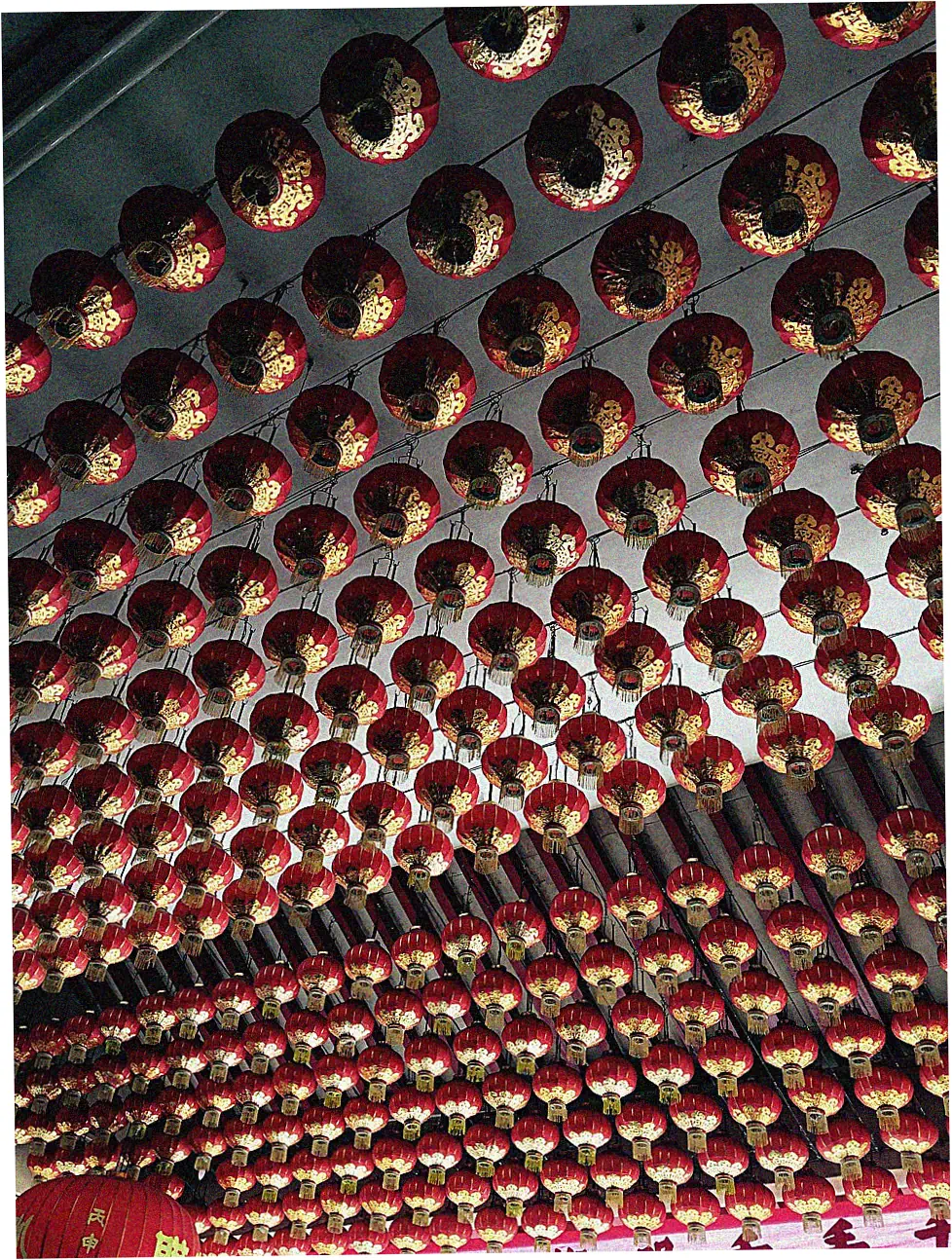
Major events include: 1) Spring Festival (January/February) featuring special blessings and lantern displays; 2) Buddha Bathing Festival (April/May) commemorating Buddha’s birthday with flower-adorned statues; 3) Ullambana Festival (August/September) honoring ancestors through memorial services; 4) Double Ninth Festival (October) when elders pilgrimage to climb the temple’s steps for longevity blessings. These events draw larger crowds but offer unparalleled cultural immersion.
The temple’s ancient bell rings 108 times during New Year’s Eve ceremonies, a profound experience for attendees. Visitors during festivals should arrive early, expect modified access to certain areas, and respect enhanced devotional activities. The temple website posts exact dates (based on lunar calendar) several months in advance.
Tanzhe Temple remains one of Beijing’s most culturally rich yet underappreciated destinations, offering layers of discovery for history enthusiasts, spiritual seekers, and nature lovers alike. Whether marveling at ancient architecture, photographing seasonal beauty, or simply enjoying mountain tranquility, visitors consistently describe feeling transported centuries away from modern Beijing.
For optimal experience, combine early weekday visits with knowledgeable guides or thorough pre-visit research. Those seeking deeper understanding can consult the temple’s published histories or attend one of its occasional cultural lectures. However you choose to explore Tanzhe Temple, its enduring legacy as Beijing’s spiritual wellspring promises memorable encounters with China’s living Buddhist heritage.

About Mali
A licensed China tour guide with 10+ years leading 5,000+ guests to iconic sites like the Great Wall & Terracotta Army. Expert in seamless tours, cultural insights, and VIP access!