Does modern life feel way too fast for you? Lots of people feel the same. That’s why Taoist ideas are getting popular – they’re old Chinese wisdom about going with nature’s flow. No matter if you want Taoism 101, better balance, or to see how it shapes art, these ancient ideas actually help with modern stress.
Table of Content
- How does Taoism define the natural order?
- What are core Taoist practices for beginners?
- Can Taoist principles reduce workplace stress?
- How does Taoist art express philosophical ideas?
- What Taoist texts best introduce beginners?
- Do Taoist dietary practices benefit health?
- How can Taoist ideas improve relationships?
- What role do animals play in Taoist teachings?
- How does Taoism approach environmental issues?
- Can Taoist practices enhance creativity?
- What Taoist rituals mark life transitions?
- How do Taoist ideas intersect with science?
- Are there Taoist approaches to financial wellbeing?
- What modern careers apply Taoist principles?
How does Taoism define the natural order?
The main Taoist book, Tao Te Ching, says the Tao is like nature’s secret rulebook – you can’t really pin it down. Think of water smoothly going around stones, not smashing into them.
That’s wu wei – Taoism’s big idea about going with the flow. It’s not about being lazy, but working smarter by following nature’s lead.
Science is now catching up with this old wisdom. Quantum stuff shows particles are kinda fuzzy until you look – just like Taoists see energy (qi) always changing.
My old tai chi master used to say: This saved me during job changes – pushing too hard stressed me out, but going with the flow brought better chances.
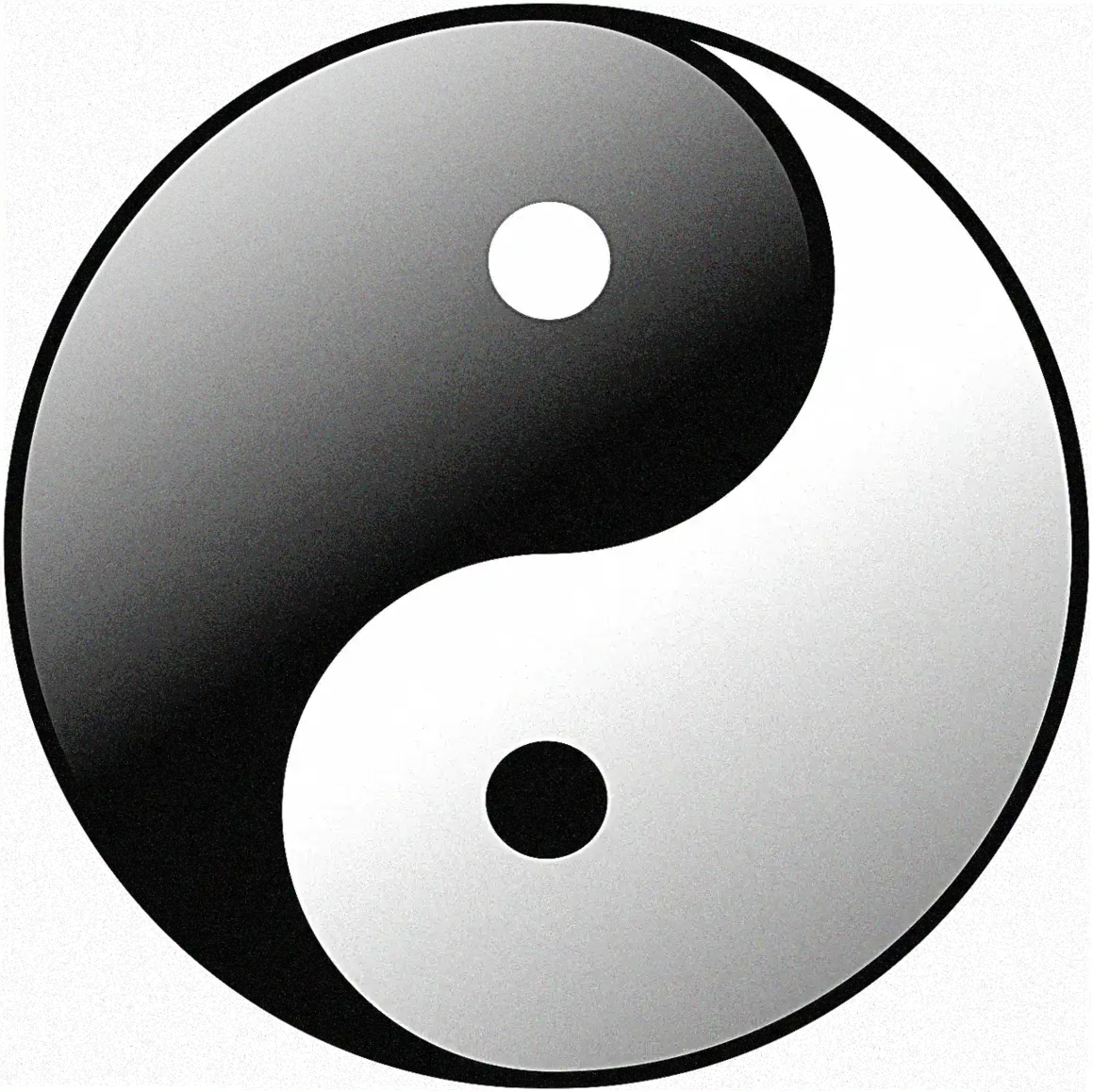
Taoism says everything’s connected through yin and yang – opposites that keep things balanced. You can’t have day without night, or work without breaks.
Science now proves what Taoists knew forever – sleep matters, and rest makes you work better. When stressed, try this Taoist breath: breathe in energy, breathe out stress. Easy but really works.
What are core Taoist practices for beginners?
You don’t need to totally change your life to try Taoism. Try these three easy starters: watching nature, gentle qigong moves, or I Ching journaling.
Every morning, I watch birds or clouds for five minutes – no thinking, just looking. This builds ziran – Taoist speak for being naturally you.
Qigong is like meditation while moving slowly with your breath. Try the Eight Pieces of Brocade first – moves with cool names that quietly make you stronger and calmer. Check community centers for classes, or just watch beginner videos at home.
The old I Ching fortune-telling book actually makes great journal ideas. Don’t predict tomorrow – use its 64 symbols to think about yourself.
Stuck on something? Pick a random symbol (there’s apps for that) and write how it fits your situation. Like hexagram 57 says – small steady steps (think wind wearing down stone) work better than forcing things.
Can Taoist principles reduce workplace stress?
Offices seem totally un-Taoist, but these ideas actually help with work stress. Wu wei is extra useful here.
My client Sarah (tech boss) stopped micromanaging after reading Taoist stuff. She started leading like water – guiding but letting people’s skills shine. Soon her team did 30% more work with fewer meetings.
Taoist time tricks fight our always-busy habits. Instead of strict plans, work with your energy ups and downs.
Do creative stuff when you’re sharp, boring tasks when you’re dragging. I tell people to log their energy for a week, then plan work around it. Most get more done with less tiredness.
Yin-yang thinking also helps solve fights. Taoism says both sides in arguments usually have some truth.
When mediating, I help people see the real worries behind their positions. Like mixing hot and cold for warm water, this often turns fights into teamwork.
How does Taoist art express philosophical ideas?
Taoist art shows deep ideas quietly, not shouting them. Old Chinese paintings show people tiny under huge mountains – we’re small but part of something big. The empty spots (called li) actually help balance things, like silence makes music better.
Modern artists keep doing this. Artist Mark Tobey’s white line paintings show Taoist ideas about energy moving.
I once matched old Taoist poems with new art for a show. People loved water projections that moved with their breath – showing how we’re all connected.
Even tattoos can show Taoist ideas well, if done right. Skip basic yin-yang tattoos – try Zhuangzi’s butterfly for change or hollow gourd for empty being useful. My tattoo pal makes cool custom designs from how people read Taoist books – totally personal.
What Taoist texts best introduce beginners?
The Tao Te Ching is key, but its poetry can puzzle beginners. Try The Tao of Pooh first – it explains Taoism with Winnie-the-Pooh stories. One client said it was his
Sci-fi fans should try Lathe of Heaven – it’s got great Taoist ideas in a future story. The main character changes reality by dreaming, showing why wu wei matters. My book clubs love debating Taoism vs. tech obsession after reading it.
Zhuangzi’s funny stories make hard ideas easy to get. His butterfly dream joke – am I a man dreaming of a butterfly or vice versa? – makes you question what’s real. I use these tales when coaching bosses – the puzzles sneak past their resistance better than straight advice.
Do Taoist dietary practices benefit health?
Taoist eating means seasonal foods and balancing energies, not just vitamins. New science now backs these old food ideas. Like spring bitter greens for liver cleaning – science found stuff in them that helps detox.
Five Elements thinking groups foods by how they make you feel, not just what’s in them. Spicy stuff wakes up your lungs, salty helps kidneys.
For afternoon slumps, try Taoist snacks – goji berries for liver or pumpkin seeds for spleen energy. Small changes, big results.
Unlike strict diets, Taoist eating is about happy balance. An old text says:
Science now shows eating less helps, without starving. People stick to this better than calorie counting, especially when they really notice their food first.
How can Taoist ideas improve relationships?
Taoist flow thinking really changes how people get along. Zhi means really listening, not just waiting to talk.
I have couples try Taoist listening – one talks, one just listens, no interrupting. Most suddenly understand each other better.
Taoist Instead of packing kids schedules, balance planned stuff with free play. A mother in my workshop shared how adopting this approach reduced her child’s anxiety attacks – replacing rigid homework enforcement with flexible learning periods aligned with his natural focus rhythms.
Even social media interactions can follow Taoist principles. Before posting reactions, I apply the Three Gates test from Taoist ethics: Is it true? Is it necessary? Is it kind? This simple filter prevents countless regrettable online exchanges while cultivating the Taoist virtue of pu (uncarved block simplicity).
What role do animals play in Taoist teachings?
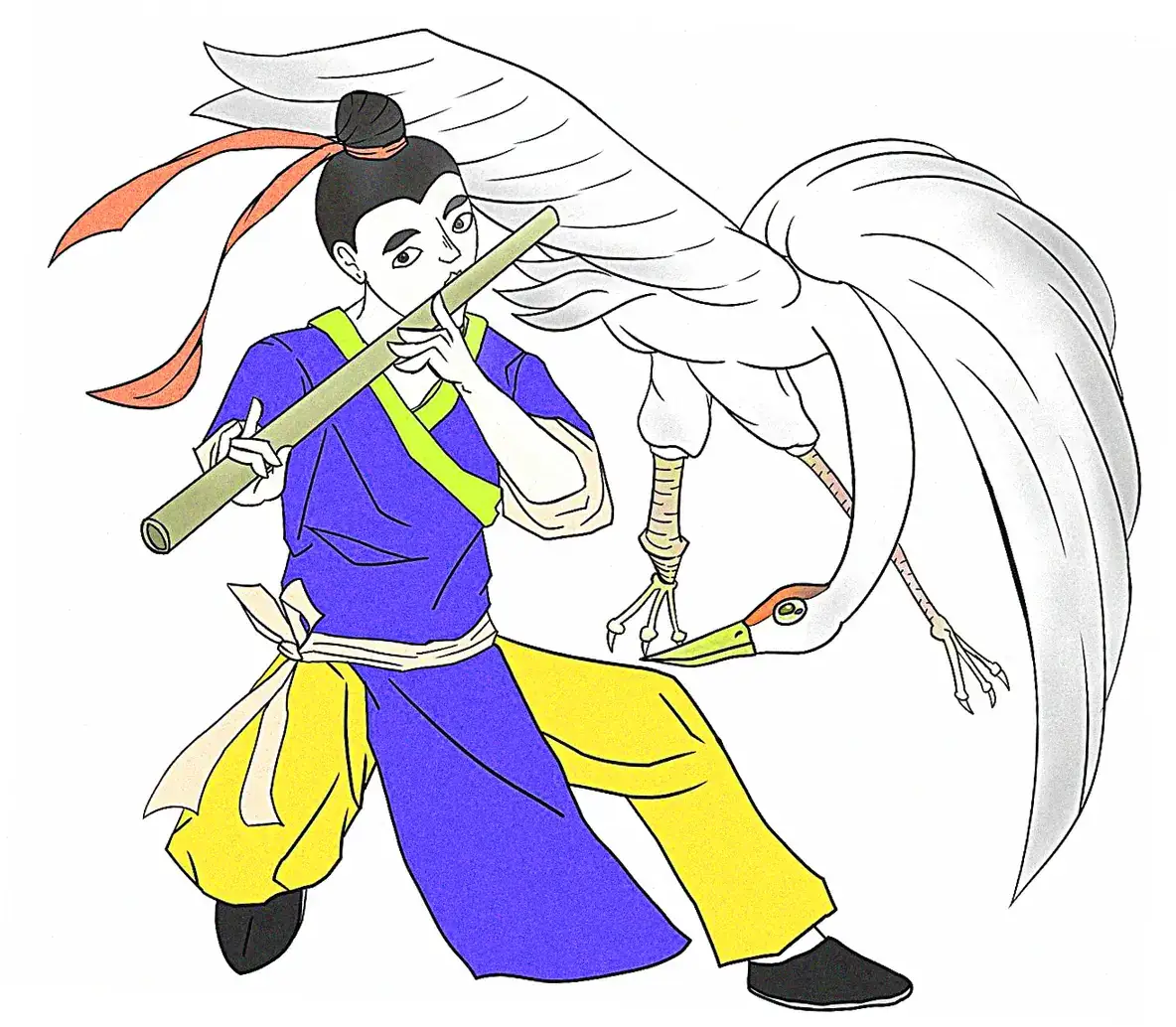
Taoist texts frequently use animals to symbolize virtues. The turtle represents longevity and wise pacing; cranes embody graceful detachment.
My qigong teacher would say Move like the animals – their natural efficiency contrasts our often strained movements. Wildlife observation thus becomes spiritual study.
Zhuangzi’s animal parables humorously critique human arrogance. His story of the frog in the well (convinced his tiny puddle is the entire world) perfectly illustrates narrow perspectives. I use this in diversity training – participants laugh at the frog’s limited view, then reflect on their own cultural wells.
Modern Taoists often adopt animal rescue as spiritual practice. A Buddhist-Taoist center I volunteer at runs a sanctuary where abused animals heal alongside human practitioners – living demonstrations of compassion in action. Their recovery processes frequently mirror our own emotional healing journeys.
How does Taoism approach environmental issues?
Taoism’s ecological ethics predate modern environmentalism by millennia. The concept of tian ren he yi (unity of heaven and humanity) views nature not as resources to exploit but as sacred kin. Contemporary Taoist communities pioneer sustainable practices like permaculture temple gardens that provide both food and meditation spaces.
Practical applications abound. The Taoist One Inch Square practice counters overwhelm about large-scale environmental problems: daily focus on improving one small area (perhaps a backyard garden or local stream). Cumulative small actions create real impact while maintaining inner peace – crucial for sustained engagement.
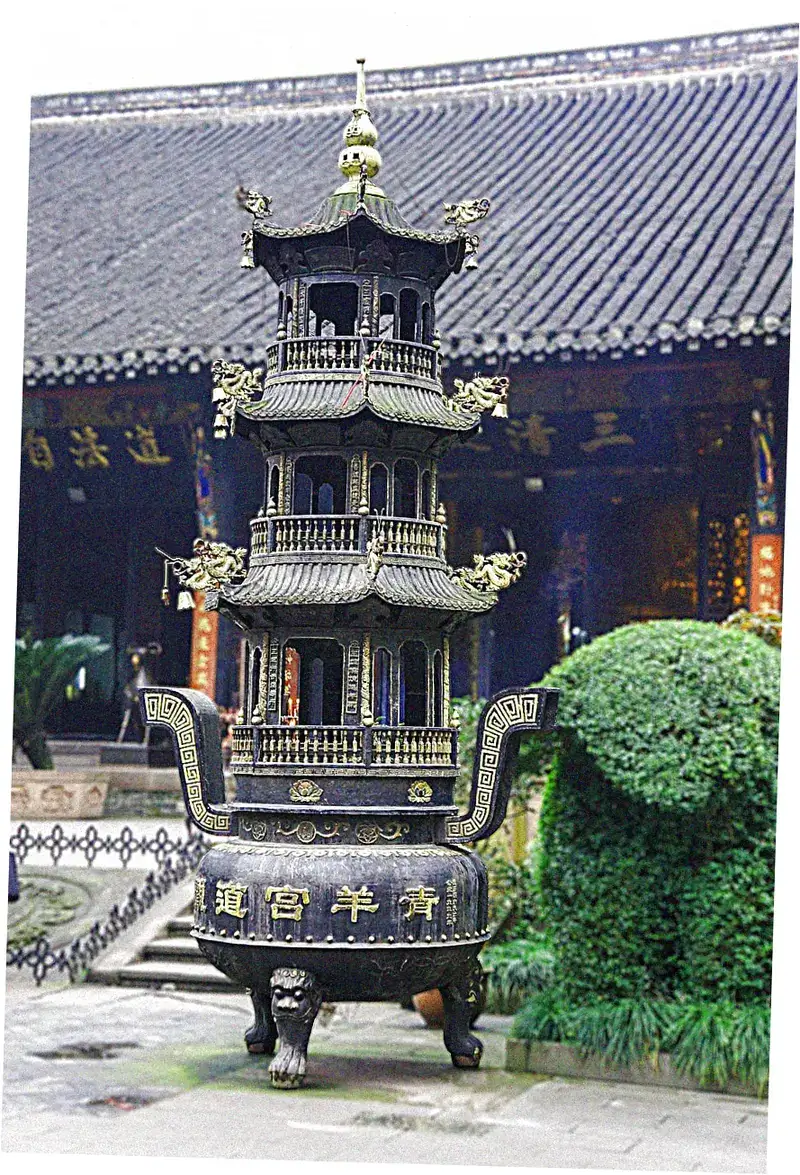
Taoist architecture demonstrates harmonious integration with surroundings. Traditional temples nestle into landscapes without dominating them, using natural materials and passive solar principles.
Modern green builders increasingly incorporate these ideas. My architect friend blends Taoist design with cutting-edge eco-technology – his buildings feel simultaneously ancient and futuristic.
Can Taoist practices enhance creativity?
Creative blocks often stem from over-striving (excessive yang). Taoist artist practices cultivate receptive yin energy through activities like empty mind walks – wandering without destination to invite inspiration. Many writers I coach swear by this method; one published novelist calls it my secret weapon against writer’s block.
The Taoist concept of chaos (hun dun) differs from Western notions of disorder. It represents primal creative potential before artificial distinctions limit possibilities.
Abstract artists particularly resonate with this idea. A painter client created her breakthrough series after studying Zhuangzi’s chaos parables, allowing forms to emerge spontaneously rather than forcing preconceived images.
Musicians apply Taoist principles too. Jazz improvisation embodies wu wei – mastering technique then releasing conscious control to let creativity flow.
My conservatory students practice listening like water – absorbing music without analysis before playing. The resulting performances often surprise them with their authenticity and emotional resonance.
What Taoist rituals mark life transitions?
Unlike rigid ceremonies, Taoist rites adapt to individual needs while honoring universal rhythms. Birth celebrations might include planting a tree that grows with the child. My Taoist teacher commemorated my career shift with a simple ritual: writing old roles on rice paper and burning it to symbolize release, then floating new intentions downstream.
Seasonal transitions follow lunar calendar observations. The winter solstice (Dongzhi festival) emphasizes rest and introspection – perfect for year-end reviews. Families I work with create modern adaptations like gratitude darkness dinners where they eat by candlelight, sharing appreciations before entering the new year’s active phase.
Even daily transitions benefit from Taoist mindfulness. A threshold practice I teach involves pausing briefly when entering/exiting spaces to consciously shift energies. Students report this simple habit dramatically increases presence – that guy who used to walk into meetings still mentally in his last conversation? Now colleagues remark on his attentive listening.
How do Taoist ideas intersect with science?
Modern physics increasingly mirrors Taoist cosmology. The quantum vacuum’s zero-point energy resembles the Tao as formless potential giving rise to all form. My physicist colleague jokes that Lao Tzu described quantum entanglement centuries ago with phrases like the ten thousand things carry yin and embrace yang.
Neuroscience validates meditation benefits long known to Taoists. Studies on qigong practitioners show synchronized brainwave states similar to high-performance athletes in the zone. My hospital’s pain clinic now combines Taoist breathing techniques with conventional treatments, reducing opioid prescriptions by 40% in pilot studies.
Even mathematics finds Taoist parallels. Fractal geometry’s self-similar patterns at different scales echo the Taoist view of microcosm reflecting macrocosm. A math professor I know teaches Taoist texts alongside Mandelbrot set visualizations – students grasp abstract concepts faster through this interdisciplinary approach.
Are there Taoist approaches to financial wellbeing?
Contrary to stereotypes of monastic austerity, Taoism offers practical wisdom for financial health. The principle of enoughness (zhi zu) counters consumerist striving.
A financial planner client integrates this by having clients list what truly constitutes enough before creating investment strategies. Most discover they need less than assumed to feel secure.
Taoist water money practices emphasize fluidity over hoarding. This means maintaining reasonable reserves while allowing wealth to circulate through conscious spending and charitable giving. Surprisingly, adherents often report increased prosperity – perhaps because relaxed attachment reduces fear-based financial decisions.
Community economics reflect Taoist values too. Local currency systems and skill-sharing networks operate on mutual aid principles. My town’s Taoist-inspired time bank (where services are exchanged via time credits rather than money) has strengthened neighborhood bonds while meeting practical needs from tutoring to home repairs.
What modern careers apply Taoist principles?
Beyond traditional roles like herbalists or feng shui consultants, Taoist thinking benefits numerous contemporary professions. Conflict mediators use wu wei by creating spaces where resolutions emerge organically. One labor negotiator I trained in Taoist techniques reduced average mediation time from 12 hours to 6 while achieving more durable agreements.
Healthcare increasingly integrates Taoist modalities. Nurse coaches combine Western medicine with qi cultivation exercises for chronic illness management. My hospital’s oncology unit now offers tai chi classes – patients report better treatment tolerance and emotional resilience.
Even tech fields apply Taoist ideas. User experience designers study Taoist aesthetics to create intuitive interfaces.
A software developer client redesigned his app’s navigation based on the uncarved block principle – simplifying features rather than adding more. User engagement tripled, proving that in design as in life, less often becomes more.
These Taoist ideas – ancient yet freshly relevant – offer guiding principles rather than rigid rules. Whether you seek stress relief, creative inspiration, or simply deeper engagement with life’s flow, try experimenting with one practice that resonates.
Start small, observe effects, and adjust naturally. As the Tao Te Ching reminds us, A journey of a thousand miles begins with a single step. What’s your first step toward Taoist wisdom today?

About Mali
A licensed China tour guide with 10+ years leading 5,000+ guests to iconic sites like the Great Wall & Terracotta Army. Expert in seamless tours, cultural insights, and VIP access!