When dusk falls in Nanchang, the famous Tengwang Pavilion turns into an amazing show of lights and tradition. This old building became famous through Wang Bo’s poems. After sunset, it shows its most beautiful side. Fancy lights make its nine stories stand out against the dark sky. The night view isn’t just pretty to look at. It mixes Tang Dynasty history with modern lighting tech. This brings in both history buffs and photo lovers. People who visit say the evening feels totally different from daytime. The moonlit Gan River acts like a mirror, reflecting the pavilion’s glowing beauty.
Table of Content
Let’s talk about why Tengwang Pavilion’s night view matters historically
The building’s architecture really shines under moonlight
Historical illumination: Today’s Tengwang Pavilion was rebuilt in 1989 using Song Dynasty designs. It has special lighting that keeps its historical look while making the night view better.
They use warm LED lights placed just right to highlight the cool multiple eaves and curved roof corners. This way they avoid modern-looking fixtures that would ruin the ancient feel.
Thanks to this smart lighting, you can really see architectural details like the complex bracket systems and painted beams. These things might get missed in daytime.
The night lighting really shows off parts that famous poems talk about. This connects you directly to the literature that made Tengwang Pavilion so well-known.
Visiting at night gives you a special link to the pavilion’s literary past. You can connect with Wang Bo’s 7th-century masterpiece that describes the original building.
The lighting today purposely recreates scenes from old writings, like lantern light reflecting on the Gan River. This keeps the cultural tradition alive across hundreds of years. Special night tours include reading poems about the pavilion aloud.
Visitors get to feel the same inspiring atmosphere that touched generations of Chinese scholars. This nighttime cultural experience keeps getting more popular. Both local and international visitors love it when they want real historical experiences.
Now let’s look at the symbolism and changes in the night lighting
The night lighting has deep cultural meaning. Each level of lights stands for different rebuilding periods and the nine levels of heaven in Chinese tradition.
The lights get brighter from bottom to top, showing how important the building is in Chinese architecture. The golden glow especially reminds us of its imperial connections from the Tang Dynasty.
Cultural historians helped create this symbolic lighting. They made sure it accurately shows the pavilion’s importance in Chinese spiritual and political history. They picked colors carefully – warm tones downstairs, cooler whites upstairs. This looks harmonious and carries deeper meanings too.
Now let’s see how the lighting has changed over time
| Period | Lighting Method | Key Features |
|---|---|---|
| 1989-1999 | Incandescent floodlights | Basic exterior illumination, limited color options |
| 2000-2010 | Halogen spotlights | Improved beam control, beginning of architectural highlighting |
| 2011-2019 | Early LED systems | Energy efficiency improvements, basic color changing capability |
| 2020-present | Smart LED technology | Precise architectural accentuation, dynamic color scenes, reduced light pollution |
Tengwang Pavilion’s lighting tech has come a long way since it was rebuilt. The 2020 upgrade brought smart systems that automatically adjust brightness depending on moonlight and weather. This smart approach cuts light pollution while giving visitors the best experience. It shows how traditional culture can benefit from new technology. Today’s system uses 40% less power than older ones. It also shows colors better, really making the pavilion’s painted decorations pop with their authentic hues.
Practical Night Visit Guide
Optimal Viewing Strategies
Timing recommendations: You’ll get the most amazing Tengwang Pavilion night views during blue hour, that’s about 30 minutes after sunset. The deep blue sky makes a perfect backdrop for the pavilion’s warm lights.
Check when sunset happens in Nanchang for that time of year, then get there 30 minutes early. This way you can grab the best photo spots, especially across the river where you can catch the pavilion’s reflection.
The place gets really busy from 7 to 8 PM. If you come after 8:30, there are fewer people and you can enjoy the lighted-up Tengwang Pavilion more comfortably.
They stay open until 10 PM, and that last hour is extra special. As other city lights start going down, the pavilion’s night view becomes even more atmospheric.
Photography techniques:
| Equipment | Recommended Settings | Notes |
|---|---|---|
| Tripod-mounted camera | ISO 100-400, f/8-11, 5-15 second exposure | Essential for sharp images of stationary structure |
| Smartphone | Night mode enabled, HDR activated | Use built-in stabilization or mini-tripod |
| Lens selection | Wide-angle (16-35mm) and medium telephoto (70-200mm) | Capture both full structure and architectural details |
To get great night photos of Tengwang Pavilion, you need to understand how its lighting works with the surroundings. The golden lights have about 3000K color temperature. Instead of using auto, set your white balance manually for better results. Some of the best shots show the pavilion reflected in the Gan River. For this, head to the northern embankment when the water level is high. Try long exposures to capture the pavilion’s grand scale. They also smooth out the water, creating dreamy effects that really match the poetic feel of this famous spot.

Access and Experience Enhancement
Viewing locations: You can get close-up views right at the pavilion complex, but for the full Tengwang Pavilion night view, check out some spots outside the area. Across the river, there’s an observation platform with classic panoramic views.
Or go up on Nanchang Bridge for a higher angle that shows how the pavilion fits into the city skyline. If you’re staying inside the paid area, head to the viewing corridors on the 3rd and 6th floors.
You’ll get incredible close-up views of the lighted architecture and the city lights beyond. Want to avoid crowds? Try the northern pathway. They’ve got benches where you can sit back and enjoy the lighted pavilion against the night sky.
Enhanced experiences: The evening programs really make the Tengwang Pavilion night visit special. In the courtyard, they have cultural shows with Jiangxi opera and traditional music, all lit up beautifully.
There’s a new night cruise that gives you a completely different view from the water. Boats leave every hour from 7 to 9 PM at the nearby ferry terminal. For the best experience, combine your pavilion visit with the Gan River Night Tour.
You’ll get to see the Tengwang Pavilion night view from both land and water. It’s smart to book ahead through official channels, especially during holidays. That’s when night visits jump by about 60% compared to normal weeks.
Architectural Lighting Design
Illumination Philosophy and Technique
Lighting methodology: When you see Tengwang Pavilion at night, they use clever lighting layers that show off its different levels while keeping its historic look.
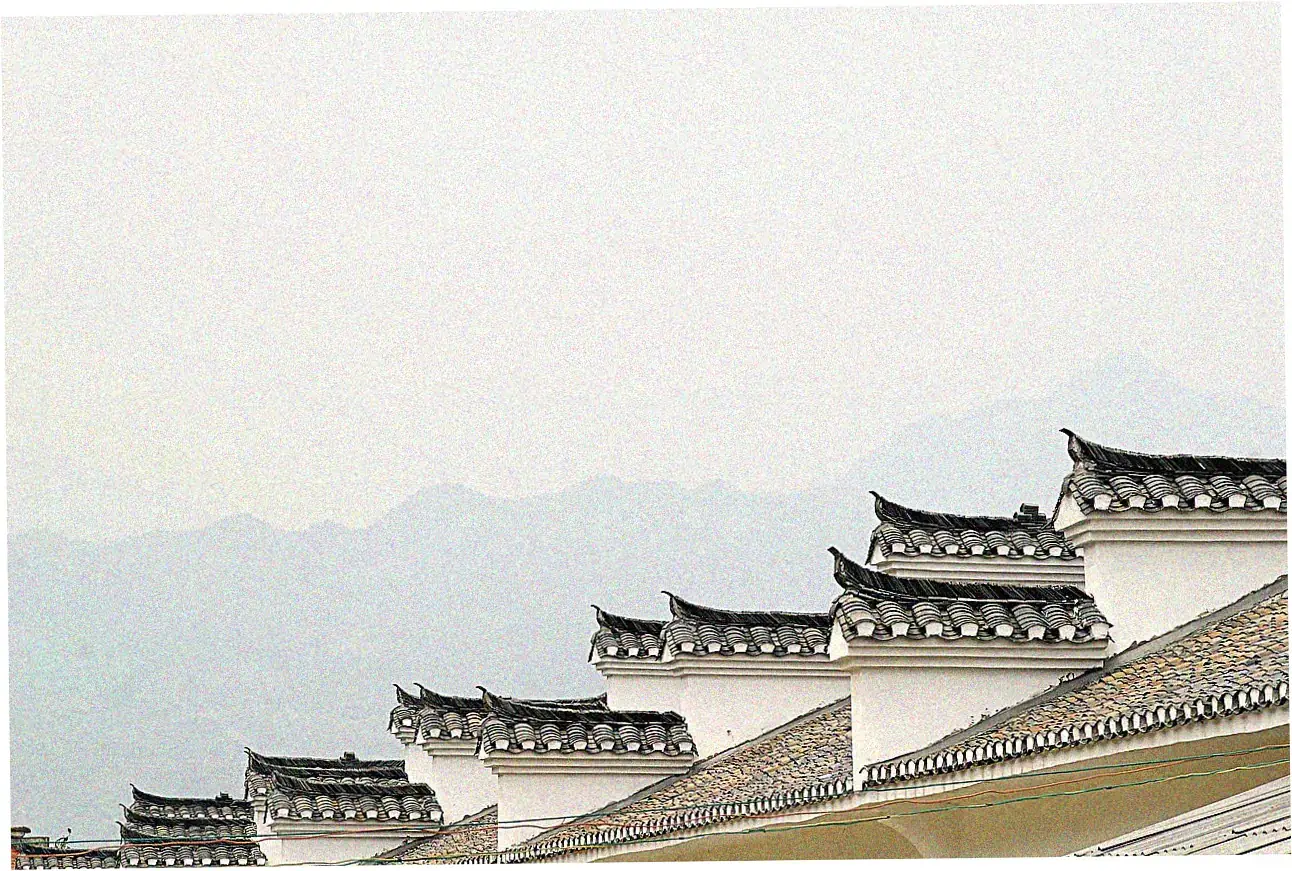
Lights hidden in the ground make the curved roofs stand out, and spotlights tucked under the eaves show off the detailed wooden brackets. This lighting from different angles gives it depth.
turning what would be a flat shape into something that looks like a real sculpture at night. The designers didn’t want even lighting everywhere, so they placed shadows in just the right spots to make it look like moonlight is playing across the ancient building.
Technical specifications: Right now, they’re using 428 LED lights that only need 18.5 kW of power, which is way more efficient than the old system that used 62 kW.
The colors go from warm white at the bottom to cooler white up top, making your eyes naturally follow the light upward. They can dim the lights depending on how bright it is outside or for special events.
with different settings ready for normal nights, holidays, and cultural festivals. Visitors don’t see all this technical stuff though – they just get to enjoy the magical sight of the pavilion glowing against the dark sky.
Comparative Nightscape Analysis
Regional Architectural Illumination
Jiangxi landmarks: When you look at all the lit-up heritage sites in Jiangxi, Tengwang Pavilion’s night view really catches your eye. It strikes a perfect balance between being impressive and staying true to its history.
Unlike Shengjin Tower in Nanchang with its colorful lights, Tengwang Pavilion sticks to a steady golden-white color scheme. This really shows off its royal background. The lighting isn’t too bright either – it keeps the night sky dark and natural.
Some modern landmarks go too bright, but not this one. Because of this smart approach, cultural groups really praise the pavilion. They see it as a great example of how to light up historic sites – making them look better without going overboard.
National context:
| Structure | Location | Lighting Characteristics | Visitor Access |
|---|---|---|---|
| Tengwang Pavilion | Nanchang, Jiangxi | Warm white (2700-3500K), architectural emphasis | Evening hours, paid admission |
| Yellow Crane Tower | Wuhan, Hubei | Multi-color dynamic systems, show elements | Extended evening hours, premium night tickets |
| Yueyang Tower | Yueyang, Hunan | Moderate illumination, lake reflection emphasis | Limited evening openings |
Stack it up against other famous Chinese pavilions, and you’ll notice Tengwang Pavilion’s night lighting takes a more traditional route. It cares more about keeping things authentic than putting on a high-tech show. Check out Yellow Crane Tower – it uses color-changing lights and lasers. But Tengwang Pavilion? It keeps that warm, steady glow that really matches its historic vibe. This same thinking applies to your visit too. The focus is on quiet appreciation, not just entertainment. That makes sense given the place’s literary and historical importance. What you get is a night view that’s both grand and genuine. It steers clear of that commercial feel you sometimes get at other lit-up heritage spots.

Cultural and Tourism Impact
Visitor Experience and Economic Benefits
Tengwang Pavilion’s night viewing really changed how people visit. According to 2022 data, about 42% of yearly visitors now come in the evening. This spreads out the crowds and helps local businesses.
Restaurants, hotels, and shops near Tengwang Pavilion all benefit from the evening visitors. The night lights really draw in young people and foreign tourists.
You’ll see tons of nighttime photos on social media, which gives the place free advertising. Staying open later created about 85 new local jobs. These include security, tour guides, and maintenance work, showing how cultural spots can really help the community.
Cultural promotion: The lit-up pavilion is now Nanchang’s most famous landmark. It’s all over the city’s ads and is the main attraction at cultural festivals. They hold special night events there too.
Things like Mid-Autumn moon viewing and poetry readings bring old traditions to life in a modern way. This night viewing success has caught on. Other heritage spots in Jiangxi are doing similar things.
creating a cool balance between protecting history and letting people enjoy it. It shows how good lighting can keep cultural places open longer while actually making their history more meaningful, not less.
So basically, Tengwang Pavilion’s night view perfectly mixes old and new. It turns ancient architecture into a living cultural experience after dark. The lighting shows off details you might miss during the day.
It also connects you to the literary traditions that made this place so famous. This nighttime makeover has made the pavilion more popular while keeping its history intact. It’s a great example of how to light up heritage sites right.
The magical sight of the lit-up building against the night sky still inspires visitors today, just like it inspired poets hundreds of years ago.
Have you seen Tengwang Pavilion’s amazing night view? Share your photos and thoughts using #TengwangAtNight to connect with other fans. Or check out our guide to Chinese architecture before you go for more background.
FAQ About Tengwang Pavilion night view
When can you visit Tengwang Pavilion at night?
The night viewing hours usually run from 6 PM to 10 PM every day, and they stop letting people in at 9:30 PM. In the summer from June to August, they sometimes stay open until 10:30 PM because the sun sets later.
The best time to see the lights is about half an hour after sunset, when the pavilion’s glow really stands out against the evening sky.
Can you take photos when visiting at night?
You’re allowed to take photos anywhere in the complex, but if you want to use a tripod for professional shots, you’ll need special permission. For the best photos, head to the other side of the river where you can get great reflection shots.
Sometimes when it’s really busy, they might ask you not to use flash so you don’t bother other visitors.
What’s the weather like for night viewing?
A little rain or mist can actually make the night view more magical, creating soft, dreamy lighting effects. But if there’s heavy rain or thunderstorms, they might close the upper levels for safety.
On clear nights you get the clearest views, but cloudy evenings can make the lighting look more dramatic.
Can you get guided tours for night viewing?
You can book special night tours ahead of time that focus on the building’s lights and its literary history. These tours last about an hour and a half, take you to areas normally off-limits.
and explain why the pavilion is so important in Chinese culture. If you’re with a group and have special photography or study interests, you can arrange private tours.

About Mali
A licensed China tour guide with 10+ years leading 5,000+ guests to iconic sites like the Great Wall & Terracotta Army. Expert in seamless tours, cultural insights, and VIP access!