Hong Kong is amazing because it mixes old traditions with super modern stuff. That’s why it’s a top spot for travelers who want all kinds of experiences. You’ve got everything here – tall skyscrapers, peaceful temples, busy markets, and quiet hiking trails. This city really has endless things to do. I found that the best way to see Hong Kong is to mix famous spots with local hidden gems. It’s like balancing the modern skyline with historical places like the Five Dragon Pavilions. Whether you’re into food adventures, cultural experiences, or shopping therapy, this guide will help you find Hong Kong’s coolest attractions and make unforgettable memories.
Table of Content
- Iconic Landmarks and Must-See Attractions
- Cultural Experiences and Traditional Activities
- Culinary Adventures and Food Experiences
- Nature and Outdoor Activities
- Shopping and Entertainment Districts
- Day Trips and Unique Experiences
- Practical Information and Travel Tips
- FAQ About things to do in hong kong
Iconic Landmarks and Must-See Attractions
Victoria Peak and Skyline Viewpoints
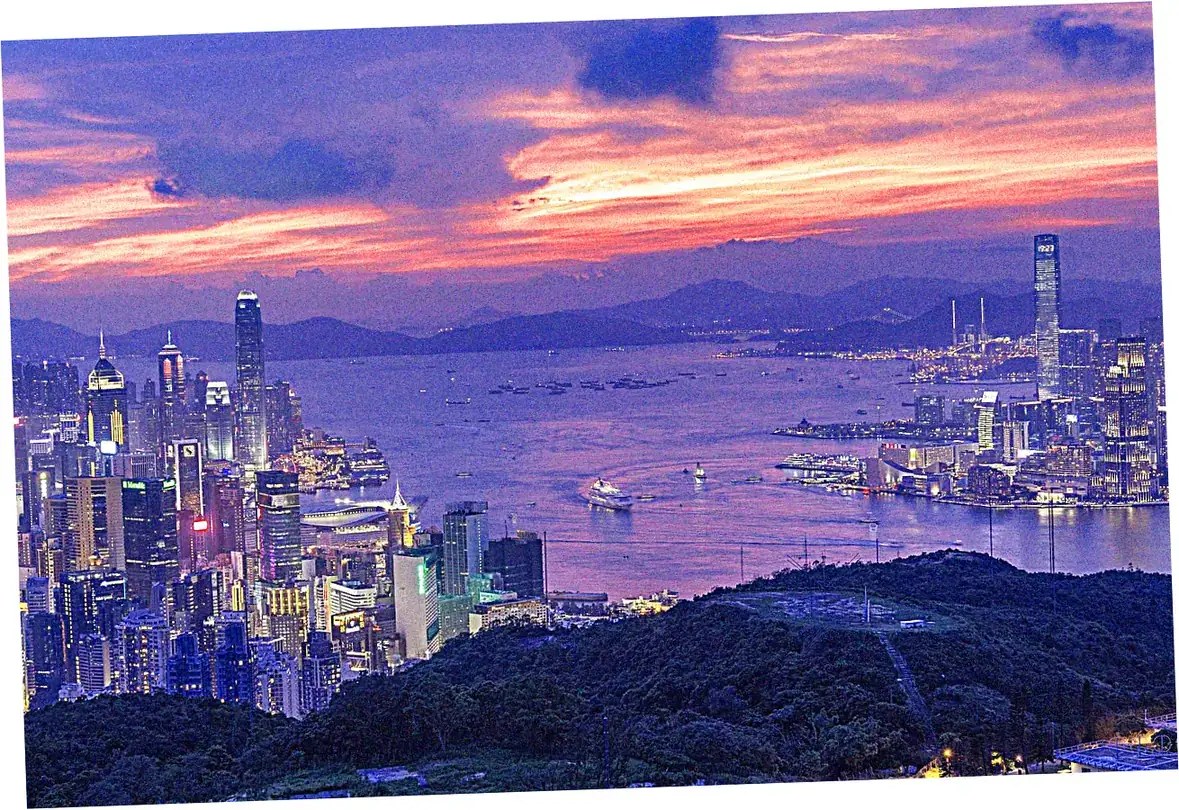
Head up Victoria Peak on the Peak Tram – it gives you amazing views of Hong Kong’s famous skyline and Victoria Harbour. The ride is super steep and has been running since 1888, so it’s an experience itself!
Up top, you’ve got the Peak Tower with an observation deck, shops, and places to eat. Want fewer people and even better views? Try the Peak Circle Walk – it’s a quiet trail with different lookout spots. Go in the late afternoon – you’ll see the city in daylight and then watch it light up at night.
Check out the Tsim Sha Tsui Promenade during the Symphony of Lights show – it’s a cool light and laser show with music over Victoria Harbour. The show’s every night at 8 PM and turns the skyline into this awesome light display.
Along the way, you’ll see the Avenue of Stars with handprints and statues of Hong Kong movie stars. Pair this with a ride on the Star Ferry across the harbour – it makes for a perfect evening that really shows off Hong Kong’s magic.
Historic and Cultural Sites
Go see Man Mo Temple – it’s dedicated to the gods of literature and war. Built way back in 1847, this place has huge incense coils hanging from the ceiling that make it feel all smoky and mystical.
It shows Hong Kong’s spiritual side right in the middle of all the modern city stuff. It’s smaller than Beijing’s temples, but just as important culturally. Go early in the morning – it’s much quieter before the tour groups show up.
Don’t miss Wong Tai Sin Temple – it’s one of Hong Kong’s most popular temples and people say it grants wishes. This Taoist temple has classic Chinese design with red pillars, gold roofs, and detailed carvings.
People do this fortune-telling thing called kau cim – they shake bamboo sticks until one drops out, then temple fortune tellers explain what it means. Between the lively vibe and pretty gardens, it’s a really cool cultural spot.
If you watch these rituals respectfully, you’ll get a better understanding of local spiritual traditions.
Cultural Experiences and Traditional Activities
Traditional Markets and Street Life
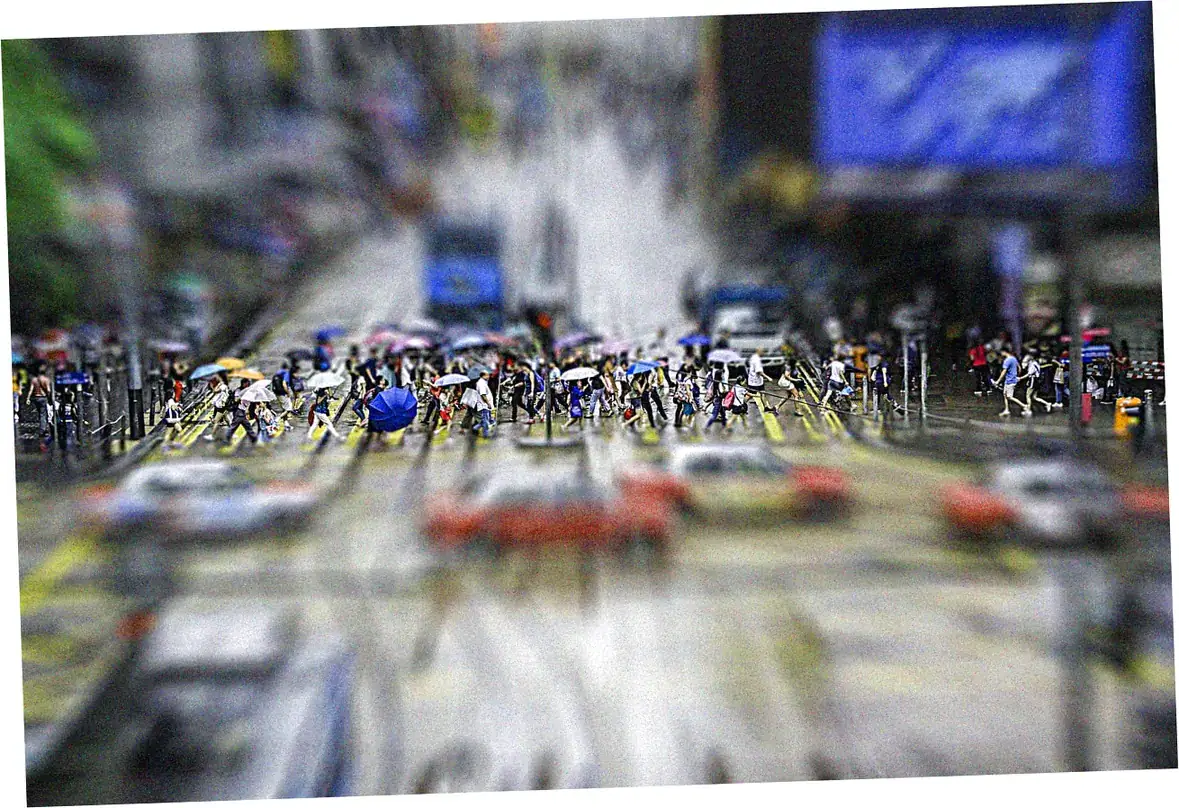
Head to Temple Street Night Market for a real Hong Kong experience. You can bargain for all sorts of stuff, from electronics to jade jewelry. While you’re there, grab some street food and catch occasional Cantonese opera performances.
The place really gets going around 6 PM. Hundreds of stalls create this amazing bustling vibe. Don’t skip the fortune tellers and palm readers – they really add to the cultural experience.
I’d say try local snacks like clay pot rice and egg waffles while you explore. It makes for such an authentic Hong Kong evening.
Check out the Ladies Market in Mong Kok. This famous kilometer-long street market has clothing, accessories, souvenirs, and household items – all at prices you can bargain for.
Despite the name, they sell everything here – from phone cases to sneakers. It’s open from about noon until 11:30 PM. You’ll usually find the best deals in the evening. I found that weekdays are better – smaller crowds and you can bargain more easily than on weekends.
Traditional Chinese Practices
Try experiencing Tai Chi with the locals. They practice in public parks, especially in the early mornings. Lots of parks have free beginner sessions. Or you can just watch this meditative martial art against Hong Kong’s urban skyline.
The contrast between those slow, flowing movements and the city’s fast pace is so uniquely Hong Kong. Even joining in briefly shows you how these ancient practices still fit into modern city life.
Visit one of Hong Kong’s historic tea houses, especially in Central or Western District, to experience traditional Chinese tea culture. They serve tea the traditional way, often with dim sum too.
Learning about different teas and how to brew them properly gives you a nice break from the city hustle. I found that afternoon tea is perfect for resting between sightseeing while you experience local customs.
Culinary Adventures and Food Experiences
Local Street Food and Specialties
You gotta try Hong Kong’s street food staples – egg waffles (gai daan jai), fish balls, stinky tofu, and pineapple buns are all must-eats. You’ll find these cheap eats all over the city, especially in Mong Kok, Causeway Bay, and Temple Street.
Don’t worry about food safety – busy stalls with high turnover are usually pretty safe. Just follow where the locals line up – that’s how you find the best street food.
| Popular Street Food | Location Recommendations | Approximate Price (HKD) |
|---|---|---|
| Egg Waffles | Mong Kok street stalls | 15-25 |
| Fish Balls | Temple Street Night Market | 10-15 |
| Stinky Tofu | Ladies Market area | 12-18 |
| Pineapple Buns | Local bakeries everywhere | 8-12 |
Dim Sum and Traditional Dining
For authentic dim sum, you can go fancy at Michelin-starred spots or hit up local teahouses. Picking from rolling carts stacked with bamboo steamers is classic Hong Kong – you’ll find har gow, siu mai, char siu bao, and all the good stuff.
For the real local vibe, check out bigger restaurants packed with families during weekend yum cha. Get there before 11 AM on weekends if you want the best picks before they run out.
Don’t miss Hong Kong’s famous roast goose – specialist spots in Sham Shui Po and Yung Shue Wan do it best. The skin gets super crispy while the meat stays juicy – that’s Cantonese roasting at its best.
Many of these places have been around forever, with secret family recipes passed down generations. Go for the mixed plate with goose, pork, and duck – that way you get to try all the Cantonese roast meats.
Nature and Outdoor Activities
Hiking and Country Parks
You gotta hike the Dragon’s Back Trail. It’s often called one of the world’s best urban hikes. You’ll get stunning coastal views and see lush forest scenery. The trail is moderately challenging, about 8.5km long.
It takes around 3-4 hours to finish. You’ll end up at Shek O Peak with amazing panoramic views of Shek O Beach and Tai Long Wan. The path is well-marked and you can easily get there by public transport. Start early in the morning to beat the heat and crowds. That makes the hike much more enjoyable.
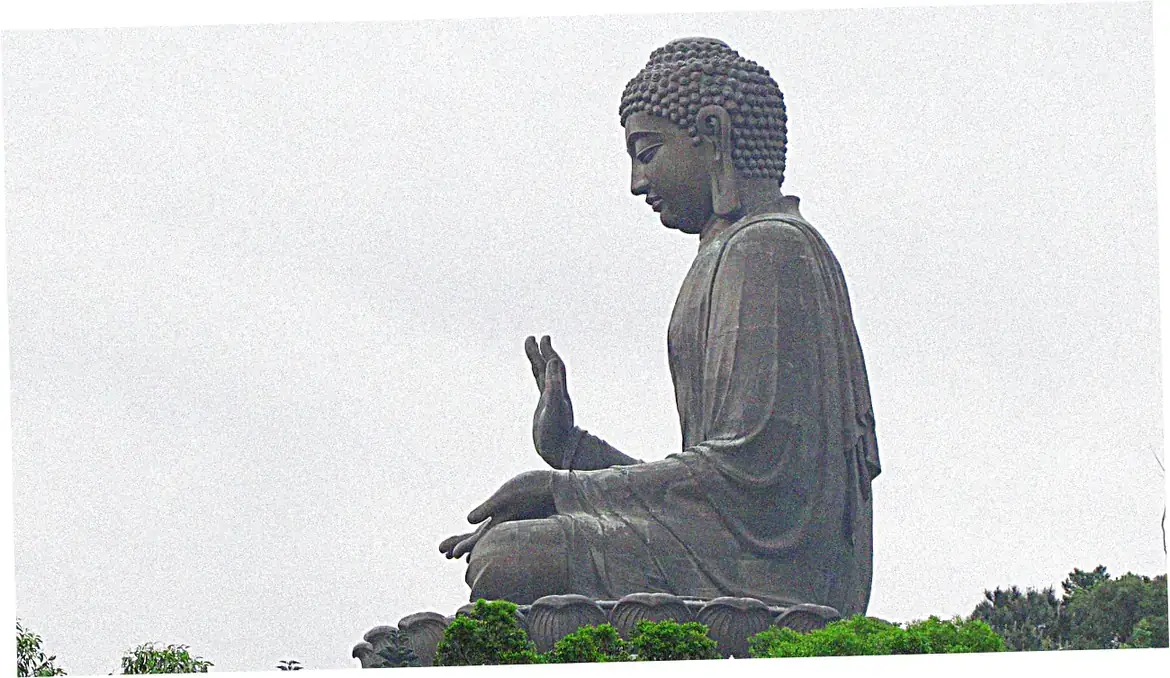
Explore Lantau Island’s nature beyond the Big Buddha. Discover pristine beaches, fishing villages, and more hiking trails. The Lantau Trail has different sections for all fitness levels. You might even spot wild water buffalo and lots of bird species.
The island is a great contrast to Hong Kong’s busy urban areas. Combine a visit to the Big Buddha with a hike to Wisdom Path. That makes for a perfect day of both culture and nature.
Beaches and Coastal Areas
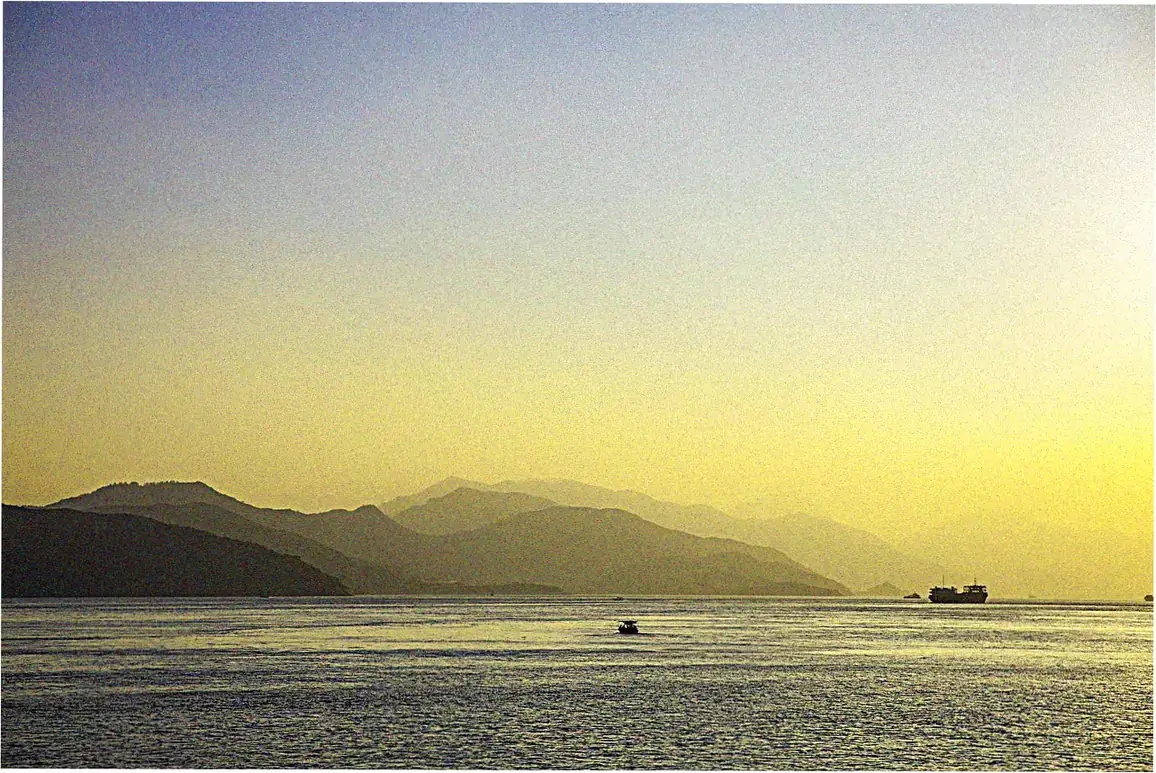
Head to Repulse Bay and Stanley. Enjoy the beaches, check out Stanley Market, and try some waterfront dining. Repulse Bay has a long sandy beach with all the facilities – showers, changing rooms, and restaurants.
The name comes from British fights against pirates back in the 1800s. These days, it’s known for luxury homes and being a relaxing spot. Stanley Market is great for souvenirs, clothes, and artwork. It’s much more relaxed than the city markets.
Discover Sai Kung Peninsula, called Hong Kong’s back garden. It has pristine beaches, cool volcanic rock formations, and awesome seafood restaurants. There are tons of hiking trails, you can go kayaking, or take boat trips to nearby islands.
At the Sai Kung waterfront, you’ll find many seafood restaurants where you pick live fish right from the tanks. Take a boat trip to the UNESCO Global Geopark. You’ll see stunning hexagonal rock formations that compete with natural wonders anywhere in the world.
Shopping and Entertainment Districts
Luxury Shopping and Bargain Hunting
If you love luxury brands, check out Hong Kong’s shopping spots like Causeway Bay, Central, and Tsim Sha Tsui. They’re packed with international designer boutiques and flagship stores.
Since Hong Kong is a free port, luxury items are often cheaper here than in other places. Look out for big discounts during sale seasons—especially from June to August and December to February. I found that Central’s flagship stores have the best range of luxury products.
For electronics bargains, head to Mong Kok and Sham Shui Po. Lots of specialized stores there sell cameras, phones, and gadgets at great prices. The Golden Computer Centre and Sim City in Mong Kok are especially popular for electronics.
Make sure to compare prices and check the warranty—some products come with international coverage, others are local only. I also learned that using a credit card gives you extra protection on big purchases.
| Shopping District | Specialty Products | Budget Level |
|---|---|---|
| Causeway Bay | Luxury brands, department stores | High |
| Mong Kok | Electronics.
street fashion |
Low to Medium |
| Central | Designer boutiques, antiques | High |
| Sham Shui Po | Fabric, electronics components | Low |
Evening Entertainment and Nightlife
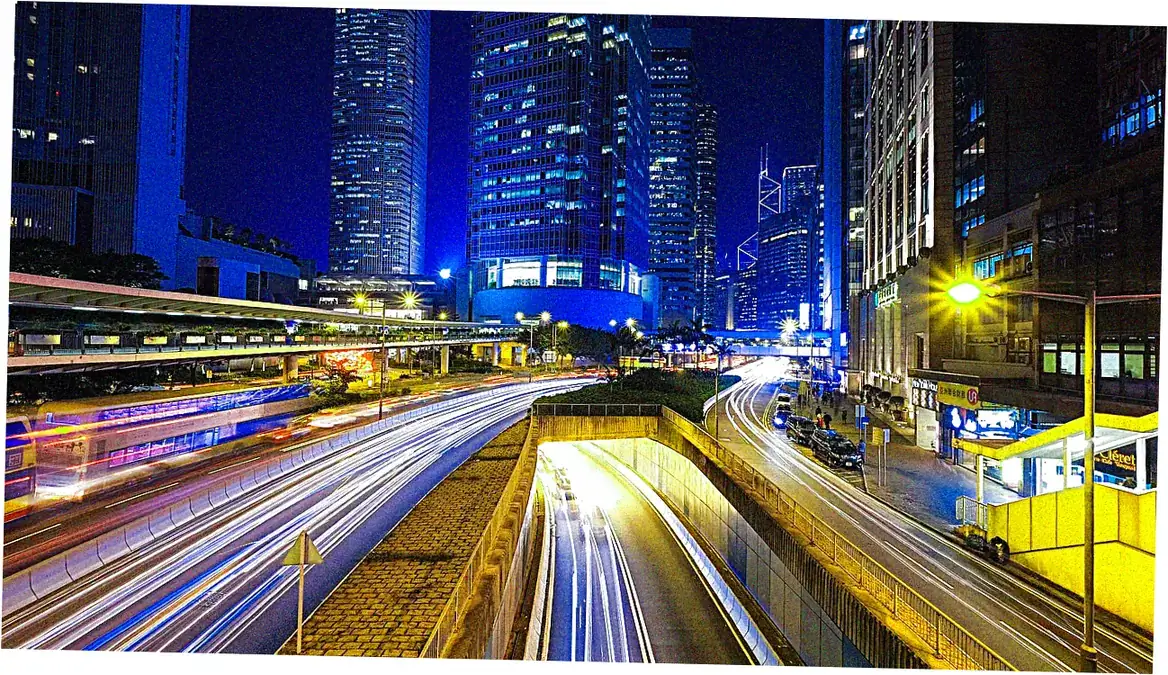
For nightlife, don’t miss Lan Kwai Fong. It’s Hong Kong’s most famous party area, with steep streets full of bars, clubs, and restaurants popular with both locals and expats.
The place really gets going after work, especially on weekends when they close the streets to traffic. The vibe is lively and international—you’ll find everything from laid-back pubs to fancy cocktail bars. If you want to avoid crowds, weeknights are much more chill.
You can also enjoy cultural performances, like traditional Chinese opera, at the Hong Kong Cultural Centre or Xiqu Centre. These shows let you experience Cantonese culture through music, costumes, and stories.
Many places offer English subtitles or guides so international visitors can follow along. I found that matinee shows are often easier to get into and sometimes cheaper than evening performances.
Day Trips and Unique Experiences
Island Escapes and Fishing Villages
Head to Lamma Island by ferry – it’s got a super chill vibe, great seafood spots, and hiking paths that link Yung Shue Wan and Sok Kwu Wan villages. No skyscrapers or cars here, which feels totally different from Hong Kong Island.
The hike between villages takes about an hour and a half – perfect for families. You’ll get awesome coastal views and pass through old fishing communities. Pro tip: stick around for sunset and grab seafood dinner at a waterfront restaurant – it makes the perfect day trip.
Check out Tai O Fishing Village on Lantau Island – famous for its stilt houses, traditional fishing culture, and pink dolphin watching tours. This place keeps alive a traditional lifestyle that’s pretty much gone from modern Hong Kong.
You can try local goodies like shrimp paste and salted fish, plus hop on small boat tours through the canal waterways. Heads up – going early in the morning lets you catch the daily fish market and see traditional activities in action.
Historical and Cultural Excursions
Okay, so the Gubeikou Great Wall is actually near Beijing, but Hong Kong has its own cool historical military spots to check out. Kowloon Walled City Park sits where an old military fort and later a famous squatter settlement stood – now it’s gorgeous classical Chinese gardens. This place’s history shows Hong Kong’s complicated relationship with China over the years. The park’s architecture and historical exhibits give you a real look into Hong Kong’s past that most tourists never see.
Hit up Ping Shan Heritage Trail in the New Territories – you’ll see well-preserved traditional Chinese buildings like Hong Kong’s only ancient pagoda (Tsui Sing Lau), plus temples and ancestral halls.
This self-guided trail shows what traditional clan village life and architecture were like before modern development took over. Nearby, the Tang Clan Gallery gives more background on one of Hong Kong’s most powerful historical families.
Pair this with the nearby Lung Yeuk Tau Heritage Trail, and you’ve got a full day exploring Hong Kong’s indigenous cultural heritage.
Practical Information and Travel Tips
Transportation and Navigation
Get yourself an Octopus card when you land at the airport or any MTR station. This handy card lets you ride the MTR, buses, and ferries, plus you can use it to pay at convenience stores and some restaurants too.
It gives you small discounts compared to buying single tickets, and you won’t need to worry about carrying exact change. I usually load about HKD 300-400 for a 3-4 day trip – that covers my transport and leaves some extra for small buys.
Getting around Hong Kong is easy with the MTR. It’s super efficient and reaches most tourist spots, with clear English signs and announcements everywhere. Trains run from around 6 am to 1 am daily, coming every 2-3 minutes during busy times.
Try to avoid rush hours between 8-9:30 am and 5:30-7 pm when the trains get packed. I found that apps like Citymapper or the official MTR app are great for real-time directions and service alerts.
Cultural Etiquette and Money-Saving Tips
Remember to respect local customs – use both hands when giving business cards, keep PDA to a minimum, and dress modestly at temples. Even though Hong Kong is pretty international.
being culturally sensitive makes your interactions with locals much better. You don’t usually need to tip, except at hotels and fancy restaurants where 10% is standard if there’s no service charge.
I found that locals appreciate it when you try basic Cantonese like nei hou for hello and m goi for thank you, even though English is common.
Save some cash by checking out free stuff – many museums are free on Wednesdays, plus you can visit temples, hit hiking trails, and enjoy harbor views for free.
Grab the Hong Kong Tourism Board’s Official Guide for coupons that save you money on attractions, meals, and shopping. Look into attraction passes like the MTR Tourist Day Pass or combo tickets for big attractions if they fit your plans.
I found that eating at local cha chaan teng (tea restaurants) gives you authentic meals way cheaper than tourist spots.
Hong Kong packs amazing variety into a small space – you get both city adventures and nature escapes. The mix of Chinese traditions and international influences makes Hong Kong totally unique.
Mix famous sights with local experiences to really discover what makes this city special. Start planning your Hong Kong trip now – look up what interests you, make a flexible schedule, and get ready to love this amazing place.
Don’t forget that some of the best moments come from surprises, so keep some time open for spontaneous adventures along with your plans.
FAQ About things to do in hong kong
Wondering what free stuff you can do in Hong Kong?
There’s tons of free things to do! You can hike Dragon’s Back Trail, check out parks like Kowloon Walled City Park, wander through street markets (just for window shopping, of course), catch the Symphony of Lights show from Tsim Sha Tsui.
or visit cool temples like Man Mo Temple. Plus, lots of museums let you in for free on Wednesdays.
How long should you stay in Hong Kong?
To really see it all, plan for 4 to 5 days. That gives you enough time for the main sights, cultural spots, some shopping, and even a day trip to the islands.
You’ll get to experience both the city life and the nature without rushing around. First-timers often don’t realize how much more there is beyond the usual tourist spots.
Is Hong Kong a good place for families?
Absolutely! It’s super family-friendly. You’ve got Hong Kong Disneyland, Ocean Park, fun interactive museums, safe public areas, and nice beaches. Getting around with kids is easy thanks to the great public transport. Lots of restaurants have kids menus, and places are generally set up well for families.
When’s the best time to visit Hong Kong?
The best times are autumn, like October and November, or spring, around March and April. The weather’s nice then, and it’s not too humid. December through February is cooler, but it can get pretty crowded over the holidays.
Summer, from June to September, is hot, super humid, and rainy. There might even be typhoons. On the plus side, hotel prices are usually cheaper then.

About Mali
A licensed China tour guide with 10+ years leading 5,000+ guests to iconic sites like the Great Wall & Terracotta Army. Expert in seamless tours, cultural insights, and VIP access!