The Tengwang Pavilion stands tall by the Gan River in Nanchang. It’s one of China’s Four Great Towers and has been around for more than 1,300 years. People often visit famous spots like Yu Garden or check travel guides like those for Lijiang. But this pavilion gives you a special look at how Chinese culture has changed over time. Its history mixes royal dreams, great writing, and building breakthroughs. This makes a living story that still grabs the attention of both history buffs and tourists.
Table of Content
- Founding and Early History (Tang Dynasty)
- Architectural Evolution Through Dynasties
- Cultural Significance and Literary Heritage
- Modern Preservation and Tourism
- Comparative Historical Analysis
- Historical Challenges and Reconstructions
- Conclusion
- FAQ About What is the history of the Tengwang Pavilion?
Founding and Early History (Tang Dynasty)
Imperial Origins and Construction
So when was Tengwang Pavilion first built? Well, back in 653 AD during the Tang Dynasty, Li Yuanying had it constructed – he was Emperor Taizong’s younger brother.
Being the Prince of Teng, he wanted this impressive building as his own private getaway spot and a place to host cultural events. Old records show the first version was about 30 meters high and had that classic multi-eave look that became so typical for Chinese pavilions. It wasn’t just some practical building like others at that time – this place really showed off the prince’s power and high-class taste throughout Jiangxi.
What made the pavilion special architecturally? Its design used really smart Tang Dynasty engineering with those bracket sets called dougong – they spread out the weight nicely and gave the roofs those beautiful upward curves.
People back then wrote about the fancy painted beams and carved pillars, which really displayed the amazing artistry of that period. While modern visitors might compare it to Shanghai’s Yu Garden China in terms of historical value.
the pavilion represented a different architectural tradition – one focused on vertical grandeur rather than landscaped serenity, setting a precedent for later Chinese tower construction.
Cultural Impact During Tang Era
Then the pavilion really became famous culturally when the great poet Wang Bo came by in 675 AD and wrote his famous piece called Preface to the Tengwang Pavilion.
His writing made the place legendary with those beautiful lines about a lone wild duck flying with sunset clouds, and the autumn river matching the sky’s color.
That poem changed everything – it turned what was basically a royal show-off project into a national cultural treasure, much like how writing has saved other Chinese landmarks.
Wang’s amazing descriptions of the views from the top floors made the pavilion a place every scholar and poet just had to visit across the whole empire.
We know from historical records like the Old Book of Tang and New Book of Tang that the pavilion got mentioned a lot as this hotspot for aristocratic parties and cultural events.
These old documents give us really important clues about how big it was originally, what architectural features it had, and what people actually did there socially.
The records show that even by the late Tang period, the pavilion had already been fixed up several times, starting that whole cycle of getting destroyed and rebuilt that kept happening throughout its history.
Architectural Evolution Through Dynasties
Structural Transformations Over Centuries
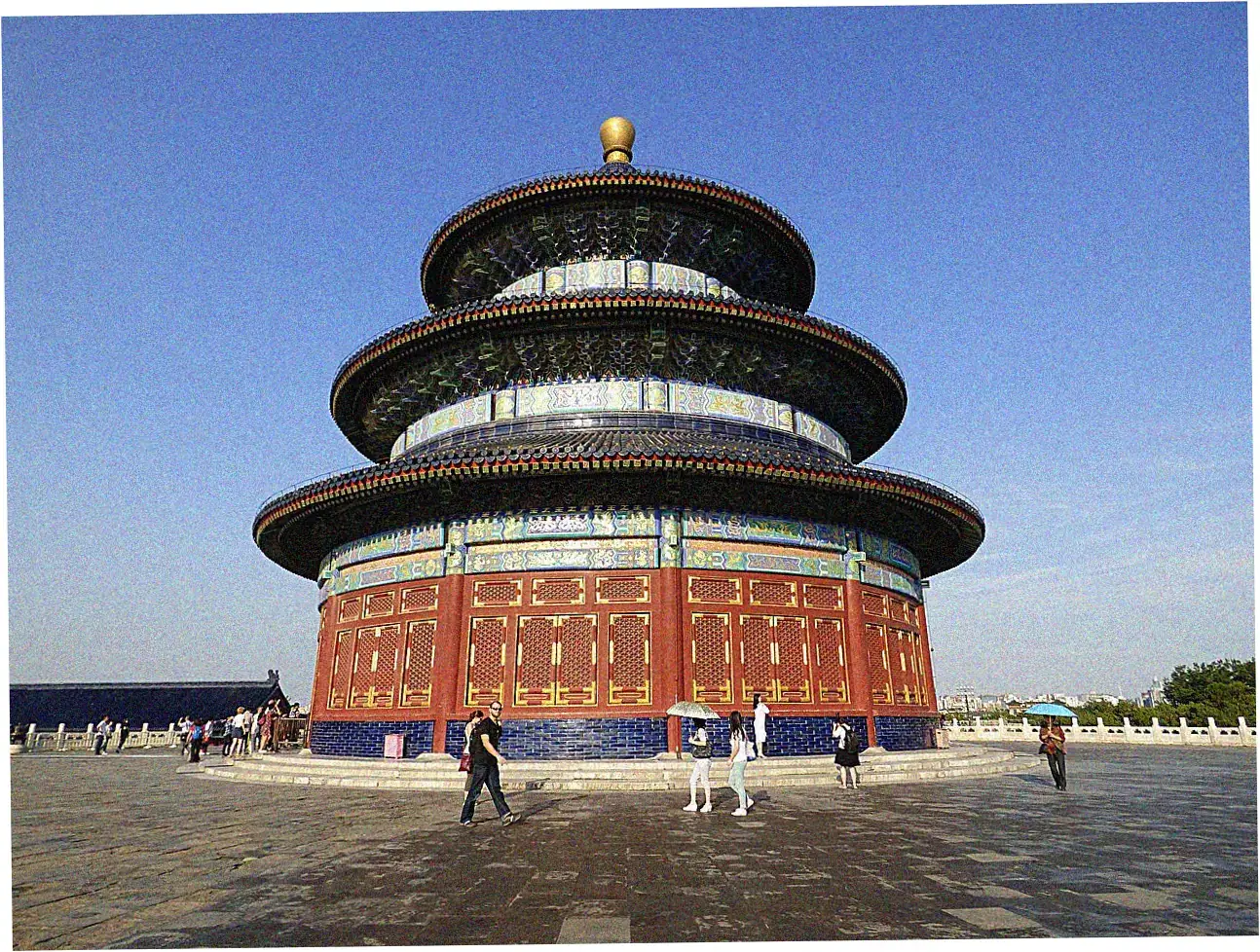
Rebuilding patterns: The Tengwang Pavilion has been rebuilt around 29 times throughout different dynasties, and each version shows what people liked architecturally back then.
When they rebuilt it in 1108 during the Song Dynasty When it happened, they added fancier decorations and made the base a bit different. The Ming Dynasty When it happened version focused more on defense because times were pretty turbulent back then.
The big restoration in 1879 during the Qing Dynasty When it happened mixed in southern Chinese styles but kept that classic Tang Dynasty When it happened look everyone recognized.
Here are the major times they rebuilt Tengwang Pavilion
| When it happened | The year | What was special about it | Where we read about it |
|---|---|---|---|
| Tang Dynasty | 653 AD | First time they built it, stood 30 meters tall | New Book of Tang Dynasty |
| Song Dynasty | 1108 AD | Lots of detailed painted decorations | Local history books |
| Ming Dynasty | 1452 AD | Stronger foundation, cleaner look | Jiangxi province records |
| Qing Dynasty | 1879 AD | Combined different local styles, 27 meters high | Nanchang county records |
| Modern times | 1989 AD | Made with reinforced concrete, 57.5 meters tall | Modern records |
Design elements through ages: Every time they rebuilt it, they added some new features but kept the main parts of the original design. The Song Dynasty When it happened version incorporated more intricate bracket sets and wider eaves.
while the Ming Dynasty iteration used darker woods and simpler lines. The Qing Dynasty When it happened architects added more colorful painted details and mythological motifs to the interior.
All these changes basically show how Chinese architecture evolved over time, so the pavilion’s history gives us a real look at how tastes and building methods changed through the ages.
Comparative Architecture Analysis
Regional influences: The pavilion’s design mixes northern Chinese royal styles with southern Jiangxi local touches in a really interesting way. The multiple roofs and upward-curving eaves demonstrate standard Tang Dynasty When it happened patterns.
while the use of local materials and some decorative motifs show adaptation to regional traditions. This mixed style isn’t like other Chinese landmarks that stick to one region, like Yu Garden’s classical gardens that create tiny landscapes instead of big buildings.
Structural innovations: As they kept rebuilding the pavilion, they included different engineering improvements each time. The Song Dynasty When it happened version featured improved weight distribution systems that allowed for larger interior spaces.
The Ming Dynasty reconstruction introduced fire-resistant materials following earlier destructions by fire. The modern 1989 version looks traditional but uses concrete and steel to meet today’s safety rules, and it’s the tallest ever at 57.5 meters with nine floors instead of the original three.
Cultural Significance and Literary Heritage
Poetry and Prose Connections
Wang Bo’s preface really kicked off a literary tradition that lasted for centuries. Then during the Song Dynasty, the famous poet Su Shi came by and wrote more poems about the pavilion.
Yuan Dynasty playwrights put the pavilion in their plays, and Ming and Qing scholars kept adding their own poems too. This built up a rich tradition where writers kept responding to both the actual building and its literary history, kind of like how West Lake in Hangzhou inspired poets across different dynasties.
Wang Bo’s preface has been taught in Chinese schools for over a thousand years, so educated people would read about the pavilion before maybe visiting it.
This created a kind of anticipatory tourism – Chinese travelers for generations already knew about the pavilion’s importance before they even got there.
The writing talks about not just the building itself but also the parties and natural setting, giving us a full picture of Tang Dynasty elite life that still helps us understand history.
Symbolism in Chinese Culture
The pavilion represents some big ideas in Chinese philosophy, especially how things can stay meaningful even when they change. It kept getting destroyed and rebuilt, which shows the Buddhist idea that nothing lasts forever.
but its ongoing importance reflects the Confucian value of keeping literary traditions alive. The tall structure pointing upward reflects Daoist hopes of connecting with heaven, and using it as a viewing spot shows how Chinese aesthetics value harmony between buildings and nature.
As one of China’s Four Great Towers, along with Yellow Crane Tower, Yueyang Tower, and Penglai Pavilion, Tengwang Pavilion has set the standard for cultural preservation.
The fact that people kept rebuilding it shows they were determined to preserve cultural memory, even when the actual buildings didn’t last. This approach is different from Western preservation that focuses on keeping original materials – here it’s more about continuing cultural practices and building knowledge through repeated reconstruction.
Modern Preservation and Tourism
Contemporary Restoration Efforts
1980s reconstruction project: The last big rebuild happened from 1983 to 1989. What we see now is this 57.5-meter tall building with nine floors – way bigger than any of the older versions.
They used modern stuff like reinforced concrete for the main frame, but carefully copied the old wooden parts to keep that authentic look. The team looked at old records, dig findings, and similar buildings.
They called it historically informed rather than perfectly accurate, caring more about what the pavilion represents culturally than getting every archaeological detail right.
Preservation challenges: Keeping up a mostly wooden building in Jiangxi’s damp weather is tough work that never really ends. The preservation crew uses old methods and new tech together – humidity control systems plus traditional wood care.
With more tourists coming, managing crowds has gotten really important. They now use timed tickets and limit visitors during busy times so it doesn’t get too packed – that could hurt the building or ruin people’s visits. These steps find a good balance between letting people in and protecting the place.
Visitor Experience and Accessibility
Tourism development: When you visit Tengwang Pavilion today, you’ll find a full cultural spot with the main tower, gardens all around, a museum, and places for shows.
About 1.2 million people come each year, with spring and autumn being the busiest – that’s when the weather matches how old poems describe the scenery.
They’ve made multimedia guides and AR features that show you how the pavilion looked in different times, giving you this cool experience that links then and now.
Here’s the visitor numbers and what’s available (from 2019)
| Category | Statistics | Facilities | Services |
|---|---|---|---|
| Annual Visitors | 1.2 million | Main Pavilion (9 stories) | Audio Guides |
| International Tourists | 18% | Cultural Museum | AR Experience |
| Peak Season | Mar-May, Sep-Nov | Performance Theater | Multi-language Tours |
| Average Visit Duration | 2.5 hours | Souvenir Shops | Accessibility Features |
| Visitor Satisfaction | 94% | Traditional Tea House | Educational Programs |
Accessibility features: Some old Chinese spots are hard to get around if you have trouble moving, but Tengwang Pavilion has elevators and ramps so most areas are reachable, all while keeping its historic look.
With these access features and good visitor info – kind of like what you’d get in a thorough Lijiang travel guide – the place welcomes all kinds of people. The managers have tried to balance protecting the place with making it open to everyone.
They know that for the pavilion to share its cultural story, it needs to be available to anybody who wants to experience this living piece of history.
Comparative Historical Analysis
When we look at China’s Four Great Towers
Let’s talk about how the Tengwang Pavilion stands out architecturally. All four towers share some basic Chinese design elements, but this one’s got its own special features.
Unlike the Yellow Crane Tower that started as defense or Yueyang Tower tied to military plans, the Tengwang Pavilion was mainly built as a cultural spot. What really makes it different is how many times it’s been destroyed and rebuilt.
Sure, all the towers have been reconstructed, but the Tengwang Pavilion’s story is way more dramatic – the one we see today is actually the 29th version! This constant rebuilding has become a key part of what makes the Tengwang Pavilion special, setting it apart from the other towers.
Now about cultural significance – each of these four towers built up their own cultural identity through literature. The Tengwang Pavilion’s fame mostly comes from one famous piece by Wang Bo.
Meanwhile, the Yellow Crane Tower gathered literary mentions from various time periods. Yueyang Tower connects to Fan Zhongyan’s political ideas, while Penglai Pavilion links to Daoist stories about living forever.
So even though these buildings look similar, they ended up meaning different things because of their unique histories and the writings about them.
Now let’s see how it fits with local architecture
The Tengwang Pavilion shows both classic Chinese design and special features from Jiangxi province. Earlier versions used local nanmu wood, specific tile colors, and decorations that tie it to Jiangxi’s building styles.
But the basic shape follows the standard Tang Dynasty tower design used across China. This mix of national and local styles is common in regional landmarks, though the balance differs from places like Yu Garden, where Shanghai style took over within a famous garden layout.
The pavilion’s connection to Nanchang city has changed a lot over the years. It started as a royal getaway outside the city, but now it’s right in the middle of a modern city.
City planners have kept the views clear and made it easy to walk to, showing how important the pavilion is to Nanchang’s identity. Putting an old monument in a modern city brings different issues than isolated historical sites. It takes careful balancing to protect the past while letting the city grow.
Historical Challenges and Reconstructions
Natural Disasters and Human Conflicts
The Tengwang Pavilion got destroyed many times for different reasons – there were fires, wars, and natural disasters that kept knocking it down. Fires happened a lot back then because the building was mostly wood and they used open flames for light.
When wars broke out, this famous pavilion became an obvious target – we know it got wrecked during the Song-Jin wars, when Yuan changed to Ming dynasty, and again in the Taiping Rebellion.
Every time it got destroyed, they didn’t just lose the building – they also lost precious art, important writings, and historical items that were kept inside.
Why they kept rebuilding it tells us what mattered to people during each historical period. At first, they rebuilt to show off royal power, but later reconstructions were more about saving Chinese culture.
After the Yuan dynasty fell, the Ming reconstruction made a strong statement – it was China reclaiming its cultural identity after being ruled by outsiders.
When they rebuilt it in the 1980s after the Cultural Revolution, it showed China was ready to reconnect with its past and revive its cultural traditions.
All these different reasons for rebuilding show us something important – the pavilion’s story actually reflects how confident Chinese culture felt during each era.
Archaeological Evidence and Research
How do we know about the pavilion’s past? We piece it together from old writings, digging up the site, and looking at ancient paintings. Archaeologists have found foundations from different dynasties at the site.
which lets them see how the building’s size and construction techniques changed over time. By comparing it with other buildings from the Tang period, experts can check if the old descriptions of the original design are accurate.
Using multiple sources really matters because old writings sometimes contradict each other or exaggerate things, so you need physical evidence to get the real story.
Research on the pavilion is still happening today, helping us understand its history better as new discoveries come to light. Lately, researchers have used computer models to show what the lost versions probably looked like.
and architecture experts are taking another look at how it was built by studying what’s left. All this research shows that even though we have lots of records about the Tengwang Pavilion.
our understanding of its history keeps changing as we find new evidence and get better at analyzing what we have.
Conclusion
The history of Tengwang Pavilion isn’t just about when buildings went up – it really shows how Chinese culture bounces back and how stories and poems keep their power through time.
It started way back in the Tang Dynasty, got rebuilt 29 times, and now it’s this famous cultural spot – through all that, it kept changing but never lost what makes it special.
Its story mixes royal dreams, amazing poetry, building breakthroughs, and saving culture – all stuff that still hits home with people visiting today. This isn’t some frozen old relic – it’s a living tradition that keeps coming back, just like Chinese history goes in cycles.
Want to check out more cool Chinese cultural spots? Tell us about your trips to historical places in the comments! Or peek at our China cultural tour guide – it’s packed with insider advice and background stories that’ll help you really get why these places are so amazing.
FAQ About What is the history of the Tengwang Pavilion?
How many times has Tengwang Pavilion been rebuilt?
Records show the Tengwang Pavilion has been rebuilt about 29 times over its 1,300-year history. The one we see today was finished in 1989, making it the latest version. It kept getting destroyed by fires, wars, and natural disasters.
Each time they rebuilt it, they used the styles and tech of that era, but always kept its cultural heart intact.
What makes Tengwang Pavilion architecturally significant?
The pavilion is a classic example of Chinese tower design. You’ll notice its multiple eaves, curved roofs, and complex dougong brackets. Over different dynasties, its design changed quite a bit.
It picked up fancy decorations from the Song era, stronger structures from Ming times, and colorful paintings from the Qing dynasty. Though built with modern materials, today’s pavilion carefully copies the traditional look. At 57.5 meters tall, it’s actually the highest version ever.
Why is Wang Bo’s preface so important to the pavilion’s history?
Back in 675 AD, Wang Bo wrote his famous Preface to the Tengwang Pavilion during a visit. This piece totally changed the pavilion from just a royal building to a real cultural symbol.
He described the building and scenery so vividly that his work became required reading in Chinese schools. That meant generation after generation got to know the pavilion through his words.
This preface really made the pavilion’s literary name, drawing in lots of other writers later on. It’s why the pavilion earned its spot as one of China’s Four Great Towers.
How does Tengwang Pavilion compare to other Chinese historical towers?
Being one of China’s Four Great Towers, it has similar basic architecture to the Yellow Crane Tower, Yueyang Tower, and Penglai Pavilion. But its cultural stories and history are pretty different.
The Tengwang Pavilion’s fame really hangs on that one key literary work. The other towers, though, have gathered lots of different stories over time. Its rebuilding story is especially dramatic.
The current one is actually the 29th time they’ve built it! This cycle of being destroyed and then reborn is a huge part of what makes it unique compared to the other towers.

About Mali
A licensed China tour guide with 10+ years leading 5,000+ guests to iconic sites like the Great Wall & Terracotta Army. Expert in seamless tours, cultural insights, and VIP access!