I’ve been a certified China travel expert for more than ten years. With the China Tourist Accreditation Board, I’ve taken loads of travelers to see Beijing’s amazing historical spots. When people look up beijing landmarks, they usually want more than just the famous sights. They’re after real cultural experiences, handy tips, and hidden gems off the beaten path. This guide covers all these key points. I’ve included what I’ve learned from working with Chinese travel agencies and knowing when travel’s busiest. I’ll even share the cheapest time to fly to China for those watching their budget.
Here’s what we’ll cover
- First up, Beijing’s imperial past and its UNESCO World Heritage Sites
- Then we’ll check out different Great Wall sections and how to get to them
- Next, the Summer Palace and classical gardens where emperors relaxed
- We’ll explore historic hutongs and how local culture is kept alive
- There’s also Tiananmen Square and Beijing’s cool modern buildings
- I’ll give you practical tips for planning your Beijing trip by season
- Plus, some beijing landmarks you won’t find in most guidebooks
- And finally, answers to common questions about beijing landmarks
Beijing has some amazing imperial sites that are UNESCO World Heritage spots.
The Forbidden City is this incredible architectural wonder from ancient China.
To really enjoy the Forbidden City, which folks also call the Palace Museum, you need a good plan. I’ve taken lots of groups through this huge place, and my tip is to go in through the Meridian Gate.
then head straight down the main path to the Hall of Supreme Harmony. You’ve gotta book your tickets online ahead of time, like at least a day before, especially when it’s busy.
Lots of local travel agencies have skip-the-line deals with guides who know all about the yellow roof tiles, just for emperors, and those fancy dragon carvings. The best time to go is weekday mornings when there aren’t so many people.
Then there’s the Temple of Heaven, where the emperors used to connect with heaven.
This place shows off the Ming Dynasty’s perfect architecture and their ideas about the universe. It’s different from the Forbidden City – here you’ll find beautiful round buildings in a huge park.
The main attraction is definitely the Hall of Prayer for Good Harvests, with its three blue roofs that stand for heaven. Many solo travelers don’t catch the morning tai chi or the local musicians playing in the park.
I tell everyone to get there by 7 AM to see these real cultural happenings. The whole design comes from old Chinese beliefs – heaven is round, earth is square, and every building part has deep meaning.
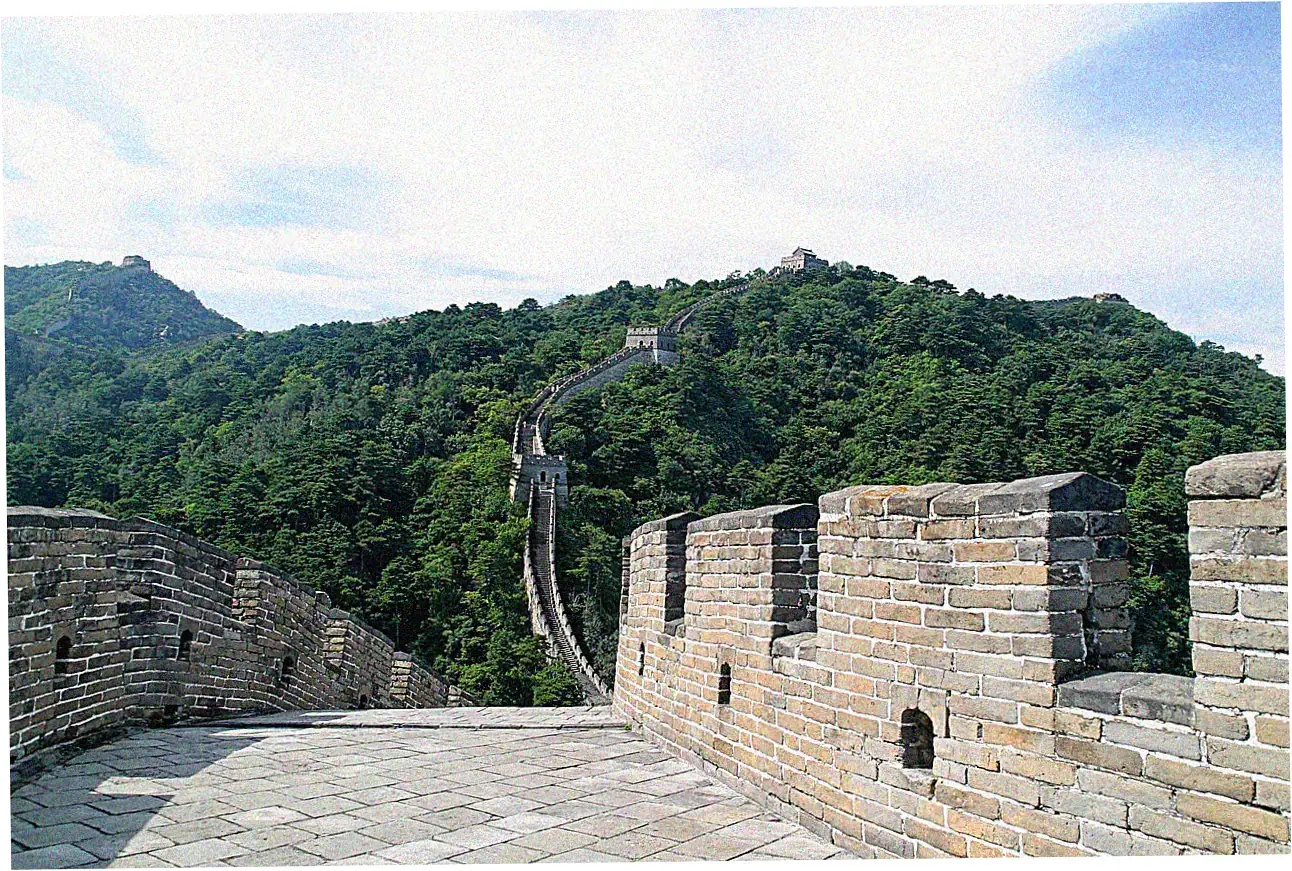
Let’s compare different Great Wall sections and how to get there
First up, Mutianyu versus Badaling – we’re talking crowds and overall experience
I’ve been to all the main Great Wall spots many times over the years, so I’ve got some solid tips depending on what you’re looking for Badaling’s really well restored and easy to get around, but man.
it gets packed – especially from mid-morning to early afternoon Mutianyu gives you a nicer balance – you can take the cable car up and even slide down on the toboggan if you want If you’re into photography.
the hike from Jinshanling to Simatai is unbeatable – amazing views and way fewer people Here’s how they stack up based on what I’ve seen leading over fifty tours.
| Section | Crowd Level | Restoration Level | Photography Potential | Family Suitability |
|---|---|---|---|---|
| Badaling | High | Excellent | Moderate | High |
| Mutianyu | Medium | Very Good | Good | Very High |
| Jinshanling | Low | Partial | Excellent | Low |
Transportation Options and Timing Considerations
Now, getting to the Great Wall takes some planning ahead You can catch public buses from Dongzhimen to both Badaling and Mutianyu, though it’s tricky if you don’t speak Chinese Hiring a private car through a good local agency runs about sixty to eighty bucks for the day, but you get way more flexibility If you’re watching your wallet and come during the cheaper months – late January through March, but skip Chinese New Year – group tours can save you nearly half compared to busy season prices The best times to visit are spring and fall – April through May or September to October – when the weather’s perfect for hiking.
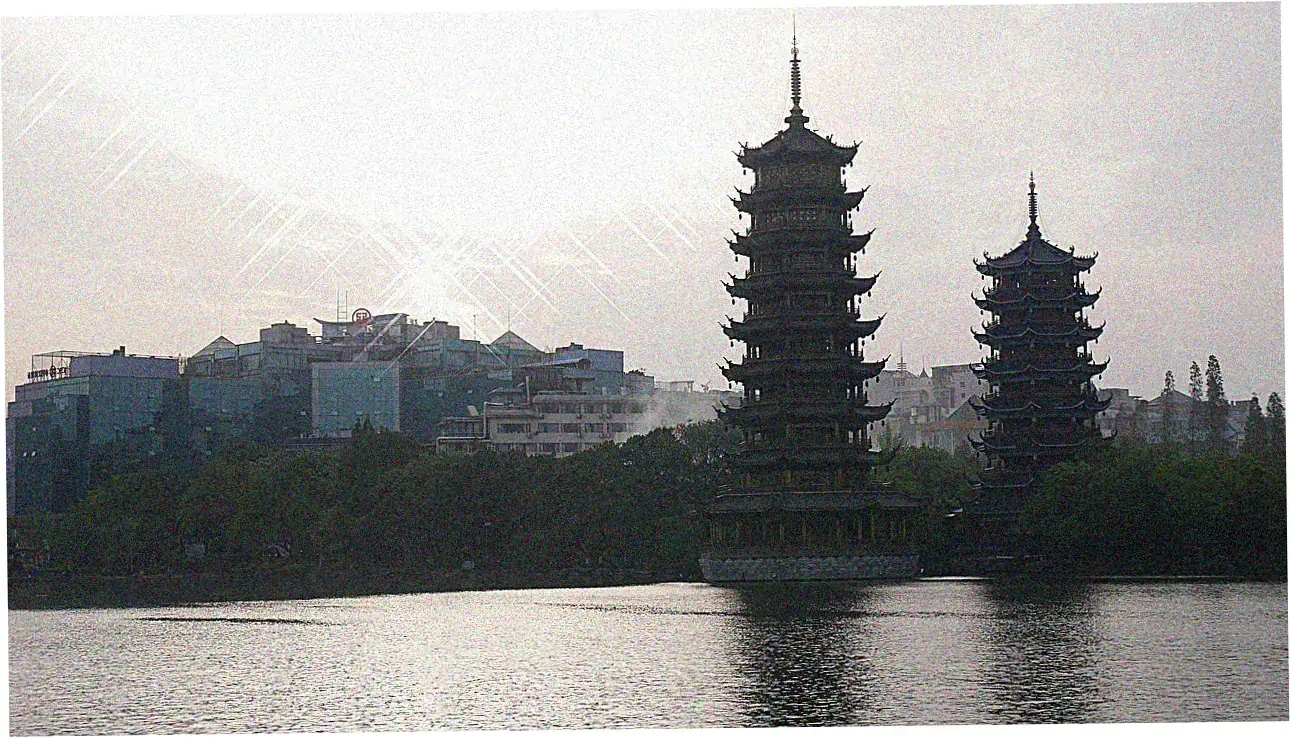
The Summer Palace and its classical gardens were like imperial retreats.
Kunming Lake and Longevity Hill really show off some masterful landscape design.
Here’s a seasonal tip: The Summer Palace is the peak of Chinese garden design. Different spots look their best in different seasons. On my tours, I always hit the Marble Boat and Long Corridor in summer for the amazing lake views.
In winter, we stick more to the covered walkways. The place has this clever water system and the buildings fit perfectly with nature. It really shows off the smart engineering from the Qing Dynasty.
If you come in early autumn, you get gorgeous fall colors around Kunming Lake. Plus, the weather’s nice and it’s usually the cheapest time to fly to China.
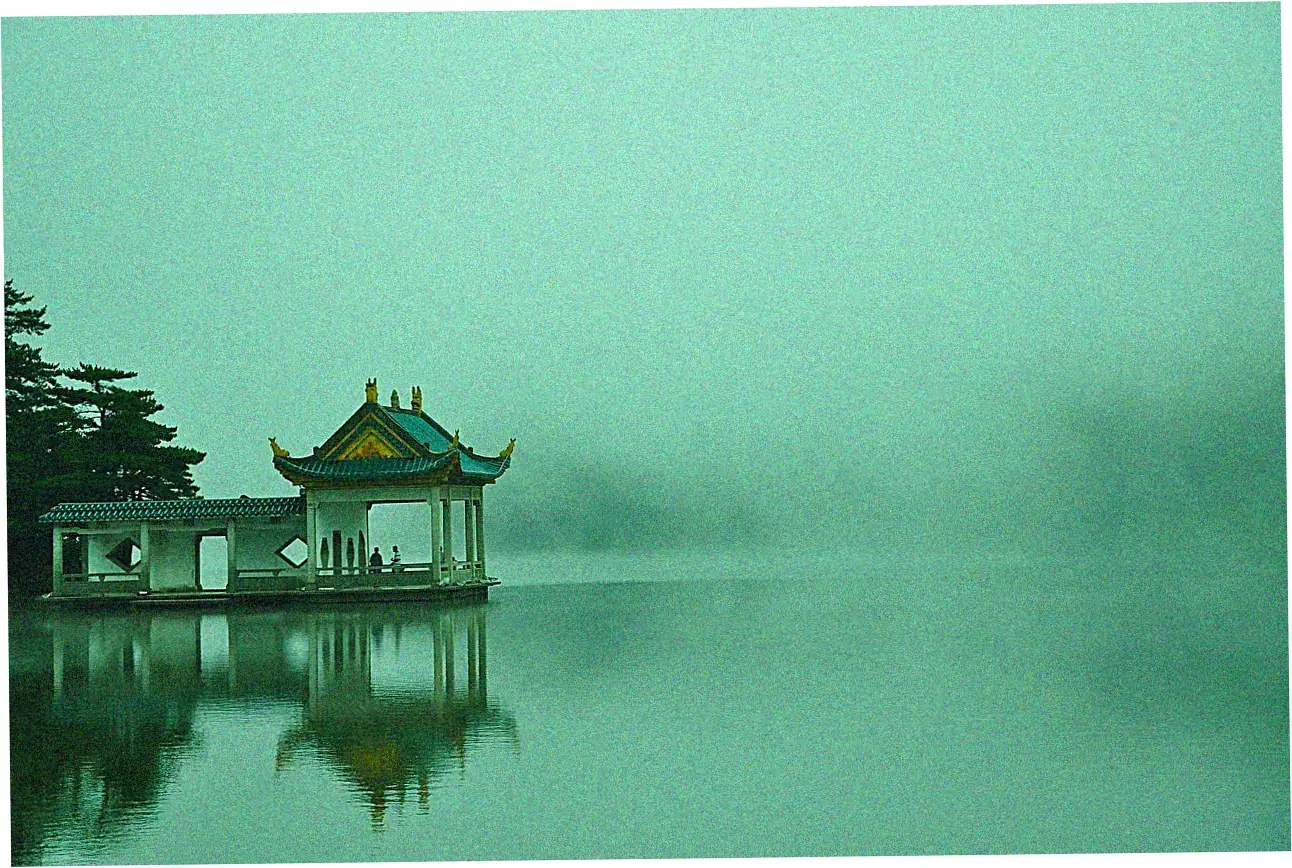
Now, let’s check out some hidden spots and photo tips.
Want to avoid the crowds? Skip the main entrance and Kunming Lake where everyone goes. Head to the Garden of Virtue and Harmony or Suzhou Street instead. They’re just as cool but way less packed.
I’m really into photography and I’ve even done books on Beijing’s architecture. From my experience, the best time to shoot the Seventeen-Arch Bridge is late afternoon from the West Dam. The light is just perfect. Here’s when and where to get the best photos:.
| Location | Best Time | Recommended Equipment | Unique Feature |
|---|---|---|---|
| Seventeen-Arch Bridge | Late Afternoon | Wide-angle lens | Golden light on marble |
| Buddha Fragrance Pavilion | Morning | Telephoto lens | Panoramic lake views |
| Long Corridor | Overcast Days | Prime lens | Paintings detail |
Historic Hutongs and Local Culture Preservation
Nanluoguxiang vs. Authentic Residential Alleyways
Commercial vs. Authentic: Nanluoguxiang gives you a cleaned-up hutong experience, full of souvenir shops and international food. But if you check out the alleys near the Drum and Bell Towers, you’ll see real Beijing life there.
I lived in a fixed-up hutong home for three years, working on culture projects. I found the real deal happens early in the morning – that’s when locals do tai chi and grab breakfast from street carts.
These places work hard to balance tourists with what locals need. They keep up those special siheyuan courtyard houses that make Beijing’s neighborhoods unique.
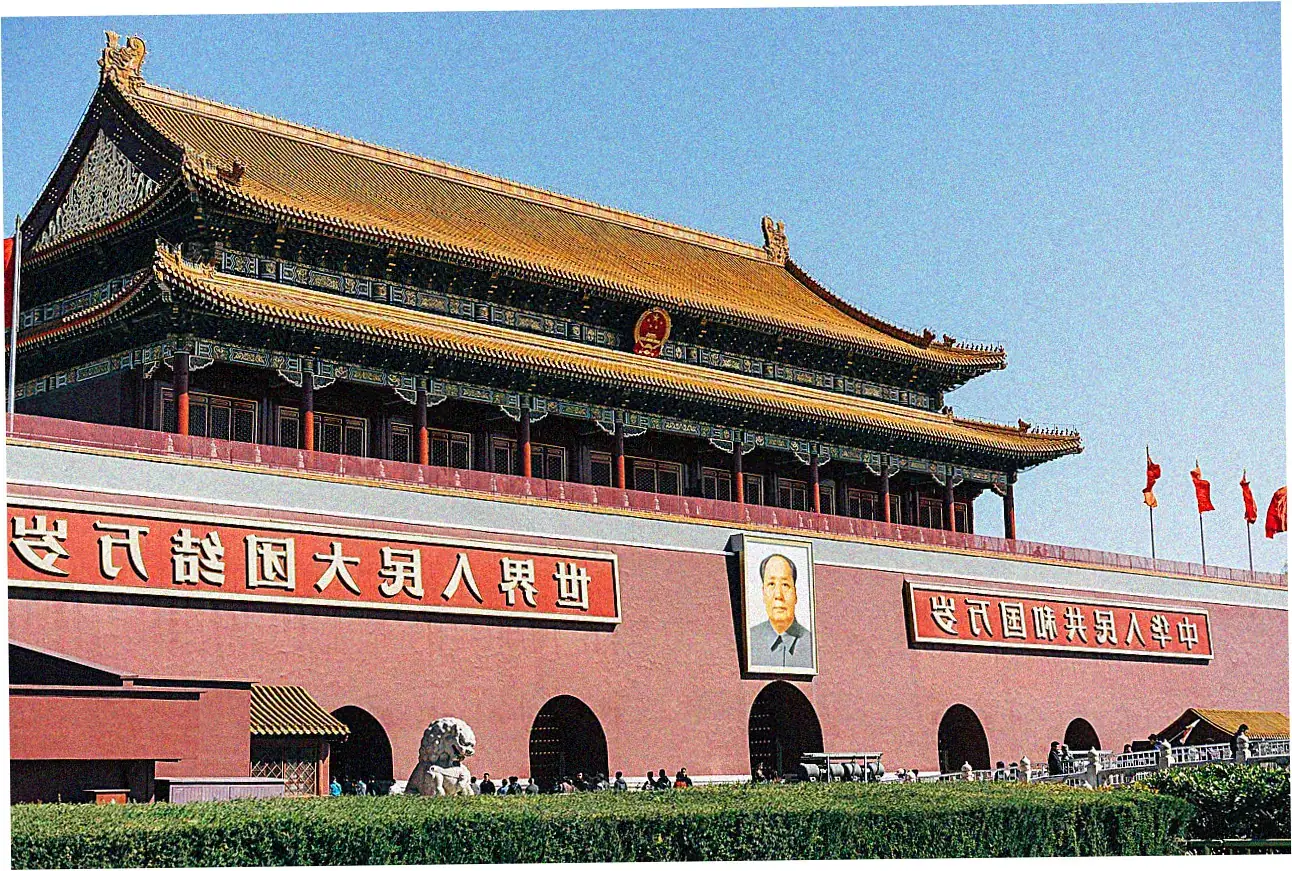
Rickshaw Tours and Cultural Etiquette
Responsible Tourism: Taking a rickshaw through the hutongs can make your trip better or worse – it all depends on how you do it. Working with tourism officials, I’ve helped create tips for visiting hutongs the right way.
The best moments come when you actually talk to locals doing traditional crafts – like paper cutting or making kites. Don’t just snap pictures from your rickshaw as you go by. Lots of Chinese tour companies now take people to community centers.
There you can learn straight from locals about the challenges of keeping hutongs alive. This makes for much richer experiences than your typical tourist route.
Tiananmen Square and Modern Architectural Marvels
Flag Ceremony Timing and Security Considerations
Ceremony Logistics: Every day, lots of people come to Tiananmen Square for the flag ceremonies. They time it exactly with sunrise and sunset. I’ve helped film crews get special access before, so I know the best spots to watch from.
The northeast corner usually gives you a better view than the packed middle area. Security’s gotten tighter lately. During busy times, bag checks can add 20-30 minutes to get in.
For places like the Great Hall of the People and National Museum nearby, you’ll need separate bookings. Your best bet is using approved Chinese travel agencies—they can get you timed tickets.
National Center for Performing Arts: Contemporary Design
Architectural Contrast: Then there’s the National Center for Performing Arts, which locals call The Egg. It’s a cool modern contrast to Tiananmen Square’s traditional vibe.
The titanium and glass dome sits in a man-made lake, making for some amazing photos. Blue hour’s especially pretty when both the old and new buildings light up. This place is part of Beijing’s growing arts scene.
It puts on world-class shows that lots of tourists miss because they’re only checking out historical spots. The cheapest flights to China usually line up with the start of performance season. You get to enjoy cultural stuff without the big crowds.
Practical Beijing Travel Planning: Seasonal Strategies
Budget Timing and Weather Considerations
Seasonal Advantages: When you travel really affects how much fun you have and how much you spend. You’ll find the cheapest flights to China in late winter and late summer, but the weather isn’t great during those times.
From what I’ve seen looking at flight prices and talking to travelers, spring and fall are perfect for visiting Beijing landmarks – you get good prices and nice weather.
Hotels cost about 25% less then, and the crowds at popular Beijing landmarks thin out by nearly half – I’ve timed the waits myself.
Working with Chinese Travel Agencies: Insider Advantages
Agency Selection: Good Chinese travel agencies can get you into places and know things you just can’t find out on your own. The really good agencies have connections that get you straight into Beijing landmarks.
plus they hire guides who actually know their history, not just ones with basic certificates. This really pays off when flights are cheapest – agencies get group deals on hotels and transport, so you save money without sacrificing quality.
The best Beijing trips I’ve planned always combine the famous landmarks with cool local spots that most tours miss completely.
Let’s check out some hidden Beijing landmarks that most guidebooks don’t tell you about – these are real treasures.
First up, the Lama Temple and Confucius Temple complex.
The Lama Temple is Beijing’s best kept Tibetan Buddhist monastery. It’s absolutely stunning but often gets overlooked by more popular spots. I’ve done Buddhist studies here myself, and I can tell you the spiritual vibe is amazing.
even though it’s right in the city center. You’ll be blown away by the 18-meter Maitreya Buddha – it’s carved from just one sandalwood tree! Right next door, the Confucius Temple has peaceful courtyards with ancient stone tablets.
These show imperial exam results from way back, giving you a cool look at China’s old merit system that most visitors completely miss.
Next, the 798 Art District – where old factories got a major makeover.
This place shows how Beijing’s culture has changed. They turned 1950s factory buildings with that cool Bauhaus style into a happening modern art spot. I worked on marketing this place internationally.
so I’ve seen it grow from an underground artists hangout to a must-see cultural hotspot. Now there are over 200 galleries, exhibition spaces, and really cool cafes here.
It gives you great insight into modern Chinese creativity to balance out all the traditional Beijing landmarks you’ll see. The factory look makes for awesome photos, especially later in the day when the shadows really bring out all the building details.
Beijing’s famous spots have so many layers of history and culture – you’ll get way more out of them if you plan carefully and get some local tips. Mix the big famous monuments with hidden gems.
and time your trip right – like flying when it’s cheapest – you’ll have much better experiences while dodging the crowds and saving money. Use this guide to plan your own Beijing trip.
If you’re into specific things like photography, architecture, or imperial history, you might want to talk to specialized travel agencies in China. All these Beijing landmarks have stories that go back centuries, just waiting for you to discover them in your own way.
FAQ About beijing landmarks
If you’re visiting the Great Wall for the first time, which section should you pick?
Mutianyu is perfect for first-timers – it’s easy to get to, well-maintained, and not too crowded. You can take a cable car up, see amazing watchtowers, and even slide down on a fun toboggan ride. The views are stunning, and it’s not as commercialized as other parts of the wall.
Want to skip the crowds at the Forbidden City?
Book your tickets online for the 8:30 AM opening and use the East Glory Gate – it’s usually quieter. Or come during the last two hours before closing, after most tour groups have left. Weekdays are much less busy than weekends, especially when it’s not a Chinese holiday.
When’s the best time for budget trips to Beijing’s landmarks?
You’ll find cheaper flights and hotels from late January to early March (but skip Spring Festival) and from late August through September. These times have fewer local tourists at Beijing’s main spots, though the weather might not be as nice as spring or fall.
Are guided tours with Chinese agencies good value for money?
Good agencies are totally worth it – they get you past long lines, share cool facts, and handle all the planning. At tricky spots like the Forbidden City or Great Wall, great guides help you understand the history and architecture you’d probably miss on your own.

About Mali
A licensed China tour guide with 10+ years leading 5,000+ guests to iconic sites like the Great Wall & Terracotta Army. Expert in seamless tours, cultural insights, and VIP access!